Establishing a realistic kitchen renovation budget requires understanding how construction scope, material specifications, and mechanical upgrades collectively shape overall project costs. Because every renovation blends structural decisions with aesthetic goals, the financial planning process must account for both visible finish levels and the infrastructure that supports them. Regional labor rates, evolving building codes, and manufacturer requirements further influence how budgets scale from cosmetic updates to full structural redesigns. By examining the cost tiers, technical drivers, and hidden factors involved, you can approach renovation planning with clarity and confidence. This comprehensive guide outlines these considerations in detail so each decision contributes meaningfully to long-term performance and value.

National Kitchen Renovation Cost Ranges
National remodeling averages offer a reliable framework for determining typical kitchen renovation investments by aligning project complexity with real-world cost tiers. These ranges help you understand how the depth of construction, from cosmetic improvements to structural changes, directly influences budget expectations.
Minor Cosmetic Renovations (Surface-Level Upgrades)
Minor cosmetic renovations focus on enhancing visual appeal without modifying the kitchen’s mechanical infrastructure, which helps stabilize labor budgets. These updates often include cabinet refacing, lighting improvements, new hardware, fresh paint, and appliance replacements. Because the layout remains unchanged, installation timelines remain predictable and cost-efficient. As a result, minor kitchen updates typically fall in the $15,000–$35,000 range. This approach also appeals to homeowners seeking to enhance their aesthetic appeal or increase their property's resale value without undertaking structural work. Ultimately, cosmetic renovations deliver noticeable improvement while maintaining practical budget discipline.
Mid-Range Renovations (Functional + Aesthetic Enhancements)
Mid-range renovations integrate upgraded materials, semi-custom cabinetry, improved storage, and more durable flooring solutions. These projects usually fall within the $40,000–$70,000 range due to increased material quality and moderate mechanical adjustments. Electrical improvements may involve new circuits, LED task lighting, and upgraded GFCI protection, while plumbing updates accommodate modern fixtures. These enhancements also support more efficient daily workflows and improved durability. As materials become more resilient and installations more precise, project longevity increases. Together, these elements position mid-range renovations as a balanced investment in both performance and design.
Full-Gut or Luxury Renovations (Structural + High-End Materials)
Full-gut renovations involve removing all existing components so the kitchen can be rebuilt with premium materials, advanced mechanical systems, and custom workmanship. Projects in this tier frequently exceed $80,000–$150,000+, especially when structural walls are removed or layouts are significantly reconfigured. High-end finishes such as quartzite, custom millwork, and commercial-grade appliances also elevate both labor and fabrication requirements. Structural adjustments may require new beams, engineered supports, or reinforced subfloor assemblies. Integrated lighting systems, upgraded ventilation, and bespoke storage solutions further add technical complexity. As a result, full-gut renovations represent the highest level of design precision and functional performance.

Key Cost Drivers and Budget Allocation
A kitchen renovation’s budget is shaped by core components that consistently command higher investment due to material complexity, fabrication requirements, and mechanical coordination. Understanding these cost drivers helps homeowners prioritize upgrades that support long-term durability and everyday usability.
Cabinetry Construction and Configuration
Cabinetry typically accounts for 28–35% of a kitchen renovation budget because construction materials, joinery, and internal accessories directly influence structural integrity and system longevity. For example, plywood cabinet boxes and hardwood frames provide greater rigidity and moisture resistance than particleboard alternatives, making them a common upgrade. Advanced joinery, such as dovetail drawers and fully captured backs, further enhances durability under continuous use. Internal organizers, like pull-out trays, spice racks, and waste systems, improve workflow efficiency but require precise installation. These components must also align accurately with appliances and wall surfaces, increasing labor intensity. Together, these factors position cabinetry as one of the most technically demanding and cost-intensive elements of a renovation.
Appliance Package and Installation Requirements
Appliances contribute significantly to renovation costs because mechanical requirements differ across models and performance levels. High-output ranges, integrated refrigeration, and induction cooktops often require dedicated electrical circuits, upgraded breakers, or modified gas lines. Ventilation systems may also need increased CFM capacity or altered duct pathways to meet manufacturer specifications. Coordinating these adjustments necessitates skilled electricians, plumbers, and HVAC technicians working in sequence. These demands explain why appliances typically represent 12–20% of a renovation budget. Ultimately, appliance selection supports both daily functionality and long-term cooking performance.
Countertop Materials and Fabrication Complexity
Countertop investments hinge on material durability, fabrication requirements, and installation precision. Materials like quartzite, porcelain slabs, and engineered quartz require specialized equipment for cutting, mitering, and fitting. Custom edge profiles, waterfall panels, and large format backsplashes also increase fabrication time and material usage. In addition, installers must account for seam location, slab veining, and structural support beneath heavy materials. Sink and cooktop cutouts add further complexity, increasing both fabrication and on-site fitting requirements. These considerations place countertops at 10–15% of total renovation budgets.
Mechanical, Electrical, and Plumbing (MEP) Adjustments
Mechanical upgrades significantly affect renovation costs because they determine the infrastructure supporting all major appliances and fixtures. Electrical improvements may include new circuits, panel upgrades, and expanded lighting configurations. Plumbing adjustments also often address relocated fixtures, under-sink filtration, or updated shut-off valves. Moreover, gas line modifications must meet strict safety guidelines, requiring precise rerouting or pressure adjustments. Older homes may need extensive updates to meet modern safety standards. These requirements make MEP work an essential and often substantial budget component.

Hidden and Secondary Costs That Impact Final Budget
Secondary and hidden costs often emerge during demolition or permitting, making them essential considerations in realistic budgeting. Anticipating these factors reduces delays, change orders, and unexpected financial strain.
Structural Repairs and Code Compliance Requirements
Demolition can reveal hidden issues such as water damage, outdated wiring, or inadequate framing. Homes built before the 1990s, for instance, may contain obsolete electrical systems, aging plumbing, or insufficient insulation. Addressing these issues is essential to meet modern code requirements and ensure long-term safety. Structural repairs may also involve replacing joists, reinforcing subfloors, or adjusting load-bearing elements. These corrections commonly add 10–20% to the total project cost. Planning a contingency fund prepares you for these necessary updates.
Permits, Design Fees, and Professional Services
Permits ensure that electrical, plumbing, and structural work complies with local codes and inspection standards, providing a foundation of safety and legality for the project. Design services, including detailed plans, elevations, and material specifications, build on this foundation by offering clarity for contractors and preventing miscommunication during construction. When structural modifications or load-path adjustments are involved, engineers may also be required, further safeguarding the integrity of the design. Together, these professional services streamline coordination among trades and reduce the risk of installation errors. While they add to project costs, they significantly enhance reliability and safety. Including these fees in the initial budget ensures more accurate planning and smoother execution.
Site Preparation, Demolition, and Waste Disposal
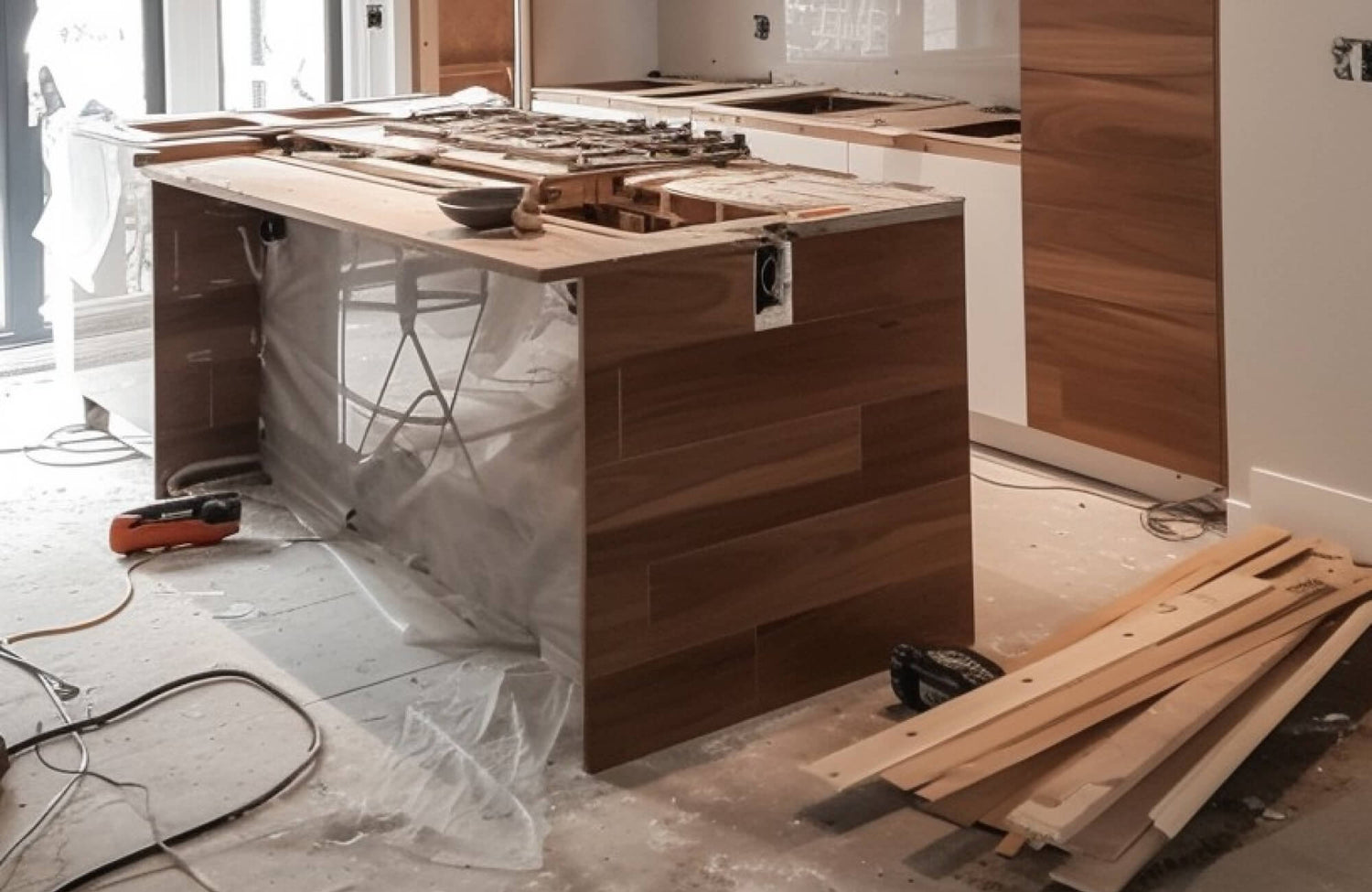
Effective site preparation begins with protecting floors, sealing off dust zones, and creating safe pathways for contractor access, establishing a controlled and efficient working environment from the start. With the site properly prepared, demolition of cabinetry, tile, drywall, and old appliances can proceed safely, generating debris that must be carefully removed, often requiring dumpster rentals, hauling services, and municipal disposal fees. In older homes, certified abatement services for lead or asbestos may also be necessary, adding another layer of safety and compliance. Accounting for these logistics in advance ensures smoother coordination, minimizes delays, and keeps the construction timeline on track.
Change Orders and Mid-Project Adjustments
Change orders occur when project scope, materials, or design selections shift after construction begins. These modifications often disrupt contractor schedules and increase labor hours. Adjustments may also require expedited material orders, resulting in higher procurement costs. In some cases, changes necessitate rework, increasing installation complexity and extending timelines. Early decision-making helps reduce the likelihood of costly revisions. Clear documentation and communication ensure more predictable budget outcomes.

Material Specifications and Finish Levels
Material selection and finish quality directly affect performance, durability, and long-term maintenance expectations. Understanding these specifications helps homeowners allocate resources strategically across high-use and decorative areas.
Flooring Durability, Installation Method, and Subfloor Preparation
Flooring options such as hardwood, luxury vinyl plank, and porcelain tile each present unique durability profiles and installation demands. Porcelain tile, in particular, requires precise leveling and may need additional underlayment to support long-term stability. Meanwhile, hardwood adds warmth and value but requires moisture control and periodic refinishing. Luxury vinyl plank, on the other hand, offers resilience and easier installation, making it ideal for busy spaces. Subfloor preparation, such as leveling or moisture mitigation, is essential for all materials. These combined factors shape overall flooring cost and longevity.
Selecting flooring that aligns with anticipated foot movement, climate conditions, and daily wear patterns ensures that the surface performs reliably across its full lifespan. Because flooring serves as the foundation for the entire kitchen environment, quality installation and substrate preparation also enhance structural integrity and reduce the likelihood of future repairs. Thoughtful flooring decisions ultimately support the kitchen’s long-term comfort, functionality, and aesthetic cohesion.
For homeowners looking to combine durability with a timeless visual statement, Edward Martin’s Leona 24x24 Checkerboard Matte Porcelain Tile in Calacatta and Marfil, as displayed in the photo above, adds a classic checkerboard look while offering the long-lasting strength and low maintenance of porcelain, making it a practical yet elevated option for a busy kitchen.
To further streamline planning accuracy, Edward Martin’s augmented reality (AR) tool allows clients to visualize flooring materials and installation patterns in real time, ensuring compatibility before any on-site work begins.
Cabinet Material, Finish, and Build Quality
Cabinet material options, ranging from MDF to plywood to solid hardwood, offer varying levels of structural stability and moisture resistance. High-performance finishes such as catalyzed lacquer improve durability in busy environments. Door construction choices, including inset or frameless styles, also require different fabrication tolerances and impact overall cost. Moreover, custom colors, specialty textures, and glazing techniques increase production complexity. Internal upgrades, such as dovetail drawers or soft-close slides, further enhance daily functionality. These factors collectively determine cabinetry’s performance and budget impact.
Countertop Material Performance and Required Maintenance
Natural stones bring unique aesthetic variation to a kitchen, but they demand regular sealing and careful maintenance to preserve their beauty. In contrast, engineered quartz offers consistent patterning and low upkeep, making it a practical choice for busy households. Meanwhile, porcelain slabs combine exceptional heat, stain, and UV resistance, though their fabrication and installation require specialized expertise. Careful attention during installation, including seam placement, structural support, and substrate preparation, ensures both durability and visual appeal. Moreover, long-term maintenance expectations differ by material, directly influencing the overall lifetime cost. Considering these factors helps homeowners select a countertop that balances performance, longevity, and design preference.
Backsplash Materials, Installation Demands, and Maintenance Requirements
Backsplash materials range widely in both aesthetic impact and practical performance, making it essential to balance style with long-term durability. Porcelain and ceramic tiles are among the most reliable choices, offering stain resistance, easy maintenance, and a wide array of shapes and finishes. Natural stone, on the other hand, creates a luxurious, organic backdrop but requires sealing and ongoing care to protect against etching, moisture, and discoloration, while glass tile adds reflective brightness but demands precise installation to achieve clean grout lines and prevent visible imperfections.
Installation requirements vary by material and finish—textured tiles may need more meticulous alignment, while larger formats call for careful leveling to maintain seamless transitions. Grout selection also plays a key role, as color, width, and composition influence both the finished look and maintenance needs. Additionally, routine cleaning, proper sealing when necessary, and thoughtful material selection all contribute to a backsplash that remains beautiful and functional over time.
For homeowners seeking a refined, versatile option, the Juliet 2.5x10 Matte Porcelain Tile in Pearl (photo shown above) offers a soft, modern surface with the low-maintenance performance of porcelain, making it a durable yet elegant choice for everyday kitchen use.
Lighting Fixtures and Hardware Integration
Lighting design acts as both a functional and aesthetic backbone in a kitchen renovation, where fixture placement, bulb type, and finish coordination all affect visual and operational performance. Specifying a high-performance pendant such as our Rosa Triangular Pendant in Aged Brass (featured in the photo above) brings a focused overhead illumination zone with a premium metal finish that resists corrosion while delivering ambient and task light. The aged brass finish also complements warm wood tones, bronze hardware, and stone veining, creating material continuity throughout the space.
In addition, integration with the lighting circuit must satisfy manufacturer-specified ratings (for example, E26 medium base up to 75 W) and ensure compatibility with dimming systems to achieve layered illumination strategies. Selecting hardware finishes, switchgear, and lighting controls as part of a coordinated design minimizes visual fragmentation and supports operational efficiency. By aligning lighting fixtures, material palette, and installation requirements, the renovation seamlessly blends style and performance into one cohesive kitchen environment.
Furniture Selection and Spatial Integration
Furniture plays an essential role in the functional and visual continuity of kitchen and dining areas, requiring proportional alignment with the room’s layout. Counter stools like the Genevieve Counter Stool in Light Oak (displayed in the photo above) and dining chairs must coordinate seat height, structural support, and ergonomic comfort to work effectively with islands or dining tables. Dining tables also introduce material, leg configuration, and clearance considerations that shape movement flow and seating capacity. Moreover, sideboards and storage consoles must provide adequate storage without obstructing circulation or appliance access. Material choices, including hardwood, metal, and performance-grade upholstery, further affect long-term durability and maintenance. Integrating furniture into the renovation budget ensures cohesive transitions between cooking, dining, and gathering zones.

Value-Driven Strategies to Stay Within a Realistic Budget
Budget efficiency involves balancing high-performance materials, layout strategies, and cost-conscious purchasing decisions. These approaches help homeowners maximize long-term value while avoiding overspending.
Preserve the Existing Layout to Reduce MEP Costs
Maintaining the existing kitchen layout avoids relocation of plumbing, electrical circuits, or gas lines. This reduces mechanical labor and limits the required permits. It also shortens construction timelines by avoiding disruptive structural modifications. In addition, retaining the layout allows budget allocation toward cabinetry or premium finishes instead. This strategy maintains both efficiency and visual impact. Ultimately, layout preservation is one of the most cost-effective ways to control renovation expenses.
Select Semi-Custom Cabinetry With Strategic Custom Additions
Semi-custom cabinetry offers flexibility in configuration and finish options while avoiding the higher costs associated with full custom work. Strategic custom additions, such as bespoke range hoods or floating shelves, enhance aesthetic quality without excessive expense. This combination supports functional storage optimization and design refinement. Semi-custom systems also provide more predictable lead times and installation logistics. Blending these solutions ensures a tailored look within an efficient budget. Homeowners gain both value and design versatility through this hybrid approach.
Prioritize High-Durability Surfaces in Heavy-Use Areas
Focusing investment on durable surfaces such as quartz countertops, porcelain flooring like Edward Martin’s Adeline 24x24 Matte Porcelain Tile in Taupe, as displayed in the photo above, and solid hardware ensures the kitchen withstands busy use. These materials reduce long-term maintenance and replacement needs. Directing budget toward heavy-use zones also enhances overall system longevity. Additionally, decorative or low-impact areas can incorporate more economical materials without compromising design. This targeted strategy balances cost with long-term performance. Over time, durable materials contribute to lower lifecycle costs and improved reliability.
Leverage Appliance Packages and Seasonal Promotions
Coordinating appliance purchases as a package not only reduces overall cost but also ensures design cohesion across the kitchen. Planning ahead allows homeowners to take advantage of seasonal promotions, clearance models, and manufacturer rebates, further maximizing savings. In addition, early coordination ensures that preferred models are available in time for installation, avoiding delays or compromises. By reallocating these savings to higher-impact areas such as cabinetry or countertops, homeowners can enhance the overall design without increasing the budget. Aligning appliance selection with promotional cycles ultimately maintains performance quality while delivering the greatest value for the investment.
Compare Contractor Bids With Itemized Scopes of Work
Requesting itemized proposals gives homeowners a clear understanding of materials, labor, and installation standards across different contractors, highlighting the true value behind each bid. By examining detailed scopes of work, subtle differences in methods, allowances, and responsibilities become apparent, revealing how they can affect the overall project cost. Transparent documentation not only minimizes the risk of unexpected change orders but also creates a shared framework for expectations between homeowner and contractor. Comparing multiple bids in this way allows for informed decisions and ensures that selected contractors align with both design intentions and budget priorities. Ultimately, evaluating itemized proposals fosters greater control, confidence, and consistency throughout the project from start to finish.
Bringing Your Kitchen Renovation Budget Into Focus
A successful kitchen renovation budget relies on understanding the relationship between materials, craftsmanship, mechanical systems, and the evolving needs of the household. By evaluating these components side by side, homeowners can make informed decisions that distribute funds where they provide the greatest long-term impact. Forward planning, supported by accurate bids, contingency allowances, and well-defined design intentions, helps prevent costly surprises during construction. When each investment is aligned with both functional priorities and realistic cost expectations, the result is a kitchen that performs reliably and enhances daily living.
To make this stage even more manageable, Edward Martin’s comprehensive design services help you align material selections, layout options, and labor considerations with a realistic budget from the very beginning!