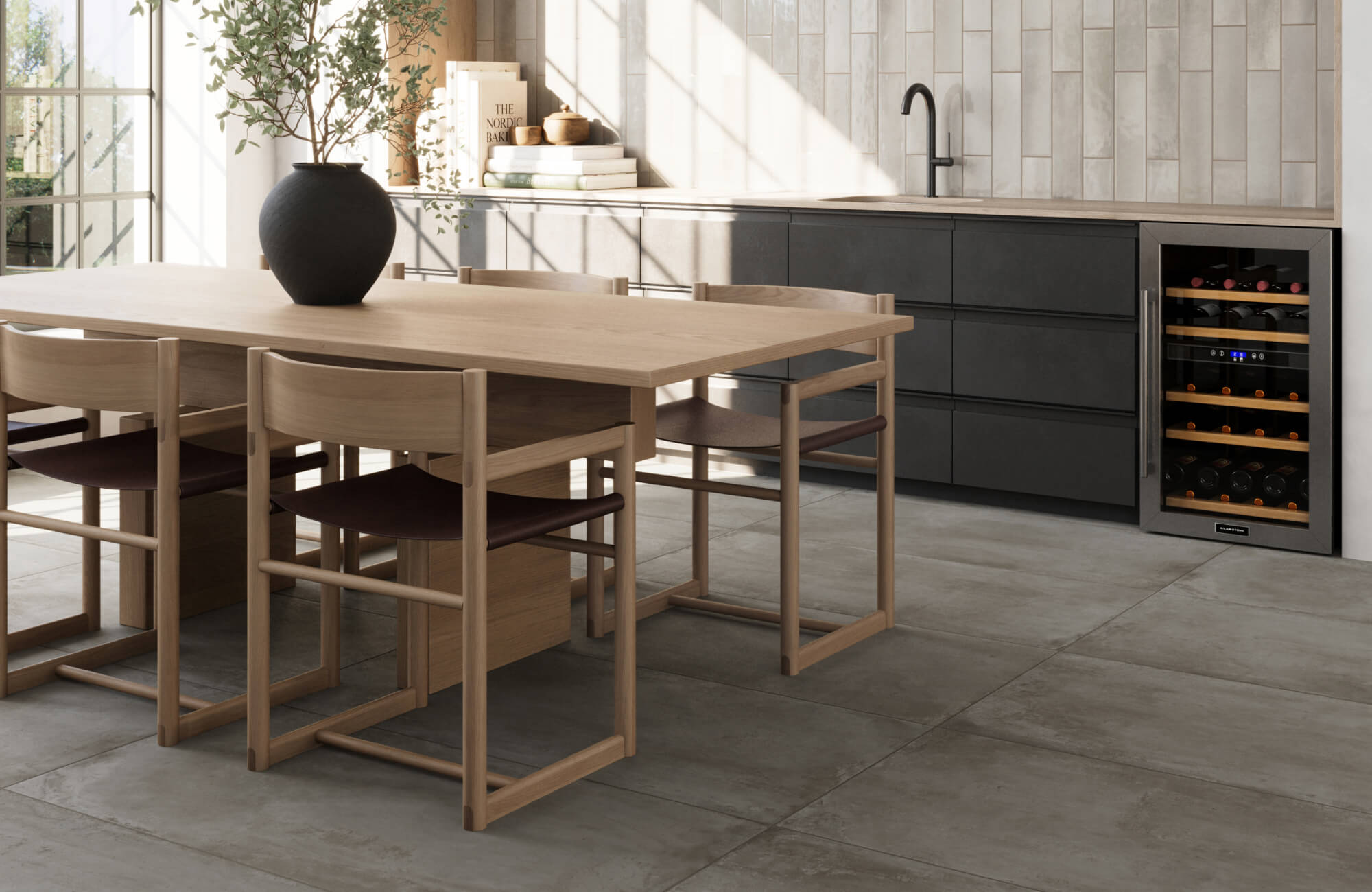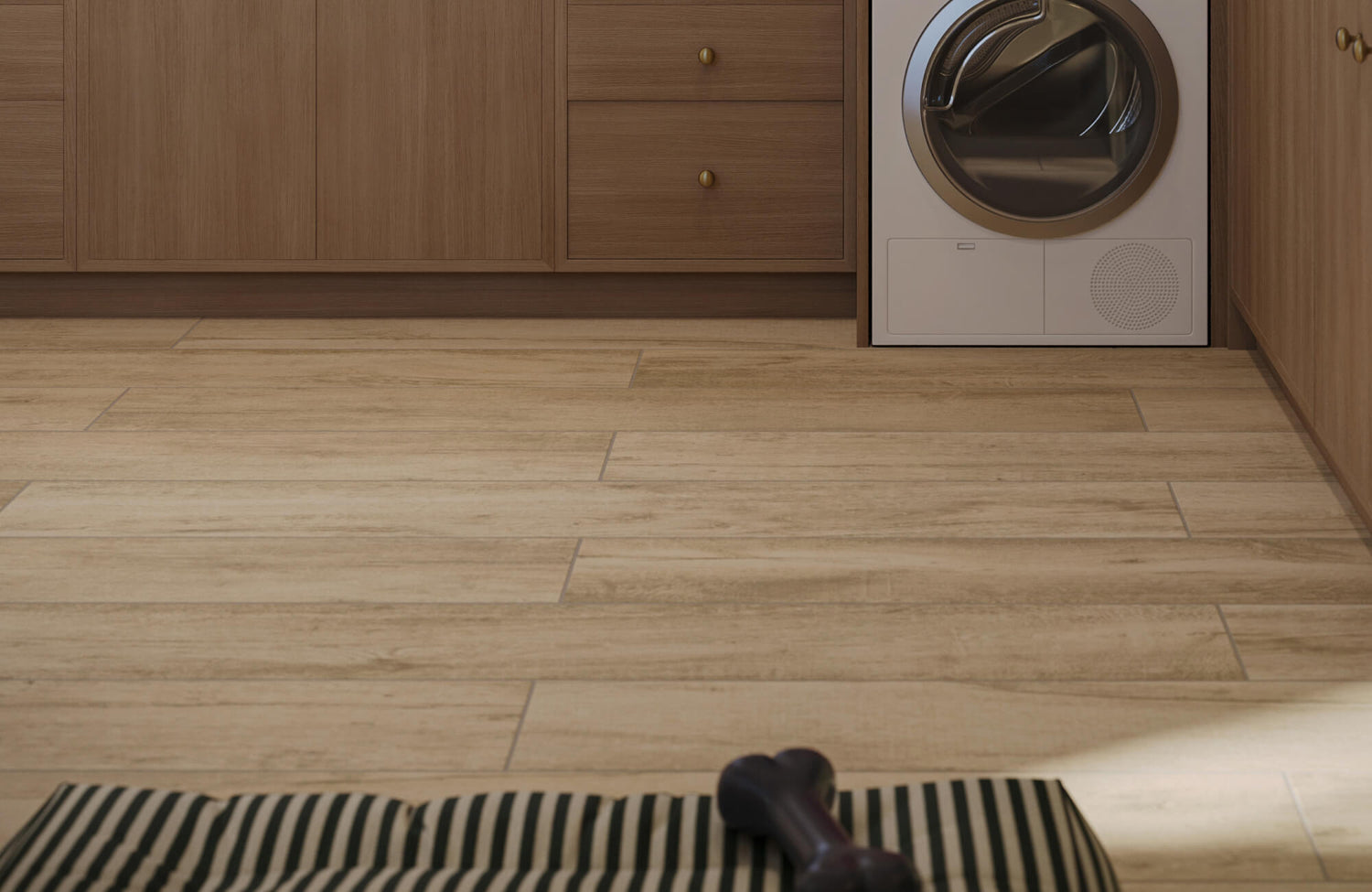
Hardwood-look flooring has moved well beyond traditional wood planks. As we explore today’s alternatives together, you will see how modern materials capture the warmth, grain, and character of hardwood while offering different advantages in durability, maintenance, and cost. If this is new for you, we will walk through each option in a clear, practical way so you can understand which hardwood look floors, how they perform in daily life, and where they make the most sense in your home.

Luxury Vinyl Flooring That Mimics Wood
Luxury vinyl flooring is often one of the first alternatives people consider when they want the look of hardwood without the limitations of natural wood. Many are drawn to it because it feels familiar while addressing challenges that hardwood cannot easily handle. Its appeal lies in how closely it reflects the look of wood while accommodating the practical demands of everyday living.
Wood Visual Technology in Vinyl
When you look closely at modern luxury vinyl, its realism is the result of careful design rather than coincidence. High-definition imaging is used to reproduce wood grain patterns, knots, and natural color variation with precision. These visuals are enhanced by embossing techniques that align surface texture with the printed grain, ensuring that what you see closely matches what you feel underfoot. As light moves across the floor, this alignment creates subtle shifts in tone and texture that feel natural rather than flat, allowing vinyl to blend comfortably into spaces where hardwood is typically expected.
Water Resistance Advantages
One of the most noticeable differences between vinyl and hardwood becomes clear when moisture is involved. Luxury vinyl is constructed with waterproof layers that resist swelling, warping, and staining when exposed to spills or humidity. This makes it suitable for spaces where wood typically struggles, such as kitchens, bathrooms, basements, and entryways. Rather than worrying about water exposure from daily use, you can rely on the floor to remain stable, which often changes how wood-look flooring is used throughout the home, instead of being limited to dry areas.
Comfort and Sound Benefits
Aside from its appearance, vinyl also affects how a floor feels and sounds during everyday use. Its layered construction adds a subtle cushion underfoot, which many find more comfortable than solid hardwood. Vinyl also retains warmth more effectively, particularly in cooler environments or in rooms built over concrete. Additionally, its composition helps limit sound transfer between spaces, making footsteps quieter and more contained, a difference many households notice soon after installation.

Laminate Flooring With Hardwood Appearance
Laminate flooring provides another option for achieving a hardwood look, though it does so through a different construction than vinyl. As we explore this choice, the focus is on how laminate balances visual appeal, structural performance, and affordability, even without the benefit of fully waterproof materials.
Printed Wood Layers
At the core of laminate flooring is a photographic layer designed to resemble familiar hardwood species such as oak, maple, or walnut. These images are created with careful attention to grain direction and color variation, giving each plank a more individual appearance. Although laminate relies less on surface embossing than vinyl, its printed layer still delivers a convincing wood look when viewed at normal standing height. In many rooms, this balance of realism and efficiency provides the hardwood feel people want while keeping material costs lower.
Scratch and Dent Resistance
Laminate is known for its ability to withstand surface wear from everyday use. A clear wear layer protects the printed design, helping the floor resist scratches, scuffs, and pressure from furniture. While no flooring material is completely damage-proof, laminate performs reliably in spaces with daily use. This resilience helps the surface maintain a more consistent appearance over time, particularly in rooms where wear would otherwise be easy to spot.
Installation and Budget Appeal
Ease of installation is a key reason laminate remains a popular choice. Most laminate flooring uses click-lock systems that connect without adhesives, allowing for quicker installation and lower labor costs. This often results in shorter project timelines and more predictable expenses. Since laminate materials are generally more affordable than other hardwood-look options, they can be a practical solution when you want consistent flooring across multiple rooms while keeping costs in check.

Porcelain Tile Designed to Look Like Wood
Porcelain tile that resembles hardwood offers a different approach, placing greater emphasis on long-term performance and durability. When this option comes up, the focus often turns to where strength and stability are most important and how modern tile has evolved past its traditional appearance.
Realistic Plank Formats
Hardwood-look porcelain tile is commonly produced in elongated plank shapes that closely resemble traditional hardwood boards. These planks are offered in a range of lengths and widths, with subtle edge variation that avoids a uniform, manufactured look. Matte finishes further soften the surface, reducing glare while reinforcing the character of natural wood. This effect is clearly illustrated in the photo featured above, where Edward Martin’s Preston 8x48 Matte Porcelain Tile in Pine demonstrates how staggered plank installation creates a balanced, intentional layout that feels grounded rather than rigid or repetitive.
Moisture and Heat Performance
Porcelain tile performs reliably in environments where moisture and temperature changes are common. Unlike wood-based materials, it does not absorb water, which makes it well-suited for bathrooms and areas near exterior doors. A piece like Edward Martin’s Jameson 8x48 Matte Porcelain Tile in Camel reflects how wood-look porcelain can maintain visual warmth while remaining stable in these conditions. Porcelain also pairs effectively with radiant heating systems, allowing warmth to move evenly across the surface. The result is a floor that supports comfort while maintaining durability in spaces with higher performance demands.
Long-Term Durability
When longevity matters, porcelain tile often stands out because its dense, non-porous structure resists fading, moisture, heat, and scratches over time. This durability can be seen in applications using options such as Preston 8x48 Matte Porcelain Tile in Teak, which maintain their appearance even in demanding environments. Although installation may require more planning upfront, the long-term benefit is a floor that remains largely unchanged year after year, making porcelain tile a dependable choice for those who want the look of hardwood with fewer long-term concerns.

Engineered Materials That Recreate Wood Style
Engineered flooring sits between solid hardwood and fully synthetic options. When exploring this category, the emphasis is on how its construction influences performance and stability, rather than appearance alone.
Composite Core Construction
Engineered flooring is made up of several bonded layers that form a stable core and are less affected by changes in humidity. This layered design helps limit the expansion and contraction commonly associated with solid wood. Because of this added stability, engineered floors can be installed in a wider range of interior conditions than solid hardwood. As a result, the floor is more likely to maintain its shape throughout the year, with fewer seasonal gaps or shifts.
Surface Veneer Differences
The top layer of engineered flooring is usually a thin veneer that provides the appearance of real hardwood. While this surface offers an authentic wood look, its limited thickness restricts how many times the floor can be refinished. Understanding this distinction helps set realistic expectations for long-term use. Engineered flooring places greater emphasis on stability and visual consistency than on repeated restoration, which may align well with your plans for the space.
Climate Stability Benefits
Engineered flooring performs reliably in environments with fluctuating humidity or temperature. In homes where climate conditions change between seasons, this added stability helps reduce many issues commonly associated with wood floors. Because of this, engineered materials are often well-suited for areas where solid hardwood would demand closer monitoring and ongoing maintenance.

Cost and Maintenance Comparison Across Alternatives
Once you have a clear sense of how each material looks and performs, the decision often shifts to long-term ownership costs. At this stage, it helps to look beyond the initial purchase and consider how each option aligns with your ongoing maintenance requirements and long-term plans.
Upfront Material Costs
Luxury vinyl and laminate generally sit at the more affordable end of the price range, making them appealing for larger projects or shorter-term needs. However, these materials may involve trade-offs in long-term durability, refinishing options, or resistance to moisture and heat. Porcelain tile and engineered flooring typically require a higher upfront investment because of their material composition and installation requirements, but this cost often reflects greater longevity and lower ongoing maintenance. An example is Edward Martin’s Jameson 8x48 Matte Porcelain Tile in Latte, as displayed in the photo above, priced at $8.82 per square foot, illustrates how higher-quality materials can deliver lasting performance.
Installation methods and subfloor preparation can also influence overall expense, especially with tile-based options. Comparing these cost ranges early helps balance initial cost with long-term value while maintaining the desired aesthetic.
Cleaning and Care Requirements
Daily care can vary considerably depending on the material. Vinyl and porcelain typically require simple cleaning routines and handle moisture without issue. Laminate calls for more care around water exposure, while engineered flooring performs best with controlled humidity and gentler cleaning methods. Choosing a floor that aligns with your comfort level for maintenance can make everyday upkeep far more manageable.
Repair and Replacement Considerations
Repair options vary by flooring type. Vinyl and laminate often allow individual planks to be replaced when damage occurs, while porcelain tile repairs usually involve more time and labor. Engineered flooring offers limited repair options, depending on the thickness of the surface veneer. Understanding these differences in advance helps you plan for unexpected issues and avoid surprises down the line.

Choosing the Right Hardwood Look for Your Space
With several alternatives available, selecting the right option depends on how you use your home and how each room functions. It is often more effective to consider practical needs on a room-by-room basis rather than focusing on appearance.
Room-Specific Performance Needs
Different rooms place different demands on flooring. Kitchens and bathrooms often benefit from materials that handle moisture well, while living areas may place more emphasis on comfort and warmth. This balance is reflected in the photo featured above, where Edward Martin’s Jameson 8x48 Matte Porcelain Tile in Umber supports both visual warmth and reliable performance in an open living space. Areas below grade or near exterior entries may also require added stability to account for temperature changes. Aligning material strengths with room conditions helps the floor perform reliably without requiring extra effort to maintain it.
Lifestyle and Household Factors
Households with pets, children, or frequent gatherings often need flooring that can handle everyday wear with minimal concern. Some materials disguise marks more effectively, while others are easier to repair after minor damage. Noise levels and comfort underfoot may also influence the right choice for shared living spaces. By considering daily habits, you can select a floor that supports your routine rather than limiting it.
Design Style Compatibility
The visual impact of flooring extends beyond color alone. Plank size can influence how open or grounded a room feels, while tone plays a role in overall warmth and balance. Finish and surface variation also affect how light interacts with the space. When these elements align with your design style, the floor serves as a subtle foundation rather than a competing feature.
Choosing Flooring That Looks Like Hardwood
Flooring that looks like hardwood without being natural wood offers flexibility that traditional hardwood cannot always provide. While each option offers a different balance of appearance, performance, and maintenance needs, porcelain tile often stands out as the strongest overall choice. Its non-porous construction resists moisture, heat, and surface wear, helping it maintain its appearance with minimal change over time. Porcelain also captures the visual character of wood through realistic plank formats and refined surface textures, making it suitable for a wide range of interior spaces.
If you want guidance on selecting the right option for your project, you can contact us to discuss your needs or use our AR tool to visualize how wood-look porcelain tile may appear in your space before making a decision.