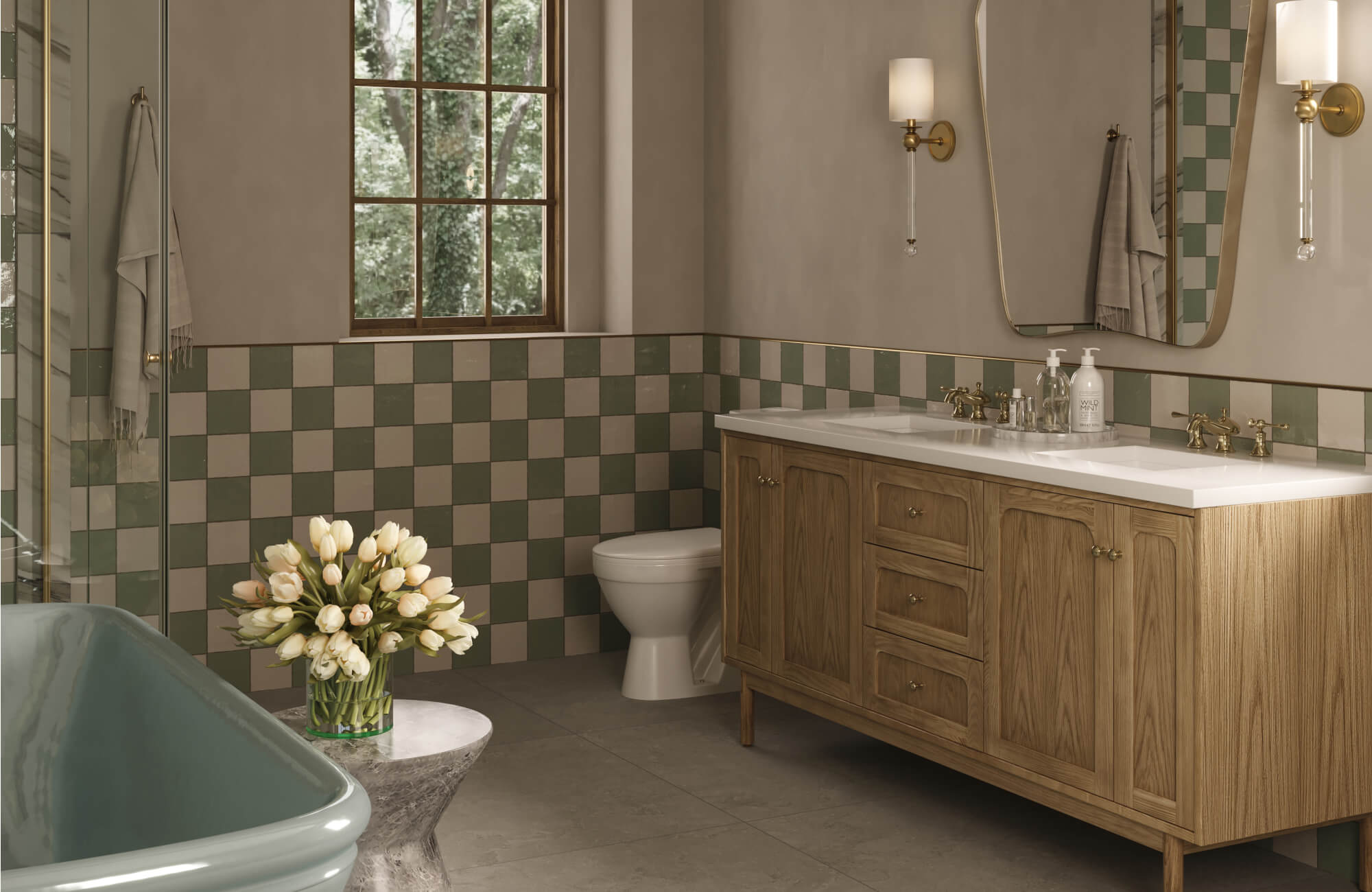
Vintage mirrors embody the stories, craftsmanship, and visual qualities that distinguish them from contemporary reproductions. When we appreciate a truly vintage piece, we see more than our reflection; we glimpse the era that shaped its design and materials. In this article, we’ll walk you through the key traits that help you recognize authentic vintage mirrors, from their historical origins to the subtle details that reveal how they were crafted.

The Historical Context of Vintage Mirrors
A mirror becomes “vintage” not simply because it has existed for decades, but because it reflects the style, technology, and cultural mindset of the period in which it was made. When you understand the era behind a mirror, its design choices and construction methods make far more sense. Exploring this historical backdrop reveals how time shapes the identity and character of a vintage mirror.
Origins
When mirrors became more common in the seventeenth and eighteenth centuries, they looked quite different from what we see today. Glassmaking was still evolving, and early mirrors often relied on small joined panes or hand-blown glass that produced gently uneven surfaces. As you examine older pieces, subtle waviness or slight variations in thickness may stand out, not as imperfections but as indicators of early manufacturing methods.
By the nineteenth century, industrial innovations made mirrors more widely available, and silver-backed glass emerged as the standard. Knowing when these developments took place helps you determine whether a mirror’s features align with the period it claims to represent.
Era-Specific Styles
Every decade left a distinct imprint on mirror design, and recognizing these stylistic cues helps you place a piece within its proper period. The 1920s introduced geometric forms and strong symmetry shaped by Art Deco ideas, while the 1940s favored sturdier frames and simplified silhouettes influenced by wartime material constraints. By the 1970s, design shifted toward expressive curves, sculptural outlines, and tinted glass. As you become familiar with these variations, it becomes easier to see how a mirror’s visual character reflects the broader design trends of its era.
Cultural Influences
Mirrors often express more than aesthetic preferences; they reflect the cultural and emotional atmosphere of their time. Political changes, emerging art movements, and shifting social values shaped how designers approached form, ornamentation, and materials. The fluid, nature-inspired curves of Art Nouveau mirrors, for instance, reveal a broader cultural interest in organic expression during the late nineteenth century. When you understand how these cultural forces shaped design decisions, it becomes easier to see why a mirror looks the way it does and how it connects to the period it represents.

Construction Techniques That Reveal Authentic Vintage Quality
Craftsmanship is often one of the clearest indicators of a mirror’s authenticity. When studying an older piece, it helps to look beyond its surface and consider how it was assembled. By understanding the hands-on construction methods used before mass production became common, you can more confidently identify the traits that signal genuine age and skilled workmanship.
Joinery
Joinery is one of the most dependable clues when evaluating a vintage mirror. Older frames were constructed using methods such as hand-cut dovetails, mortise-and-tenon joints, or wooden corner blocks, all of which were chosen for their exceptional strength and longevity. These techniques often leave subtle traces that reveal a mirror’s age.
As you examine a frame, you may notice slight gaps from natural wood movement or small irregularities where the joints meet. Details like these suggest the work of a craftsperson rather than a machine. Modern reproductions, by contrast, often use uniform glued or stapled joints that lack the character of handmade construction.
Handwork Indicators
Many vintage mirrors display signs of the craftsperson’s hand in their details. When you look closely at a carved frame, you may notice faint tool marks or slight variations in the pattern. Rather than flaws, these small irregularities confirm that the work was done by hand rather than produced through uniform machine stamping.
Take a moment to study the curves, edges, and carved motifs. If the detailing appears perfectly identical or sharply uniform, the mirror is likely more recent. Genuine hand-carved work reflects a sense of individuality, as each artisan naturally introduces subtle differences while shaping the material.
Backing and Supports
The back of a vintage mirror often reveals details that the front cannot. Older mirrors were commonly reinforced with wooden planks, early cardboard, or tacked panels, and these materials develop recognizable signs of age, such as soft discoloration, oxidized fasteners, or paper that frays at the edges.
If you inspect the back, do so cautiously to avoid shifting or stressing the frame. Newer reproductions typically feature fiberboard, machine-cut backing, or uniform staples that lack the irregular character of hand-applied supports. Noticing these distinctions can help you form a more accurate understanding of a mirror’s age and construction.

Identifying Patina and Aging Characteristics
As a vintage mirror ages, it naturally develops marks and changes that contribute to its character and authenticity. These signs of time cannot be fully replicated, even when newer pieces try to imitate them. By learning how genuine aging appears in both the glass and the frame, you can more confidently distinguish true vintage patina from intentional distressing.
Silvering Degradation
One of the clearest indicators of an older mirror is the way its silvering has aged. Early silvering processes relied on thin layers of metal that slowly oxidized, creating distinctive features such as small dark specks, gentle cloudiness, or tarnishing along the edges. These changes develop slowly over time and create irregular patterns that are rarely imitated to distress convincingly.
As you study a mirror, pay attention to the variation in its silvering. Genuine aging is often uneven and shaped by how the mirror was stored or handled over time. In contrast, intentional distress usually appears more consistent and deliberate.
Surface Wear
The surface of a vintage mirror often shows how it has been used and cared for over the years. Light scratches, softened edges, and a subtle dullness in the glass can indicate frequent cleaning or long-term use. These signs contribute to the mirror’s history rather than detracting from its appeal.
You may also notice slight ripples or gentle distortions when you look into the reflection. These characteristics typically come from early glassmaking methods that produced uneven surfaces. Because they are difficult to replicate convincingly, they serve as strong indicators of genuine age.
Frame Aging
A vintage mirror’s frame often reveals how it has changed over time. Wooden frames may show gentle shifts in color or softened edges where they were frequently handled. Metal frames may develop light tarnish or surface oxidation, while lacquered finishes can show fine cracks caused by years of natural expansion and contraction.
As you look at these details, consider where the aging appears. Authentic wear typically develops in areas that receive consistent use or exposure, whereas artificial aging tends to look uniform. Recognizing these patterns helps you separate genuine history from intentional imitation.

Aesthetic Details That Define Vintage Mirrors
A mirror’s visual language plays a major role in identifying it as vintage. By studying its motifs, shapes, and decorative elements, you begin to see the stylistic influences that point to a particular era. These aesthetic cues help confirm whether a mirror carries genuine historical character or simply imitates an older style.
Motif Patterns
Motifs are one of the clearest indicators of what defines a vintage mirror. Each design era favored specific visual themes, and these patterns help you trace a mirror’s origin. Art Deco mirrors showcase stepped edges, crisp symmetry, and linear geometry. Rococo designs highlight the eighteenth century’s taste for ornate curves and intricate carving. Mid-Century motifs embrace clean lines and a restrained elegance. When a mirror features motifs that align with a recognizable design movement, it gives you insight into the historical influence behind its style.
Silhouette Shapes
Silhouette is another key factor in defining a vintage mirror. Certain shapes strongly correspond to specific time periods or cultural preferences. Shield silhouettes are tied to classical revival styles, triptychs echo the layout of early dressing tables, and sunburst shapes became iconic in mid-twentieth-century interiors. When a mirror’s outline matches a form associated with a particular era, it reinforces its connection to that historical design language.
Decorative Enhancement
Decorative techniques also help define a mirror as vintage by revealing how it was embellished. Hand-applied gilding often shows subtle tonal variations that reflect the character of traditional craftsmanship. Reverse painting and era-specific beveling may display small irregularities that indicate manual work rather than machine precision. These details serve as visible markers of the time and skill invested in older mirrors.
Many contemporary designs echo these traditional techniques, achieving a vintage-inspired look that brings the beauty of historic craftsmanship into a newer piece. A good example is the Clementine Mirror in Antiqued Gold Leaf, as shown in the photo above, which features a softly weathered gilded finish, classic arched silhouette, and delicate edge detailing that evokes the elegance of old-world craftsmanship. Its thoughtfully aged surface and refined proportions make it feel right at home beside true vintage mirrors while still delivering modern quality and reliability.

Evaluating Provenance and Documentation
A mirror’s history can offer valuable insight into its authenticity and origin. Even when full documentation is not available, knowing how to identify meaningful clues can help you form a more confident assessment. Understanding provenance helps you place the mirror in context and verify details that support its age.
Labels and Maker Marks
Many vintage mirrors feature maker marks or labels discreetly placed along the back or frame. These identifiers can point to a specific workshop, manufacturer, or region, offering helpful clues about the mirror’s origin. You may find engraved stamps, printed labels, or small plaques, each offering useful information when checked closely. Taking a moment to study these markings can help you verify the mirror’s age and understand the craftsmanship traditions associated with particular makers.
Ownership History
A mirror’s ownership history can offer meaningful context that supports its authenticity. Estate sales, archival references, and family records sometimes reveal when and how a piece was acquired. By reaching out to previous owners or reviewing historical directories, you can get a clearer sense of how the mirror has changed hands over the years. These insights not only deepen the mirror’s story but also help you understand the level of care it may have received throughout its life.
Paperwork and Authentication
Some vintage mirrors are accompanied by receipts, appraisals, or catalog listings that help clarify when and where they were produced or sold. When available, these documents provide reliable support for verifying a mirror’s age and provenance. Even though not all pieces come with written records, understanding how to interpret the ones you do encounter gives you another useful tool for making informed decisions.

Market Value and Collectability
Assessing the value of a vintage mirror involves much more than considering its age. Factors such as rarity, condition, and practical usability all play a role in determining its appeal. Understanding how these elements influence value can help you make more informed decisions when evaluating a vintage mirror.
Rarity and Demand
Rarity plays an equally important role in defining a vintage mirror’s value. Mirrors produced in limited quantities, made by notable makers, or crafted with distinctive materials often attract greater interest. As interest in certain styles or designers increases, their pieces naturally become more sought after. Understanding these dynamics helps explain why two mirrors from the same era can vary widely in desirability and price.
Condition Assessment
Condition plays a meaningful role in determining value, but signs of age do not always diminish a mirror’s appeal. Natural patina, gentle wear, and age-appropriate signs of use can enhance a mirror’s character, as long as the piece remains structurally sound. By learning to distinguish between the age that contributes to authenticity and the damage that affects stability, you can make more confident and accurate evaluations.
For those who love the character of aged surfaces but prefer the reliability of a newer piece, mirrors like Edward Martin’s Clancy Small Arch Mirror in Antique Brass, as displayed in the photo above, offer a timeless alternative. Its warm brass finish and softly arched silhouette evoke the elegance of vintage design while providing the durability and clarity of a modern mirror.
Function and Adaptability
Authenticity is important, but usability also influences how a vintage mirror is valued. Secure hanging hardware, a stable frame, and dimensions that fit comfortably in modern spaces make a piece easier to incorporate into daily living. When a mirror combines historical interest with practical functionality, it tends to attract a wider range of buyers and holds broader appeal.
Rediscovering the Meaning of a Vintage Mirror
What defines a vintage mirror is the combination of its historical context, handcrafted construction, authentic signs of aging, and stylistic elements that reflect the era in which it was made. Together, these qualities reveal a piece shaped by real use, genuine materials, and evolving design values. As you learn to interpret its joinery, motifs, patina, and provenance, you can begin to see how each detail contributes to its unique identity.
Whether you are evaluating a mirror or appreciating one for its artistry, recognizing these defining traits helps you distinguish true vintage character from modern imitation. If you ever need guidance selecting a piece or integrating one into your space, feel free to contact us or explore our design services for personalized support.