A double sink vanity has the power to completely transform your master bathroom, not only by adding convenience but also by shaping the character of the entire space. Choosing the right one means balancing style with practicality and making sure the vanity supports both your daily routines and the overall flow of the room. Rather than simply picking a beautiful design, you need to consider how the vanity fits your layout, how well it organizes two people’s essentials, and how it handles constant moisture and long-term wear.

Assessing Space, Layout, and Movement Flow
Choosing the right double vanity begins with understanding how it fits within the overall footprint of your bathroom. It is not enough for the vanity to match the wall length; it must also work in harmony with walkways, fixtures, and doors to keep the space open and easy to navigate. By looking beyond simple measurements and considering how the vanity interacts with surrounding elements, you create a layout that enhances comfort rather than restricting movement. This thoughtful approach ensures the vanity feels integrated instead of forced, allowing you to maintain an efficient flow throughout the room.
As you assess the space, precise measuring becomes essential because architectural details such as trim, outlets, and wall irregularities can eat into the usable area. Leaving proper buffer zones helps create a polished fit while also simplifying long-term cleaning and maintenance. Equally important is ensuring enough clearance in front of the vanity so two people can comfortably move, bend, and access drawers without running into nearby fixtures. Finally, planning for the swing of doors, drawers, and cabinets allows you to avoid conflicts with toilets, showers, or built-ins. By addressing all these spatial relationships early, you set the foundation for a master bathroom that feels comfortable, functional, and effortlessly navigable.

Choosing the Right Vanity Size, Configuration, and Sink Spacing
Your double sink vanity must feel comfortable, functional, and balanced for everyday use. To achieve this, you need to think beyond overall width and consider how the sinks, storage, and layout work together to support two people at once. When these elements align, the vanity becomes a seamless part of your daily routine rather than a point of frustration.
Ideal Vanity Widths for Different Bathroom Sizes
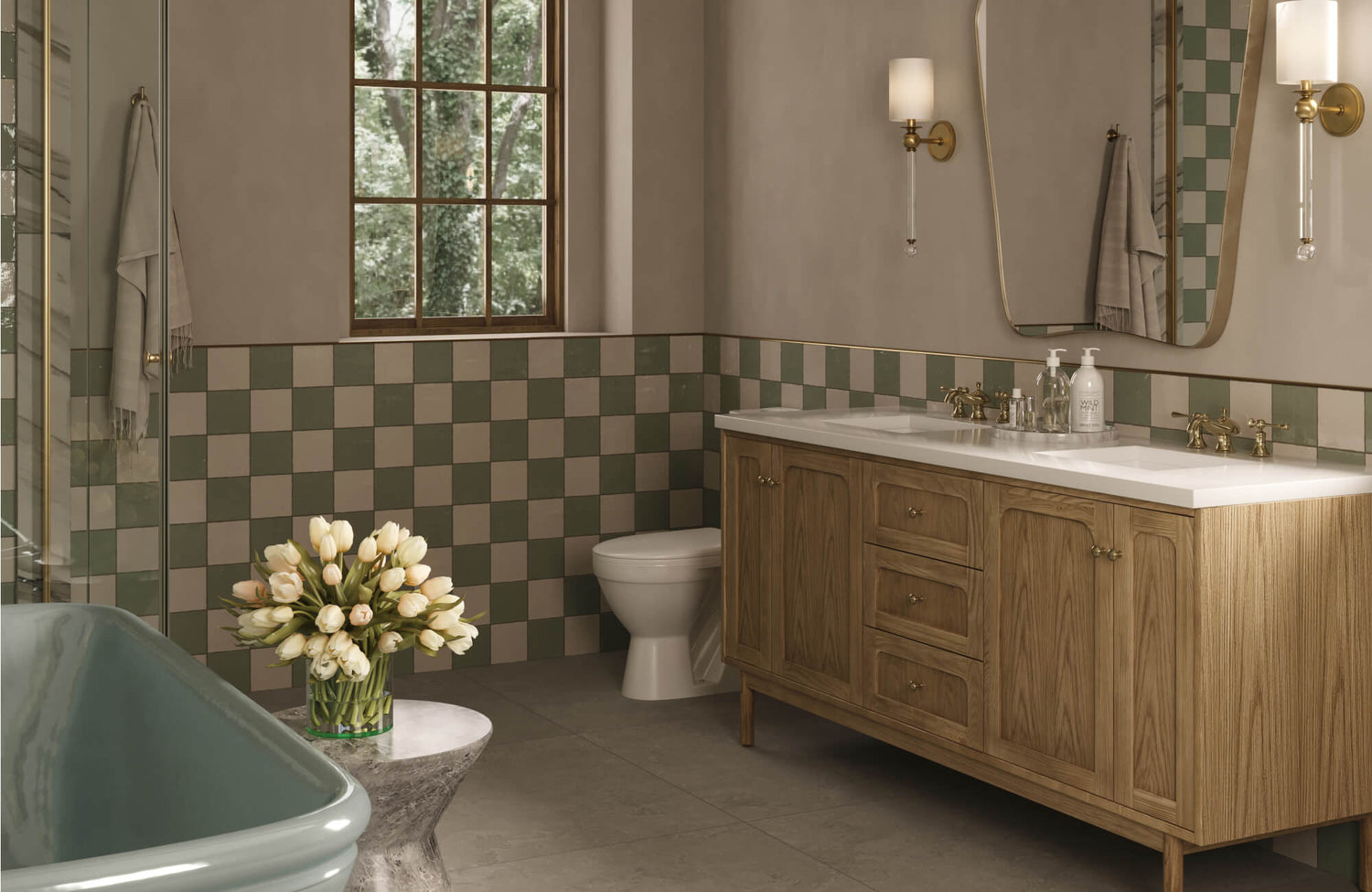
Selecting the right width begins with understanding how much room you actually have and how much comfort you want. A 60-inch vanity is typically the smallest size that can physically fit two sinks, but it often feels compact, especially when you both need counter space at the same time. Moving up to a 72-inch model offers noticeably more breathing room, allowing for wider sink placement and more storage between or beside the bowls. This size also tends to strike the best balance for most master bathrooms because it accommodates two users without overwhelming the space. The vanity shown in the image above, our Paxton 72" Double Vanity in Pebble Oak with 3 cm White Zeus Quartz Top, demonstrates how a well-scaled 72-inch design provides ample storage, generous counter space, and a naturally balanced layout that feels both functional and luxurious.
If your bathroom is large, an 84-inch or even custom-built vanity becomes an attractive option. These extended lengths allow you to create a more luxurious, spacious experience, with room for individual grooming areas or added drawers. Custom sizing, in particular, lets you take advantage of unusual wall lengths or create a true built-in look that blends seamlessly with your bathroom architecture.
Proper Sink-to-Sink and Sink-to-Edge Spacing
Beyond total width, the spacing between sinks dramatically affects comfort. Placing the sinks at least 30 inches apart, measured center to center, prevents your elbows from colliding and gives each user a defined area. Just as important is leaving 12 to 15 inches from each sink to the outer edge of the vanity, which provides room for everyday essentials like soap, grooming tools, or decorative items. These measurements create a functional rhythm that keeps the vanity from feeling cramped, even during busy mornings.
Sink style also influences spacing and usability. Undermount sinks sit below the countertop, offering a clean look and maximizing the available surface. Vessel sinks, however, sit on top of the counter, requiring extra height and width to feel comfortable, which can reduce usable counter space. Integrated sinks also provide the smoothest maintenance experience, but they require precise measurements because the countertop and sink are fabricated as a single piece. As you evaluate each option, think about how you use the counter daily and choose a spacing strategy that supports your habits.
Configuration Choices for Two Users
The internal layout of the vanity is just as important as the exterior measurements, especially when two people share the space. A split configuration, where each user has dedicated drawers and cabinet sections, establishes clear personal zones and reduces clutter. This arrangement works particularly well when both of you have similar storage needs and want equal access to essentials.
However, if you share many items or prefer a central landing zone, a middle tower or stacked drawer bank can be incredibly effective. It creates a natural division while still offering a shared vertical storage hub. For situations where one person needs more room, such as extra skincare products, hair tools, or grooming devices, you can customize one side with deeper drawers or even add a vertical cabinet for taller items. By tailoring the configuration to your lifestyle, you create a vanity that supports both efficiency and comfort for the long term.

Material Durability, Countertops, and Moisture Management
Your master bathroom vanity must handle the daily challenges of moisture, splashes, and fluctuating humidity. Because double sink setups experience even more water exposure, choosing durable materials and planning for proper moisture control becomes essential. When you combine the right construction materials with smart protective measures, your vanity stays beautiful and functional for years.
Moisture-Resistant Vanity Materials for Longevity
Selecting the right base material sets the foundation for long-term durability. Although solid wood can give your vanity a rich, high-end appearance, it naturally expands and contracts with humidity changes. To reduce this risk, sealed hardwoods such as teak or cedar offer more stability because they naturally resist water absorption. Marine-grade plywood is another strong contender since it is engineered to withstand moisture without warping or delaminating, making it a reliable option for busy master bathrooms.
If you prefer a more budget-friendly alternative, MDF can work well, but only when properly protected. The edges, in particular, need careful sealing to prevent swelling, since MDF is most vulnerable where two surfaces meet. With thorough sealing and a high-quality finish, MDF can hold up surprisingly well and give you a smooth, flawless look.
Countertop Performance for Double Sink Demands
Your countertop plays an equally important role in how well the vanity handles daily use. Quartz is often considered the best choice because it is nonporous, highly durable, and requires no ongoing sealing. It also easily resists common issues like stains, scratches, and water spots, which makes it ideal for the busy nature of a double sink setup. Our Bridgette 72" Double Vanity in Light Natural Oak with 3 cm White Zeus Quartz Top, seen in the photo above, is a great example of how a quartz surface delivers both long-term performance and understated elegance, standing up beautifully to everyday routines while maintaining a clean, polished look. Porcelain slabs offer similar performance and provide a seamless, contemporary finish that pairs well with modern designs.
For a more decorative option, natural stones such as marble and granite elevate the aesthetic of the bathroom, yet they require more maintenance. These materials need periodic sealing to prevent staining and etching, especially because double vanities tend to experience more splashing. Regardless of which material you choose, selecting a large slab helps reduce seams across the countertop, making it easier to clean and offering better moisture protection.
Preventing Water Damage and Humidity Buildup
Once your materials are chosen, you can further extend the life of your vanity by protecting it from water intrusion and humidity. Properly installed undermount sinks should be sealed with mold-resistant silicone to keep moisture from seeping between the sink and countertop. Adding a 4-inch backsplash also boosts protection by preventing splashes from reaching the wall, reducing the risk of peeling paint or cracked drywall. These small details make a noticeable difference in long-term cleanliness and durability.
Ventilation is another key factor in preventing humidity-related damage. A well-sized exhaust fan removes excess moisture from the air, protecting both the vanity and the rest of the bathroom from mold growth. Inside the vanity, sealing plumbing cutouts helps block humid air from entering the cabinet cavity, where it can weaken materials over time. By taking these precautions, you create a master bathroom environment where the vanity stays strong, dry, and beautiful.

Style, Aesthetic Cohesion, and Lighting Integration
Your double vanity does more than provide functionality. It becomes the visual anchor of your master bathroom and sets the tone for the entire design. When the vanity’s style, finishes, and lighting all work together, the space feels intentional, inviting, and beautifully unified.
Matching Vanity Style to Bathroom Architecture
Choosing a vanity style that aligns with your bathroom’s architecture creates a sense of harmony from the moment you walk in. If you gravitate toward a modern aesthetic, clean lines, floating profiles, and integrated handles can reinforce that streamlined look. These vanities pair naturally with frameless mirrors and simple tile patterns, creating a calm and uncluttered environment. Their lightweight appearance also helps smaller bathrooms feel more open.
Traditional vanities, however, bring warmth and detail through moldings, furniture-style legs, and rich wood tones. When paired with framed mirrors or decorative backsplashes, they create a grounded, classic atmosphere that feels substantial without overwhelming the room. The vanity displayed in the picture above, featuring our Sasha 72" Double Vanity in Mid Century Walnut with 3 cm White Zeus Quartz Top, exemplifies how a warm walnut finish, fluted door fronts, and graceful mid-century lines can bring both sophistication and comfort to the space.
Transitional styles fall between the two, blending soft contemporary elements with subtle traditional touches. This versatility makes transitional vanities ideal if your bathroom incorporates varied materials or if you prefer a look that feels timeless rather than tied to a strict design category. No matter the style, the vanity’s visual weight should match the rest of the room so it feels naturally integrated rather than overpowering.
Coordinating Fixtures, Hardware, and Finishes
Coordinating your vanity’s hardware and fixtures ensures your bathroom maintains a cohesive aesthetic. When the faucet finishes match the cabinet handles and mirror frames, the space feels unified and thoughtfully composed. This consistency extends to undertones as well; cool finishes like chrome and brushed nickel complement cooler color palettes, while brass and bronze work well with warmer woods and stones. Our Josephine 60" Double Vanity in Satin Drifted Black Veneer with Carrara Marble Top is a standout example of how a rich, dark finish paired with cool-toned marble can harmonize beautifully with brushed nickel or polished chrome fixtures, creating a balanced and refined look. Paying attention to these details helps the entire room feel visually connected.
Although mixing finishes can add interest, it works best when limited to no more than two complementary tones. Excess variety can make the room feel chaotic or unbalanced. Additionally, the scale of your hardware should reflect the size of the vanity and its drawers. Larger drawers benefit from substantial pulls that feel proportional, while slimmer handles look best on narrow drawers or doors.
Lighting plays a vital role in both the look and performance of your double vanity. For the most flattering and functional illumination, installing sconces on either side of each mirror ensures even lighting across both faces. This arrangement minimizes shadows and creates a balanced glow that supports tasks like makeup application and grooming. With two people using the vanity, having separate lighting zones allows each person to enjoy clear visibility without depending on the other’s light source. If wall space is limited, a wide horizontal bar above each mirror can still provide effective task lighting, as long as it sits close enough to the wall to cast light evenly downward. For a sleek, modern option, LED-backlit mirrors can be added to enhance brightness while reducing glare. These mirrors create a soft halo that complements other light sources and adds a sophisticated touch to the vanity area. By blending well-placed task lighting with integrated or overhead fixtures, you also create a balanced lighting scheme that enhances both style and functionality. Selecting the right double sink vanity means finding a balance between beauty, practicality, and longevity. When you prioritize the elements that matter most, such as adequate space, smart plumbing alignment, durable materials, efficient storage, and cohesive lighting, you end up with a vanity that supports your routines instead of complicating them. A thoughtful choice not only improves comfort and organization but also enhances the entire atmosphere of your master bathroom, creating a space that remains functional, inviting, and stylish for years to come. If you’re unsure which vanity style, size, or configuration will work best for your space, our team is here to help you make a confident and informed decision. Whether you need guidance on measurements, finish options, storage considerations, or pairing your vanity with the right lighting, you can reach out to us anytime through our Contact Us page. Our specialists are ready to provide personalized recommendations that align with your design goals, ensuring your bathroom becomes both a practical investment and a beautifully tailored reflection of your home.Integrating Lighting for Two Work Zones
Choosing a Vanity That Works and Lasts