A green rug can shape the overall mood of a room, but choosing the right supporting colors often raises questions. With green ranging from soft, muted tones to deeper, more saturated shades, it helps to understand how different design elements work together before making decisions. This article will guide you through the key considerations involved in styling a green rug, from understanding undertones to working with neutrals, accent colors, furniture finishes, lighting, and room function. As you read on, you will gain clear insight into how each factor influences the space and how to approach color choices in a way that feels intentional, balanced, and easy to apply.

Understanding Green Rug Undertones
Not all green rugs respond the same way once they are placed in a room. Subtle undertones shape how walls, furniture, and accent colors relate to the rug, making them the most important starting point for building a balanced and cohesive color palette.
Warm Leaning Greens
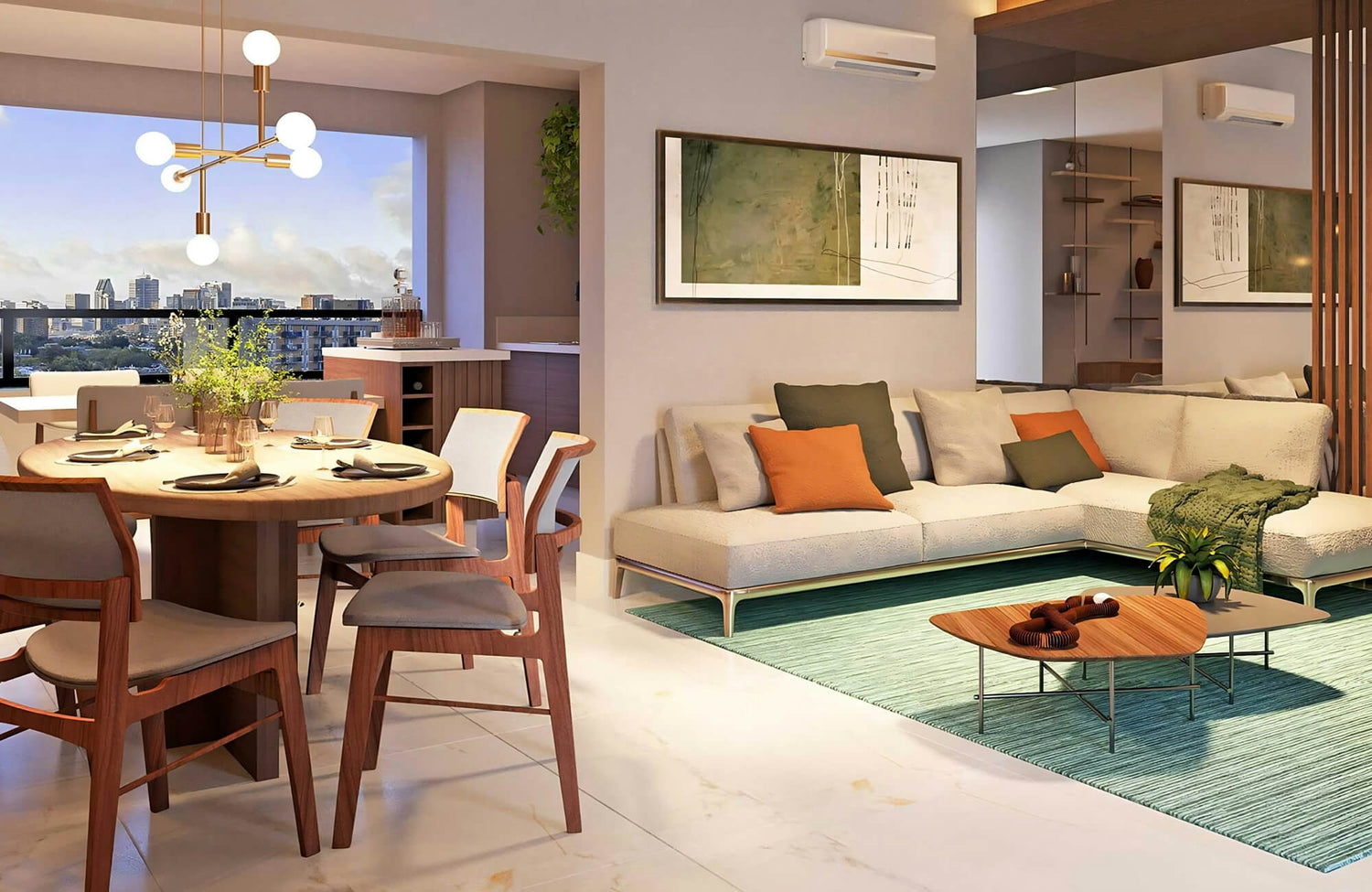
Warm-leaning greens such as olive and moss bring an earthy, grounded feel to a space. These rugs pair naturally with warm colors like beige, brown, and soft orange, which help the room feel connected and balanced. Because these colors share similar warmth, the overall look feels settled rather than visually broken. Using these warmer tones on walls, seating, or larger fabric pieces allows the green rug to blend smoothly into the room rather than feeling like a separate element.
This approach is illustrated clearly in the space featured above, where Edward Martin’s McGowan Rug in Moss / Sand anchors the room with a soft green base that feels calm and cohesive. Paired with Rita Dining Chairs in Taupe, the combination of warm green, light brown wood, and neutral seating reinforces the rug’s natural warmth. Together, these elements show how warm-leaning green rugs work best when surrounding colors echo their earthy character, creating a dining area that feels comfortable, balanced, and visually unified.
Cool Leaning Greens
Cool-leaning greens such as emerald and jade create a clean, structured look in a room. They pair well with basic colors like white, gray, and dark blue, which support their crisp appearance. A rug like our Mallory Rug in Forest is a good example of this effect, offering a deeper green tone that feels refined without appearing heavy. Because too many cool tones can make a space feel less inviting, introducing softer materials and natural textures is important. Light wood finishes and fabric accents help balance the palette, keeping the room feeling comfortable and lived-in rather than overly sharp.
Balanced Neutral Greens
Balanced green shades such as sage sit comfortably between warm and cool tones, making them easy to work with in many settings. Because they do not lean strongly in either direction, they pair well with colors like off-white, light brown, and soft gray. This flexibility allows the rug to adapt as the rest of the room evolves, without requiring major changes. If you enjoy refreshing decor over time or making gradual updates, these greens offer a flexible base that continues to work as the room grows and changes.

Using Neutrals to Let a Green Rug Lead
Neutral colors can help a green rug stand out without overpowering the rest of the room. This approach is especially effective when the rug has a bold color or noticeable pattern, and you want the surrounding elements to feel supportive rather than competitive.
White and Off-White Layers
White and off-white tones are a classic choice for pairing with a green rug, as they brighten the space while allowing the green rug to remain the focal point. When used on walls, seating, or window treatments, these lighter colors reflect light and help the room feel open rather than heavy. Layering a few subtle variations of white adds dimension without distracting from the green, resulting in a space that feels calm, balanced, and thoughtfully composed.
Gray for Modern Balance
Gray is another strong option for pairing with a green rug, particularly in modern interiors. Light to medium gray introduces contrast while maintaining a polished and controlled look. It works best in select areas, such as a sofa or window treatments, where it can define the space without overpowering the rug. Gray pairs particularly well with cooler green tones, reinforcing a clean and contemporary feel.
Beige and Light Brown Warmth
Beige and light brown offer a warmer way to pair with a green rug, helping soften the overall look of the room. These colors are especially helpful when the rug features a deeper green, as they reduce visual weight without dulling the color. Combining simple textures such as fabric, woven details, and natural materials adds depth, helping the palette feel inviting while remaining calm and balanced.
This effect comes through clearly in the space featured above, where Edward Martin’s Mallory Rug in Aloe introduces a soft green tone that feels relaxed rather than dominant. Paired with Preston 8x48 Matte Porcelain Tile in White Oak, the light brown flooring adds warmth and continuity, reinforcing the rug’s color instead of competing with it. Together, these elements show how beige and light brown surfaces can support a green rug, creating a kitchen that feels cohesive, comfortable, and visually well-balanced.

Adding Contrast with Bold Accent Colors
Accent colors can elevate a green rug from understated to expressive when they are used thoughtfully. The key is to enhance the rug’s presence while allowing it to remain the visual anchor of the room.
Blue for Depth and Calm
Blue is a natural choice when deciding what colors complement a green rug, as the two share a calming visual relationship. Dark blue shades deepen the look of green without overpowering it and are most effective when used in small doses, such as on pillows, artwork, or a single accent chair. This pairing reinforces a sense of calm and stability, making it well-suited for rooms where a composed and grounded atmosphere is important. Used carefully, blue accents also help create a smooth visual connection between the rug and nearby furniture.
Blush and Muted Pink
Soft pink is another effective option for pairing with a green rug when the goal is to add warmth and subtle contrast. Paired together, green and pink create a balanced look that feels refined rather than playful. This combination works especially well in living rooms and bedrooms, where a gentle warmth can soften the overall mood. Limiting pink to smaller accents such as cushions or artwork keeps the space cohesive while adding a touch of visual interest.
Yellow Accents for Energy
Yellow offers a more energetic option when exploring what colors complement a green rug. Because yellow draws the eye quickly, it is best used in small, intentional amounts. A single cushion, a small piece of art, or a simple decorative detail can introduce warmth and brightness without disrupting balance. Keeping yellow limited to subtle accents allows the green rug to remain the focal point while adding a lively note to the room.

Coordinating Furniture and Wood Tones
Furniture finishes play a key role in how a green rug is experienced within a room. When wood tones and upholstery are selected with care, the rug feels naturally integrated into the space rather than standing apart from the rest of the design.
Light Wood Pairings
Light woods such as oak, ash, and maple keep a space feeling open and balanced. These finishes are well-suited to casual or Scandinavian-inspired interiors, where the goal is simplicity and ease. When paired with a green rug, light wood helps prevent the room from feeling heavy or enclosed. Using light wood across larger furniture pieces also allows the green rug to stand out without dominating the space.
Medium Wood Balance
Walnut and teak offer a balanced middle ground that pairs easily with many shades of green. These woods add structure without overpowering the space, making them a strong choice for larger furniture pieces such as dining tables or storage units. They help anchor the room while allowing the rug to remain visually relevant. Medium wood tones also create a smooth transition between light and dark elements in the room, helping the overall design feel cohesive.
Dark Wood Contrast
Dark woods such as espresso and mahogany create contrast and depth. When used with a green rug, they introduce a more dramatic feel. To keep the room balanced, lighter walls or textiles are important. This contrast ensures the space feels intentional rather than overly dense.

Matching Colors to Room Mood and Function
Color choices should reflect both the mood you want to create and how the room is used daily. When styled thoughtfully, a green rug can adapt easily to different functions while supporting the overall atmosphere of the space.
Living Room Color Strategies
Living rooms benefit from color combinations that encourage comfort and conversation. Green paired with warm neutral tones and a few layered accents creates a welcoming environment that can evolve. This flexibility allows you to refresh the space over time without needing to redesign it from the start. Repeating one or two supporting colors throughout the room helps the rug feel connected to the rest of the furnishings.
Bedroom Color Choices
Bedrooms call for calm and balance. Soft gray, ivory, and muted blue tones support rest when paired with a green rug, creating a soothing visual flow. Limiting contrast and keeping transitions gentle helps maintain a sense of ease that encourages relaxation. Using similar tones across bedding, walls, and window treatments further reinforces a quiet, restful atmosphere. This approach allows the green rug to add character without disrupting the room’s overall sense of calm.
Dining and Work Spaces
Dining areas and workspaces can support stronger contrasts than more relaxed rooms. Deeper tones and clearer color differences add structure and help define these functional spaces. In these settings, a green rug provides a grounding presence that prevents the room from feeling overly stark. Using contrast thoughtfully also helps visually separate work or dining zones from surrounding areas.

Adjusting Color Choices for Light and Space Size
Light levels and room size play an important role in how colors interact with a green rug. Adjusting your color choices with these factors in mind helps the space feel balanced and visually comfortable.
Bright Natural Light Rooms
Rooms with strong natural light can comfortably support deeper colors. In these spaces, you can use contrast more confidently because ample light prevents the palette from feeling heavy. Rich tones appear clearer and more intentional. Natural light also helps maintain definition between the rug and surrounding colors, even when darker shades are introduced.
Low Light Interiors
In lower light settings, lighter walls and reflective finishes help maintain clarity and prevent the room from feeling closed in. Dark color pairings can mute green, so keeping surrounding tones lighter helps preserve definition. Soft fabrics and light-colored furniture also help bounce available light around the room. This approach allows the green rug to remain visible and balanced even when natural light is limited.
Small vs. Large Rooms
Smaller rooms benefit from tighter color palettes that reduce visual clutter, helping the space feel more organized. Using fewer supporting colors helps the green rug feel intentional rather than overwhelming. Larger rooms allow for more variation, but repeating key tones throughout the space is important for cohesion. This repetition helps connect different areas of the room while letting the rug serve as a unifying element.
Choosing the Right Colors for a Green Rug
Selecting colors that work well with a green rug becomes easier when each choice builds on the one before it. By paying attention to undertones, using neutrals to create balance, adding contrast with care, coordinating furniture finishes, and adjusting for light and room function, the space comes together cohesively. When these elements align, the green rug feels less like a difficult design choice and more like a natural foundation that supports the room as a whole.
If you would like guidance tailored to your space, our design services can help you refine color choices and create a cohesive look with confidence. Contact us to explore personalized design support and take the next step toward a well-balanced interior.