Subway tiles come in a wide range of colors, from classic white and soft neutrals to bold jewel tones, earthy shades, and modern dark hues. While white subway tile remains the most iconic option, today’s designs offer far more variety, making it easy to match subway tiles to nearly any interior style.
Whether used for a kitchen backsplash, bathroom wall, shower surround, laundry room, or decorative feature wall, subway tile color can shape the overall mood of a space. Some colors create a clean and timeless look, while others add warmth, contrast, depth, or personality. Understanding the most common subway tile color options can help you choose a shade that suits both your design goals and the room’s practical needs.

Classic White Subway Tiles
White is the most traditional and recognizable subway tile color, offering a clean look that works well in kitchens, bathrooms, laundry rooms, and almost any interior setting. It can look crisp and modern with matching grout, or take on a more graphic, vintage-inspired feel when paired with darker grout.
The laundry room featured above shows how Edward Martin’s Polly 3x10 Glossy Ceramic Tile in White gives this classic color a fresh, elongated look. Its glossy finish reflects light across the room, helping the space feel brighter, more open, and easier to visually connect with the surrounding cabinetry, shelving, and patterned floor.
White subway tile also pairs easily with many cabinet colors, countertop materials, metal finishes, and decorative styles, making it one of the most versatile choices.

Soft Neutral Subway Tiles
Neutral subway tiles include shades such as ivory, cream, beige, taupe, greige, and warm gray. These colors provide a softer alternative to bright white while preserving a timeless, versatile look.
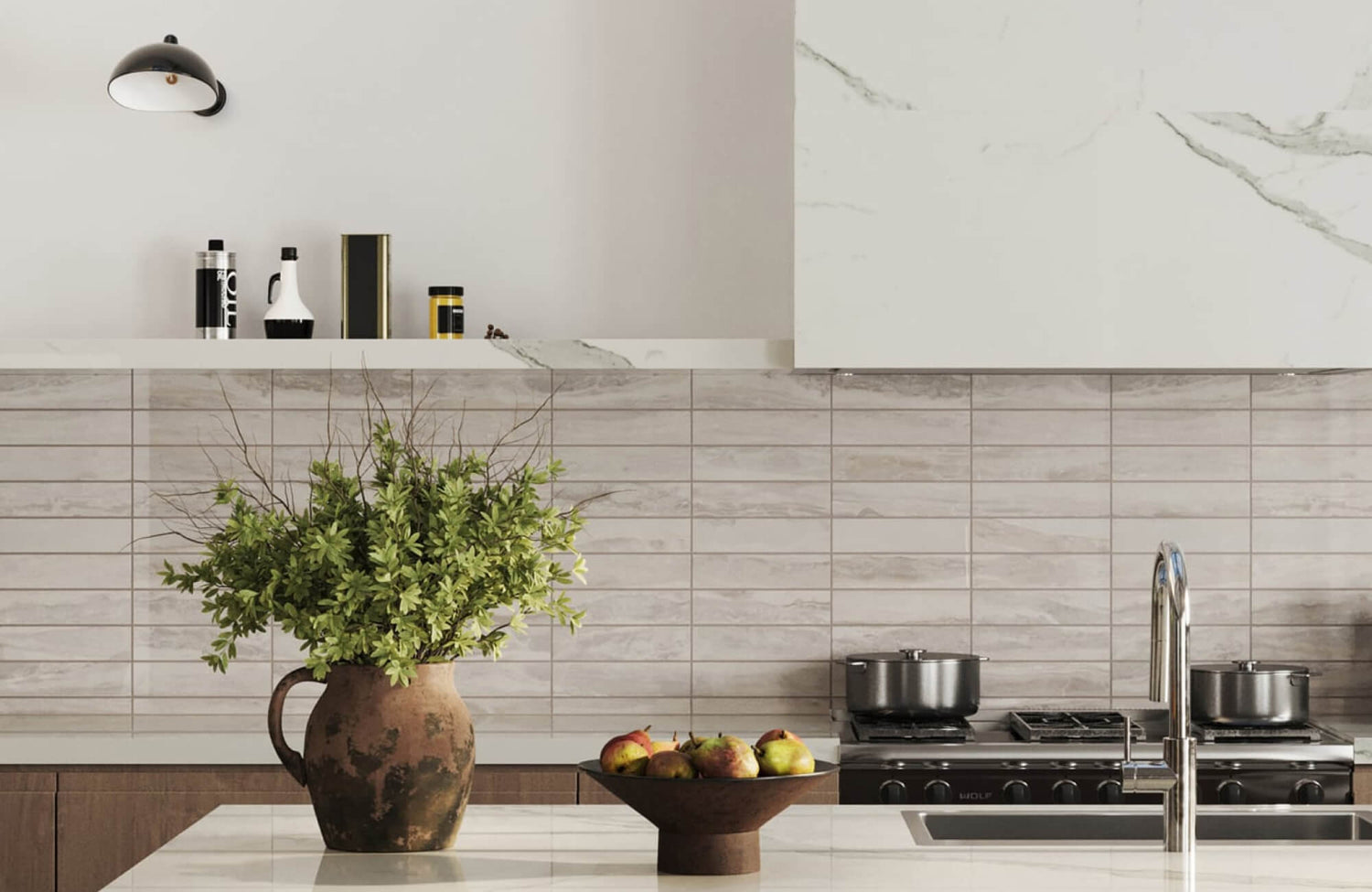
Cream and ivory tiles can add warmth to kitchens and bathrooms, especially when paired with wood cabinetry, brass fixtures, or natural stone countertops. Beige and taupe subway tiles bring an earthy, relaxed quality, while greige and soft gray tiles can create a more understated and contemporary feel.
Neutral subway tiles are ideal for spaces where you want subtle color without overwhelming the overall design. They also work well in layered interiors that include natural textures, patterned flooring, or statement fixtures.

Gray Subway Tiles
Gray subway tiles are popular for both modern and transitional spaces. Light gray can feel calm, soft, and refined, while medium or dark gray creates more contrast and depth.
Cool gray subway tiles often pair beautifully with chrome, nickel, or black fixtures, as well as white cabinetry. Warmer gray shades can coordinate beautifully with wood tones, stone surfaces, and brass or bronze accents. Because gray sits between light and dark, it can be a practical option for those who want more dimension than white but less intensity than black.

Black Subway Tiles
Black subway tiles create a bold, dramatic, and sophisticated look. They are often used in powder rooms, shower walls, kitchen backsplashes, bar areas, or accent walls where a strong visual statement is desired. Glossy black subway tile can feel sleek and reflective, while matte black tile creates a softer, more contemporary effect. Black tiles pair especially well with white grout for a high-contrast look, or with dark grout for a more seamless and moody appearance.
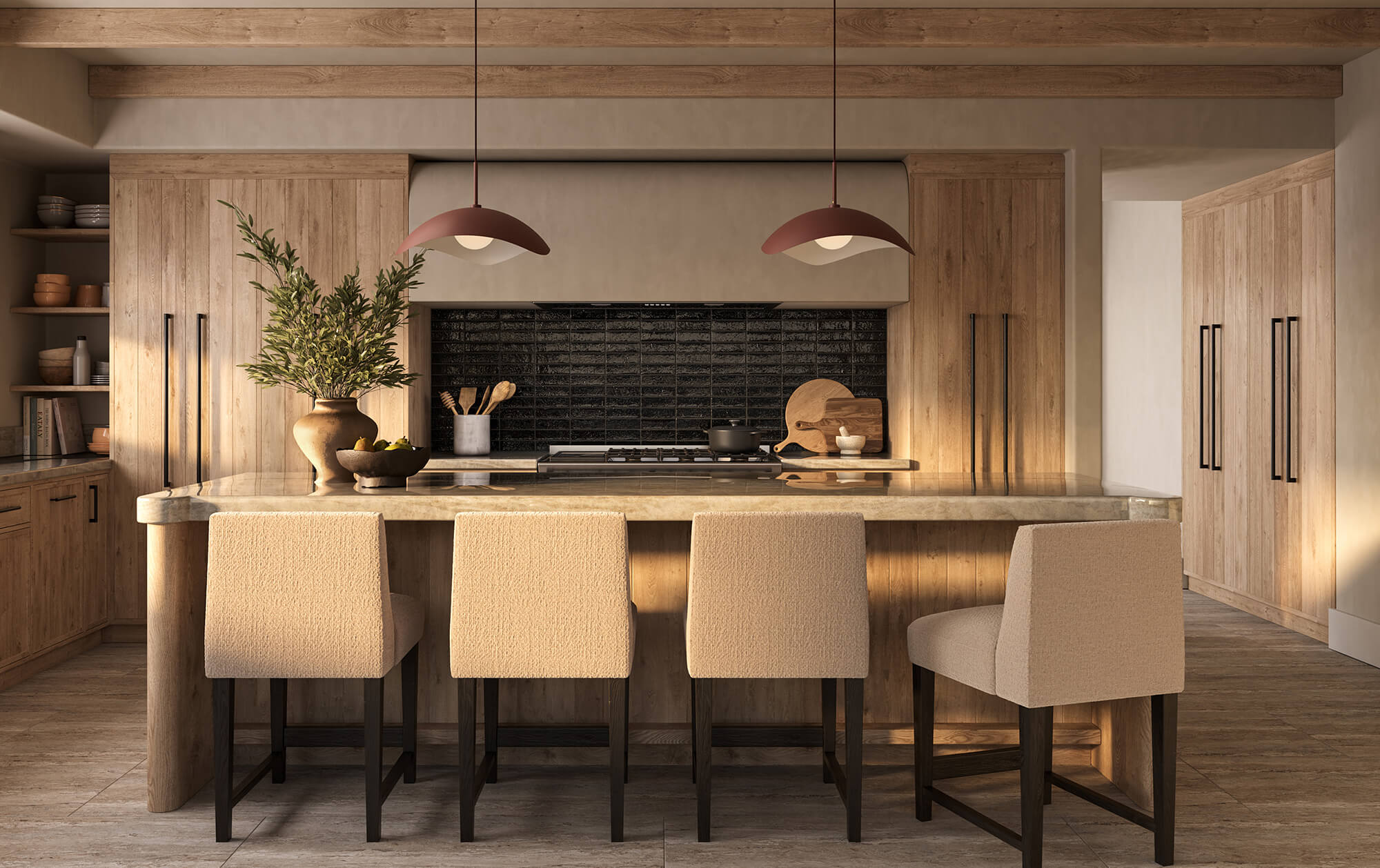
This effect is beautifully illustrated in the photo featured above, where Edward Martin’s Jaden 2.5x16 Glossy Ceramic Tile in Ink adds depth and definition to the kitchen backsplash. Its glossy finish subtly reflects light, preventing the dark surface from feeling too heavy, while also enhancing the room’s warm wood tones, white cabinetry, and brass fixtures. As a result, the black tile brings contrast and sophistication without overpowering the space.
Although black subway tile can make a space feel more intimate, it can also add elegance and depth when balanced with good lighting, lighter surfaces, or metallic accents.

Blue Subway Tiles
Blue subway tiles range from pale sky blue and powder blue to navy, cobalt, teal-blue, and denim-inspired shades. Lighter blues often create a fresh, airy, and calming effect, making them popular in bathrooms, coastal kitchens, and laundry rooms.
That sense of depth and tranquility is beautifully captured in the photo featured above, where Edward Martin’s Jojo 2x6 Glossy Ceramic Tile in Denim wraps the shower walls in a rich, immersive blue. Its glossy finish catches and reflects light, adding dimension to the surface while giving the room a soothing, polished feel. When paired with brass fixtures and a light-toned floor, the denim-blue tile brings a refined balance of contrast, warmth, and sophistication.
Darker blues, such as navy or deep indigo, add richness and sophistication. These shades work well with white cabinetry, marble countertops, brass hardware, and warm wood accents. Blue subway tiles can feel classic, coastal, modern, or bold depending on the exact shade, finish, and grout color.

Green Subway Tiles
Green subway tiles have become increasingly popular for adding natural character and depth. Soft sage and mint greens create a calm, refreshing feel, while olive, forest, emerald, and other deep green shades add richness and drama. Green tile works especially well with natural materials such as wood, stone, rattan, and aged metals. Sage green can soften a kitchen or bathroom, while emerald or forest green can create a striking feature wall or statement backsplash. Green subway tile is a strong choice for interiors that aim to feel organic, soothing, or sophisticated.

Earth-Toned Subway Tiles
Earth-toned subway tiles include shades such as terracotta, clay, rust, sand, ochre, mushroom, and warm brown. These colors bring warmth and a grounded, natural feel to a space. Terracotta and clay-colored subway tiles can add a Mediterranean, handmade, or rustic quality, especially when paired with textured finishes or uneven edges.
This warmth is beautifully reflected in the photo featured above, where Edward Martin’s Everett 2x10 Matte Ceramic Tile in Almond creates a rich, inviting backdrop. In a herringbone pattern, the tile’s soft matte finish and earthy tone give the wall a layered, textured look that pairs naturally with the dark console, warm wood accents, and curated decor. The result is a space that feels relaxed, refined, and naturally connected to its surroundings.
Sand and mushroom tones offer a softer, more neutral effect, while deeper brown and rust shades can add richness and depth. These colors are well-suited for interiors that emphasize warmth, natural materials, and relaxed character.

Pastel Subway Tiles
Pastel subway tiles include soft shades of pink, lavender, mint, baby blue, peach, and pale yellow. These colors can add charm, brightness, and personality without feeling too intense. Pastel subway tiles work well in bathrooms, children’s spaces, laundry rooms, and playful kitchen designs. Soft pink can feel warm and elegant, mint green can look fresh and retro-inspired, and pale yellow can bring a cheerful quality to the room. To keep pastel subway tiles feeling balanced, they are often paired with simple cabinetry, neutral walls, or subtle grout colors.

Bold and Jewel-Toned Subway Tiles
For a more expressive look, subway tiles are also available in bold shades such as emerald, sapphire, ruby, mustard, burgundy, plum, and deep teal. These colors can turn a backsplash, shower wall, or accent area into a focal point. Jewel-toned subway tiles are especially striking in glossy finishes because they reflect light and enhance color depth. They can also work beautifully with dramatic lighting, stone countertops, gold-toned hardware, or dark cabinetry. Because these colors are more visually dominant, they are often most effective when used intentionally in smaller areas or balanced with quieter surrounding finishes.

Multicolored and Variegated Subway Tiles
Some subway tiles feature color variation rather than a single flat shade. These may include handmade-look tiles, glazed ceramic tiles, zellige-inspired tiles, natural stone tiles, or tiles with tonal variation across the surface. Variegated subway tiles can include subtle shifts in white, cream, gray, blue, green, or earthy tones. This variation adds movement, texture, and depth, making the tiled surface feel more handcrafted and dimensional.
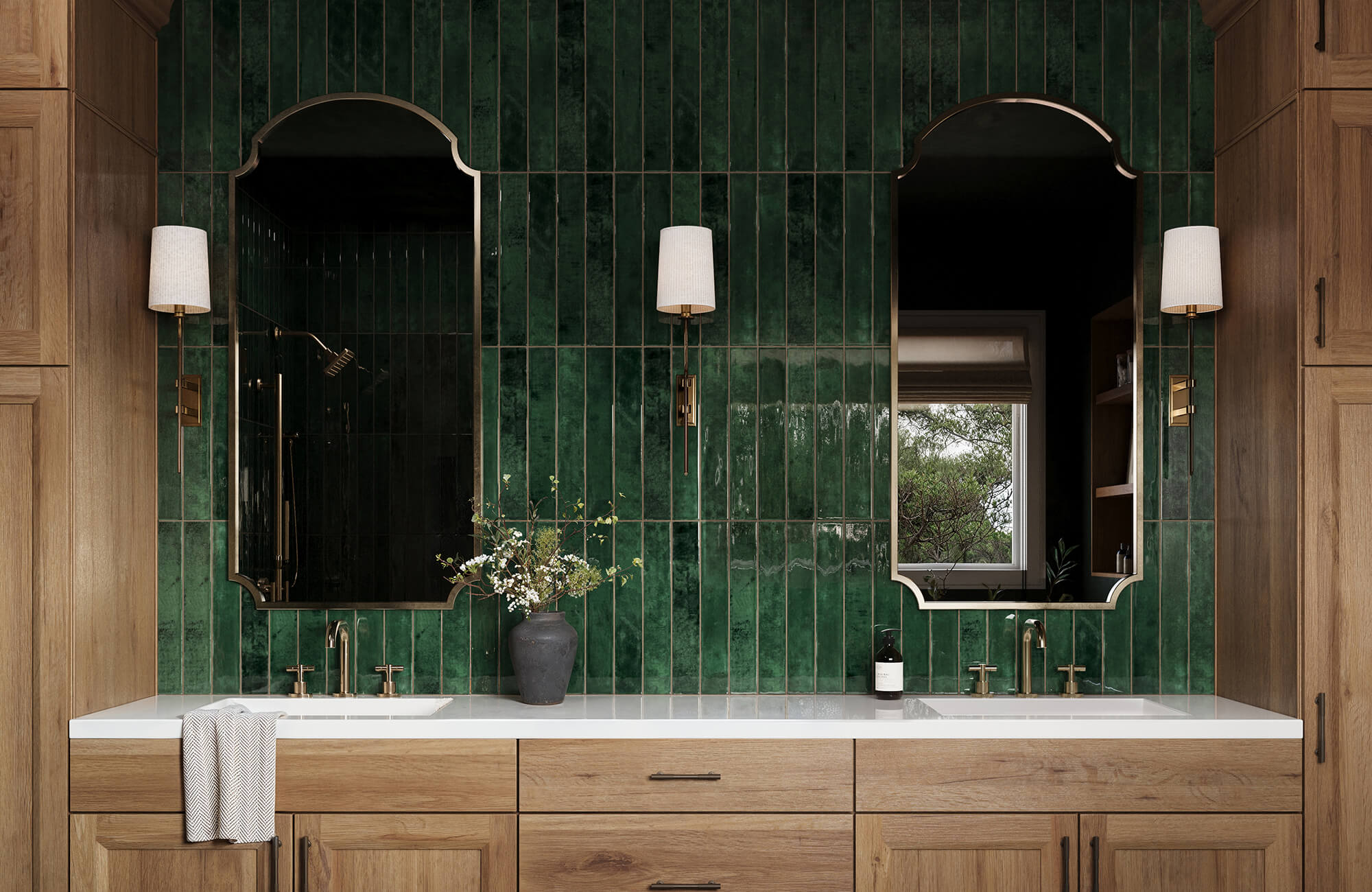
That effect is beautifully illustrated in the photo featured above, where Edward Martin’s Makenna 3x11 Glossy Porcelain Tile in Forest brings layered green tones to life. Its glossy surface catches the light and highlights the tile’s tonal variation, creating a rich, dimensional backdrop that feels both vibrant and refined. Paired with warm brass accents, light flooring, and soft natural textures, Makenna adds visual interest without overwhelming the space.
These tiles are a good option when you want a color that feels interesting but not overly bold. Even a neutral tile can feel distinctive when it has variation in tone, glaze, or finish.

How Finish Affects Subway Tile Color
The same subway tile color can look very different depending on its finish. Glossy finishes reflect light and can make colors appear brighter and more saturated. Matte finishes create a softer, more muted effect. Textured or handmade-look finishes add shadow, variation, and depth. For example, a glossy white subway tile may feel crisp and polished, while a matte white tile may look softer and more understated. Similarly, a glossy emerald tile can feel bold and luxurious, while a matte green tile may appear calmer and more organic.
When comparing subway tile colors, consider the shade and finish together, as both influence the tile’s final appearance. To make the decision easier, use our AR tool to preview different subway tile colors and finishes in your own space, helping you see how light, texture, and surrounding materials can affect the final look.

Choosing the Right Subway Tile Color
Although subway tiles come in many colors, the best choice depends on the room’s size, lighting, existing decor, and desired mood. Lighter colors tend to make small spaces feel larger and brighter, while darker colors can create a more intimate or dramatic atmosphere.
Natural light also affects how tile colors appear. Rooms with cooler, indirect light may benefit from warmer colors, while spaces with abundant sunlight can often support cooler or deeper shades. Existing cabinets, countertops, flooring, fixtures, artwork, and accessories should also be considered so the tile color feels connected to the overall design.
Practical factors matter as well. Lighter tiles may show stains or discoloration, while darker tiles can reveal water spots, dust, soap residue, or mineral buildup. Grout color also changes the final look: matching grout creates a seamless effect, while contrasting grout highlights the subway tile pattern.
Finding the Right Subway Tile Color
Subway tiles come in far more colors than classic white. Today’s options include soft neutrals, grays, blacks, blues, greens, pastels, earth tones, jewel tones, multicolored glazes, and specialty finishes. This wide palette allows subway tile to work in everything from timeless and traditional interiors to bold, modern, and highly personalized spaces.
The right subway tile color should support the look and feel you want while also fitting the room’s lighting, materials, and maintenance needs. Whether you prefer a crisp white backsplash, a soothing sage shower wall, a dramatic black accent, or a colorful glazed tile, subway tile offers enough variety to suit nearly any design vision. For more personalized guidance, our design services can help you compare colors, finishes, grout options, and layouts, making it easier to choose a subway tile combination that feels cohesive, practical, and true to your style.