Decorative pillows have become refined design elements that quietly shape the atmosphere of a well-composed interior, adding layers of texture, color harmony, and visual rhythm to contemporary living spaces. Within modern home décor, these accents serve not only as soft furnishings but also as strategic styling tools that introduce luxury decorative pillow trends for modern living rooms, curated sofa styling, and layered interior design aesthetics. Advances in textile innovation, sustainable materials, and artisanal weaving techniques have expanded the possibilities for decorative pillows, allowing them to reflect both comfort and craftsmanship.
As a result, designers increasingly rely on thoughtfully selected pillows to balance architectural furniture forms while enriching tactile depth across seating arrangements and bedroom compositions. Exploring the latest decorative pillow design trends, premium fabric selections, and curated styling techniques reveals how these seemingly simple accents continue to elevate the visual language of contemporary interiors.

Sustainable and Eco-Friendly Decorative Pillow Materials
Environmental responsibility now plays a defining role in modern home décor, leading manufacturers to develop sustainable decorative pillow materials and eco-conscious textile production methods that balance aesthetics with responsible sourcing. Through renewable fibers, non-toxic finishing processes, and transparent supply chains, decorative pillows increasingly reflect broader movements toward environmentally mindful interior design.
Natural Fiber Decorative Pillow Fabrics
Natural fibers have become foundational in eco-friendly decorative pillow designs for sustainable home interiors, offering both environmental benefits and refined tactile character. Materials such as organic cotton, flax-derived linen, hemp blends, and bamboo viscose introduce breathable textile structures that naturally regulate moisture while maintaining durability. Because these fibers often retain subtle irregularities within the yarn, they also create gentle slubs and visible weave textures that contribute to a relaxed, organic aesthetic. Decorative pillows made from natural textiles, therefore, blend seamlessly with interiors that emphasize warmth, material authenticity, and sustainable craftsmanship.
A refined example of this approach, as displayed in the photo above, is Edward Martin’s Brielle 18" x 18" Polyester Pillow in Natural / Mustard, which pairs a soft neutral base with a warm accent tone that complements organic interior palettes. Crafted as a standard throw pillow cover using 100% organic fabrics and filled with hypoallergenic, low-maintenance fibers, it also offers both comfort and durability while supporting healthier indoor environments. Through its subtle texture and earthy color pairing, the Brielle pillow illustrates how sustainably inspired decorative pillows can enhance layered interior styling while maintaining eco-conscious material integrity.
Recycled and Low-Impact Decorative Pillow Textiles
In addition to natural fibers, recycled materials are increasingly shaping the market for sustainable decorative pillows made from recycled fabrics, reflecting growing interest in circular textile production. Many manufacturers now utilize recycled polyester fibers derived from post-consumer plastic bottles, transforming discarded materials into durable decorative pillow textiles. This manufacturing approach not only diverts plastic waste from landfills but also reduces the energy consumption typically associated with virgin polyester production.
At the same time, low-impact dye technologies are being adopted to minimize water usage and chemical discharge during fabric coloration. These methods allow decorative pillow covers to maintain rich, long-lasting hues while significantly lowering their environmental footprint. As a result, recycled textiles now contribute meaningfully to eco-conscious home décor accessories and sustainable interior styling solutions.
Certified Non-Toxic Decorative Pillow Construction
Alongside sustainable materials, increasing attention is being given to non-toxic decorative pillows certified for safe indoor environments, ensuring that decorative textiles meet stringent safety standards. Certifications such as OEKO-TEX®, Global Organic Textile Standard (GOTS), and Global Recycled Standard (GRS) verify that fabrics are produced without harmful chemicals while adhering to ethical manufacturing practices. These standards also often extend beyond the pillow cover itself to include the internal fill materials as well.
In addition, decorative pillow inserts are evolving to incorporate recycled fiberfill, plant-based foam alternatives, or responsibly sourced down substitutes. This transition reduces dependence on petroleum-derived synthetic fillings while supporting environmentally responsible product development. Through these verified processes, certified decorative pillows also contribute to health-conscious interior environments and sustainable decorative pillow manufacturing practices.

Textural Layering and Tactile Fabric Surfaces
Texture has become a defining characteristic in contemporary decorative pillow styling, allowing designers to introduce visual depth without relying exclusively on color contrast. By incorporating tactile fabrics and dimensional textile techniques, decorative pillows create layered compositions that enrich both the visual and sensory experience of interior spaces.
Bouclé and High-Texture Decorative Pillow Fabrics
Bouclé has emerged as one of the most recognizable materials within modern textured decorative pillow trends for contemporary interiors, valued for its distinctive looped yarn construction. The irregular loops create a soft, nubby surface that naturally diffuses light, producing subtle depth variations across the fabric. This visual softness also allows bouclé decorative pillows to introduce warmth and texture without overwhelming minimalist furniture compositions.
As these pillows are layered against smooth upholstery or structured seating silhouettes, they provide a balanced tactile contrast that enhances overall design cohesion. Their understated texture works particularly well within contemporary interiors that prioritize comfort-driven aesthetics. Consequently, bouclé continues to play a central role in luxury textured decorative pillow styling for modern living environments.
Velvet, Chenille, and Plush Textile Surfaces
While bouclé introduces irregular texture, plush fabrics contribute a distinct sense of refinement to luxurious decorative pillow fabric trends in modern living rooms. Velvet decorative pillows are especially prized for their dense pile structure, which reflects light differently depending on the direction of the fabric nap. This natural variation also produces subtle tonal shifts that give velvet its signature depth and richness.
Chenille fabrics offer a similarly inviting softness, created through tufted yarn constructions that generate a velvety surface texture. When incorporated into decorative pillow arrangements, these materials elevate both comfort and visual sophistication. As a result, velvet and chenille remain essential components in high-end decorative pillow styling for upscale interior spaces.
Embellished Textile Techniques and Dimensional Detailing
Beyond fabric selection, decorative pillows increasingly incorporate advanced textile techniques that introduce layered visual detail. Methods such as tufting, appliqué layering, chain-stitch embroidery, and jacquard weaving allow designers to build dimensional surface patterns directly into the textile structure. These embellishments also add depth while maintaining a controlled aesthetic that complements contemporary interior styling.
For example, subtle tufted geometries can reinforce architectural lines within a room without overwhelming the overall composition. Similarly, embroidered accents create delicate linear patterns that echo surrounding design elements. Through these carefully applied techniques, decorative pillows become dimensionally textured accent pieces within layered interior design schemes.

Sculptural Shapes and Oversized Decorative Pillow Designs
Decorative pillow silhouettes have expanded significantly beyond traditional square forms, reflecting a growing emphasis on sculptural detail and ergonomic comfort. Through oversized formats and varied geometries, decorative pillows now introduce architectural structure while enhancing the functionality of seating arrangements.
Oversized Decorative Pillows for Modern Seating Layouts
Large format pillows have become increasingly popular in oversized decorative pillow styling for deep sofas and sectional seating, where scale plays an important visual role. Pillows measuring between 24 and 26 inches provide substantial cushioning while helping to visually anchor large furniture pieces. Their generous proportions create a relaxed, lounge-like atmosphere that encourages comfort and casual seating arrangements.
Designers also often position oversized pillows at the back of sofas to establish a stable visual base. From this foundation, smaller accent pillows can be layered in front to introduce additional texture or color. As a result, oversized pillows serve as key components in modern layered decorative pillow arrangements for contemporary living rooms.
Lumbar and Bolster Decorative Pillow Shapes
Alongside oversized squares, elongated silhouettes such as lumbar and bolster pillows contribute both visual variation and ergonomic support. Lumbar decorative pillows provide targeted lower-back comfort while introducing a horizontal design element that complements long seating surfaces. On the other hand, bolster pillows, with their cylindrical shape, introduce gentle curves that contrast effectively with angular furniture forms. This variation in shape also helps break the visual repetition created by multiple square cushions. Designers often position lumbar pillows at the center of a seating arrangement to create a structured focal point. These shapes play a meaningful role in ergonomic decorative pillow styling for balanced and comfortable seating arrangements.
Complementing these elongated silhouettes, square accent pillows often serve as grounding layers that enhance both structure and texture within the arrangement. A refined example is the Merelle 22" x 22" Down Pillow in Tan, which features a richly textured fabric and softly structured edge detailing that adds subtle dimension to neutral seating compositions. As shown in the photo above, the pillow’s warm tan tone and tailored piping create a visually balanced backdrop for the patterned lumbar pillow placed in front. Filled with plush down for supportive comfort, it functions as a foundational layer that enhances both the visual hierarchy and comfort of layered decorative pillow arrangements.
Sculptural and Geometric Accent Pillows
More recently, sculptural pillow designs have emerged as expressive accents within contemporary interiors. Forms such as knot pillows, asymmetrical shapes, and geometric cushions introduce artistic structure that elevates decorative pillows beyond simple accessories. These designs also often draw inspiration from modern sculpture and architectural geometry, translating hard structural concepts into soft textile forms.
When integrated thoughtfully, sculptural pillows disrupt predictable arrangements and introduce subtle visual movement. Their distinctive shapes make them particularly effective within minimalist interiors where individual objects carry greater visual emphasis. Consequently, sculptural pillows have become defining elements in designer decorative pillow collections for contemporary statement décor.

Bold Patterns and High-Impact Decorative Pillow Design
Pattern-driven decorative pillows offer an effective way to introduce visual energy into neutral interior schemes. Through advanced textile printing technologies and evolving design influences, patterned pillows now play a central role in shaping contemporary decorative pillow aesthetics.
Oversized Geometric and Abstract Pillow Patterns
Geometric motifs remain a prominent feature in modern decorative pillows featuring bold geometric patterns for contemporary interiors. Oversized shapes, intersecting lines, and angular compositions generate a rhythmic visual movement across upholstered seating surfaces. These patterns also often rely on high-contrast color pairings such as black and ivory or rust and cream, allowing them to stand out without overwhelming surrounding décor.
Abstract interpretations further enhance this visual dynamism by incorporating fluid lines and asymmetrical shapes. Together, these patterns introduce controlled visual complexity while maintaining stylistic cohesion. As a result, geometric designs remain central to statement decorative pillow styling in modern minimalist living spaces.
Global-Inspired Textile Patterns
Decorative pillow patterns also draw inspiration from a wide range of global textile traditions. Motifs influenced by ikat weaving, block printing, kilim patterns, and tribal designs introduce cultural depth and handcrafted character into interior styling. These patterns frequently incorporate earthy tones such as indigo, terracotta, ochre, and clay, reinforcing their connection to natural materials.
While traditional in origin, many contemporary versions simplify these motifs to suit modern interiors. This balance allows global-inspired patterns to integrate seamlessly into both eclectic and refined spaces. As a result, these designs continue to shape bohemian decorative pillow styling and globally inspired interior décor trends.
Digital Printing and Artistic Pillow Designs
Advancements in digital textile printing have expanded the possibilities for high-definition decorative pillow patterns for modern interiors. Unlike traditional screen printing, digital methods allow for intricate imagery, layered color gradients, and detailed artistic compositions. This technology enables designers to translate complex artwork directly onto decorative pillow fabrics with remarkable precision.
As a result, many home décor brands now collaborate with artists to produce limited-edition pillow collections. These pieces function not only as decorative accents but also as small-scale works of textile art. Consequently, digitally printed designs contribute significantly to designer decorative pillow collections and gallery-inspired interior styling.

Curated Styling and Layered Decorative Pillow Arrangements
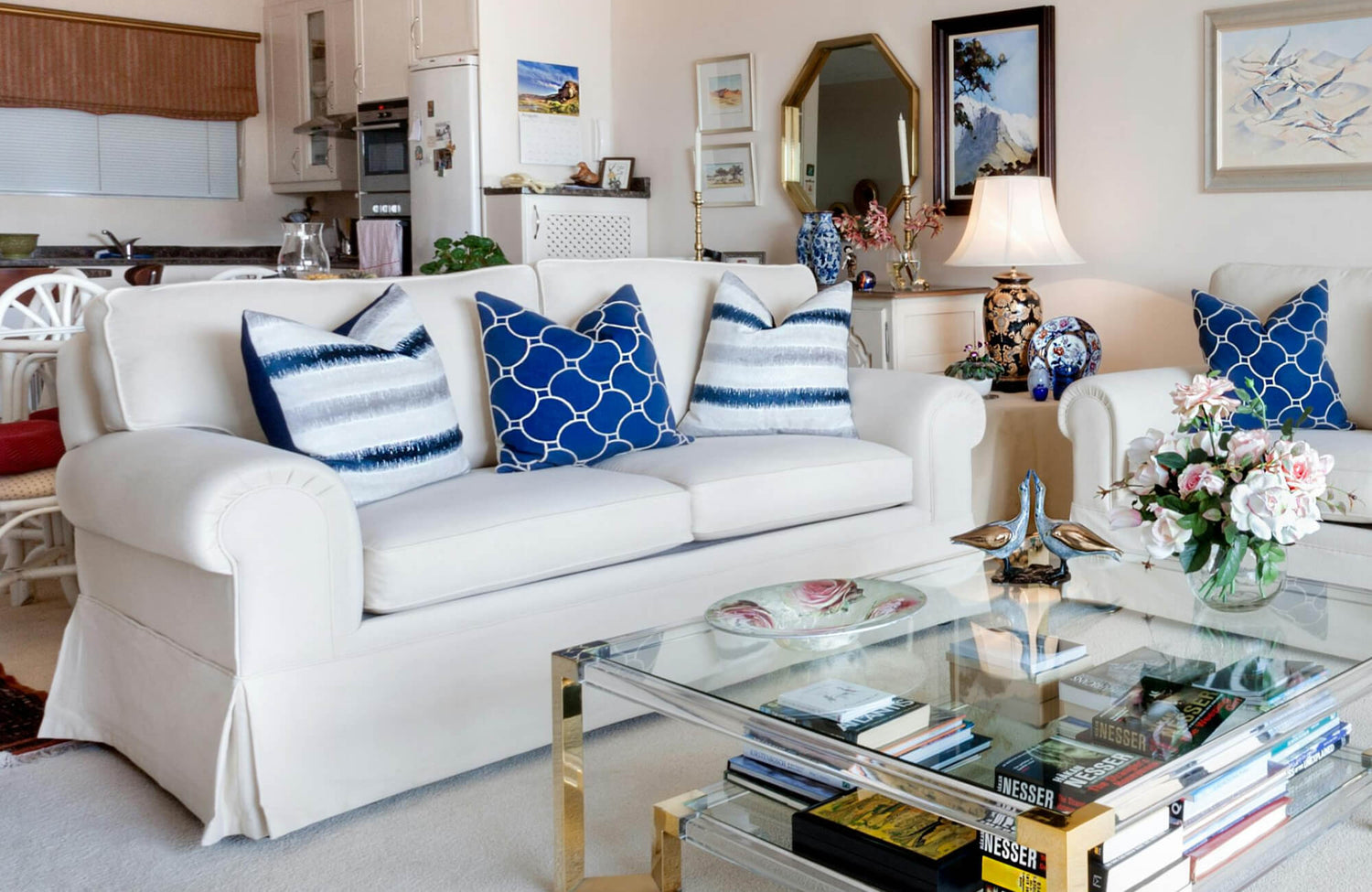
Decorative pillows are increasingly styled through curated layering strategies that emphasize visual balance, contrast, and cohesion. Rather than relying on matching sets, contemporary interior design favors thoughtfully composed arrangements that blend textures, shapes, and colors.
Layering Hierarchy for Decorative Pillow Arrangements
Professional interior stylists often approach layered decorative pillow arrangements for modern sofas and sectionals through a carefully structured hierarchy. Larger neutral pillows, for example, are positioned at the back to establish visual stability and support, creating a foundation that anchors the seating arrangement. Medium or elongated accent pillows are then layered in front, introducing contrast in both shape and pattern while maintaining visual balance.
This thoughtful progression also allows each pillow to contribute texture, color, and scale without overwhelming the seating area. As the layers build forward, the arrangement naturally develops depth while reinforcing a curated and intentional styling approach. Through this methodical composition, layered styling enhances designer living room decorative pillow arrangements for modern interiors.
A refined example of this hierarchy can be seen with our Marisette 12" x 27" Down Pillow in Black, which introduces a sleek lumbar silhouette that contrasts beautifully against larger square pillows. In the image featured above, the Marisette pillow is layered in front of the Merelle pillow, allowing its elongated proportions and bold black pattern to create visual focus while the larger neutral pillow provides structural balance behind it. Filled with plush down for supportive comfort, the Marisette design adds both softness and graphic texture to the seating arrangement. Its placement demonstrates how lumbar decorative pillows enhance layered pillow compositions by defining the front accent layer while maintaining cohesion with the overall palette.
Color Coordination and Accent Palette Integration
Decorative pillows also function as effective connectors within a room’s broader color scheme. Designers often select pillow colors that echo tones found in area rugs, artwork, upholstery, or architectural finishes. This strategy allows decorative pillows to reinforce the room’s visual cohesion rather than appearing isolated. For instance, monochromatic palettes create calm, harmonious environments, while analogous color combinations maintain gentle visual continuity. Alternatively, complementary colors can introduce striking focal points when used thoughtfully. Through these techniques, decorative pillows support cohesive decorative pillow color schemes for sophisticated interior design.
Seasonal Decorative Pillow Styling
Seasonal rotation offers an effective way to refresh interiors while maintaining design continuity. During warmer months, lightweight fabrics such as linen, cotton canvas, and breathable textured weaves introduce an airy, relaxed aesthetic. These materials complement natural light and promote visual lightness within the space. As cooler seasons arrive, heavier textiles such as velvet, wool blends, and dense woven fabrics add warmth and richness. Swapping decorative pillow covers also allows homeowners to incorporate seasonal color palettes without significant design changes. This flexibility makes decorative pillows central to seasonal decorative pillow styling for adaptable and evolving interior décor.
Decorative Pillows as the Finishing Layer of Modern Interiors
Decorative pillows ultimately serve as the finishing layer that brings warmth, texture, and personality to thoughtfully designed interiors. Through luxury decorative pillow trends for modern living rooms, curated sofa styling, and layered interior décor, these accents provide an adaptable way to refine a space without altering its foundational design. Sustainable materials, tactile fabrics, sculptural silhouettes, and expressive patterns also demonstrate how decorative pillows have evolved beyond simple accessories. When selected with intention, they create visual rhythm, reinforce color harmony, and enhance the comfort of seating environments.
For personalized guidance in refining your space, Edward Martin’s design services offer expert insight tailored to your interior style and layout. If you’re ready to elevate your home with thoughtfully curated décor, contact us to begin your design consultation!