
)
)
)
)
)
)
)
)
What Are The Pros And Cons Of A Marble Dining Table?
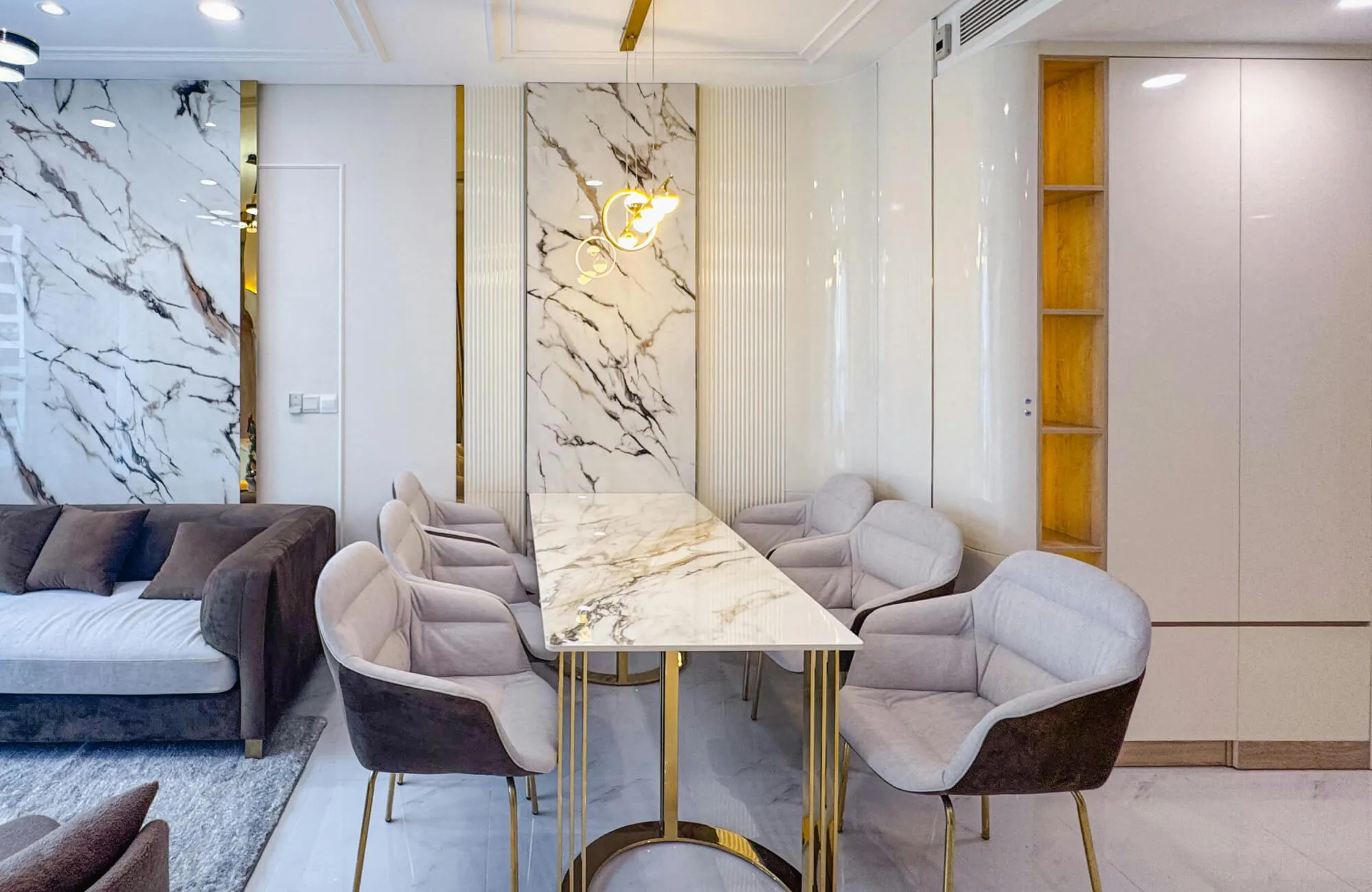
A marble dining table evokes a sense of refined permanence, offering a surface shaped by nature and elevated through meticulous craftsmanship. From grand dining rooms anchored by a rectangular marble table to intimate spaces centered around a round one, this material carries an unmistakable presence. Its luminous surface, expressive veining, and cool tactility also create an atmosphere of understated luxury that transcends fleeting design trends. At the same time, marble’s physical composition introduces specific considerations that influence how it performs in everyday settings. Understanding both the allure and the responsibility of owning a marble dining table set allows for a thoughtful decision rooted in beauty, function, and longevity.
Visual Appeal and Design Influence of a Marble Dining Table
The visual influence of a marble dining table extends beyond its surface, shaping how space, proportion, and material balance are perceived within a dining environment. Whether styled as a standalone centerpiece or as part of a coordinated marble dining table set, its presence establishes an immediate sense of elegance and intentional design.
Natural Veining and Stone Character
Marble is formed through a metamorphic transformation that reorganizes limestone under intense heat and pressure, resulting in veining patterns that feel fluid, organic, and inherently unique. These mineral striations vary in movement and density, ensuring that no two marble dining room tables ever share the same visual identity. Because of this natural variation, marble introduces an authenticity that engineered materials cannot fully replicate.
The veining also guides the eye across the tabletop, softening large surface areas and preventing visual flatness. As light shifts throughout the day, subtle tonal changes add depth and dimensional richness. This evolving character allows a marble dining table to function as a sculptural element rather than a purely utilitarian surface.
Color Range and Visual Weight
The color palette of marble plays a defining role in how a dining space feels and functions. For instance, light-toned stones such as Carrara enhance brightness and openness, making them particularly well-suited for compact dining rooms or round marble dining tables where visual flow is essential. Darker marbles, by contrast, introduce visual gravity, anchoring expansive dining areas with a sense of architectural permanence.
These tonal choices influence not only mood but also perceived scale, subtly affecting how furniture proportions are read within the room. As natural or artificial light interacts with the surface, color depth becomes more nuanced and layered. This interplay between tone, light, and texture contributes to the enduring appeal of marble dining tables.
Compatibility with Interior Design Styles
Marble dining tables seamlessly adapt to a wide range of interior design styles, from contemporary minimalism to warm, nature-driven modern interiors. In refined modern spaces, the contrast between stone and wood introduces visual balance, allowing hard surfaces to feel grounded and inviting.
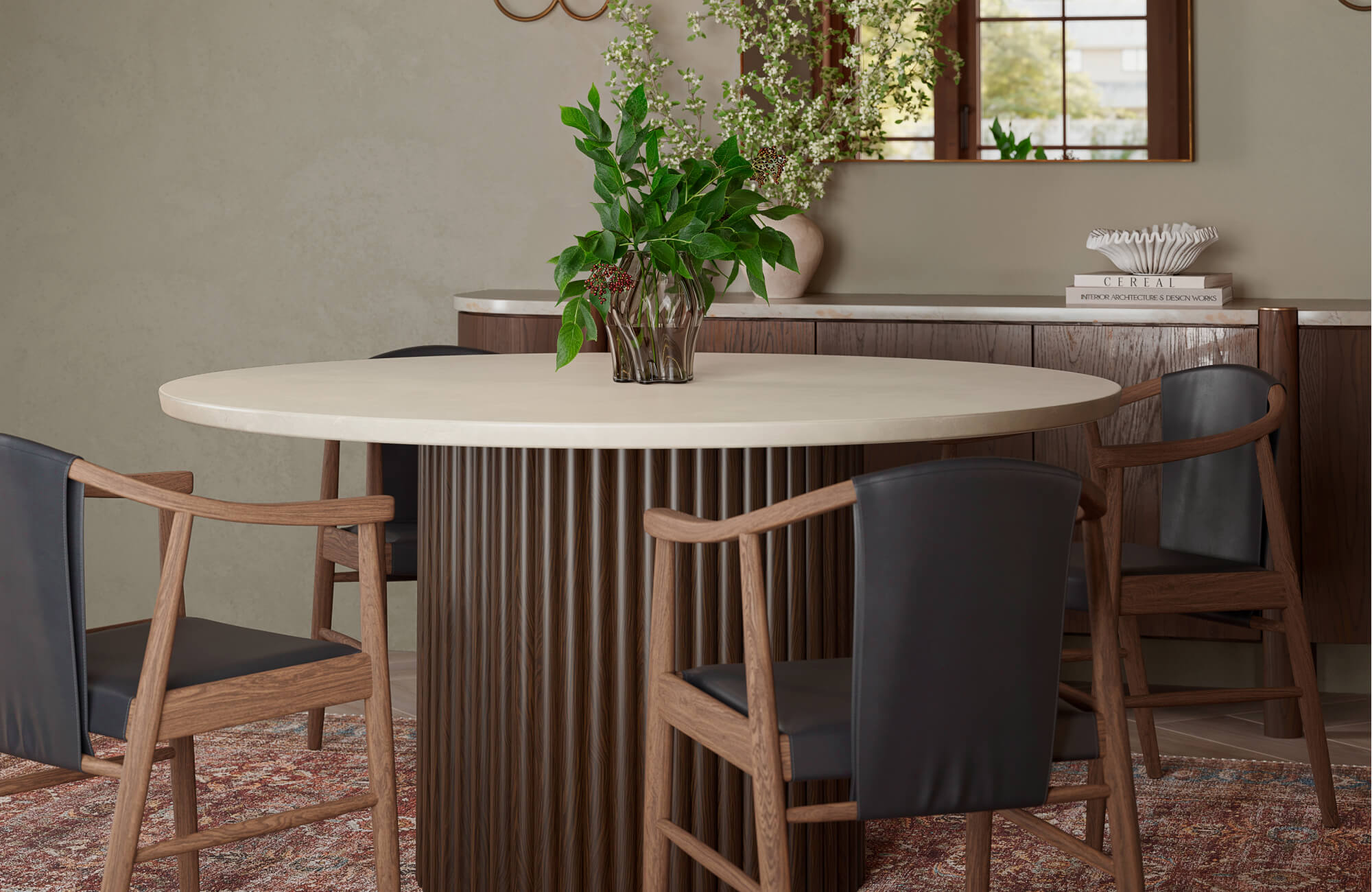
A strong example of this versatility, as displayed in the photo above, is Edward Martin’s Leonardo 59" Dining Table in Brown, which pairs a creamy marble round top with a fluted solid oak base in a deep, earthy finish. Its rounded marble surface softens clean architectural lines, while the textured wood base adds warmth and organic character that complements both modern and transitional settings. This interplay of polished stone and natural grain also allows the table to integrate effortlessly with upholstered seating, layered textiles, and mixed finishes. Through thoughtful material pairing and proportion, designs like Leonardo demonstrate how a marble dining table can feel both sculptural and approachable within diverse interior styles.
Structural Integrity and Physical Performance
While marble is admired for its beauty, its structural characteristics ultimately determine how well it performs as a dining surface over time. These physical properties shape both its durability and its sensitivity within everyday dining environments.
Compressive Strength and Load Capacity
Marble possesses high compressive strength, allowing it to support substantial vertical loads when properly fabricated and supported. This makes marble dining room tables particularly suitable for larger formats where visual mass and stability are desired. Structural performance also improves significantly when the tabletop is evenly supported by a reinforced base designed to distribute weight effectively. Proper engineering minimizes stress concentrations that could otherwise compromise the stone. Over time, this balanced support helps preserve structural integrity. As a result, a well-constructed marble dining table can remain stable and functional for decades.
Brittleness and Impact Sensitivity
Despite its strength under compression, marble is inherently brittle, which affects how it responds to sudden impact. Dropped cookware or heavy objects can cause chips or fractures, especially along exposed edges or thinner profiles. This sensitivity also becomes more pronounced in high-use settings or households with children. Minor damage may initially appear insignificant, but can expand over time. Repairs are often complicated by natural veining, making seamless restoration difficult. As such, mindful use becomes an important part of marble table ownership.
Edge Profiles and Fabrication Techniques
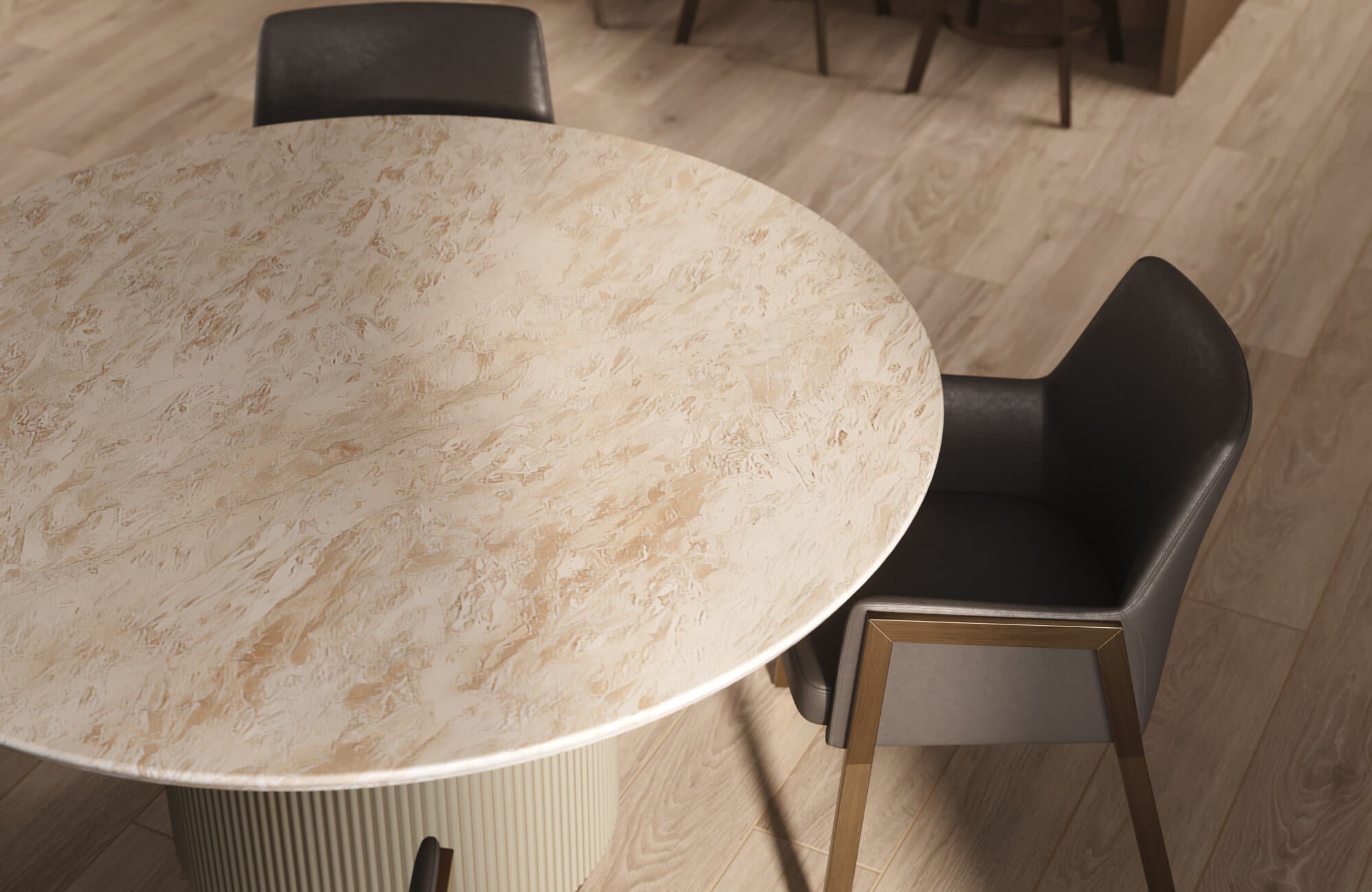
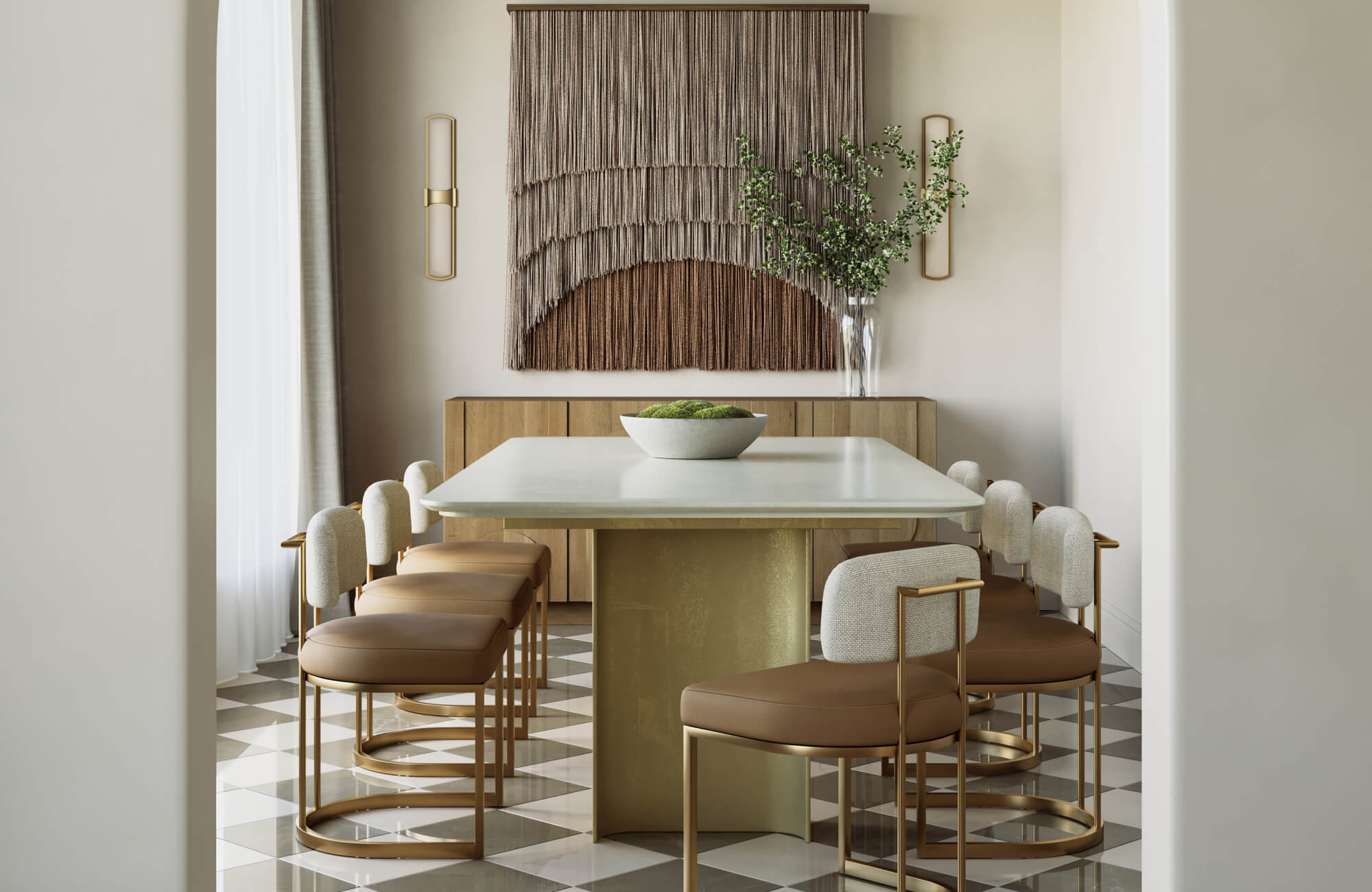
Fabrication choices significantly influence how marble responds to daily use. Rounded edge profiles, like the Anastasia 59" Dining Table in Taupe (shown in the photo above), help disperse impact forces, reducing the likelihood of chipping in active dining areas. Sharper profiles, while visually striking, concentrate stress and increase vulnerability. Precision cutting also ensures consistent thickness, supporting even load distribution across the surface. In some cases, reinforced backing materials are used to enhance stability. These technical considerations directly affect the long-term durability of a marble dining table set.

Maintenance Requirements and Surface Vulnerability
Marble’s chemical composition directly affects how it interacts with common dining activities, making maintenance an essential aspect of ownership. Understanding surface behavior helps set realistic expectations for daily use.
Porosity and Staining Risks
Marble is a porous calcium carbonate stone, which allows liquids to penetrate the surface when spills are not addressed promptly. Substances commonly present at the dining table, such as wine, oils, and richly pigmented sauces, can be absorbed into the stone and lead to visible discoloration. Once these pigments migrate below the surface, stains may also become permanent and difficult to remediate. Penetrating sealers help slow absorption by filling microscopic pores within the stone, though they do not make the surface completely stain-proof. For this reason, resealing at regular intervals is necessary to maintain a reasonable level of resistance.
Etching and Chemical Reactivity
Etching happens when acidic substances chemically react with marble instead of simply staining it, changing the surface at a microscopic level. This reaction dulls polished finishes and leaves matte marks that disrupt visual continuity and reduce reflectivity. In dining environments, common culprits include citrus juice, vinegar, wine, and certain household cleaners. Because etching alters the stone’s texture rather than depositing pigment, routine cleaning methods won’t remove it. Restoring the surface usually requires professional honing or polishing to re-level the affected area.
Cleaning and Long-Term Care
Effective long-term care for marble depends on gentle, consistent cleaning practices that respect the stone’s natural composition. Using pH-neutral cleaners is recommended because they protect the surface without triggering chemical reactions or causing surface erosion. Over time, abrasive materials can gradually wear down the finish, reducing the stone’s natural luster and clarity. Daily maintenance typically involves soft cloths, minimal moisture, and prompt attention to spills. Preventative measures like placemats and coasters also help reduce direct exposure to damaging substances. With consistent care, a marble dining table can retain its elegance, surface integrity, and structural longevity.
Cost, Weight, and Installation Constraints
Practical considerations play a significant role in determining whether a marble dining table is suitable for a given space. Cost, weight, and installation requirements influence both feasibility and long-term satisfaction.
Material Cost and Stone Grading
The cost of a marble dining table can vary widely depending on factors like quarry origin, stone rarity, and the consistency of its natural veining. Premium marbles such as Calacatta or Statuario command significantly higher prices because they are sourced from limited quarry output and are in high demand for luxury interiors. Beyond the stone itself, slab thickness and finish selection also affect the overall cost by influencing material yield and fabrication complexity. Custom fabrication adds further expense, especially for intricate edge profiles or large-format tabletops. Together, these variables place marble dining table sets firmly within the luxury furniture category. For this reason, early budget planning is essential to ensure that material selection aligns with both design goals and financial expectations.
Weight and Transportation Challenges
Marble’s high density makes it considerably heavier than wood or engineered stone alternatives, which directly impacts handling and installation requirements. Transportation typically requires specialized equipment and experienced crews to prevent cracking or structural damage during transit. Due to the combined weight and fragility of the material, professional installation is often necessary to ensure safe placement. Once installed, repositioning a marble dining table becomes both difficult and risky, limiting flexibility in future layout changes. In multi-story residences, upper-level installations may also require structural evaluation to confirm floor load capacity. These logistical considerations play a significant role in determining where and how a marble dining table can be placed within the home.
Space and Structural Planning
Proper structural planning is essential when incorporating heavy stone furniture into a dining space. Floor load capacity must be evaluated, since marble dining tables concentrate significant weight over a relatively small footprint. In older buildings, reinforcement may be necessary to safely support this added load. Table dimensions should also be carefully selected to match room proportions and allow comfortable circulation around the dining area. In addition, early coordination between designers, installers, and builders helps address potential constraints before installation.
Lifestyle Compatibility and Practical Use
The practicality of a marble dining table ultimately depends on how it aligns with daily routines and household dynamics. Lifestyle compatibility determines whether marble enhances or complicates everyday living.
Formal Dining and Controlled Environments
Marble dining tables perform exceptionally well in formal dining rooms, where use is occasional and carefully controlled. Because these spaces typically host special gatherings rather than daily meals, exposure to spills and acidic substances is naturally reduced, easing long-term maintenance demands and helping the surface retain its original finish. In such settings, the table functions not only as functional furniture but also as a visual centerpiece that anchors the room’s design. By limiting everyday use, wear from repeated contact and impact is minimized, allowing the marble’s refined veining and luminous depth to enhance ceremonial dining experiences and reinforce a sense of occasion and elegance.
Everyday Use and Family Settings
In busy households, marble requires greater awareness and more consistent care to maintain its appearance. Frequent meals increase exposure to staining and etching agents, particularly from acidic foods and beverages commonly used in everyday dining. The presence of children and pets further elevates the risk of impact damage, as accidental bumps or dropped objects are more likely. As a result, protective accessories such as placemats, coasters, and table covers become essential for daily use. While these measures help safeguard the surface, they can gradually feel restrictive in fast-paced households. Ultimately, practicality varies significantly depending on lifestyle, dining habits, and tolerance for ongoing maintenance.
Comparison with Engineered Stone and Wood Alternatives
Engineered stone and wood dining tables present practical alternatives to marble, particularly for households prioritizing flexibility, durability, and ease of maintenance. Engineered stone surfaces, such as quartz and sintered stone, echo the look of marble while offering improved resistance to staining and etching, making them well-suited for everyday use. Wood dining tables, meanwhile, bring warmth, tactility, and repairability, qualities that often appeal to more active dining environments.
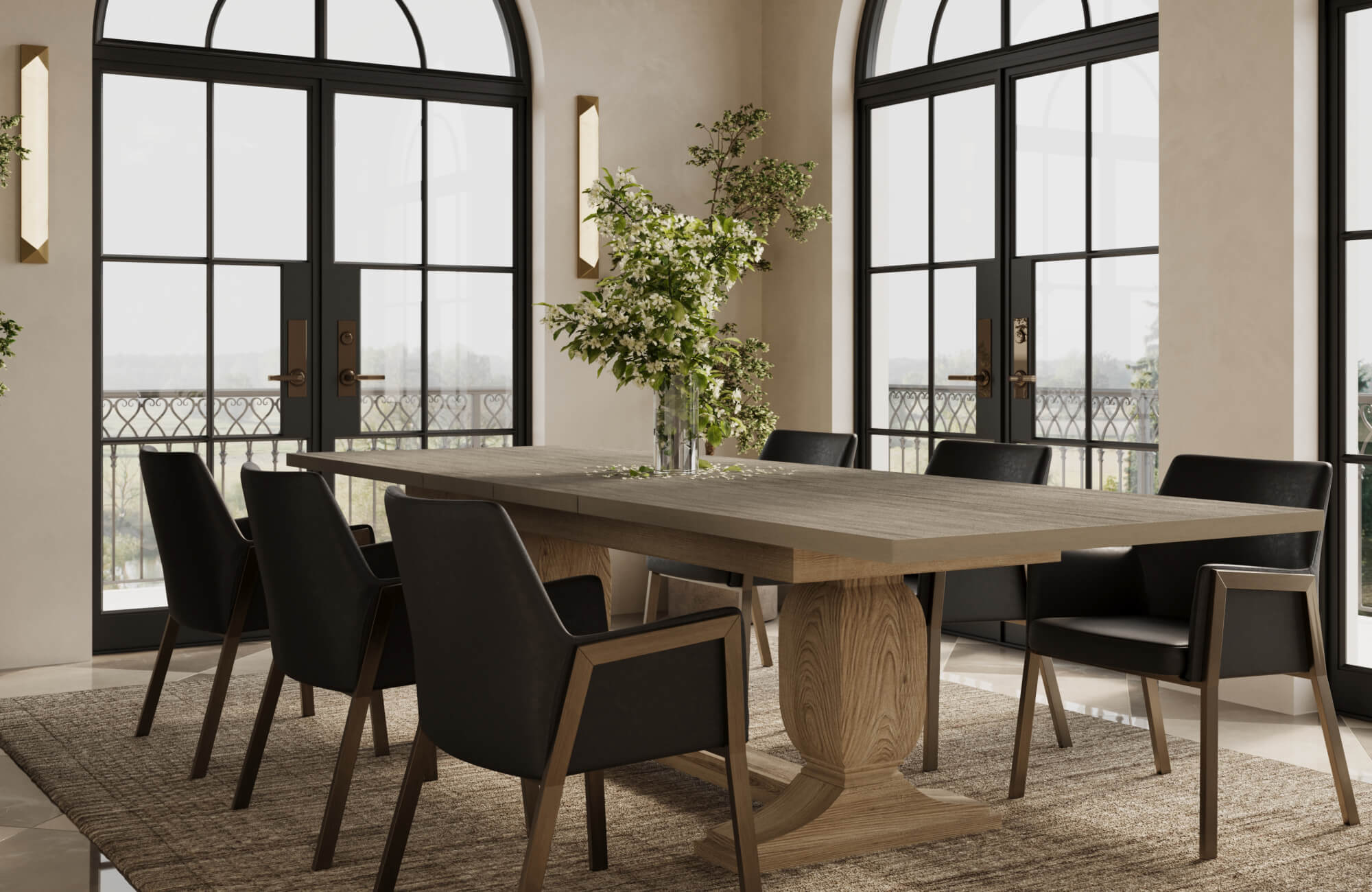
A refined example, as featured in the photo above, is our Rebecca 86" to 120" Dining Table in Greige, which pairs a sand beige oak veneer top with solid oak pedestal bases inspired by classical architectural forms. Its vertical rift graining and extendable design emphasize both visual rhythm and functional adaptability, allowing the table to transition seamlessly from intimate dinners to larger gatherings. While wood and engineered alternatives lack the natural veining of marble, designs like Rebecca demonstrate how material versatility and thoughtful craftsmanship can deliver enduring style with greater everyday practicality.
A Balanced Investment in Beauty and Performance
A marble dining table represents a thoughtful balance between visual elegance and material responsibility, offering a surface defined by nature and refined by design. Its expressive veining, sculptural presence, and timeless appeal elevate dining spaces with lasting sophistication. At the same time, its physical properties require informed care and mindful use. When aligned with the right environment, whether as a marble dining room table or a round marble dining table in an intimate setting, marble becomes a rewarding long-term investment.
For those seeking guidance in selecting the right marble dining table or exploring alternative materials that better suit their space and lifestyle, Edward Martin’s design services offer expert support rooted in material knowledge, proportion, and long-term performance. To begin a personalized consultation or discuss product details, dimensions, and installation considerations, you can also contact us for tailored assistance!
Follow us on Instagram
@EDWARD.MARTIN
)
)
)
)
)
)
)
)
)
)
)
)
)
)
)
)