Wallpaper has a unique way of shaping the atmosphere of a room, often setting the tone for the entire interior. While trends shift from year to year, some wallpaper designs continue to feel refined and relevant no matter the era. These timeless styles often rely on balanced patterns, versatile colors, and thoughtful composition that work well across many types of interiors. In this blog, we’ll explore wallpaper styles designers often turn to when creating elegant interiors that continue to feel beautiful for years.

Why Timeless Wallpaper Designs Continue To Define Elegant Interiors
Some wallpaper styles feel just as refined today as they did decades ago, while others quickly fade as trends change. Timeless wallpaper tends to rely on balanced patterns, classic color palettes, and a quiet visual rhythm that supports the space rather than dominating it. When chosen carefully, these designs allow a room to evolve with new furniture, lighting, or décor while still maintaining a polished and elegant foundation.
What Gives Wallpaper a Timeless Quality
Certain wallpaper designs continue to feel relevant because they prioritize balance and restraint over novelty. Instead of relying on bold trends or dramatic effects, timeless wallpaper usually features thoughtful composition, refined pattern repetition, and a palette that feels comfortable in many types of interiors. These elements help the design remain visually interesting without overwhelming the room. Homeowners often find that classic wallpapers pair easily with both traditional and modern furnishings, which makes them easier to live with over time. Architectural features such as molding, paneling, or tall ceilings also tend to work beautifully with these designs because the wallpaper complements the structure of the space. This quiet harmony between pattern, color, and architecture is what helps certain wallpapers continue to feel elegant long after trends have shifted.
Why Balanced Patterns Feel More Enduring
Patterns that feel balanced tend to stay appealing for much longer than designs that rely on dramatic contrast or busy compositions. When the scale, spacing, and repetition of a pattern feel comfortable to the eye, the wallpaper becomes part of the room’s overall atmosphere rather than the center of attention. Designers often choose patterns with gentle rhythm or symmetry because they create visual movement without making the wall feel chaotic. A balanced pattern can also adapt well when the room’s furniture or décor changes over time. For instance, a living room might shift from traditional pieces to more modern accents, yet the wallpaper still feels appropriate because it never depended on a single design trend. This flexibility allows homeowners to refresh their interiors while the wallpaper continues to look refined and intentional.
A great example of this kind of balance can be seen above with our Essex Wallpaper in Black II. The checkerboard pattern is still there, but it’s softened through fine linework and a warm off-white base, so it doesn’t feel too rigid or overpowering. You’ll notice how the subtle contrast adds texture rather than sharp definition, which helps the wall blend more naturally into the space. It’s a good reference for how a pattern can stay visually interesting while still feeling calm and easy to live with.
How Classic Color Palettes Support Elegant Interiors
Color plays a major role in helping wallpaper feel timeless, especially when the palette leans toward familiar and versatile tones. Soft neutrals, muted blues, warm creams, and gentle grays often create a calm backdrop that works across many interior styles. These colors allow decorative elements such as furniture, lighting, and artwork to stand out while the wallpaper quietly supports the overall composition. Homeowners often appreciate how classic palettes make it easier to update a room later with new textiles or accessories. A sofa might change, or a new rug might be introduced, yet the wallpaper still feels cohesive because the colors remain flexible. When the palette stays grounded and refined, the wall covering contributes to an elegant interior without competing with the rest of the design.

Floral Wallpaper Patterns That Continue To Feel Refined
Floral wallpaper has remained a defining element in elegant interiors for generations. From delicate vintage prints to larger botanical interpretations, floral motifs adapt easily to both traditional homes and more contemporary spaces. When the scale and color palette are thoughtfully chosen, these patterns bring softness and visual movement while still maintaining a refined atmosphere.
Classic Damask Floral Motifs
Damask floral wallpaper has long been associated with sophisticated interiors thanks to its symmetrical structure and layered ornamentation. These patterns typically feature stylized flowers arranged within flowing, mirrored shapes that create a sense of order on the wall. Because the design feels structured rather than chaotic, damask motifs bring elegance without overwhelming the space. They often appear in neutral or softly contrasted tones, which helps them blend easily with a variety of furniture styles. This balance between decoration and restraint is one reason damask florals continue to feel timeless in refined interiors.
Vintage-Inspired Floral Wallpaper Designs
Vintage floral wallpaper often draws inspiration from historical textiles, antique prints, and traditional European interiors. These designs usually feature softer color palettes and delicate detailing that give walls a romantic and collected appearance. Homeowners who appreciate character and warmth often gravitate toward these patterns because they bring personality without feeling overly dramatic. The gentle repetition of the floral elements also helps the wall feel cohesive rather than busy. In many homes, vintage-inspired florals create a comfortable atmosphere that feels both classic and inviting.
Modern Botanical Florals With Softer Silhouettes
Modern botanical floral wallpaper takes inspiration from nature while presenting the motif in a more relaxed and contemporary way. Instead of dense ornamental patterns, these designs often feature larger leaves, petals, or botanical shapes arranged with more breathing room between them. This approach allows the wallpaper to feel fresh and elegant without losing the softness that floral patterns naturally provide. Designers often pair these prints with simple furniture and natural materials to keep the room balanced. When the colors remain muted or neutral, botanical florals can introduce movement to the wall while still maintaining a calm, polished interior.
Small-Scale Floral Prints For Subtle Pattern
Small-scale floral wallpaper offers a quieter way to introduce pattern into elegant interiors. Because the flowers are more delicate and closely spaced, the design reads almost like texture from a distance. This subtle effect works especially well in spaces where homeowners want visual interest without making the wall feel dominant. Many classic interiors rely on these understated patterns because they add charm while still allowing furniture, artwork, and lighting to stand out. Over time, small-scale florals continue to feel graceful and timeless since their gentle pattern never competes with the rest of the room.
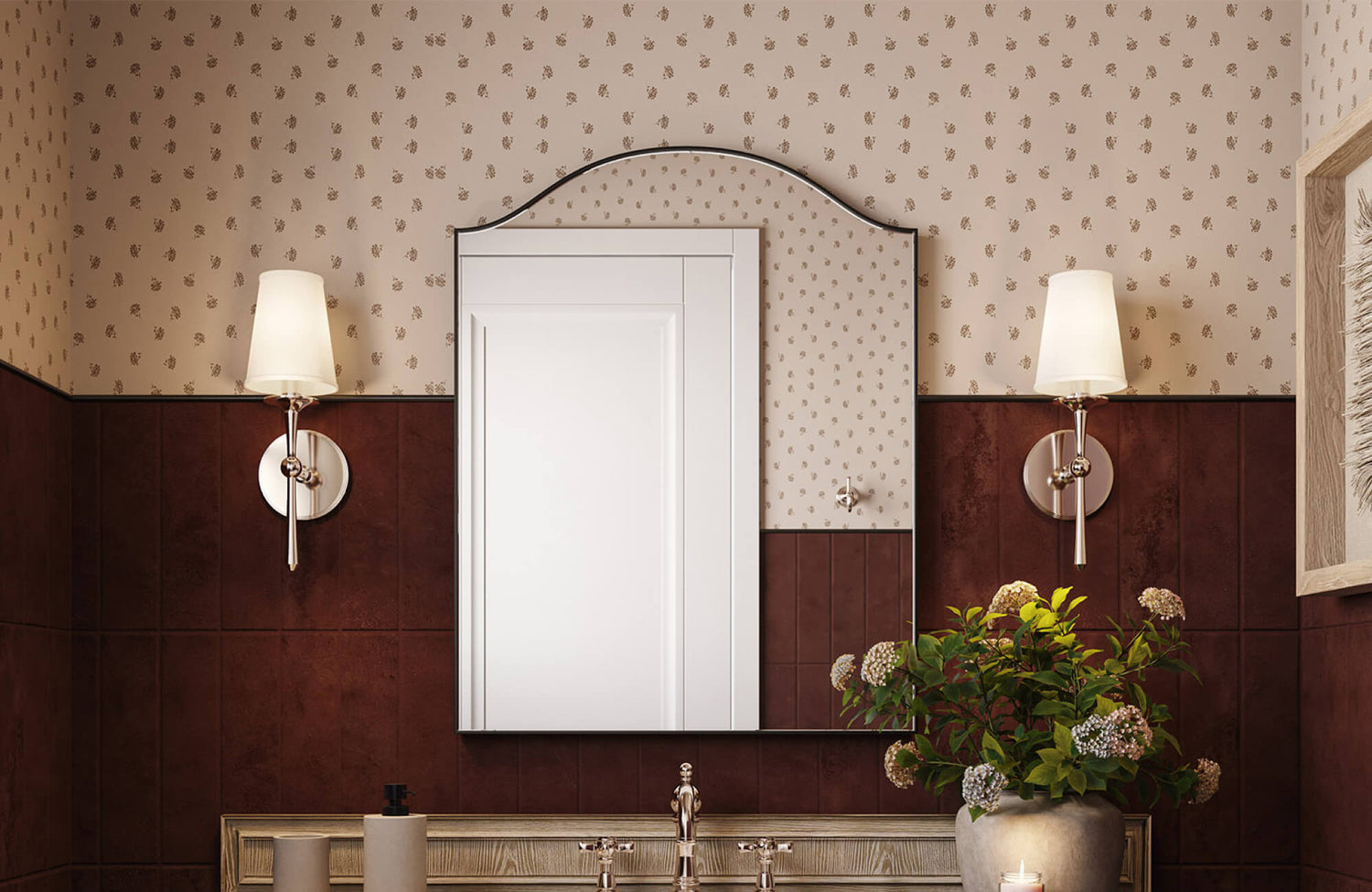
A great example of this subtle approach can be seen above with our Botanique Wallpaper in Winter. The small-scale floral pattern blends softly into the background, so from a distance it almost reads like texture rather than a bold print. Up close, the bluish gray, beige, and soft brown tones bring out the detailing without making the space feel busy. It’s the kind of pattern that adds quiet character while still keeping the room feeling calm and well-composed.

Damask Wallpaper and Its Lasting Sophisticated Appeal
Damask wallpaper has long been associated with refined interiors thanks to its symmetrical pattern and layered ornamentation. The design traces back to historic European textiles and has gradually transitioned into modern wallcoverings that feel both classic and adaptable. Today’s interpretations often rely on softer contrast and neutral tones, allowing the motif to maintain elegance without appearing overly formal.
The Historic Roots of Damask Wallpaper
Damask patterns originally appeared in woven textiles used throughout Europe and the Middle East, where intricate designs signaled craftsmanship and luxury. These fabrics often featured repeating ornamental motifs arranged in mirrored compositions that created visual richness without feeling chaotic. As decorative traditions evolved, the damask motif moved from fabric into wallcoverings, where it quickly became a hallmark of elegant interiors. Historic homes frequently used damask wallpaper in dining rooms, sitting rooms, and formal entryways to introduce refinement and texture to the walls. Even today, the design still carries a sense of heritage that connects modern interiors with long-standing decorative traditions.
Why Symmetry Creates a Sense of Elegance
One of the defining features of damask wallpaper is its strong sense of symmetry. Repeating mirrored shapes create a rhythm across the wall that feels orderly and visually balanced. This structured layout allows the pattern to feel decorative without becoming overwhelming. Designers often appreciate how symmetrical patterns naturally complement architectural details such as moldings, paneling, and tall ceilings. Because the composition feels organized and harmonious, damask wallpaper continues to convey sophistication in both traditional and updated interiors.
Modern Damask Patterns With Subtle Contrast
Contemporary damask wallpaper often takes a softer approach than its historic predecessors. Instead of bold color differences, many modern versions rely on tonal contrasts where the pattern appears slightly lighter or darker than the background. This subtle variation allows the ornamentation to remain visible while keeping the overall effect calm and refined. Homeowners who want classic elegance without a formal atmosphere often gravitate toward these updated designs. With muted palettes and gentle contrast, modern damask wallpaper keeps the timeless character of the motif while fitting comfortably into today’s interiors.
A closer look above shows how this softer interpretation comes to life with our Bower Wallpaper in Taupe I. Instead of relying on strong contrast, the off-white leaf pattern sits gently against the warm taupe background, so the design feels present without overpowering the space. The repeating motif still brings that classic, structured rhythm you’d expect from damask, but it reads much more relaxed and livable. It’s the kind of wallpaper that keeps the room feeling polished while still being easy to pair with everyday finishes and fixtures.

Stripe Wallpaper as a Classic Choice for Elegant Interiors
Stripe wallpaper has long remained one of the most dependable patterns in refined interiors. Its clean, linear structure naturally complements architectural elements such as doorways, moldings, and ceiling lines, helping the design feel cohesive within the space. With variations ranging from narrow pinstripes to wider bands, striped wallpaper allows homeowners to introduce pattern while maintaining a calm and sophisticated look.
Narrow Pinstripes for Subtle Pattern
Narrow pinstripe wallpaper offers a refined way to introduce pattern without overwhelming the room. The thin, evenly spaced lines create a gentle rhythm on the wall while still allowing furniture and decorative elements to remain the focal point. Because the pattern feels restrained, it works especially well in interiors that lean toward a classic or tailored aesthetic. Designers often pair pinstripes with neutral palettes to maintain a calm and polished atmosphere. This quiet pattern brings visual interest to the wall while preserving the elegant simplicity many homeowners appreciate.
Wide Stripes for Architectural Presence
Wide stripe wallpaper creates a stronger visual presence while still maintaining a timeless character. The broader bands echo architectural features throughout the room, which helps the walls feel connected to surrounding elements such as paneling, trim, and door frames. When colors remain balanced and refined, wide stripes add structure without becoming overly bold. Many elegant interiors use this style to introduce pattern while still preserving a sense of order and sophistication. The result is a wall design that feels intentional and grounded within the architecture of the space.
Soft Tonal Stripes for Understated Elegance
Tonal stripe wallpaper offers a quieter interpretation of the classic striped pattern. Instead of using strong color contrast, these designs rely on closely related shades that create a soft, layered appearance on the wall. From a distance, the pattern can read almost like texture, which helps the wallpaper blend comfortably into the room’s overall palette. Homeowners often choose tonal stripes when they want subtle detail rather than a bold pattern. This gentle variation adds depth while keeping the space calm, refined, and visually balanced.
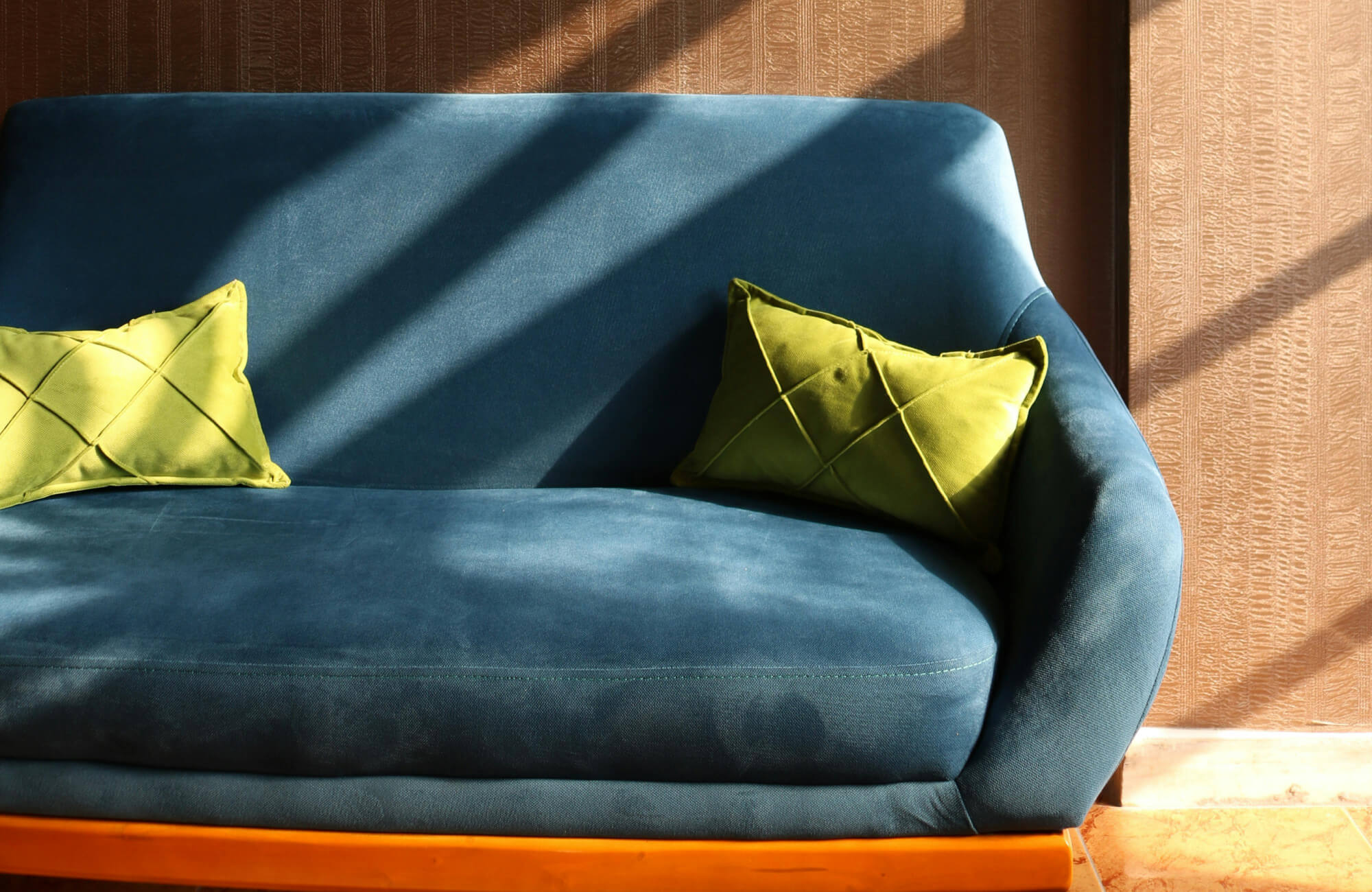
A closer look above shows how this softer striped approach plays out with our Suffolk Wallpaper in Terracotta I. The warm brown and soft white tones sit close enough together that the pattern feels gentle, yet the vertical lines still guide the eye upward in a subtle way. It doesn’t compete with the furniture, but instead works alongside it, giving the space a quiet sense of structure. It’s a good example of how stripes can feel refined and grounded without needing bold contrast.
Traditional Alternating Stripe Patterns
Traditional alternating stripe wallpaper has long been used in elegant interiors because of its balanced and orderly appearance. The repeating sequence of contrasting bands creates a steady rhythm that feels both decorative and structured. Designers frequently choose this style when they want a wallpaper pattern that feels classic but still visually engaging. When paired with timeless color combinations, alternating stripes integrate smoothly with a wide range of furnishings and decor. Over time, this pattern continues to feel sophisticated because it relies on simple structure rather than fleeting trends.

Geometric Wallpaper Designs That Balance Structure and Style
Geometric wallpaper sits comfortably between classic elegance and modern design. The repeating shapes naturally bring rhythm and structure to the wall, which helps the pattern feel organized instead of overwhelming. When the scale and spacing are thoughtfully chosen, geometric designs can add personality to a room while still keeping the space calm and refined.
Classic Trellis Patterns Inspired by Architecture
Trellis wallpaper often takes inspiration from the kinds of patterns you might see in garden structures, gates, or decorative ironwork. The interlocking lines create a framework that feels orderly and visually balanced across the wall. Because the pattern follows a clear structure, it adds decoration without making the room feel cluttered. Many designers gravitate toward trellis motifs when they want something timeless that still feels visually interesting. The pattern also pairs easily with a wide range of furniture styles, from traditional pieces to more modern interiors. That versatility is part of what helps trellis wallpaper continue to feel relevant in elegant spaces.
Subtle Lattice Designs With Repeating Rhythm
Lattice wallpaper uses intersecting lines to create a repeating grid that brings gentle rhythm to the wall. The pattern introduces movement, yet it still keeps the space feeling calm and composed. In many cases, the lines appear in soft contrast against the background, so the design blends naturally into the room. Homeowners often appreciate how lattice patterns add quiet structure without dominating the space. The wall gains visual interest while the rest of the décor can still take center stage. This balance makes lattice wallpaper a reliable choice for interiors that aim to feel both polished and welcoming.
Art Deco Geometric Motifs
Art Deco geometric wallpaper brings a touch of vintage sophistication to modern interiors. Many of these patterns feature arches, fan shapes, or stepped designs that repeat across the wall in an elegant rhythm. When paired with restrained color palettes, the patterns feel refined rather than overly dramatic. Designers often turn to subtle Art Deco motifs when they want to introduce character while still keeping the room balanced. The shapes add visual depth and interest without overwhelming the surrounding décor. In the right setting, this style gives a room a sense of timeless glamour while remaining comfortable and livable.
Minimal Geometric Patterns With Soft Contrast
Minimal geometric wallpaper focuses on simple shapes arranged in a calm, repeating pattern. The contrast between shapes and background usually stays soft, which helps the design feel understated rather than bold. From a distance, the pattern may even read more like texture than decoration. Many homeowners enjoy this style because it blends easily with both contemporary and classic furnishings. The wallpaper adds subtle structure to the wall while allowing furniture, lighting, and artwork to remain the main focus. With its quiet design and balanced rhythm, minimal geometric patterns often feel effortless in elegant interiors.

Textured Wallpaper That Adds Depth Without Heavy Pattern
Not every elegant interior relies on visible patterns to create interest on the walls. Textured wallpaper introduces depth through surface variation rather than bold design, allowing the room to feel layered while still calm and balanced. Materials and finishes such as linen, grasscloth, or plaster-inspired surfaces add subtle character while keeping furniture, lighting, and décor as the main visual focus.
Linen and Fabric-Inspired Wallpaper
Linen and fabric-inspired wallpaper brings a soft, woven appearance to the wall that feels warm and understated. These designs often mimic the natural irregularities of textiles, which introduces gentle variation across the surface. Instead of reading as a pattern, the wallpaper creates a quiet backdrop that complements the surrounding furniture and decorative pieces. Designers frequently choose fabric-inspired finishes in living rooms, bedrooms, and dining spaces where a calm atmosphere is desired. The subtle texture adds richness to the wall while still allowing the rest of the room to take center stage.
Grasscloth and Natural Fiber Wallcoverings
Grasscloth wallpaper is known for its organic texture and handcrafted look created from woven natural fibers. Each panel often shows slight variation in tone and weave, which gives the wall a natural sense of depth and character. Homeowners often gravitate toward grasscloth because it introduces warmth without relying on decorative motifs. The tactile quality pairs beautifully with wood furniture, stone accents, and other natural materials commonly used in elegant interiors. This natural surface variation helps the wall feel visually interesting while maintaining a relaxed and refined atmosphere.
Tone-on-Tone Pattern Wallpapers
Tone-on-tone wallpaper offers a subtle way to introduce visual detail while maintaining a calm and cohesive palette. These designs rely on slight shifts in shade or finish, allowing the surface to reveal gentle patterning when light moves across the wall. From a distance, the wallpaper reads almost like texture rather than decoration. Many elegant interiors rely on this approach because it keeps the space visually layered without competing with furnishings or artwork. The understated effect allows the room to feel polished while still maintaining a sense of quiet sophistication.
Looking at the image above, this is where tone-on-tone design really stands out with our Essex Wallpaper in Olive II. The soft off-white base and fine olive detailing create a gentle checkerboard effect that reads more like texture from a distance. It adds just enough variation to keep the wall interesting while still letting the furniture and décor take the lead. It’s a good example of how subtle patterning can quietly shape the space without overwhelming it.
Plaster and Stone-Like Wallpaper Finishes
Plaster and stone-inspired wallpaper mimics the depth and character of natural surfaces often seen in historic interiors. These finishes typically feature soft tonal variation that resembles hand-applied plaster or weathered stone walls. Instead of a repeating pattern, the surface appears slightly irregular, which gives the room a relaxed yet refined look. Designers often use these wallpapers when they want walls to feel textured but not decorative. The effect introduces a subtle dimension to the space while preserving the calm elegance that defines timeless interiors.
Finding the Wallpaper That Truly Fits Your Home
Choosing wallpaper that feels timeless often comes down to balance. Patterns like florals, damask, stripes, and soft geometrics work well because they add character without taking over the room. When the scale, color, and rhythm feel right, the wallpaper supports the space instead of competing with the furniture, lighting, or artwork. Textured wallcoverings can also bring a subtle layer of depth that makes the room feel warm and complete.
If you are exploring wallpaper and want help narrowing down the right style, it can be helpful to look at options alongside the rest of your interior. At Edward Martin, our team offers personalized design consultations where you can talk through patterns, palettes, and textures that suit your home. Our designers work with you to find wallpaper that connects naturally with your furniture, architectural details, and overall aesthetic. It is a simple way to feel confident about your choice and bring a wallpaper design into your home that will continue to feel beautiful for years.