



LED ceiling lights have quietly become a defining feature in modern homes, not because they stand out, but because they work so well in the background. As interiors move toward cleaner lines, open layouts, and more intentional planning, ceiling lighting plays a bigger role than many homeowners expect. In this blog, we’ll look at the main benefits of LED ceiling lights, from design integration and energy efficiency to light quality, longevity, and flexibility, and why they continue to make sense for modern living.

Why LED Ceiling Lights Fit Modern Home Design So Well
Modern home design places a strong emphasis on clarity, openness, and intentional restraint, which naturally shapes how lighting is used. LED ceiling lights align with these priorities by supporting clean visuals rather than competing with them. Their ability to blend into ceilings and layouts makes them especially well-suited for contemporary interiors that value simplicity and flow.
Clean Ceiling Lines and Low-Profile Fixture Design
LED ceiling lights are typically designed with slim, low-profile forms that sit close to the ceiling, which helps keep overhead lines clean and uninterrupted. In modern interiors, where ceilings are meant to feel open and intentional, this makes a noticeable difference. Instead of drawing attention upward, the lighting stays visually quiet, allowing architectural details, finishes, and furnishings to take the lead. The fixture is there, but it does not ask to be the focus.
That low-profile approach also works well across rooms of different sizes. In smaller spaces, it keeps ceilings from feeling boxed in or visually crowded. In larger rooms, it maintains consistency without creating extra focal points that compete with the rest of the design. This balance helps the lighting feel connected from room to room. Rather than feeling added on later, it reads as part of the home’s structure.
How Integrated LEDs Support Minimal and Open Layouts
Integrated LED ceiling lights are a natural fit for minimal and open-plan homes because they provide consistent illumination without interrupting visual flow. Instead of relying on multiple hanging fixtures or decorative lighting elements, integrated LEDs spread light evenly across connected spaces. This helps open layouts feel cohesive rather than broken up into zones by lighting alone. The light moves naturally through the home, supporting how people circulate and use the space day to day.
In minimalist interiors, every visible element carries more weight, which makes restraint even more important. Integrated LEDs honor that by staying visually subtle while still delivering reliable, comfortable light. They support clean surfaces, open sightlines, and simple forms without pulling attention upward. This makes it easier to keep the overall look calm and intentional. The space feels complete without tipping into visual clutter.
Blending Lighting Into Architecture Rather Than Treating It as Decor
In modern interiors, lighting is often approached as part of the architecture rather than something added on for decoration. LED ceiling lights support this way of thinking by integrating directly into ceilings, recesses, or built-in panels. Instead of drawing attention to themselves, they work quietly in the background, reinforcing the structure of the space. This creates a sense of intention, where lighting feels planned from the start rather than layered in later.
When lighting is handled this way, it gives other design elements more room to breathe. Materials, textures, and layout naturally take the lead, with light supporting them instead of competing for focus. This also helps spaces feel more timeless, since the lighting is not tied to a specific style moment. LED ceiling lights contribute to interiors that feel balanced, composed, and grounded in the architecture itself.
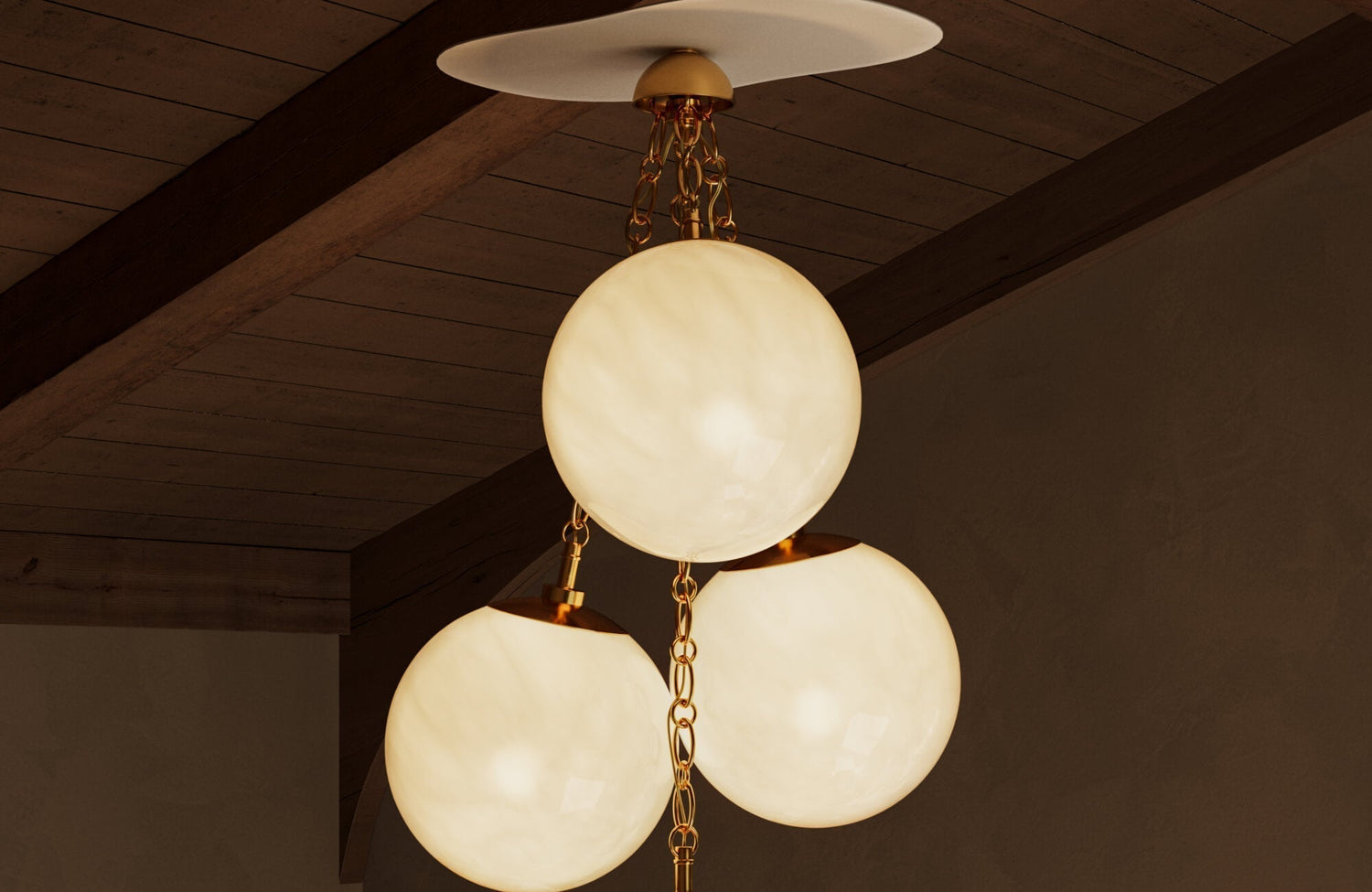
A great example of this approach is our Lumira 18" LED Pendant in Urban Bronze/Woven, shown above, which blends integrated LED performance with an architectural presence rather than purely decorative flair. Its woven rattan panels add texture and warmth, while the built-in LED keeps the light controlled and intentional. In modern dining spaces or open layouts, it reads as part of the ceiling composition instead of a visual interruption. The result is lighting that feels considered, functional, and naturally connected to the room’s structure rather than layered on top of it.

Energy Efficiency That Makes a Real Difference Over Time
Energy efficiency matters most when it shows up in the lighting you rely on every day. Because ceiling lights tend to stay on longer and cover larger areas, they have a bigger influence on overall power use than most people realize. LED ceiling lights improve efficiency in a way that feels natural, without changing how you live in or use your space.
How LED Ceiling Lights Use Less Power Without Sacrificing Brightness
LED ceiling lights are built to deliver strong, usable light without the energy draw people often expect. Instead of losing power to heat, they convert most of that energy directly into illumination, which helps rooms feel evenly lit without pushing wattage higher. The brightness comes across as steady and comfortable rather than sharp or uneven. Because the light is efficient by design, there is no need to change how the space is used or lit day to day. Rooms still feel bright and functional, just with less energy working behind the scenes. Over time, that balance becomes a quiet but noticeable part of everyday living.
Why Ceiling Lighting Has a Bigger Impact on Overall Energy Use
Ceiling lighting tends to stay on longer than most other fixtures because it supports entire rooms rather than single tasks. Living areas, kitchens, hallways, and bedrooms often rely on ceiling lights as their main source of illumination. Because of this, even small efficiency gains at the ceiling level can add up steadily over time. LED ceiling lights reduce power use every time they are switched on, not just during peak moments. Their impact builds gradually, which makes the savings feel consistent rather than dramatic. It is the kind of change that works quietly in the background while the home continues to function as usual.
Reducing Heat Output and Its Effect on Indoor Comfort
Traditional ceiling lights can give off a surprising amount of heat, especially when they are used for long periods. Over time, that warmth can subtly change how a room feels, particularly in smaller or already warm spaces. LED ceiling lights produce far less heat, which helps keep indoor temperatures more even. Without excess warmth collecting overhead, rooms tend to feel more comfortable and balanced throughout the day. This can also ease the load on cooling systems, especially in spaces where lights stay on for extended hours. The result is an environment that feels calmer and more consistent, without added effort.
Long-Term Energy Savings Without Changing Daily Habits
One of the most appealing aspects of LED ceiling lights is that efficiency comes without lifestyle changes. Lights are used the same way they always have been, yet energy consumption gradually drops in the background. There is no need to adjust routines, limit usage, or think about efficiency each time a light is turned on. The savings come from the fixture itself, not from behavior changes. Since ceiling lights are used so consistently across the home, those small gains add up naturally over time. It is an easy upgrade that fits into everyday life without disruption.

Longer Lifespan and Lower Maintenance for Everyday Living
Lighting works best when it fades into the background of daily life instead of demanding attention. Ceiling-mounted fixtures, in particular, are expected to function reliably without frequent upkeep. This is where the longer lifespan of LED ceiling lights becomes a practical advantage rather than just a technical detail.
Why LED Longevity Matters More in Ceiling-Mounted Fixtures
Ceiling-mounted lights tend to be the fixtures people think about the least, partly because they are also the hardest to reach. In rooms with higher ceilings or fixed installations, changing a bulb can quickly become inconvenient or require extra effort. LED ceiling lights last much longer than traditional options, which means that the task comes up far less often. That longevity matters more here than it does with table lamps or wall fixtures that are easy to access. When ceiling lighting simply works without constant attention, the space feels more stable and dependable. Over time, that reliability quietly supports a smoother daily routine.
Fewer Bulb Changes and More Consistent Lighting Over Time
When bulbs do not need to be replaced as often, lighting stays more consistent throughout the room. There is less chance of ending up with slightly different color tones or brightness levels as individual bulbs age or get swapped out. LED ceiling lights tend to maintain their output evenly, which helps spaces feel balanced rather than uneven or patchy. This is especially noticeable in open areas where several fixtures work together at once. Instead of responding to lighting issues as they pop up, the home simply stays evenly lit. That kind of consistency becomes more valuable the longer the lighting is in place.
How Reduced Maintenance Supports Busy Households
In busy households, lighting maintenance is rarely top of mind. LED ceiling lights ease that burden by reducing how often fixtures need attention, quietly removing one more task from an already full schedule. There is less need to plan for replacements and fewer interruptions when a light suddenly goes out. This consistency is especially helpful in shared spaces, where reliable lighting supports daily routines without disruption. When fixtures simply perform as expected, they fade into the background in the best way. Over time, that lack of maintenance becomes one of the most valued aspects of living with LED lighting.

Better Light Quality Across Different Rooms and Uses
Good lighting is not just about brightness but about how light behaves in a space throughout the day. LED ceiling lights are designed to provide steady, comfortable illumination that works across different rooms and activities. This makes them especially useful in homes where spaces serve more than one purpose.
Even Light Distribution Compared to Traditional Ceiling Lights
Traditional ceiling lights often concentrate brightness in one area, leaving the rest of the room unevenly lit. LED ceiling lights take a different approach by spreading light more evenly across the space, as mentioned earlier. This helps soften shadows and reduce the sharp contrast between bright and dim areas. As a result, rooms feel calmer and easier on the eyes. The light reaches corners and edges more naturally, which can make the space feel more open and settled. Over time, that consistency subtly improves how the room is used and how comfortable it feels day to day.
Choosing the Right Color Temperature for Living Areas and Bedrooms
Color temperature has a noticeable impact on how a room feels, even if it is not something most people think about right away. LED ceiling lights offer a range of tones, which makes it easier to align lighting with how each space is used. Warmer temperatures tend to feel more relaxed and inviting, making them a natural fit for living areas and bedrooms. Slightly cooler tones can feel cleaner and more alert, which works well for tasks like reading or getting ready in the morning. Having this flexibility allows lighting to support the mood of a room rather than compete with it. The home feels more cohesive when each space is lit with intention.
How LEDs Maintain Brightness Without Flicker or Dimming Issues
When lighting shifts, flickers, or fades unevenly, it can subtly disrupt how a space feels. LED ceiling lights are built to maintain a steady level of brightness, even with long hours of daily use. That consistency helps reduce eye strain, especially in rooms where people read, work, or spend extended time. As LEDs age, they tend to hold their light output more evenly rather than gradually dimming or fluctuating. This means rooms continue to feel balanced instead of changing little by little without notice. Over time, the lighting fades into the background, doing its job quietly and reliably.
Why Consistent Ceiling Lighting Matters in Open-Plan Homes
In open-plan homes, lighting does more than illuminate individual rooms; it helps the entire space feel connected. When ceiling lighting shifts noticeably from one area to the next, the layout can start to feel uneven or visually fragmented. LED ceiling lights help avoid that by maintaining a consistent level of illumination across shared spaces. This allows kitchens, dining areas, and living zones to flow together without needing constant lighting adjustments. Consistent ceiling lighting also helps finishes, furniture, and textures read more evenly throughout the space. In open layouts, that sense of visual continuity plays a big role in overall comfort.

Smart Control, Flexibility, and Future-Ready Lighting
Modern homes are expected to change over time, and lighting needs to keep pace without constant upgrades. LED ceiling lights support flexible control options that make it easier to adjust how spaces are used day to day. This adaptability helps lighting feel like part of the home’s infrastructure rather than a fixed decision.
Dimming and Zoning Options With LED Ceiling Lights
Dimming allows ceiling lighting to adjust naturally throughout the day, shifting from brighter light when visibility matters to softer light as the day winds down. LED ceiling lights make this transition feel easy rather than technical. Zoning adds flexibility by letting different areas within the same space operate independently, which is especially useful in open layouts. A kitchen zone can stay bright while a nearby living area feels more relaxed. This reduces the need for extra lamps or layered fixtures. The lighting works quietly in the background, supporting how the space is actually used.
Smart Home Compatibility and App-Based Control
Many LED ceiling lights are designed to integrate smoothly with smart home systems, which changes how lighting fits into daily routines. Instead of relying solely on wall switches, adjustments can happen through apps, voice controls, or centralized systems. Over time, this becomes less about novelty and more about ease. Lighting settings can be fine-tuned gradually rather than reset each day. App-based control also allows for more precise adjustments, avoiding the all-or-nothing feel of traditional switches. The result is lighting that feels responsive without demanding attention.
Scheduling and Automation for Daily Routines
Scheduling helps ceiling lighting follow the natural rhythm of the day instead of interrupting it. LED ceiling lights can gradually brighten in the morning, ease into softer light in the evening, or adjust automatically at set times. This removes the need to think about lighting throughout the day, which makes routines feel more fluid. Over time, the lights fade into the background, supporting daily life rather than demanding attention. Automation also brings consistency to shared spaces, where lighting needs to work for more than one person. The home feels calmer when light changes feel expected and natural.
Adapting Lighting as Home Needs Change Over Time
Homes tend to shift as lifestyles change, and lighting works best when it can shift along with them. LED ceiling lights make it easier to adapt as rooms take on new purposes, whether that means turning a spare room into a home office or reworking a living area. Instead of replacing fixtures, adjustments can often be made through settings and controls. This keeps lighting aligned with how the space is actually used. As furniture, layouts, and routines evolve, the lighting continues to feel relevant. That kind of flexibility supports the home well beyond the initial setup.
Avoiding Short-Term Trends With Built-In Lighting Systems
Built-in lighting can quickly feel dated when it follows short-lived trends too closely. LED ceiling lights tend to avoid this by focusing on performance, adaptability, and clean integration instead of decorative statements. Their low-profile designs and adjustable controls allow them to fit naturally into changing interiors. Rather than drawing attention, they quietly support the space as styles evolve. This restraint helps lighting remain relevant long after specific trends fade. Choosing flexible, built-in systems reduces the pressure to update simply to keep up.
Making LED Ceiling Lights Work for Your Home Over Time
LED ceiling lights continue to stand out in modern homes because they solve multiple needs at once, supporting clean design, reliable performance, and everyday comfort. From open layouts to private rooms, they deliver consistent light that feels intentional rather than decorative. Their efficiency, longevity, and adaptability allow lighting to work quietly in the background instead of becoming another system to manage. Over time, this balance makes daily living feel smoother and more considered.
If you’re planning a new build, renovation, or lighting update, the right ceiling lighting depends on more than just the fixture itself. Ceiling height, room layout, light temperature, and how each space is used all influence how LED lighting will perform long-term. Our design consultation helps bring those details together, guiding you toward lighting choices that fit your home and lifestyle. With thoughtful planning, LED ceiling lights become a foundation that supports your space well beyond current trends.


