Bathrooms are no longer viewed as secondary spaces defined only by function. As renovation trends evolve, it becomes clear that these rooms now reflect how you live, unwind, and care for your home over time. Today’s designs strike a thoughtful balance between visual refinement and everyday practicality, where comfort, efficiency, and longevity are valued as highly as appearance. With more informed renovation choices, the focus is shifting away from short-lived stylistic updates toward purposeful improvements that support daily routines.
In this article, we’ll explore the latest bathroom renovation trends through six distinct perspectives. Each section explains not only what is changing, but also why those changes matter and how they contribute to a bathroom that feels current, functional, and enduring.

Rethinking Bathroom Layouts for Everyday Living
Modern bathroom renovations focus more on how a space functions in everyday use, rather than on the looks. Layout decisions are increasingly guided by ease of movement, privacy, and flexibility, allowing the room to support different users and daily routines comfortably.
Open Yet Defined Zones
Instead of enclosing every function behind solid walls, bathrooms are increasingly designed with open layouts that still maintain a clear purpose. Bathing, grooming, and storage areas are often defined using glass panels, partial partitions, or subtle shifts in flooring materials. These design choices allow light to move freely through the space while preserving a sense of separation. The result is a bathroom that feels more open and spacious without compromising organization or everyday comfort.
Smarter Use of Small Bathrooms
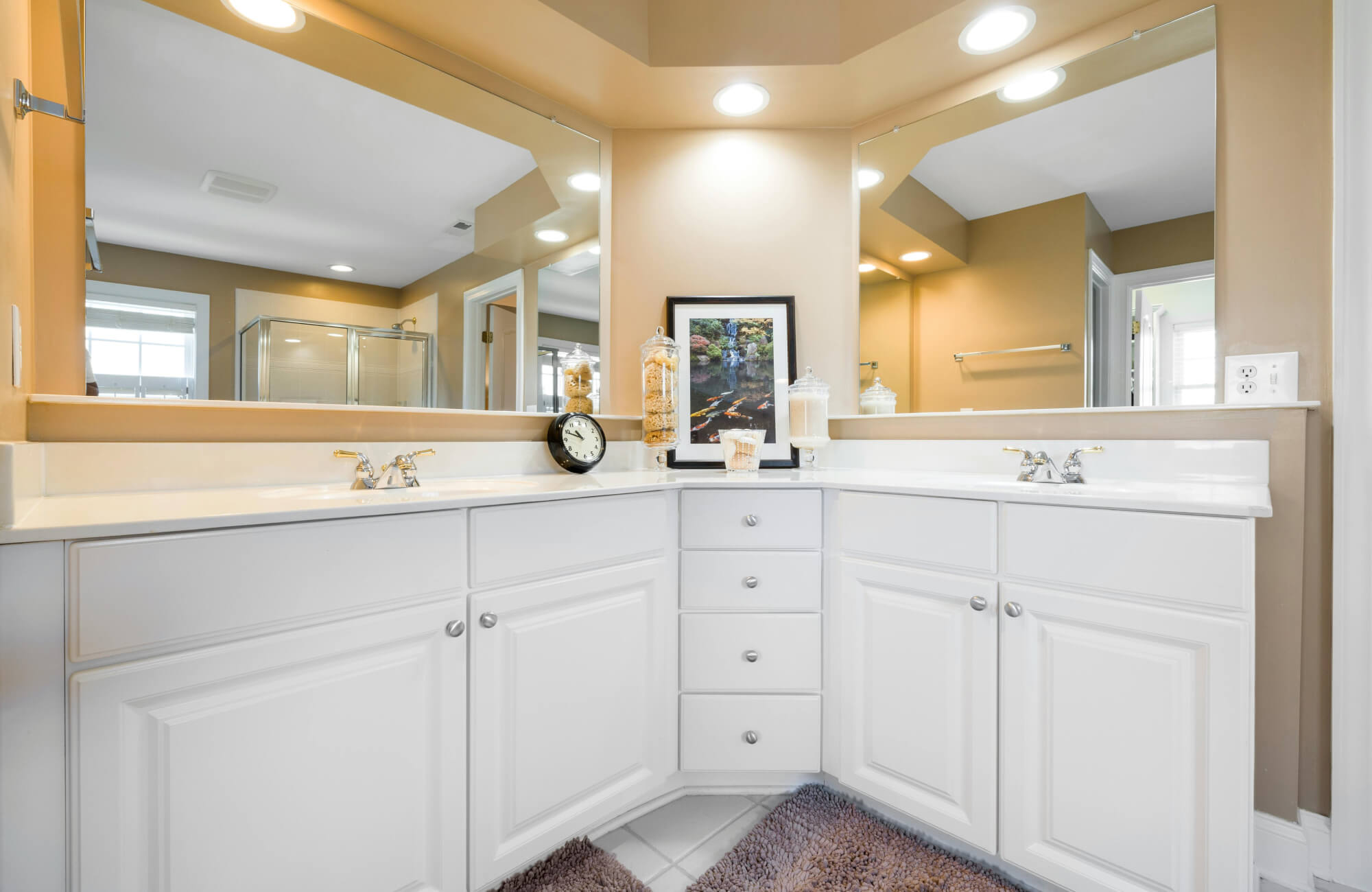
When space is limited, careful planning becomes essential. Wall-mounted toilets and vanities free up floor space, while floating storage minimizes visual weight, helping the room feel more open. Corner sinks and compact shower enclosures preserve functionality without creating tight or awkward clearances. Instead of depending on decorative tricks to create the illusion of space, these thoughtful layout choices enhance the bathroom’s functions in everyday use.
Flexible Layouts for Aging in Place
Many renovation plans now extend beyond immediate needs, focusing on how a bathroom will continue to support you in the years ahead. Wider walkways, curbless showers, and flexible fixture placement allow the space to adapt as mobility needs change. These elements are typically integrated subtly, helping the bathroom maintain a contemporary feel rather than a clinical one. With thoughtful planning, you can reduce the need for major structural changes in the future.

Material Choices Shaped by Durability and Feel
Material selection is increasingly influenced by the need to balance tactile comfort with lasting performance. Rather than focusing on appearance, renovation decisions now consider how materials respond to moisture, wear, and daily use while still adding warmth and character to the space.
Large Format Surfaces
Large-format tiles and slab-style materials have become a defining material trend in modern bathroom renovations. By reducing the number of grout lines, they create a continuous visual flow that feels calm and uncluttered. Aside from aesthetics, these surfaces are easier to maintain and less prone to moisture-related issues. When installed correctly, large-format materials help the bathroom feel intentional, cohesive, and refined.
This approach is clearly illustrated in the photo featured above, where Edward Martin’s Astrid 24x48 Polished Porcelain Tile in Slate is used to reinforce both scale and performance. Its large-format size minimizes visual breaks, allowing walls and floors to read as unified surfaces rather than segmented planes. At the same time, the polished porcelain finish offers durability and moisture resistance ideal for daily bathroom use, demonstrating how large-format tiles can successfully balance visual sophistication with long-term practicality.
Natural Texture Influence
Another key trend is the use of materials that echo organic textures without relying on fragile raw materials. Stone-inspired porcelain, wood-look tile, and clay-like finishes introduce variation and depth while offering consistent performance in damp environments. These surfaces help bathrooms feel grounded and welcoming without increasing maintenance demands. As a result, you can enjoy the warmth of natural design with the reliability required for everyday use.
This layered approach to texture is evident in the space featured above, where Edward Martin’s Jameson 12x36 Matte Ceramic Tile in Camel Deco and Jameson 8x48 Matte Porcelain Tile in Camel work together to create visual richness without overwhelming the room. The vertically oriented deco tile adds subtle rhythm and tactile interest, while the wood-look porcelain flooring reinforces an organic, grounded feel underfoot. Together, these materials demonstrate how natural texture trends can be thoughtfully applied to achieve warmth, durability, and visual balance in a modern bathroom setting.
Matte and Low-Sheen Finishes
The move away from high-gloss surfaces is also shaping current bathroom renovation trends. Matte and low-sheen finishes are gaining popularity for their relaxed appearance and practical benefits. They reduce glare, minimize visible fingerprints, and create a softer visual experience. By emphasizing texture rather than shine, these finishes add subtle depth and help the bathroom feel composed rather than reflective or visually busy.

Lighting as a Functional Design Element
Lighting is no longer treated as a finishing detail but as an essential part of bathroom design. Latest renovation trends emphasize lighting plans that support daily tasks while also creating a comfortable, well-balanced atmosphere.
Layered Lighting Strategies
Layered lighting has become a defining feature of modern bathroom renovations. Rather than relying on a single overhead fixture, bathrooms now combine ambient, task, and accent lighting to create balanced illumination. This approach ensures clear visibility at the vanity while maintaining softer light in bathing areas. By allowing the space to shift easily between practical routines and moments of relaxation, layered lighting improves both usability and comfort. Planning these layers early also helps avoid shadows and uneven brightness.
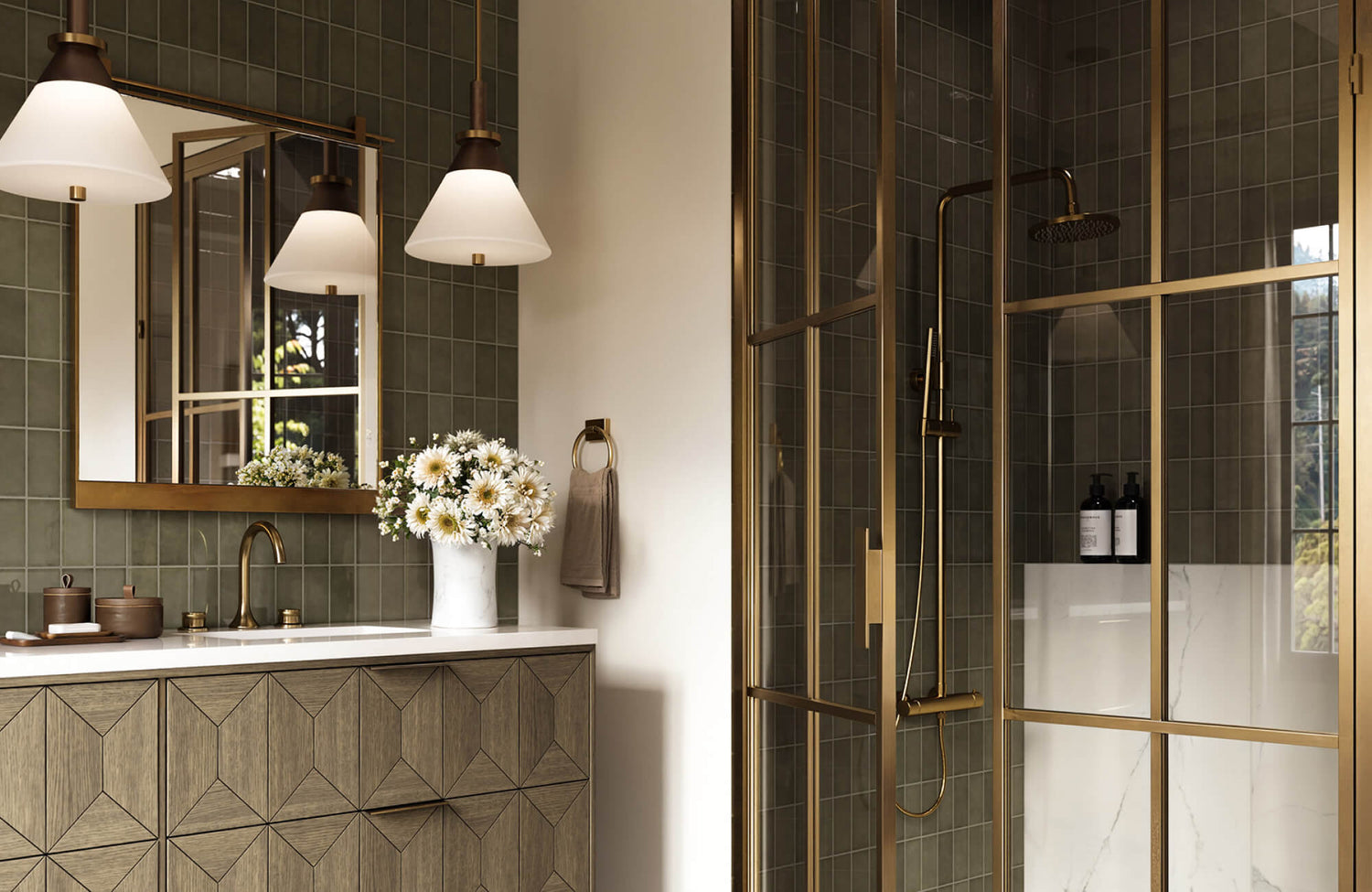
This concept is well illustrated in the space featured above, where Edward Martin’s Odessa Wall Sconce in Aged Brass is paired with the Matteo Pendant in Aged Brass to create a thoughtful lighting hierarchy. The wall sconces provide focused, even task lighting at the mirrors, reducing shadows and supporting daily grooming tasks, while the pendant delivers gentle ambient light over the bathing area. Together, these fixtures demonstrate how layered lighting can feel cohesive and intentional, reinforcing both function and atmosphere without overwhelming the overall design.
Integrated and Concealed Fixtures
Another notable trend is the use of integrated and concealed lighting solutions. Recessed fixtures, backlit mirrors, and hidden LED strips provide effective illumination without drawing attention to the fixtures themselves. By embedding lighting into architectural features and furnishings, bathrooms feel cleaner and more cohesive. This subtle approach also works well across modern and transitional designs, supporting a streamlined look without sacrificing performance.
Adjustable Light Temperatures
Adjustable light temperatures are also shaping current bathroom renovation trends. Lighting that shifts between cooler and warmer tones allows the bathroom to respond to different times of day and activities. Cooler light supports grooming and morning routines, while warmer tones create a more comfortable atmosphere in the evening. This flexibility not only enhances daily usability but also reduces eye strain by matching light quality to the task at hand.

Wellness-Driven Bathroom Features
Bathrooms are increasingly designed as restorative spaces rather than rooms focused solely on function. Current renovation trends reflect a growing interest in features that promote physical comfort and support mental relaxation.
Spa-Inspired Showers and Tubs
Spa-inspired bathing features are a key part of this wellness trend. Walk-in showers with rainfall heads and freestanding tubs are designed to create a more immersive experience that encourages slower, more intentional routines. These elements help transform everyday bathing into a moment of pause rather than a rushed task. Clean lines and carefully considered proportions ensure these features feel purposeful instead of excessive, keeping the focus on comfort while maintaining visual simplicity.
Improved Ventilation and Air Quality
Improved ventilation and air quality are also shaping wellness-driven bathroom renovations. Air quality plays an equally important role in daily comfort, and modern ventilation systems are quieter and more efficient than before. By managing humidity and reducing lingering moisture, proper airflow helps protect finishes and supports a healthier environment. When ventilation is planned alongside layout and lighting, it supports the bathroom’s long-term comfort and performance rather than feeling like an afterthought.
Sensory Comfort Features
Another growing renovation trend is the inclusion of sensory comfort features that enhance the overall bathroom experience. Heated floors, towel warmers, and sound control measures may not draw immediate attention, but they significantly affect everyday comfort. By addressing temperature and acoustics, these upgrades improve the overall experience without relying on decorative elements. Over time, they contribute to a bathroom that feels thoughtfully designed, calming, and easy to live with.

Storage Solutions Designed for Daily Use
Storage design has become more intentional, shaped by how bathrooms are used in everyday life. Rather than simply adding more cabinets, renovation trends now focus on smarter organization that supports daily routines with ease.
Floating Vanity with Storage
Floating vanities with storage have become a defining trend in modern bathroom renovations. Mounting the vanity to the wall helps keep the floor area visually open while still providing practical drawer storage for grooming tools and personal care items. Well-designed internal dividers keep essentials visible and within easy reach, reducing time spent searching through clutter. This setup supports smoother mornings and easier cleanup while keeping countertops clear and functional. Over time, floating vanity storage helps the bathroom feel more open, organized, and easy to live with.
This trend is clearly reflected in the space featured above, where Edward Martin’s Royce 48" Single Vanity in Chestnut with a 3 cm White Zeus Quartz Top anchors the design. Its wall-mounted profile reinforces a sense of openness, while the warm wood finish adds depth and contrast against the light quartz surface. Behind the paneled fronts, concealed drawers and shelves provide organized storage for daily essentials, while the matching floating base below offers open space for items you want to keep close at hand. Together, the materials, thoughtful storage features, and floating construction show how a vanity can support everyday functionality while contributing to a clean, balanced, and contemporary bathroom layout.
Vertical and Recessed Storage - H3
Another storage trend is the use of vertical and recessed solutions that maximize available wall space. Tall cabinets and recessed niches expand storage capacity without taking up valuable floor space. These designs are especially useful in shared bathrooms where storage needs are greater. By integrating storage into the room’s structure, you can add capacity while preserving a sense of openness, keeping the space practical without feeling crowded.
Hidden Storage for Visual Calm
Hidden storage is becoming common as there’s a growing preference for a cleaner, more composed appearance. Storage concealed behind mirrors or within wall cavities allows everyday items to stay within easy reach without interrupting the room’s design flow. When storage remains visually quiet, the bathroom feels calmer and more balanced. This approach is particularly effective in smaller bathrooms, where simplicity makes a noticeable difference in how the space is perceived and used.

Sustainability and Long-Term Efficiency
Sustainability is influencing renovation choices in ways that go beyond energy savings alone. You are increasingly encouraged to consider how materials, fixtures, and systems perform and hold up over years of everyday use.
Water Efficient Fixtures
Water-efficient fixtures are a central part of this bathroom renovation trend. Modern faucets, toilets, and shower systems are designed to reduce water use while maintaining reliable performance. These fixtures encourage responsible water use without affecting the overall comfort or experience of the bathroom. Over time, they can also help manage water costs, making efficiency a natural part of daily routines through thoughtful design rather than restriction.
Energy Conscious Lighting and Heating
Energy-conscious lighting and heating systems continue to shape current bathroom renovation trends by combining efficiency with everyday comfort. LED lighting and efficient heating solutions help reduce energy use while still delivering consistent, reliable performance. With thoughtful placement, light and warmth are directed where they are most needed, avoiding unnecessary excess and supporting a balanced, comfortable environment.
This approach is reflected in the space featured above, where Edward Martin’s Emmery 29" LED Vanity Light in Brushed Gold with Opal Glass demonstrates how energy efficiency can align with refined design. Its integrated LED light provides steady illumination while supporting dimmer functionality, allowing light levels to adjust based on task or time of day. In doing so, it reinforces how energy-conscious lighting can enhance usability and comfort while blending seamlessly into daily routines.
Materials with Long Lifespans
Another important sustainability trend in bathroom renovation is the preference for materials with long lifespans. Durable surfaces that resist moisture, wear, and staining are increasingly prioritized, helping bathrooms maintain both performance and appearance over time. By selecting finishes designed for longevity, you reduce the need for frequent updates and ongoing maintenance, allowing sustainability to extend well beyond short-term design cycles.
This principle is reflected in the space featured above, where Edward Martin’s Olivia 4x16 Glossy Ceramic Tile in Pearl is paired with Isabel 11x11 Matte Porcelain Tile Star in Charcoal and Cross in Rosewood. Both surfaces are non-porous, which means they are resistant to heat, moisture, and scratches, making them well-suited for long-term use. The glossy ceramic wall tile supports easy cleaning and moisture control, while the patterned floor tile is designed to withstand daily wear without losing its visual impact. Together, these materials demonstrate how long-lasting finishes can support sustainability while still adding texture, contrast, and enduring style to the space.
Designing Bathrooms for Modern Living
Today’s bathroom renovation trends reflect a clear shift toward spaces that support everyday living rather than short-term style. By prioritizing layout, materials, lighting, wellness, storage, and sustainability, bathrooms become easier to use, maintain, and enjoy over time. The most successful renovations are those that align design decisions with how the space functions daily, creating rooms that feel both intentional and adaptable.
If you would like guidance applying these trends to your own space, our design services can help you navigate layout planning, material selection, and long-term performance considerations with confidence. Contact us to explore personalized design support and take the next step toward creating a bathroom thoughtfully planned for modern living.