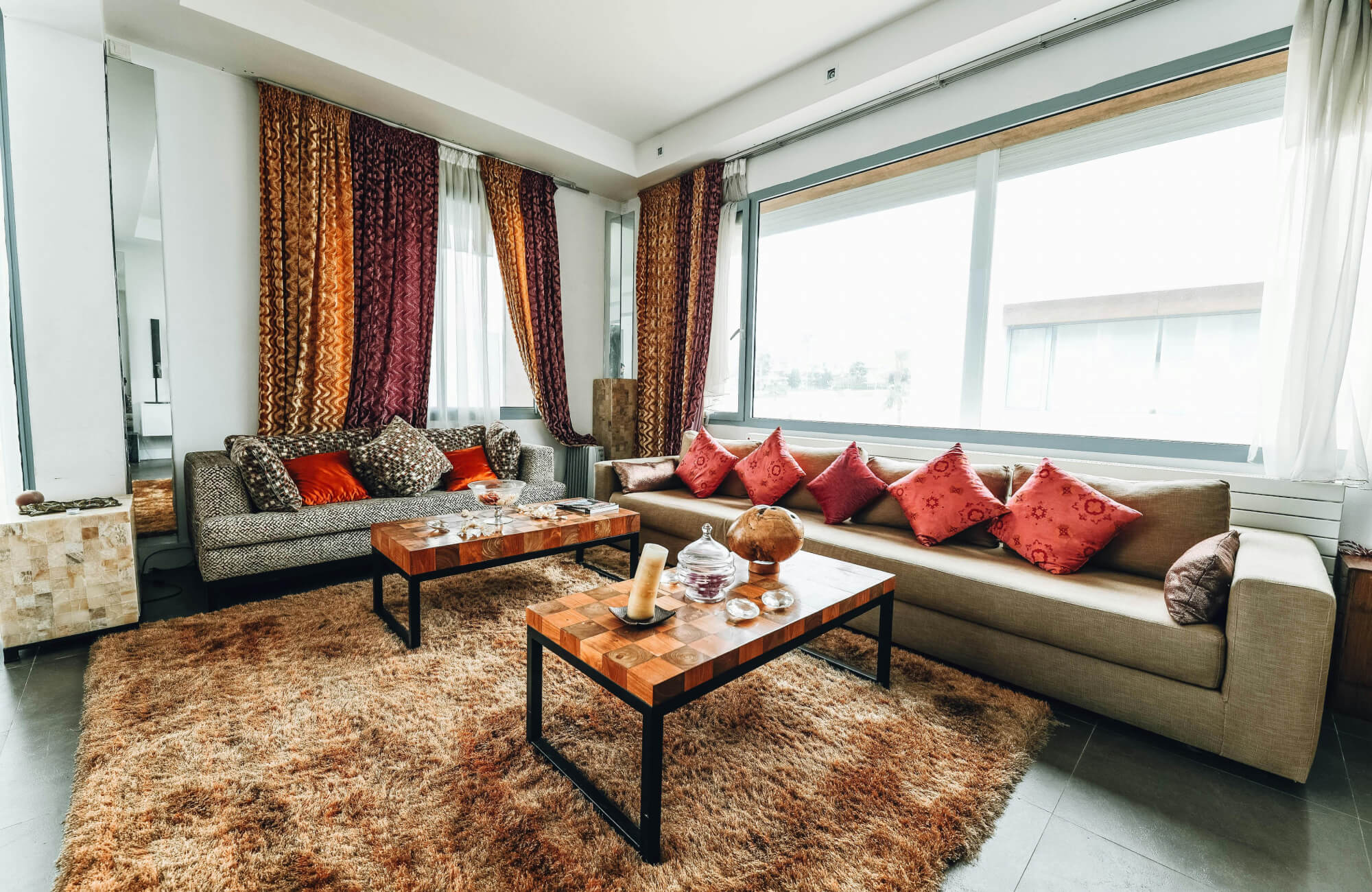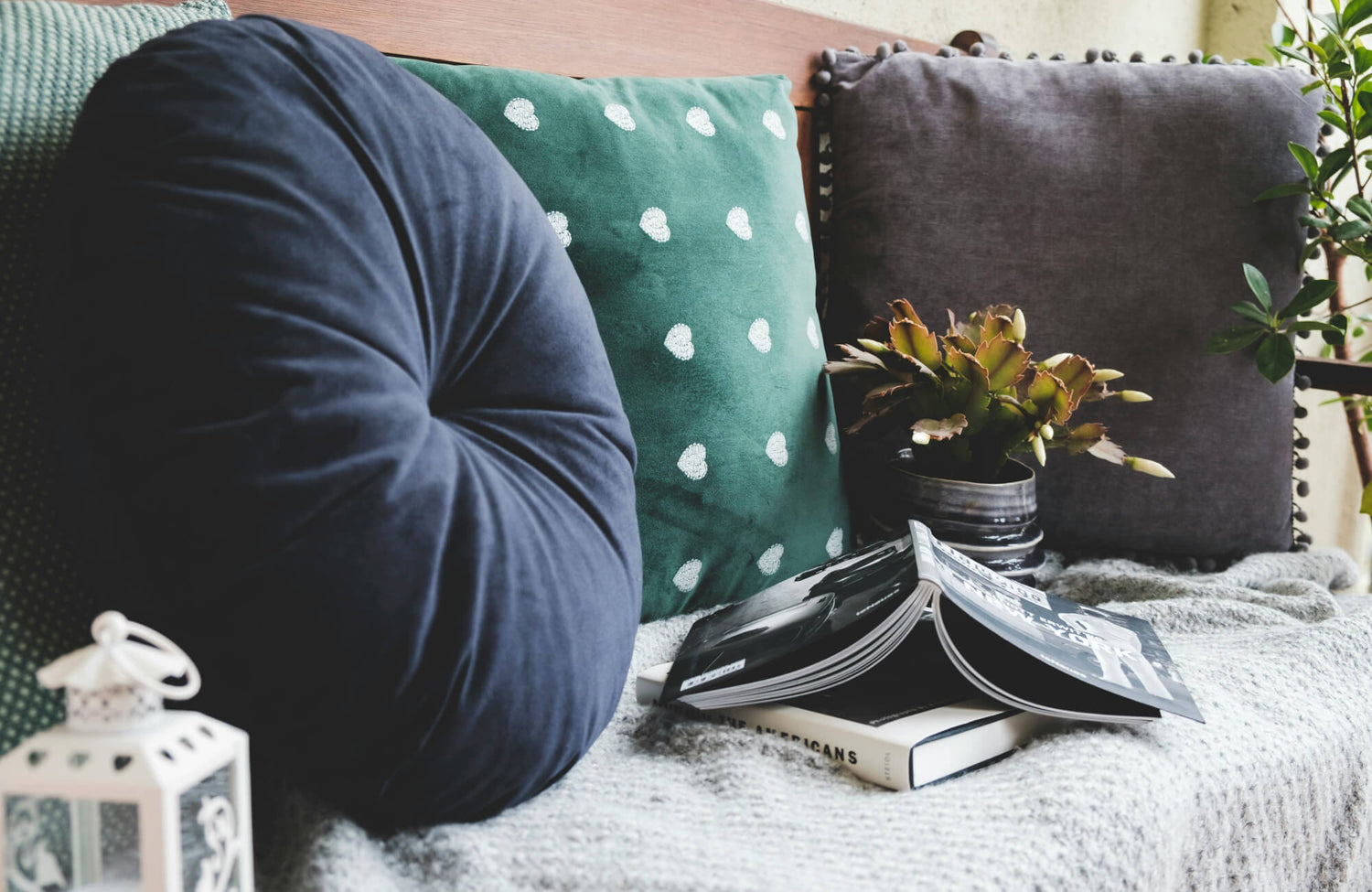
Decorative pillows do more than fill space. When chosen with intention, they influence how a room feels, functions, and comes together visually. They can add comfort, introduce texture, and support the overall style without requiring major changes to the space.
If you are new to using decorative pillows, understanding the different types can make the process more straightforward. This guide looks at the various ways decorative pillows differ, helping you recognize what works best for your needs and space. You can expect a clear and practical overview that connects design choices to everyday use. By the end, you will have a better understanding of how to approach decorative pillows in a balanced and easy-to-apply way.

Pillow Types Based on Shape and Form
When choosing decorative pillows, shape is often the first detail that stands out. It plays a key role in defining the structure of your arrangement while also influencing how comfortable and functional the space feels in everyday use.
Square Pillows
Square pillows are often used as the starting point in most arrangements because of their balanced and adaptable shape. They fit naturally across sofas, beds, and chairs, making them easy to work into different layouts. Using a mix of sizes helps create depth, with larger pillows typically placed at the back and smaller ones layered in front. This simple arrangement keeps the overall look structured while avoiding a flat or uniform appearance.
This approach is shown in the setting above, where a square pillow anchors the seating area and provides a clean visual base. For instance, Edward Martin’s Merelle 22" x 22" Down Pillow in Ivory reflects how a well-sized square pillow can introduce softness while maintaining structure. Its placement supports both comfort and balance, reinforcing how square pillows function as a reliable foundation within any arrangement.
Lumbar Pillows
Lumbar pillows are valued for both their form and function, offering support while adding variation to an arrangement. Their elongated shape aligns well with the lower back, making them suitable for seating areas where comfort is important. Visually, they can help break the repetition created by square pillows and introduce a more balanced composition. When positioned thoughtfully, they can also bring a sense of proportion without drawing too much attention.
This effect becomes more noticeable when paired with larger pillows, where the contrast in shape helps define the arrangement more clearly. In the setting shown above, the rectangular form of Edward Martin’s Merelle 13" x 21" Down Pillow in Olive demonstrates how a lumbar pillow can sit comfortably in front of square pillows while adding a subtle layer of depth. Its placement not only enhances support but also refines the overall composition by introducing a distinct yet complementary shape.
Bolster Pillows
Bolster pillows introduce a distinct shape that sets them apart from more common options. Their cylindrical form adds contrast, which can help refine the overall arrangement when used carefully. They are typically included in smaller numbers, as their structure can stand out more than other pillow types. When placed with intention, they can further contribute to a more composed and organized look.
Round Pillows
Round pillows are often used to soften the appearance of spaces that feel too structured. Their curved form contrasts with straight lines, creating a more relaxed and balanced look. They work particularly well alongside furniture with defined edges, where they can add subtle variation. When used in moderation, they can also provide visual interest without disrupting the overall arrangement.

Pillow Types Based on Fill and Comfort
Once the shape is decided, the focus shifts to what is inside the pillow. The fill plays a key role in how the pillow feels during use and how well it holds its shape over time, making it an important factor in both comfort and long-term practicality.
Down and Feather Fill
Down and feather fill is often associated with a softer, more relaxed feel. These pillows compress easily and can be reshaped as needed, which makes them comfortable for everyday use. They tend to create a more relaxed, inviting look, as they do not maintain a rigid structure. However, they may require regular fluffing to maintain their form and prevent them from appearing flattened over time.
This quality is reflected in the photo above, where Edward Martin’s Brielle 18'' x 18'' Down Pillow in Natural / Green shows how down-filled construction allows the pillow to maintain a soft, adaptable form. Filled with natural down clusters, it demonstrates how this type of fill supports both comfort and a more relaxed appearance. Its ability to compress and recover easily highlights why down and feather fills are often chosen for spaces that prioritize comfort without a rigid structure.
Polyester Fill
Polyester fill is commonly used for its ability to maintain structure with minimal effort. It holds its shape more consistently, making it suitable for arrangements that are meant to stay neat and in place. This type of fill also requires less maintenance, as it does not need frequent reshaping. Because of its durability, it is often used in decorative settings where a consistent appearance is important.
Memory Foam Fill
Memory foam fill tends to feel firmer compared to other options. It retains its shape even with regular use, which makes it useful in settings where stability and support are important. This quality can be beneficial for seating areas that require additional back support. At the same time, its structured feel can make it less flexible than softer fills.
Alternative Fill Options
Alternative fill options include materials like recycled fibers and natural latex. These are often selected for specific needs, such as reducing allergens or supporting more sustainable choices. While they vary in texture and firmness, many are designed to balance comfort with durability. Choosing these options allows for flexibility in meeting practical preferences without limiting overall usability.

Pillow Types Based on Fabric and Material
After considering comfort, attention naturally shifts to the pillow’s surface. The choice of fabric influences not only how it feels to the touch but also how it interacts with light, texture, and the surrounding elements in a space, shaping the overall visual impression.
Cotton and Linen
Cotton and linen are often used in everyday settings because they are breathable and easy to work with. They work well across a range of interiors, making them easy to incorporate without disrupting the overall look. Linen, in particular, introduces a light texture that softens the space and makes it feel more relaxed. Over time, these materials tend to age naturally, which can add to their character rather than detract from it.
A clear example is shown above, where Edward Martin’s Brielle 18'' x 18'' Down Pillow in Natural / Brown highlights the qualities of linen as a fabric choice. Crafted from linen, it reflects the material’s breathable, subtle weave, contributing to a comfortable and relaxed feel. The visible texture adds gentle variation without relying on bold patterns or colors. This reinforces how cotton and linen pillows can support everyday use while maintaining a natural and understated appearance.
Velvet and Suede
Velvet and suede are often chosen when there is a need to introduce more depth into a space. Their surfaces catch light in a way that creates a subtle shift in tone, even within the same color. This quality allows them to add variation without relying on bold patterns. When used thoughtfully, they can further enhance the overall composition without making it feel heavy.
Silk and Satin
Silk and satin are known for their smooth texture and light-reflective qualities. They can introduce a more polished element, especially when paired with simpler materials. Because of their delicate appearance, they are often used in smaller amounts to avoid overwhelming the space. When balanced properly, they can also add contrast while maintaining a cohesive look.
Woven and Textured Fabrics
Woven and textured fabrics, such as boucle or wool, add noticeable dimension to a space. Their texture adds depth, helping the arrangement feel more layered. When combined with smoother fabrics, they can help establish contrast without creating visual clutter. This mix of textures can also make the overall setup feel more intentional and well-composed.

Pillow Types Based on Design and Pattern
At this stage, the focus shifts toward defining the space’s visual identity. Patterns and designs play a key role in expressing a specific mood while helping the overall arrangement feel cohesive and well put together.
Solid Color Pillows
Solid color pillows are often used as a starting point because they help create a sense of balance. They provide a visual break that allows other elements in the space to stand out without distraction. Using slight variations within the same color family can add interest while keeping the overall look cohesive. This approach makes it easier to build a layered arrangement without overwhelming the space.
This layered effect is evident in the setting above, where Edward Martin’s Merelle 22" x 22" Down Pillow in Terracotta highlights how a solid color can still bring depth through material and tone. Its richly textured weave in a reddish-brown hue adds variation without introducing pattern, allowing it to blend seamlessly with surrounding pillows. This demonstrates how solid color pillows can anchor an arrangement while still contributing subtle visual interest through texture and color variation.
Geometric Patterns
Geometric patterns introduce a sense of structure and order to a pillow arrangement. Their repeating shapes create rhythm, which can help the space feel more organized. These designs are often used to complement the clean lines found in modern interiors. When used in moderation, they can also add visual interest without making the arrangement feel busy.
Floral and Organic Prints
Floral and organic prints bring a softer, more natural feel to the space. Their flowing patterns contrast with structured elements, helping to create a balanced look. Choosing designs with muted tones or larger patterns can prevent the arrangement from feeling overly detailed. This makes it easier to maintain a calm and cohesive appearance.
Embellished and Decorative Details
Embellished pillows, such as those with embroidery or tufting, add texture and character. These details can draw attention, so they are often used in smaller quantities within an arrangement. Placing them alongside simpler designs helps create contrast without causing visual clutter. When used thoughtfully, they can also add depth while keeping the overall look refined.

Pillow Types Based on Function and Placement
With the design in place, the focus shifts to how pillows are used within different areas of the home. Placement plays a key role in both comfort and everyday functionality, influencing how the space is experienced and used over time.
Sofa Pillows
Sofa pillows are often arranged with both comfort and visual balance in mind. A mix of sizes helps create depth, while different textures add subtle variation without overwhelming the space. The goal is to achieve a setup that feels relaxed but still put together. When arranged thoughtfully, sofa pillows can also support everyday use while maintaining a cohesive look.
Bed Pillows
Bed pillows tend to follow a more structured arrangement compared to other areas. Larger pillows are usually placed at the back, with smaller ones layered in front to create a sense of order. This layered approach helps the bed feel complete without appearing overcrowded. At the same time, the arrangement should remain practical enough to adjust easily for daily use.
Outdoor Pillows
Outdoor pillows are made to be durable since they are exposed to changing conditions. Materials are typically chosen for their ability to resist moisture and fading over time. This ensures that the pillows remain functional while maintaining their appearance. At the same time, they still contribute to the overall look of the outdoor space without requiring constant upkeep.
Accent Chair Pillows
Accent chair pillows are typically used in smaller numbers to maintain a clean and balanced look. A single pillow is often enough to provide both comfort and a subtle visual detail. This approach prevents the chair from feeling overcrowded while still enhancing its overall look. When chosen carefully, it can complement the chair without drawing too much attention away from it.

Pillow Types Based on Style and Interior Theme
Finally, attention turns to how pillows relate to the overall style of the space. This helps ensure that each element feels connected, creating a cohesive look rather than a collection of unrelated pieces.
Modern and Minimalist
In modern and minimalist spaces, the focus is on simplicity and clarity. Pillows are typically chosen in neutral tones with subtle textures to maintain a clean and uncluttered look. Rather than relying on bold patterns, variation is introduced through material and slight tonal differences. This approach helps create a space that feels calm, balanced, and visually consistent.
Bohemian and Eclectic
Bohemian and eclectic styles allow for more freedom in combining different elements. A mix of patterns, colors, and textures can come together to create a layered and expressive look. Despite the variety, it is still important to maintain a sense of balance so the space does not feel disorganized. When arranged thoughtfully, these combinations can also feel intentional and cohesive rather than overwhelming.
Traditional and Classic
Traditional and classic interiors often emphasize structure and symmetry. Pillows in these settings are typically arranged in an orderly way, with coordinated colors and patterns. Richer fabrics and detailed designs can help reinforce a sense of formality and consistency. This approach creates a look that feels stable and timeless without appearing overly complex.
Rustic and Natural
Rustic and natural styles focus on creating a connection to organic elements. Pillows in these spaces often feature earthy tones and textured fabrics reflecting a more grounded aesthetic. The overall look feels relaxed, with a focus on simplicity and material quality. When combined thoughtfully, these elements help create a space that feels warm and comfortable without appearing overly styled.
Choosing The Right Type of Decorative Pillows
The different types of decorative pillows can be understood through features such as shape, fill, fabric, design, function, and overall style. Looking at them this way makes it easier to see how each type serves a different purpose, whether that is adding comfort, introducing texture, or supporting the look of a space. As a result, the selection process feels clearer and more manageable. You can then choose decorative pillows that feel practical, balanced, and well-suited to how the space is used.
If you need help refining your choices or pulling everything together, getting support can make the process feel more straightforward. You can contact us for personalized recommendations or explore our design service to help create a cohesive setup that fits your space and preferences.