Within a thoughtfully designed interior, wall art serves as more than ornamentation; it becomes a defining expression of atmosphere, identity, and architectural refinement. From oversized statement wall art for luxury living rooms to curated gallery wall arrangements for modern homes, each piece contributes to a layered visual narrative that elevates everyday surroundings. The interplay of color, texture, scale, and light transforms blank surfaces into intentional focal points that shape how a space feels and functions. Whether integrated into residential sanctuaries or high-end commercial environments, decorative wall art enhances spatial harmony while reinforcing emotional resonance. Through carefully selected materials and professional placement, wall décor evolves into a strategic design investment that balances aesthetic beauty with functional performance.

Enhancing Visual Cohesion and Interior Design Harmony
Wall art establishes compositional balance by integrating color, scale, and materiality into a unified interior scheme. Through deliberate placement and proportional accuracy, it transforms blank walls into structured visual frameworks that support architectural flow.
Strategic Scale and Proportion in Statement Wall Art
Oversized statement wall art for large living room walls plays a critical role in preventing visual fragmentation by anchoring expansive vertical surfaces with deliberate presence and compositional weight. When artwork spans approximately two-thirds to three-quarters of the width of the furniture beneath it, proportional balance is maintained, allowing the piece to feel integrated rather than overwhelming. Interior designers also frequently reference spatial calibration principles, including the golden ratio and visual hierarchy, to ensure alignment with architectural sightlines and surrounding décor. In double-height entryways or open-concept great rooms, vertical large-format canvas prints emphasize upward movement and visually connect upper and lower levels. Through this disciplined approach to scale and proportion, decorative wall art becomes an architectural extension that reinforces spatial harmony instead of competing with it.
Color Synchronization and Palette Reinforcement
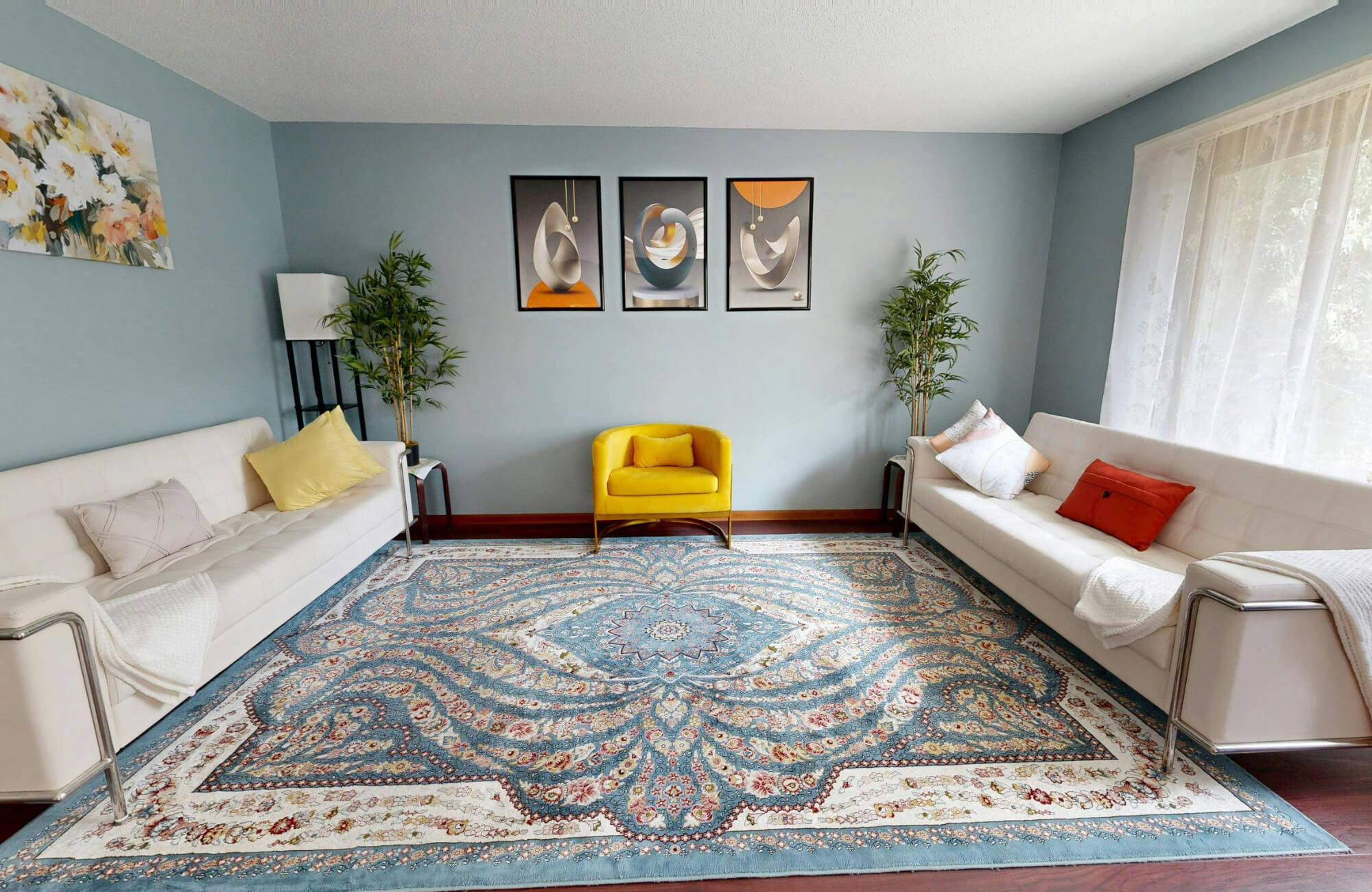
Well-curated decorative wall art for modern interiors strengthens chromatic cohesion by thoughtfully echoing both dominant and accent hues present in upholstery, flooring, cabinetry, and architectural finishes. Subtle tonal repetition establishes continuity across the space, while intentional contrast introduces depth without disrupting overall balance. A refined example of this, as shown in the photo above, is Edward Martin’s Quiet Study Wall Art, whose muted neutrals and classic tonal composition harmonize effortlessly with warm cream seating, natural wood accents, and deep green millwork. The artwork’s restrained palette also reinforces the surrounding color story, allowing darker frames and architectural elements to feel integrated rather than visually isolated. By aligning wall décor with the room’s foundational hues, designers create a seamless visual dialogue in which pieces like the Quiet Study Wall Art function as both focal points and unifying design elements.
Material Layering and Surface Texture Integration
Beyond considerations of color and proportion, the material composition of wall art contributes significantly to dimensional richness within an interior environment. Textured canvas wall art, sculptural metal installations, and framed textile pieces introduce tactile variation that offsets the uniformity of painted drywall or smooth paneling. Reflective materials such as brushed aluminum, antiqued brass, or high-gloss acrylic also interact dynamically with ambient lighting, creating subtle shifts in luminance throughout the day. Conversely, matte finishes and linen-wrapped frames absorb and diffuse light, producing a softer and more intimate atmosphere. By layering diverse surface textures with intentional restraint, designers achieve visual complexity while preserving cohesion and architectural clarity.

Supporting Emotional Well-Being and Psychological Comfort
Wall art contributes to mood regulation by influencing sensory perception through color theory, imagery, and compositional rhythm. When aligned with environmental psychology principles, it transforms interiors into restorative or performance-enhancing spaces.
Biophilic Wall Art for Stress Reduction
Nature-inspired landscape wall art for calming bedroom décor reflects the principles of biophilic interior design, which emphasize a meaningful connection between built environments and the natural world. Imagery featuring forests, coastal horizons, botanical studies, or expansive skies has been linked to reduced cortisol levels and improved cognitive restoration, particularly in restorative spaces such as bedrooms and reading areas.
Soft gradients of blue and green tones also support parasympathetic nervous system responses, gently encouraging relaxation and emotional balance. In wellness-focused interiors, large-scale panoramic botanical prints create immersive visual continuity that echoes the openness and rhythm of natural scenery. Through this integration of organic imagery and carefully calibrated color palettes, decorative wall art becomes a subtle yet powerful contributor to stress reduction and psychological well-being.
Abstract Art for Creative Cognitive Stimulation
Abstract expressionist wall art for modern office environments introduces dynamic visual stimuli that promote intellectual engagement and sustained attention. Through asymmetry, layered textures, and deliberate chromatic contrast, abstract compositions activate neural pathways associated with creative thinking and problem-solving. High-energy color palettes, such as cobalt, saffron, or deep crimson, can also elevate alertness in collaborative workspaces where innovation and interaction are essential. At the same time, restrained monochromatic abstraction provides a focused visual field that supports concentration in executive offices or private study areas. By balancing movement and structure, abstract wall art enhances productivity while maintaining visual sophistication and cognitive clarity.
Personalized Gallery Walls and Emotional Resonance
Custom gallery wall art arrangements that incorporate family photography, cultural motifs, or travel-inspired prints cultivate a strong emotional connection between occupants and their interior spaces. This personalization fosters a sense of belonging and identity, transforming decorative walls into meaningful visual narratives rather than purely aesthetic displays.
When arranged with professional alignment precision, whether in symmetrical grids or curated salon-style compositions, these collections also maintain visual order while showcasing individuality. Consistent spacing, typically maintained at two to three inches between frames, preserves rhythm and prevents visual congestion. By merging sentimental value with disciplined design principles, personalized gallery walls create interiors that feel intentional, authentic, and emotionally grounded.

Optimizing Spatial Perception and Architectural Balance
Through compositional orientation and reflective dynamics, wall art alters the perception of spatial dimensions. Strategic placement can visually expand, compress, or define areas without requiring structural modification.
Manipulating Depth with Reflective and Panoramic Art
Horizontal panoramic wall art for narrow hallways or elongated living areas subtly extends sightlines, creating the illusion of greater width and spatial continuity. By emphasizing lateral movement across the wall plane, these compositions counteract visual compression often found in compact interiors. Reflective surfaces such as metallic wall installations or high-gloss acrylic prints further enhance perceived depth by redistributing both natural and artificial light throughout the space. When positioned strategically opposite windows or light sources, they amplify daylight diffusion while maintaining balanced luminance through controlled glare management. Through this thoughtful integration of scale, orientation, and reflectivity, decorative wall art becomes an effective tool for enhancing spatial fluidity without structural modification.
As displayed in the photo above, the pronounced horizontal tile layout reinforces lateral movement, visually expanding the space across the wall plane. Incorporating the Silent Orchard Wall Art within a similarly panoramic orientation can further enhance this spatial effect, introducing a serene focal point that complements the room’s elongated proportions. Its calm, nature-inspired composition would soften the structured linear backdrop while maintaining architectural clarity. By pairing tranquil imagery with strong horizontal design elements, the space achieves greater perceived depth without disrupting its refined balance.
Vertical Emphasis and Ceiling Height Enhancement
Tall, vertically oriented framed artwork introduces a sense of upward momentum that reinforces perceived ceiling height, particularly in smaller rooms or apartments with limited vertical volume. By guiding the eye along a continuous vertical axis, elongated canvas prints reduce the visual dominance of horizontal lines created by furniture and architectural elements. In contemporary loft interiors, these vertical compositions also often complement window mullions, columns, or full-height drapery, strengthening architectural rhythm. Precise centering and proportional spacing are essential to maintain symmetry and avoid visual imbalance. As a result, vertical statement wall art subtly reshapes spatial perception, lending interiors a more expansive and refined character.
Zoning Open-Concept Layouts with Art Installations
In open-concept homes and modern office environments, large-scale wall art serves as an elegant zoning device that defines functional areas without disrupting architectural openness. Positioned behind sectional seating or along dining walls, statement pieces anchor furniture groupings and establish clear visual boundaries. Coordinated color palettes between artwork and upholstery also reinforce cohesion while subtly distinguishing one zone from another. In addition, gallery wall installations can create intimacy within expansive floor plans by introducing layered focal points that draw attention inward. Through intentional placement and thematic consistency, decorative wall art enhances spatial organization while preserving the seamless flow that defines contemporary open layouts.

Increasing Property Value and Strengthening Brand Identity
Professionally curated wall art enhances perceived sophistication, influencing both residential market appeal and commercial credibility. Its integration signals intentional design investment, which directly impacts buyer perception and brand trust.
Luxury Wall Art for Real Estate Staging
High-end canvas wall art for luxury home staging enhances listing photography by introducing visual warmth, spatial balance, and a sense of curated sophistication that resonates with prospective buyers. Carefully selected neutral abstract wall art enables viewers to envision their own furnishings within the space while maintaining an aspirational, design-forward aesthetic.
When positioned strategically above fireplaces, console tables, or primary bedroom headboards, large-scale statement wall art establishes strong focal alignment that anchors the room composition. Proper proportional scaling also ensures that walls appear intentionally styled rather than vacant, which is particularly important in wide-angle real estate marketing images. As a result, professionally staged properties often convey greater perceived value, architectural refinement, and move-in readiness, ultimately supporting stronger buyer engagement.
Corporate Wall Art and Brand Reinforcement
Custom corporate wall art featuring mission statements, abstract brand motifs, or value-driven typography plays a critical role in reinforcing organizational identity within modern office interiors. By integrating company-specific color palettes and visual language into large-format prints or murals, businesses create cohesive brand environments that strengthen recognition and internal culture. Reception areas and executive boardrooms benefit especially from statement wall installations that communicate credibility, innovation, and strategic vision at first glance. Thoughtfully curated office wall décor also contributes to employee morale by visually affirming shared goals and corporate ethos. Through this alignment of interior design and brand strategy, commercial wall art becomes a tangible extension of brand equity and professional positioning.
Experiential Design in Retail and Hospitality Spaces
In retail and hospitality environments, immersive wall graphics and large-scale art installations shape customer perception by guiding movement, reinforcing storytelling, and deepening sensory engagement. Retail stores often use branded wall murals and thematic visual displays to subtly direct customer flow while strengthening product narratives. Meanwhile, boutique hotels incorporate locally inspired decorative wall art to reflect regional culture, thereby enhancing authenticity and guest connection. Similarly, restaurant interiors benefit from curated mural art that references culinary heritage or sourcing philosophy, enriching the overall dining experience. When integrated thoughtfully, these experiential design elements transform decorative wall art into a strategic tool for building emotional resonance, customer loyalty, and long-term brand memorability.

Enhancing Acoustic Performance and Environmental Quality
In addition to aesthetic contributions, wall art can improve interior acoustics and lighting balance. When engineered with functional materials, it supports environmental comfort alongside visual appeal.
Decorative Acoustic Wall Panels for Sound Control
Decorative acoustic wall panels designed with high-density polyester fiber or mineral wool cores contribute meaningfully to interior sound management by reducing reverberation time in echo-prone environments such as open-plan offices, conference rooms, and hospitality spaces. As these specialized acoustic wall art panels absorb mid- to high-frequency sound waves, they enhance speech intelligibility and minimize auditory fatigue, thereby improving overall occupant comfort.
Rather than appearing purely technical, fabric-wrapped acoustic artwork also integrates seamlessly into modern commercial décor, allowing performance-driven materials to align with refined aesthetic standards. When strategically installed on large reflective surfaces, such as drywall expanses, glass partitions, or parallel walls, they optimize sound diffusion and reduce disruptive echo patterns. In this way, decorative acoustic wall panels deliver a sophisticated dual-purpose solution that balances functional noise control with elevated interior design.
Light Reflectance and Surface Interaction
The material finish of decorative wall art significantly influences how it interacts with both natural daylight and layered artificial lighting, ultimately shaping the ambiance and perceived depth of a space. High-gloss acrylic pieces and metallic installations reflect directional light to subtly amplify brightness, while matte canvas and textile-based works diffuse illumination to create a softer, more atmospheric glow.
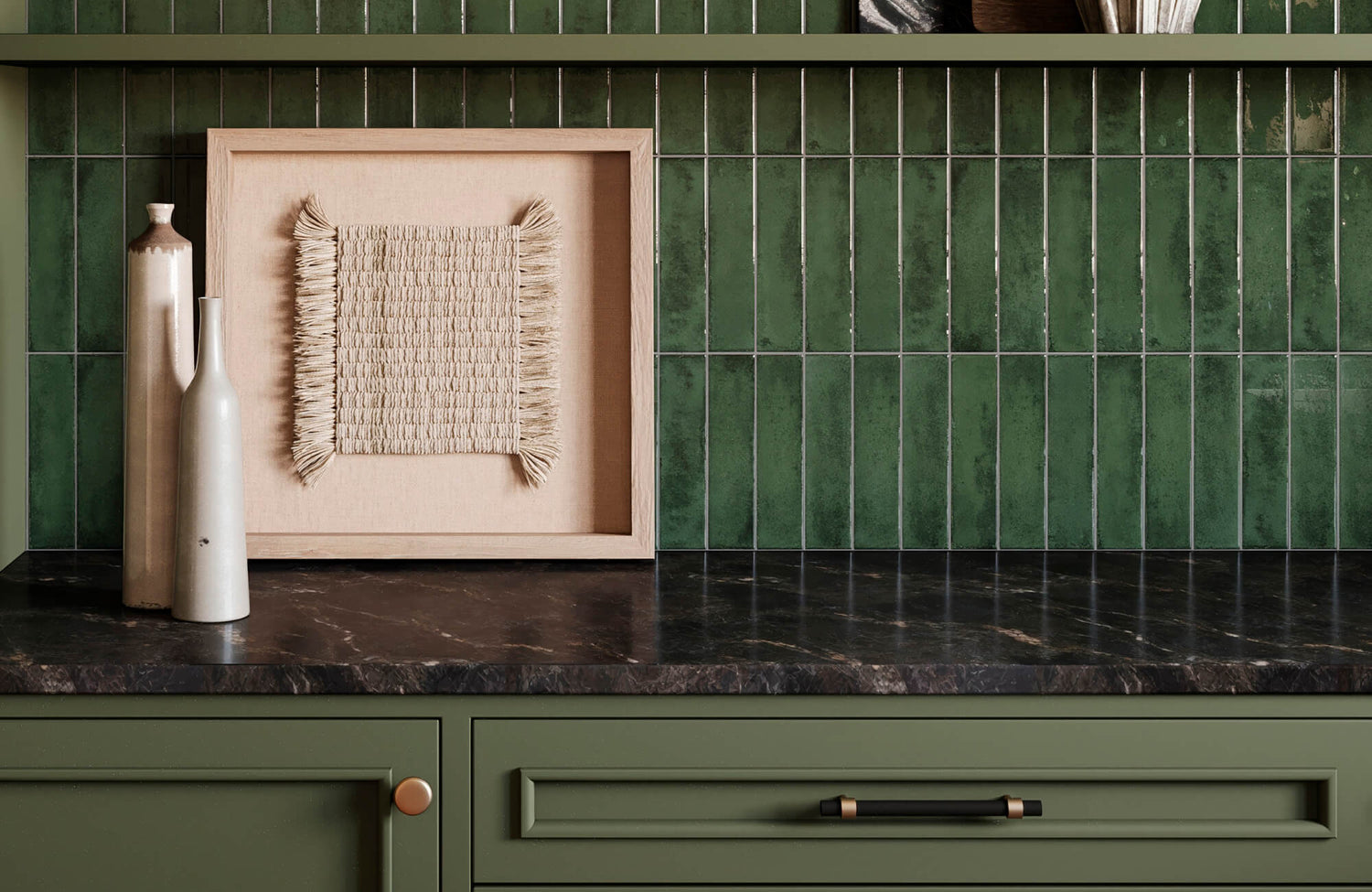
This interplay becomes especially compelling with textured compositions such as our Meadowline Wall Art, whose woven surface and dimensional detailing gently capture and scatter light rather than reflecting it harshly. As featured in the photo above, its tactile fibers and neutral tonal palette allow illumination to graze the surface, producing delicate shadow variation that enhances depth without introducing glare. By evaluating light reflectance values and understanding how sculptural or textile wall art responds to shifting light conditions, designers can position pieces like Meadowline Wall Art to achieve balanced luminosity, visual comfort, and refined architectural harmony.
Environmental Adaptability and Long-Term Flexibility
Unlike permanent architectural modifications that require structural alteration, wall art offers a flexible and scalable approach to interior transformation, allowing spaces to evolve without significant disruption. Modular gallery wall systems and interchangeable framed art collections enable seasonal updates or stylistic refinements while preserving foundational design integrity.
For renters and urban dwellers, lightweight framed art solutions and damage-free hanging systems also provide impactful style enhancement without compromising wall surfaces. In addition, rotating curated wall décor collections can refresh visual narratives in residential living areas, boutique hotels, or corporate offices while maintaining spatial coherence. This long-term adaptability ensures that decorative wall art remains a sustainable and versatile design investment within dynamic residential and commercial environments.
Where Art Becomes Architecture
When thoughtfully integrated, decorative wall art becomes an architectural element that shapes perception, emotion, and environmental quality in equal measure. From oversized statement wall art for luxury interiors to decorative acoustic wall panels for modern office design, each installation contributes measurable aesthetic and functional value. By aligning scale, material composition, and placement strategy with spatial intent, interiors achieve a refined balance between beauty and performance. Carefully curated wall décor not only enhances property value and brand identity but also fosters psychological comfort and visual harmony. In this way, wall art transcends ornamentation and emerges as a defining feature of sophisticated, high-performance interior design.
If you’re inspired to transform your space into a statement of artful design, Edward Martin’s design services can help bring your vision to life with expert guidance and curated material selections. Contact us to explore personalized solutions and create a bathroom that feels both architectural and unforgettable!