Many people want their home to feel calm, welcoming, and comfortable to live in. A green rug is one feature that can shape both the look and the atmosphere of a space. This color offers a wide range of options, from soft sage and warm olive to deep forest and rich emerald, each setting a distinct mood. Aside from its appearance, a rug can influence how a room functions, from defining different zones to adding comfort underfoot and softening sound. In this article, we’ll explore green rugs from multiple perspectives, considering their impact on style, practicality, and overall ambiance.

Bringing a Natural Connection into the Home
Green rugs can introduce a natural element that makes a space feel more grounded and cohesive. They work with many styles and materials, creating a subtle link between indoor living and the outdoors.
Shades That Mimic Nature
Different shades of green can evoke distinct natural references, shaping how a room feels and functions. Sage brings a soft, leafy quality that works well in bedrooms or reading corners, while olive has the warmth of herbs and shrubs, pairing naturally with stone, linen, and matte wood finishes in living areas. Forest green suggests the depth of shaded pines, complementing rich materials like brass or walnut for a more refined look. Emerald, with its vibrant depth, recalls foliage after rain and can elevate formal dining spaces.
When choosing a shade, consider the light in your room. North-facing spaces with cooler light often benefit from a warmer olive, while sunlit rooms with strong afternoon light feel more balanced with a cooler sage. This way, the color supports the room’s atmosphere without relying on passing trends.
Creating a Biophilic Design Foundation
Biophilic design incorporates elements that reflect the natural world into everyday spaces, enhancing both comfort and connection. A green rug can serve as the foundation for this approach by introducing a color directly linked to nature. If you already have indoor plants, selecting a rug in a similar leaf tone creates visual harmony and ties the room together. In a living room, a textured green flatweave beneath a coffee table can be echoed with a single throw or a ceramic vase in a matching shade.
In a bedroom, placing a plush sage runner on either side of the bed ensures that each morning begins with a soft, natural step. For a home office, a low-pile olive rug adds a garden-like presence while allowing chairs to move easily. To strengthen the connection, choose materials such as jute, cotton, and oak so every surface subtly relates to an outdoor counterpart.

Adding Depth and Character to Interior Styles
Green rugs adapt across styles without getting lost. They can stand quietly and supportively or bring a clear focal point. The goal is to help your furniture look intentional and your room feel cohesive.
Enhancing Minimalist Spaces
In a minimalist living room, a solid sage or subtly textured loop rug creates a calm foundation that anchors the sofa and table. Clean edges and a size that allows the front legs of the seating to rest on the rug help define the arrangement without adding visual clutter. Pairing the rug with neutral upholstery and a single natural accent, such as a travertine side table, maintains the simplicity while adding depth. For a subtle boost in contrast, consider a shade of green slightly deeper than your wall color so the floor stands out just enough to enhance the overall composition.
Complementing Bold Interiors
In rooms that already feature strong colors, patterns, or artwork, a patterned green rug can act as a visual anchor, helping different elements work together. Geometric motifs in olive and cream can temper the impact of a bright sofa and lively cushions, while a rich forest base with a subtle tonal design provides balance against colorful gallery walls. Edward Martin’s McGowan Polyester & Polypropylene Pile Rug in Moss/Sand, for example, offers a muted green backdrop with a delicate pattern that harmonizes with vibrant surroundings without competing for attention.
To avoid overwhelming the space, keep surrounding textiles simpler so the eye has moments of rest. If the room includes collectible décor, choose a rug with a small-scale pattern rather than a bold, oversized motif, allowing it to support the display while maintaining visual balance.
Bridging Transitional Styles
Many homes combine inherited pieces with newer designs, and a green rug can help unify these different eras. A hand-tufted wool in moss works seamlessly beneath a classic wood table and modern chairs because the color feels at home in both traditional and contemporary settings. In a hallway, an olive flatweave runner can visually connect painted doors with sleek, modern lighting. The key is to mix finishes with intention, placing the rug near a vintage chest on one side and a clean-lined bench on the other creates balance. Here, the color acts as the bridge while varied textures keep the overall look layered and cohesive.

Improving Comfort and Practical Living
A good rug changes how a room works. It softens hard floors, moderates temperature, and quiets echoes so your home feels easier to live in. These are practical benefits you will notice the moment you step onto the rug.
Softening Hard Flooring
Tile, stone, and hardwood are valued for their durability but can feel unyielding underfoot. A green rug introduces a softer surface without concealing the character of the flooring beneath. In a kitchen, an olive low-pile runner placed along the prep area can make long cooking sessions more comfortable. In a hallway, a dense flatweave protects busy areas while allowing doors to open and close freely. For added comfort and stability, use a quality rug pad, ideally a felt option about a quarter inch thick, to provide cushioning, reduce wear, and keep the rug securely in place without frequent adjustments.
Providing Thermal Benefits
Floors tend to lose heat more quickly than walls, which can make a room feel cooler. A wool-rich green rug like our Mallory Wool Pile Rug in Forest adds insulation, helping to retain warmth during colder months and reducing reliance on heating. In warmer climates, a breathable cotton or jute blend in a soft sage tone offers comfort underfoot without the weight or heat retention of synthetic fibers. Coverage also plays a role; the more of the floor the rug spans, the fewer cold spots you’ll notice when sitting, playing, or walking barefoot.
Reducing Noise Levels
Open-plan layouts and hard surfaces can cause sound to carry and echo. A dense, well-constructed rug helps absorb this excess noise, making conversations clearer and reducing echo from music or streaming. In a media area, placing a plush forest-green rug between seating and speakers can soften sound and improve listening quality. In upstairs bedrooms, pairing a rug with a quality pad can significantly reduce the sound of footsteps for those on the floor below. Textures such as looped wool or mixed pile heights are especially effective at breaking up and dampening sound.

Boosting Mood and Wellbeing
Green is often associated with calmness, renewal, and mental clarity. Even in its softer shades, the color can influence how a space feels, creating an environment that supports relaxation and focus without needing to be bold or intense.
Encouraging Relaxation
For a restful bedroom, muted shades such as sage or eucalyptus blend seamlessly with soft neutrals, offering a calm visual transition at the end of the day. Position the rug so it extends at least two feet beyond the sides of the bed, ensuring a comfortable surface for your first and last steps each day. Warm, indirect lighting further enhances this effect, and when paired with the softened feel underfoot, it creates an atmosphere that supports unwinding without adding unnecessary elements to the space.
Supporting Focus and Creativity
In a study, craft room, or workspace, an olive or lichen-toned rug can help create a focused environment. These grounded shades reduce visual strain and pair well with wood, graphite, and white finishes often found in work furniture. A low-pile option allows chairs to glide easily and keeps supplies steady on the surface. For activities that involve sitting on the floor, such as brainstorming with children or collaborating with colleagues, a medium-pile rug offers enough cushioning for comfort while remaining flat enough for precise tasks like sketching or using rulers. These small but deliberate choices can make productive time feel more comfortable and intuitive.

Offering Long-Term Versatility in Décor
A well-chosen rug should adapt to changes in a home’s style and function over time. Green works well in this regard, as it complements different seasonal looks, evolving color palettes, and shifting room arrangements without feeling out of place.
Working Across Seasons
In summer, a sage flatweave looks light and fresh with linen curtains and woven baskets. In winter, the same rug reads cozy when paired with thicker throws and textured pillows. If you prefer deeper tones, a forest green rug feels cool beside airy cotton in hot months and turns snug with wool layers when the weather cools. The material choice supports the seasonal shift. Cotton blends breathe, wool insulates, and both clean well with routine care.
Pairing with Evolving Color Palettes
A home’s color scheme often changes over time as walls are repainted, new artwork is introduced, or furniture is replaced. Green adapts well to these shifts because it sits naturally among other earth-based tones. It can balance strong reds, bring freshness to yellows, and add depth to blues. If walls are updated to a warm white, olive maintains a cohesive look, while with cooler shades such as slate blue, a moss rug can connect the new wall color to warmer wood furnishings. This adaptability allows the room to evolve without the need to replace the rug, helping maintain both visual consistency and practicality.
Adapting to Room Changes
Over time, the function of a room can shift; a nursery may become a study, a guest room might turn into a gym, or a dining area could be rearranged to host larger gatherings. A versatile green rug can transition with these changes. A durable loop pile that once anchored a living room can move to a bedroom, where a quieter texture is more important than withstanding frequent use. Similarly, a stain-resistant flatweave from a dining space can work just as well in a hallway that benefits from easy maintenance. Before relocating a rug, take measurements to ensure a good fit, and position furniture so that it partially rests on the rug. This creates a balanced, intentional arrangement in the new space.

Sustainable Choices for the Eco-Conscious Home
Green rugs can also be sustainable in practice. By selecting materials and craftsmanship with care, it is possible to add a piece that enhances the space while supporting environmentally responsible living.
Choosing Eco-Friendly Materials
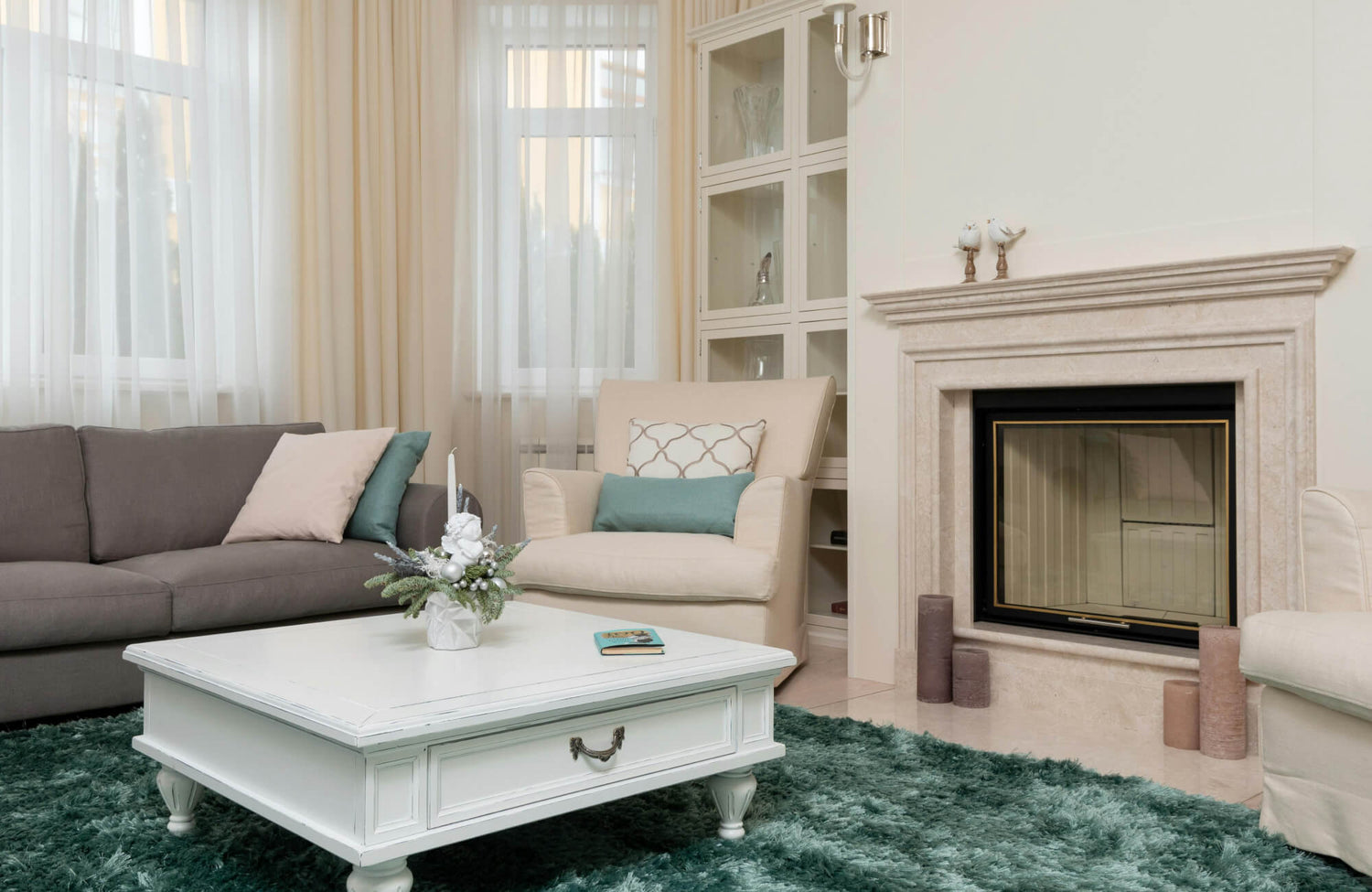
Wool is a strong choice for sustainability, as it is naturally renewable, resistant to stains, and long-lasting with basic care. Plant-based fibers such as jute and sisal add an organic texture and will biodegrade at the end of their lifespan. Recycled materials, including yarn made from reclaimed textiles or plastics, transform waste into durable rugs that are also easy to maintain. Edward Martin’s Mallory Wool Pile Rug in Forest, as shown above, offers premium 100% wool construction sourced for durability and reduced environmental impact, making it both a lasting and eco-conscious choice.
When comparing options, check for accurate fiber content and backing materials that avoid unnecessary chemicals. Pairing the rug with a high-quality pad made from felted recycled fibers can further extend its life, add comfort underfoot, and provide stability without the breakdown associated with some synthetic pads.
Supporting Ethical Production
Beyond the choice of materials, the way a rug is produced plays an important role in its overall impact. Sourcing from workshops that provide fair pay and safe working conditions helps sustain skilled artisan communities. Hand-knotted and hand-tufted rugs reflect the craftsmanship of their makers, while well-regulated power-loomed options can also meet high ethical and quality standards. It is worth requesting clear information on a rug’s origin, any relevant certifications, and recommended care practices to ensure longevity. After all, durability is a form of sustainability in itself; extending a rug’s life reduces the need for frequent replacements and keeps valuable materials in use for longer.
Making Green Rugs a Lasting Part of Your Home
A green rug can do far more than simply fill a space; it also creates a natural connection within a room, defines style, enhances comfort, supports focus, and adapts as your home changes, all while allowing for responsible material choices. Selecting the right green shade, size, and texture should be guided by how you use the space, ensuring the rug works seamlessly with your daily routines rather than serving only as a visual accent. Begin with the room you use most, measure with generosity, and choose a tone that complements both the flooring and wall colors. With a thoughtful selection, a green rug becomes an integral part of how your home functions, welcomes you, and supports the people who live in it every day.
For tailored guidance on selecting the ideal rug for your space, contact us to arrange a design consultation. Our team can help you refine your options so your choice works beautifully now and for years to come!