Polypropylene rugs have surged in popularity, becoming a favorite for homeowners seeking a blend of practicality and style. This synthetic material offers a unique set of advantages, making it a compelling choice for various living spaces. In this article, we’ll list the diverse benefits of polypropylene rugs, exploring their resilience, aesthetic versatility, and affordability, and addressing common concerns to provide a comprehensive understanding of why they might be the perfect flooring solution for your home.

Durability and Low Maintenance
When choosing a rug, durability is just as important as style. Polypropylene rugs excel in both areas, offering a low-maintenance, long-lasting flooring option that withstands the demands of modern living.
Stain Resistance for Easy Maintenance
One of the biggest advantages of polypropylene rugs is their ability to resist stains. Unlike natural fibers, which absorb spills and stains, polypropylene’s non-porous fibers prevent liquids from penetrating, making cleaning quick and hassle-free. Whether it's red wine, coffee, or muddy footprints, most spills can be easily blotted away without leaving lasting marks.
Additionally, polypropylene rugs can be cleaned with mild soap and water, and for tougher stains, a diluted bleach solution can be used without damaging the rug’s color. This level of stain resistance makes them an excellent choice for households with children, pets, or frequent guests.
Built to Last
Polypropylene rugs are highly resistant to abrasion and crushing, making them an excellent choice for busy areas such as living rooms, hallways, and entryways. Unlike polyester, which may wear down over time, or nylon, which can be prone to staining, polypropylene maintains its strength and structure even under heavy furniture and continuous foot movement. Furthermore, polypropylene's resilience extends to its fade-resistant properties due to its solution-dyed fibers, where color is embedded throughout rather than applied to the surface, allowing it to retain vibrancy even in sunlit spaces.
Weather-Resistance
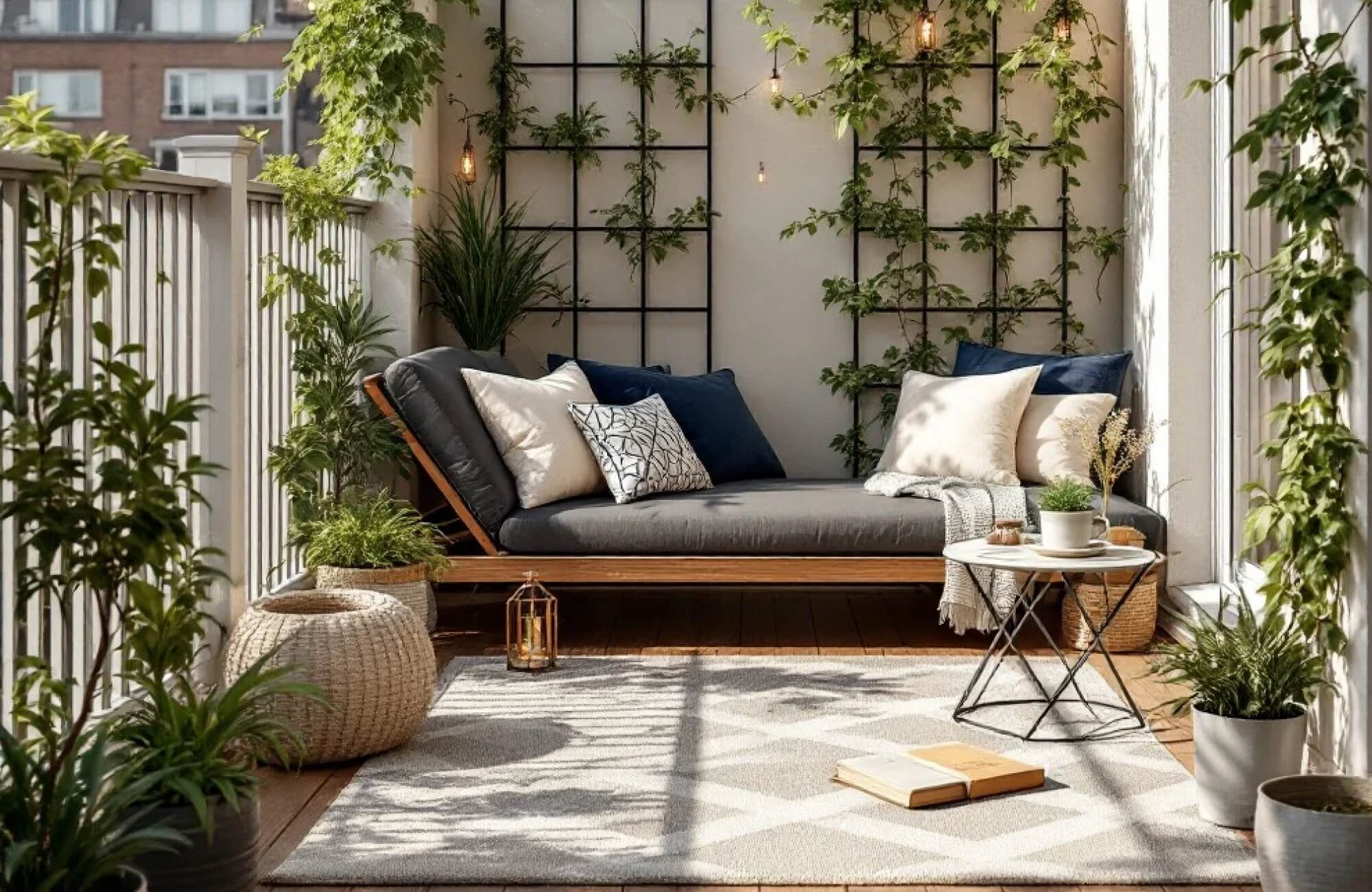
Another standout feature of polypropylene rugs is their weather-resistant nature, making them ideal for both indoor and outdoor use. Unlike natural fiber rugs that absorb moisture, polypropylene repels water, preventing mold and mildew growth. This makes them perfect for patios, decks, and sunrooms, where they maintain their beauty despite exposure to the elements. Their UV resistance ensures they won’t fade or degrade under prolonged sun exposure.
Pet-Friendly and Family-Proof
For households with pets and children, polypropylene rugs offer a practical and low-maintenance flooring solution. The ability to easily remove pet hair, mud, and food spills makes them particularly appealing. Unlike some natural fiber rugs, polypropylene does not trap dust mites and allergens due to its hypoallergenic properties, helping to create a cleaner and safer environment for allergy-sensitive individuals. Additionally, pet owners appreciate the rug's resistance to odors, preventing lingering smells from embedding into the material. The robust nature of the rug withstands the energetic play of children and pets, making it a truly family-friendly flooring solution.

Aesthetic Versatility
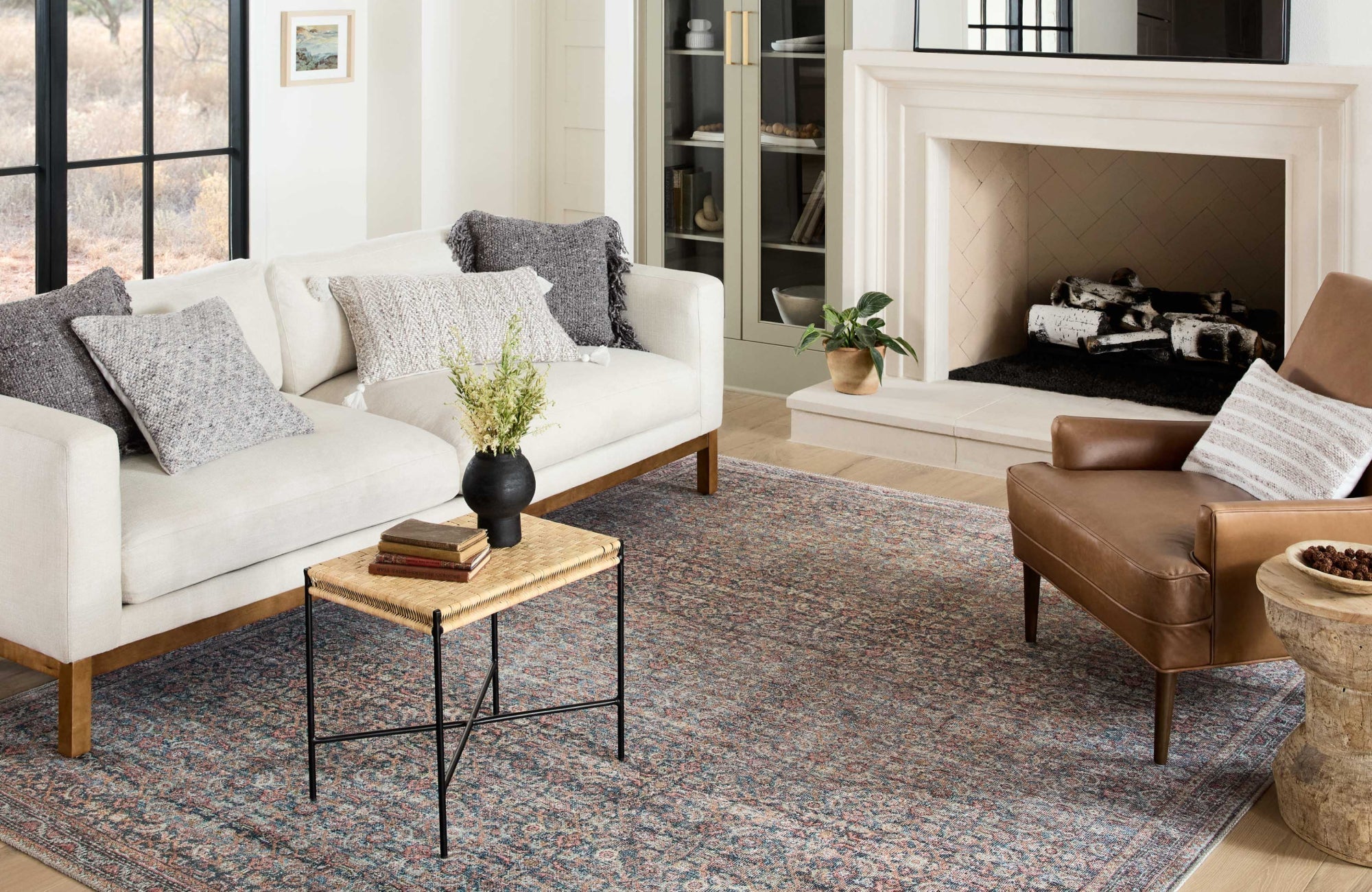
Polypropylene rugs, such as our Broderick Rug in Lake / Bone above, are not just practical; they are surprisingly easy to design around once you start exploring your options. Instead of feeling limited by material, you actually gain more flexibility in how your space comes together. Whether you are updating a single room or tying multiple areas together, these rugs make it easier to achieve a look that feels intentional and cohesive.
A Wide Range of Colors and Patterns
One of the first things you will notice with polypropylene rugs is just how many design options are available. You can go with soft neutrals that quietly support the rest of your space, or choose bolder patterns that become a focal point right away. Traditional designs with intricate detailing tend to feel more classic, while geometric or abstract patterns lean more modern. Because the colors are embedded in the fibers, they tend to stay vibrant even with regular use or exposure to light. This means you are not just choosing based on how it looks today, but how it will continue to look over time. For homeowners, that kind of consistency makes styling feel more dependable.
Texture Options That Change the Feel of a Room
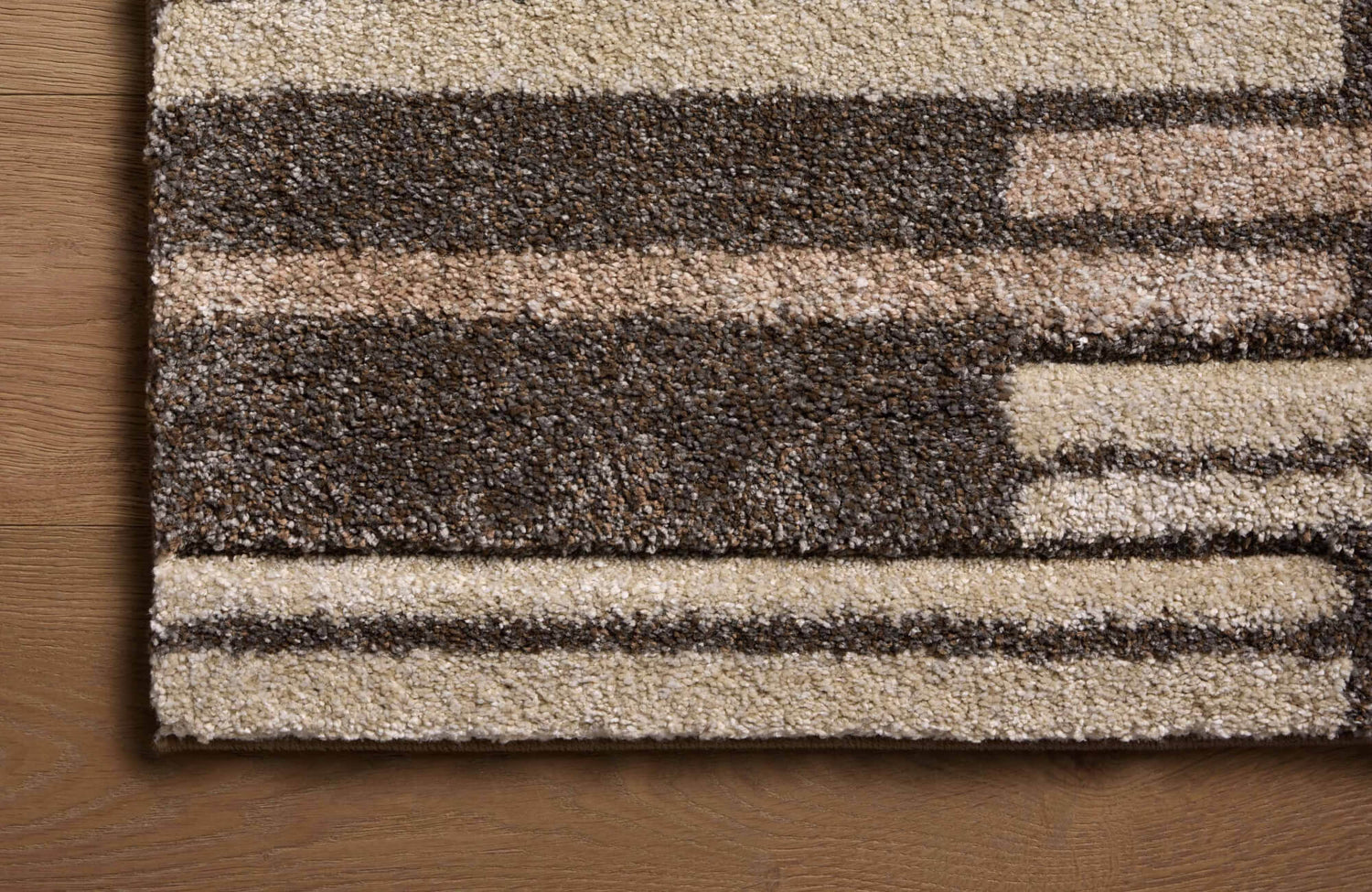
Texture plays a bigger role than most people expect when choosing a rug. A high-pile or shag style can instantly make a room feel softer and more relaxed, especially in spaces where comfort is a priority. On the other hand, lower-profile options like flatweaves create a cleaner and more structured look that works well in more active areas. There are also in-between textures that add subtle depth without drawing too much attention. This gives you the flexibility to match not just the look, but also how you want the space to feel underfoot. Over time, that combination of comfort and practicality becomes something you really notice in daily use.
Works Across Different Interior Styles
One of the biggest advantages of polypropylene rugs is how easily they fit into different design styles. Whether your home leans more traditional, modern, or somewhere in between, there is usually an option that blends in without feeling forced. You can use them to soften more structured interiors or to add definition to more relaxed spaces. Because of the variety in patterns and finishes, they can either stand out or quietly support the overall design. This makes them especially useful if your style tends to evolve over time. Instead of replacing everything, you can adjust smaller elements while the rug still works within the space.
Indoor and Outdoor Design Flexibility
Another thing that sets polypropylene rugs apart is how easily they transition between indoor and outdoor use. You can use the same style language inside your home and carry it out into patios or covered outdoor areas. This helps create a more connected look, especially in spaces that open up to each other. Unlike more delicate materials, these rugs are built to handle changes in temperature and exposure without losing their appearance. That makes them a practical choice if you want consistency across different areas of your home. For homeowners, it simplifies the design process while still keeping everything visually aligned.
Mimicking Natural Materials Without the Upkeep
If you like the look of materials like wool, jute, or sisal but do not want the maintenance that comes with them, polypropylene rugs offer a strong alternative. Many designs are made to replicate the texture and appearance of these natural fibers while being much easier to care for. You still get that layered, organic look, but without worrying about shedding, staining, or long-term wear in the same way. This makes it easier to bring in texture without adding extra upkeep to your routine. Over time, that convenience makes a noticeable difference in how easy your space is to maintain.

Affordability and Value
For those looking for a budget-friendly yet stylish flooring option, polypropylene rugs offer excellent value without compromising on durability.
Budget-Friendly Flooring Without Compromise
Polypropylene rugs offer a cost-effective alternative to natural fiber rugs like wool, silk, and high-grade cotton, which come at a premium due to their material and processing costs. As a synthetic fiber, polypropylene is produced efficiently, making it significantly more affordable per square foot. Despite the lower cost, quality is not sacrificed as these rugs provide durability, stain resistance, and a stylish appearance without exceeding budget limits. Their long lifespan and low maintenance needs further enhance their value, reducing expenses on professional cleaning or early replacements. By choosing polypropylene, homeowners can achieve a practical and stylish flooring solution that balances affordability with long-term durability.
Smart Investment for Your Home
Polypropylene rugs provide long-term value beyond their initial cost. Their durability and low maintenance requirements ensure they retain their appearance and functionality for years, even in high-use areas. Fade resistance and stain protection help preserve their aesthetic appeal, making them a practical choice for various living spaces. Well-maintained, durable flooring can also enhance a home's value, appealing to potential buyers by signaling quality and reducing future maintenance costs.
Since polypropylene rugs resist wear and require minimal upkeep, they have a longer lifespan, leading to fewer replacements and reduced waste. Their versatility allows homeowners to update their décor without the high expense of replacing flooring, making them a cost-effective and adaptable option for any interior.

Addressing Concerns and Misconceptions
Polypropylene rugs come with a lot of practical advantages, but it is still worth looking at the common concerns people have before deciding. Most of these come from how the material is perceived rather than how it actually performs in everyday use. Once you understand what to expect, it becomes easier to separate real drawbacks from minor or temporary issues.
Shedding and Fuzz
One of the most common concerns is whether polypropylene rugs shed over time. It is true that some rugs, especially those with a higher pile, can release loose fibers when they are first used. This usually happens because of leftover fibers from the manufacturing process rather than ongoing wear. In most cases, this shedding is temporary and settles down after a few rounds of regular use and cleaning. A simple routine of vacuuming helps remove these loose fibers before they build up. Choosing a rug with a denser weave or a lower pile can also reduce how noticeable this is from the start.
Environmental Considerations
Because polypropylene is a synthetic material, questions about its environmental impact are understandable. It is made from petroleum-based resources, which can make some homeowners hesitant at first. However, its durability plays a big role in reducing long-term waste since it does not need to be replaced as often as more delicate materials. Many options are also recyclable, which gives them a second life instead of ending up in landfills. Their low-maintenance nature means fewer cleaning chemicals are needed over time, which can help reduce overall environmental impact. For homeowners looking to balance practicality with more mindful choices, this can still be a reasonable option when chosen carefully.
Heat Sensitivity and Placement
Another thing to keep in mind is how polypropylene reacts to heat. While it performs well in most indoor and outdoor environments, it can be sensitive to very high temperatures. Placing these rugs too close to heat sources like fireplaces, heaters, or direct grilling areas can cause the fibers to warp or melt. This is not something you will run into in everyday conditions, but it is worth considering when planning placement. Keeping a safe distance from intense heat sources helps preserve the rug’s structure over time. With the right placement, this becomes an easy detail to manage.
Perception vs Real Feel Underfoot
Some people assume that synthetic rugs will feel less comfortable compared to natural fibers. While that may have been true in the past, modern polypropylene rugs have come a long way in terms of texture and softness. Depending on the construction, they can feel surprisingly comfortable underfoot, especially in medium to high-pile options. Lower-profile styles may feel firmer, but they are often chosen for their practicality in busy spaces. It really comes down to selecting the right texture for how you plan to use the room. Once you match the rug type to the space, the difference in feel becomes much less of a concern.
Is Polypropylene Right for You?
At the end of the day, this really comes down to how you live in your space. If you are someone who does not want to stress over spills, constant cleaning, or rugs that wear out too quickly, polypropylene starts to feel like a very practical choice. It gives you the freedom to actually use your home without tiptoeing around it, which is something a lot of people do not realize they need until later. You still get the look and texture that pulls a room together, but with far fewer trade-offs. For busy homes, that kind of balance is hard to ignore.
That said, choosing the right rug is not always as simple as picking a material and calling it a day. The size, pattern, and texture all play a role in how the space feels once everything is in place. If you are stuck between options or just want a second opinion before committing, our design team can help you figure it out in a way that actually makes sense for your home. It is a more straightforward way to land on something you will not second-guess later.