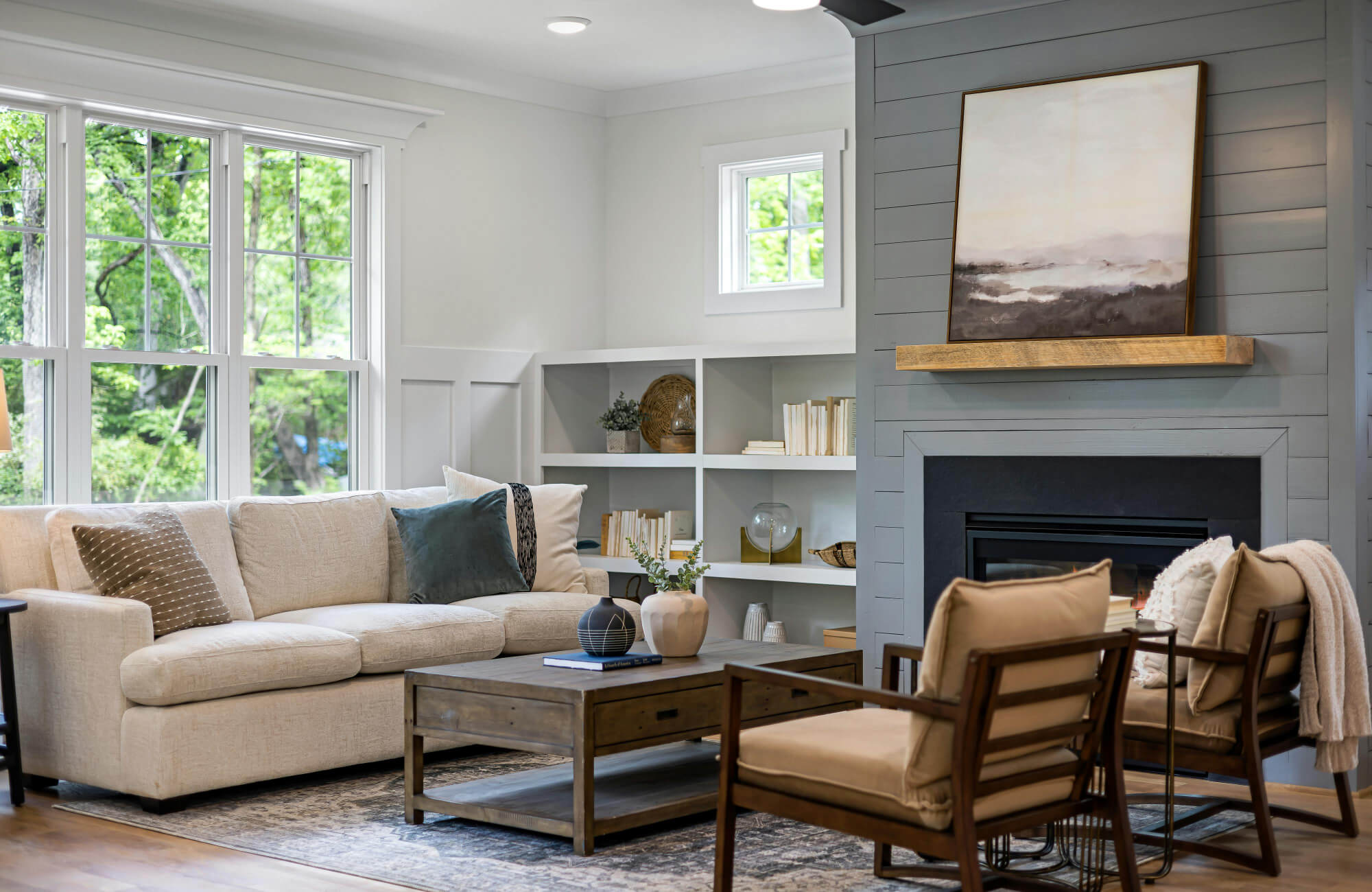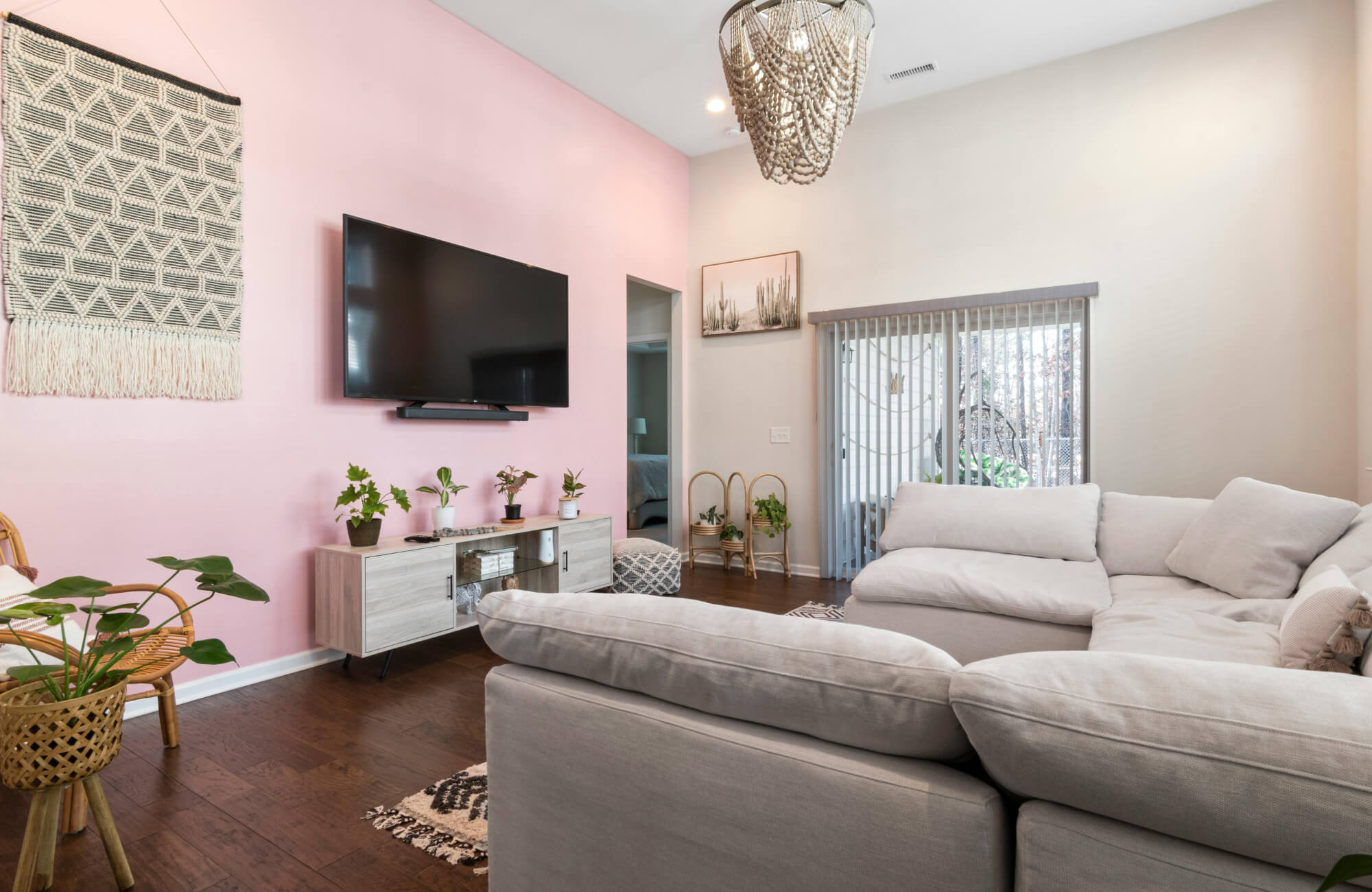
A thoughtfully styled living room often finds its identity through carefully curated wall elements that balance artistry with intention. Within this refined approach, DIY wall art naturally emerges as a versatile medium for expressing individuality while maintaining a polished, design-forward aesthetic. By thoughtfully integrating texture, proportion, and material contrast, even simple diy artwork can achieve a gallery-inspired presence that enhances spatial harmony. These ideas draw from both contemporary and timeless design principles, offering accessible methods that align seamlessly with elevated interior styling. With a focus on cohesive composition and material sophistication, each concept ultimately supports the creation of visually compelling and enduring living room environments.

Minimalist Canvas Techniques with Textural Depth
Minimalist canvas compositions are defined by subtle surface variation and controlled color palettes, allowing texture to carry visual interest with quiet sophistication. Through deliberate material application, DIY artwork in this category achieves depth and balance while maintaining a refined, understated presence.
Impasto and Modeling Medium Applications
When combined with modeling paste, acrylic paint forms a dense, sculptural surface that enhances both dimensionality and tactile appeal. As the medium is gradually guided across the canvas using palette knives or silicone tools, organic ridges begin to emerge, catching light in a way that creates nuanced shadow variation. This interplay of light and form also introduces visual depth without relying on intricate detailing, making it especially suited to modern minimalist interiors.
In addition, proper surface preparation remains essential, as a well-primed canvas with gesso improves adhesion and minimizes the risk of cracking over time. At the same time, gradual layering supports structural integrity, ensuring that each application dries evenly and retains its intended form. In this way, such techniques are frequently used in DIY wall decor to achieve a refined, gallery-quality finish through accessible materials.
Monochromatic and Tonal Color Strategies
A restrained palette brings cohesion to minimalist DIY artwork, allowing subtle tonal shifts to define the composition. As soft transitions, such as warm beige blending into muted gray, develop across the surface, they create a calming visual gradient that integrates seamlessly into a living room setting. This approach aligns naturally with contemporary interiors that favor clarity and balance over visual excess.
By limiting the color palette, the composition also avoids fragmentation and instead reinforces a unified aesthetic that complements the surrounding furnishings. Meanwhile, careful control of paint opacity ensures that tonal variations remain smooth and continuous rather than abrupt. As a result, this method supports DIY wall decor ideas that emphasize harmony within neutral-toned living room environments.
Large-Scale Canvas Proportioning
Scale plays a defining role in establishing visual balance, particularly when designing large DIY artwork for expansive walls. For instance, oversized canvases anchor the space, drawing the eye while maintaining proportional harmony with furniture and architectural elements. With accurate measurement, the artwork feels integrated rather than disproportionate, allowing it to enhance rather than dominate the setting.
In addition, consistent margins around the piece contribute to a structured composition, reinforcing a sense of order within the room. The use of sturdy stretcher bars also helps maintain tension across the canvas, preventing warping over time. This approach is especially effective for DIY wall decor intended to define large living room accent walls with clarity and impact.

Curated Gallery Walls with Printable Art
Gallery walls offer a structured yet flexible way to introduce layered visual interest while maintaining a cohesive narrative. When thoughtfully arranged, this form of DIY wall decor elevates simple prints into a unified and polished design feature.
Layout Planning and Spatial Calibration
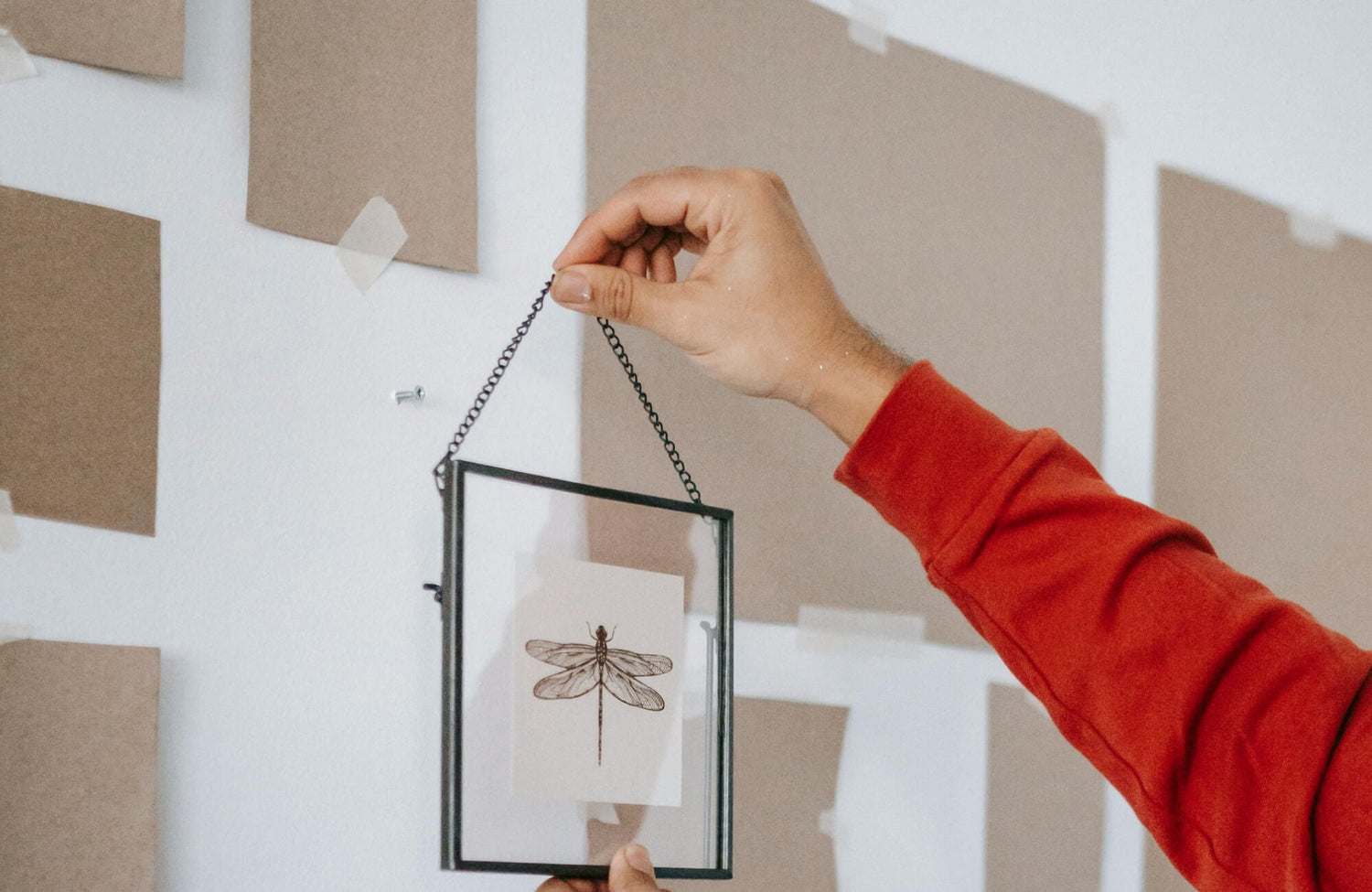
A carefully considered layout ensures that each element contributes to a balanced and visually coherent arrangement. By maintaining consistent spacing, typically between two and three inches, a steady visual rhythm is established while preventing overcrowding. Grid layouts also lend a sense of symmetry and formality, whereas salon-style arrangements introduce a more relaxed and organic composition. Before installation, developing a floor mockup or paper template allows for adjustments that refine alignment and proportion.
This preparatory process reduces installation errors while ensuring that the final arrangement feels intentional and composed. In turn, such planning becomes essential for DIY artwork displays that aim to achieve a curated and professionally styled gallery wall. Well-executed spacing and alignment are fundamental in DIY wall decor layouts for modern living room gallery wall arrangements that emphasize balance, proportion, and visual cohesion.
Archival Printing and Material Selection
The quality of materials significantly influences the longevity and visual clarity of printed DIY artwork. High-resolution digital files printed on archival-grade paper preserve color accuracy while resisting fading over time. Matte or satin finishes are also often preferred, as they gently diffuse light and reduce surface glare. At the same time, the use of acid-free substrates prevents discoloration, ensuring that each piece maintains its original integrity.
Consistency in paper weight and finish further enhances uniformity across the collection, contributing to a cohesive presentation. Through these considerations, printable designs are elevated into refined DIY wall decor suited for well-appointed living room interiors. Selecting premium materials is also essential for creating durable DIY artwork for living room gallery walls that maintain color vibrancy and professional print quality over time.
Frame Consistency and Visual Cohesion
A unified framing approach establishes a visual framework that ties together varied artworks. Materials such as matte black metal or natural wood introduce a neutral foundation that complements a range of styles. Consistency in frame thickness and finish also prevents visual fragmentation, allowing the arrangement to read as a cohesive whole. In addition, subtle variations, such as the use of matting, can introduce depth while still maintaining overall harmony.
Aligning frames along shared edges or centerlines further reinforces structure and balance. This approach ensures that DIY wall decor installations remain composed and visually integrated within the living space. Consistent framing choices enhance DIY artwork presentation for cohesive living room wall decor styling that feels curated and visually balanced.

Textile Wall Art for Layered Softness
Textile-based DIY artwork introduces tactile richness while softening the visual rigidity of hard surfaces. At the same time, these elements contribute to a layered interior composition that enhances both comfort and acoustic quality.
Macramé and Structured Knotting Techniques
Macramé wall hangings are defined by precise knotting methods that create intricate patterns with depth and movement. Techniques such as square knots and half-hitch knots provide both structural integrity and decorative variation. As the pattern gradually develops, the interplay between dense knots and open spaces also introduces visual rhythm without overwhelming the composition.
Natural fibers, including cotton and jute, enhance texture while aligning with organic design sensibilities. Meanwhile, maintaining consistent tension throughout the process ensures uniformity and prevents distortion over time. These qualities make macramé a compelling option within DIY wall decor for relaxed yet refined living room settings. Intricate knotting patterns are also ideal for DIY artwork that enhances textured wall decor for bohemian and contemporary living room interiors.
Fabric Stretching and Panel Construction
Transforming fabric into a structured DIY artwork involves stretching it over a wooden frame to create a clean, tailored surface. Proper tensioning remains essential to maintain smoothness, particularly when working with patterned textiles that require precise alignment. As motifs are carefully positioned, visual continuity is preserved, and distortion is avoided. Selecting durable, high-quality fabrics further enhances longevity, especially in frequently used spaces. At the same time, secure mounting hardware supports the weight of the panel while preserving wall integrity. This method offers a balanced approach to DIY wall decor, combining softness with architectural clarity.
While many of these approaches focus on handcrafted techniques, professionally crafted fiber pieces can also achieve a similar tactile richness with added refinement. For instance, Edward Martin’s Borrowed Dawn Wall Art, as displayed in the photo above, translates this concept into a finished design, using wool and jute arranged in tight vertical coils that rise above a layered, free-form base, creating a sculptural textile composition. Its wood-framed construction and pre-attached hardware also highlight how framed fiber art can seamlessly integrate into living room wall decor without additional assembly. This kind of piece demonstrates how DIY-inspired aesthetics can evolve into elevated, ready-to-hang artwork that maintains organic texture while offering a polished, gallery-quality presence.
Layering Textiles for Visual Depth
Layering textiles introduces dimensional complexity, allowing different materials to interact within a single composition. By combining varied weaves, patterns, and thicknesses, a nuanced contrast emerges that enriches the overall design. As transitions between textures are softened, visual disruption is avoided, resulting in a cohesive and fluid appearance. Thoughtful placement ensures that the arrangement remains balanced without feeling overcrowded.
Neutral backdrops further highlight the interplay of materials, allowing each layer to stand out with subtle clarity. In this way, textile layering becomes a versatile strategy for DIY artwork that enhances both visual and sensory qualities. Layered textile compositions are effective for DIY wall decor that adds depth and warmth to living room accent walls with soft material contrast.
Framed Fiber Art and Woven Textile Compositions
While many textile-based DIY artwork techniques focus on handcrafted assembly, framed fiber pieces offer a more structured and refined interpretation of soft wall decor through dense weaving and layered materials. Unlike traditional macramé, which relies on open knotting, woven fiber art emphasizes tightly constructed textures that feel more architectural when framed.
A strong example is the Northland Memory Wall Art, where wool and jute form a rich, horizontally layered surface with warm, earth-toned gradients that evoke natural terrain. Its braided edges subtly reference macramé while maintaining a more controlled, woven composition, and the wood-framed design enhances its presence as a polished, ready-to-hang piece. In this way, it bridges DIY wall decor inspiration with elevated, professionally crafted textile artwork for living room interiors.

Wood and Mixed-Media Wall Installations
Wood-based DIY wall decor introduces structural depth and natural warmth, offering a grounded yet dynamic presence within the living room. When paired with complementary materials, these installations achieve a multidimensional composition that feels both modern and enduring.
Geometric Wood Panel Design
Geometric arrangements crafted from plywood or reclaimed wood create a sense of architectural rhythm through repetition and form. Precision cutting ensures clean edges, allowing each piece to align seamlessly within the composition. As panels are arranged with intentional spacing, shadow lines naturally emerge, adding depth and visual intrigue. Modular configurations also provide flexibility, making it easier to adapt the design to different wall dimensions.
In preparation, sanding and sealing the surface ensures a smooth finish while preventing imperfections. These techniques position wood as a foundational element in DIY artwork designed for both contemporary and rustic interiors. Geometric wood layouts are also widely used in DIY wall decor for creating structured accent walls in modern living room design.
Surface Treatments and Finishing Techniques
The application of surface treatments shapes the final character of wood-based DIY wall decor. Staining enhances the natural grain, bringing out tonal variation that adds depth and richness. Alternatively, whitewashing softens the appearance, creating a lighter and more contemporary effect. Dry brushing also introduces a subtle texture that complements the inherent qualities of the material without overpowering it. Protective sealants further preserve the finish, ensuring durability against environmental factors such as humidity. Through these layered treatments, wood surfaces are transformed into refined DIY artwork that balances authenticity with sophistication. Advanced finishing techniques also contribute to DIY wall decor that highlights natural wood grain textures in living room feature walls.
Integrating Mixed Materials
Incorporating additional materials such as metal or acrylic introduces contrast while elevating the overall composition. Metallic elements, in particular, contribute a reflective quality that offsets the warmth of wood, creating a balanced visual dynamic. As these materials are thoughtfully integrated, each element complements rather than competes, maintaining a cohesive aesthetic.
Precision in fastening techniques also supports both structural stability and alignment. This interplay of materials expands design possibilities while preserving clarity in composition. As a result, mixed-media installations offer a nuanced approach to DIY wall decor that bridges multiple interior styles. Mixed-material combinations further enhance DIY artwork for contemporary living rooms by blending industrial accents with organic textures.

Reflective and Metallic Wall Art Elements
Reflective surfaces enhance spatial perception by amplifying light and introducing a sense of openness within the living room. When thoughtfully incorporated, these materials lend DIY artwork a subtle luminosity that elevates the overall ambiance.
Mirror Arrangement and Spatial Enhancement
Strategically positioned mirrors redistribute light, allowing the room to feel brighter and more expansive. For instance, symmetrical arrangements create a sense of order, while asymmetrical compositions introduce a more contemporary expression. When placed opposite light sources, mirrors maximize reflectivity without producing excessive glare. Proper mounting techniques, including the use of specialized adhesives or hardware, ensure both safety and longevity. Edge detailing, such as beveled finishes, also adds a refined layer of visual interest.
While many of these approaches can be explored through DIY wall decor, incorporating a well-crafted mirror can further enhance both function and aesthetic. Our Meliora Mirror in Cream, as featured in the photo above, introduces a softly ribbed frame that adds texture while maintaining a clean, circular form. Its warm neutral finish also integrates effortlessly into modern living room settings, amplifying light while contributing a subtle sculptural presence. In this way, it complements DIY artwork arrangements by reinforcing spatial depth and creating a more cohesive, design-forward wall composition.
Metallic Leaf and Gilding Applications
Metallic leaf applications introduce a delicate sheen that enhances both texture and depth. The process begins with adhesive sizing, followed by the careful placement of metal leaf sheets that are gently burnished to achieve a smooth finish. Throughout the process, precision remains essential, as even minor inconsistencies can affect the final appearance. When layered over painted surfaces, metallic accents also create a dynamic effect that shifts subtly with changing light conditions. In addition, protective coatings help preserve the finish, preventing tarnishing over time. In this way, gilded DIY artwork offers a refined and luminous addition to contemporary interiors. Gilding techniques are widely used in DIY wall decor to create elegant metallic finishes for modern living room artwork.
Reflective Tile and Modular Designs
Reflective tiles like the Mila 4x4 Glossy Ceramic Tile in Rust, arranged in geometric or abstract configurations, create a structured yet visually dynamic installation. Modular designs allow for adaptability, making it possible to tailor the composition to various wall dimensions. With careful alignment, consistency is maintained, while measured spacing enhances the overall rhythm of the design. Selecting appropriate adhesives remains crucial to ensure long-term stability without damaging the surface. At the same time, introducing matte elements alongside reflective tiles provides contrast and prevents visual monotony. This balanced approach results in DIY wall decor that enhances both light distribution and architectural interest. Reflective tile arrangements are ideal for DIY artwork that elevates contemporary living room wall decor with light-enhancing geometric patterns.
Bringing Cohesion to DIY Wall Decor in Living Spaces
A well-composed approach to DIY wall decor brings together materiality, proportion, and thoughtful placement to create a unified visual narrative. Through careful integration of texture and form, DIY artwork can achieve a level of refinement often associated with professionally curated interiors. Each technique, from layered textiles to sculptural canvases, contributes a distinct dimension while remaining part of a cohesive whole. Consistency in finishes, tonal palettes, and spatial arrangement ensures that individual elements complement rather than compete. As these elements come together, the living room evolves into a space defined by balance, depth, and a quietly sophisticated sense of design.
For a more tailored approach, Edward Martin’s design services offer expert guidance to help refine and elevate your wall decor vision. To explore personalized solutions, contact us and bring a cohesive, design-forward living space to life!