Cementitious tiles are celebrated for their raw, natural beauty and handcrafted charm. Made from a blend of cement, sand, and mineral pigments, they bring warmth, texture, and depth to both modern and traditional spaces. Their organic look and lasting strength have made them a favorite among designers who value authenticity and timeless appeal. In this blog, we’ll explore what makes cementitious tiles unique while highlighting their benefits and comparing them with modern concrete-look porcelain options to help you choose the right material for your home and lifestyle.

Exploring Cementitious Tiles
Cementitious tiles combine craftsmanship, strength, and design versatility in one material. Made primarily from natural components, they bridge the gap between artisanal detail and modern performance. Understanding what sets them apart reveals why they’ve become a favorite among architects and designers looking for both texture and durability in surface design.
The Composition of Cementitious Tiles
Cementitious tiles are crafted from a blend of cement, fine sand, mineral pigments, and water, creating a dense and durable body. Unlike fired tiles, they are cured naturally, which gives them a distinct matte surface and organic texture. Each tile often features unique tonal variations due to the use of mineral-based coloring. A protective sealant is typically applied to enhance water resistance and preserve the richness of color. This composition results in a strong, tactile surface that feels authentic and visually grounded.
How They Differ from Other Tile Types
While ceramic and porcelain tiles are kiln-fired, cementitious tiles are air-cured, giving them a softer, more natural feel underfoot. They’re slightly more porous, meaning they benefit from sealing but reward users with a richer, more textured appearance. In terms of weight and density, cementitious tiles often feel heavier and more substantial than glazed alternatives. Their color runs through the material rather than sitting on top, preventing noticeable wear even after years of use. The result is a surface that ages gracefully rather than showing damage.
Why They Appeal to Modern Designers
Cementitious tiles have a timeless charm that complements both modern and traditional interiors. Their handcrafted character, subtle imperfections, and soft matte finish add depth and warmth to contemporary spaces. Designers value their versatility, as they blend seamlessly with materials like wood, metal, or stone. Beyond aesthetics, they appeal for their eco-friendly composition and low-energy production methods. This balance of artistry, sustainability, and texture makes cementitious tiles a refined choice for design-focused homes.

Key Benefits of Cementitious Tiles
Cementitious tiles bring together strength, character, and timeless appeal, making them a practical and aesthetic choice for a wide range of spaces. Their resilience and handcrafted look allow them to perform well under daily wear while adding a sense of depth and warmth to interiors.
Durability and Longevity
Known for their density and structural strength, cementitious tiles are built to handle years of use with minimal wear. When properly sealed, they resist moisture, stains, and surface damage, making them suitable for high-activity areas like entryways and kitchens. Their natural composition allows them to withstand changing temperatures without cracking easily. The sealant layer not only protects the surface but also simplifies cleaning and maintenance. With care, they retain their integrity and finish for decades, making them a worthwhile investment.
Natural Texture and Color Depth
Each cementitious tile carries a subtle variation in tone and texture that adds richness and visual depth to a space. Pigments are mixed into the cement rather than applied as a surface coating, allowing colors to appear more natural and enduring. The curing process deepens these tones over time, giving the tiles an organic, slightly weathered beauty. This evolving patina enhances the authenticity of the material, creating a finish that feels both lived-in and refined. It’s this evolving character that gives each installation its own unique personality.
Eco-Friendly and Sustainable Qualities
Cementitious tiles are often celebrated for their environmentally responsible production. Unlike kiln-fired ceramics, they require no high-temperature firing, which significantly reduces energy use and carbon output. Many manufacturers also incorporate recycled aggregates or natural pigments to minimize environmental impact. Their long lifespan further contributes to sustainability by reducing the need for frequent replacement. Choosing cementitious tiles aligns with eco-conscious design principles without compromising on beauty or performance.
Design Versatility in Different Spaces
One of the most appealing qualities of cementitious tiles is their adaptability across design styles and applications. Their matte texture and natural variation make them equally at home in rustic, industrial, or modern interiors. They perform well on floors, walls, and even outdoor surfaces when properly sealed, offering continuity throughout the home. In bathrooms, they provide a slip-resistant surface, while in living areas, they bring depth and warmth underfoot. Their versatility allows designers and homeowners alike to achieve both visual harmony and functional durability.

Care and Maintenance of Cementitious Tiles
Cementitious tiles can last for decades with the right care and maintenance routine. Because they are naturally porous, sealing and proper cleaning habits are essential to preserve their beauty and prevent surface damage. A well-maintained finish not only protects the tile from moisture and staining but also highlights its organic tone and texture for years of everyday use.
Importance of Proper Sealing
Sealing is one of the most important steps in protecting cementitious tiles from wear and moisture. A quality penetrating sealer helps reduce porosity, preventing liquids and dirt from seeping into the surface. This also helps maintain the tile’s original color and texture, keeping it looking fresh even in high-moisture areas like kitchens or bathrooms. Resealing periodically ensures continued protection as the coating gradually wears over time. With consistent sealing, cementitious tiles can perform beautifully while retaining their natural charm.
Cleaning Techniques and Best Practices
Routine maintenance for cementitious tiles starts with using gentle, non-acidic cleaning products. A neutral pH cleaner removes dirt without stripping away protective sealers or dulling the surface. Sweeping or wiping regularly helps prevent debris from scratching the tile, while occasional mopping keeps it looking refreshed. For best results, reapply sealer every one to two years, depending on the level of use and exposure. Consistent care helps the tile’s surface age gracefully while maintaining its rich, natural look.
What to Avoid to Preserve Finish
Harsh chemicals, acidic cleaners, or abrasive scrubbing tools can damage the surface and erode the protective sealant. Avoid bleach-based products and strong degreasers, as they may cause discoloration or etching. Excessive water exposure without proper sealing can also lead to staining or dull spots. When cleaning, use soft cloths or mops instead of stiff brushes to maintain the smooth, matte texture. Gentle handling and mindful maintenance go a long way in preserving the integrity and timeless beauty of cementitious tiles.

Common Misconceptions About Cementitious Tiles
Cementitious tiles are sometimes misunderstood due to outdated perceptions about their maintenance or limited design use. In reality, modern fabrication and sealing techniques have made them far more versatile, practical, and visually adaptable. Clearing up these misconceptions helps homeowners and designers see just how functional and design-forward these tiles can be across a variety of spaces.
“They’re Too High Maintenance”
One of the most common misconceptions about cementitious tiles is that they’re difficult to maintain. While they do require sealing, today’s protective finishes have made upkeep far easier and more reliable. Once sealed properly, cementitious tiles resist moisture and stains, making routine cleaning simple and low-effort. Regular sweeping and gentle cleaning are usually all that’s needed to keep them looking their best. With minimal maintenance, these tiles can retain their beauty and durability for many years.
“They Can’t Be Used Outdoors”
Another misconception is that cementitious tiles are unsuitable for outdoor applications. When properly sealed and maintained, they perform well in covered patios, garden walkways, and other semi-exterior settings. Their dense structure and non-slip surface make them ideal for areas exposed to mild weather or humidity. Choosing the right sealer and ensuring good drainage are key to long-term performance outdoors. With these measures in place, cementitious tiles can add durability and visual harmony to outdoor living spaces just as effectively as they do indoors.

Concrete-Look Tiles: A Modern Alternative
For those who love the artisanal appeal of cementitious tiles but prefer lower maintenance, concrete-look porcelain offers the perfect balance. These tiles capture the same earthy tones, subtle variation, and tactile surface that define real cement finishes while providing added convenience and durability.
Why Concrete-Look Porcelain Is a Popular Substitute
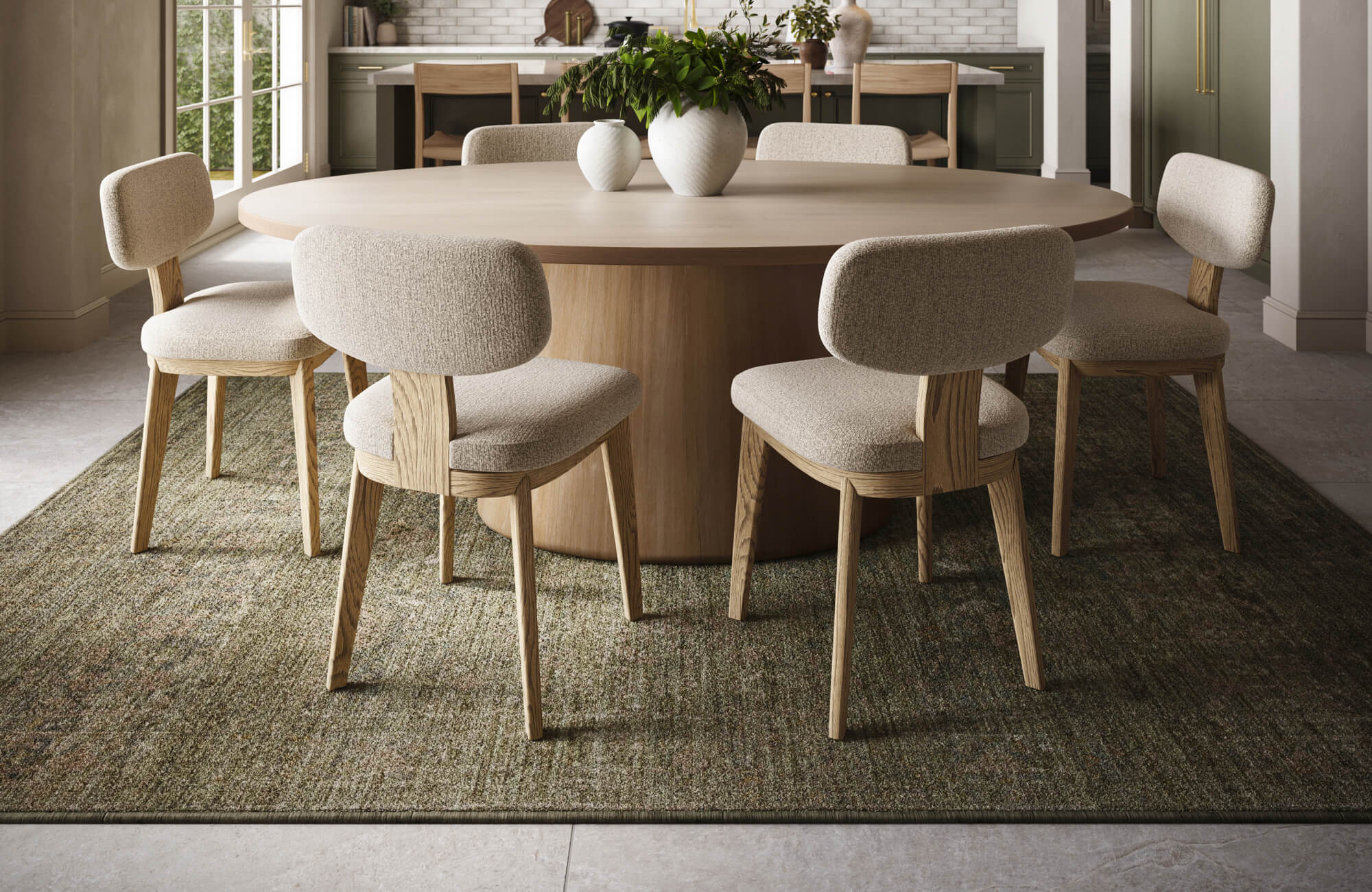
Concrete-look porcelain tiles, such as our Sloane 12x24 Matte Porcelain Tile in Sandstone above, are engineered to mirror the natural beauty and depth of cementitious surfaces. Through advanced printing and texturing techniques, they recreate the matte finish, tonal variation, and realistic imperfections of true cement. The difference lies in maintenance; porcelain is non-porous and doesn’t require sealing, making it ideal for busy homes and commercial settings. It resists stains, moisture, and fading while maintaining a consistent color and surface texture. For many, it delivers the same grounded aesthetic with far less effort.
When to Choose Concrete-Look Over True Cementitious
Choosing between the two often depends on lifestyle, location, and intended use. True cementitious tiles appeal to those who value craftsmanship and the organic patina that develops over time, while concrete-look porcelain suits those who prioritize practicality. Porcelain’s low porosity means it’s easier to clean and less sensitive to water exposure, especially in bathrooms or kitchens. It also installs more quickly, with less curing and sealing required. For spaces that demand high performance and minimal upkeep, concrete-look tiles offer a smart, modern solution.
Design Continuity for Indoor-Outdoor Spaces
Concrete-look porcelain is particularly effective in creating seamless flow between indoor and outdoor environments. Its consistent finish and durable composition allow it to transition effortlessly from living areas to patios or pool decks. The neutral tones and natural texture bring a cohesive, minimalist character to the entire space. Designers often use matching formats or subtle tone variations to blur the boundaries between inside and outside. This continuity supports modern architectural trends focused on open, connected, and fluid living spaces.

Choosing the Right Concrete-Look Tile for Your Space
Selecting the right concrete-look tile is all about achieving the perfect balance between tone, texture, and layout for your space. These tiles come in a wide variety of finishes, from soft matte to lightly polished, and can dramatically influence the mood of a room. Whether your goal is to create a warm, natural backdrop or a sleek, contemporary statement, thoughtful color and pattern choices help bring cohesion and depth to the design.
Color and Texture Considerations
The color and surface finish of a concrete-look tile can completely transform how a space feels. Lighter shades like soft greige or ash gray reflect more light, making smaller rooms appear open and airy. Darker tones, on the other hand, ground a modern layout and introduce visual weight that feels refined and balanced. Textured finishes add authenticity and grip, while smoother ones give a minimalist, architectural edge. Choosing the right combination ensures your flooring or wall treatment feels both intentional and inviting.
Pattern and Layout Options
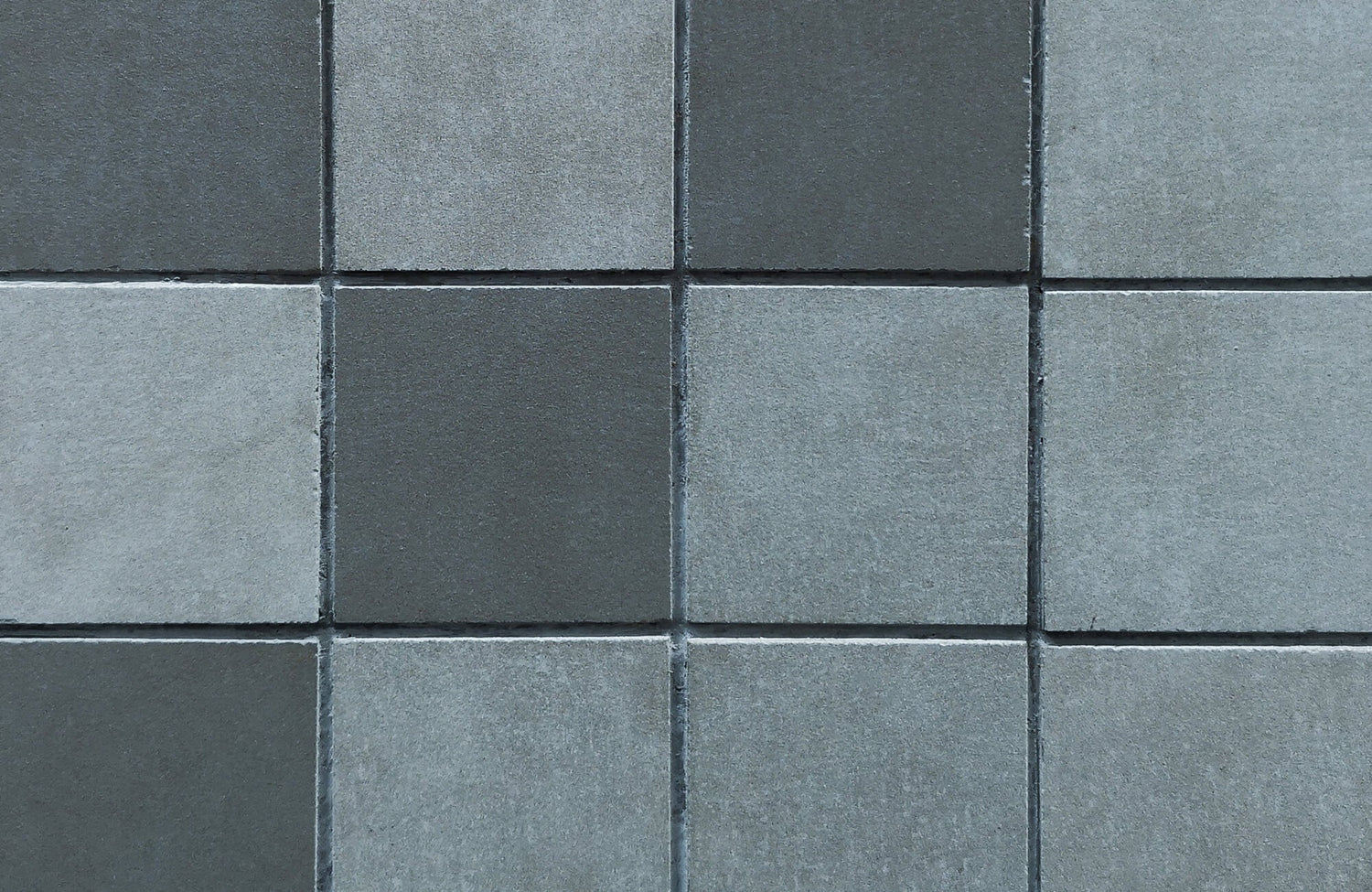
Concrete-look tiles offer endless design flexibility, whether you prefer clean, seamless surfaces or decorative arrangements. Large-format tiles create a continuous, uninterrupted flow that suits minimalist and industrial spaces, while patterned or encaustic-inspired layouts add movement and personality. Rectangular tiles can elongate hallways or open-plan areas, while geometric designs, as seen above with our Adrian 7x8.25 Matte Porcelain Tile in Smoke, can help define smaller zones. By experimenting with tile direction and spacing, you can subtly influence how light, texture, and depth play throughout the room.
Pairing with Other Materials
Concrete-look tiles pair effortlessly with a range of complementary materials to achieve a layered and sophisticated aesthetic. When combined with natural wood, they create warmth and balance that soften their cool undertones. Pairing them with brass fixtures introduces a touch of elegance, while marble accents highlight texture contrast for a more elevated feel. The neutrality of concrete-look tiles makes them a versatile foundation for various interior styles, from industrial lofts to modern coastal homes. With the right pairings, they blend durability with timeless visual appeal.
Exploring Tools and Samples Before You Buy
Before finalizing your concrete-look tile choice, take advantage of our digital AR visualization tool and $2 samples to see how each option fits your space. The AR tool allows you to preview textures, tones, and layouts in real-time, helping you make confident design decisions. Ordering samples lets you experience the surface finish and color accuracy up close before committing to a full order. Together, these tools make it easier to align your design vision with the right product, ensuring your final space looks and feels exactly as you imagined.
Balancing Craftsmanship and Convenience
Cementitious tiles stand out for their handcrafted beauty, natural texture, and lasting strength, offering a sense of depth that only artisanal materials can provide. At the same time, concrete-look porcelain brings a modern solution for those seeking the same organic character with simplified upkeep. Whether you’re drawn to the authenticity of real cement or the convenience of porcelain, both materials reflect a timeless connection to design rooted in texture, tone, and tactile appeal. Each option supports a wide range of interiors, from rustic-inspired layouts to contemporary minimalist homes.
If you’re considering either option for your space, a professional design consultation can help you find the perfect fit. Our expert can assess your layout, style goals, and maintenance needs to recommend the ideal balance between performance and aesthetics. With tailored guidance, you can create a cohesive, durable, and beautifully crafted surface design that complements your home’s overall atmosphere.