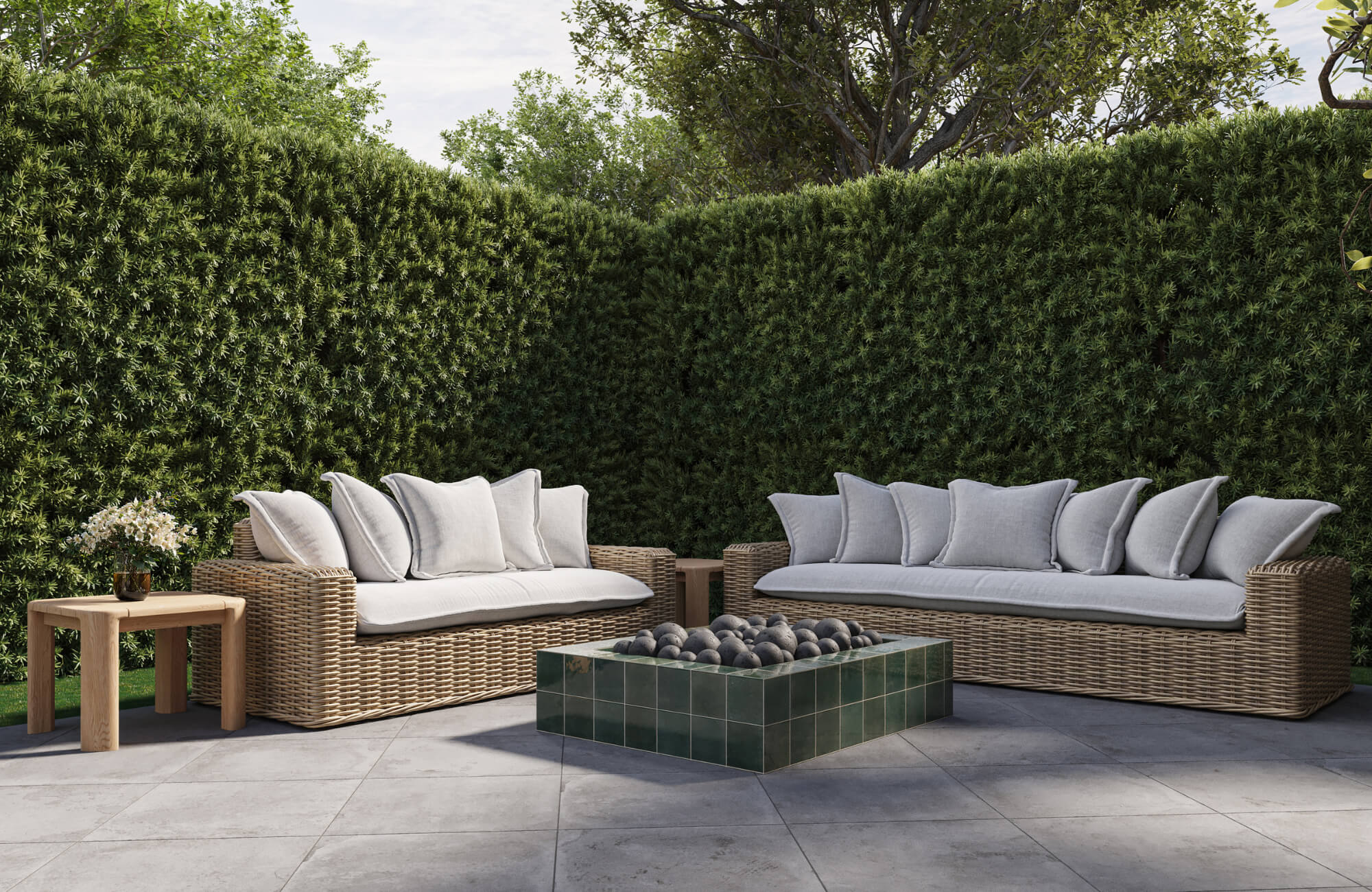
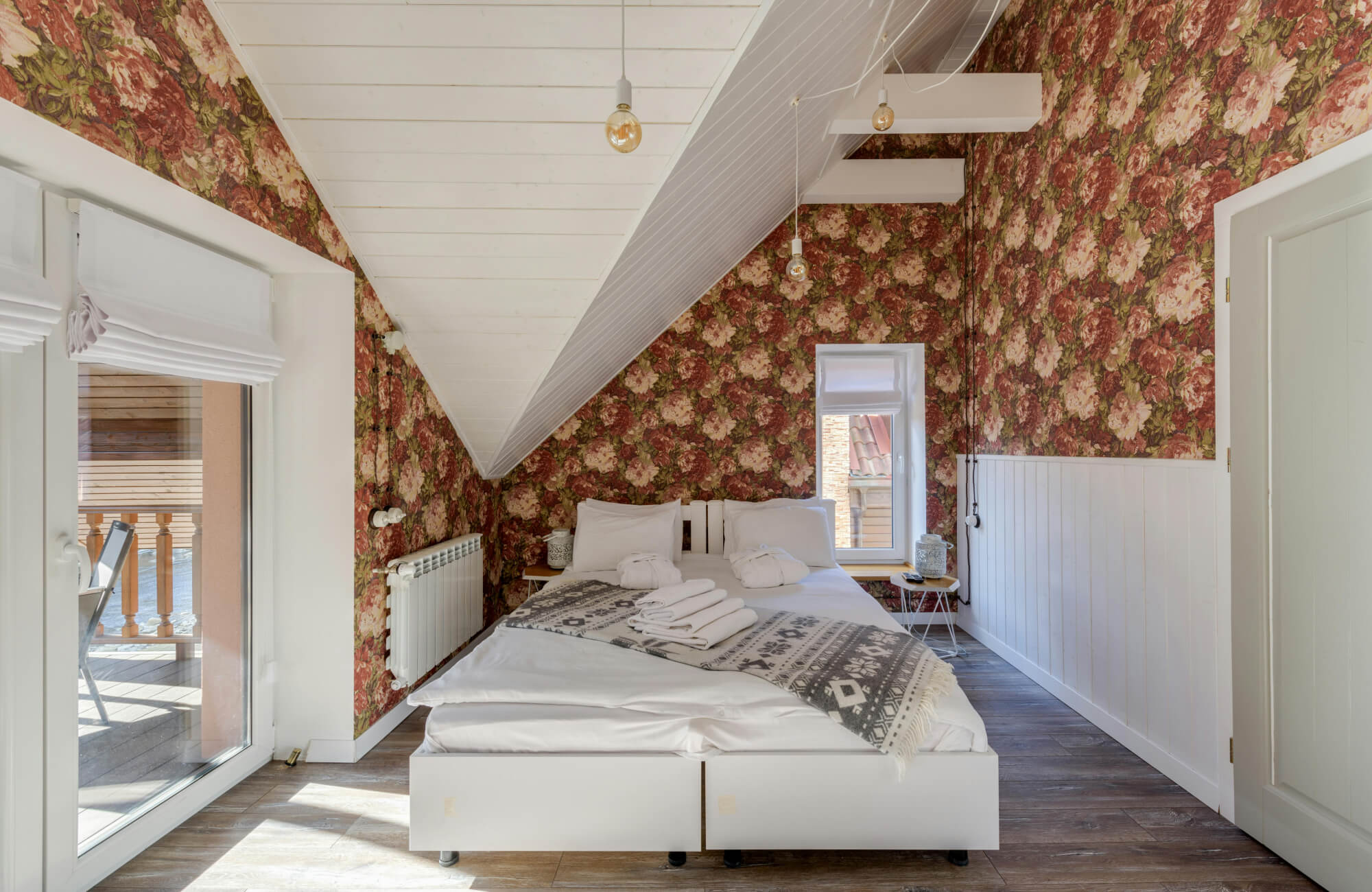
Decorative pillows introduce a refined sense of balance, texture, and dimension, effortlessly transforming everyday seating into thoughtfully layered compositions that feel both inviting and elevated. While the 18x18 decorative pillow size has long been regarded as a standard, evolving interior trends increasingly highlight the importance of selecting the best decorative pillow size for sofas, beds, and accent seating with greater precision.
As furniture silhouettes become deeper and more architectural, the relationship between pillow scale and upholstery proportion naturally becomes more critical in achieving visual harmony. At the same time, a well-curated mix of sizes, shapes, and fills enhances not only comfort but also the layered sophistication associated with designer interiors. By exploring the most common decorative pillow sizes and understanding why 18x18 isn’t always best, it becomes possible to create a more tailored, high-end decorative pillow arrangement that feels intentional and beautifully composed.

Standard Decorative Pillow Sizes and Their Functional Roles
Decorative pillow dimensions follow established industry standards that correspond closely with furniture proportions and styling intent. When these size categories are understood in relation to scale and placement, they support more deliberate design choices that enhance both comfort and visual cohesion.
Common Square Pillow Dimensions and Applications
Square decorative pillows continue to form the foundation of most styling arrangements, largely due to their symmetry and adaptability across a wide range of furniture types. The 16x16 decorative pillow size for small accent chairs offers a compact proportion that introduces softness without overwhelming the frame, making it particularly suitable for tighter seating. As the scale increases, the 18x18 decorative pillow size for standard sofas provides a balanced presence that aligns naturally with average seat depths and back heights.
Beyond this, larger formats such as 20x20 and 22x22 decorative pillows for deep sofas begin to introduce greater visual weight, allowing the arrangement to feel more substantial and complete. These oversized pillows not only fill space more effectively but also contribute to a more elevated, layered aesthetic. In this way, selecting the appropriate square pillow size directly influences both the visual composition and the functional comfort of the seating area.
Lumbar and Rectangular Pillow Sizing for Ergonomic Support
Rectangular pillows introduce a distinct shift in both form and function, offering visual contrast while simultaneously enhancing ergonomic support. The 12x27 lumbar pillow for sofa support, such as Edward Martin’s Marisette 12" x 27" Pillow Cover in Black (displayed in the photo above), is frequently used to reinforce the lower back, providing comfort without disrupting the clean lines of the arrangement. As dimensions expand to 14x24 or 16x26 decorative lumbar pillows, their extended width allows them to span larger seating surfaces, making them especially effective for benches and window seats.
This elongated silhouette also naturally offsets the uniformity of square pillows, creating a sense of movement and directional flow within the composition. At the same time, lumbar pillows play a practical role by supporting posture, particularly in deeper seating environments where standard pillows may fall short. Through this balance of structure and support, they become an essential element in achieving well-rounded decorative pillow styling.
Specialty Shapes and Their Role in Layered Styling
Introducing specialty pillow shapes allows a composition to move beyond uniformity, adding subtle complexity and visual intrigue. Round and bolster pillows, while used more sparingly, help soften angular furniture lines and introduce a sculptural quality that enhances the overall arrangement. In particular, bolster pillows for layered sofa styling offer both aesthetic variation and targeted support, making them a versatile accent within a multi-layered setup.
When incorporated thoughtfully, these shapes act as visual punctuation, preventing the arrangement from feeling overly predictable. Their presence also contributes to a more curated, designer-inspired aesthetic that feels intentional rather than formulaic. As a result, integrating specialty pillow shapes elevates the composition while maintaining balance and restraint.

The Rise of the 18x18 Decorative Pillow as a Default Standard
The 18x18 decorative pillow rose to prominence through its compatibility with mid-scale furniture and the efficiencies of standardized manufacturing. Over time, its widespread availability has reinforced its role as a default choice in both retail environments and residential styling.
Alignment with Standard Sofa Proportions
The 18x18 pillow size for living room sofas aligns closely with the dimensions of most mass-produced seating, making it a naturally practical option for a wide range of interiors. With standard sofas typically featuring seat depths between 20 and 22 inches, this size fits comfortably without appearing either undersized or excessive. As a result, it integrates seamlessly into the seating area, maintaining a sense of proportional balance. This compatibility also supports symmetrical styling, which remains a common approach in traditional and transitional interiors. Over time, this consistent alignment with furniture scale has contributed to its widespread acceptance. Consequently, the 18x18 pillow has become a reliable baseline for everyday decorative use.
Manufacturing Standardization and Cost Efficiency
From a production perspective, the standard decorative pillow insert size of 18x18 inches offers a level of efficiency that benefits both manufacturers and retailers. By working within a uniform size, production processes such as cutting, filling, and packaging can be streamlined, reducing material waste and operational complexity. This efficiency also lowers production costs, allowing for more competitive pricing in the retail market. At the same time, retailers can maintain a consistent inventory with a size that appeals to a broad customer base. As availability increases, consumer familiarity naturally follows, reinforcing purchasing habits. In this way, manufacturing standardization plays a significant role in sustaining the dominance of the 18x18 size.
Retail Influence and Consumer Habit Formation
Retail presentation further strengthens the popularity of 18x18 pillows by consistently positioning them as the default styling choice. The most common decorative pillow size for home decor stores is often featured prominently in showroom displays, shaping how consumers perceive ideal arrangements. Through repeated exposure, shoppers also begin to associate this size with proper styling, even in spaces where alternative sizes may be more appropriate.
This habit formation gradually limits exploration, as consumers tend to replicate what they see rather than experiment with scale variation. As a result, other sizes are often overlooked despite their ability to enhance layering and proportion. In effect, retail influence plays a key role in maintaining the widespread use of 18x18 pillows.
However, as interiors continue to shift toward deeper seating and more layered compositions, designers are increasingly moving beyond the limitations of standard sizing. Pieces like the Merelle 22" x 22" Down Pillow in Terracotta, as shown in the photo above, reflect this evolution, offering a fuller scale and plush down fill that better complements modern upholstery proportions while adding warmth through rich, earthy tones.

Why 18x18 Isn’t Always the Best Decorative Pillow Size
Although versatile, the 18x18 size does not always adapt effectively to modern furniture proportions or more advanced styling approaches. Its limitations become increasingly evident when scale, layering, and ergonomic considerations are examined together.
Scale Limitations on Deep Seating Furniture
As interior trends shift toward larger, more relaxed seating, the limitations of standard sizing become more apparent. In particular, deep-seated sofas requiring larger decorative pillows often expose how 18x18 pillows can appear visually insufficient. When seat depths exceed 22 inches, smaller pillows leave noticeable gaps, reducing both comfort and visual completeness. This imbalance can also make the arrangement feel underdeveloped, especially in expansive seating areas. By contrast, larger pillows fill the space more effectively, reinforcing both proportion and presence. For this reason, aligning pillow size with furniture scale becomes essential in contemporary interiors.
Lack of Visual Hierarchy in Uniform Arrangements
A uniform arrangement composed solely of 18x18 pillows tends to lack the dimensional richness associated with professionally styled spaces. Effective design relies on decorative pillow layering techniques for visual hierarchy, where varying sizes create depth and structure. Without this variation, the arrangement can appear flat and visually static. Larger pillows typically establish the foundation, while smaller ones introduce detail and refinement in the foreground. This progression guides the eye naturally across the composition, enhancing overall balance. In contrast, a single-size approach limits this sense of movement and visual interest.
Insufficient Ergonomic Support in Functional Use
Beyond aesthetics, pillow selection also influences comfort, particularly in seating designed for extended use. The best pillow size for lumbar support on sofas often extends beyond the standard 18x18 dimension, especially in deeper seating configurations. Smaller pillows may fail to provide adequate support for the lower back, leading to reduced comfort over time. Larger square pillows or dedicated lumbar designs better align with the natural curvature of the spine, offering improved support. This added functionality enhances the overall usability of the seating area. Consequently, considering ergonomic performance alongside visual appeal leads to more effective design decisions.

Selecting the Best Decorative Pillow Size for Different Furniture Types
Choosing the right pillow size involves aligning dimensions with furniture scale, spatial context, and intended function. When approached thoughtfully, this process results in arrangements that feel both visually balanced and comfortably integrated.
Sofa and Sectional Pillow Sizing Strategies
When styling larger seating pieces, proportion becomes a defining factor in achieving a cohesive look. The best decorative pillow sizes for sectional sofas often include a combination of larger and mid-sized options that work together to establish depth. Incorporating 20x20 and 22x22 pillows for deep seating also creates a strong visual foundation that anchors the arrangement. From there, smaller pillows such as 18x18 can be layered in front to introduce detail without overwhelming the composition.
Pieces like our Brielle 18" x 18" Down Pillow in Natural Brown, as featured in the photo above, demonstrate how a well-scaled accent layer can add warmth and texture, especially when paired with plush, larger back pillows in neutral-toned settings. This combination creates a sense of balance and material richness, allowing the arrangement to feel both structured and inviting.
Bed Styling with Layered Pillow Dimensions
In bedroom settings, pillow arrangements tend to follow a more structured and symmetrical approach. The best decorative pillow arrangement for king-size beds often begins with Euro pillows measuring 24x24 or larger, which establish a substantial backdrop. These larger pillows support the layers in front, creating depth and visual continuity. Mid-sized pillows, such as 20x20, are then introduced to bridge the transition between scales. A lumbar pillow placed at the front adds contrast while also serving a functional role. Together, these layers form a composition that feels both polished and intentionally designed.
Accent Chairs and Compact Seating Considerations
For smaller furniture pieces, maintaining proportion is essential to preserving visual clarity. The ideal pillow size for accent chairs is typically 16x16 or a slim lumbar format, both of which complement compact dimensions without adding bulk. These smaller pillows also provide comfort while allowing the chair’s structure to remain visually prominent. In contrast, oversized pillows can overwhelm the seating, disrupting the overall balance of the space. By selecting appropriately scaled options, the arrangement feels cohesive rather than crowded. This attention to proportion ensures that even smaller seating areas remain thoughtfully styled.

Advanced Decorative Pillow Layering Techniques for a Designer Look
Refined interiors often rely on layering techniques that integrate size variation, shape contrast, and material texture. By moving beyond a single standard size, these compositions achieve a level of depth and sophistication associated with designer styling.
Layering by Size Gradient for Depth and Balance
A well-executed arrangement often follows a deliberate progression of scale, creating both structure and visual flow. Designers frequently rely on a decorative pillow size layering guide for sofas to achieve this effect, beginning with larger pillows at the back. Sizes such as 22x22 or 24x24 establish a strong foundation, anchoring the composition against the backrest. Mid-sized pillows, including 18x18 or 20x20, are then layered forward to introduce dimension.
This gradual shift in scale allows the eye to move naturally across the arrangement. The addition of a lumbar pillow at the front completes the composition with both contrast and function. When executed thoughtfully, this layering technique enhances not only visual depth but also the perceived comfort of the seating. Moreover, it allows for subtle adjustments in arrangement, making it easier to refresh the look without fully restyling the space.
Combining Shapes for Visual Contrast and Interest
Incorporating a variety of shapes enhances the overall complexity of the arrangement while maintaining balance. For instance, the mixing of square and lumbar decorative pillows for modern interiors introduces a contrast that prevents the composition from feeling overly uniform. Square pillows also provide structure and stability, while rectangular forms add direction and variation.
Occasionally, round or bolster pillows can be introduced to soften the overall look and create subtle visual breaks. This interplay of shapes contributes to a more curated and layered aesthetic. As a result, the arrangement feels both dynamic and thoughtfully composed. Over time, this variation also helps highlight different materials and textiles within the space. It encourages a more tactile and visually engaging environment that feels intentionally styled rather than repetitive.
Insert Sizing and Fill Techniques for a High-End Finish
The final refinement of any pillow arrangement lies in the quality and sizing of its inserts. The best insert size for decorative pillow covers is typically one to two inches larger than the cover itself, creating a fuller and more tailored appearance. This approach enhances edge definition, allowing the pillow to maintain a structured silhouette. High-quality fills also improve durability, ensuring that the pillows retain their shape over time.
Additionally, proper filling prevents sagging, which can detract from the overall presentation. Through careful attention to these details, the arrangement achieves a polished, high-end finish. Down and feather blends, in particular, offer a softer drape that contributes to a more relaxed yet refined look. Meanwhile, firmer inserts can be used strategically to maintain structure in more tailored or formal interiors.
Elevating Interiors Through Thoughtful Pillow Sizing and Layering
A well-considered approach to decorative pillow sizing transforms everyday seating into a composition that feels both cohesive and refined. Moving beyond the standard 18x18 decorative pillow size for sofas allows for greater flexibility in achieving balanced proportions and layered depth. By incorporating a thoughtful mix of larger square pillows, supportive lumbar designs, and varied shapes, interiors gain a more tailored and designer-quality aesthetic. Strategic layering further enhances visual hierarchy, ensuring that each element contributes to a harmonious arrangement. Ultimately, selecting the best decorative pillow sizes for modern interiors creates spaces that feel intentional, comfortable, and effortlessly elevated.
For a more curated and cohesive look, Edward Martin’s design services offer expert guidance tailored to your space and styling needs. Contact us to refine your decorative pillow arrangement with a designer’s touch!