
)
)
)
)
)
)
)
)
The Complete Guide To Herringbone Pattern Tiles For Floors And Walls
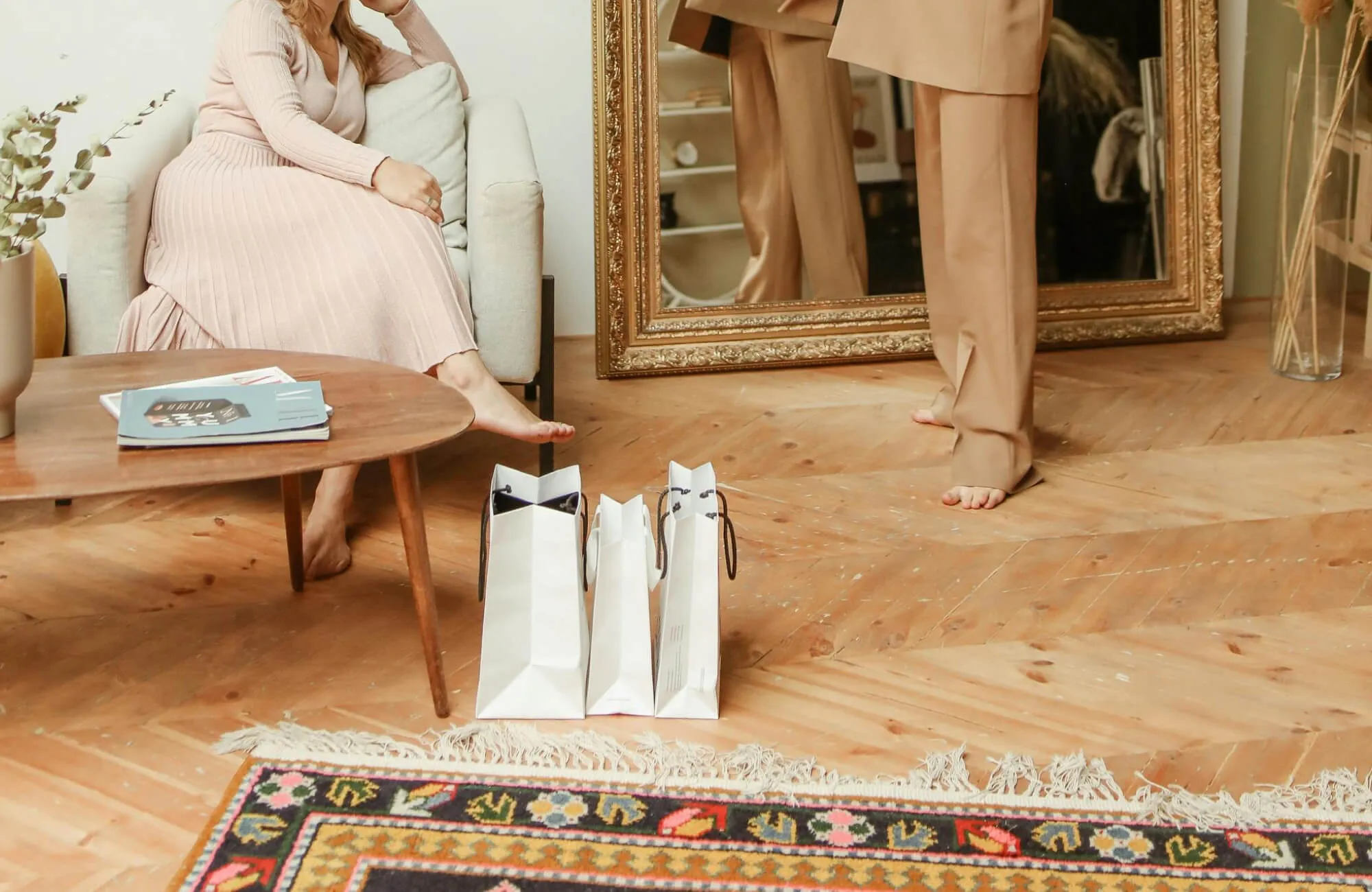
The herringbone pattern has become one of the most enduring and sophisticated tile layouts in both residential and commercial design. Distinguished by its V-shaped arrangement, this pattern delivers a timeless sense of movement and visual intrigue that enhances any surface—from floors and backsplashes to feature walls and entryways.
In this article, we’ll explore the history and geometry behind the herringbone layout, compare material options suited for different applications, and provide installation insights to achieve precision and symmetry. We’ll also examine how herringbone tiles influence spatial perception, color balance, and lighting interaction. Whether you’re planning a modern renovation or aiming to add classic European charm, this article will equip you with the technical knowledge and design inspiration to use herringbone tiles with confidence and creativity.
The Geometry and Visual Dynamics of Herringbone Pattern Tiles
The herringbone layout transforms simple rectangular tiles into an intricate composition of symmetry and movement. Its precise alignment and angular rhythm establish balance and direction, creating a design that feels both dynamic and harmonious within any architectural setting.
Pattern Structure and Orientation
The herringbone layout begins with rectangular tiles positioned so that each end meets the side of another at a perfect 45° or 90° angle, forming a seamless zigzag rhythm. This geometry naturally draws the eye along a continuous path, creating motion that enhances both floor and wall planes. When installed at 45 degrees, the pattern delivers a sense of expansion and fluidity, while a 90-degree alignment provides structure and contemporary order. Moreover, precision tools such as laser guides, rectified edges, and leveling clips maintain consistent spacing and alignment, ensuring professional accuracy. Each intersection becomes part of a cohesive rhythm that unifies the surface as a whole. The result is a layout that feels intentional, balanced, and visually engaging from every perspective.
Scale and Proportion
The proportion of tile size to space significantly shapes how the herringbone pattern is perceived. Smaller tiles, such as 2x8 or 3x12 inches, create a delicate texture that adds visual interest to compact areas like powder rooms or kitchen backsplashes. In contrast, larger tiles elongate the layout, emphasizing the directional flow that expands hallways or living areas. Grout joint width further influences this perception, as narrow joints create a seamless field, while wider joints emphasize the pattern’s geometry. Designers also often play with elongated tile formats to visually stretch a room, enhancing both scale and movement. When the proportions are carefully balanced, the herringbone layout achieves a natural equilibrium between texture, rhythm, and space.
Historical Influence and Contemporary Appeal
The enduring appeal of the herringbone pattern lies in its ability to bridge centuries of craftsmanship with the refined precision of modern design. Its timeless geometry continues to evolve, adapting to current aesthetics while retaining the elegance that has defined it for generations.
Classical Origins
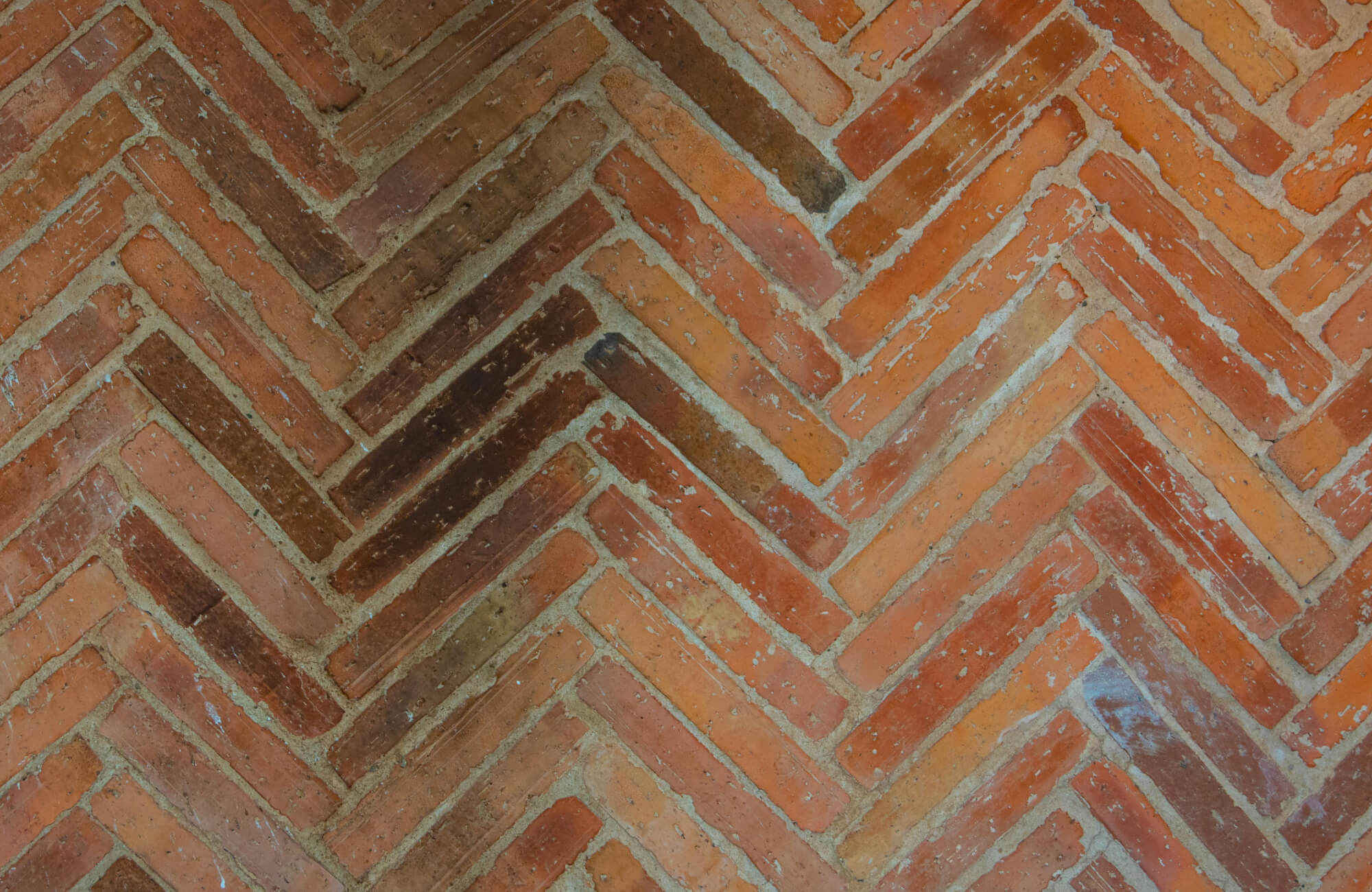
The origins of the herringbone pattern trace back to ancient Rome, where brick roads—constructed in a layout called opus spicatum—distributed weight evenly to withstand constant use. This practical ingenuity evolved into an art form during the Renaissance, when artisans began adapting the same interlocking geometry for wood parquet flooring in palaces and estates. Each hand-laid plank also reflected meticulous craftsmanship, turning functional design into visual luxury. Over time, the pattern became synonymous with order and refinement, a symbol of both strength and style. Its mathematical precision continues to inspire architects and designers, who value its blend of technical stability and timeless beauty. The herringbone pattern, born from engineering, thus transformed into one of design’s most enduring artistic expressions.
Modern Adaptations
In contemporary design, the herringbone layout thrives through innovation that honors tradition while embracing modern materials. In particular, porcelain and ceramic tiles replicate the character of natural stone and hardwood through advanced digital printing, offering both aesthetic realism and enhanced performance. These materials also combine visual warmth with durability, allowing designers to reinterpret classic geometry for contemporary interiors. Today’s herringbone designs extend from kitchen backsplashes to outdoor patios, seamlessly connecting spaces through cohesive rhythm. In addition, subtle variations in texture, color, and finish give each installation a distinct personality while maintaining structural unity. This ability to blend heritage craftsmanship with modern versatility has made the herringbone pattern a defining element of enduring architectural design.
Material Selection and Performance Considerations
Choosing the right material for a herringbone installation requires balancing visual intent with functional demands. Each surface, from porcelain to marble, introduces unique attributes that influence texture, maintenance, and the overall aesthetic impact of the space.
Porcelain and Ceramic Tiles
Porcelain tiles remain the benchmark for high-performance surfaces due to their dense composition, minimal porosity, and exceptional strength. These qualities allow for precise cutting and alignment, ensuring crisp angles in complex herringbone layouts. Ceramic tiles, while lighter and more versatile for walls, offer a cost-effective option without sacrificing style or visual depth. Both materials can be finished in matte, polished, or textured glazes, giving designers full control over reflectivity and ambiance.
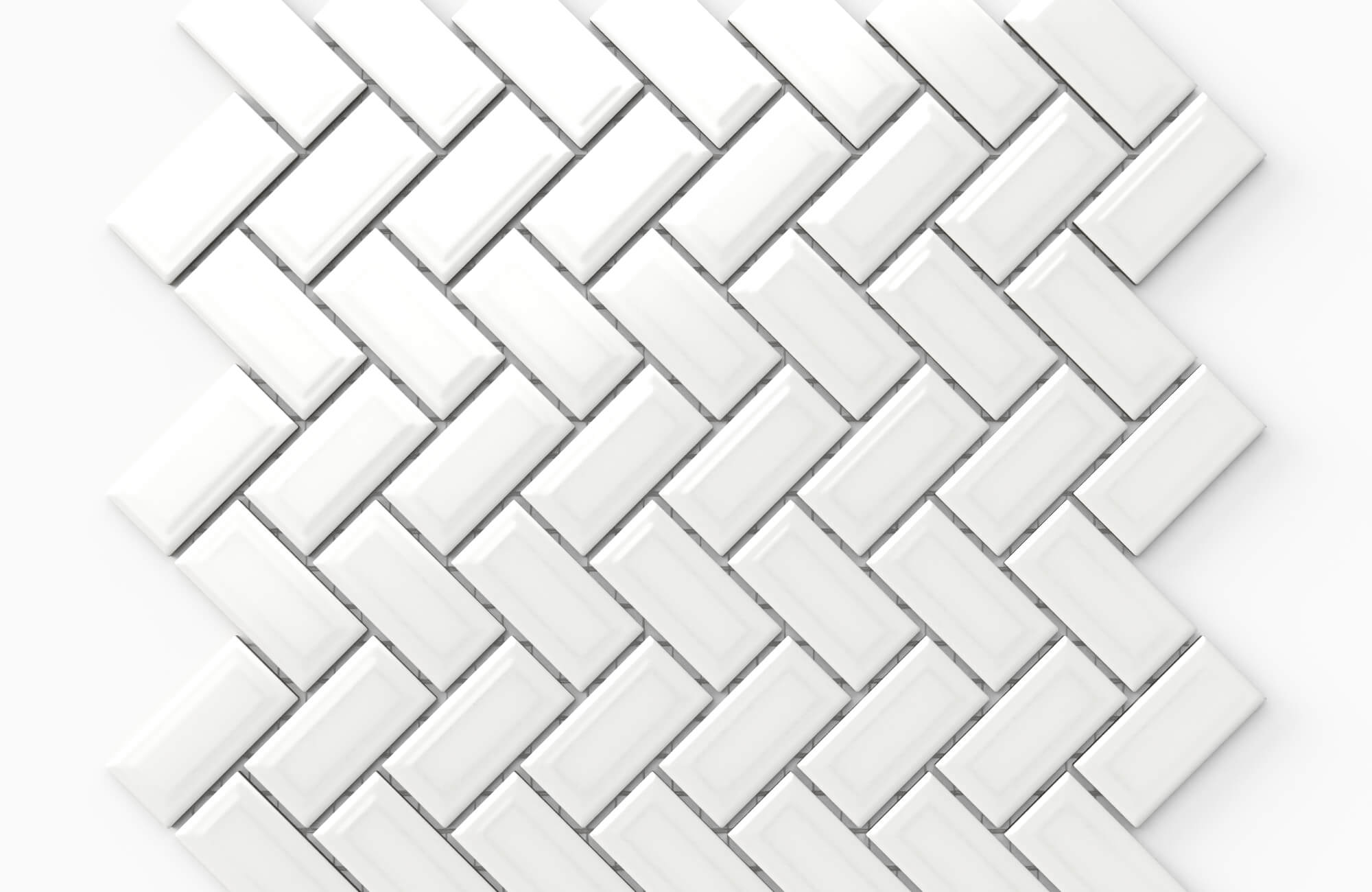
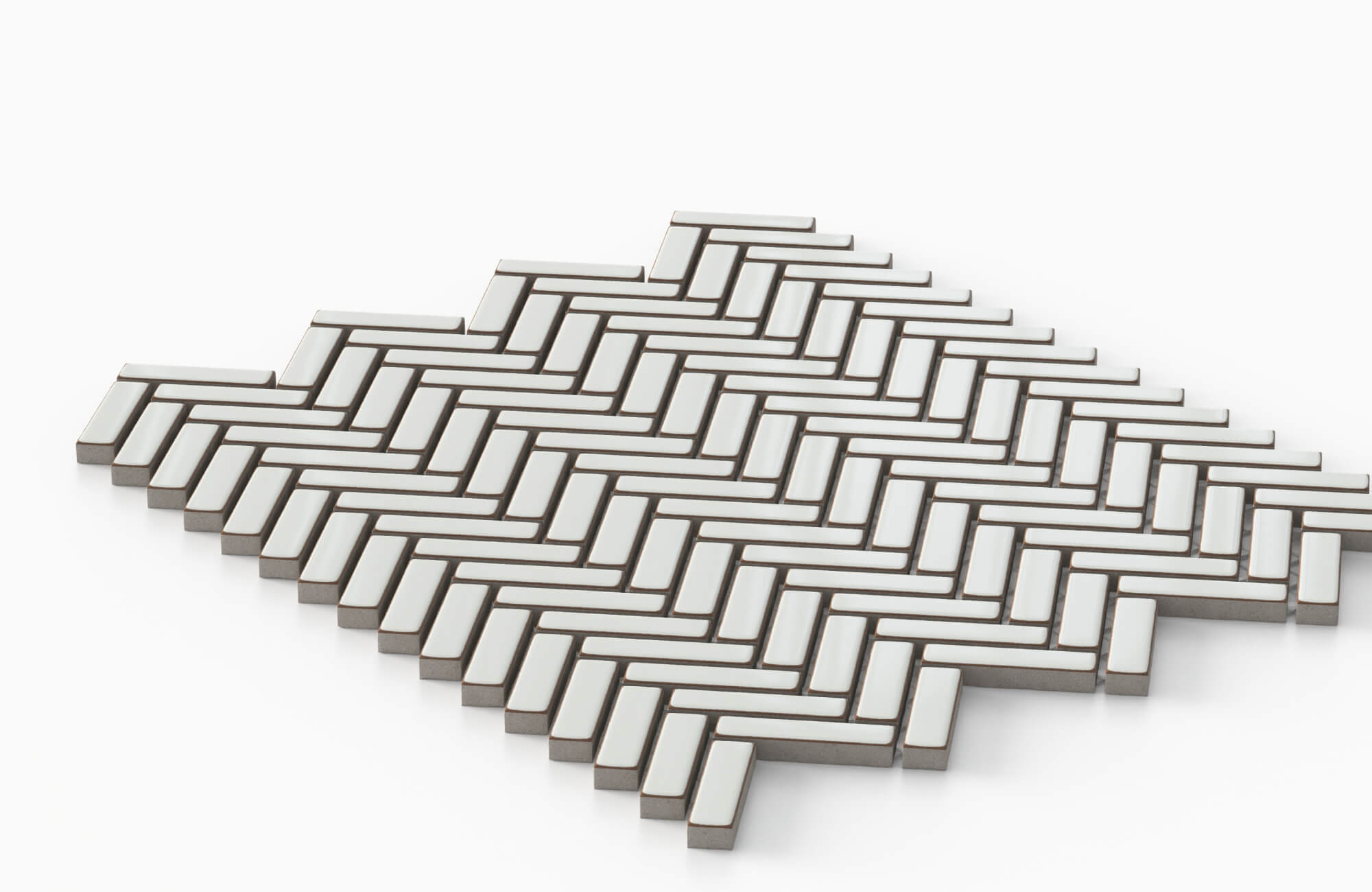
When paired with narrow, color-matched grout lines, they also produce seamless surfaces that emphasize the pattern’s geometry rather than its joints. Their combination of resilience and design adaptability makes porcelain and ceramic ideal for long-lasting, visually cohesive installations. For example, Edward Martin’s Maggie 12x12 Glossy Porcelain Herringbone Mosaic Tile in Off White, as shown in the photo above, exemplifies this versatility. Its durable glazed finish minimizes the need for sealing while maintaining a luminous, clean aesthetic suited for both floors and walls.
Natural Stone and Luxury Materials
Natural stone tiles such as marble, travertine, and limestone bring organic depth and individuality to herringbone compositions. Each piece carries subtle veining and tone variations, creating natural rhythm within the structured layout. These materials, however, require skilled handling and regular sealing to maintain their surface integrity and prevent staining. When illuminated by soft lighting, their reflective qualities emphasize movement across the surface, enhancing the visual texture of the design. Designers also often choose polished marble for luxury interiors or honed finishes for understated sophistication. In any context, the tactile authenticity of stone elevates herringbone patterns from decorative feature to architectural statement.
Alternative Surfaces and Innovations
Recent advancements have expanded herringbone applications through innovative materials that balance realism and performance. For example, luxury vinyl tile (LVT) offers the warmth of wood with resilience against moisture, making it perfect for kitchens and bathrooms. On the other hand, glass mosaics add depth and luminosity, introducing an element of reflection ideal for accent walls. Meanwhile, cement look porcelain provides an industrial aesthetic that contrasts beautifully with the pattern’s refined geometry. Many of these materials incorporate anti-slip coatings and high PEI ratings, ensuring both safety and durability. The variety of modern alternatives allows designers to achieve the aesthetic richness of traditional herringbone while meeting contemporary performance standards.
Precision Installation and Layout Techniques
Installing herringbone tiles demands more than accuracy—it requires foresight, craftsmanship, and an understanding of geometry. Every detail, from surface preparation to grout alignment, contributes to the seamless flow that defines a flawless layout. For best results, professional installation is highly recommended, as experienced tile setters ensure precise pattern alignment and long-term durability.
Substrate Preparation
A level, stable substrate is essential to maintaining uniformity across the herringbone pattern. Even minor irregularities can disrupt alignment, so installers first apply self-leveling compounds to correct uneven surfaces and ensure full contact. Once leveled, an uncoupling membrane is often added to absorb movement and prevent cracking, particularly across expansive floor areas. Maintaining clean, dry conditions then supports optimal adhesive performance, allowing tiles to bond evenly across the field. Throughout the process, temperature and humidity are carefully monitored to prevent premature curing or warping. With every layer meticulously prepared, the installation achieves both structural integrity and long-term resilience.
Layout and Alignment
Proper layout planning ensures that the herringbone pattern flows harmoniously through the space. Installers begin by establishing a central reference line and performing a dry layout to confirm symmetry and alignment with architectural features. Using laser levels and spacing clips, they maintain consistent joints and precise 45- or 90-degree intersections. Balanced edge cuts at walls and thresholds also prevent visual disruption and preserve proportion. For large spaces, maintaining pattern continuity through doorways or adjoining rooms enhances cohesion. Through measured precision and consistency, the layout transforms from a technical process into a statement of craftsmanship.
Adhesives and Grouting
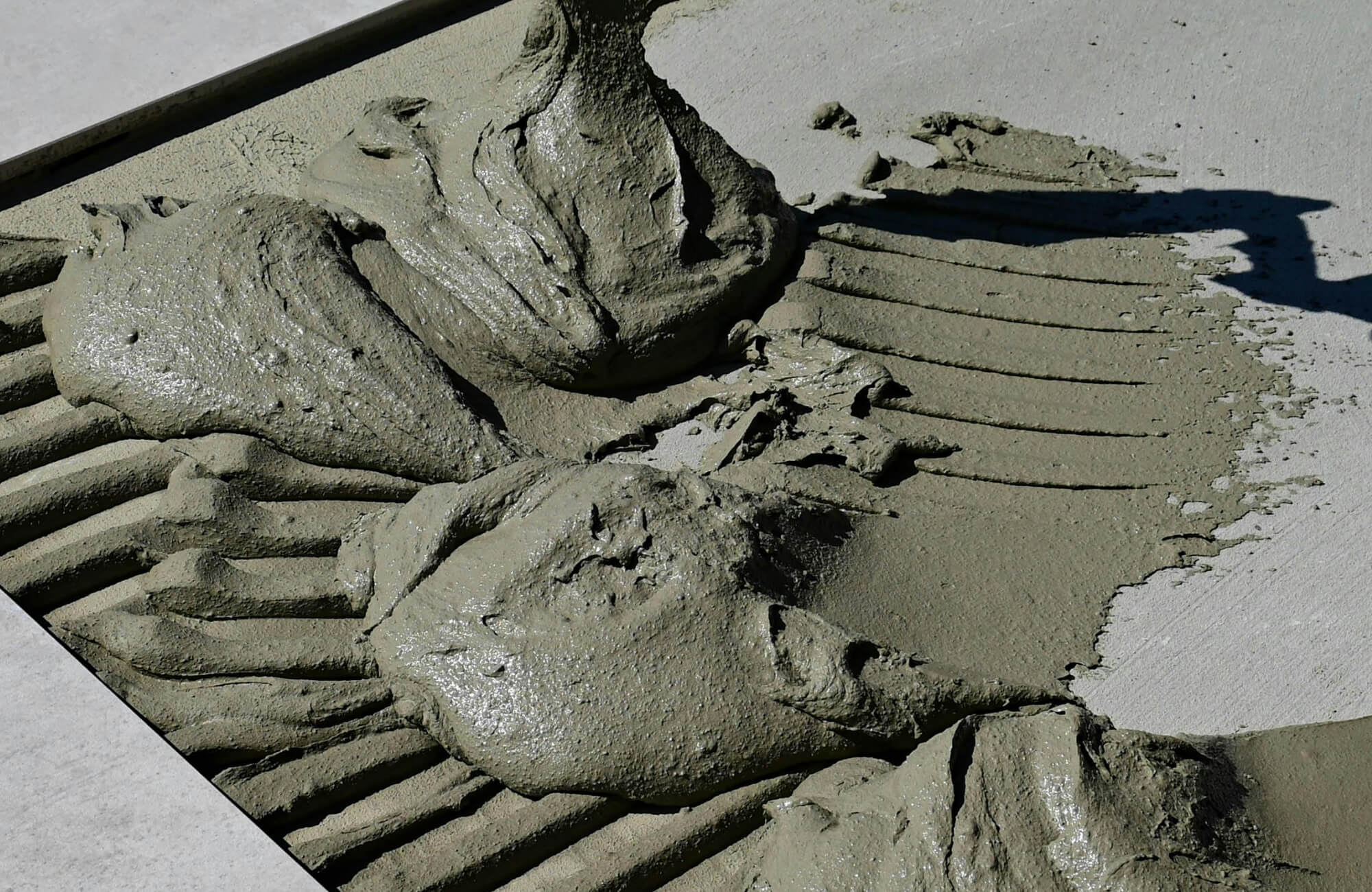
The adhesive system and grouting method play a crucial role in defining both the durability and visual finish of herringbone installations. To ensure lasting strength, polymer-modified thinset mortars provide superior adhesion while accommodating slight substrate movement. In wet or high-use areas, epoxy grout also offers exceptional resistance to stains and moisture, maintaining the pattern’s pristine look. For finer joints, unsanded grout delivers a smooth, refined surface, while sanded formulations enhance durability across wider gaps. Before grouting, pre-sealing porous materials helps prevent discoloration and simplifies cleanup. When properly cured and sealed, the combined precision of adhesive and grout work preserves the pattern’s crisp geometry and enduring elegance for years to come.
Design Strategies and Spatial Applications
Herringbone patterns are not only technical marvels—they are design tools that shape perception, balance, and flow within a space. By adjusting orientation, material, and tone, designers can achieve both subtle harmony and bold contrast with equal effectiveness.
Flooring Applications
On flooring, herringbone tiles introduce a sense of rhythm and continuity that naturally guides the eye through a space. When laid diagonally, the pattern expands visual width, making it ideal for compact corridors or entryways. In contrast, straight alignments emphasize linear flow, bringing structure and calm to larger, open areas. The interplay of matte finishes and warm neutrals also fosters an inviting, organic ambiance, while polished surfaces amplify brightness and sophistication. To further define the pattern, designers may opt for contrasting grout that accentuates its geometry or tone-matched joints for subtle elegance. When thoughtfully balanced, a herringbone floor becomes both the foundation and focal point of a cohesive interior composition.
Wall and Vertical Installations
Vertically installed herringbone tiles create a sense of visual ascent, drawing the eye upward to enhance the perception of ceiling height and openness. On kitchen backsplashes, the pattern introduces tactile contrast that complements cabinetry and countertops. Moreover, gloss-finished ceramics amplify reflected light, while satin and honed surfaces diffuse it for a softer, more contemporary tone. Subtle variations in tile size or color gradient can further enrich depth without overwhelming adjacent materials.
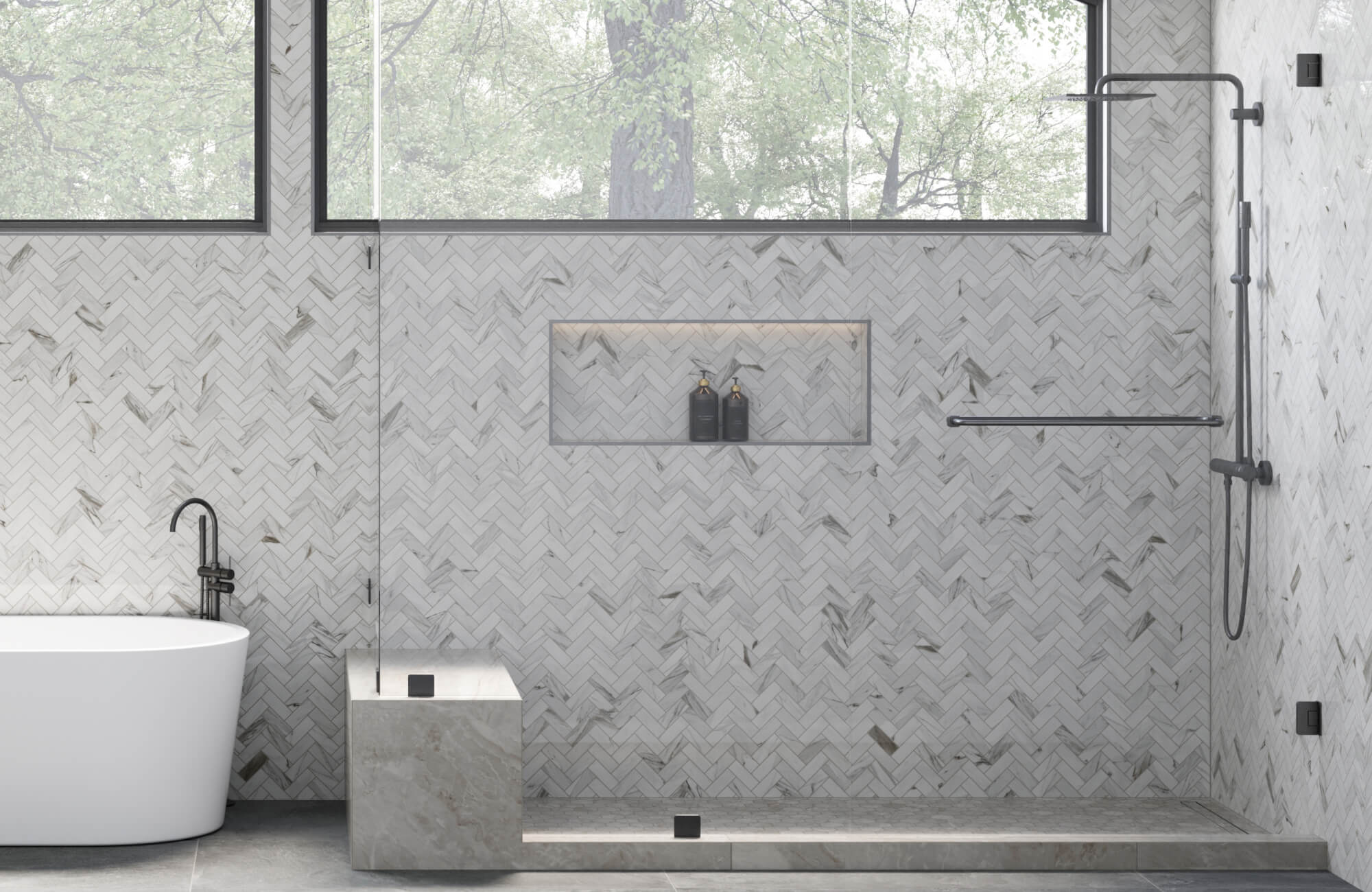
When paired with integrated LED lighting, the pattern’s angular geometry comes alive—highlighting texture, shadow, and the play of light across the surface. Through thoughtful proportion and finish selection, herringbone walls evolve from simple surfaces into expressive architectural statements. As displayed in the picture above, the Chantel 12x15 Polished Porcelain Herringbone Mosaic Tile in Apuano beautifully captures this effect: its marble-inspired veining and high-gloss finish elevate bathroom interiors with a serene, spa-like sophistication, reflecting natural light to create a luminous and calming sense of modern luxury.
Accent Zones and Decorative Integration
Herringbone patterns excel at defining focal points where design and craftsmanship converge. They can frame a fireplace, highlight a shower niche, or create graceful transitions between materials such as hardwood and tile. Within a unified palette, subtle color shifts or mixed finishes add dimension while preserving visual harmony. Mosaic inserts and border trims further articulate these transitions, lending structure and intent to open layouts. Designers often surround herringbone details with neutral finishes, allowing the geometry to stand out with understated confidence. Through these accent zones, the pattern bridges form and function, enhancing spatial depth without introducing visual clutter.
Edward Martin’s innovative augmented reality (AR) Tool allows users to visualize herringbone tile patterns directly within their own spaces, experimenting with scale, orientation, and material in real time. By blending design precision with digital interactivity, it transforms the planning process into an immersive, confidence-building experience that bridges inspiration and execution.
Aesthetic Balance and Visual Harmony
Achieving visual balance within a herringbone composition requires thoughtful coordination of color, texture, and light. Each element interacts fluidly, shaping how the space feels and how its architectural rhythm is perceived.
Color Coordination
Color serves as the foundation of visual harmony in herringbone tile design. Light tones, such as white, light gray, and beige, reflect natural light, creating a sense of openness and calm. Darker shades like gray or brown establish contrast and definition, grounding the composition. Subtle grout variations either highlight or mute the geometry, allowing designers to control the level of visual emphasis.
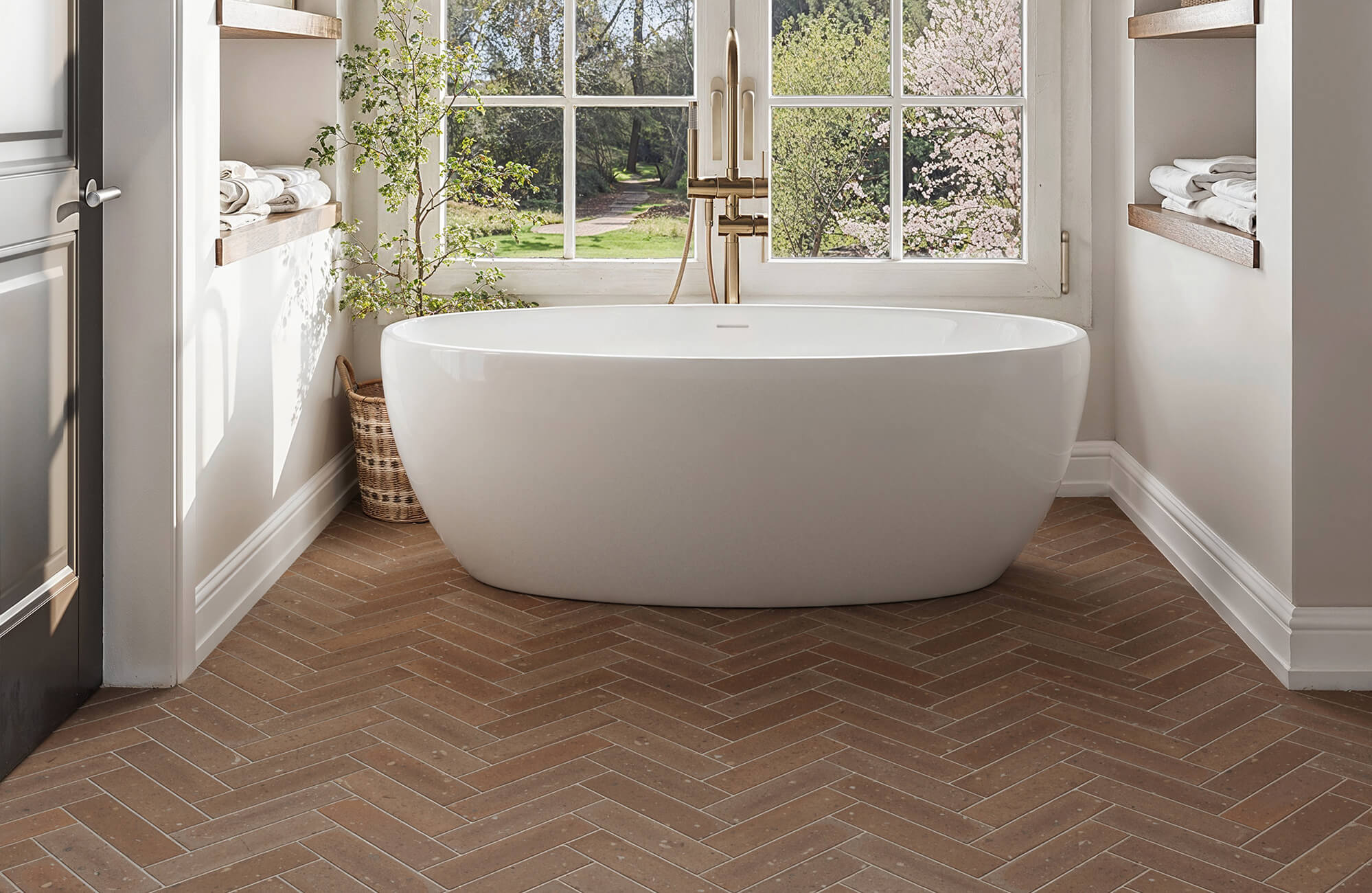
Blending warm and cool undertones enhances depth, particularly when paired with layered lighting. Through precise color balance, the herringbone pattern becomes both a structural and emotional component of interior design. Our Marsden 3x10 Matte Ceramic Tile in Almond, as featured in the photo above, exemplifies this harmony. Its warm brown tone and soft matte surface create an inviting contrast against light walls and white fixtures, adding organic warmth that complements natural light and softens the overall look of the bathroom with timeless, earthy sophistication.
Texture and Light Interaction
Surface finish directly shapes how light interacts with the herringbone pattern, subtly influencing the mood and atmosphere of a space. For instance, polished tiles amplify brightness and clarity, while matte or honed surfaces gently diffuse light for a softer, more organic effect. When paired with directional lighting, the pattern’s angles come alive, casting delicate shadows that reveal depth and movement. This interplay of reflection and absorption also allows designers to craft interiors that feel either expansive or intimate. Under natural daylight, tonal variations within stone or wood look tiles shift throughout the day, enriching the visual texture. Together, texture and light form a dynamic dialogue that gives herringbone installations a living quality—one that evolves with time and perspective.
Maintenance, Durability, and Longevity
The longevity of herringbone installations depends on consistent maintenance and respect for material properties. Proper care and following the manufacturer’s cleaning guidelines preserve both structural integrity and aesthetic detail, ensuring the pattern remains as striking as the day it was installed.
Cleaning and Preservation
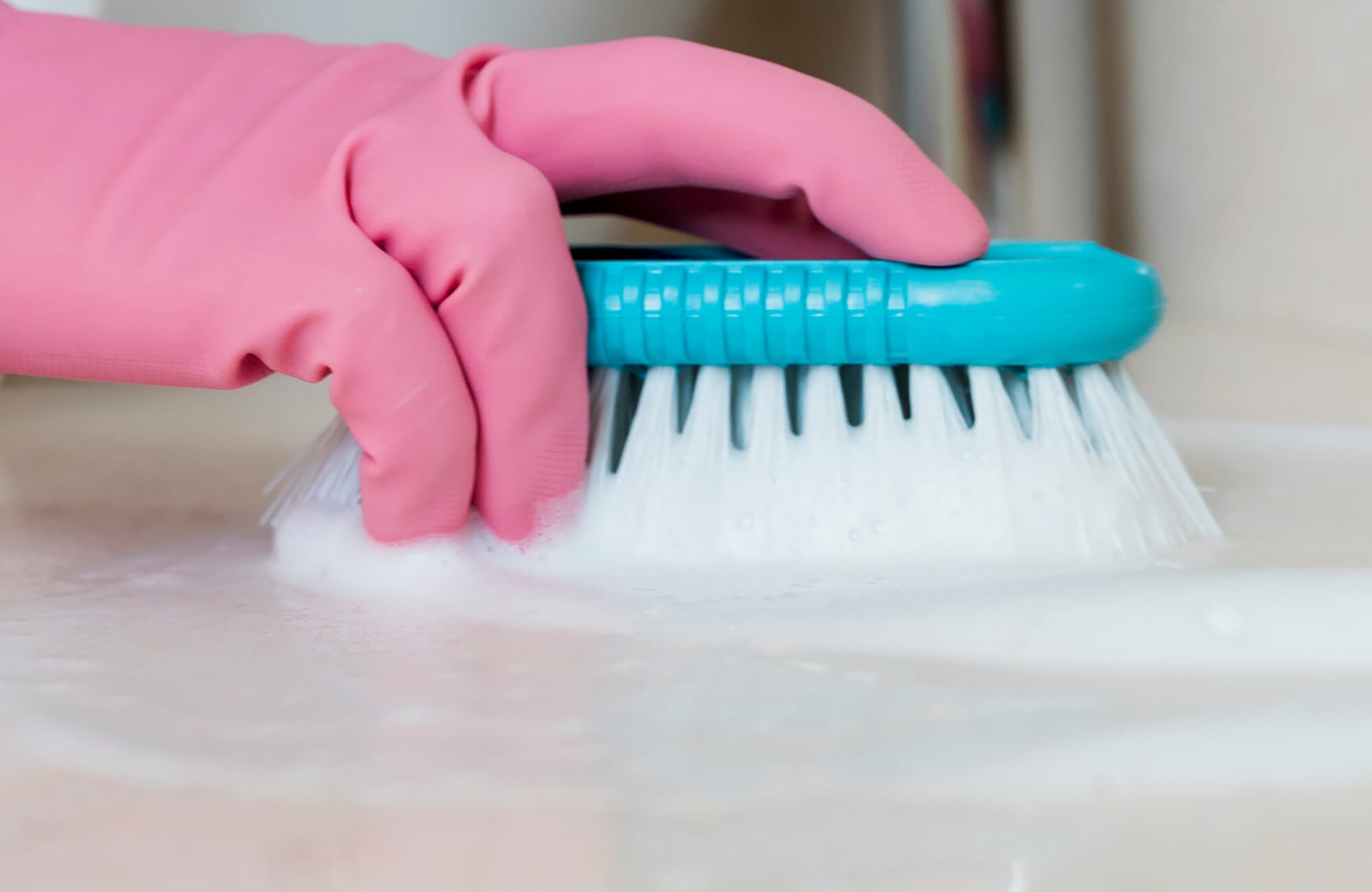
Regular cleaning with pH-neutral solutions helps preserve surface clarity without damaging finishes or grout. Porcelain and ceramic tiles, in particular, demand minimal upkeep—requiring only light maintenance to preserve their natural sheen. In contrast, natural stone benefits from periodic sealing to guard against etching and moisture absorption. Using gentle tools such as microfiber mops and soft sponges further prevents abrasion while protecting grout joints. Steering clear of acidic cleaners also safeguards surface polish and coloration. With consistent, mindful care, herringbone installations retain their refined beauty and structural integrity for years to come.
Long-Term Durability
Durability begins with expert installation and continues through thoughtful, consistent care. Built on interlocking geometry, the herringbone pattern naturally distributes stress across its surface, minimizing wear and extending longevity even in high-use areas. Over time, regular inspections of grout lines and timely resealing also become essential, preventing water ingress and surface staining that could compromise the design’s integrity. For natural materials, applying breathable sealants further preserves vapor balance, adding protection without trapping moisture. When these practices work in harmony, herringbone installations can endure for decades, retaining both alignment and finish quality. This enduring resilience underscores why the pattern remains one of the most technically sound and visually timeless choices in design history.
Timeless Craftsmanship and Lasting Design
The herringbone pattern continues to define excellence in tile craftsmanship, uniting geometry, precision, and artistry into one cohesive design language. Its adaptability across materials, from porcelain and marble to luxury vinyl and glass, ensures it remains relevant in both classic and contemporary interiors. Beyond its aesthetic appeal, the pattern’s interlocking structure also enhances surface stability and wear resistance, proving that beauty and performance coexist effortlessly. Designers and homeowners alike value its ability to transform simple surfaces into architectural focal points rich in rhythm and refinement. Ultimately, the herringbone pattern endures as a timeless expression of balance, craftsmanship, and enduring design innovation.
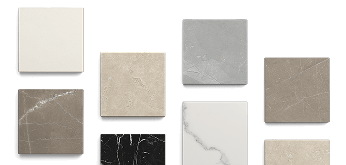
To help bring your vision to life, Edward Martin offers tile samples that let you experience the texture, color, and quality firsthand. Ordering a sample allows you to see how your chosen herringbone design interacts with light, materials, and surrounding finishes, ensuring confidence in every selection!
Follow us on Instagram
@EDWARD.MARTIN
)
)
)
)
)
)
)
)
)
)
)
)
)
)
)
)