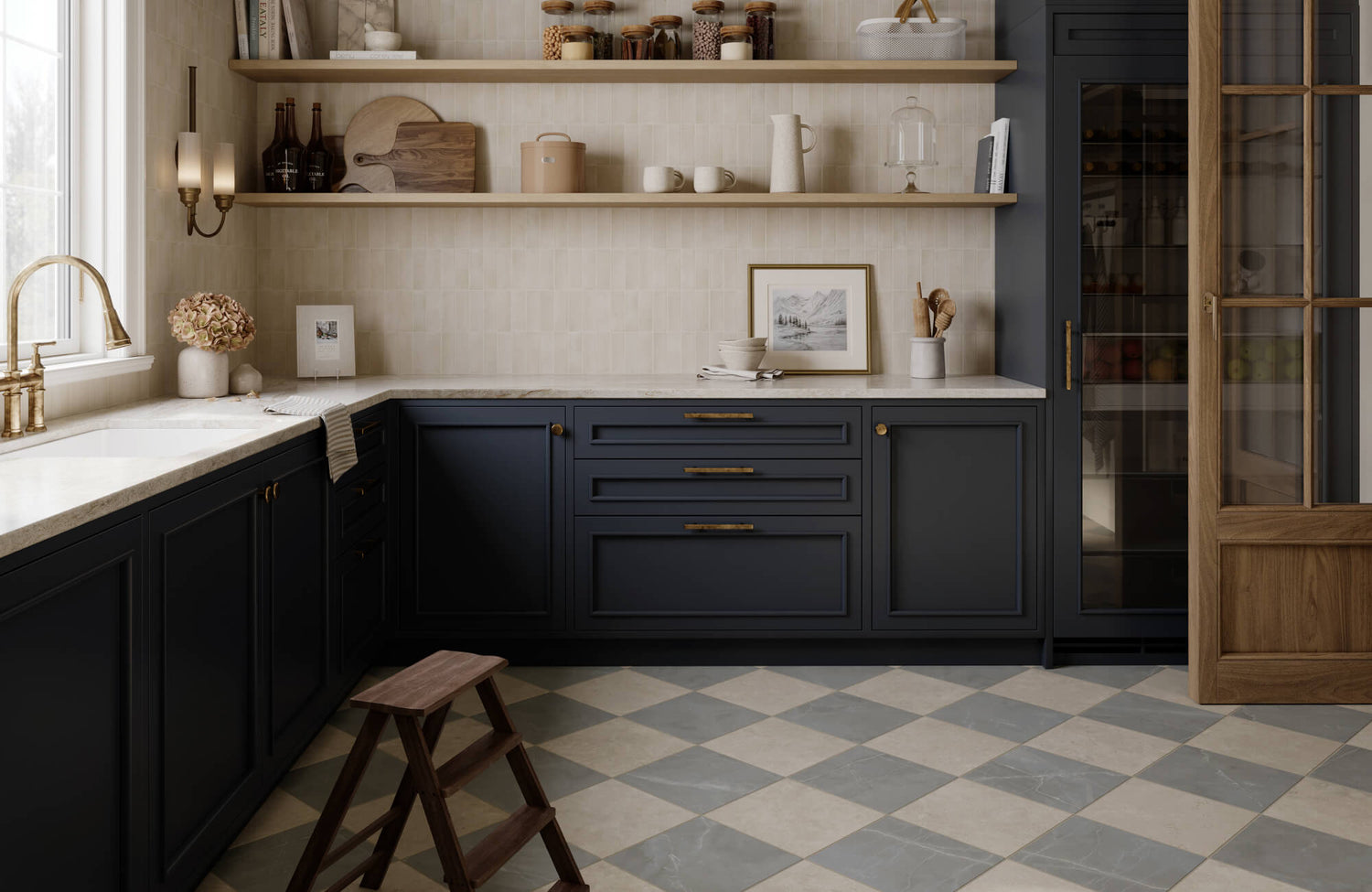
The kitchen is the heart of the home, and its surfaces set the tone for both style and functionality. Choosing the best kitchen tiles is not merely about aesthetics—it is about selecting materials that can gracefully endure years of cooking, entertaining, and daily living. From moisture-resistant porcelain that mimics the elegance of marble to handcrafted cement tiles that infuse artisanal charm, today’s options combine beauty with exceptional performance. Advances in material technology have also opened a world of design possibilities, offering textures, finishes, and patterns to suit every taste and layout. By selecting kitchen tiles that balance timeless design with durability, you create a space that is as enduring as it is inspiring.

Porcelain Tiles
Porcelain tiles combine exceptional durability with moisture resistance, making them a trusted choice for high-demand kitchen environments. Their ability to emulate the elegance of wood, stone, or concrete while maintaining unmatched strength ensures they complement a wide variety of interior styles. With professional installation and proper maintenance, porcelain’s performance and beauty are preserved for decades, making it a true long-term investment for the kitchen.
Material Composition and Manufacturing
Made from refined kaolin clay, feldspar, and silica, porcelain tiles undergo firing at temperatures exceeding 1,200°C until they reach full vitrification. This intense process produces an ultra-dense, low-porosity surface with a water absorption rate of less than 0.5%, which is vital for kitchens prone to spills and steam. Moreover, precision manufacturing ensures consistent sizing, which allows for tight grout joints that both improve hygiene and create a polished appearance.
Thanks to modern inkjet printing technology, porcelain tiles can now replicate the look of marble veining, aged wood grain, or industrial concrete with striking realism. Their dense composition also enhances impact resistance, helping them withstand the occasional dropped pot or pan. With these combined attributes, porcelain stands as a material that offers both long-term functionality and enduring style.
Edward Martin’s Catalina 7x8 Hexagon Matte Porcelain Tile in Clay, as displayed in the picture above, beautifully illustrates this balance. This tile delivers a warm, earthy foundation with its matte surface and natural slip resistance, making it perfect for busy kitchen floors. Complementing it on the backsplash, the Catalina 2x16 Matte Porcelain Tile in Clay arranged in a herringbone pattern highlights porcelain’s versatility, pairing timeless durability with artisanal visual appeal. Together, they demonstrate how technical excellence and refined design come together to elevate both function and style in the heart of the home.
Surface Finishes and Applications
The versatility of porcelain is evident in its broad range of finishes, each offering unique performance benefits. For instance, matte finishes provide excellent slip resistance, an important feature in moisture-prone kitchens where safety is paramount. In contrast, polished porcelain offers a reflective surface that enhances brightness, making smaller kitchens appear more spacious and airy. Textured options go a step further, delivering tactile grip while authentically reproducing the feel of natural stone or hardwood planks. The inherent strength of porcelain also means it is equally suitable for floors, walls, and even heavy-use worktops, seamlessly adapting to varied design needs. As a result, it transitions effortlessly between modern, industrial, or classic kitchen schemes without losing its performance edge.
Performance and Maintenance
With a Mohs hardness rating of 7–8, porcelain tiles stand up to scratches from sliding chairs, dropped utensils, and daily wear. Their dense, non-porous surface naturally repels stains from coffee, wine, and cooking oils, making cleanup as simple as a wipe with a mild pH-neutral cleaner. Thermal stability also allows these tiles to integrate seamlessly with underfloor heating systems, offering comfort without risking warping or cracking. Even in kitchens with heavy appliances or frequent gatherings, porcelain maintains its integrity under significant weight and use. Because upkeep is minimal, long-term costs remain low while the tiles’ aesthetic remains consistent. Together, these qualities explain why porcelain continues to be a top choice for homeowners who value both design and durability.

Ceramic Tiles
Ceramic tiles offer an accessible way to introduce color, texture, and personality into the kitchen without compromising on functional performance. While they may not match porcelain in density, their adaptability and range of design choices make them an enduring favorite for walls, backsplashes, and frequently used floors. Ensuring professional installation and routine care not only protects their surface but also allows ceramic tiles to showcase their style and versatility for many years.
Material Properties and Production
Formed from natural clay combined with minerals and water, ceramic tiles are fired at slightly lower temperatures than porcelain, creating a lighter, more workable material. This composition leads to porosity, but a protective glaze layer effectively seals the surface against moisture and stains. In addition, the reduced weight makes ceramic easier to handle and install, which is particularly beneficial for vertical applications like walls and backsplashes. Available in a variety of sizes, from small mosaics to large format slabs, they also allow for tailored layouts that fit both compact and open kitchen spaces. Digital printing technology further expands their potential, enabling ceramic tiles to convincingly replicate natural stone, timber, or artisanal patterns at a fraction of the cost.
As shown in the photo above, our Lilah 6x6 Glossy Ceramic Tile in Mist exemplifies this artistry with a zellige-inspired surface that reflects centuries of Moroccan influence. From the historic palaces of Marrakesh to today’s homes, its soft taupe tones reveal subtle shifts of creamy whites, light grays, and earthy undertones, enriched by a luminous water-like glaze. This handcrafted look introduces depth and cultural richness, while the glossy finish brightens walls by reflecting light to create an airy, inviting atmosphere. Compact in format yet expressive in detail, it is versatile not only for kitchen backsplashes and accent walls but also for showers and bathrooms, balancing timeless beauty with modern durability. Expertly produced in Brazil, this Lilah tile transforms functional surfaces into decorative statements, merging tradition with everyday performance. This combination of beauty and practicality ensures ceramic tiles remain a viable choice for both budget-friendly renovations and design-driven projects.
Glaze Protection and Hygiene
The application of a glazed finish transforms ceramic tiles into highly functional, low-maintenance surfaces. This smooth, glass-like coating not only prevents staining from sauces, oils, and other common kitchen spills but also inhibits moisture absorption, reducing the likelihood of mold or bacterial growth. Glazes can be produced in glossy finishes for a polished look, satin for a soft sheen, or matte for a more contemporary, understated aesthetic. By sealing decorative patterns beneath the glaze, manufacturers ensure they remain vibrant even after years of sunlight exposure. This protective barrier also allows ceramic tiles to maintain both their beauty and their hygiene in the face of daily cooking activities. Consequently, they provide a reliable, attractive option for kitchens that require frequent cleaning without sacrificing style.
Enhanced Design Possibilities
Rectified ceramic tiles, cut precisely after firing, make it possible to create narrow grout joints for a seamless, high-end appearance. Reduced grout lines mean less dirt accumulation, improving cleanliness in spaces where hygiene is a priority. Designers also use ceramic’s lightweight nature to experiment with creative arrangements such as herringbone, chevron, or basket weave patterns. Moreover, textured ceramic wall tiles can add dimension and depth to backsplashes, creating a tactile point of interest in the kitchen. Because they are easy to cut and shape, ceramic tiles adapt well to custom installations and non-standard layouts. This design flexibility ensures they remain a versatile solution for homeowners who want a kitchen that reflects their personality.
To make the most of ceramic tile’s vast design possibilities, Edward Martin offers an innovative augmented reality (AR) tool that allows homeowners to preview tiles within their own kitchens before making a commitment. By simply uploading a photo of the space, you can instantly visualize how different ceramic colors, finishes, and patterns will look in real time. This interactive feature removes uncertainty, helping you compare options and refine layouts with confidence.

Natural Stone Tiles
Natural stone tiles bring authenticity, texture, and timeless elegance to kitchen spaces, offering each homeowner a surface that is truly unique. With proper sealing and maintenance, these materials combine durability with a level of visual richness unmatched by man-made alternatives.
Granite for Impact Resistance
Renowned for its exceptional compressive strength, often exceeding 200 MPa, granite is nearly impervious to the demands of a busy kitchen. Its crystalline mineral structure creates subtle sparkle and depth, enhancing the surface’s visual appeal under both natural and artificial light. Naturally resistant to heat and scratches, granite also performs well in areas near cooktops or ovens. A penetrating sealer helps safeguard against staining from oils, wine, and acidic ingredients. The range of available colors and grain patterns means granite can complement sleek modern designs or more traditional kitchens with equal ease. When maintained correctly, granite offers a lifetime of service without losing its elegance.
Marble for Classic Elegance
Marble’s signature veining and luminous surface lend a classic, upscale presence to any kitchen, instantly elevating its design. While its calcite composition makes it more vulnerable to etching from acidic foods, this concern is easily minimized with proper sealing, allowing the stone to maintain its beauty over time. Finish options also add versatility—honed marble provides a matte, slip-resistant texture ideal for busy areas, while polished marble enhances light reflection for a glamorous, high-end effect. Because every slab reveals unique veining, each installation feels distinct, bringing a sense of exclusivity and artistry to the space. This natural variation, paired with its timeless elegance, ensures marble creates a lasting design statement whether used on floors, countertops, or accent walls. For homeowners willing to embrace occasional maintenance, it remains one of the most luxurious and rewarding materials available.
Slate and Travertine for Rustic Warmth
Slate tiles, with their naturally cleft texture, deliver exceptional slip resistance and a tactile, organic quality. Their deep, earthy tones create a grounded and welcoming atmosphere, well-suited to rustic or country-style kitchens. On the other hand, travertine offers warm, sandy hues and distinctive pitting that evoke Mediterranean charm. Both materials require sealing to prevent absorption of spills and kitchen grease, but the result is a surface that retains its character over time. Their unique textural variations also provide visual depth and interest that polished surfaces often lack. These stones are perfect for homeowners seeking a balance of natural beauty, safety, and authenticity.

Glass Tiles
Glass tiles have a natural ability to enhance brightness and add dimension, making kitchens feel larger and more open. Their non-porous surfaces make them one of the most hygienic choices for high-splash zones.
Composition and Structural Benefits
Formed from molten silica and mineral additives, glass tiles are cooled into dense, impermeable surfaces that resist moisture, staining, and bacterial growth. This makes them an ideal choice for backsplashes behind sinks or stovetops, where splashes are frequent. Because they do not absorb odors or discolor over time, glass maintains its clarity and vibrancy for years. Despite being lightweight, glass is also remarkably durable and capable of withstanding the demands of a busy kitchen. The reflective qualities of the material naturally enhance both natural and artificial light, creating an airy, welcoming environment. This combination of practical and aesthetic benefits makes glass a standout material in modern kitchen design.
Design Versatility
Glass tiles are available in an impressive variety of colors, shapes, and finishes, allowing for highly personalized kitchen designs. Options range from translucent and frosted to iridescent, each producing a distinct visual effect. Mosaics, for example, can be arranged into complex patterns or subtle gradients, while large format panels provide a smooth, uninterrupted surface for a sleek look. Color-backed glass also ensures consistent tones that remain vibrant even when exposed to direct light. Moreover, textured finishes, such as ripples or beveled edges, add depth and tactile interest. This adaptability allows glass tiles to integrate seamlessly into minimalist, contemporary, or artistic kitchen concepts.
Installation and Maintenance Considerations
Because glass can be translucent, installation requires careful precision to prevent adhesive marks from showing through, particularly with lighter shades. To achieve a clean, uniform look, skilled installers typically rely on thinset mortars designed for glass applications. Although the glass surface itself resists stains with ease, the surrounding grout lines are more vulnerable, which is why epoxy grout is often preferred for its durability and water resistance. Day-to-day upkeep is equally straightforward—non-abrasive cleaners preserve the tile’s clarity and prevent scratching, ensuring its reflective quality endures. With professional installation and maintenance, glass backsplashes maintain their brilliance for years, combining long-lasting practicality with striking decorative impact.

Cement Tiles
Cement tiles blend handcrafted artistry with robust performance, offering a distinctive option for kitchens that value both creativity and durability. Their matte surface and vivid patterns bring warmth and individuality to the heart of the home.
Manufacturing Process and Durability
Each cement tile is handmade using hydraulic presses that compress pigmented cement into dense, durable forms. Because the patterns are embedded into the tile body, they resist fading even under heavy use. Without a glaze, the surface also retains a natural texture that enhances slip resistance while still looking refined. In addition, their considerable thickness adds to their stability and impact resistance, ensuring longevity. Many cement tiles are made using eco-conscious materials, appealing to sustainability-focused homeowners. This fusion of artistry and strength makes them both a design feature and a functional investment.
Thermal and Slip-Resistance Benefits
Cement tiles have high thermal mass, allowing them to absorb and slowly release heat, helping to stabilize kitchen temperatures. Their textured surface provides natural slip resistance, making them a safe choice in cooking areas where spills occur. This safety advantage is especially valuable in homes with children or elderly residents. Additionally, they perform well in both warm and cool climates, adapting easily to seasonal changes. Compatibility with underfloor heating systems also adds comfort during colder months. These qualities make cement tiles a blend of safety, practicality, and design impact.
Protection and Longevity
Although naturally porous, cement tiles can be made highly stain-resistant with the application of a penetrating sealer. Sealing enhances the depth and richness of their colors, making patterns more striking. Over time, they develop a gentle patina that adds character without reducing structural integrity. Regular resealing also maintains their resistance to moisture and wear, ensuring they withstand the test of time. With proper care, they can last for decades, making them a long-term investment in both style and functionality. Their enduring charm ensures they remain a conversation piece in any kitchen.
Creating a Kitchen Space of Enduring Beauty
A thoughtfully chosen kitchen tile transforms more than just the floor or walls—it elevates the entire atmosphere of the space. From the enduring resilience of porcelain to the luminous sophistication of glass, each material offers its own balance of beauty and function. Whether your vision leans toward the organic elegance of natural stone or the bold artistry of patterned cement, the right tile becomes a lasting investment in both style and performance. With a perfect blend of design appeal and long-term durability, your kitchen can remain a source of inspiration for years to come.
To help bring these design visions to life, Edward Martin makes it easy to experience tiles firsthand with sample requests. Holding a tile in your hands allows you to see its true color, feel its texture, and assess how it interacts with the light and finishes in your kitchen. By combining the convenience of sample requests with expert guidance, Edward Martin empowers homeowners to create kitchens that are both beautiful and enduring!