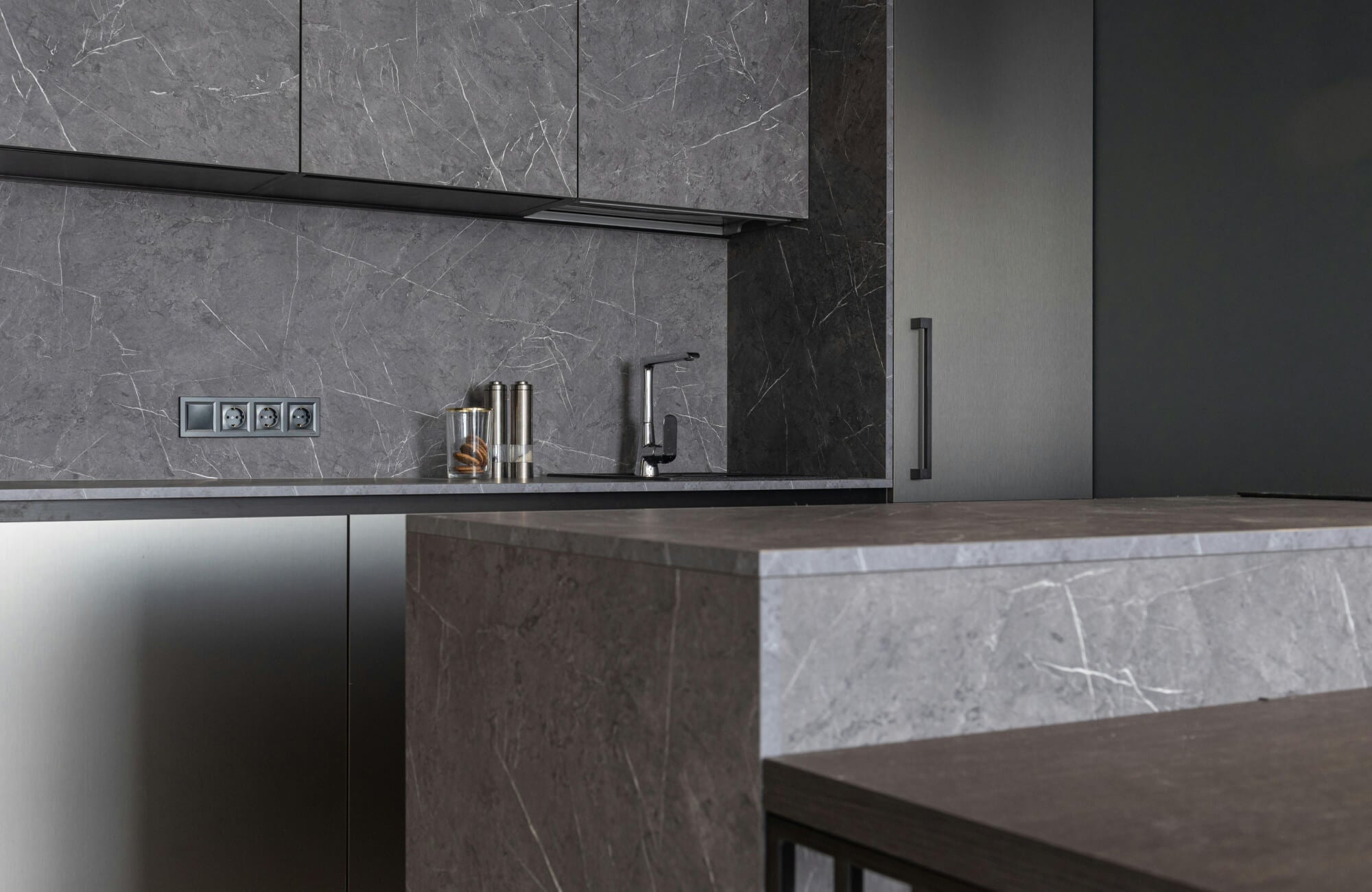
Wood look tiles bring the warmth of hardwood into your space while offering the durability and easy upkeep that tile is known for. Because they are designed to handle moisture and daily use, they often feel like a straightforward choice, but questions about sealing tend to come up once you start planning. The answer is not always the same, since it depends on the tile material, where it is installed, and how the space is used over time. In this blog, we’ll walk through when sealing is actually needed, what options are available, and how to keep your wood look tiles looking consistent and well-maintained.

What Wood Look Tiles Are Made Of and Why It Matters
Before deciding whether sealing is necessary, it helps to understand what wood look tiles are made of and how those materials behave over time. Although they replicate the look of natural wood, their composition is very different, which affects how they handle moisture, wear, and daily use. Below, we’ll take a closer look at the key materials and finishes that influence whether sealing is needed in your space.
Porcelain Wood Look Tiles
Porcelain wood look tiles are known for their density and low water absorption, which makes them one of the most durable options available. They are manufactured using refined clay and fired at high temperatures, resulting in a surface that resists moisture, stains, and everyday wear. Because of this, sealing is generally not required for the tile itself, even in areas like kitchens, bathrooms, or entryways. This makes them a practical choice for homeowners who want a low-maintenance flooring solution that still feels elevated. Options like our Jameson 8x48 Matte Porcelain Tile in Camel reflect this balance, offering a natural wood-inspired look while holding up well in moisture-prone environments. Over time, their resilience helps maintain a consistent appearance without the added step of sealing the tile surface.
Ceramic Wood Look Tiles
Ceramic wood look tiles offer a similar visual appeal but differ slightly in structure and use. While they are also finished with a protective glaze that resists moisture, they are less dense than porcelain, which makes them more suitable for walls or lower-impact areas. Because of this, they are often used for backsplashes, accent walls, or decorative applications where durability is still important but heavy impact is less of a concern. Their lighter composition can make installation more manageable, especially in vertical applications. For example, our Zayne 12x36 Matte Ceramic Tile in Slat, as shown above, introduces a textured wood-inspired look that works well in spaces where visual detail matters. To get the most out of ceramic tiles, it is still important to confirm product specifications and intended use before installation.
The Role of Glaze in Tile Protection
Beyond the base material, the glaze applied to wood look tiles plays a key role in how they perform over time. This surface layer acts as a barrier that helps protect against moisture, stains, and everyday wear, which is why most glazed tiles do not require sealing. It also enhances the color and texture of the tile, allowing it to better mimic the natural variation found in real wood. Because the glaze sits on the surface, it simplifies cleaning and helps maintain a consistent appearance even in frequently used areas. However, while the tile itself is protected, grout lines remain more porous and can still benefit from sealing, especially in moisture-prone spaces. Taking this into account helps ensure the entire installation stays well-protected, not just the tile surface.

Deciding Whether to Seal or Not
Sealing is not always necessary for wood look tiles, but certain conditions can make it a smart addition. The decision often comes down to how the tile is used, where it is installed, and how much exposure it has to moisture and daily wear. Below, we’ll break down the key factors that can help you decide whether sealing is worth it for your space.
Assessing Your Lifestyle
Your daily routine plays a bigger role than you might expect when it comes to sealing. In spaces like kitchens or entryways, frequent spills, tracked-in dirt, and regular cleaning can gradually wear down the protective surface of the tile or grout. Homes with pets or young children may also see more staining or moisture exposure, which increases the need for added protection. If your cleaning routine includes stronger products, this can further affect how the surface holds up over time. In these cases, sealing can act as a buffer that helps protect both the grout and any more vulnerable areas. Looking at how your space is actually used makes it easier to decide whether sealing adds real value.
Considering the Tile’s Location
Where the tile is installed has a direct impact on how much protection it may need. Areas like bathrooms, kitchens, and laundry rooms are regularly exposed to moisture, humidity, and splashes, which can gradually affect grout and surface performance. In these environments, sealing can help reduce moisture absorption and maintain a more consistent appearance over time. On the other hand, spaces like living rooms or bedrooms tend to stay dry, which makes sealing less necessary for the tile itself. However, even in these areas, grout can still benefit from occasional sealing depending on use. Thinking about location helps you avoid unnecessary steps while still protecting areas that need it most.
Understanding the Type of Tile Finish
The finish of your tile also plays a key role in whether sealing is needed. Glazed wood look tiles already have a protective surface that resists moisture and stains, which means sealing is usually not required for the tile itself. Unglazed tiles, however, are more porous and may absorb moisture or stains more easily over time. In these cases, applying a sealant can help reduce that absorption and improve long-term performance. Even with glazed tiles, grout lines remain more vulnerable and can benefit from sealing in certain areas. Knowing the difference between these finishes helps you apply protection only where it is actually needed.
Weighing Cost and Long-Term Maintenance
Sealing does come with an upfront cost, but it can help reduce maintenance over time, depending on the space. By adding a layer of protection, it helps prevent stains, moisture damage, and buildup that can be harder to remove later. DIY options are relatively affordable, with sealants typically ranging from $20 to $50 per gallon, while professional application can cost around $1.50 to $3.00 per square foot. While not always required, this added step can help extend the life of your installation in more demanding areas. In the long run, it can reduce the need for deeper cleaning or repairs. Deciding whether to seal often comes down to balancing initial cost with how much upkeep you want to manage later.

Choosing the Right Sealant for Wood Look Tiles
If sealing is necessary, choosing the right type makes a noticeable difference in how well your tile and grout are protected over time. Each sealant works in a different way, either absorbing into the surface or forming a layer on top, which affects both performance and appearance.
Penetrating Sealers
Penetrating sealers are designed to absorb into porous surfaces like grout, creating protection from within rather than sitting on top. Once applied, they form a barrier that helps repel water and prevent stains without changing the look or finish of the tile. Because grout tends to be more absorbent than wood look tiles, it benefits the most from this type of protection. Silicone-based options are often recommended since they offer strong resistance to moisture while remaining breathable. Application is relatively straightforward, usually involving brushing the sealer onto grout lines and allowing it to soak in before wiping off any excess. Over time, this type of sealant helps maintain a clean, natural appearance while quietly protecting the most vulnerable parts of the installation.
Topical Sealers
Topical sealers work differently by forming a protective layer across the surface of the tile and grout. This creates a barrier that helps guard against stains, moisture, and light surface wear, which can be useful in certain environments. Acrylic sealers are typically easier to apply and more budget-friendly, while urethane options offer stronger protection but require more careful preparation. Because they sit on top of the surface, topical sealers can slightly alter the finish, sometimes adding a subtle sheen or deepening the color. This makes them a better fit when you want both protection and a slight visual shift. Choosing between them depends on how much durability you need and whether you are comfortable with a change in appearance.
Grout-Specific Sealers
In many cases, sealing the grout alone is all that is needed to protect a wood look tile installation. Grout is naturally more porous than the tile surface, which makes it more prone to absorbing moisture, dirt, and stains over time. Using a grout-specific sealer helps target these areas without applying unnecessary product to the tile itself. This approach is especially useful with glazed porcelain or ceramic tiles that already have built-in surface protection. It also allows for more precise application, reducing the chance of residue or buildup on the tile surface. Focusing on grout alone often provides the right balance between protection and simplicity.

How to Seal and Maintain Wood Look Tiles Properly
Applying a sealant is only effective when it is done correctly and maintained over time. Each step, from preparation to aftercare, plays a role in how well the surface holds up against moisture and daily use. Below, we’ll walk through the process so you can get consistent, long-lasting results without unnecessary rework.
Preparing the Surface
Before applying any sealant, the surface needs to be completely clean so the product can bond properly. This means removing dust, residue, and any buildup from previous cleaners or sealants that could interfere with absorption. Using a neutral pH cleaner is important here, since it cleans effectively without damaging the tile’s glaze or leaving behind unwanted film. After cleaning, the tiles should be rinsed thoroughly with clean water to remove any remaining residue. It is just as important to allow the surface to dry fully before sealing, since moisture can prevent proper adhesion. Taking the time to prepare the surface properly sets the foundation for a more even and reliable application.
Applying the Sealant
Once the surface is ready, the next step is applying the sealant in a controlled and even manner. For penetrating sealers, the focus is usually on the grout lines, where the product is brushed on and allowed to absorb before wiping off any excess from the tile surface. This helps protect the most porous areas without affecting the appearance of the tile itself. For topical sealers, a thin and even layer is applied across the surface using a roller, sponge, or applicator to create a protective film. Following the manufacturer’s instructions is important, especially when it comes to drying times and the number of coats needed. Good ventilation and basic protective gear, such as gloves, also help make the process safer and more manageable.
Post-Sealing Care
After the sealant has been applied, allowing it to cure fully is essential before using the space. Using the surface too soon can weaken the seal and reduce its long-term effectiveness. Once cured, regular cleaning with a neutral pH cleaner helps maintain the protective layer without breaking it down over time. Avoiding harsh chemicals is key, since they can gradually wear away the sealant and affect both the tile and grout. Over time, you may notice signs like reduced water resistance or a slight change in appearance, which usually indicates it is time to reapply. Keeping up with this maintenance helps preserve both the look and performance of your wood look tile installation.
Tile Sealing Comparison Chart
| Tile Type | Water Absorption | Sealing Needed | Recommended Sealant |
| Porcelain | Very low | Grout only | Penetrating grout sealer |
| Ceramic | Low | Grout only | Penetrating grout sealer |
| Natural stone | High | Tiles and grout lines | Penetrating sealer and penetrating grout sealer |

Addressing Common Concerns and Misconceptions
Sealing can feel confusing, especially when different materials and finishes behave differently over time. In many cases, it is not required, but knowing when and how it applies can help you avoid unnecessary steps or potential issues. In here, we’ll clear up a few common concerns so you can approach sealing with more confidence.
How Often Should You Reseal Wood Look Tiles?
One of the most common questions is how often resealing is actually needed. The answer depends on the type of sealant used and how much the space is exposed to moisture or daily use. Penetrating sealers typically last between one and three years, especially when applied to grout in areas that are regularly cleaned. Topical sealers, which sit on the surface, may need more frequent attention since they can wear down faster in active environments. Instead of relying only on timelines, it also helps to watch for signs like reduced water resistance or slight discoloration. Following product guidelines while paying attention to how the surface performs will give you a more accurate sense of when resealing is necessary.
Will Sealing Change the Look of the Tile?
Another concern is whether sealing will affect the overall appearance of wood look tiles. In most cases, penetrating sealers do not alter the look at all, since they work beneath the surface and remain invisible once absorbed. This makes them a good choice if you want protection without changing the finish. On the other hand, topical sealers can slightly adjust the appearance by adding a bit of sheen or deepening the color. While this can be appealing in some designs, it is not always desired, especially in matte finishes. Testing the sealant on a small area first is a simple way to see how it will interact with your tile before applying it more broadly.
What Happens If You Over Seal Tiles?
Applying too much sealant or resealing too frequently can lead to problems instead of added protection. Excess product can create a hazy film, sticky residue, or uneven patches across the surface, which affects both appearance and texture. This buildup can also trap dirt, making the surface harder to clean over time rather than easier. In some cases, removing excess sealant requires specialized products or professional cleaning to restore the original finish. Because of this, it is usually better to follow recommended application guidelines rather than applying more than needed. Keeping the process controlled and intentional helps maintain both the look and performance of the tile.
Sealing Wood Look Tiles
Sealing wood look tiles is not always required, but understanding when it makes sense can help you get more consistent, long-term results. Porcelain tiles are naturally dense and resistant to moisture, which means they rarely need sealing, while ceramic tiles and grout may benefit from added protection in certain areas. The key is to look at how the space is used, how much moisture it is exposed to, and how much maintenance you are comfortable with over time. With the right approach, you can protect the areas that need it without adding unnecessary steps. This balance helps keep your tile looking clean, natural, and well-maintained.
If you want a more tailored approach, you can book a Personalized Design Consultation with Edward Martin to get guidance based on your specific layout, tile selection, and daily use. Our team can help you decide whether sealing is needed, recommend the right products, and ensure your design choices work together seamlessly.