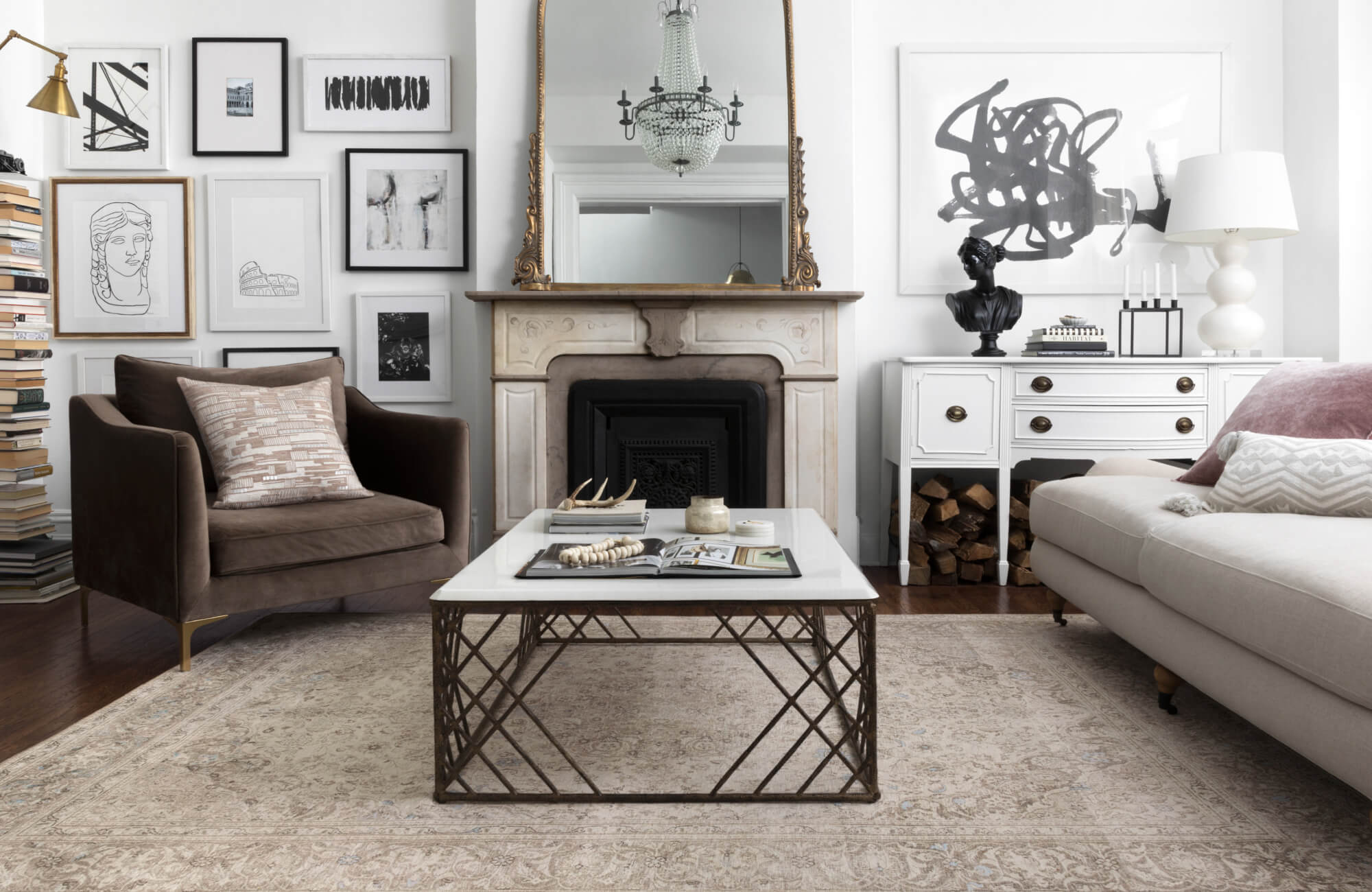
Decorating a living room often involves deciding how different elements should relate to one another. Because the sofa typically occupies the largest visual space in the room, it naturally becomes a reference point for other design choices. Wall art placed above or near the sofa naturally attracts attention, which is why many people believe it should closely coordinate with the sofa’s color or style.
In practice, interior design rarely depends on exact matching. A well-balanced space usually relies on several factors working together rather than a single rule. Color relationships, contrast, design style, scale, and personal preference all influence how wall art interacts with the sofa and the surrounding décor.
Understanding these elements helps create a living room that feels cohesive without appearing overly coordinated. When wall art is chosen thoughtfully, it can complement the sofa while bringing character and visual interest to the room.

Color Relationships Between Sofa and Wall Art
Color is often the first element people notice when placing wall art above a sofa. Because the sofa anchors the seating area, its color often helps shape the overall palette. Instead of focusing on matching tones, it’s also helpful to consider how colors interact and how artwork can reinforce that relationship within the space.
Matching the Dominant Sofa Color
One of the simplest ways to connect wall art with a sofa is by repeating the sofa’s color somewhere in the artwork. For many homeowners who are unsure where to start, this approach feels approachable because it creates an immediate sense of visual unity. Even a subtle hint of the sofa’s color can help visually connect the seating area and make the space feel more unified.
For example, if your sofa is deep green, artwork with green accents in a landscape, abstract, or botanical print can create a stronger visual connection between the furniture and the wall décor. The artwork does not need to match the sofa exactly. Instead, the color can appear subtly, such as in background tones, layered patterns, or small accents within the composition.
Another option is to choose artwork where the sofa color appears as one of several tones rather than the dominant one. This allows the artwork to blend naturally into the room while still tying in with the sofa as the focal point. When colors repeat in this way, the seating area tends to feel more cohesive and thoughtfully arranged.
Using Complementary Colors
Matching colors can create harmony, but contrast often brings energy into a room. Complementary colors are tones positioned opposite each other on the color wheel, and when used together, they naturally balance each other while adding visual interest.
For example, a navy sofa often looks balanced with artwork with rust tones, muted oranges, or hints of gold. Similarly, a dark gray sofa pairs well with artwork featuring soft creams, warm browns, or gentle yellow tones. These color pairings help the artwork stand out while still feeling naturally connected to the rest of the room.
When using complementary colors, a subtle approach usually works best. The artwork does not need to be dominated by the contrasting color. Even small accents can create enough contrast to make the composition more dynamic without overwhelming the room. Other elements, such as pillows, rugs, or decorative pieces, can also repeat those colors, helping the sofa and artwork feel naturally connected within the overall palette.
Building a Cohesive Color Palette
A well-designed room rarely depends on just two colors. Instead, it usually includes a small palette that repeats across different elements throughout the space. In many living rooms, this palette consists of three to five colors that appear in various forms within the décor.
The sofa often acts as one of the anchor colors in that palette. Wall art can then introduce or repeat other tones already present in the room. For example, a piece of artwork might include the sofa’s color along with shades found in the rug or accent pillows. When these colors appear in several areas of the room, the space feels coordinated without appearing overly matched.
This layered approach is illustrated in the space featured above, where Edward Martin’s Quiet Study Wall Art introduces subtle tones that connect with surrounding elements in the room. Those tones are echoed in the McGowan Rug in Midnight / Sand, which anchors the seating area with a blend of muted blues, warm neutrals, and soft creams. Nearby, the Adelin Ash Stool in Mocha, 18" brings in a warm wood tone that complements the artwork frames, flooring, and other natural finishes. Together, these repeating colors help tie the sofa, wall art, and surrounding décor into one cohesive palette.
At the same time, it is helpful to avoid artwork that introduces completely unrelated colors that do not appear elsewhere in the space. While bold artwork can make a strong visual impact, it should still complement the room’s existing color palette. When colors relate to one another across the room, the overall design tends to feel more balanced and visually cohesive.

Deciding When Contrast Works Better Than Matching
While coordinating colors can create a sense of harmony, matching everything too closely can sometimes make a room feel predictable. In many living rooms, creating contrast between the sofa and the wall art adds visual interest and helps the space feel more dynamic and balanced.
Creating a Focal Point
When artwork contrasts with the sofa, it often becomes a natural focal point in the room. The eye moves upward from the seating area and naturally settles on the wall art, allowing the wall itself to take on a more active role in the overall design. For example, when a sofa is neutral-toned, artwork with richer colors or distinct patterns can add energy to the space. This contrast naturally draws attention to the wall and helps keep the seating area from feeling too heavy. Even a single large piece of artwork can elevate a simple sofa arrangement and create a more balanced composition.
In many living rooms, the wall above the sofa naturally becomes the main spot for displaying artwork. Choosing a piece that stands apart from the sofa color allows the artwork to contribute to the room’s character rather than blending quietly into the background.
Preventing a Flat Design
Rooms where the furniture and artwork share nearly identical tones can sometimes feel flat. When colors repeat too closely without variation, the space may lose visual depth. Introducing contrast helps address this by adding layers that make each element more distinct. For instance, a dark gray sofa paired with artwork that features light neutrals or soft whites creates a clear visual separation between the furniture and the wall. This difference in tone helps define each element and gives the room a more structured appearance.
Similarly, if the sofa already has a strong color, artwork with a lighter background can help soften the space’s overall look. The contrast provides balance, allowing the room to feel visually comfortable rather than overwhelming.
Using Contrast Through Texture
Contrast does not always come from color. Texture can also introduce variation, making a room feel more visually engaging. When a sofa has a smooth or uniform surface, textured wall art can add another layer of interest to the space.
For example, a leather sofa paired with canvas artwork creates a noticeable difference in surface quality. Textile wall hangings can offer a similar effect when the sofa upholstery appears sleek or tightly woven. Even the finish of the frame, whether matte, wood, or metal, can subtly influence how the artwork relates to the furniture. When textures are combined thoughtfully, the sofa and wall art can complement each other without relying only on color contrast. This layered approach also helps the room feel more balanced and visually dynamic.

Aligning Wall Art With the Sofa’s Design Style
While color and contrast influence visual balance, the sofa’s overall design style also plays an important role. Choosing wall art with a similar style can help enhance the room’s character and make the space feel more cohesive.
Modern Sofas and Contemporary Art
Modern sofas often feature clean lines, simple silhouettes, and minimal detailing. In these spaces, contemporary artwork tends to complement the furniture naturally. Abstract pieces, geometric compositions, and minimalist prints often reflect the simplicity seen in modern sofa designs. For example, a piece like Dusk Fold Wall Art uses soft abstract forms and a restrained palette that pair well with the understated look of modern seating.
Large-scale artwork can work particularly well in modern interiors. A single statement piece can reinforce the clean, streamlined look without introducing visual clutter. Artwork with monochromatic tones or a limited color palette can also help maintain the calm, structured atmosphere often associated with modern furniture.
The goal is not exact matching but stylistic consistency. When the artwork reflects similar design principles, the room tends to feel more intentional and visually balanced.
Classic Sofas and Traditional Artwork
Traditional sofas often include design details such as rolled arms, tufted upholstery, or decorative trim. These elements reflect a sense of craftsmanship and heritage, and artwork with classic subjects can complement that character well.
Landscape paintings, botanical illustrations, and framed portraits often pair well with this style of furniture. For example, our Follow the Wind Wall Art captures botanical forms in their most poetic expression, rendered through ethereal colors and meticulous threadwork. Artwork like this can echo the refined elegance often associated with traditional interiors.
Frames also play an important role, as ornate or detailed designs can mirror the sofa’s craftsmanship. When the artwork reflects the same stylistic influence as the furniture, the room tends to feel more cohesive and thoughtfully arranged rather than visually disconnected.
Eclectic Sofas and Mixed Art Styles
Some living rooms bring together elements from different design styles. In these spaces, the sofa may already reflect a mix of influences, allowing for greater flexibility when choosing wall art. Instead of relying on a single consistent style, you can combine photography, illustration, abstract painting, and vintage prints within a gallery arrangement. The key is maintaining a sense of order so the display feels curated rather than random.
One way to achieve this is by repeating a shared color palette or similar frames throughout the gallery wall. Even when the artwork styles differ, these repeating elements help bring the arrangement together. This approach allows the wall art to express personality while still respecting the sofa’s presence in the room.

Considering Scale and Placement Above the Sofa
Even carefully chosen artwork can feel out of place if its size or placement does not relate well to the sofa. Paying attention to scale and positioning helps ensure the artwork feels visually connected to the furniture beneath it.
Choosing the Right Artwork Size
The sofa width can serve as a useful guide when selecting the size of wall art. As a general guideline, artwork above a sofa should span about two-thirds to three-quarters of the sofa’s width. This proportion helps create a balanced relationship between the wall and the seating area.
When artwork is too small, the wall may appear empty and visually disconnected from the sofa. Conversely, artwork that is too large can overpower the furniture below it. Keeping the size proportional helps the artwork and the sofa relate to each other naturally within the space.
In many cases, selecting one larger artwork can make the decision easier. Rather than arranging several smaller frames, a well-sized piece can fill the wall effectively while maintaining a clear and organized visual structure.
Using Gallery Walls Above Sofas
Gallery walls can be a practical option when the sofa is particularly wide or when there is interest in displaying several pieces of artwork together. Instead of relying on a single large piece, a group of smaller frames can be arranged to create one cohesive visual display. Before hanging the frames, it can be helpful to arrange them on the floor first. This allows you to test different layouts and spacing without committing to nail placements. Once the arrangement feels balanced, the layout can then be transferred to the wall with greater confidence.
Consistency helps keep a gallery wall looking cohesive and visually balanced. Using similar frame finishes or maintaining even spacing between pieces can help the collection feel organized and intentional rather than cluttered.
Proper Hanging Height
The height of wall art plays an important role in how connected it feels to the sofa. When artwork is hung too high, it can appear visually detached from the seating area. Placing it slightly lower often helps create a stronger connection between the wall and the furniture.
A common guideline is to hang artwork about six to ten inches above the back of the sofa. This spacing helps anchor the artwork to the furniture while still giving each element enough space to breathe. It is also helpful to consider how the artwork will be viewed. Since people often look at the wall while seated, positioning the center of the artwork closer to seated eye level can make the viewing experience more comfortable and natural.

Integrating Wall Art With the Entire Living Room Design
While the sofa is an important element, wall art should also relate to the overall living room instead of just one piece of furniture. A well-balanced space connects artwork and other elements in the room, helping the design feel cohesive and naturally put together.
Connecting Art With Accent Decor
Accent décor often helps bridge the visual connection between the sofa and the wall art. Smaller decorative pieces can repeat colors, shapes, or patterns from the artwork, helping the room feel more connected and visually unified. For instance, a painting that includes warm terracotta tones may be complemented by similar shades in throw pillows or ceramic pieces. Rugs, vases, and side table accessories can also reflect colors present in the artwork, subtly tying different parts of the room together.
When these connections appear throughout the space, the wall art feels more integrated into the overall design rather than standing alone. Each element contributes to a cohesive look, helping the living room feel balanced.
Balancing the Visual Weight of the Room
Large sofas naturally carry visual weight because of their size and central placement in the room. Wall art can help balance that weight by drawing attention upward and distributing visual interest across the wall and surrounding space. For example, placing oversized artwork above a sectional can help prevent the seating area from visually dominating the room. Similarly, placing wall art near elements such as shelving or tall floor lamps can extend visual balance upward and help the room feel more evenly composed.
When attention is shared across several elements in the room, the overall design tends to feel more stable and comfortable rather than visually uneven.
Creating Design Flow Across Walls
Wall art can also influence how the eye moves throughout the room. When artwork appears on many walls, repeating certain design elements can help create a sense of visual continuity. Frame finishes, color accents, or similar themes can connect artwork from one wall to another. This subtle repetition allows the room to feel coordinated without requiring identical pieces.
As a result, the space becomes easier to take in visually. Instead of attention staying on a single wall, the eye moves naturally from one area of the room to another, creating a smoother sense of flow.

Personal Expression Over Strict Matching Rules
While design guidelines can offer helpful direction, decorating a living room ultimately comes down to personal expression. The wall art you choose should reflect what resonates with you, not just what matches the sofa.
Artwork with personal meaning often adds more character to a space than perfectly coordinated colors. Travel photography, family images, or pieces collected over time can bring a sense of story and individuality to the room. Even if the colors do not align exactly with the sofa, the space often feels more authentic when the artwork reflects personal taste.
It can also help to experiment with placement before making permanent decisions. Leaning artwork against the wall or testing different arrangements allows you to see how each piece interacts with the sofa and surrounding décor. Taking this flexible approach often leads to choices that feel both balanced and personally meaningful.
Creating Balance Between Wall Art and the Sofa
Wall art does not need to match the sofa exactly to work well in a living room. While coordinating colors can create harmony, contrast, complementary styles, and thoughtful placement often contribute just as much to a balanced design. What matters most is how the artwork relates to the sofa and the rest of the room. When colors, proportions, and styles connect naturally with surrounding elements, the space tends to feel cohesive without appearing overly coordinated.
In many cases, the most successful approach focuses on balance rather than strict matching. When the sofa, artwork, and surrounding décor work well together visually, the living room tends to feel comfortable, intentional, and complete. If you need guidance choosing artwork or planning a layout that fits your space, feel free to contact us or explore our design service for personalized assistance.