Subway tile has long been a favorite in bathroom design because of its versatility, clean lines, and ability to suit almost any style. Yet the decision of how to install it—vertically or horizontally—can dramatically change the mood, proportions, and functionality of your shower. This choice is more than an aesthetic detail; it is a design tool that can influence how spacious your shower feels, how easy it is to maintain, and even how timeless your bathroom will look in the years to come.
As you explore the possibilities, you’ll find that each orientation has distinct strengths. Vertical layouts can bring height and a modern edge, while horizontal layouts offer grounding, tradition, and timeless appeal. By considering spatial perception, practicality, installation demands, and long-term value, you can make a decision that not only enhances your shower today but also continues to bring satisfaction well into the future.

Style Direction and Design Personality
Tile orientation plays a huge role in shaping the personality of your bathroom. Whether you’re striving for modern minimalism or classic charm, the direction of your subway tiles becomes a visual language that helps express your style story.
Modern Edge with Vertical Installation
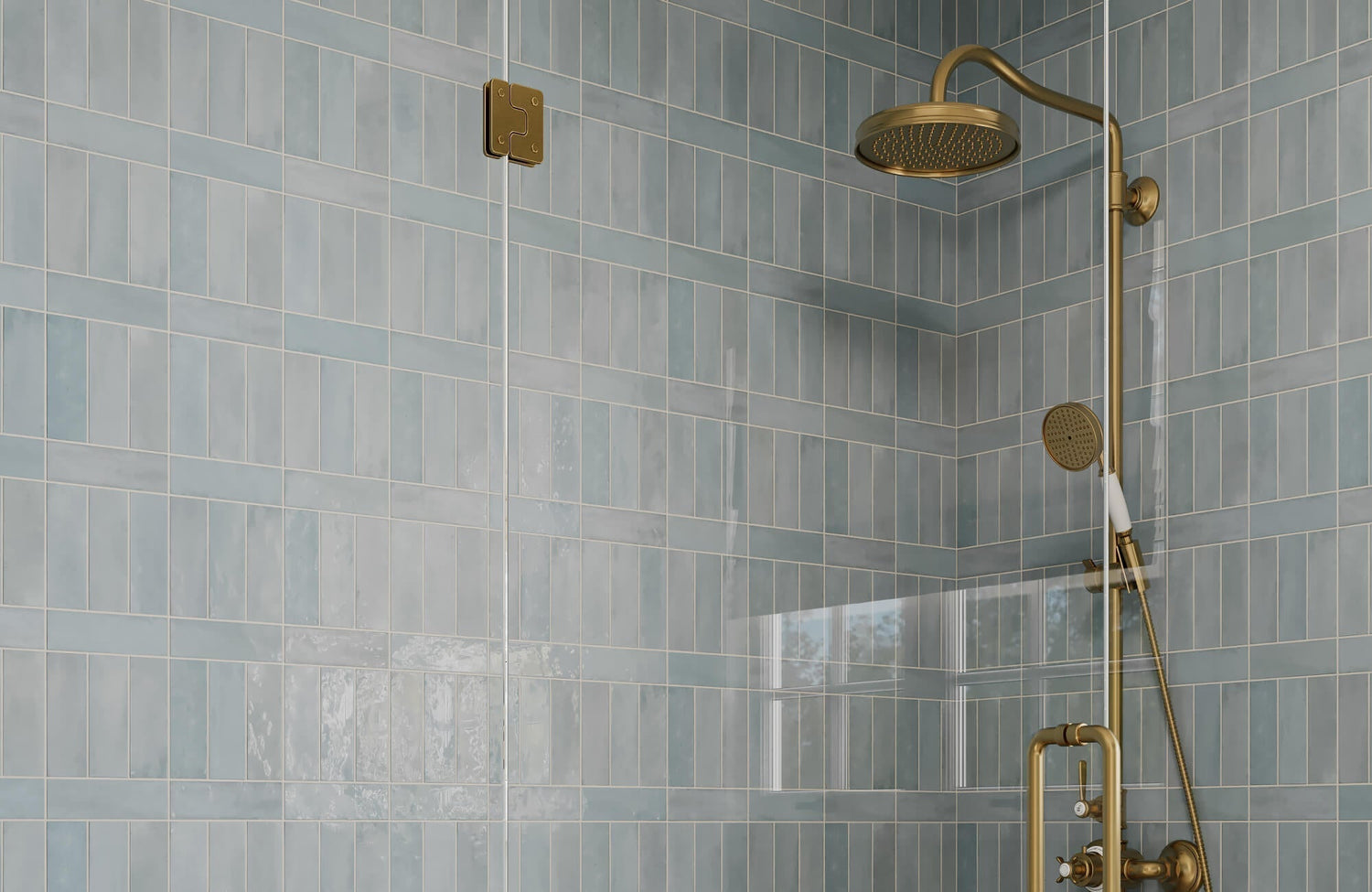
If you’re drawn to fresh, contemporary design, a vertical subway tile installation instantly delivers that effect. The clean, upright lines feel innovative and bold, breaking away from the standard look most people expect. This sense of the unexpected creates movement, making the shower feel dynamic rather than static. It also adds an architectural refinement, as if the walls have been carefully tailored to suit a sleek, modern lifestyle.
The image above showcases our Jaden 2.5x16 Glossy Ceramic Tile in Hunter, a zellige-inspired design in deep green that channels the richness of classic forest tones while embracing a modern, glossy finish. Used in a vertical layout, the elongated tiles emphasize height and elegance, transforming the shower into a dramatic focal point. Paired with warm brass fixtures and cool stone textures, this installation captures a perfect balance of boldness and refinement.
In addition, pairing vertical layouts with polished fixtures, matte black accents, or frameless glass doors heightens this modern edge even more. The vertical pull harmonizes beautifully with tall mirrors, elongated light fixtures, or floor-to-ceiling shower glass, giving the entire room a sense of cohesion. If your style leans toward transitional design, vertical tiles can also serve as a subtle way to modernize your bathroom without abandoning comfort or warmth.
Classic Refinement with Horizontal Installation
When you install subway tiles horizontally, you instantly tap into a rich history of design. This layout calls back to the tiled walls of early twentieth-century subway stations, making it a natural fit if you want a timeless, familiar look. A perfect example is our Olivia 4x16 Glossy Ceramic Tile in Pearl, where the soft white surface brightens the space while enhancing the calming rhythm of horizontal lines. The result is a shower that feels both structured and inviting, blending tradition with subtle elegance.
Moreover, horizontal tiles work seamlessly with traditional, farmhouse, and transitional interiors. They complement shaker-style vanities, vintage brass hardware, or clawfoot tubs with ease, tying together details that lean toward heritage design. By keeping the layout simple yet refined, you achieve a bathroom that feels enduring rather than fleeting, a space that continues to feel relevant and grounded even as trends evolve.
Mixing Layouts for Artistic Impact
For those who want their shower to feel unique, combining vertical and horizontal orientations can be transformative. By introducing a vertical panel within a horizontal field, you create a striking focal point that immediately draws the eye. This kind of directional juxtaposition works especially well for framing niches, benches, or accent walls, turning functional areas into design highlights.
Beyond creating focal points, mixing layouts also adds visual complexity and depth. The contrast between the two orientations gives your shower a layered personality, with each section offering something different to look at. If done thoughtfully, this approach avoids chaos and instead feels intentional, almost like a curated piece of art on your walls. The result is a bathroom that tells a richer design story, one that reflects creativity as much as functionality.

Practicality in Cleaning and Maintenance
Although style often takes center stage, the orientation of your subway tiles also affects how easy your shower is to keep clean. Vertical layouts naturally guide water downward along the grout lines, reducing lingering moisture and helping to prevent mildew buildup. This orientation can also minimize the appearance of streaks, since runoff follows the same direction as the grout, blending more seamlessly into the design.
Horizontal layouts, on the other hand, make the scrubbing process more intuitive. Because the grout joints align with the natural back-and-forth motion of cleaning tools, you can cover large areas quickly and efficiently. The familiar rhythm of horizontal lines also makes it easier to see where you’ve cleaned, offering reassurance that no spots were missed.
No matter which orientation you choose, grout color and finish play a critical role in long-term maintenance. Darker grout hides stains and discoloration, while lighter grout delivers a crisp look but demands more frequent attention. Applying a high-quality sealer also helps resist moisture and mildew, and choosing between matte or glossy finishes can influence how resilient the walls are to buildup. Ultimately, the right combination of layout and grout decisions can significantly reduce upkeep while keeping your shower looking fresh.

Installation Complexity and Cost Considerations
Tile orientation can influence not only the look of your shower but also the budget, timeline, and overall difficulty of the project. By understanding the unique challenges of each layout, you can avoid costly mistakes and make smarter decisions about whether to tackle the job yourself or hire a professional.
Cutting Requirements for Vertical Layouts
When subway tiles are installed vertically, you often face more cutting at the ceiling and floor junctions. Unlike horizontal layouts, where tiles usually fit neatly across the span of a wall, vertical runs may not line up as evenly, especially in showers with sloped ceilings or uneven floors. This means more time spent trimming tiles to fit, and the precision required leaves little room for error.
These additional cuts can also increase material waste, since you may end up discarding small pieces that don’t fit properly. As a result, both the cost of labor and the amount of tile needed can climb higher than you initially anticipated. Planning for a buffer in your tile order and working with an experienced installer can also help you stay ahead of these challenges.
Alignment Challenges with Horizontal Layouts
Horizontal layouts may appear straightforward, but they require strict attention to leveling. Even a slight tilt in the first row will become more obvious as you move up the wall, compounding the error across multiple lines of grout. Once the tiles are set, correcting the misalignment is also difficult, often requiring a complete redo of the affected section.
To prevent this, skilled installers often use leveling systems, spacers, and laser guides to ensure each row sits perfectly aligned. The precision of that first row is critical—get it right, and the rest of the installation flows smoothly. Get it wrong, and the visual imbalance will be hard to ignore, no matter how beautiful the subway tiles themselves may be. One standout example is our Ellie 2.5x8 Matte Ceramic Tile in Eggshell, shown in the photo above. Its soft white tone highlights how clean horizontal lines can elevate a shower while also revealing the importance of precise installation.
Labor Time Versus DIY Feasibility
If you’re considering a DIY approach, horizontal layouts are typically the most forgiving and intuitive. The familiar pattern makes it easier to measure, cut, and place tiles without constantly second-guessing your alignment. Even if small mistakes occur, they are less likely to stand out in the finished look.
On the other hand, vertical layouts or intricate patterns, such as herringbone, demand greater skill. Achieving crisp, straight lines without visible lippage requires experience and specialized tools. In these cases, hiring a professional can save both time and frustration, ensuring the final result looks polished and intentional. Although it may increase upfront costs, professional installation often pays off by avoiding expensive corrections later.

Functionality and Shower Performance
Beyond appearance, the orientation of your subway tiles influences how the shower feels and functions on a daily basis. From the way light moves across the walls to how shelves and fixtures integrate, orientation can subtly shape both comfort and usability.
Slip Resistance and Wall Grip Perception
Although grout direction doesn’t directly affect how slippery your shower floor is, it does influence the way you perceive stability. Horizontal grout lines create a sense of grounding because they echo the natural horizon. This can make the shower feel anchored, structured, and secure, especially in small or narrow stalls where stability matters most. If paired with durable options like our Juliet 2.5x10 Matte Porcelain Tile in Iron, the matte surface enhances traction while the deep grey tone reinforces that grounded, stable effect. Together, the orientation and finish work hand in hand to deliver both visual reassurance and everyday safety.
By contrast, vertical grout lines pull the eye upward, which gives the illusion of loftiness and openness. This effect can be refreshing in a compact bathroom, but it may also make the space feel less rooted. If you prefer a shower that feels cozy and enclosed, horizontal orientation may feel more reassuring, whereas vertical orientation offers lightness and airiness.
Impact on Lighting and Reflection
Light behaves differently depending on how your tiles are arranged. Horizontal layouts bounce light side to side, creating even brightness across the shower walls. This makes the space feel warm and inviting, particularly when paired with glossy finishes that enhance reflection. It’s also an easy way to maximize natural or artificial light in bathrooms that lack windows.
Vertical layouts, however, channel light upward, which can emphasize the height of the ceiling. This creates a dramatic effect but may leave the lower half of the shower in softer shadow. In the design seen above, featuring our Mikayla 2.5x5 Glossy Ceramic Tile in Espresso, the deep brown surface intensifies this effect, offering a moodier, more dramatic play of light that can make a shower feel luxurious and cocooning. With thoughtful planning, you can also harness vertical or horizontal orientation to highlight architectural features without sacrificing overall brightness.
Integration with Shelving and Fixtures
The orientation you choose also determines how well your tiles interact with built-in elements. Horizontal layouts naturally align with benches, soap ledges, and linear shelves, giving these features a seamless, integrated look. The grout lines also reinforce the geometry of these horizontal surfaces, blending them into the overall design.
Vertical layouts, on the other hand, shine when paired with tall niches, statement showerheads, or floor-to-ceiling features. By running grout lines parallel to these vertical elements, you highlight their presence and draw the eye upward. This approach works especially well in minimalist designs where every detail is intentional. By planning the layout around your fixtures, you ensure that the tile orientation feels supportive rather than competing with the practical elements of your shower.

Aesthetic Value and Timeless Appeal
Tile orientation carries a lasting influence on the overall atmosphere of your bathroom. It shapes how you enjoy the space daily and how others might perceive it years down the line. Choosing wisely means balancing your own preferences with the potential impact on future buyers and the long-term adaptability of the design.
Resale Appeal and Buyer Preferences
Horizontal subway tile layouts continue to be the most widely appreciated option. Their familiarity provides an immediate sense of comfort, and their connection to classic design makes them universally appealing. When paired with colors that feel both current and enduring, such as our Olivia 4x16 Glossy Ceramic Tile in Dusty Blue, the effect is even stronger. As pictured above, its soft, moody blue tone offers versatility, working just as well in a coastal-inspired bathroom as it does in a sleek modern space.
This appeal comes from the layout’s ability to work with nearly any style. Whether paired with a modern vanity, a rustic farmhouse sink, or sleek chrome fixtures, horizontal subway tile adapts effortlessly. That flexibility helps ensure the design feels current and relevant to a wide audience, which can ultimately support a smoother resale process.
Trend Longevity Versus Timelessness
Vertical subway tile offers a fresh, on-trend look that stands out in today’s design world. Its clean, architectural lines can make your shower feel bold and sophisticated. However, trends are always evolving, and what feels cutting-edge now may feel dated in a few years. This uncertainty makes vertical orientation a riskier choice if you’re concerned about long-term appeal.
Horizontal layouts, by contrast, have proven staying power. They’ve been used for over a century in both residential and commercial spaces, and their visual rhythm continues to feel relevant. By choosing horizontal, you tap into a design language that transcends fleeting trends, ensuring your bathroom retains a sense of timeless beauty even as styles shift around it.
Flexibility for Future Remodels
Another advantage of horizontal subway tile is its ability to serve as a flexible canvas for future updates. Because the layout is neutral and enduring, you can refresh your bathroom with new fixtures, vanities, lighting, or hardware without worrying that the tiles will clash. This means you can achieve a completely new look without the cost and disruption of re-tiling the entire shower.
Vertical layouts, while striking, often set a stronger stylistic tone. This can limit your options if you decide to move toward a different aesthetic later. With horizontal layouts, however, you gain the freedom to experiment with design trends through accessories and finishes, knowing the tile will continue to anchor the space with stability and timeless appeal.
Making the Right Choice for Your Space
The choice between vertical and horizontal subway tile ultimately comes down to how you want your shower to look, feel, and perform over time. Vertical layouts lend height and a contemporary flair, while horizontal layouts provide balance, familiarity, and long-lasting appeal. By carefully weighing the influence on space, maintenance, installation, functionality, and design longevity, you can make a confident decision. In doing so, you’ll create a shower that feels intentional, reflects your personal style, and stands as both a practical and beautiful part of your space.
To take the guesswork out of this decision, you can explore our professional design services. We will guide you through layout choices, material pairings, and overall bathroom vision. For a more hands-on experience, the ability to view tile in augmented reality (AR) also lets you see how different orientations will look in your own shower before committing. Together, these tools give you the clarity and confidence to make a choice that elevates your bathroom today and ensures lasting satisfaction tomorrow.