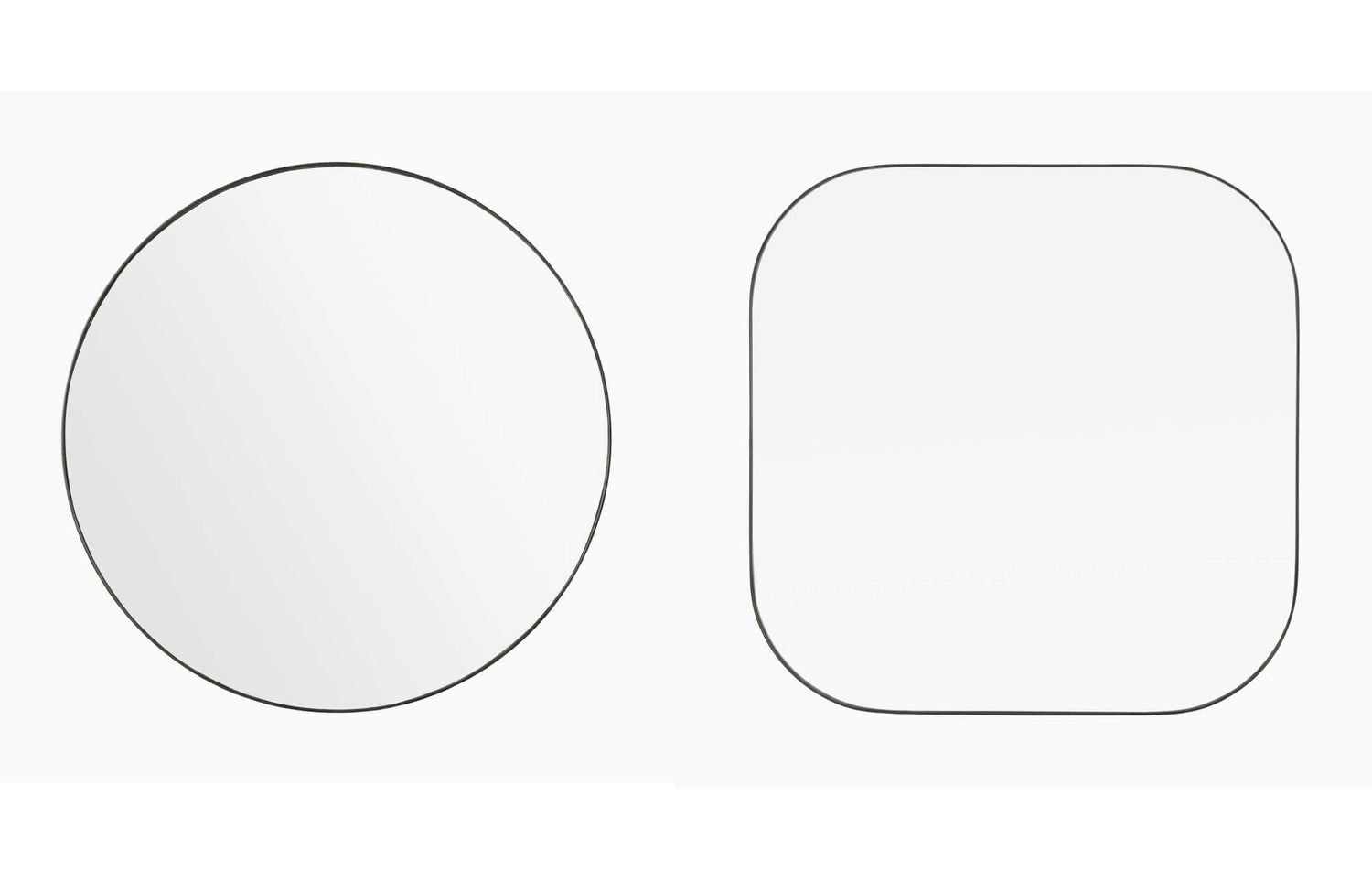
A mirror is more than just a functional object. It’s a subtle design element that shapes the feel of your space. Choosing between a round or square mirror doesn’t just come down to taste; it impacts how light moves, how your room feels, and how well your décor flows together. The shape you pick can also support daily routines, reflect your style, and even influence long-term design flexibility.
In this article, we’ll explore how mirror geometry affects everything from visual perception and lighting to framing, cost, and future adaptability. Whether you’re styling a serene corner, furnishing a full bathroom, or planning a layout with resale value in mind, understanding the strengths and trade-offs of round and square mirrors will help you make a confident, informed choice.

Visual Perception and Spatial Impact
The shape of a mirror plays a critical role in how we perceive a room’s proportions, depth, and light. Whether aiming to soften a tight hallway or emphasize grandeur in a large living space, understanding how round and square mirrors interact with a room’s geometry can dramatically enhance design outcomes.
Round Mirrors in Confined Spaces
Round mirrors introduce a natural, flowing presence into a room, especially in spaces where linear architecture tends to dominate. In tight hallways or smaller rooms where corners and edges are already abundant, the absence of harsh angles in a circular mirror provides relief. Your eye follows the curve instead of being stopped by corners, which encourages a more relaxed visual experience. This subtle softness can also make the space feel less cramped and more inviting, especially when light reflects gently across the curved surface.
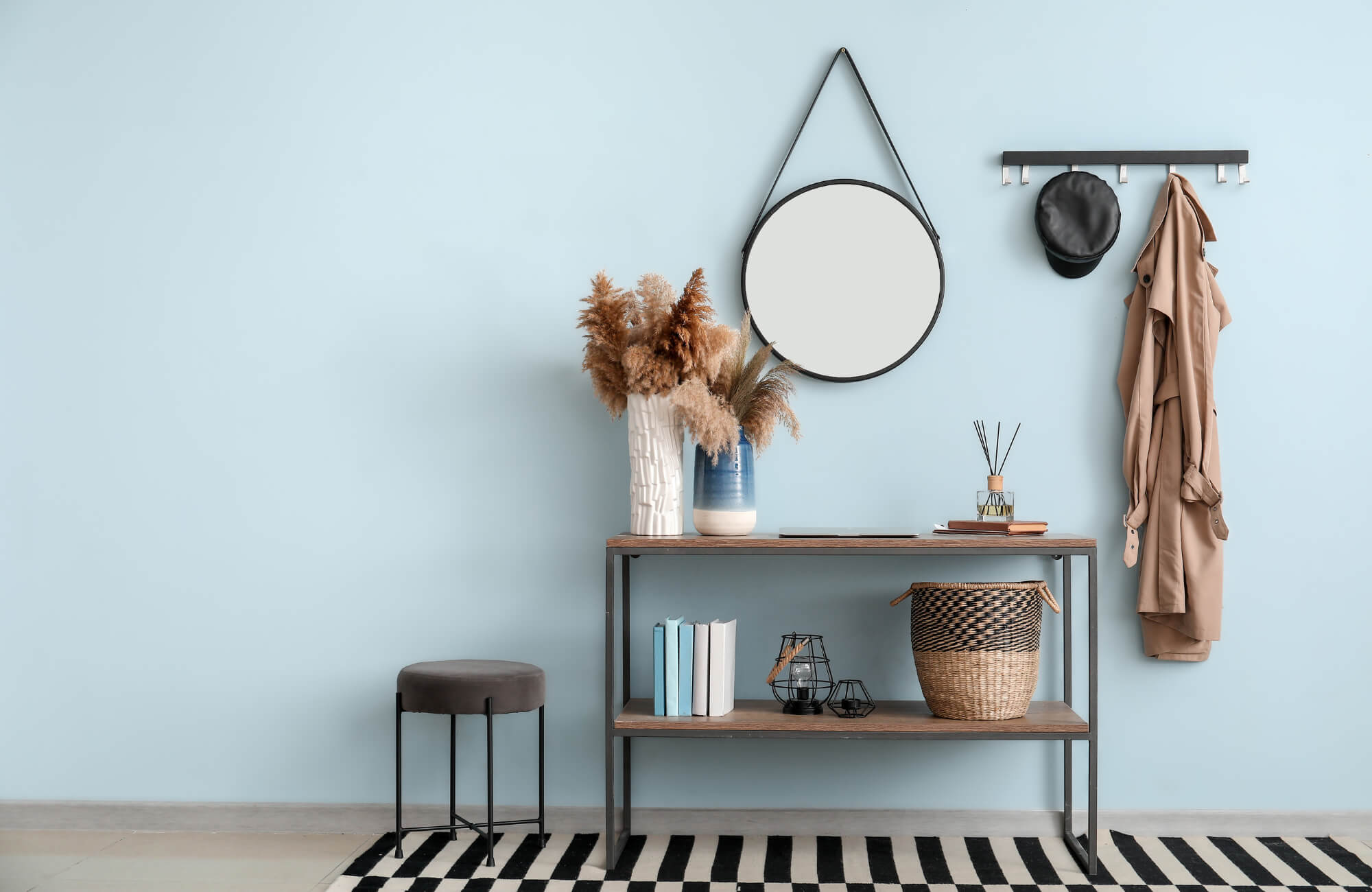
Pairing a circular mirror like our Esmeralda Round Mirror in Iron Matte Black with a streamlined vanity, as seen in the image above, further enhances the sense of softness and architectural balance. The mirror’s sleek black frame anchors the wall visually, while its reflective surface draws attention to the vertical textures and layered lighting. When placed above natural wood finishes or geometric cabinetry, the round form further creates a compelling contrast that breaks up rigidity without disrupting cohesion. It’s a subtle yet effective way to bring warmth and elegance to compact or modern spaces.
Incorporating a round mirror in these kinds of areas can also have a transformative effect. When positioned correctly, it draws light into darker zones and removes the sense of rigid confinement that square edges often reinforce. The result is a more balanced, open atmosphere that feels intentional rather than simply functional. If you're seeking calmness or fluidity in a space where architecture feels boxy or sharp, the organic nature of a round mirror can become an understated yet powerful design solution.
Square Mirrors in Expansive Environments
In contrast, square and rectangular mirrors establish a sense of order and purpose in larger, open spaces. Their structured lines echo the stability of architecture, reinforcing visual rhythm in areas like grand foyers, formal dining rooms, or expansive living zones. When you align a square mirror with windows, beams, or furniture lines, it also creates an intuitive sense of cohesion. The result is a mirror that doesn’t just hang on the wall; it becomes an extension of the architecture itself.
Our Tristan Square Mirror in Shiny Steel perfectly exemplifies how a structured mirror can become a bold architectural feature in larger interiors. With its crisp lines and reflective steel frame, it mirrors the clarity of modern layouts while adding a polished, contemporary edge. When positioned above statement furniture or across from key architectural elements, it reinforces symmetry and draws the eye with effortless precision.
Because these mirrors echo the geometry already present in many built environments, they’re particularly effective in spaces where clarity and symmetry are desired. They anchor the eye and emphasize focal points, such as a fireplace, seating arrangement, or dining table. You can also use square mirrors to reinforce a grid-like layout or introduce a refined edge to a room that might otherwise feel too fluid or unstructured. In essence, square mirrors speak the same visual language as strong architecture—one of precision, alignment, and authority.
Mirror Placement
Beyond choosing shape alone, how you position your mirror can dramatically change a room’s perceived size and proportion. For example, a tall, vertically hung rectangular mirror can draw the eye upward, giving low-ceilinged rooms an instant lift. This vertical emphasis elongates the space visually, making it feel airier and more open. Alternatively, using a wider mirror can stretch the eye sideways across the room, which is especially useful when you want to create a sense of width in a narrower area.
Round mirrors, too, can influence perception in strategic ways. Placing one slightly off-center disrupts visual predictability, which can make a plain wall feel more dynamic and expansive. The curved shape naturally contrasts with linear room elements, creating the illusion of movement and fluid space. When thoughtfully integrated, both round and square mirrors act as spatial tools, not just decorative objects, giving you the ability to subtly reshape a room’s dimensions with one simple design decision.

Functional Considerations for Daily Use
Beyond aesthetics, the mirror's shape directly affects usability. From grooming routines to lighting interactions, selecting the right form contributes to day-to-day convenience and comfort.
Optimizing Viewing Range with Square Mirrors
Square and rectangular mirrors are often the go-to choice when function is a top priority. Their broader reflective surface gives you a fuller view, which is essential for tasks like checking your outfit, shaving, or applying makeup. Because their shape aligns easily with cabinetry, countertops, or furniture edges, square mirrors are particularly effective in bathrooms, dressing areas, and bedrooms where clear and comprehensive visibility is essential.
In shared or multi-user spaces, the straight lines of square mirrors also allow you to install them side by side with minimal visual disruption. You’ll find this especially helpful when creating symmetry for double vanities or mirrored wardrobes. Additionally, their clean edges make installation more straightforward, as they can be perfectly flush with horizontal or vertical architectural features without requiring custom framing or tricky alignment.
A great example of this balance between form and function is our Clancy Small Mirror in Antiqued Iron. As shown in the photo above, its square frame pairs effortlessly with double vanities, offering just the right amount of reflective surface without overpowering the wall. The antiqued iron finish also adds subtle character, while its proportion makes it ideal for creating symmetry in shared bathrooms where clarity and style are equally important.
Mitigating Glare and Distortion with Round Mirrors
When it comes to managing light, round mirrors offer subtle advantages that become noticeable in everyday tasks. Their curved edges help scatter reflections rather than bouncing light sharply back into your eyes. This makes them an excellent choice when mounted near direct lighting sources like vanity lights, sconces, or overhead pendants. Instead of creating harsh glare or visual hotspots, round mirrors soften the reflected glow, leading to a more pleasant and accurate viewing experience.
This lighting benefit is particularly useful in areas where precision matters, such as above a sink or near a desk. You can go about your grooming or detail work without constant readjustment due to harsh light interference. The lack of corners also eliminates light pinching or distortion around the edges, providing a more evenly lit reflection that reduces visual strain, which is an often-overlooked but significant comfort upgrade in functional spaces.
Practicalities of Mounting and Maintenance
From a hands-on perspective, installing and caring for your mirror can be simpler or more demanding depending on its shape. Square mirrors, because of their straight lines and 90-degree angles, are easier to align with surrounding surfaces. Whether you're hanging one above a sideboard or embedding it into a tile wall, the geometry works with you. They also require fewer specialty tools or brackets and are often more forgiving when it comes to minor leveling imperfections.
Round mirrors, while visually striking, typically demand more precision during installation. Their central mounting point must be exact, especially if you're placing them above centered fixtures like sinks or console tables. Additionally, their shape often calls for specialized brackets or adjustable hooks to ensure they sit level on the wall. In terms of cleaning, the curved edges of round mirrors are more exposed to touch, especially during repositioning, so you may find yourself wiping away fingerprints a bit more frequently. Still, with consistent care, both shapes offer the same long-term durability and reflective clarity.

Style Compatibility with Interior Themes
The geometry of a mirror should complement your overall design style. From minimalist spaces to eclectic interiors, choosing the right mirror shape reinforces visual harmony.
Organic and Minimalist Interiors
Round mirrors naturally resonate with design styles that emphasize softness, balance, and a connection to nature. If you lean toward Scandinavian, Japandi, or modern bohemian aesthetics, the curved edges of a round mirror can echo the flow and warmth these interiors strive for. Their fluid silhouette also contrasts gently with the clean lines of furniture, subtly softening the overall visual environment without feeling out of place.
In spaces dominated by light woods, neutral palettes, and natural textures like linen or rattan, a round mirror reinforces the feeling of calm and cohesion. It becomes more than a reflective surface; it feels like an extension of the design ethos. Rather than adding clutter or visual weight, the shape enhances openness and promotes an atmosphere of ease. If your goal is to create a room that feels airy, uncluttered, and soothing, a round mirror seamlessly supports that intention.
This look is effortlessly captured in the bathroom design above featuring our Fitz Mirror in Antique Silver, where soft curves meet clean, natural finishes. The round mirrors gently contrast the linear tile backdrop, creating visual interest without disrupting the room’s calm rhythm. Paired with the light wood tones and minimal detailing, the result is a cohesive, organic aesthetic that feels both intentional and soothing.
Industrial and Contemporary Designs
Square and rectangular mirrors are a natural match for interiors that prioritize structure, definition, and urban edge. In industrial spaces where materials like raw concrete, metal piping, and exposed brick take center stage, a square mirror adds to the architectural rhythm. Its rigid form mirrors the geometry of the environment, reinforcing an intentional and streamlined look that feels purposeful and bold.
Similarly, in contemporary settings where layout and proportion matter, square mirrors offer clean boundaries and symmetry. They fit neatly into modular furniture arrangements and accentuate the sleekness of glossy finishes or matte blacks. Their angular shape doesn’t compete with the space, but strengthens it. If you’re after a confident, grounded aesthetic with visual order and strength, square mirrors will deliver exactly that without compromising style.
Our Clancy Mirror in Antiqued Iron brings this structured aesthetic to life with its clean square profile and subtly weathered finish. Its strong, understated frame complements industrial backdrops without overpowering them, making it a refined choice for lofts, modern bathrooms, or streamlined entryways. Whether paired with bold textures or minimal surroundings, this mirror also reinforces the geometry and clarity essential to contemporary and industrial spaces.
Transitional Styles and Eclectic Spaces
When your interior doesn’t fall neatly into one category, mixing mirror shapes can add both visual interest and flexibility. Transitional spaces often combine elements from traditional and modern styles, and mirrors offer an easy way to bridge those eras. A round mirror above a vintage console table can soften the room’s formality, while a square mirror in a mixed-material room can anchor eclectic décor and introduce a sense of visual calm.
In more adventurous or layered interiors, contrast becomes your best design tool. You might place a round mirror over a sharp-edged mantel or nest a square mirror into a backdrop of patterned wallpaper. The key is intentional balance, using one shape to contrast or highlight another element without overwhelming the space. By carefully selecting where and how you introduce shape variation, you can also maintain visual flow while embracing creativity and personal expression.

Material and Framing Constraints by Shape
The geometry of a mirror influences its construction, framing options, and customization potential. Understanding these nuances can guide practical decisions in design and installation.
Frame Flexibility and Material Versatility
When it comes to framing, square mirrors offer far more versatility. Their straight edges and sharp corners make them compatible with a broad variety of framing materials, from classic hardwoods and brushed metals to more experimental composites. Because each side is uniform and flat, cutting and assembling frames becomes a straightforward process. This not only simplifies manufacturing but also lowers production costs, making square mirrors more accessible if you're looking to customize within a budget.
Round mirrors, however, present more challenges. Their curved shape requires frames that can bend or mold around the circumference, often limiting your choices to materials like flexible metals, molded plastics, or custom-bent wood. These added requirements increase fabrication time and cost. If you're hoping to source a unique frame for a round mirror, you're more likely to deal with specialty options, which could be harder to find or require professional craftsmanship. Although the end result can be stunning, it's something to consider if ease and affordability are high priorities in your decision-making.
Weight Distribution and Structural Integrity
The way a mirror’s shape affects its weight distribution is especially important during installation. Square and rectangular mirrors distribute their weight across the length and corners, offering more support points when mounted. This balanced structure helps prevent warping or sagging, even in larger formats, and allows for a wider range of wall brackets or supports to be used effectively. If you're planning a large wall installation, a square mirror is often the more stable and predictable choice.
Round mirrors, on the other hand, tend to concentrate their weight at the center. Without corners to spread out the load, they rely heavily on central mounting points and specialized hanging systems. Larger round mirrors, in particular, may need reinforced brackets or wall anchors to stay level over time. This becomes even more crucial if the mirror is being installed over a sink or piece of furniture where exact placement matters. Neglecting this could lead to gradual tilting or stress damage, issues that are easily avoided with the proper support and planning.
Design Edge Details and Customization Challenges
Personalizing a mirror often comes down to the fine details along its edges, and in this area, square mirrors offer far greater flexibility. Their straight lines and corners are well-suited to a variety of decorative techniques such as beveled edges, carved moldings, or layered frame treatments. These additions can elevate the mirror’s aesthetic and allow you to match or contrast it with cabinetry, door frames, or other trim in your space. If you're looking to make a mirror truly your own, square shapes make the process far easier and more forgiving.
Round mirrors, while elegant in their simplicity, don’t lend themselves as easily to detailed customization. Their continuous curvature requires specialized tools and a steady hand to ensure symmetry and a polished finish. Techniques like beveling also become more complicated, and an intricate framework must be done with precision to maintain visual balance. Because of this, round mirrors are often left unembellished or rely on minimalist frames to maintain clean lines. If you're envisioning an ornate or heavily customized mirror, it’s worth weighing the additional effort and potential cost of achieving that with a circular shape.

Cost, Availability, and Investment Value
When it comes to cost and practicality, mirror shape plays a much bigger role than you might expect. Round mirrors, although visually striking, are often more expensive due to the complexity involved in shaping and framing them. Their production also results in more material waste, and the need for curved frames or custom mounting options pushes costs even higher, especially if you're planning to use them in more than one room. Although they make excellent statement pieces, round mirrors may not be the most budget-friendly choice for large-scale or multi-room applications.
On the other hand, square mirrors offer significant advantages in both availability and long-term value. Their simple geometry allows for more efficient manufacturing, wider market accessibility, and easier replacement. If you're aiming for consistency across spaces or looking for a mirror that can adapt as your design evolves, square mirrors provide that flexibility. They also hold stronger resale appeal because of their timeless appearance and compatibility with a broad range of styles, making them a practical and enduring option for those who want both function and future-ready design.
Choosing the Right Mirror Shape for Your Space
Ultimately, selecting the right mirror shape comes down to matching your space’s purpose with its personality. Round mirrors excel in creating a calm, inviting atmosphere, especially in smaller or softer design settings. Square mirrors, on the other hand, provide structure, practicality, and lasting appeal in rooms that benefit from visual order or functional consistency. By weighing your spatial needs, design preferences, and future plans, you’ll be able to choose a mirror that doesn’t just reflect your image, but also your lifestyle.
If you’re still unsure which shape will work best for your home or project, our team is here to help. We understand that every space is unique, and we're happy to guide you toward the perfect mirror that aligns with your vision and practical needs. Whether you're seeking design advice, product details, or customization options, feel free to contact us—we’re ready to assist you in making a confident, stylish choice.