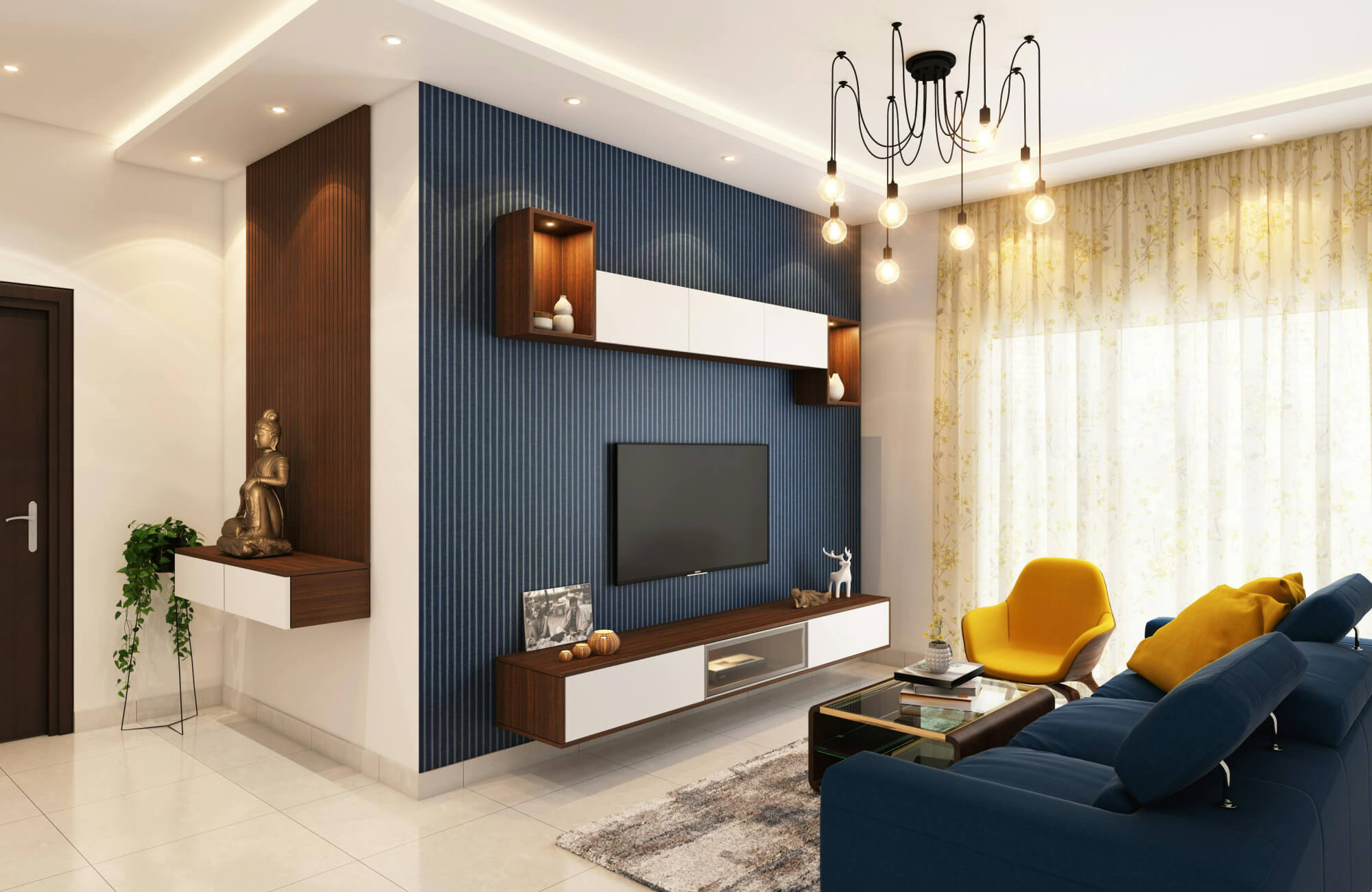
Nature wallpaper introduces a quiet sense of refinement, where organic motifs and layered textures unfold across surfaces with effortless elegance, allowing interiors to feel both composed and inviting. As these elements come together, wallpaper for walls evolves beyond a decorative backdrop, instead shaping the overall atmosphere with depth and intention. From softly rendered botanical patterns to expansive landscape scenes, each design establishes a subtle yet continuous dialogue between nature and architecture. When supported by considered material choices and carefully balanced lighting, even the most delicate details gain clarity and dimension. Through these layered approaches, modern wallpaper becomes an essential component in crafting interiors that feel cohesive, sophisticated, and visually enduring.

Scale, Proportion, and Pattern Distribution in Nature Wallpaper Design
A sense of visual harmony begins to emerge when pattern scale and spatial proportion are carefully aligned, allowing the wallpaper to settle naturally within the architecture. As these elements are thoughtfully balanced, the overall composition feels measured and cohesive, enhancing the room without overwhelming its structure.
Large-Scale Murals for Expansive Visual Impact
Large-scale nature murals introduce depth in a way that feels gradual and immersive, often drawing from the natural perspective found in landscapes to visually extend the boundaries of a room. As these expansive scenes unfold across the wall, soft gradients and tonal shifts create a continuous flow that guides the eye effortlessly from one end to the other. This sense of movement also allows the surface to feel less confined, particularly in open-plan interiors or rooms with higher ceilings.
In such settings, wallpaper for walls becomes a defining feature, especially when surrounding furnishings are kept understated to maintain clarity. As a result, the mural holds its presence without competing for attention. Through this balance, the space gains both visual impact and a sense of quiet sophistication. In addition, the scale allows intricate detailing to be appreciated from a distance, reinforcing its immersive quality. Over time, this expansive visual language contributes to a more elevated and enduring interior atmosphere.
Small-Scale Botanical Prints for Compact Interior
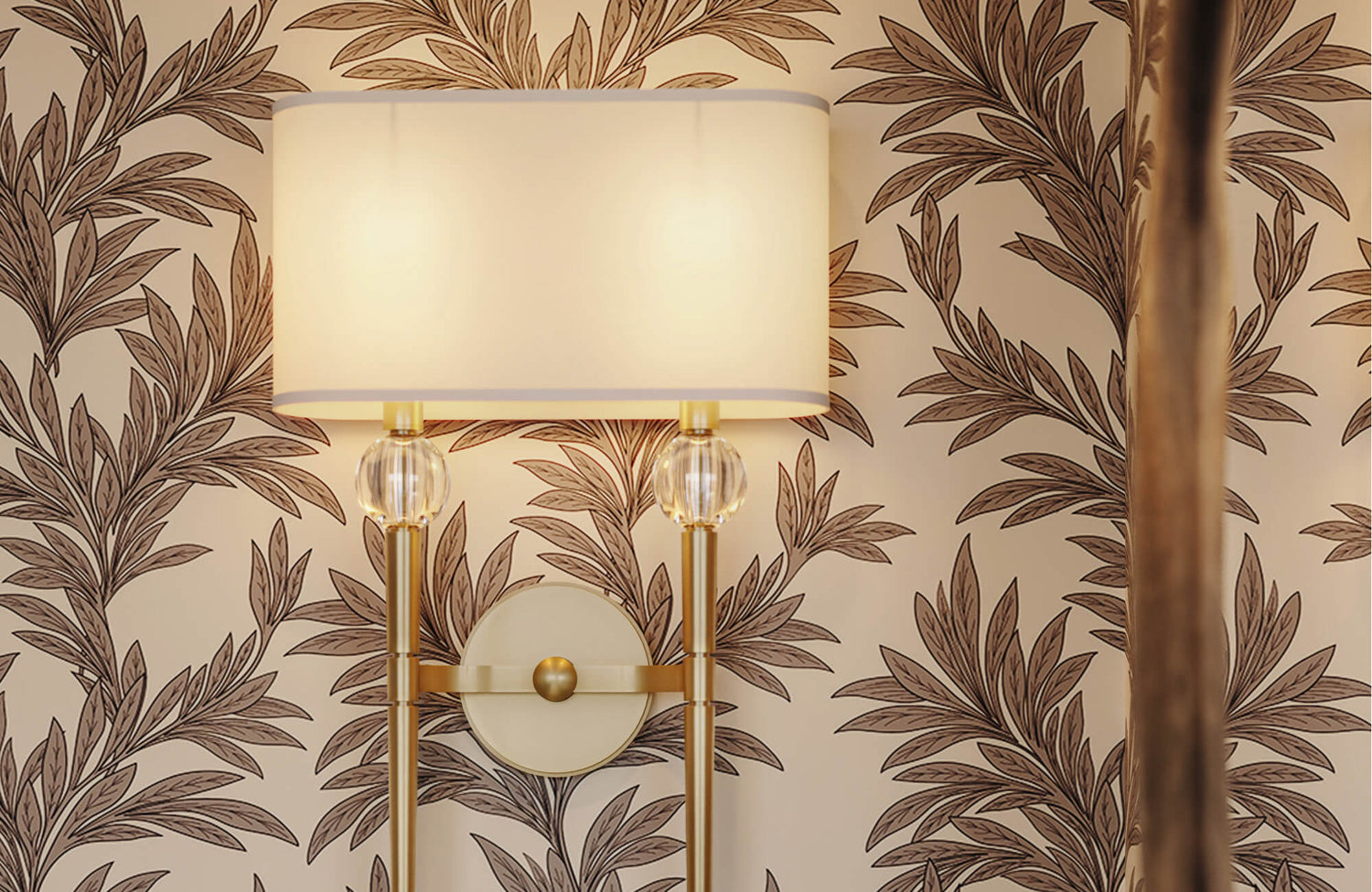
Within more compact spaces, smaller botanical patterns introduce detail in a way that feels measured and refined, ensuring that the room retains a sense of openness. Because these designs rely on tighter repeats and more controlled spacing, they allow the eye to move comfortably without encountering visual congestion. This makes them particularly well-suited to powder rooms where wall coverage is continuous and intimate. A design such as Edward Martin’s Botanique Wallpaper in Winter, 52" x 132", as displayed in the photo above, embodies this approach, with its delicate, evenly spaced foliage creating visual rhythm without overwhelming the space.
As modern wallpaper is introduced in these settings, the presence of negative space becomes equally important, softening the overall composition. In turn, light travels more freely across the surface, enhancing the sense of airiness. This careful interplay between pattern and space also enriches the room while maintaining visual balance. At the same time, the finer scale encourages closer visual engagement, revealing subtle detailing upon approach, which further elevates the overall experience.
Pattern Alignment with Architectural Elements
As wallpaper is applied, its relationship with architectural elements becomes increasingly important, particularly in how patterns align with existing lines and structures. When vertical motifs correspond with door frames, windows, or paneling, a sense of continuity naturally takes shape, allowing the design to feel integrated rather than imposed. This alignment also reduces visual interruption, enabling the pattern to unfold with clarity across the wall. In more intricate designs, precise installation further supports this effect, preserving both rhythm and proportion. Incorporating cool wallpapers in this manner reinforces a tailored and intentional aesthetic. Over time, this level of detail allows the wallpaper to become an extension of the architecture itself. This precision also enhances the perception of craftsmanship within the space. As a result, the overall design feels cohesive, structured, and thoughtfully resolved.

Integrating Biophilic Design Through Material and Color Pairing
As wallpaper begins to interact with surrounding elements, a more cohesive interior emerges through the thoughtful pairing of materials and tones that reflect the natural world. This layered approach allows each component to connect seamlessly, enhancing both visual continuity and tactile richness.
Coordinating Earth-Tone Color Palettes
Nature wallpaper often introduces a palette grounded in muted greens, warm browns, and soft neutrals, which can then be echoed throughout the space to create a sense of cohesion. As these tones are repeated across upholstery, textiles, and decorative accents, a unified color narrative begins to unfold. This continuity also allows the eye to move gently from one element to another, reinforcing a calm and balanced composition. Subtle tonal variations further enrich the palette, preventing it from appearing flat or overly uniform. As modern wallpaper integrates into this scheme, it naturally anchors the surrounding elements. In doing so, the interior takes on a layered and harmonious quality. Additionally, this repetition of tone strengthens the visual rhythm throughout the space. Over time, the palette develops depth, contributing to a more refined and immersive environment.
Pairing Organic Materials for Textural Harmony
Alongside color, the introduction of organic materials brings a tactile dimension that complements the visual softness of nature wallpaper, allowing the space to feel layered and grounded. Surfaces such as wood, stone, and woven fibers introduce gentle contrast while remaining aligned with the overall design narrative.
In the photo shown above, the richness of wood cabinetry, the softness of fabric, and the presence of greenery work together to enhance the wallpaper’s depth. A design like the Brocade Wallpaper in Black/Tan II, 52" x 132" reinforces this balance, as its intricate, textile-inspired pattern adds a sense of richness that pairs naturally with these materials. As these elements come together, the wallpaper no longer reads as a flat surface but as part of a cohesive material composition. This relationship between pattern and texture allows each detail to feel intentional rather than decorative. Furthermore, the layering of finishes softens transitions between surfaces, creating a more unified visual experience. Over time, this interplay establishes a refined environment that feels both organic and thoughtfully composed.
Balancing Natural and Refined Finishes
While organic elements establish a grounded foundation, the introduction of refined finishes helps to elevate the overall composition. Materials such as brushed metal or glass bring a subtle contrast that prevents the space from feeling overly rustic. As these finishes reflect light, they also introduce moments of brightness that complement the softer tones of the wallpaper. This balance between natural and polished elements creates a dynamic yet controlled aesthetic. When modern wallpaper is paired with these refined accents, the overall design feels more layered and complete. In this way, contrast becomes a tool for achieving sophistication rather than disruption. The presence of reflective surfaces also enhances spatial perception by subtly amplifying light. As a result, the interior feels more open while maintaining its refined character.

Lighting Techniques That Enhance Depth and Surface Detail
As light interacts with wallpaper, it begins to reveal variations in tone, texture, and depth that might otherwise remain unnoticed. Through a considered lighting approach, these details are gradually brought forward, allowing the surface to feel more dimensional and expressive.
Maximizing Natural Light for Color Accuracy
Natural light plays a defining role in how wallpaper is perceived, particularly in designs that feature layered tones or subtle gradients. When positioned along walls that receive indirect sunlight, the colors remain balanced while avoiding excessive exposure. As daylight shifts throughout the day, the wallpaper responds gently, creating a sense of movement that feels both natural and understated. This quality enhances the presence of modern wallpaper in living spaces where light is abundant. At the same time, finer details become more visible as illumination changes. In this way, the surface feels dynamic without becoming overwhelming. Gradual changes in light also highlight tonal variation within the design. This evolving effect contributes to a more engaging and refined visual experience.
Layered Artificial Lighting for Dimensionality
In settings where natural light is limited, a layered artificial lighting scheme becomes essential in maintaining depth and clarity. By combining ambient, task, and accent lighting, a more even distribution of illumination can be achieved. As light is directed across the wallpaper, subtle highlights and shadows begin to form, emphasizing pattern and texture. This approach allows wallpaper for walls to retain its visual impact even in enclosed environments. Over time, the shifting interplay of light adds a sense of movement to the surface. The overall effect is one of depth and quiet complexity. Carefully positioned fixtures also help define focal areas within the room. As a result, the wallpaper continues to engage visually under varying conditions.
Managing Glare and Reflectivity Across Finishes
As lighting conditions vary, the finish of the wallpaper determines how light is absorbed or reflected across the surface. For instance, matte finishes tend to diffuse light gently, resulting in a softer and more understated appearance. In contrast, satin or semi-gloss finishes reflect light more actively, bringing out color intensity and detail. Selecting the appropriate finish also ensures that the wallpaper remains visually comfortable under different lighting conditions. Cool wallpapers with reduced glare are particularly effective in bright interiors, where excessive reflection can disrupt clarity. Through this balance, both comfort and visual precision are maintained. This careful control of reflectivity also supports consistent color perception. In turn, the wallpaper maintains its intended visual impact throughout the day.

Material Selection and Performance Considerations for Longevity
As aesthetic considerations are balanced with practical needs, material selection becomes essential in ensuring both durability and lasting visual appeal. When the right substrates and finishes are chosen, wallpaper maintains its integrity while continuing to enhance the overall design.
Non-Woven and Vinyl Wallpaper for Practical Applications
Non-woven wallpaper offers a stable and breathable solution that supports both ease of installation and long-term performance, making it a reliable choice across a variety of interiors. Its dimensional stability minimizes expansion and contraction, allowing patterns to remain aligned over time while also simplifying removal when updates are needed. A design such as our Downland Wallpaper in Black I, 52" x 132", as featured in the photo above, reflects this balance of performance and visual refinement, as it reimagines a distant landscape of rolling hills through softly layered white washes across a deep gray ground. Digitally printed on lightly textured DreamScape Terralon, it introduces a subtle tactile quality while maintaining a clean, modern aesthetic.
Its extra-wide, full-height format further enhances installation by reducing visible seams, resulting in a more continuous and uninterrupted visual field. As a result, wallpaper for walls in both residential and commercial interiors can achieve a refined finish with minimal disruption. Over time, this combination of material stability and thoughtful design ensures lasting visual clarity. It also allows the wallpaper to maintain its integrity even in spaces that experience regular use.
Vinyl-coated wallpaper, by contrast, is engineered for enhanced durability, offering a protective surface that resists moisture, stains, and everyday wear. This makes it particularly well-suited for kitchens, bathrooms, and other busy environments where longevity is essential. Its washable surface allows for easier maintenance, ensuring that the design remains intact despite frequent exposure to humidity or contact. As a result, vinyl wallpaper supports both functional performance and aesthetic continuity in demanding spaces. When incorporated thoughtfully, it allows modern wallpaper applications to extend into areas that require higher resilience. This durability ensures that the surface retains its visual appeal over time. In doing so, vinyl options provide a practical complement to more breathable substrates like non-woven materials.
Surface Finishes and Their Functional Benefits
The finish of wallpaper contributes not only to its visual character but also to its maintenance requirements. Matte finishes, in particular, create a softer, more natural appearance, while coated surfaces offer increased resistance to stains and wear. This distinction becomes especially relevant in areas that experience frequent use. As washable wallpaper for walls is introduced, maintenance becomes more manageable without affecting the overall aesthetic. Over time, these finishes help preserve the clarity of both color and pattern. In doing so, the wallpaper retains its original refinement. The durability of these finishes also supports long-term usability in active spaces. This ensures that visual quality is maintained even with regular interaction.
Environmental and Installation Factors
Environmental conditions such as humidity and temperature variation play a significant role in how wallpaper performs over time. Proper wall preparation, including priming and smoothing, establishes a reliable surface for adhesion. In more humid climates, the use of moisture-resistant materials and adhesives becomes increasingly important. As installation is carried out with precision, issues such as peeling or bubbling are minimized. This attention to detail supports long-term durability while maintaining visual alignment. Ultimately, the wallpaper continues to perform as intended within its environment. Careful installation also ensures seamless pattern continuity across surfaces. This reinforces both structural integrity and visual refinement.

Strategic Placement and Layering for Visual Impact
As placement is considered more intentionally, wallpaper begins to shape the visual hierarchy of the space, guiding how it is experienced. When combined with layering techniques, it contributes to a composition that feels both structured and visually rich.
Creating Feature Walls with Botanical and Landscape Designs
Feature walls allow nature wallpaper to take on a more prominent role without overwhelming the entire room. When positioned behind key elements such as beds or sofas, the design naturally draws attention while remaining balanced. This approach allows modern wallpaper to define the space without competing with surrounding surfaces. By limiting its application, the overall composition feels more controlled and deliberate. Neutral walls can then support the feature, maintaining visual clarity. As a result, the room feels cohesive and thoughtfully arranged. This technique enhances spatial zoning within open layouts while allowing the wallpaper to contribute to both function and aesthetic.
Incorporating Wallpaper Within Architectural Frameworks
As wallpaper is introduced within paneling, alcoves, or niches, it takes on a more structured and refined presence. These architectural boundaries frame the design, allowing it to be appreciated in a more focused way. This method also helps to manage bolder patterns, ensuring they remain visually balanced. Wallpaper for walls used within these frameworks enhances both depth and architectural character. As each element aligns, the overall composition feels more intentional. The wallpaper becomes an integrated part of the design rather than an added layer. This integration strengthens the connection between surface and structure. Over time, it contributes to a more cohesive and elevated interior.
Layering with Wall Treatments and Furnishings
Layering wallpaper with additional wall treatments introduces depth through subtle contrast and variation. Elements such as wainscoting, shelving, or textured panels create a composition that feels multi-dimensional yet cohesive. As these layers interact, the wallpaper is both supported and enhanced, allowing its details to stand out more clearly. Cool wallpapers paired with wood paneling, for instance, bring together structure and softness in a balanced way. This interplay creates visual richness without excess. In the end, the space reflects a refined and thoughtfully layered design approach. The combination of materials also reinforces depth within the vertical plane. This results in a more immersive and visually complete environment.
A Refined Expression of Nature Within Interior Spaces
Nature wallpaper offers a considered way to transform wallpaper for walls into a defining element that brings both depth and cohesion to an interior. As scale, lighting, and material choices come together, each surface begins to reveal a quiet complexity that feels both intentional and refined. The integration of modern wallpaper with natural textures and architectural elements allows the space to flow seamlessly from one detail to the next. Through careful placement and layering, cool wallpapers inspired by nature become focal points that enhance both structure and atmosphere. In this balance of design and restraint, walls evolve into lasting expressions of elegance and thoughtful composition.
For a more tailored approach, Edward Martin’s design services offer expert guidance in selecting and styling wallpaper to suit your space. To begin refining your interiors with intention, contact us to explore personalized design solutions!