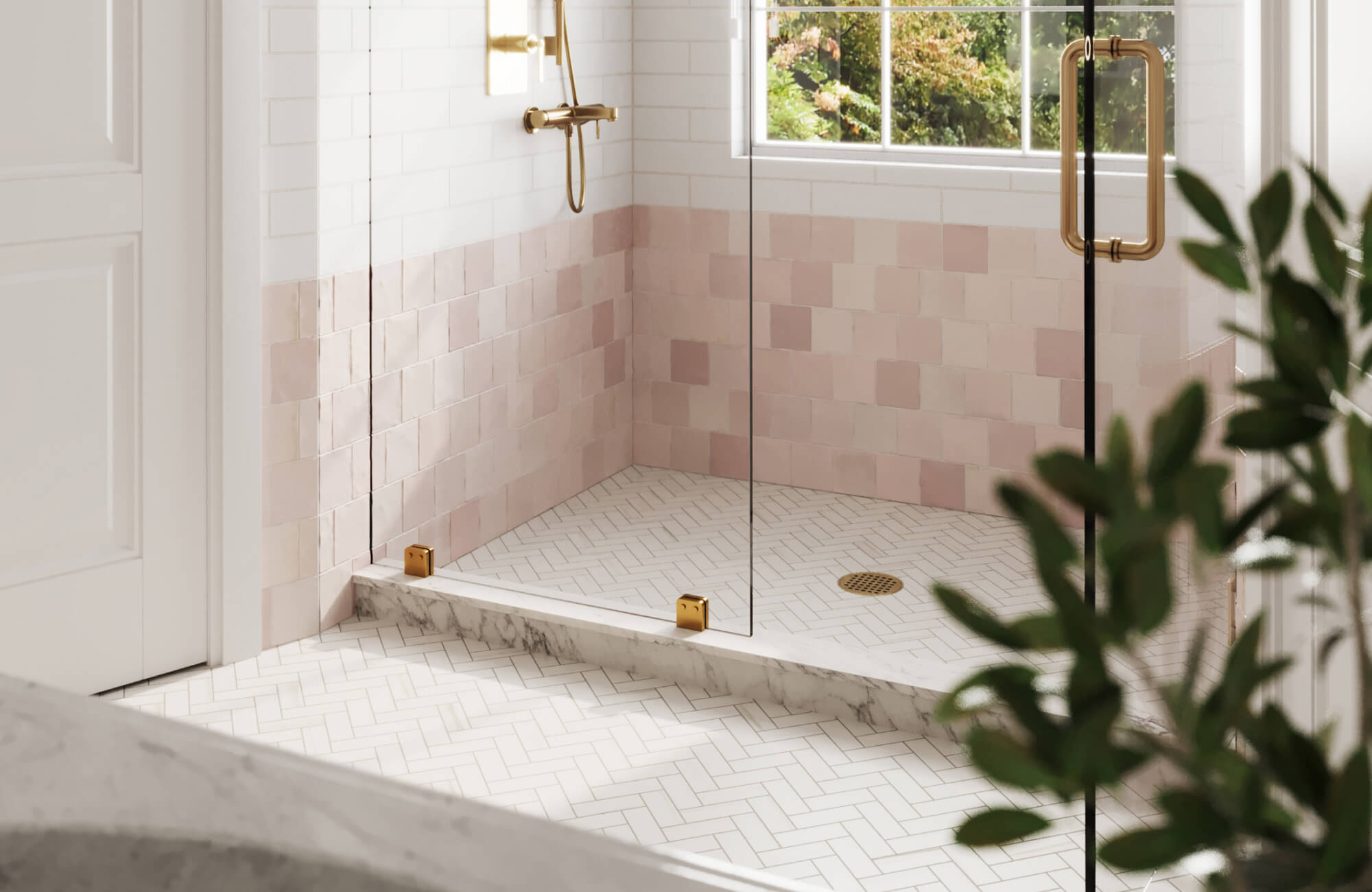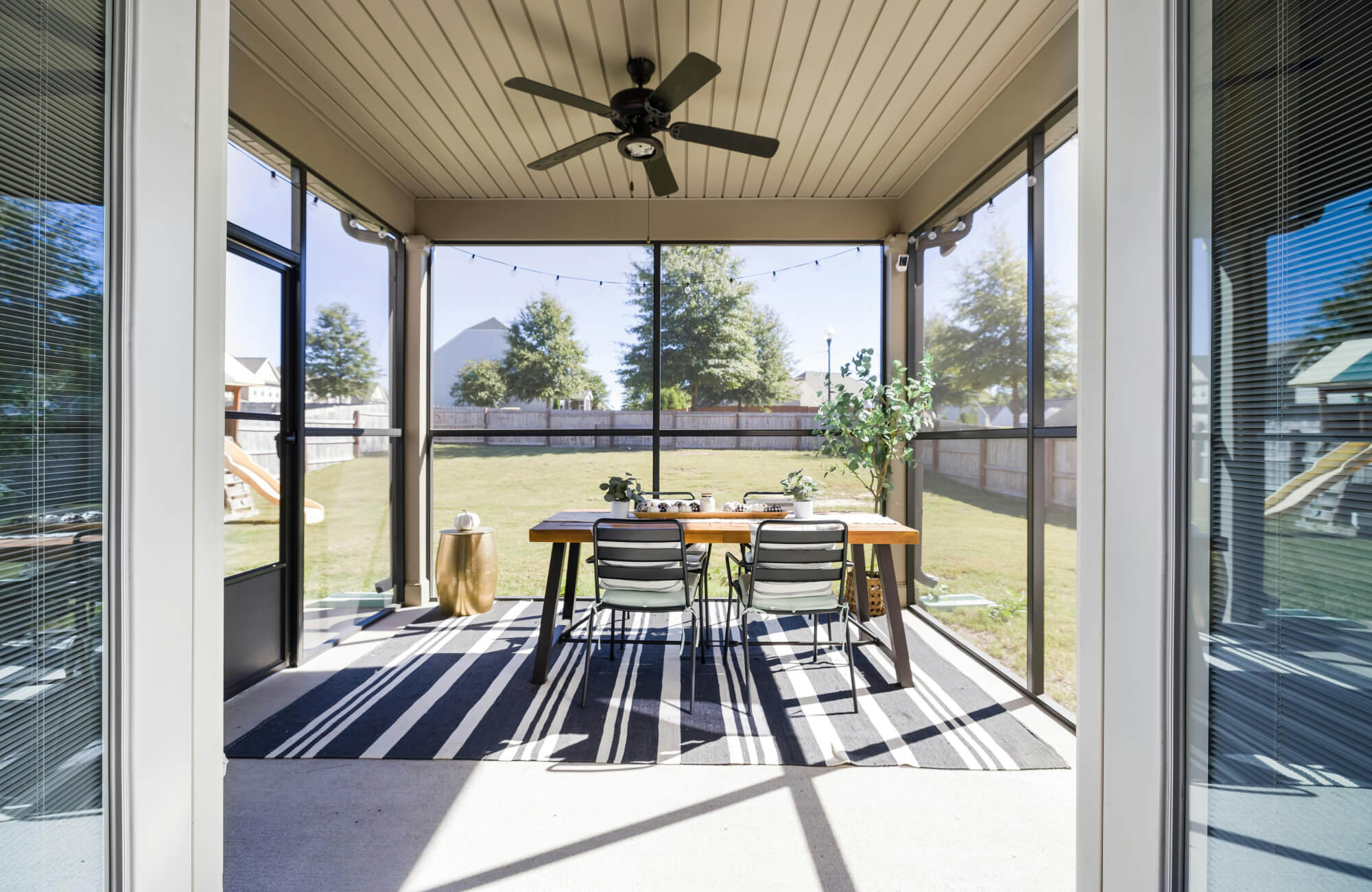
Mosaic floor tile has long been celebrated as a design element that blends timeless artistry with modern functionality, creating surfaces that feel both refined and enduring. Its intricate patterns and luminous finishes transform floors into canvases, bringing depth, rhythm, and movement into every interior. Whether enhancing the spaciousness of a small room or adding grandeur to expansive layouts, mosaic flooring adapts effortlessly to scale, purpose, and style. The versatility of materials, ranging from porcelain and natural stone to glass and recycled options, ensures that beauty is always paired with durability and performance. With its ability to unite craftsmanship, innovation, and sustainability, mosaic floor tile remains an unparalleled choice for creating interiors that are as practical as they are captivating.

Enhancing Small Spaces with Optical Illusion Techniques
Compact interiors often require thoughtful floor design to create the perception of openness, light, and depth. Mosaic floor tile achieves this with patterns and finishes that manipulate sightlines, brighten surfaces, and establish visual continuity.
Scale of Tile and Grout Density
Smaller mosaic formats such as penny rounds, micro-hexagons, and basketweave designs introduce dense grout joints, and these frequent lines trick the eye into perceiving a larger surface area. The repetition of tesserae produces rhythm and visual consistency, which prevents small rooms from feeling fragmented. In galley kitchens or narrow bathrooms, this density also adds texture while reinforcing a sense of scale. Porcelain mosaics are particularly effective here, as their low porosity and resilience make them practical for high-use environments. By minimizing the dominance of individual tiles, mosaics create a unified surface that subtly expands perception. In turn, compact spaces gain a balanced and intentional appearance that feels both open and welcoming.
Light and Reflectivity
The choice of color and finish plays an equally critical role in shaping spatial perception. For example, lighter tones such as pearl, ivory, and soft gray reflect both natural and artificial light, enhancing brightness in confined interiors. Glass mosaics and glossy porcelain tiles, on the other hand, magnify this effect by refracting illumination across the surface, creating depth and an airy quality. In powder rooms or enclosed entryways where natural light is scarce, reflective finishes can also dramatically alter the atmosphere.
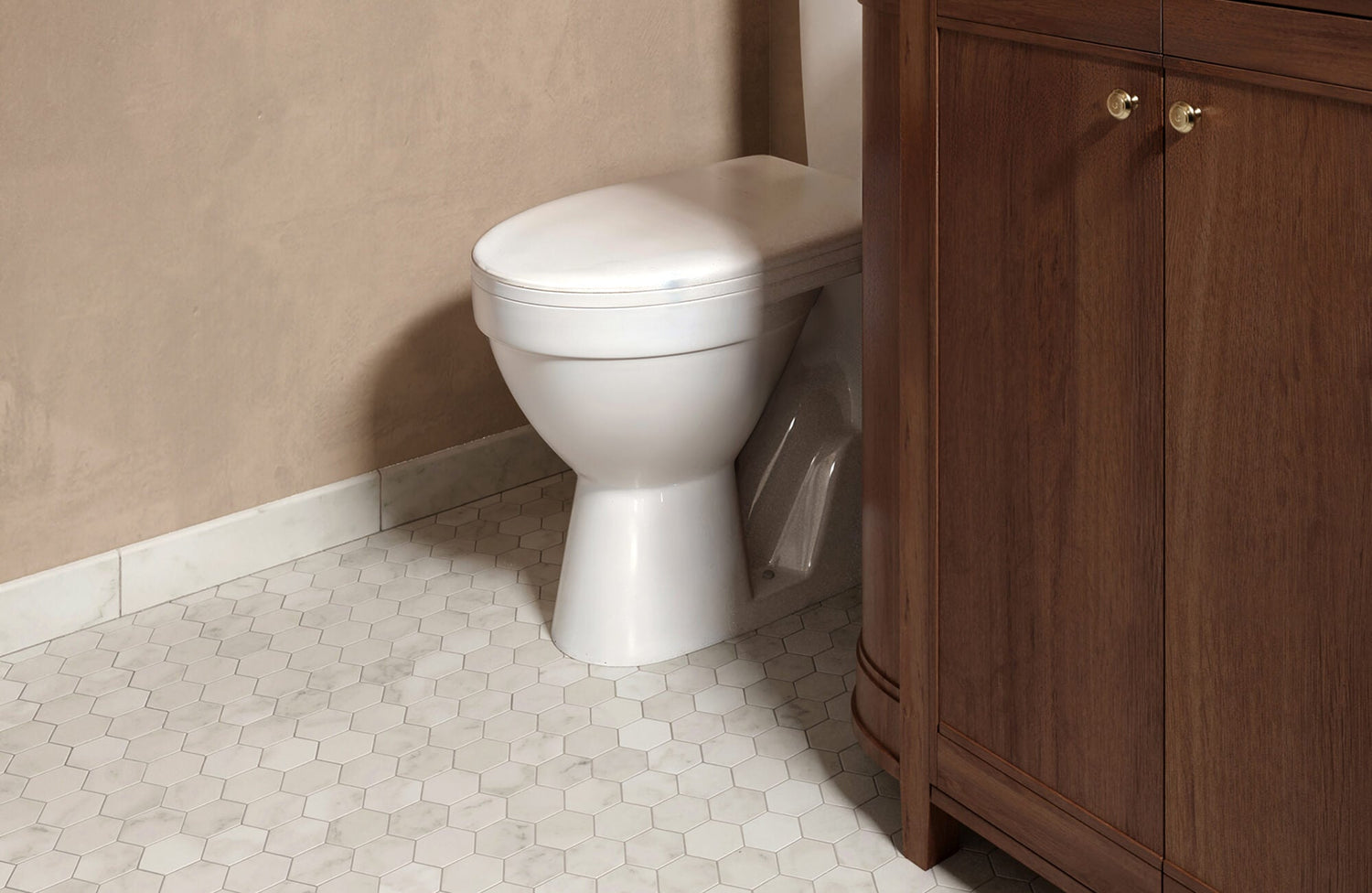
Designers often incorporate mosaics with a subtle iridescent sheen, which adds movement and sophistication without overwhelming the room. When these reflective qualities are paired with pale palettes, even modest spaces achieve a luminous and expansive feel. Edward Martin’s Leona 3x3 Matte Porcelain Hexagon Mosaic Tile in Calacatta, as displayed in the picture above, exemplifies this principle beautifully—its soft white surface with delicate gray veining brightens interiors while maintaining a refined, natural aesthetic. As shown in the photo, the hexagon format also introduces subtle geometry that captures shifting light throughout the day, reinforcing both openness and elegance in compact spaces.
Directional Layouts
Pattern orientation strongly influences how the eye perceives movement through a space. Diagonal, chevron, and herringbone mosaics naturally elongate sightlines, drawing attention outward and reducing any sense of confinement. These layouts also introduce flow and energy while still maintaining visual harmony. Transitional areas such as corridors benefit from these arrangements, as they transform what might feel narrow into a more engaging and dynamic pathway. Lighter color palettes further amplify this effect by reinforcing the sense of openness. Together, orientation and tone guide perception smoothly across the floor, ensuring compact interiors feel proportionally generous and thoughtfully designed.

Pattern Harmony and Mixing Styles
Mosaic flooring thrives on its ability to merge diverse designs, but the key lies in striking harmony rather than overwhelming the eye. Through thoughtful combinations of shapes, motifs, and scales, designers can create floors that feel both intricate and balanced, uniting artistry with intentional flow.
Geometric Meets Organic Motifs
Pairing structured patterns such as hexagons or chevrons with softer, organic motifs like florals or arabesques creates visual contrast that feels dynamic yet cohesive. These geometric elements provide rhythm and structure, while the organic forms add movement and individuality. In transitional spaces, this interplay also enriches the floor without fragmenting the design. Moreover, neutral palettes often ground these juxtapositions, ensuring the overall composition remains sophisticated. When executed thoughtfully, geometric and organic blends offer timeless variety that elevates interiors. This balance allows you to explore creativity while maintaining a polished aesthetic. Ultimately, the combination creates visual intrigue that feels intentional rather than chaotic.
Layering Scales and Proportions
Mixing mosaic formats of different sizes introduces depth and dimension that keeps large or repetitive floors engaging. For example, smaller penny rounds can border larger rectangular tesserae, creating definition while maintaining continuity. Designers often use this approach to highlight architectural lines or emphasize room transitions. In addition, varying establishes hierarchy and reinforces balance across the installation. The result is a mosaic composition that feels intentional, layered, and rich in character. This strategy also encourages the eye to travel across the surface, amplifying the sense of movement. When scales are balanced thoughtfully, they prevent monotony and enhance the artistry of the design.
As shown in the photo above, the Sloane 2x2 Matte Porcelain Mosaic Tile in Pearl is a striking example—it creates a soft, neutral grid underfoot that contrasts beautifully with the elongated wall tiles and oversized floor slabs. By layering these different proportions within one cohesive palette, the design achieves harmony while adding texture and rhythm. The effect is both serene and dynamic, proving how scale variation can elevate even the simplest spaces into thoughtfully curated interiors.
Blending Traditional and Contemporary Styles
Fusing classical mosaic motifs with modern minimalist layouts introduces both nostalgia and relevance. For instance, traditional patterns such as Greek keys or Moorish stars gain a fresh perspective when paired with sleek monochromatic fields. Conversely, modern metallic or glass mosaics achieve warmth and grounding when integrated with marble or travertine. This stylistic dialogue also ensures the floor resonates with multiple design sensibilities, bridging history with innovation. By blending eras and aesthetics, mosaic flooring becomes a versatile canvas adaptable to any interior vision. The result is a design language that honors timeless tradition while speaking to contemporary lifestyles. In doing so, mosaics transcend trends and remain enduring across generations.
To help homeowners and designers experiment with these combinations before committing, Edward Martin offers an innovative Augmented Reality (AR) Tool. This technology allows users to virtually place different mosaic styles, patterns, and layouts into their own spaces, providing a clear visualization of how harmony and mixing will look in real life. By previewing geometric and organic blends, layered proportions, or traditional and contemporary fusions directly within the room, decisions become more confident and precise.

Material Selection for Durability and Performance
The effectiveness of mosaic floor tile lies not only in its design but also in the choice of material. Each type, whether porcelain, stone, glass, or metal, offers unique qualities that influence both aesthetics and long-term performance.
Porcelain Mosaics
Porcelain mosaics stand out for their density, frost resistance, and minimal water absorption, making them ideal for kitchens, entryways, and outdoor patios. Their durability ensures resilience against frequent use while simplifying long-term maintenance. Advances in digital printing technology now allow porcelain to mimic natural stone, providing luxurious aesthetics without the upkeep. This versatility makes porcelain a practical yet stylish choice across a wide range of applications. Designers value its balance of strength and adaptability, particularly in projects where performance cannot be compromised.
In essence, porcelain mosaics offer a solution that combines technical excellence with visual versatility. Our Tatum 2x2 Matte Porcelain Mosaic Tile in Cross-Cut Straw, as featured in the picture above, demonstrates this balance perfectly—its subtle stone look surface pairs understated elegance with exceptional durability. Additionally, the matte texture softens its appearance, while the cross-cut pattern brings depth and authenticity, making it equally suitable for minimalist spaces or busy areas where lasting performance is essential.
Natural Stone Mosaics
Natural stone mosaics such as marble, travertine, and slate bring unique veining and textures that elevate flooring with authenticity and timeless luxury. Each tessera is distinct, contributing individuality that manufactured options cannot replicate. These materials, however, require sealing to resist stains and etching, particularly in high-moisture environments. When properly maintained, stone mosaics age gracefully, gaining patina while retaining their charm. Their tactile qualities also improve slip resistance, which adds functional value in addition to beauty. For homeowners or designers prioritizing elegance and authenticity, stone mosaics remain a premier option.
Glass and Metal Mosaics
Glass mosaics offer translucency and reflective qualities that energize interiors with light and color. Their shimmering surfaces are particularly effective in creating vibrancy within spas, foyers, or accent floors. Conversely, metal mosaics, crafted from stainless steel or aluminum, introduce bold, industrial aesthetics with sleek sophistication. While visually impactful, both materials are less suitable for heavy-use areas unless paired with protective finishes. Designers typically use them as highlights or accents, ensuring they make a statement without compromising durability. Their ability to add drama and individuality makes them valuable for targeted applications.
Slip Resistance Considerations
Safety is always paramount in flooring, and mosaic tiles can be optimized for this through finish selection. Their matte or textured surfaces enhance the coefficient of friction, improving slip resistance in wet or busy areas. Bathrooms, pool surrounds, and commercial interiors particularly benefit from this feature. In addition, honed stone mosaics or textured porcelain strike a balance by offering traction while maintaining refined aesthetics. This careful consideration ensures floors remain functional, attractive, and compliant with safety standards.

Innovative Grout Applications for Visual and Functional Impact
Grout is a vital design element that influences the appearance, functionality, and longevity of mosaic floor tile installations. Thoughtful choices in color, material, and joint width can completely transform the final presentation.
Color Integration
When grout closely matches tile color, it produces a seamless and continuous surface that helps compact interiors feel larger and calmer. This visual flow enhances spaciousness and minimizes interruptions across the floor. In contrast, selecting a grout that differs in tone accentuates each tessera, sharpening the intricacy of the pattern. Designers often apply this technique in expansive rooms to emphasize geometric designs or cultural motifs. The flexibility to either unify or highlight patterns also demonstrates grout’s essential role in design strategy. Far from being secondary, grout color becomes a decisive factor in shaping the overall mood of the installation.
Performance and Maintenance
Epoxy grout is widely regarded as the highest-performing option because of its stain resistance, impermeability, and longevity. Its durability makes it particularly suited for kitchens, bathrooms, and commercial spaces where hygiene is critical. Unlike cementitious grout, epoxy also retains its structure and vibrancy over time, reducing maintenance demands. Although it requires specialized installation, the long-term cost efficiency outweighs the initial labor investment. This reliability ensures that mosaic floors continue to look and perform as intended for years. In high-demand environments, epoxy grout stands out as the premium choice for both performance and design integrity.
Joint Widths and Layout Precision
The spacing of grout joints significantly affects the visual rhythm and structural integrity of mosaic flooring. For example, narrow joints lend a sleek, contemporary aesthetic that enhances minimalist interiors. Wider joints, by contrast, create a more traditional or rustic feel while accommodating minor substrate variations. Precision in grout placement is also essential to maintain alignment and avoid distortion in complex patterns. With this, designers carefully select joint widths that balance aesthetics with functionality, ensuring harmony in the finished surface. Attention to such detail elevates installations from functional to finely crafted.

Sustainable and Contemporary Design Trends
Sustainability and innovation are reshaping the future of mosaic floor tile, enabling designs that are both environmentally conscious and technologically advanced. These trends highlight how mosaics continue to adapt to modern design priorities without losing their timeless appeal.
Recycled Materials
Recycled glass mosaics turn post-consumer waste into durable and vibrant flooring, reducing landfill impact while conserving raw resources. Their translucent surfaces capture and scatter light, creating lively and dynamic floors. Improvements in manufacturing have also ensured that recycled mosaics now rival traditional glass in strength and resilience. Designers choose them for projects that prioritize ecological responsibility while still demanding aesthetic excellence.
This combination of sustainability and artistry resonates with modern homeowners and developers alike. By integrating recycled materials, mosaic flooring demonstrates its ability to align beauty with environmental stewardship. As displayed in the photo above, Edward Martin’s Astrid 2x2 Matte Porcelain Mosaic Tile in Oyster reflects this commitment, crafted with 95% locally sourced materials and up to 45% recycled content. Its soft, neutral tones and matte surface bring understated elegance to interiors while embodying eco-conscious innovation. By merging sustainability with refined style, mosaic tiles prove that responsible design can also deliver timeless sophistication.
Digital Printing Technology
Porcelain mosaics enhanced with digital printing replicate the appearance of rare marbles, terrazzo, or exotic stones with remarkable accuracy. This reduces reliance on quarrying, preserving delicate ecosystems while delivering consistent and affordable design solutions. Moreover, inkjet printing achieves fine veining, shading, and textural detail that closely mimic natural stone. For designers, this technology expands creative freedom while offering accessible luxury. It also ensures material availability without the limitations of natural supply. Digital printing has become a transformative force in contemporary mosaic tile production.
Modular Panels and Installation Efficiency
Pre-mounted mosaic sheets and modular panels streamline installation by offering consistent spacing and precise alignment. This efficiency reduces material waste, labor costs, and installation errors. Because of this, contractors appreciate the speed and accuracy these systems bring to large-scale projects. At the same time, homeowners benefit from professional-quality results that maintain design intent. Modular systems also make intricate patterns more accessible, democratizing high-end design. By combining practicality with artistry, they represent an important evolution in mosaic flooring.
Radiant Heating Compatibility
Porcelain and stone mosaics pair seamlessly with radiant heating systems, thanks to their excellent thermal conductivity. This compatibility allows thin assemblies to distribute warmth evenly, creating comfortable surfaces that improve energy efficiency. This integration also reduces dependence on forced-air heating, making it a sustainable choice for colder climates. Furthermore, proper adhesive and grout selection ensures durability when exposed to thermal expansion. The result is flooring that blends luxury with eco-conscious performance. Radiant heating compatibility illustrates the adaptability of mosaics to contemporary living needs.
Enduring Elegance of Mosaic Floor Tile
Mosaic floor tile continues to stand as a design choice that balances beauty, functionality, and lasting performance. Its ability to expand the perception of small rooms while grounding expansive interiors highlights its adaptability across every scale. With diverse materials, innovative grout applications, and sustainable design trends, mosaics offer endless opportunities to create flooring that feels both timeless and contemporary. As a result, mosaic floor tile remains a defining element in interiors that aspire to sophistication, durability, and artistry.
For those ready to bring these ideas into their own homes, Edward Martin makes the design process even more approachable with tile sample requests. By experiencing the colors, textures, and finishes firsthand, homeowners and designers gain confidence in selecting mosaics that align perfectly with their vision. Holding a sample under natural light or pairing it with furnishings allows for more informed and inspired decisions!