
)
)
)
)
)
)
)
)
What Type Of Rug Is Best For Outdoors?
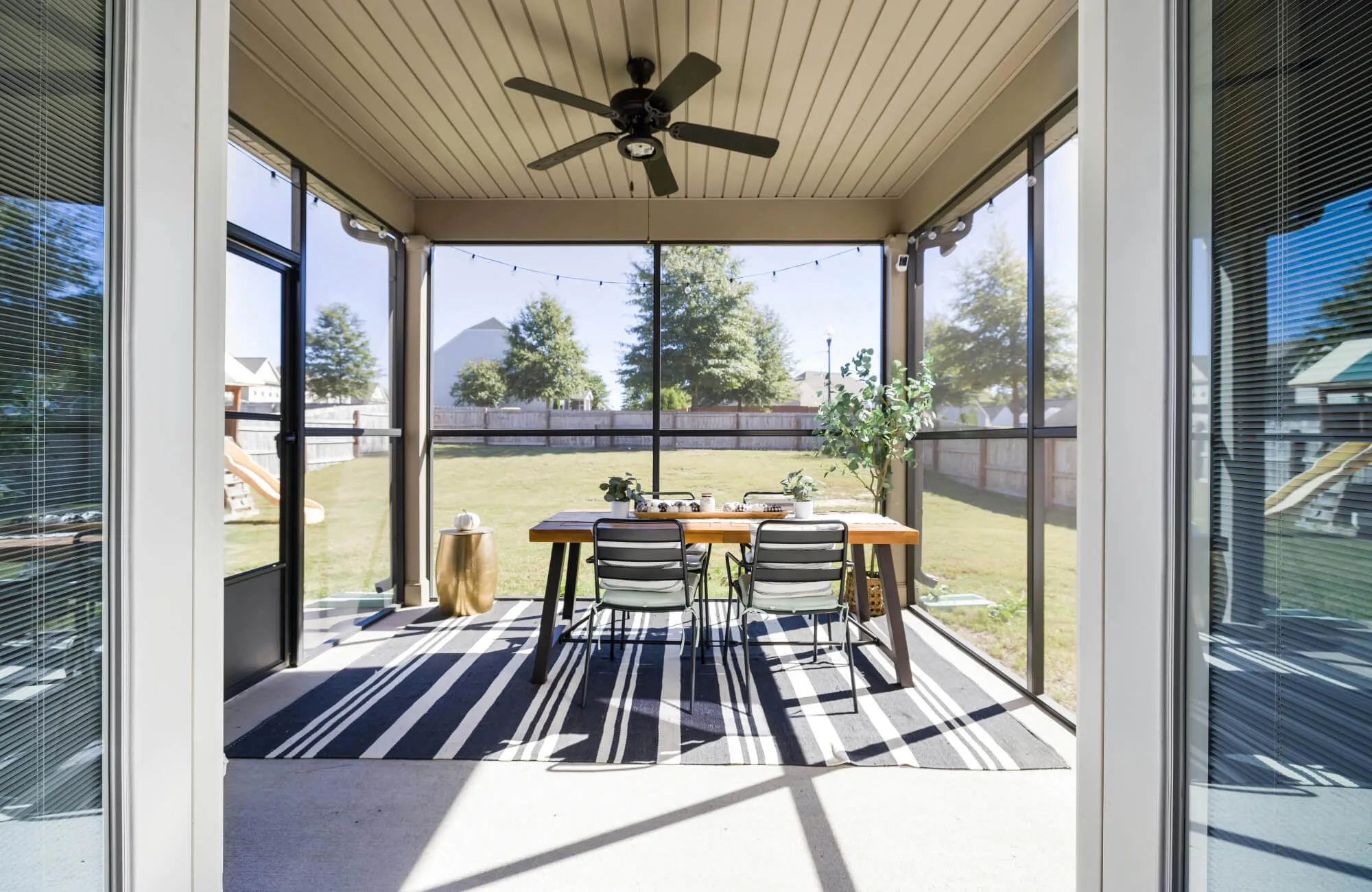
Creating an inviting outdoor space often comes down to the details, and rugs play a key role in that transformation. They can bring warmth underfoot, define seating or dining areas, and make patios and porches feel like natural extensions of the home. But aside from appearance, outdoor rugs must handle rain, sunlight, and shifting weather conditions while remaining comfortable to use.
Striking the right balance between durability and design can feel daunting, given the wide range of materials, patterns, and price points available. Not every rug is designed for outdoor use, and the wrong choice can quickly cut its lifespan short. In this article, we’ll explore the key factors that define a well-suited outdoor rug, helping you select one that enhances your space and endures over time.
Outdoor Rug Materials Explained
The first step in selecting an outdoor rug is knowing what it’s made of. The material determines its durability and overall comfort underfoot.
Polypropylene Rugs
Polypropylene rugs are known for their strength and versatility, making them one of the most widely used options for outdoor spaces. The fibers can resist fading in the sun, hold their color well, and repel moisture instead of absorbing it. This gives them an advantage in open areas such as patios or poolside settings where exposure to the elements is constant. Although they lack the plushness of indoor rugs, their lightweight texture also provides a comfortable surface underfoot and a reliable foundation for everyday outdoor use.
Polyester and PET Rugs
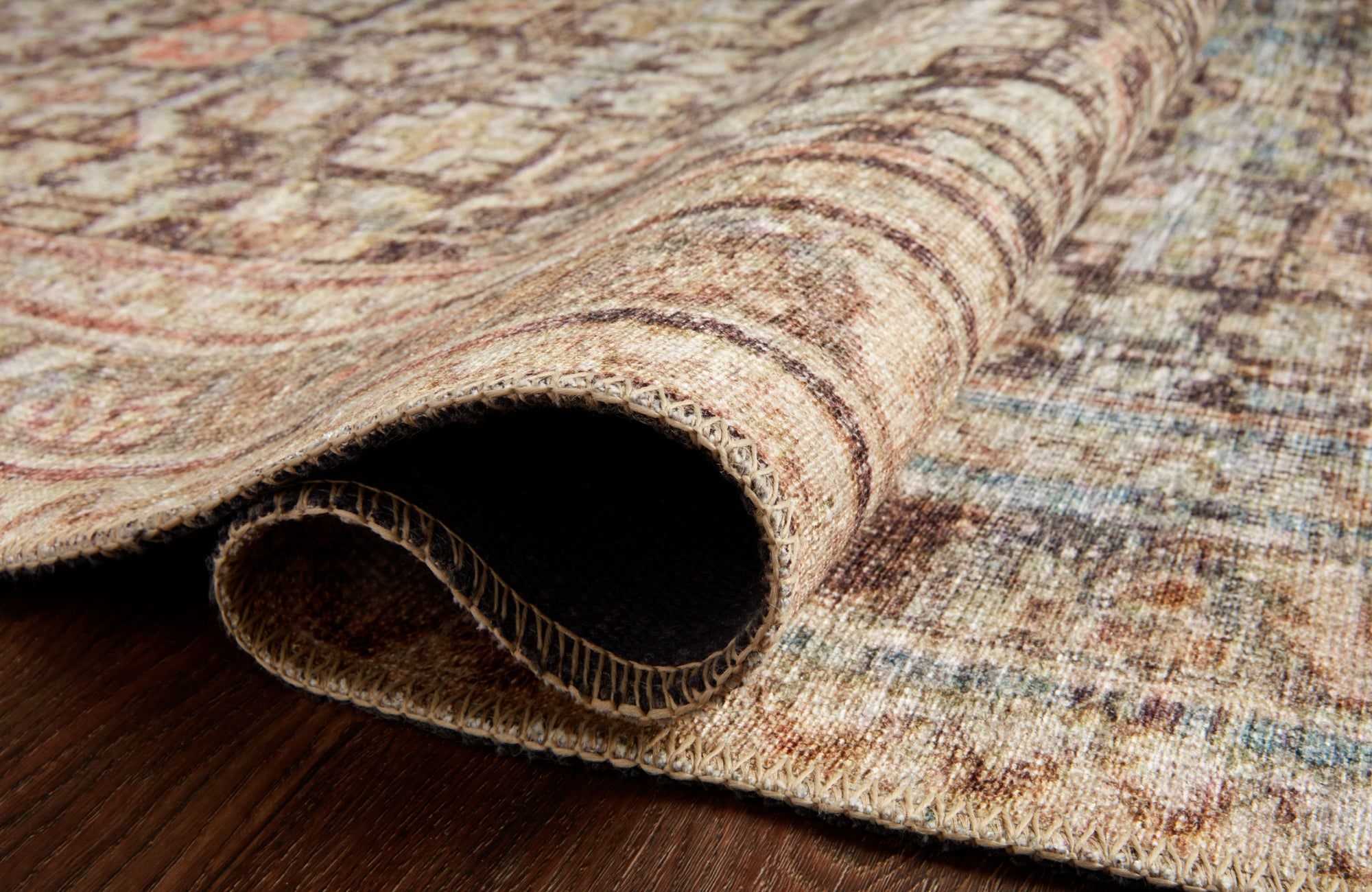
Polyester and PET rugs offer a balance of comfort and durability that works well in many outdoor settings. PET, made from recycled plastic, is an eco-friendly choice that remains durable through regular use. These rugs are also resistant to stains, making them a smart choice for outdoor dining areas or spaces where gatherings are common. They feel softer than polypropylene, making them more comfortable for bare feet or for sitting directly on the rug.
A good example is our Pascal Polyester Face Rug in Smoke / Multi, as pictured above, which is power-loomed in a transitional style to showcase how polyester combines durability with a soft, inviting feel.
Natural Fiber Rugs
Jute, sisal, and seagrass can bring a distinct texture and a natural sense of beauty to outdoor spaces. They’re a great option if you want an organic, earthy look that blends easily with wood, stone, or greenery. Because these fibers absorb moisture, they can wear down quickly in damp conditions, which is why they’re best suited for covered porches or areas protected from rain. For those who love the natural look but want something longer-lasting, blends that mix natural fibers with synthetics also offer a similar style with added durability.
Blended and Performance Fabrics
Some outdoor rugs combine natural fibers with synthetics, combining the appeal of organic textures with the strength of man-made materials. These blends often capture the look of jute or sisal while holding up better against outdoor exposure. Performance fabrics take it a step further, engineered specifically to resist UV rays, mold, and general wear and tear. If you’re looking for a rug that feels polished and stylish while standing up to everyday outdoor use, blends and performance weaves are another strong option.
How Weather and Climate Affect Rug Choice
Climate can make or break your outdoor rug. By considering your local weather, you can ensure the rug you choose looks good and lasts longer.
Hot and Sunny Climates
In areas with intense sunlight, fading is one of the biggest challenges for outdoor rugs. To prevent this, UV-resistant options such as polypropylene or performance fabric rugs help colors stay vibrant over time. Additionally, lighter shades generally perform better under direct sunlight than darker tones, which can lose their richness more quickly. Flatweave designs are also practical in hot weather, since their breathable structure allows air to circulate and keeps the surface cooler underfoot during the warmest parts of the day.
Humid or Rainy Regions
In climates where dampness is common, mildew is often the biggest concern. Rugs that dry quickly and resist mold are the most reliable choice. Polypropylene and polyester are performing especially well here since they don’t absorb water. Raised weaves or open patterns also encourage airflow, helping moisture evaporate instead of settling in. For added protection, a breathable rug pad can make a noticeable difference by allowing water to drain away and keeping the underside from staying damp.
Cold and Snowy Areas
Snow, mud, and salt can be tough on outdoor surfaces, and rugs are no exception. For this reason, dense and durable weaves, such as polypropylene or PET rugs, tend to perform best because they provide the strength to withstand regular wear. Additionally, materials that remain flexible in low temperatures are another practical choice, since some natural fibers can stiffen or even crack when exposed to prolonged cold. Flatwoven or low-pile designs are equally helpful, as they can be shaken out or rinsed easily, making winter upkeep simpler and keeping the space inviting despite harsh conditions.
Transitional Seasons
In regions with mild winters and hot summers, versatility becomes especially important. Reversible rugs are a smart choice here, allowing you to flip them for a fresh surface when needed. Midweight weaves also work well, as they’re substantial enough to provide comfort on cooler days yet light enough to dry quickly after spring or summer rain. In areas where conditions shift often, a rug that can adapt with the seasons makes outdoor living more practical and enjoyable.
Styles and Designs That Work Outdoors
Durability is essential, but style is what shapes the atmosphere of your outdoor space. The right rug can pull your furniture together, set the tone, and make the area feel as inviting as any room inside your home.
Bold Patterns and Colors
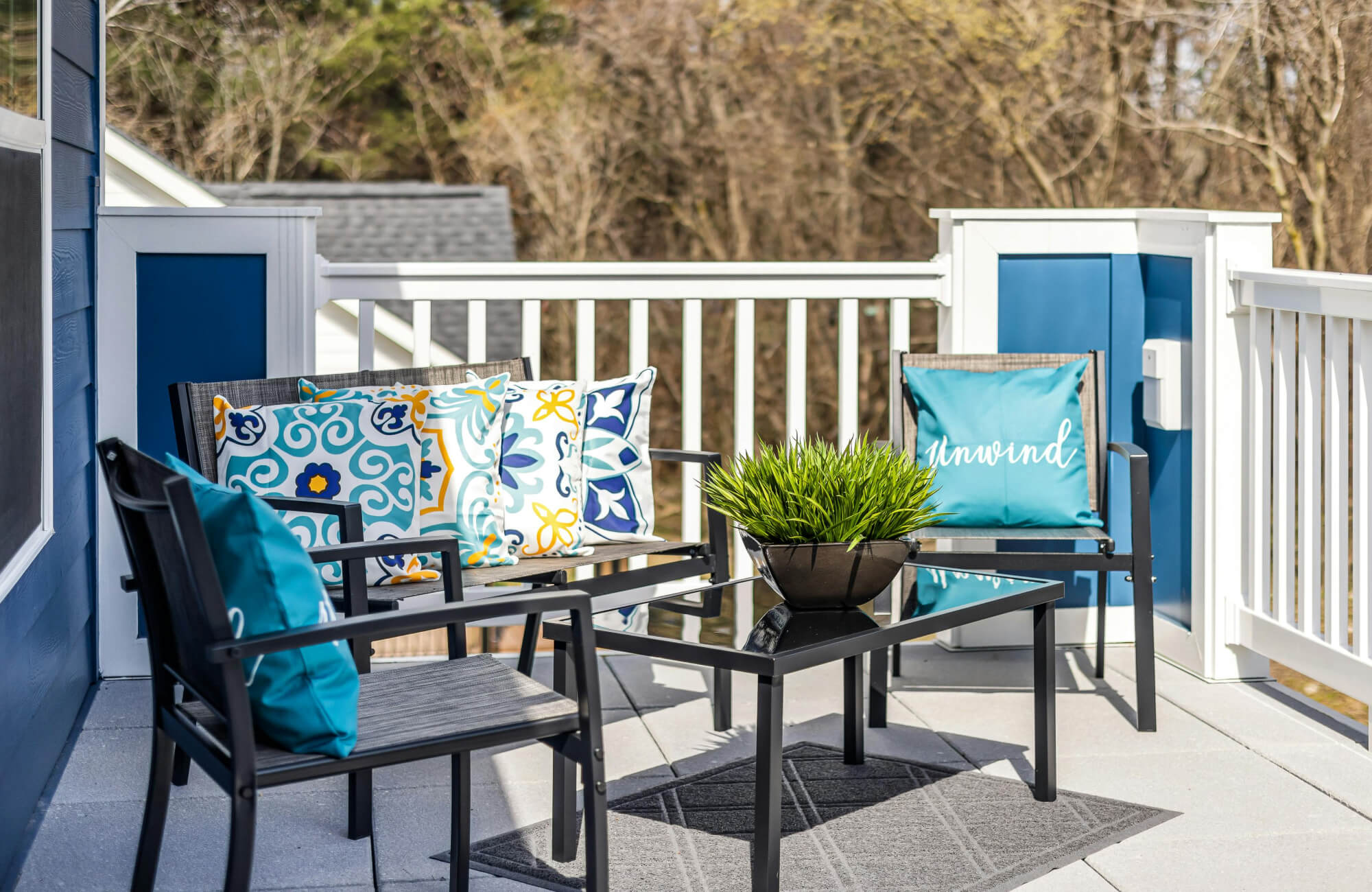
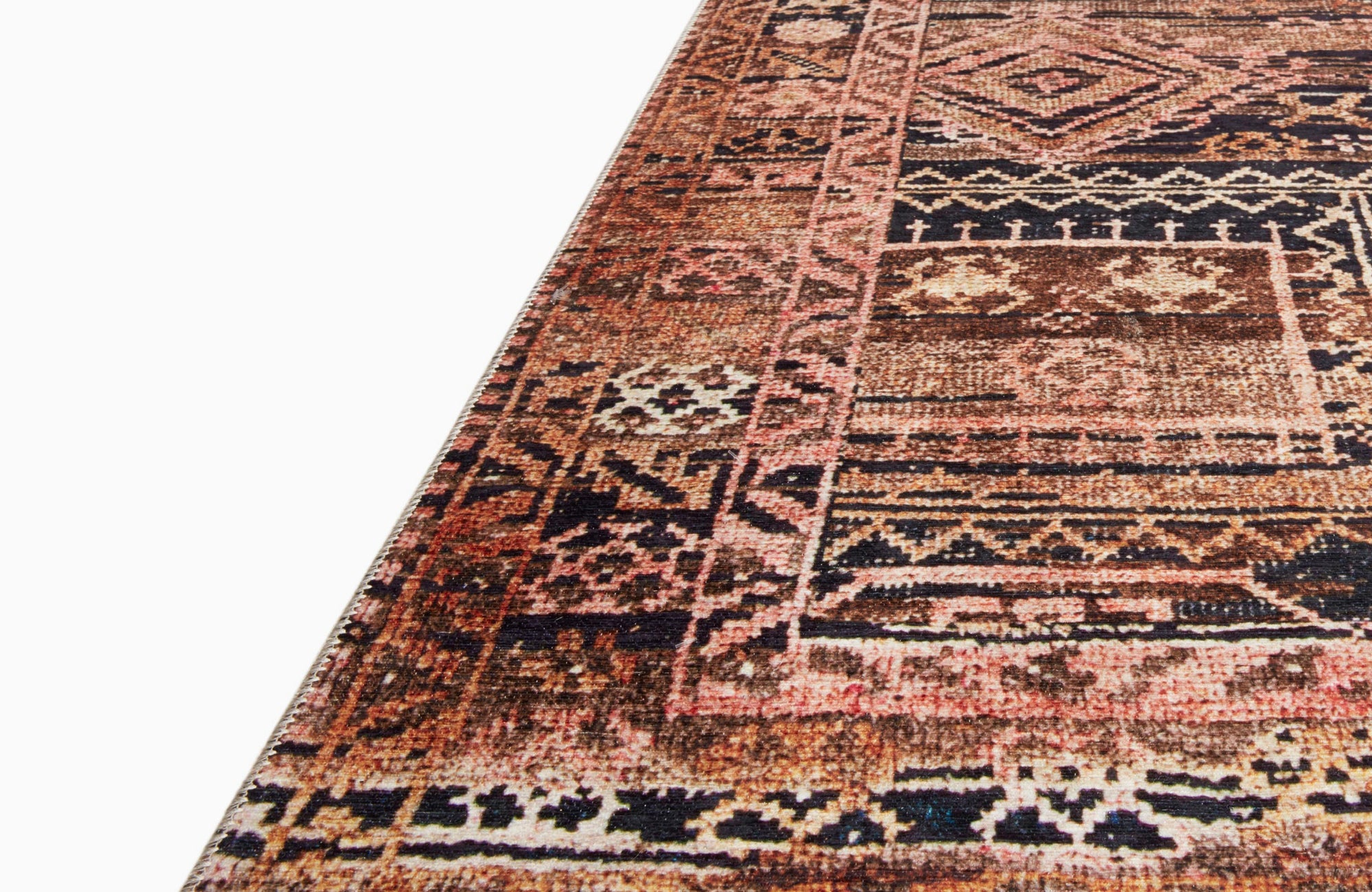
If you want to bring energy to your outdoor space, bold rugs can instantly set the tone. For example, stripes, geometrics, and vibrant hues can transform a plain patio into a lively gathering spot, while naturally drawing the eye to central areas. In addition, pairing a bright rug with neutral furniture keeps the look balanced while letting the rug take center stage. Edward Martin’s Hutchinson Polyester Face Rug in Rust / Desert, as pictured above, showcases a bold mix of earthy tones and intricate patterns that can instantly draw the eye and define the space.
Neutral Tones and Minimalist Styles
For a calming, understated look, neutral rugs are both versatile and timeless. Shades like beige, gray, and soft taupe blend seamlessly with natural surroundings and pair well with most outdoor furniture. They can create a subtle backdrop that highlights greenery, wood, or stone while still adding comfort underfoot. Minimalist patterns can also make smaller spaces feel more open, and their simplicity allows you to update the area with accent pillows or décor without worrying about clashing styles.
Textures and Weaves
Flatweave rugs are a popular outdoor use because they dry quickly, resist wear, and provide a practical and dependable surface. They’re also easier to manage than thick pile rugs, which can trap dirt and moisture. Textured weaves, on the other hand, can bring depth and a softer feel underfoot, making seating areas feel warmer and more inviting. The decision often comes down to whether you prioritize ease of care or added comfort, though layering different textures can sometimes provide a balanced mix of both.
Shape and Size Considerations
The shape of your rug should complement the layout of your outdoor furniture to maintain the balance and flow. For example, rectangular rugs work well for dining areas, while round rugs soften lounge setups and create a more intimate atmosphere. In addition, runners are ideal for narrow balconies, drawing the eye along the space and adding comfort without crowding. For a polished finish, choose a rug large enough to fit all furniture legs, as this creates a cohesive, grounded arrangement that feels intentional.
Practical Maintenance and Cleaning
Even the toughest outdoor rugs need regular care. Looking after them not only extends their life but also keeps your space feeling welcoming.
Easy Cleaning Options
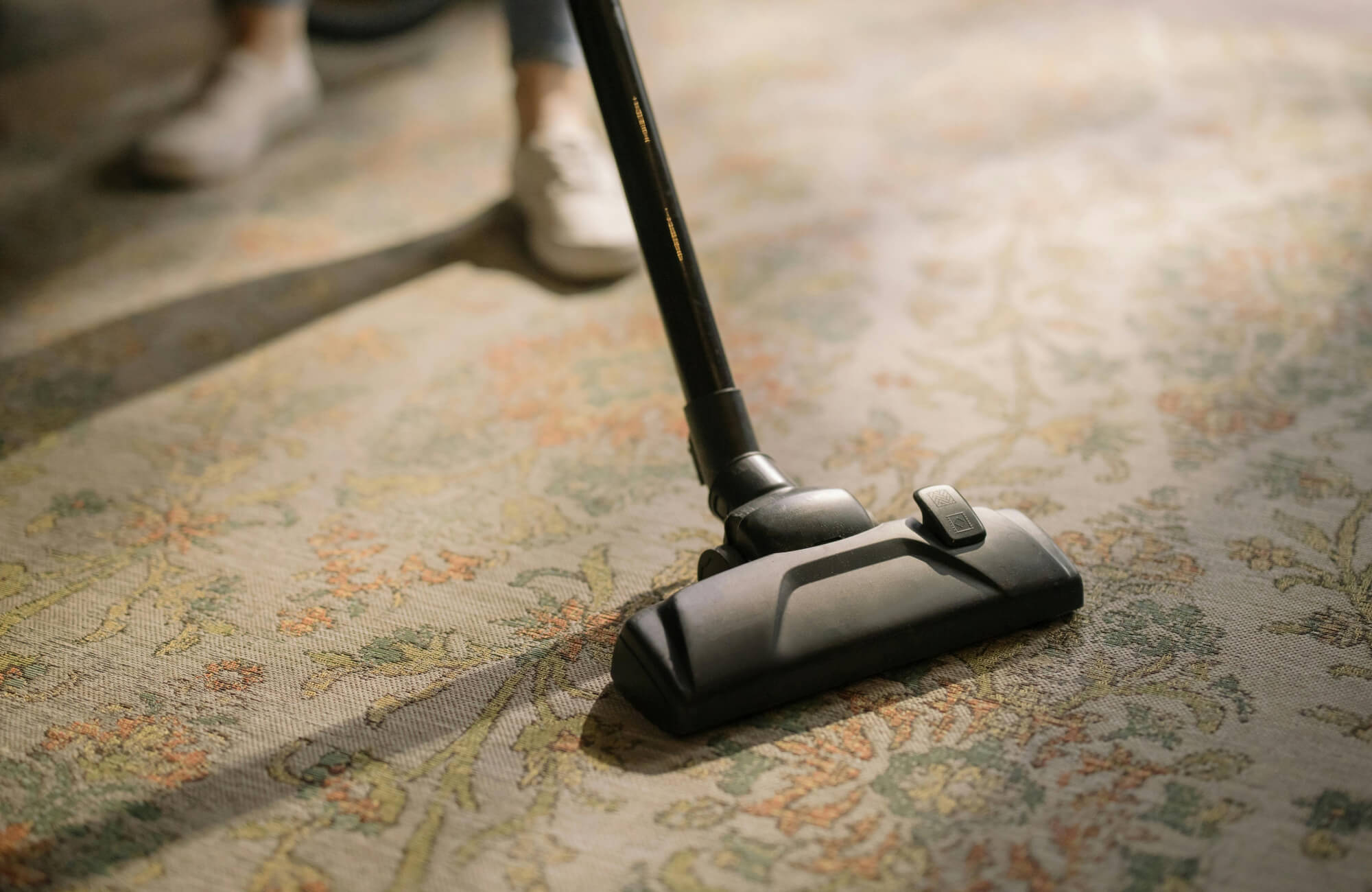
For everyday care, most outdoor rugs can be swept or vacuumed to remove dirt and debris. When a deeper refresh is needed, many can be rinsed with a garden hose, while small spills are usually manageable with mild soap and water. Polypropylene rugs, in particular, are among the easiest to clean due to their water-resistant fibers. However, it’s always best to follow the manufacturer’s care guidelines to prevent damage and ensure the rug lasts as long as possible.
Mold and Mildew Prevention
Moisture is the main cause of mildew, so keeping your rug dry is key. Airing it in the sun from time to time further helps, as sunlight naturally discourages mold growth. Using a breathable pad underneath also allows water to drain and air to circulate, preventing the underside from staying damp. Materials like polypropylene and PET can resist mold more effectively than natural fibers, making them a reliable choice in humid or rainy climates.
Seasonal Storage Tips
If winters are harsh, rolling and storing your rug indoors is the best way to extend its life. Store it in a cool, dry place to prevent moisture buildup, and wrap it in breathable fabric instead of plastic to avoid trapping humidity. It also helps to give the rug a quick clean before storage, so it’s ready to use as soon as the warmer months return. Polypropylene and PET rugs are generally more forgiving, but proper storage will keep any material looking its best for longer.
Quick Fixes for Wear and Tear
Frayed edges or small snags don’t have to mark the end of an outdoor rug’s usefulness. Trimming loose threads or applying a simple repair kit can restore its look and stop further damage. For reversible designs, flipping the rug from time to time spreads out the impact of sun, foot use, and furniture, which can nearly double its lifespan. Outdoors, corners are especially prone to curling in the wind, so weighing them down with furniture further helps the rug stay flat and safe while keeping the space polished.
Matching Rugs to Outdoor Spaces
Every outdoor area has its own character, and the right rug should reflect that. Choosing one that fits the setting not only adds style but also ensures it works well with the daily routine.
Patios and Decks
Patios often serve as gathering hubs, and rugs can help divide zones for dining, lounging, or entertaining. In this way, a well-placed rug creates definition, making each area feel intentional and welcoming. Large polypropylene rugs work especially well here because they’re durable, weather-resistant, and withstand frequent activity. Additionally, for bigger decks, layering two rugs can highlight separate spaces while also adding extra comfort underfoot.
Porches and Entryways
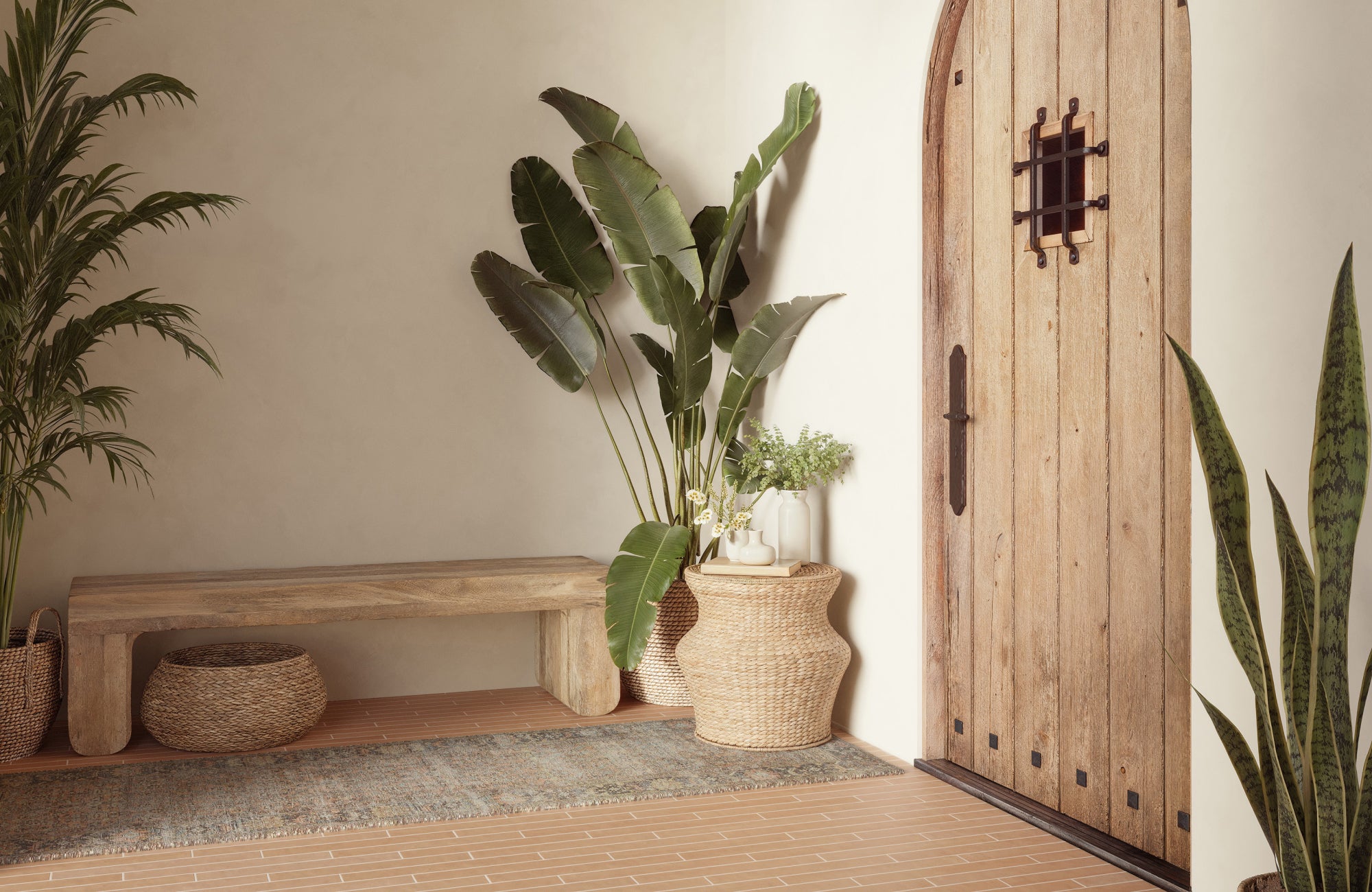
Porches and entryways require rugs that can handle daily use, since these spaces connect the outdoors with the indoors. Low-pile rugs with dirt-resistant weaves are ideal, as they can withstand well against shoes, pets, and constant use. Additionally, they’re easy to shake out or rinse, which keeps the area looking fresh. On covered porches, natural fiber blends can also add a welcoming touch of warmth while still offering practical protection against tracked-in dirt.
Edward Martin’s Georgette Polyester Pile Rug in Spice / Indigo, as pictured above, demonstrates how a durable yet stylish design can enhance an entryway while blending seamlessly with natural materials and décor.
Poolside Areas
Around water, safety comes first, and the right rug can reduce slips while adding comfort underfoot. Slip-resistant, quick-drying options work best, with PET and polypropylene rugs standing out for their ability to repel moisture. By preventing soggy surfaces, they can keep the space both practical and enjoyable. Bright colors or bold patterns can also bring energy to the setting while making walkways and seating zones easier to spot, which is especially helpful when hosting guests.
Balconies and Small Spaces
In smaller outdoor areas, rugs can add warmth and help define the space without making it feel crowded. Runners or small round rugs are especially effective for creating clear seating zones that feel intentional and inviting. Light colors or subtle patterns can also make the area appear more open and airy, enhancing the sense of space. On city balconies, weather-resistant options like polypropylene are a smart choice, as they withstand sun, rain, and everyday use.
Budget and Longevity
Your budget shapes the type of rug you bring home, but so does your expectation for how long it should last. Thinking about both cost and durability together helps you find the best value for your outdoor space.
Affordable Options
For those just starting to furnish outdoor areas, budget-friendly rugs can be a practical way to add comfort and style without a large upfront cost. Polypropylene rugs are especially common in this range, offering weather resistance and everyday durability at a reasonable price. They also make it easy to experiment with different colors or patterns, giving you the freedom to refresh your outdoor space as your style changes.
Mid-Range Picks
If you’re looking for more variety in style without sacrificing durability, mid-range rugs strike the right balance. In this category, you’ll find a wider range of colors, textures, and weaves, often enhanced with performance treatments that help resist fading and mildew. PET rugs and blended fabrics are commonly used, offering both comfort and resilience in different outdoor settings. These rugs are a great fit for those who use their outdoor spaces regularly and want something dependable without the higher cost of luxury options.
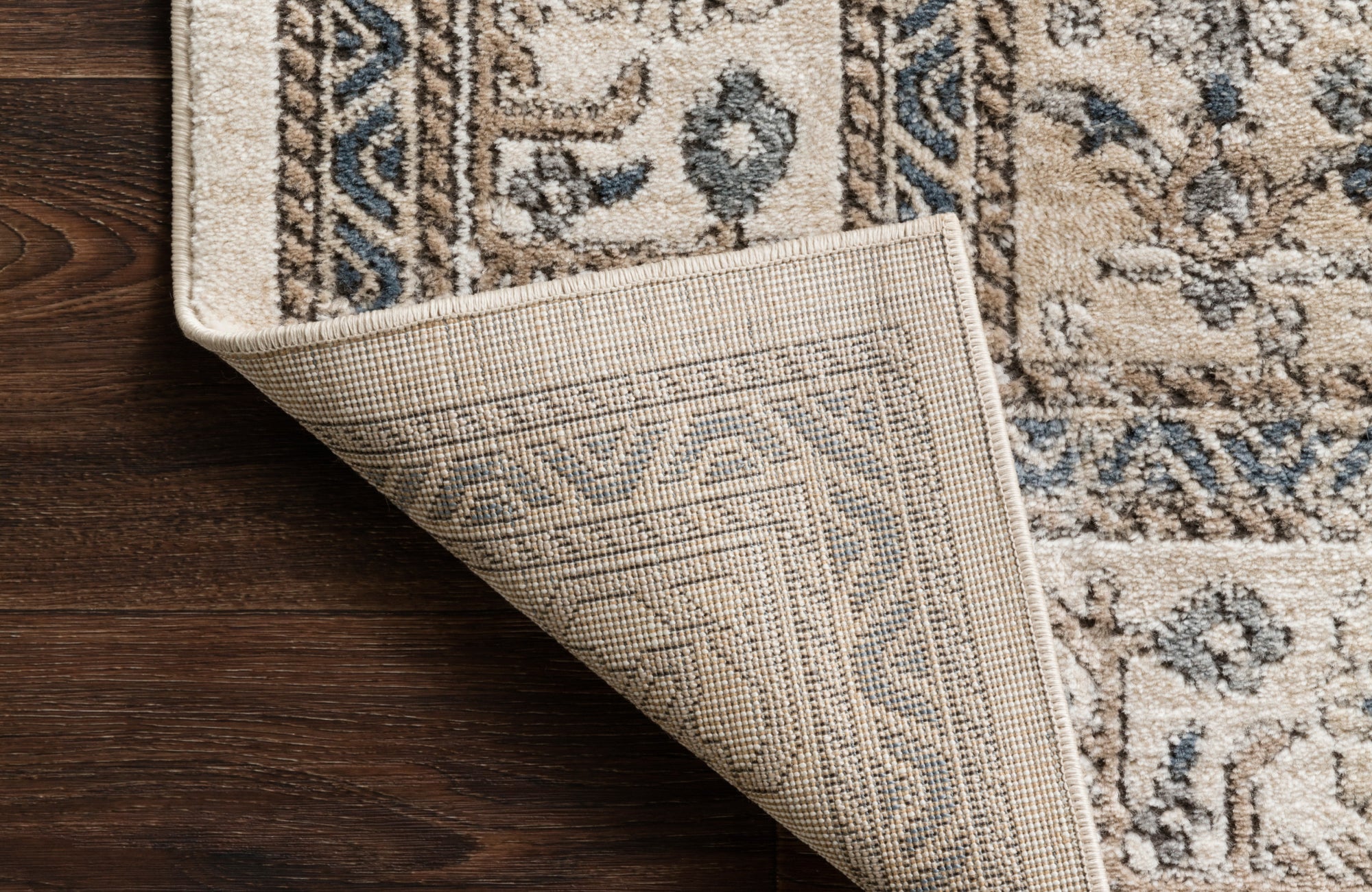
For instance, Edward Martin’s Charlise Polypropylene & Polyester Pile Rug in Natural / Navy, as displayed in the photo above, illustrates how a blended design can combine durability with rich detailing, providing both strength and visual appeal in a mid-range option.
High-End Performance Rugs
Premium outdoor rugs are crafted with advanced fibers and weaving techniques that deliver exceptional longevity. Materials such as solution-dyed acrylics and high-performance polypropylene are effective in this range, designed to resist fading, moisture, and frequent use while maintaining their look. Though they come with a higher price tag, these rugs can easily outlast multiple budget options, making them a worthwhile long-term investment. They’re ideal if you view your patio, deck, or poolside area as a true extension of your home. With their refined finishes and lasting durability, they can offer both comfort and style that feel closer to an indoor rug while still standing up to outdoor conditions.
Calculating Long-Term Value
When comparing costs, it helps to look beyond the initial price tag. Spending more up front can save money in the long run if it reduces the need for frequent replacements. For instance, replacing a budget rug every season may end up costing more than investing in a durable mid-range or high-end option. By considering your climate, how the space is used, and the rug’s lifespan, you can choose an option that offers the best long-term value for your outdoor area.
Choosing the Best Outdoor Rug
The best outdoor rug is one that suits your climate, lifestyle, and budget while enhancing both comfort and style. Polypropylene and PET rugs are dependable choices for durability and moisture resistance, while natural fibers like jute or sisal bring warmth and texture to covered spaces. For a balance of resilience and design, blended or performance fabrics offer versatility across different settings. By matching the material to where and how you’ll use it, you can create an outdoor space that feels welcoming, functional, and built to last.
If you’d like guidance in choosing the right rug for your home, contact us to explore your options or take advantage of our design service for personalized recommendations.
Follow us on Instagram
@EDWARD.MARTIN
)
)
)
)
)
)
)
)
)
)
)
)
)
)
)
)