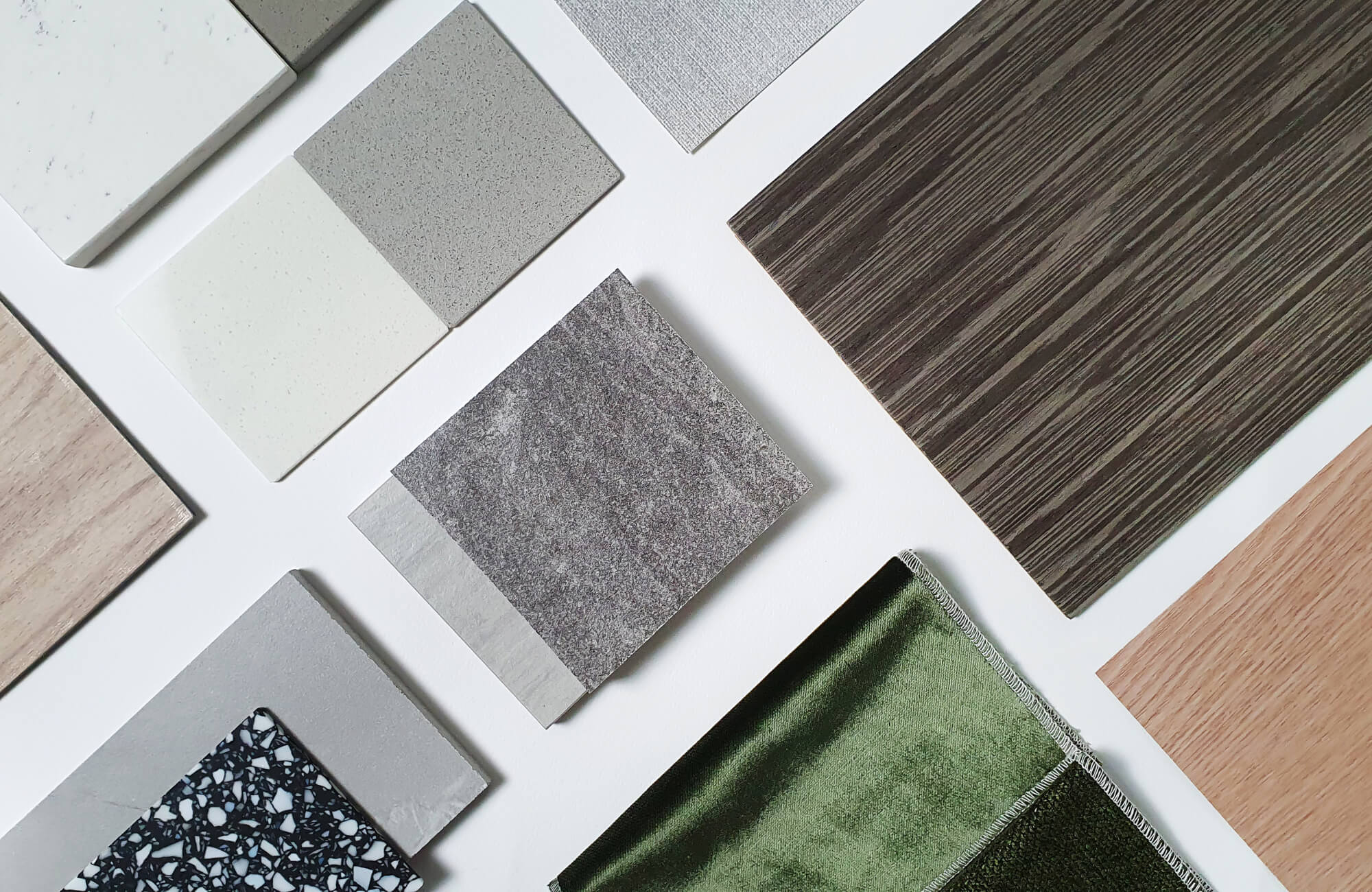
Modern bathroom design has moved beyond basic function to focus on spaces that feel open, comfortable, and thoughtfully composed. When you plan a renovation today, you are not only choosing finishes and fixtures but also deciding how the bathroom will support your daily routines and long-term needs. This article explores practical modern bathroom ideas, from layout and material choices to lighting and finishes, to help you create a space that feels current, balanced, and built to last.

Designing Open and Airy Bathroom Layouts
Open layouts are a defining element of modern bathroom design, shaping how the space feels and functions. When planning a bathroom, prioritize reducing unnecessary barriers to create an environment that feels open, easy to move through, and visually cohesive while still supporting everyday use.
Open Sightlines and Walk-In Showers
Walk-in showers play a central role in open bathroom design by reducing visual interruptions and creating a stronger sense of continuity. By minimizing thresholds and bulky enclosures, the eye can move freely through the space, helping even smaller bathrooms feel more open. This approach also improves daily use by making the shower easier to access and simpler to maintain.
Openness, however, does not mean sacrificing privacy or comfort. Carefully positioned glass panels or partial walls provide necessary separation while preserving clear sightlines. When planned with intention, walk-in showers balance visual openness with everyday comfort. The result is a space that supports both practical use and a refined, modern look.
Curved Shower Doors for Softer Flow
While modern design often relies on straight lines, curved shower doors add a subtle sense of movement, softening the overall layout. The gentle curve helps guide circulation naturally and reduces the rigid feel that can develop in bathrooms dominated by sharp angles. This subtle shift in form also adds visual interest without disrupting a clean, modern aesthetic.
Curved shower doors are particularly effective in transitional areas where the shower is positioned near an entry or vanity. The rounded shape helps direct movement through the space and creates a smoother visual rhythm. As a result, the bathroom feels more intuitive and cohesive rather than divided into rigid zones.
Integrated Shower Benches
Shower benches have evolved from purely functional features into integrated design elements that enhance the overall layout. When built directly into the shower structure, they support visual continuity instead of reading as separate additions. This integration helps maintain a streamlined, modern appearance.
Aside from added comfort, integrated benches also improve accessibility and provide practical support for everyday routines. Using the same materials as the surrounding walls allows the bench to blend seamlessly into the design. This consistency reinforces a clean, intentional look while keeping the focus on functionality.

Subtle Color Palettes With Depth
Color plays a subtle yet influential role in modern bathroom design. Instead of relying on bold contrasts, focus on layered tones that introduce warmth and depth while keeping the space calm and visually balanced.
Soft Neutrals With Intentional Contrast
Soft neutrals such as warm gray, beige, and off-white create a calm, versatile foundation in modern bathrooms. These tones reflect light evenly, helping the space feel more open while reducing visual clutter. Their understated quality allows architectural details and materials to take focus without competing for attention.
This approach is illustrated in the photo featured above, where Edward Martin’s Jojo 2x6 Glossy Ceramic Tile in Fog adds depth through subtle shifts of soft gray with hints of light brown, creating a natural, handmade feel. Its gentle sheen enhances light reflection, contributing to the room’s airy quality. Intentional contrast is then layered in through warm wood surfaces and gold-toned fixtures, which define zones without disrupting cohesion. When handled with restraint, this balance of soft neutrals and measured contrast creates a palette that feels composed rather than busy.
Gold Toned Hardware as a Highlight
Gold-toned hardware adds warmth and refinement to neutral bathroom designs, helping soften cooler palettes. When used with intention, it serves as a subtle visual highlight rather than a dominant element. This restrained approach allows metallic finishes to enhance the space without feeling decorative or overpowering.
A restrained approach to gold finishes is evident in the photo featured above, where Edward Martin’s Foley Wall Sconce in Aged Brass adds warmth and function without becoming a focal point. Its placement at eye level supports everyday use while reinforcing visual balance. The shared finish across fixtures keeps the palette cohesive and refined.
Abstract Wallpaper as a Modern Accent
Abstract wallpaper provides an opportunity to introduce personality while preserving a clean, modern feel. In bathroom spaces, it is most effective when used selectively, such as on a single accent wall or within a powder room. This restrained application keeps the design intentional rather than overwhelming.
To maintain balance, patterns with limited color variation help ground the space and complement surrounding finishes. Scale also plays an important role, as larger, more fluid designs tend to feel more contemporary. By avoiding overly intricate patterns, the wallpaper adds interest without making the wall feel busy.

Statement Surfaces That Elevate the Space
In modern bathrooms, surfaces often serve as the primary source of visual interest. Rather than layering multiple decorative elements, focus on material quality and texture to achieve a refined, intentional look.
Veined Marble and Natural Stone Accents
Veined marble and other natural stone surfaces introduce depth and movement that manufactured materials cannot easily replicate. The natural variation found within each slab adds visual interest, allowing surfaces to feel expressive without relying on decorative embellishment. This inherent character makes stone especially effective in modern bathroom design.
This approach is reflected in the photo featured above, where Edward Martin’s Aniston 24x48 Matte Porcelain Tile in Calacatta Quartzite captures the look of veined stone across large, continuous surfaces. Its subtle veining adds movement while maintaining a restrained, modern aesthetic. Used on the walls, the scale allows the pattern to be appreciated up close without overwhelming the space. By letting the surface stand on its own, the design feels refined rather than overly formal or heavy.
Textured Walls for Subtle Dimension
Textured walls introduce tactile interest that enhances a modern bathroom without adding visual clutter. Finishes such as plaster, stone-look surfaces, or softly textured tiles subtly interact with light, creating depth and variation across the space. This approach adds character while maintaining a clean, composed appearance.
To maintain visual balance, texture is best applied selectively to one or two areas. Limiting its use keeps the space from feeling heavy or overly designed. In this role, texture acts as a quiet counterpoint to smoother surfaces, reinforcing balance and visual clarity.
Handcrafted Surfaces
Handcrafted surfaces introduce character through subtle variations in glaze, edge, and tone. This natural irregularity adds warmth and tactile interest, creating a contrast with the clean lines and precise geometry often found in modern bathrooms. These nuanced differences help the space feel layered rather than uniform.
This effect is shown in the photo featured above, where Edward Martin’s Ellie 2.5x8 Matte Ceramic Tile in Pebble introduces an artisanal quality to the shower walls. Each piece carries a slightly different shade of brownish gray, creating a handmade look that feels organic and restrained. By working within a consistent tile size and a narrow color range, the surface remains cohesive. The result is a design that feels expressive without appearing unstructured, supporting a modern bathroom that values material detail over decoration.

Modern Tile Choices That Shape the Design
Tile plays a defining role in shaping the look and feel of a modern bathroom. More than a surface finish, tile influences scale, structure, and visual rhythm, making it one of the most impactful decisions in a bathroom renovation.
Square Tiles for Clean Geometry
Square tiles remain a modern staple due to their balanced proportions and visual clarity. Their uniform shape supports layouts that feel orderly and intentional, aligning naturally with contemporary design principles. When used consistently, square tiles help establish a clear structural framework within the space.
The chosen layout further influences how square tiles are perceived. Stacked arrangements can emphasize height or width depending on orientation, while grid patterns create a steady visual rhythm. Both approaches reinforce structure through simplicity rather than decoration.
Intentional Mixing of Tile Styles
Mixing tile styles allows different areas of the bathroom, such as showers, floors, and feature walls, to be clearly defined while maintaining overall cohesion. This approach works best when tiles share common tones or complementary finishes, creating visual continuity even as scale and texture change. The balance between contrast and connection is what keeps the design feeling modern and composed.
This strategy is illustrated in the photo featured above, where Edward Martin’s Natasha 2x6 Glossy Porcelain Tile in Ice is paired with Aniston 24x48 Matte Porcelain Tile in Calacatta Top. The glossy subway tile adds rhythm and subtle reflection along the vanity wall, while the subtly textured large-format tile brings visual calm and continuity to the shower. Together, the contrast in scale and finish feels deliberate rather than disjointed. By keeping the palette restrained, the mix supports creativity without overwhelming the space, allowing the bathroom to retain its calm, modern character.
Large Format Tiles for Seamless Surfaces
Large format tiles support a sleek, modern aesthetic by minimizing grout lines and creating more continuous surfaces. Their scale helps bathrooms feel more open and visually streamlined, particularly on walls and floors where continuity is most noticeable. This uninterrupted look reinforces a sense of simplicity and order.
In contemporary bathrooms, large-format tiles are most effective when paired with straightforward layouts and minimal patterning. Extending them across multiple surfaces strengthens cohesion and emphasizes clean lines. This approach allows the material itself to stand out while maintaining a refined, architectural feel.

Lighting Layers That Enhance Everyday Use
Lighting plays a key role in how a modern bathroom functions from morning to night. A layered approach helps the space feel comfortable, adaptable, and visually balanced across different lighting needs and times of day.
Layering Light for Practical Comfort
A well-layered lighting plan combines ambient, task, and accent lighting to support both function and atmosphere. Ambient lighting establishes overall brightness, task lighting improves visibility for grooming, and accent lighting adds depth to the space. Together, these layers allow the bathroom to adjust smoothly to different routines and times of day.
This layered approach is reflected in the photo above, where Edward Martin’s Clement Semi Flush in Aged Brass provides soft, even ambient light across the room. Complementing this, the Sable Pendant in Aged Brass and Ceramic Moss Crackle delivers focused task lighting at the vanity while introducing warmth through its material and finish. Balanced lighting like this helps minimize harsh shadows and glare, improving comfort during everyday tasks. At the same time, it contributes to a bathroom that feels visually composed, practical, and inviting.
Lighted Mirrors for Clean Illumination
Lighted mirrors function as both task and ambient lighting, providing even illumination directly where it is needed. By distributing light around the mirror’s perimeter, they help reduce shadows on the face and improve clarity for grooming tasks. This type of lighting provides consistent visibility without relying solely on overhead fixtures.
Aside from their practical benefits, lighted mirrors contribute to a streamlined, modern appearance. The soft, diffused glow they produce helps soften the overall lighting in the room. This effect supports a calmer atmosphere during early mornings or evening routines.
Using Light to Emphasize Materials
Directional and accent lighting can be used to bring out the texture and depth of materials throughout the bathroom. Subtle illumination along stone surfaces or textured walls enhances their natural character without overpowering the overall design. This approach helps materials read clearly while maintaining visual restraint.
Rather than calling attention to the fixtures themselves, the light supports the surfaces it is meant to highlight. When applied with care, lighting becomes an integrated layer of the design. In this way, it enhances the overall composition without competing with other elements in the space.

Warm Materials That Balance Modern Design
Warmth plays an essential role in modern bathroom design by softening clean lines and restrained forms. Without it, contemporary spaces can feel stark or impersonal, which makes thoughtful material selection key to creating comfort without sacrificing clarity.
Wood-Inspired Surfaces
Wood-inspired surfaces introduce warmth through natural tones and subtle variation, helping balance sleek materials such as porcelain, glass, and metal. Whether achieved with properly treated natural wood or wood-look materials, these surfaces add an organic quality that visually grounds modern bathrooms. This balance prevents contemporary spaces from feeling overly stark while maintaining a clean, refined look.
That sense of warmth is reflected in the photo featured above, where Edward Martin’s Jameson 8x48 Matte Porcelain Tile in Camel brings the look of wood grain to the flooring while offering the durability of porcelain. Complemented by the Sasha 72" Double Vanity in Mid Century Walnut with a White Zeus Quartz Top, which adds warmth at a furniture scale without overpowering the space. Together, these elements create depth through material choice rather than decoration, reinforcing a modern design that feels inviting rather than rigid.
Warm-Toned Stone and Ceramic Elements
Stone and ceramic materials with warm undertones offer a refined way to introduce warmth without relying on wood. Soft beige stone, lightly veined marble, and ceramics with muted glazes add richness through color and surface quality rather than bold pattern.
These materials are well-suited for sinks, countertops, or wall applications where they can be appreciated up close. Their warmth feels natural and understated, supporting modern design while adding subtle visual depth.
Warm-Toned Rugs for Soft Contrast
Warm-toned rugs introduce warmth through both softness and color, helping balance the hard surfaces common in modern bathrooms. Shades such as terracotta, sand, or muted clay add comfort underfoot while subtly warming the overall palette.
When placed near vanities or tubs, rugs help define functional zones without changing permanent finishes. Their presence adds a layer of approachability, making the space feel more comfortable and lived-in while still maintaining a clean, modern look.
Creating a Modern Bathroom That Feels Personal
A modern bathroom feels most successful when openness, material quality, and thoughtful details work in harmony. By focusing on how the space functions for you and selecting elements with intention, you can create a bathroom that feels current without appearing short-lived. The result is a space that supports everyday routines while reflecting your personal sense of comfort and style.
If you are planning a bathroom renovation and would like guidance tailored to your space, working with a design professional can help bring clarity and confidence to the process. Design support can assist with layout planning, material selection, and finish coordination so each decision works together cohesively. Contact us to learn more about available design services and take the next step toward creating a modern bathroom that reflects your needs and style.