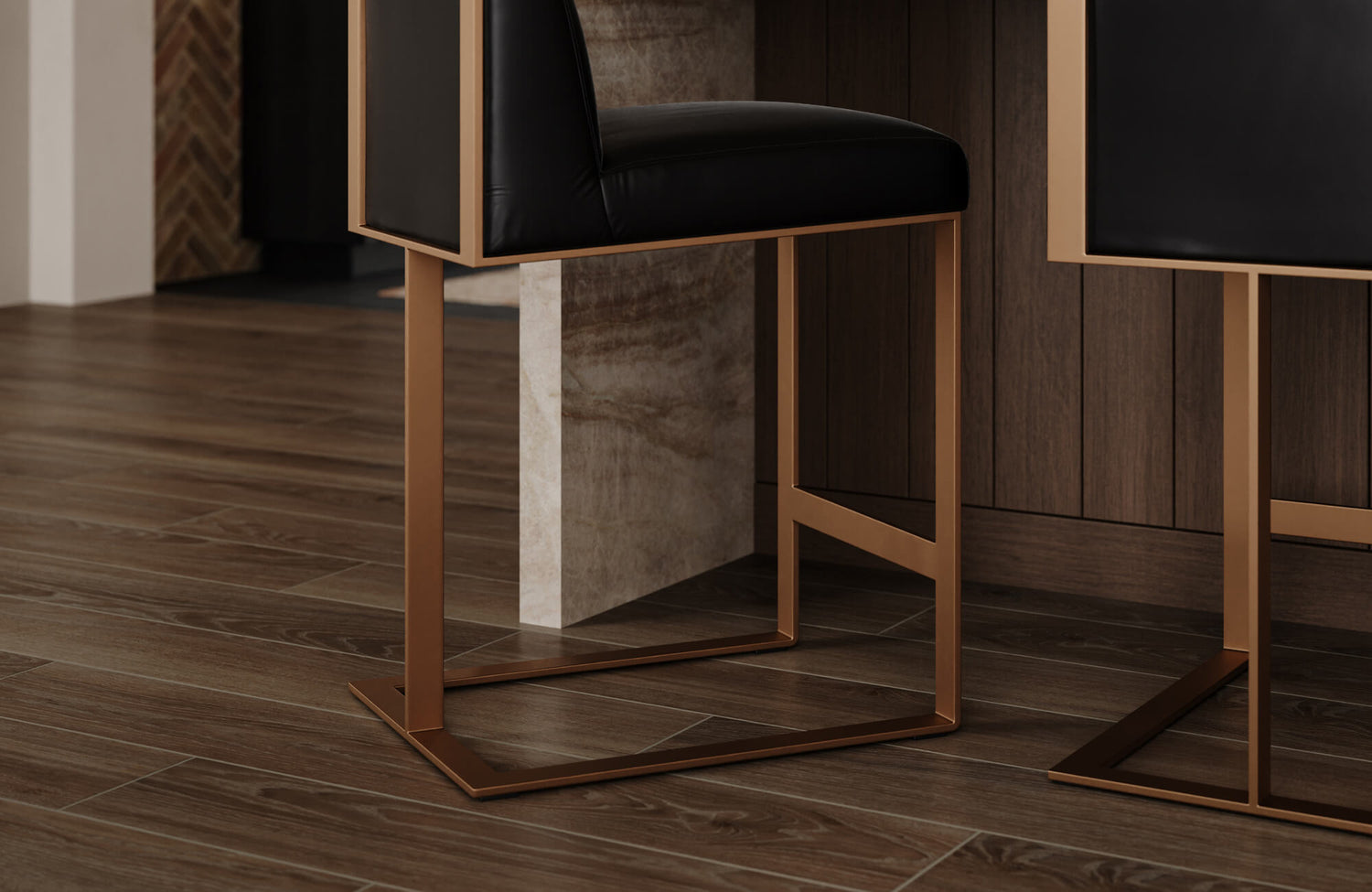
Wood look tile has become a popular flooring choice for those who want the natural appearance of wood with the durability of tile. Designed to replicate wood grain and texture, it offers a practical alternative to hardwood while maintaining a similar visual appeal. This balance between style and function is what makes it stand out in both modern and traditional interiors.
To determine whether it is a good choice for your space, it’s equally important to consider more than just how it looks. Factors such as performance, design versatility, cost, and ease of maintenance all influence how well it fits your needs. Understanding these aspects will help you make an informed decision that aligns with your lifestyle and long-term expectations.

What Is Wood Look Tile and How Does It Work?
Wood look tile combines the structure of ceramic or porcelain with surface designs that replicate the appearance of natural wood. Understanding how it is made and how it achieves its realistic finish helps you better appreciate its performance and visual appeal.
Material Composition and Structure
Wood look tile is typically made from ceramic or porcelain, both of which are fired at high temperatures to create a dense and durable surface. Porcelain, in particular, has low porosity, allowing it to better resist moisture and everyday wear. This composition provides a level of stability that natural wood may not consistently maintain in changing conditions.
As a result, the material retains its shape and is less likely to expand or contract with shifts in humidity. This makes it suitable for a variety of environments, including spaces where moisture levels vary. You can expect a flooring surface that remains consistent over time without the need for frequent adjustments or specialized treatments.
Realistic Wood Visuals and Texture Technology
Advancements in digital printing have made it possible to closely replicate the natural variation found in real wood. Grain patterns, knots, and subtle tonal shifts are applied with precision, resulting in a surface that closely resembles hardwood. Many tiles also feature textured finishes that enhance depth and create a more natural feel underfoot.
With this level of detail, you can achieve the look of materials like oak, walnut, or reclaimed wood without relying on natural timber. The result is a flooring surface that reflects the character of wood while offering the consistency and durability of tile.

Key Benefits of Wood Look Tile Flooring
Wood look tile offers a combination of practical advantages that make it a strong contender for many types of spaces. By understanding its key benefits, you can better evaluate how it supports both your design preferences and everyday living needs.
Durability for Everyday Use
One of the key advantages of wood look tile is its ability to withstand daily use while maintaining its appearance. Its surface resists scratches and dents, helping it stay consistent even in spaces that are used regularly. This makes it a dependable option for homes with active, day-to-day living. Because it is produced through a high-temperature firing process, the material is inherently strong and resilient. It can handle the weight of furniture and continuous use without easily showing signs of wear, allowing you to rely on its structure and finish over time with minimal need for repairs.
Water Resistance for Moisture-Prone Areas
Unlike natural wood, wood look tile does not readily absorb water, making it a reliable choice for spaces where moisture is present. Areas such as bathrooms, kitchens, and entryways benefit from a surface that resists warping and staining when exposed to spills or humidity. This is well illustrated by Edward Martin’s Jameson 8x48 Matte Porcelain Tile in Camel, as shown in the photo featured above, where the flooring maintains a consistent appearance even within a moisture-rich bathroom setting.
This moisture resistance also supports long-term performance by reducing the risk of damage over time. As a result, the flooring is able to maintain both its appearance and structural integrity in environments where other materials may be more vulnerable.
Low-Maintenance Living
Maintaining wood look tile is simple and efficient. Regular sweeping helps remove dust and debris, while occasional mopping is enough to keep the surface clean. There is no need for refinishing, sealing, or specialized treatments, which makes routine care more manageable. This ease of maintenance makes it a practical choice if you prefer flooring that does not demand ongoing attention. Over time, the minimal upkeep contributes to a more convenient and consistent living experience.
Long-Term Performance and Stability
Tiles that look like wood are designed for long-term use, with a structure that helps it maintain both their form and finish over time. Its durable composition allows it to retain a consistent appearance, even with continued use, without requiring frequent upkeep. This level of reliability makes it a practical option if you are planning for lasting performance. Once installed, you can expect it to remain stable and visually consistent, supporting your space for years to come.

Design Flexibility Across Different Interior Styles
Wood-looking tile offers a high level of design flexibility, allowing it to adapt seamlessly to a variety of interior styles and spatial layouts. With a wide selection of finishes, tones, and formats available, you can achieve a look that complements your space while maintaining a cohesive and well-balanced design.
Contemporary Luxury Interiors
In contemporary luxury interiors, wood look tile provides a refined and structured foundation. Richer tones and controlled patterns help create a polished look that complements clean lines and curated finishes. This is clearly demonstrated by Edward Martin’s Preston 8x48 Matte Porcelain Tile in Poplar, as shown in the photo featured above, capturing subtle nodes, natural knots, and organic grain details reminiscent of fine hardwood in a sleek plank format with a matte, light beige finish. The flooring enhances the overall design while maintaining a balanced and cohesive appearance.
The consistency of the material allows it to support a well-composed space without drawing unnecessary attention. This makes it a strong flooring option if you want a balance between visual appeal and long-term performance.
Scandinavian-Inspired Spaces
In Scandinavian interiors, wood look tile supports a bright and balanced environment through its use of light tones and subtle grain patterns. These qualities help reflect natural light, making smaller or enclosed spaces feel more open. The simplicity of the design aligns well with the functional and uncluttered nature of this style. This makes wood look like a practical flooring choice if you want a clean aesthetic without sacrificing durability.
Industrial-Style Interiors
In industrial-style spaces, wood look tile helps soften the presence of raw materials such as metal and concrete. Medium to darker tones with natural variation create contrast while maintaining a cohesive look. The texture of the tile also adds warmth without disrupting the structured feel of the space. This balance makes it a suitable option if you want flooring that complements industrial elements while remaining durable and easy to maintain.
Coastal and Relaxed Interiors
In coastal and relaxed interiors, wood look tile contributes to a light and comfortable atmosphere. Softer tones and gentle grain patterns help create a sense of openness that works well with natural light. This style often emphasizes simplicity, and the consistent finish of tile supports that approach. As a result, it becomes a good flooring choice if you want a space that feels easygoing while still being practical for daily use.

Cost Considerations and Long-Term Value
Understanding the cost of wood look tile involves looking beyond the initial purchase to consider its long-term value. By evaluating both upfront expenses and ongoing maintenance, you can better determine how it fits within your budget and overall flooring goals.
Material Cost
The cost of wood look tile varies depending on the material, with ceramic options typically being more budget-friendly and porcelain priced higher due to its density and strength. Factors such as tile size, finish, and the level of detail in the design can also influence pricing. This range gives you the flexibility to choose an option that suits both your style and budget. For example, Edward Martin’s Nora 8x48 Matte Porcelain Tile in Honey, as shown in the photo featured above, priced at $6.31 per square foot, demonstrates how you can achieve a warm, wood-inspired look while maintaining cost efficiency.
With these options available, wood look tile can offer a cost-effective way to achieve the appearance of natural wood. It allows you to balance visual appeal and practicality without the higher expense often associated with premium hardwood.
Long-Term Value and Reduced Upkeep Costs
Over time, wood look tile can provide strong long-term value due to its minimal maintenance requirements. Without the need for refinishing or specialized treatments, you can avoid many of the recurring costs associated with other flooring materials. In addition, its resistance to wear and moisture helps reduce the likelihood of repairs or early replacement. This durability allows you to maintain a consistent flooring surface while managing costs more effectively throughout its lifespan.

Where Wood Look Tile Performs Best
Wood look tile proves to be a strong flooring choice when used in spaces that demand both durability and design consistency. By looking at how it performs in specific areas, you can better determine whether it suits your home and daily needs.
Kitchens and Dining Areas
In kitchens and dining areas, wood look tile is well-suited for daily routines that often involve spills and regular cleaning. Its moisture-resistant surface helps prevent warping and staining, which is essential in spaces used for food preparation. This is well illustrated by Edward Martin’s Alden 8x48 Matte Porcelain Tile in Umber, as shown in the photo featured above, where the rich wood tones bring warmth while maintaining a durable, easy-to-clean surface.
At the same time, its wood-inspired appearance adds a sense of comfort, making the area feel more inviting. This balance of function and style makes it a practical flooring choice for these central areas of the home.
Bathrooms and Laundry Spaces
Bathrooms and laundry spaces require materials that can handle consistent exposure to humidity and water. Wood look tile performs well in these conditions, as it retains its structure without absorbing moisture. This makes it possible to carry a cohesive flooring style into areas where natural wood may not be practical. As a result, it serves as a reliable option that supports both functionality and visual consistency throughout your home.
Living Rooms and Common Areas
In living rooms and shared spaces, wood look tile provides a durable surface that holds up well with regular use. It retains its appearance over time, even as furniture is moved or rearranged, which helps maintain a consistent look throughout the space. A great example is our Nora 8x48 Matte Porcelain Tile in Foam, which offers a light, natural tone that enhances openness while complementing a variety of interior styles.
Its wood-inspired finish also helps create a comfortable and cohesive environment. These qualities make it a reliable choice for areas where both visual appeal and long-term performance are important.
Bedrooms and Private Spaces
Wood look tile can also be a suitable option for bedrooms, particularly if you prefer a clean and consistent flooring surface. Its low-maintenance nature makes it easy to care for, even in spaces intended for rest. When paired with rugs or soft furnishings, it helps create a more comfortable and inviting atmosphere. This balance of simplicity and warmth makes it a practical choice for private areas of the home.
Outdoor and Transitional Spaces
In covered outdoor or transitional spaces, wood look tile offers a durable surface that adapts well to changing conditions. Its resistance to moisture and temperature variations helps it maintain its structure over time. This makes it suitable for patios, entryways, or semi-outdoor areas where continuity in design is desired. As a result, it allows you to extend the look of wood-inspired flooring beyond interior spaces while maintaining reliable performance.

Wood Look Tile Compared to Other Flooring Options
Wood look tile stands out among flooring options, but comparing it with other materials helps clarify its overall value. By looking at how it differs in performance, maintenance, and appearance, you can better determine if it is the right choice for your space.
Compared to Hardwood Flooring
Hardwood offers natural variation and a timeless appeal, but it requires ongoing maintenance to preserve its condition. It is more susceptible to scratches, dents, and moisture, which can affect its appearance over time. In contrast, wood-looking tile delivers a similar visual effect while offering greater resistance to wear and water exposure. If you are looking for a flooring option that combines the look of wood with added durability and easier upkeep, wood-looking tile provides a more stable and practical alternative.
Compared to Luxury Vinyl Plank (LVP)
Luxury vinyl plank is softer underfoot and often simpler to install, making it a convenient option for quick projects. However, it can be more prone to surface wear, indentation, and fading over time, especially in frequently used areas. Wood look tile, on the other hand, offers a more solid surface with stronger resistance to long-term wear. This makes it a suitable choice if you prioritize durability and want flooring that maintains its appearance over time.
Compared to Laminate Flooring
Laminate flooring provides a wood-like look at a lower initial cost, but it is more sensitive to moisture and can swell or warp when exposed to water. Its surface layer may also show wear over time, particularly in areas with regular use. Wood look tile maintains its structure in a wider range of conditions, including spaces with higher humidity. This reliability makes it a dependable option if you want flooring that performs consistently across different environments.
Making the Right Flooring Choice
Wood look tile is a good flooring option because it combines the visual appeal of natural wood with the durability of tile. Its resistance to moisture and everyday wear allows it to perform well in a variety of spaces, making it suitable for modern living. If you value a surface that maintains its appearance with minimal upkeep, tiles that look like wood offer a reliable solution that supports long-term use without requiring frequent maintenance.
To better visualize how wood look tile can work in your space, you can explore options using our AR tool, which allows you to see different styles in real time. If you need further guidance, feel free to contact us for personalized assistance in choosing the right flooring for your home.