



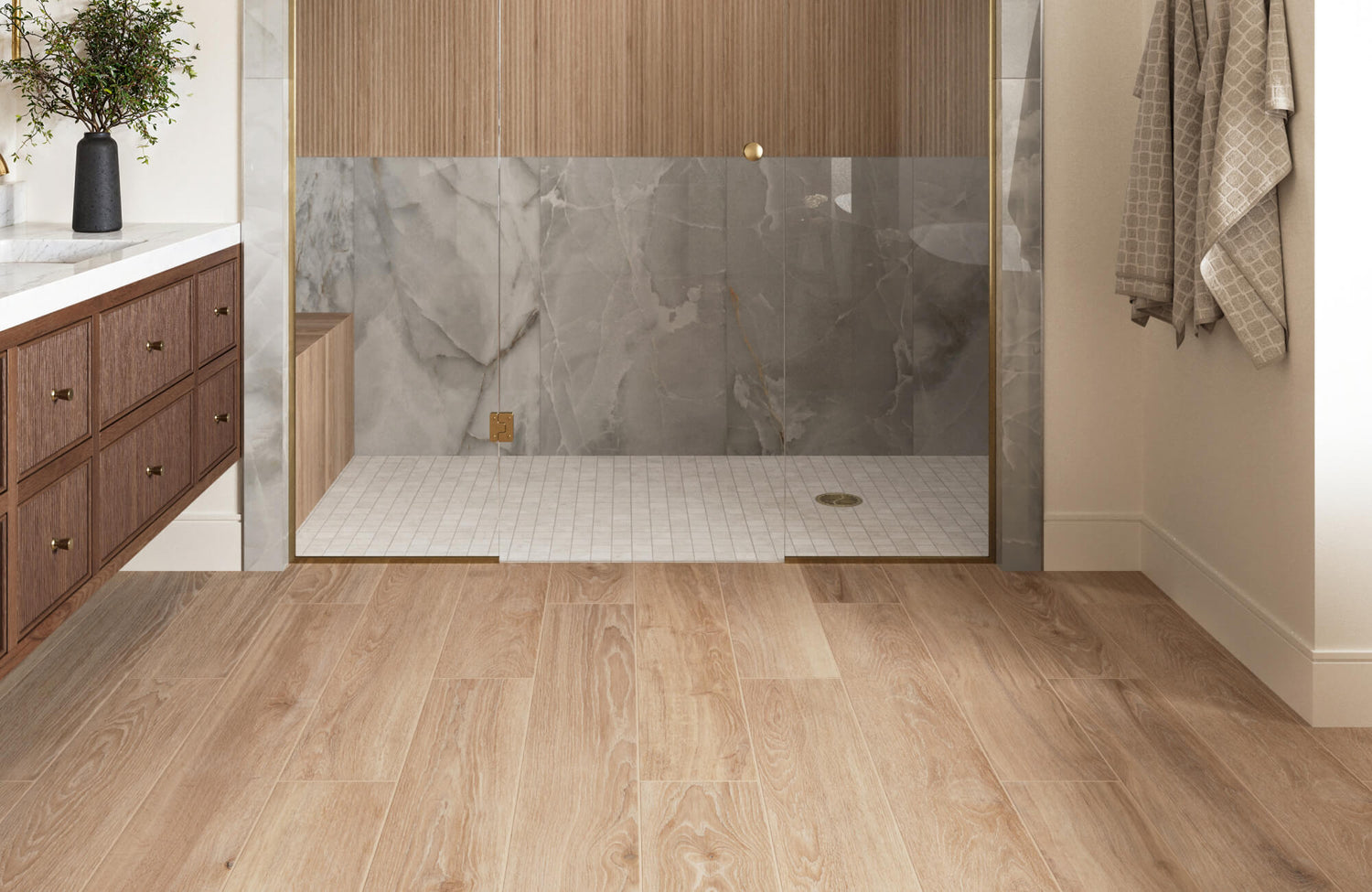
Wood look porcelain tiles combine the timeless beauty of natural wood with the durability and practicality of porcelain, making them a versatile choice for many spaces. While their realistic textures and finishes make them visually appealing, questions about their slipperiness often arise, particularly in areas prone to moisture or frequent use. Addressing these concerns is essential for ensuring safety without compromising style.
This article examines whether wood look porcelain tiles are slippery, exploring factors affecting their traction, safety considerations, and practical solutions to minimize slipperiness.

Understanding the Factors Contributing to Slipperiness
To better understand whether wood look porcelain tiles are truly slippery, it’s important to look beyond surface-level assumptions. Slip resistance is influenced by a combination of material properties, surface design, and environmental conditions that interact in real-world use. By breaking down these contributing factors, homeowners and designers can make more informed decisions that balance both safety and aesthetics.
The Role of Surface Finishes on Traction
Surface finish is one of the most influential factors in determining how slippery a tile may feel. Polished porcelain tiles, while visually sleek and reflective, tend to have lower friction due to their smooth surface. This makes them more susceptible to becoming slippery when exposed to water or contaminants.
In contrast, matte and textured finishes are designed to enhance traction by increasing surface friction. These finishes often incorporate subtle irregularities that improve grip without compromising the natural wood aesthetic. From a technical standpoint, surface texture can be understood in two ways. Micro-texture refers to fine, lightly rough surfaces that provide moderate slip resistance while remaining easy to clean. Macro-texture, on the other hand, involves more pronounced grooves or patterns that significantly improve traction, particularly in wet or outdoor environments.
A great example of this balance can be seen in Edward Martin’s Jameson 8x48 Matte Porcelain Tile in Camel, featured in the space above, where its matte finish and subtle wood-grain texture provide a naturally grounded look while enhancing underfoot stability. This type of finish delivers both visual warmth and functional grip, making it well-suited for areas that require a blend of style and safety.
The choice between these textures depends on the intended application. Micro-textured tiles are typically suitable for living areas or kitchens where moderate slip resistance is sufficient, while macro-textured or grip finishes are better suited for spaces where safety is a priority.
Understanding Slip Resistance Ratings (DCOF and R-Values)
Slip resistance is not subjective—it is measured using standardized testing methods that help determine how a tile performs under specific conditions. One of the most widely recognized metrics in North America is the Dynamic Coefficient of Friction (DCOF), which evaluates traction when a person is in motion.
According to ANSI A326.3 guidelines, a DCOF value of 0.42 or higher is recommended for interior wet areas, including bathrooms, kitchens, and entryways. Tiles with lower ratings may still perform adequately in dry environments but can present increased risk when exposed to moisture.
In addition to DCOF, some manufacturers reference the R-rating system, which is commonly used in Europe and classifies slip resistance on a scale from R9 to R13. Lower ratings such as R9 to R10 are generally suitable for dry, low-risk indoor areas, while higher ratings from R11 to R13 are recommended for wet, outdoor, or high-risk environments where additional traction is required.
Understanding these ratings allows homeowners and designers to select tiles based on performance requirements rather than appearance alone, ensuring that safety is built into the design from the outset.
The Impact of Water, Contaminants, and Environmental Conditions
Moisture is one of the most common causes of reduced traction on tile surfaces. Even a thin layer of water can act as a lubricant, decreasing friction and increasing the likelihood of slipping. This effect is amplified when combined with contaminants such as soap, oils, grease, or cleaning residues, which can create a slick film over the tile surface.
In indoor environments, this typically occurs in bathrooms, kitchens, and entryways, where spills and splashes are frequent. However, environmental conditions also play a significant role. Humidity, condensation, and tracked-in moisture can all contribute to reduced slip resistance, particularly in transitional spaces.
Outdoor applications introduce additional challenges. Rain, dew, and fluctuating temperatures can keep surfaces damp for extended periods, while dirt, sand, and organic debris can accumulate and further reduce traction. In shaded or poorly ventilated areas, algae or mildew growth may develop, creating hazardous conditions if not properly maintained.
To address these risks, it is essential to combine proper tile selection with ongoing maintenance. Choosing slip-resistant finishes, ensuring appropriate drainage, and using non-residue cleaning products all help preserve traction over time. By understanding how environmental factors interact with tile surfaces, users can better anticipate potential hazards and implement effective safety measures.

Assessing Slipperiness Risk in Different Settings
The slipperiness of wood look porcelain tile can vary depending on the environment and how the tile is used. Identifying high-risk areas is key to minimizing hazards.
Bathrooms and Kitchens Pose Unique Challenges
Bathrooms and kitchens are high-risk areas for slipperiness due to frequent exposure to water, spills, and cleaning agents. Shower floors, bathtubs, and kitchen areas near sinks or dishwashers are especially vulnerable to moisture accumulation, increasing the risk of slips. Additionally, soaps, shampoos, and detergents can create slick surfaces, further reducing traction.
In bathrooms, steam condensation and water splashes from showers or tubs further contribute to slippery tile surfaces, increasing the risk of falls. The combination of wet feet and smooth tile makes these areas particularly hazardous. Installing wood look porcelain tiles with a textured or matte finish can significantly improve grip, even in wet conditions. Additionally, anti-slip treatments or coatings on existing tiles can enhance safety when applied correctly.
Kitchens present similar challenges, as oil spills, water splashes, and food debris can accumulate on tile surfaces and form a slippery layer if not cleaned promptly. Regular cleaning with a pH-neutral cleaner designed for tile surfaces can help prevent the buildup of slippery residues. For added safety, placing area rugs or runners with non-slip backings in busy zones, such as in front of the sink or stove, can provide extra traction without disrupting the kitchen’s design.
To further reduce risks, incorporating anti-slip treatments and selecting matte, textured, or grip-finished tiles is recommended. With our augmented reality (AR) technology, you can visualize how your chosen tiles will look in your space, helping you create a safe and stylish environment.
Entryways and Hallways Require Strategic Planning
Entryways and hallways face unique challenges, especially in regions with inclement weather. Water, snow, and dirt tracked indoors can create slippery surfaces on wood look porcelain tiles. Over time, the combination of dirt buildup and moisture can decrease the tile's overall traction.
Entryways often serve as the first point of contact with the outdoors, making them particularly susceptible to water accumulation from wet shoes, umbrellas, or muddy boots. Without proper precautions, these spaces can quickly become slip hazards, especially in households with children or elderly residents. Placing large, absorbent doormats both inside and outside the entryway can effectively trap moisture and debris, minimizing the amount that reaches the wood look porcelain tiled surface.
Hallways, as high-activity areas, can also accumulate dirt and grit over time, which may reduce slip resistance and cause micro-scratches on the tile surface. Sweeping or vacuuming these areas daily and mopping regularly with a non-slippery cleaning solution can help maintain the tiles' surface integrity and traction. Always consult the tile manufacturer to ensure the cleaning products used are suitable and will not damage the wood look porcelain tile's finish or texture.
To further enhance safety, selecting textured or matte wood look porcelain tiles with a higher coefficient of friction (COF) is recommended for entryways and hallways. Anti-slip treatments, when applied correctly and approved by the tile manufacturer, can provide an added layer of protection. For a cohesive aesthetic, consider coordinating the style of entryway mats or runners with the surrounding décor, ensuring both functionality and visual appeal.

Are Wood Look Porcelain Tiles Safe for Outdoor Use?
While indoor applications often receive the most attention when discussing slip resistance, outdoor environments present a different set of challenges that should not be overlooked. Exposure to weather, organic buildup, and varying surface conditions can significantly impact how tiles perform underfoot. Taking a closer look at these factors helps ensure that wood look porcelain tiles are specified correctly for exterior spaces where both durability and safety are essential.
Environmental Exposure and Slip Risk
Unlike indoor areas where moisture is intermittent, outdoor surfaces are frequently exposed to rain, humidity, and temperature fluctuations. These conditions can leave tile surfaces damp for extended periods, reducing friction—especially on smoother finishes.
Additionally, outdoor surfaces are more likely to accumulate dust, sand, and organic debris, which can form a slippery layer when combined with moisture. In shaded or damp environments, algae and moss growth can further compromise traction, creating a significant slip hazard if not regularly addressed.
Poolside, Patio, and Busy Outdoor Areas
Outdoor living spaces such as pool decks, patios, and garden walkways introduce unique safety considerations. Poolside areas, in particular, experience constant water exposure, as well as barefoot traffic, which interacts differently with tile surfaces compared to footwear.
Substances like sunscreen, body oils, and spilled beverages can reduce surface friction, especially when combined with water. Similarly, outdoor cooking areas may introduce grease or food residue, contributing to slippery conditions if not cleaned promptly. A well-suited example for these environments is Edward Martin’s Preston 8x48 Matte Porcelain Tile in Pine, as seen in the outdoor setting above, where its matte finish and natural wood-look texture offer a grounded, slip-conscious surface that complements relaxed, open-air lounging spaces.
For these applications, selecting tiles with enhanced grip is essential to maintaining both comfort and safety.
Choosing the Right Slip-Resistant Tile for Exterior Use
Outdoor tile selection should prioritize performance-based criteria. In addition to considering DCOF values, many professionals also reference the R-rating system, where ratings of R11 or higher are typically recommended for exterior and wet environments due to their enhanced slip resistance.
Surface texture plays a critical role in outdoor performance. Micro-textured finishes can provide a balanced combination of comfort and traction, making them well-suited for covered patios or areas with lighter exposure to moisture. In more demanding environments, such as pool surrounds or sloped walkways, macro-textured or grip finishes offer deeper surface variation that improves traction even under consistently wet conditions.
Polished finishes are generally not recommended for outdoor use, as they offer minimal grip when exposed to moisture. In addition to selecting the appropriate finish, proper installation is essential. Ensuring adequate slope and drainage helps prevent water from pooling on the surface, while grout lines can contribute subtle additional friction underfoot.
Maintenance Strategies for Long-Term Outdoor Safety
Maintaining slip resistance outdoors requires consistent care. Regular sweeping helps remove abrasive debris, while routine washing prevents the buildup of dirt, oils, and organic matter that can reduce traction.
In areas prone to algae or mildew, periodic deep cleaning or the use of specialized cleaning solutions may be necessary. For long-term performance, some homeowners opt for anti-slip treatments, which can enhance surface grip when applied correctly and in accordance with manufacturer guidelines.
With the right combination of material selection, installation, and maintenance, wood look porcelain tiles can provide a durable and slip-conscious solution for outdoor spaces—allowing homeowners to extend the warmth of wood-inspired design beyond the interior without compromising safety.

Comparing Wood Look Porcelain Tile to Other Flooring Options
To better understand how wood look porcelain tiles perform in terms of slipperiness, it’s helpful to compare them to other popular flooring materials. This analysis highlights the advantages and disadvantages of various options, offering a comprehensive view for homeowners and designers.
How Natural Wood Compares to Porcelain Tiles
Natural wood floors, though timeless and visually appealing, present several challenges in terms of maintenance and safety. Glossy finishes on hardwood floors, often used to enhance their shine and protect the surface, can make them slippery, especially when exposed to water or high humidity. This slipperiness is further exacerbated in kitchens or entryways, where spills and tracked-in moisture are common. Moreover, natural wood is highly sensitive to environmental factors, requiring constant monitoring of humidity levels to prevent warping or cracking, which can also impact traction.
In contrast, wood look porcelain tiles replicate the beauty of natural wood while addressing many of its shortcomings. These tiles offer enhanced durability and require significantly less upkeep. Unlike natural wood, porcelain wood look tiles are impervious to water, making them ideal for areas prone to spills or high moisture, such as bathrooms or laundry rooms. Additionally, many wood look porcelain tiles are available with matte, textured or grip finishes that improve slip resistance, such as the Jameson 8x48 Matte Porcelain Tile in Umber, shown in the image above. This tile not only enhances safety but also provides a rich, natural wood aesthetic, making it a practical and stylish choice for both residential and commercial spaces.
Beyond safety and practicality, wood look porcelain tiles offer long-term reliability. While natural wood often needs refinishing every few years to maintain its aesthetic and functionality, wood look porcelain tile retains its appearance and slip-resistant properties with minimal maintenance. Homeowners can enjoy the warmth and charm of wood aesthetics without the constant upkeep and safety concerns, making wood look porcelain tile a versatile and cost-effective choice for various settings.
Porcelain Tiles Compared to Vinyl and Stone
Vinyl flooring is often chosen for its affordability and moderate slip resistance, especially in the form of textured luxury vinyl planks (LVP). However, vinyl lacks the durability and lifespan of wood look porcelain tiles. Over time, frequent use and exposure to sharp objects can cause vinyl to tear, dent, or lose its traction-enhancing texture. Additionally, vinyl is more susceptible to staining and damage from prolonged water exposure, making it less suitable for areas like bathrooms or outdoor spaces. Compared to wood look porcelain tiles, which are water-resistant and exceptionally durable, vinyl falls short in both functionality and longevity.
Natural stone flooring, such as marble, granite, or travertine, is another popular alternative, prized for its luxurious appearance and timeless appeal. However, stone floors, especially polished varieties, can be dangerously slippery when wet. Even honed or textured finishes, while slightly more slip-resistant, require regular sealing to maintain both their traction and aesthetic integrity. Without proper maintenance, stone surfaces can accumulate grime or moisture, further increasing slipperiness over time.
Wood look porcelain tiles offer a balanced alternative by combining the aesthetic sophistication of natural stone with improved safety features and reduced maintenance requirements. They provide a slip-resistant surface without the need for regular sealing, making them more user-friendly for busy households. Additionally, the wide range of styles available in wood look porcelain allows homeowners to achieve the same level of luxury as stone or vinyl, but with greater durability and safety. This balance of style, functionality, and practicality ensures that porcelain remains a top contender in flooring options for residential and commercial spaces alike.

Enhancing Traction and Safety
While some slipperiness is inherent in tile surfaces, there are several ways to enhance traction and create safer environments.
Tile Selection Focused on Slip Resistance
Selecting slip-resistant wood look porcelain tiles is essential for minimizing risks in high-moisture and busy areas. Tiles with a high COF (coefficient of friction), typically 0.6 or above for wet conditions, are highly recommended for environments like bathrooms, kitchens, and entryways.
The size and layout of the wood look porcelain tiles also influence safety. Larger wood look porcelain tiles reduce the number of grout lines, creating a smoother and more uniform surface that is easier to clean, though this may slightly reduce traction compared to smaller tiles with more grout. Smaller wood look porcelain tiles with more grout lines can improve grip in wet areas, as the grout provides additional friction underfoot. For outdoor applications, matte, textured or grip tiles are indispensable, especially for patios, balconies, or poolside areas where rain or splashes are common.
In addition to slip resistance, tile selection should align with the intended purpose of the space. For instance, textured or grip finishes are particularly suited to shower floors and entryways, while matte finishes, such as the Preston 8x48 Matte Porcelain Tile in Poplar, displayed in the photo above, complement kitchen floors by balancing traction and aesthetics.
Maintenance Practices That Enhance Safety
Proper maintenance plays a significant role in preserving and enhancing the slip resistance of wood look porcelain tiles. Regular cleaning prevents the buildup of dirt, soap residue, and grime that can create slick surfaces. Using appropriate tile cleaners—designed to break down grease and other slippery contaminants—ensures a clean and safe surface. Homeowners should avoid harsh or oil-based cleaning agents, as they can create a residue that reduces traction over time. Always consult the tile manufacturer’s guidelines to ensure cleaning products and methods are compatible with your wood look porcelain tiles.
Beyond surface cleaning, maintaining grout lines is critical for safety. Grout can accumulate debris and mold, particularly in high-moisture areas, which may compromise traction. Regularly cleaning and sealing grout lines helps preserve their integrity and ensures they contribute to the tile’s overall slip resistance.
It’s equally important to inspect wood look porcelain tiles for wear and damage. Over time, busy areas may experience surface scratches or minor abrasions that can affect the tile’s traction. Promptly replacing worn or damaged tiles prevents further safety risks while maintaining the overall aesthetic and functionality of the floor. In outdoor spaces, where weather exposure can cause algae or moss buildup, periodic power washing or the use of anti-slip treatments can effectively restore traction.
Maximizing the Safety and Appeal of Wood Look Porcelain Tiles
Wood look porcelain tiles offer a winning combination of elegance, durability, and practicality, making them a standout choice for homeowners and designers alike. While concerns about slipperiness are valid, they are manageable through thoughtful selection, proper installation, and consistent maintenance. By choosing slip-resistant finishes like matte, textured, or grip surfaces, addressing moisture management in high-risk areas, and implementing safety measures such as non-slip mats and coatings, homeowners can enjoy the aesthetic and functional benefits of these tiles without compromising safety.
If you're looking for guidance on choosing the perfect wood look porcelain tile, we’re here to help. Visit us to speak with our team of experts. Whether you have questions about slip resistance, tile finishes, or design options, we’re ready to assist you in creating beautiful, safe, and functional spaces that fit your unique vision.


