Walls used to be treated as background, something you paint and move on from, but that approach no longer holds up in modern interiors. As spaces shift toward more personality and depth, blank walls can start to feel unfinished or lacking direction. Wallpaper is coming back not as a full-room default, but as a more intentional design choice that adds texture, pattern, and visual structure without cluttering the space. The real question now isn’t whether wallpaper is outdated, but how it fits into today’s cleaner, more balanced design approach. In this blog, we’ll take a closer look at where wallpaper stands in modern interiors and how to use it in a way that still feels current.

Why Wallpaper Is Showing Up Again in Modern Spaces
Wallpaper has made a noticeable return, but not in the same way it was used before. Instead of covering every wall, it’s now used more intentionally to shape how a space feels and looks. As design preferences shift toward more personality and depth, walls are no longer treated as just a background.
What Changed From the Minimalist-All-White Era
For a while, all-white interiors defined what modern spaces were supposed to look like. They felt clean and simple, but they also started to feel a bit repetitive and lacking in character. As people spent more time at home, there was a growing desire for spaces that felt more personal and lived-in. That shift made room for elements that add visual interest without making things feel busy. Wallpaper became one of the easiest ways to introduce that change without reworking the entire space. It allowed walls to contribute something meaningful instead of just staying neutral. Now, modern design leans more toward balance rather than stripping everything back.
How Wallpaper Adds Personality Without Adding Clutter
One of the reasons wallpaper works so well today is that it adds detail without adding physical objects. Instead of filling shelves or surfaces with decor, the wall itself carries that visual interest. This keeps the space feeling open while still having depth and character. It also makes styling easier because you don’t need to rely on multiple pieces to make the room feel complete. When done right, wallpaper can express a certain mood or style without overwhelming everything around it. You’ll notice that the space feels more intentional, even with fewer elements. That’s what makes it such a practical design choice.
Why Modern Homes Are Moving Away From Flat Walls
Flat, untextured walls can sometimes make a space feel unfinished, especially in larger or more open layouts. While they still have their place, many modern homes are starting to move toward surfaces that offer more dimension. This doesn’t mean going bold everywhere, but introducing just enough variation to keep things visually engaging. Wallpaper helps achieve that by adding subtle layers that change how light interacts with the wall. It also gives the room a bit more presence without relying on extra furniture or decor. As a result, spaces feel more complete without becoming overly styled. That shift is part of what’s bringing wallpaper back into focus.
The Role of Texture and Pattern in Today’s Interiors
Texture and pattern now play a bigger role in shaping how a space feels, not just how it looks. Even subtle designs can change the atmosphere by adding depth and movement to otherwise simple walls. This becomes especially important in modern interiors where furniture and layouts tend to stay clean and streamlined. Without some variation on the walls, the space can feel a bit flat or one-dimensional. Wallpaper introduces that variation in a way that still feels controlled and intentional. It allows the design to feel layered without losing its simplicity. That balance is what defines how wallpaper is being used today.
A great example of how texture and pattern are used more intentionally today can be seen above, where the wallpaper adds depth without overwhelming the space. Our Porter Wallpaper in Olive Night I, 52" × 132", draws from Paul Meyer’s best-selling Burro artwork, featuring a woven-like olive green base with white donkey motifs in a pared-back, hand-sketched style. It introduces subtle movement and character while still keeping the overall look grounded and controlled. This kind of approach shows how wallpaper can carry visual interest on its own, allowing the rest of the room to stay clean and uncluttered.

How Wallpaper Fits Into a Clean, Modern Design Approach
Wallpaper can still feel right at home in modern interiors as long as it’s used with intention. Instead of overwhelming the space, it works best when it supports simplicity and balance rather than competing with it. When done thoughtfully, it becomes part of the overall design instead of something that feels added on.
Using Wallpaper as a Controlled Focal Point
In modern spaces, wallpaper tends to work best when it’s given a clear role rather than being used everywhere. Letting it act as a focal point helps anchor the room without needing extra elements to fill the space. You’ll notice that when one wall carries that visual weight, everything else can stay more relaxed. This approach also makes the design feel more intentional because there’s a clear place for your eye to land. It’s not about making the wallpaper loud, but about giving it enough presence to define the space. When it’s controlled this way, it adds depth without taking over the room. That balance is what keeps it aligned with a clean, modern look.
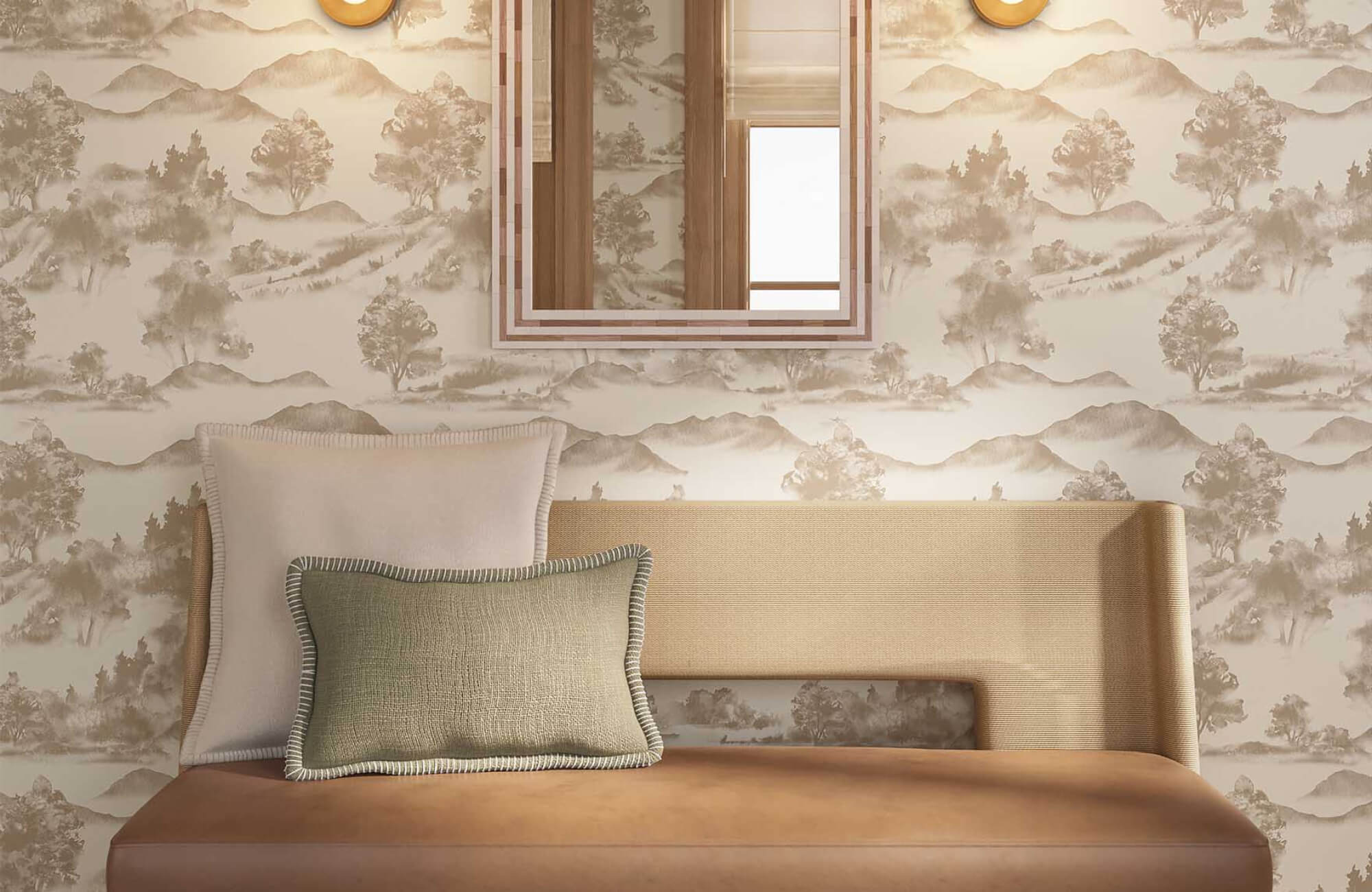
A great example of using wallpaper as a controlled focal point can be seen above, where the walls define the space without overwhelming it. Our Downland Wallpaper in Tan II, 52" × 132", reimagines a distant landscape of rolling hills through gently layered light brown washes that stretch and soften across a white canvas. It gives the room a clear visual anchor while still allowing the furniture, lighting, and architecture to breathe. This kind of approach shows how wallpaper can carry presence without taking over, keeping the overall design calm, intentional, and easy to live with.
Keeping Surrounding Elements Simple and Supportive
Once wallpaper is in place, everything around it should feel like it belongs to the same idea rather than competing with it. Furniture, decor, and finishes don’t need to do much when the wall already has visual interest. In fact, keeping those elements simple often makes the wallpaper stand out more naturally. You’ll find that clean lines and restrained shapes help the space feel calmer and easier to take in. It also prevents the room from feeling crowded, even if there’s a lot going on visually. When everything works together, the design feels more cohesive without needing constant adjustment. That’s usually when the space starts to feel effortless.
Balancing Pattern With Clean Lines and Open Space
A pattern can easily become overwhelming if it’s not balanced with enough breathing room. In modern interiors, that balance often comes from pairing wallpaper with clean lines and open areas. This contrast helps the pattern stand out without making the room feel busy. You’ll notice that when there’s space around it, the design becomes easier to appreciate. It also keeps the overall look feeling light instead of heavy or cluttered. The goal isn’t to fill every surface, but to let each element have its place. When pattern and simplicity work together, the space feels more refined and intentional.
Why One Statement Wall Often Works Better Than Many
Using wallpaper on one wall often creates a stronger impact than spreading it across the entire room. It gives the design a clear direction without overwhelming the space. When multiple walls compete for attention, it can make the room feel less focused and harder to read. A single statement wall, on the other hand, keeps things grounded and easy to understand. It also gives you more flexibility with the rest of the space, since everything doesn’t have to match or compete. You’ll find that this approach feels more relaxed while still making a statement. In many cases, holding back a little is what makes the design feel more complete.

Wallpaper Styles That Work Well in Modern Interiors
Once you know how wallpaper fits into your space, the next step is choosing a style that actually supports the look you’re going for. Different patterns and textures can completely shift how a room feels, even if everything else stays the same. The key is picking something that works with your space, not just something that looks good on its own.
Botanical Patterns for a Soft, Organic Feel
Botanical patterns are one of the easiest ways to soften a modern space without losing that clean, intentional look. They bring in a natural element that makes the room feel more relaxed and lived-in. You’ll often see leaf or floral motifs that aren’t overly detailed, which keeps things from feeling too traditional. Instead, they add just enough variation to break up flat surfaces. This works especially well in spaces that feel a bit too structured or sharp. It’s a simple way to introduce warmth without changing the overall design direction. When done right, it feels calm, not decorative.
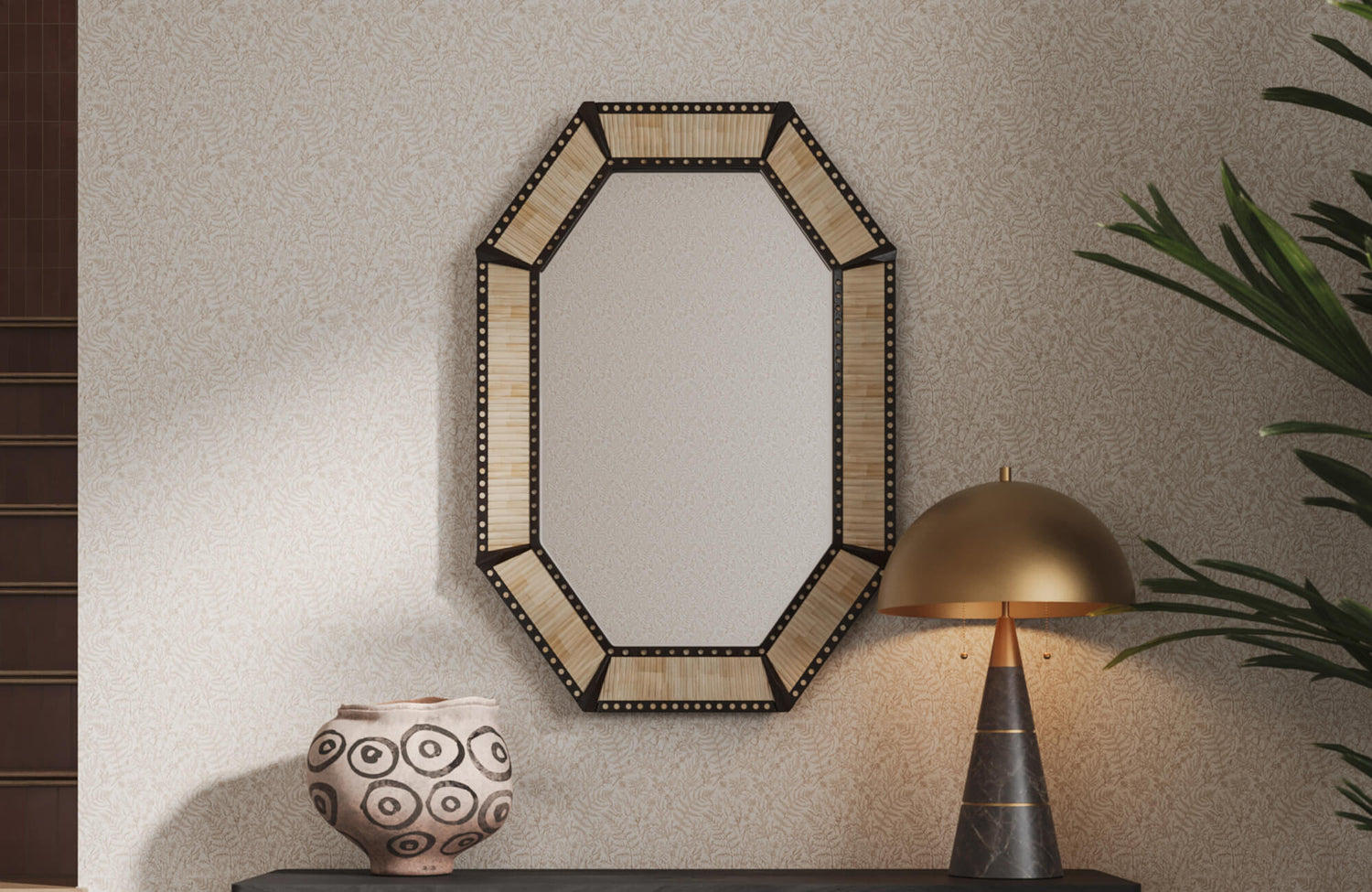
If your space feels a bit too structured or sharp, bringing in a botanical pattern can soften the overall look without disrupting its clean, modern feel. As seen above, our Botanique Wallpaper in Winter, 52" × 132", features a traditional floral motif with stylized blooms and branching forms in bluish gray, beige, and soft brown tones set against an off-white field. It introduces a gentle, organic layer that makes the space feel more relaxed while still staying visually controlled. This kind of pattern adds warmth and variation without leaning overly decorative, which keeps the design grounded and easy to live with.
Geometric Designs for Structure and Rhythm
Geometric wallpaper tends to feel more structured, which fits naturally into modern interiors. The repetition of shapes creates a rhythm that helps guide your eye across the wall. It adds interest, but in a way that still feels controlled and organized. You don’t have to go bold for it to work, either; even subtle patterns can have a strong effect. This style works well if you want the space to feel more defined without adding extra furniture or decor. It gives the wall a sense of purpose without overwhelming everything else. If you like clean lines, this usually feels like a natural fit.
Textured and Fabric-Like Finishes for Subtle Depth
Textured wallpaper is great when you want something that doesn’t immediately stand out but still adds depth. From a distance, it can look almost plain, but up close, you start to notice the detail. That quiet variation helps the wall feel more layered without pulling too much attention. It’s especially useful in spaces where you want to keep things simple but not flat. You’ll also notice how it interacts with light throughout the day, which adds a bit of movement to the room. This makes the space feel more complete without needing extra styling. It’s one of the more subtle ways to add character.
Abstract Patterns for a Contemporary Edge
Abstract wallpaper leans more expressive, but it can still work well in modern spaces when used carefully. It often brings in a sense of movement that makes the wall feel more dynamic. At the same time, it doesn’t follow a strict pattern, which keeps it from feeling repetitive. This style works best when you want the wall to stand out a bit more without going overly bold. You’ll find that it adds personality in a way that still feels current. It can also make the space feel more curated, like there’s a bit more thought behind it. When balanced well, it becomes a strong visual feature without taking over.
Striped Wallpaper for Height and Direction
Stripes are one of those styles that quietly change how a room feels. Vertical stripes can make a space feel taller, while horizontal ones can make it feel wider. This makes them useful beyond just aesthetics; they actually help shape how the room is perceived. In modern interiors, they’re often kept simple so they don’t feel too busy. You’ll notice that even subtle stripes can guide your eye in a certain direction. It’s a practical choice that also adds visual interest. When used thoughtfully, it helps the space feel more balanced without adding complexity.
Minimal Micro-Patterns for a Quiet Layered Look
Micro-patterns are perfect if you want something more understated but still interesting. From afar, they can read almost like a solid color, but as you get closer, the detail becomes more noticeable. This gives the wall a layered look without making it the main focus. It’s a good option if you want to keep things subtle but avoid completely flat surfaces. You’ll also find that it pairs well with a wide range of furniture styles. It doesn’t compete, but it still adds something to the space. That quiet detail is what makes it feel modern and easy to live with.
Mural-Style Wallpaper for Large-Scale Impact
Mural-style wallpaper is where things start to feel more bold and intentional. Instead of repeating patterns, it creates a continuous visual across the wall. This works especially well on larger walls where smaller designs might feel lost. It instantly becomes the focal point, so you don’t need much else around it. At the same time, it can still feel refined if the design is well-balanced. You’ll notice that it changes the entire mood of the room, not just the wall. When used in the right space, it can completely define how everything comes together.

Where Wallpaper Works Best in a Modern Home
Where you place wallpaper can make a bigger difference than the design itself. In modern interiors, it’s usually applied more selectively, so the effect feels intentional rather than overwhelming. When it’s used in the right spots, it naturally supports how the space looks and functions without needing much else.
Living Rooms as a Statement Backdrop
In living rooms, wallpaper works best when it helps anchor the space rather than fill every wall. Placing it behind the main seating area gives the room a clear focal point without making things feel crowded. This approach allows the wall to carry visual interest while the rest of the space stays more relaxed. It also makes larger rooms feel more grounded, especially when there’s a lot of open wall space to work with. Because of that, you don’t need to rely on multiple decor pieces to make the area feel styled. Everything starts to feel more connected without trying too hard. It’s a simple shift, but it changes how the entire room comes together.
Bedrooms for a More Relaxed, Layered Feel
In bedrooms, wallpaper tends to feel more natural when it’s used in a quieter, more supportive way. Instead of pulling all the attention, it helps build a softer, more layered atmosphere. Placing it behind the bed is a common choice because it frames the space without overwhelming it. This also adds depth without needing to stack extra elements around the room. Over time, you’ll notice the space feels more settled and comfortable, rather than overly styled. It works with the purpose of the room instead of competing with it. That balance is what makes it feel easy to live with.
Bathrooms and Powder Rooms for Bold Moments
Bathrooms and powder rooms are where wallpaper can feel a bit more expressive without becoming too much. Since these spaces are smaller, they can handle stronger designs in a way that still feels controlled. This makes them a good place to experiment without committing to it throughout the entire home. At the same time, wallpaper can instantly elevate the room, turning it from something purely functional into something more considered. You don’t need much else for it to make an impact, which keeps things simple. It also gives these smaller areas a bit more personality without adding clutter. In many cases, this is where wallpaper feels the most noticeable.
Entryways That Set the Tone Right Away
Entryways naturally set the tone for the rest of the home, so wallpaper here can make a strong first impression. Even a subtle design helps define the space right away, especially if the layout feels open or transitional. It creates a sense of direction as soon as you walk in, which makes the home feel more intentional overall. You’ll also find that it connects the entry to the rest of the interior more smoothly. Instead of feeling like a pass-through area, it becomes part of the overall design. This small addition can make the entire space feel more considered. It’s one of the easiest ways to create impact without doing too much.

When Wallpaper Makes Sense and When Paint Might Work Better
Choosing between wallpaper and paint usually comes down to what the space actually needs, not just what looks good. Some rooms benefit from added depth and character, while others feel better when things are kept simple. Looking at how the space is used helps make that decision feel more straightforward.
Spaces That Benefit From Added Depth and Texture
Some spaces naturally feel a bit flat, especially when there’s a lot of open wall area or minimal architectural detail. In these cases, wallpaper can add just enough depth to make the room feel more complete. It works well in areas where you want the walls to contribute to the overall look without adding more furniture or decor. You’ll notice that the space starts to feel more layered, even if everything else stays simple. This is especially useful in living rooms, bedrooms, or entryways where the wall plays a bigger visual role. Instead of leaving the space feeling unfinished, wallpaper helps tie everything together. It’s a subtle shift, but it makes the room feel more intentional.
When Simplicity Creates a Better Result
There are also spaces where adding more detail can actually take away from the overall feel. If a room already has strong elements like bold furniture, detailed finishes, or a lot of movement, keeping the walls simple often works better. Paint allows everything else to stand out without creating competition. It also helps the space feel more open and easier to take in. You’ll find that not every wall needs to carry visual interest for the room to feel complete. In many cases, holding back creates a cleaner and more balanced result. Knowing when to stop is just as important as knowing what to add.
Balancing Budget, Maintenance, and Longevity
Practical factors also play a role in deciding between wallpaper and paint. Wallpaper can feel like a bigger commitment upfront, but it often holds its look longer without needing frequent updates. Paint, on the other hand, is easier to change if you like to refresh your space more often. It really comes down to how long you want the design to stay and how much upkeep you’re comfortable with. You’ll also want to consider how the space is used daily, since that affects wear over time. When you weigh these factors together, the decision becomes less about preference and more about what fits your routine. That’s usually what leads to a choice that feels right long-term.
Bringing Wallpaper Into Your Space With Confidence
Wallpaper continues to have a place in modern interiors because it adds depth, personality, and intention without overwhelming the space. When used thoughtfully, it supports the overall design rather than competing with it, allowing each element to feel more connected. The key is not just choosing a design that looks good, but one that fits how your space functions and evolves over time.
As you narrow down your options, it helps to think about how the wallpaper will interact with your layout, lighting, and everyday use. Designs that feel balanced and adaptable tend to hold up better, especially as your space naturally changes. If you want a more tailored approach, working with a design team can help you select patterns, textures, and placements that truly fit your home. A personalized consultation makes it easier to create a space that feels intentional from the start and continues to feel right long after everything is in place.