Wallpaper has evolved far beyond being a temporary decorative layer. Today, it plays a meaningful role in how interiors feel, function, and hold their value over time. While some still see it as a stylistic choice tied to trends, modern materials and thoughtful design strategies have reframed wallpaper as a long-term investment. From durability and maintenance to emotional impact and buyer perception, the decision goes deeper than surface appeal. In this blog, we’ll explore whether wallpaper truly supports long-term interior value and how to approach it in a way that feels intentional, practical, and enduring.

Evaluate Wallpaper as a Long-Term Interior Asset
Wallpaper is often seen as a finishing touch, but it can carry much more weight than that. When chosen thoughtfully, it functions as a design asset that shapes how a space feels, performs, and holds value over time. Long-term interior value isn’t just about durability; it’s also about visual impact and the emotional experience a room creates.
Decorative Upgrade vs Strategic Design Investment
It’s easy to think of wallpaper as a simple decorative upgrade, something added to refresh a room’s appearance. But when approached intentionally, it becomes a strategic design decision that influences how a space is perceived for years. A well-chosen pattern or texture adds depth, dimension, and architectural interest that paint alone cannot replicate. This layered effect helps a room feel curated rather than temporary. Over time, that sense of intention contributes to a home that feels thoughtfully designed instead of trend-driven. When wallpaper supports the overall vision of the space, it shifts from being a surface detail to a long-term asset.
How Wall Treatments Influence Perceived Property Value
Interior finishes quietly shape how buyers and guests interpret a home’s quality. Walls take up a large portion of visual space, so what you put on them has a strong impact on overall perception. Cohesive, well-executed wall treatments suggest care, planning, and attention to detail. That perception can elevate how the entire property is experienced, even before anyone considers square footage or layout. A refined wallpaper selection can signal that the home was designed, not just assembled. Over time, that elevated perception contributes to stronger overall interior value.
Emotional Impact and Buyer Memory
Beyond practicality, wallpaper plays a role in how a space makes someone feel. Pattern, texture, and color influence mood, whether that’s calm and grounded or bold and energetic. Spaces that evoke emotion tend to be more memorable, and memorability matters in both everyday living and resale situations. When someone walks into a room and instantly connects with it, that reaction often stems from thoughtful visual layers like wall treatments. Wallpaper can anchor a dining room, soften a bedroom, or create a welcoming entry that lingers in memory. That emotional imprint is part of what gives wallpaper lasting interior value beyond its surface appeal.

Examine Material Quality and Performance Standards
Not all wallpaper is created equal, and material composition plays a major role in how it performs over time. The durability, cleanability, and overall lifespan of wallpaper depend heavily on what it’s made of and how it’s constructed. Understanding these performance standards helps ensure you’re choosing a product that won’t need premature replacement, protecting both your investment and your walls.
Vinyl-Coated and Performance Wallpapers
Vinyl-coated and performance wallpapers are designed with durability in mind. A protective vinyl layer adds resistance against moisture, surface abrasion, and everyday wear. This added strength makes the wallpaper more forgiving in active households or commercial environments. Unlike more delicate materials, vinyl-based options are less likely to tear or stain with normal use. Over time, this resilience helps maintain a fresh, polished appearance. Choosing a performance-grade surface often means fewer repairs and less frequent replacement.
Non-Woven Backings and Dimensional Stability
Non-woven wallpapers are engineered for structural stability and long-term adhesion. Made from a blend of natural and synthetic fibers, they resist shrinking and expanding with changes in temperature or humidity. This dimensional stability reduces the risk of seams separating or edges curling over time. The material also allows for easier removal when it’s eventually time for an update, without damaging the underlying wall. Because the backing remains stable, the wallpaper retains its intended look longer. That reliability contributes directly to its long-term value.
Fade Resistance and UV Protection
Exposure to natural light can gradually dull colors and weaken materials if they aren’t properly protected. High-quality wallpapers are often manufactured with fade-resistant inks and UV-stable coatings. These features help preserve color richness and pattern clarity even in bright spaces. Over time, maintaining vibrancy prevents walls from looking washed out or aged prematurely. Strong UV resistance also reduces the need for early replacement due to discoloration. This level of protection ensures the wallpaper continues to perform visually as well as structurally.
Washability, Scrubbability, and Surface Protection
Cleanability is one of the most practical performance considerations. Washable and scrubbable wallpapers are designed to withstand gentle cleaning without compromising the surface. Protective coatings help repel minor stains and allow dirt or marks to be removed with minimal effort. This feature is especially important for maintaining a polished appearance over the years of use. Materials that tolerate light scrubbing also reduce anxiety around everyday contact. When surface protection is built into the design, long-term maintenance becomes far more manageable.
As shown above, our Strafford Wallpaper in Olive Night II, 52" x 132" is a strong example of how surface protection and refined design can work together. Digitally printed on lightly textured DreamScape Terralon and rated for commercial interiors and full bathrooms, it’s built to tolerate moisture and routine cleaning without compromising its olive green base and delicate dark green botanicals. The extra-wide, full-height format also reduces seams, which helps maintain a cleaner, more seamless appearance over time.

Consider Longevity Compared to Alternative Wall Finishes
When weighing wallpaper as a long-term investment, it helps to look at how it performs over time compared to other wall treatments. Longevity isn’t just about how long something lasts, but how often it needs refreshing, repairing, or replacing. By considering maintenance cycles and durability in everyday use, you get a clearer picture of real value rather than just upfront cost.
Repaint Cycles vs Wallpaper Lifespan
Paint often requires touch-ups or full repainting every few years, especially in high-contact areas. Scuffs, fading, and small imperfections tend to show quickly, which leads to more frequent refresh cycles. Quality wallpaper, on the other hand, can maintain its appearance for well over a decade when properly installed and cared for. Its structured surface and protective layers help it resist everyday wear more effectively than flat paint. Over time, fewer full-wall updates mean less disruption and less recurring labor. While both finishes have their place, wallpaper often holds its look longer with fewer complete resets.
Maintenance Requirements Over Time
Maintenance looks different depending on the wall finish you choose. Painted walls may need spot repairs, patching, and occasional full recoating to stay even and vibrant. Wallpaper, particularly performance-grade options, typically requires only light cleaning to maintain its appearance. Instead of frequent refinishing, upkeep becomes more about preservation than restoration. That difference can simplify long-term care, especially in busy households. With fewer major interventions, wallpaper tends to maintain a consistent look year after year.
Cost Per Year of Ownership
Upfront, wallpaper may appear more expensive than paint. However, when you spread the cost over a longer lifespan, the yearly investment often becomes more balanced. Fewer repaint cycles, reduced labor, and longer visual consistency contribute to overall value. It’s less about immediate savings and more about sustained performance. When calculated over ten or more years, wallpaper can deliver steady returns in durability and visual impact. That steady performance is what makes it worth evaluating beyond just the initial price tag.
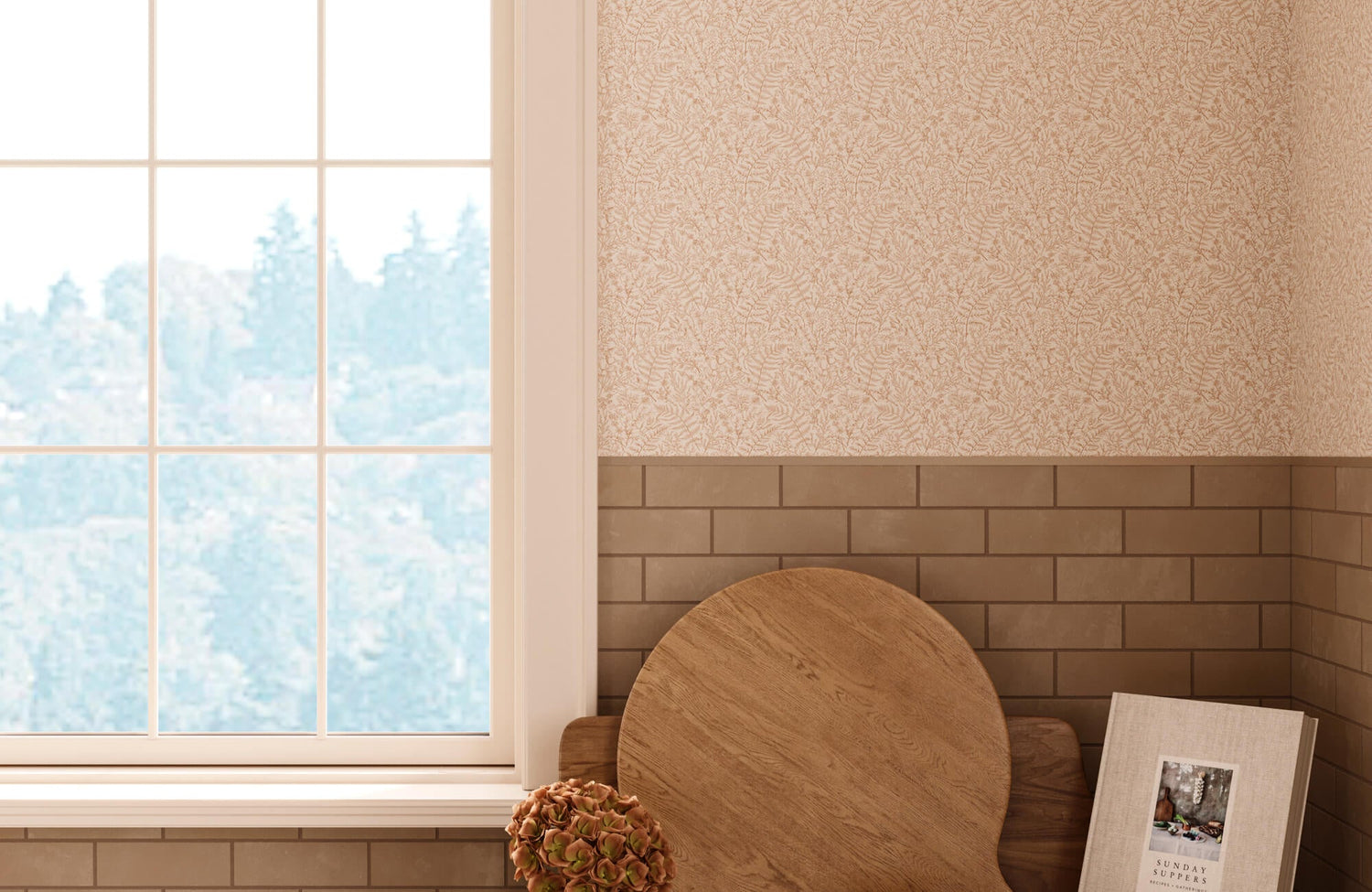
When evaluating long-term value, durability and installation efficiency both factor into the equation. As shown above, our Bower Wallpaper in Taupe I, 52" x 132" is printed on DreamScape Terralon and rated for commercial interiors and full bathrooms, supporting sustained performance in demanding spaces. Its extra-wide, full-height panels reduce seams and installation time, which can help limit labor costs upfront. Combined with its ability to maintain color and structure over time, that extended lifespan contributes directly to a more balanced cost per year.

Analyze Where Wallpaper Adds the Most Long-Term Value
Wallpaper works best when it’s intentional. You don’t need to wrap every room in a pattern to make it worth the investment. In fact, some spaces give you far more long-term value simply because of how they’re used and remembered.
Powder Rooms and High-Impact Small Spaces
If there’s one place where wallpaper almost always pays off, it’s the powder room. It’s small, so the material investment stays manageable, but the visual payoff feels huge. Because guests spend a few focused minutes in that space, details stand out more. A thoughtfully chosen wallpaper can turn an otherwise plain room into something memorable without overwhelming the rest of the home. And since powder rooms don’t deal with the same daily wear as kitchens or hallways, the finish tends to hold up beautifully over time. It’s a contained space with an outsized impact, which makes it a smart long-term move.
Our Botanique Wallpaper in Winter, 52" x 132" above, demonstrates why powder rooms are such a smart place to invest in pattern. Its traditional floral motif in bluish gray, beige, and soft brown tones over an off-white field creates depth without overwhelming a compact space. Digitally printed on lightly textured DreamScape Terralon and rated for commercial interiors and full bathrooms, it’s built to handle moisture while maintaining its crisp detail. The extra-wide, full-height format also reduces seams, which helps the room feel more refined and intentional from the moment a guest walks in.
Bedrooms as Layered Retreats
Bedrooms are where value shows up in a quieter way. This isn’t about making a bold statement; it’s about creating depth and comfort that lasts. A subtle wallpaper behind the bed can anchor the entire room and make it feel finished rather than temporary. Over time, that layered look keeps the space from feeling flat or outdated. It also supports how the room functions as a place to unwind and reset. When a bedroom feels calm and cohesive, that sense of comfort doesn’t go out of style.
Dining Rooms and Entertaining Areas
Dining rooms tend to be overlooked, but they’re actually ideal for long-term design investment. These are the spaces where people gather, celebrate, and spend uninterrupted time together. Wallpaper adds atmosphere without needing new furniture or a major renovation. It gives the room a sense of intention, almost like it was designed rather than simply furnished. Years down the line, that extra layer still feels deliberate instead of trend-driven. And because entertaining spaces shape how a home is experienced socially, investing here strengthens overall perception.
Commercial and Hospitality Applications
In commercial or hospitality settings, wallpaper does even more heavy lifting. It helps define identity the moment someone walks in. Whether it’s a boutique hotel, a restaurant, or an office lobby, wall treatments set the tone before a word is spoken. When the design feels cohesive and considered, it builds trust and confidence in the space. And unlike smaller décor pieces that get swapped out, wallpaper becomes part of the architecture itself. That built-in consistency is what gives it staying power in environments where first impressions matter every single day.

Understand Market Trends vs Timeless Design
Not all wallpaper holds its value the same way. Some designs feel exciting in the moment but fade quickly, while others settle into a space and age gracefully. The key isn’t avoiding personality, it’s knowing when you’re choosing something enduring versus something seasonal.
Timeless Patterns That Age Well
Timeless wallpaper usually comes down to scale, palette, and restraint. Medium-scale patterns tend to feel balanced rather than overwhelming, which helps them stay relevant longer. Neutral or nature-inspired color palettes also age more gently than high-saturation trend tones. Think soft botanicals, subtle geometrics, woven textures, or classic stripes that quietly support a room instead of dominating it. These designs don’t scream for attention, which is exactly why they last. Over time, they continue to feel intentional rather than dated.
In a narrow powder room like the one shown above, a heritage pattern feels established rather than fleeting. Our Brocade Wallpaper in Black/Tan II, 52" x 132" references traditional damask, pairing a black floral motif with a matte brown ground and softly distressed detailing that keeps the look relaxed instead of overly ornate. Its balanced scale and muted contrast allow it to anchor the room without overpowering it, which is exactly why this type of pattern tends to age well. Backed by commercial-grade performance and suitable for full bathrooms, it offers the durability needed for long-term relevance without sacrificing character.
The Risk of Overly Trend-Driven Prints
Trends aren’t the enemy, but they do have a shorter lifespan. Ultra-specific motifs or color combinations tied to a particular era can start to feel time-stamped after a few years. That doesn’t mean bold or graphic prints are a mistake; it just means they work best when you’re comfortable evolving the space sooner. If resale or long-term consistency is a priority, extremely niche designs may require more frequent updates. It’s less about right or wrong and more about how long you expect the design to carry you. When chosen thoughtfully, even statement patterns can work, as long as they align with your timeline.
Texture as a Safer Long-Term Strategy
If you’re unsure, texture is often the safest bet. Grasscloth-inspired prints, linen effects, plaster looks, and soft, dimensional patterns add depth without locking you into a specific moment in design history. Because texture reads as architectural rather than decorative, it blends more easily with evolving furniture and styling. It gives the room character, but in a way that feels grounded. Subtle texture also plays beautifully with natural light, which keeps walls visually interesting without overwhelming the space. For long-term value, that quiet richness tends to outperform louder trends.

Identify When Wallpaper May Not Be the Right Investment
Wallpaper can be a strong long-term design decision, but it isn’t automatically the right move in every situation. Like any finish, its value depends on timing, execution, and material quality. Knowing when to pause is just as important as knowing when to commit.
Short-Term Ownership Scenarios
If you’re planning to move within a year or two, wallpaper may not always make financial sense. While it adds character, the return often comes through lived experience and long-term visual consistency. In very short-term ownership situations, simpler upgrades might align better with your timeline. That doesn’t mean wallpaper hurts value; it just means you may not personally benefit from its longevity. If resale is immediate and buyers’ preferences are unknown, ultra-specific designs could feel limiting. In those cases, timing becomes the deciding factor more than the material itself.
Poor Installation and Substrate Issues
Wallpaper performs beautifully when installed correctly, but poor preparation can shorten its lifespan. Uneven walls, moisture issues, or improperly primed surfaces can lead to lifting seams or bubbling over time. These problems aren’t about wallpaper as a category; they’re about execution. A solid substrate and professional installation make a noticeable difference in durability. When corners are cut, the finish can start to fail prematurely. Done properly, though, wallpaper holds its structure and appearance for years.
Low-Quality Materials and Premature Wear
Material quality matters more than most people realize, as mentioned earlier. Thin paper-based products without protective coatings are more vulnerable to tearing, staining, or fading. Lower-grade inks may lose richness, especially in rooms with natural light exposure. Over time, that premature wear undermines the idea of wallpaper as a long-term investment. Choosing well-constructed materials with stable backings and durable finishes dramatically changes performance. When the product itself is strong, the investment feels justified instead of temporary.
Making Wallpaper a Smart Long-Term Design Decision
So, is wallpaper a good investment for long-term interior value? When chosen thoughtfully and installed correctly, it absolutely can be. It shapes how a space feels, how it’s remembered, and how long it maintains that polished, intentional look. More than just decoration, wallpaper becomes part of the architectural story of your home. Over time, that layered depth and consistency are what quietly protect its value.
If you’re considering wallpaper and want to make sure your selection supports both style and longevity, our personalized design consultation can help you move forward with clarity. Having expert guidance ensures the pattern, material, and scale align with your space and your long-term goals. Instead of guessing, you’ll be making decisions with purpose and confidence. When design and durability come together, wallpaper becomes more than a trend—it becomes a lasting investment.