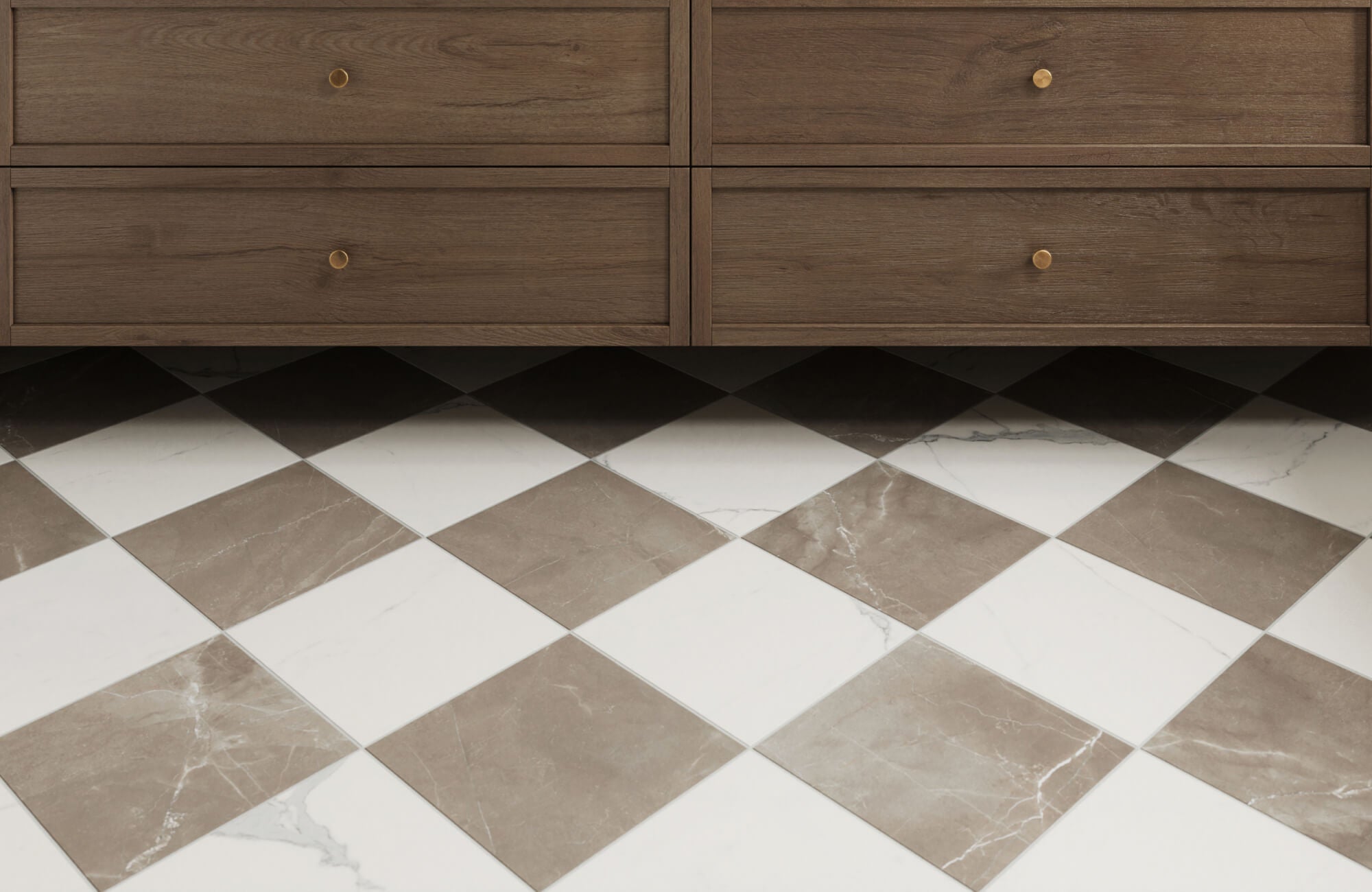
Marble and porcelain tiles are often compared when balancing visual impact with overall cost, especially in spaces where both style and performance matter. While marble is known for its natural character and higher price point, marble look porcelain has become a versatile alternative that closely mirrors its appearance, sometimes at a similar cost depending on design and quality. Because of this, the difference is not always as straightforward as expected. In this blog, we’ll break down how each option is priced, what drives those costs, and how to decide which one fits your space best.

Factors Affecting Tile Cost
The cost of tile flooring is shaped by several factors that go beyond just the choice of material. Understanding these elements is essential for making informed decisions that align with both your budget and design preferences. From material composition to tile size and installation complexity, various aspects contribute to the overall price, ultimately influencing the financial scope of any tile project.
Material
The type of tile plays a crucial role in determining cost, as natural and manufactured materials differ significantly in pricing. Marble, a natural stone quarried from the earth, varies in price depending on factors such as availability, rarity, and quality. High-end marbles are especially prized for their striking veining and luxurious appeal, often commanding premium prices.
In contrast, porcelain is a manufactured product, typically offering a more budget-friendly alternative due to mass production. However, not all porcelain tiles are inexpensive; high-end marble look porcelain tiles, designed with advanced printing and texturing techniques, can rival or even exceed the cost of genuine marble. These tiles provide the sought-after aesthetics of marble while delivering the practical benefits of porcelain, including durability, lower maintenance, and better resistance to moisture and stains.
Size
Tile size plays a major role in determining cost, as larger tiles, such as our Leona 24x24 Matte Porcelain Tile in Calacatta, offer a seamless and expansive look but can also be more expensive due to material and production factors. This is largely due to the additional material required for production, as well as the increased complexity of cutting and shaping larger tiles. Bigger tiles often provide a more seamless appearance with fewer grout lines, but they also require precision in manufacturing to maintain consistency in size and thickness.
Marble tiles, in particular, show even greater price variations based on size. Large-format marble tiles and slabs cost significantly more due to the challenges of quarrying and transporting them intact. Since natural stone must be extracted in whole pieces, larger sections are more difficult to source, making them rarer and, in turn, more expensive.
For those looking for custom sizes, the cost can rise even further. Non-standard marble tile dimensions require specialized cutting and finishing to achieve the desired look, adding to both material and production expenses. While larger tiles create a striking and uninterrupted aesthetic, they often come with a higher price tag due to the difficulty of sourcing and processing them.
Design and Pattern
The complexity of tile design and pattern plays a significant role in determining cost. Intricate designs, often created through waterjet cutting or hand-painting, require a high level of craftsmanship, increasing both labor costs and production time. Similarly, specialized finishes, such as matte, tumbled, or textured surfaces, add to the overall price due to the additional processing involved.
For marble tiles, natural variations in veining patterns further influence cost, as highly sought-after or rare veining styles can be more expensive to source. Meanwhile, marble look porcelain tiles with advanced digital printing and embossing techniques can replicate these distinctive patterns, but higher-end versions with more realistic detailing and premium finishes can also come at a premium.
Installation
Labor costs are a major factor in the overall budget for a tile project, influenced by the complexity of the installation pattern, tile size, and the installer’s expertise. Larger tiles require more precision during installation, as they demand careful cutting, leveling, and alignment to prevent uneven surfaces. Complex patterns or intricate layouts, such as mosaics or herringbone designs, also increase labor time and costs due to the additional skill required for precise placement.
For marble tiles, installation tends to be more expensive due to their weight and delicate nature. Proper handling is essential to prevent cracks or breakage, and installing marble often requires specialized tools and techniques. Additionally, because natural marble is porous, it must be sealed before and after installation to protect it from stains and moisture damage, adding another layer of time and cost.
Porcelain tiles, particularly marble-look porcelain, are generally easier and more cost-effective to install. Their uniform size and durability reduce the likelihood of breakage during handling, and they do not require sealing like marble. However, high-end porcelain with intricate patterns or large formats can still increase labor costs, especially if precise cuts or additional leveling are needed to achieve a seamless look.
By understanding these factors, homeowners and designers can make well-informed decisions that align their design preferences with their budget. When choosing tiles, especially for those considering marble tiles, it is advisable to consult with a professional for optimal results and to ensure proper installation and maintenance.

Marble Tile Cost Breakdown: What You’re Really Paying For
Marble tile pricing can vary widely, and the differences often come down to more than just the type of stone. Factors like sourcing, finish, size, and long-term upkeep all contribute to the total cost, which is why two marble options can feel completely different in price. Below, we’ll break down where those costs come from so you can better understand what you’re investing in.
Average Cost of Marble Tiles
Marble tiles typically range from $5 to $60 per square foot, but that range can shift depending on the specific type of marble and how it is processed. More accessible varieties tend to sit on the lower end, while stones with distinct veining or limited availability can quickly move into higher price points. It is important to note that this range usually covers material cost only and does not include installation. Labor can add another $4 to $9 per square foot, depending on layout complexity and tile size. Because marble requires careful handling, installation costs can sometimes be higher than those of other materials. When budgeting, it helps to look at both material and labor together rather than treating them as separate considerations.
Type and Rarity of Marble
One of the biggest factors that affects price is the type of marble itself. Some varieties are more widely available, which keeps costs relatively stable, while others are rarer and more difficult to source. Marbles with bold veining, strong contrast, or unique coloration are often more desirable, which naturally drives up their price. Because marble is a natural material, no two pieces are exactly the same, and this variation adds to its appeal but also its cost. Imported stones or those from well-known quarries tend to carry a premium as well. In many cases, what you are paying for is not just the material, but the uniqueness that comes with it.
Finish and Surface Treatment
The finish applied to marble also plays a noticeable role in the overall cost. Polished marble, which has a reflective and glossy surface, is often more expensive due to the additional processing required to achieve that finish. Honed marble offers a softer, matte look that tends to be slightly more affordable while still maintaining a refined appearance. Leathered or textured finishes add another layer of processing, which can influence pricing depending on the level of detail. Each finish also affects how the tile performs in different spaces, especially when it comes to the visibility of wear and maintenance. Choosing the right finish is not only about appearance but also about how it fits your lifestyle.
Tile Size and Customization
Tile size can significantly impact the cost of marble, especially when moving into larger formats. Bigger tiles and slabs require more precise cutting and handling, which increases both material waste and production effort. Because marble is quarried in natural blocks, sourcing larger pieces without imperfections can be more challenging, which adds to their value. Custom sizing or special cuts can further increase costs due to the additional labor and equipment required. While larger tiles can create a more seamless look with fewer grout lines, they often come with a higher upfront investment. Balancing size with budget is an important part of the selection process.
Installation and Labor Costs
Installing marble is typically more labor-intensive than other tile materials, which contributes to higher overall costs. The weight and natural variation of marble require careful handling to prevent breakage during installation. Installers often need specialized tools and techniques to ensure proper alignment and leveling, especially with larger or patterned layouts. In addition to placement, marble usually requires sealing both before and after installation to protect it from moisture and stains. This extra step adds time and cost but is necessary for long-term performance. Working with experienced installers is important to ensure the final result meets both aesthetic and functional expectations.
Long-Term Maintenance and Upkeep
Beyond the initial installation, marble also comes with ongoing maintenance that should be factored into the total cost. Regular sealing is needed to protect the surface from stains and etching, especially in areas exposed to moisture or spills. Over time, polishing may also be required to restore its original finish and keep it looking consistent. Cleaning products need to be chosen carefully, as harsh chemicals can damage the surface. While these steps are manageable, they do require more attention compared to lower-maintenance materials. Considering these long-term requirements helps give a more complete picture of the investment.
Luxury Marble and Premium Pricing
At the highest end, certain marble varieties are valued for their rarity and distinctive appearance. Stones like Statuario Venato or Calacatta Gold are known for their bold veining and strong contrast, which makes them highly sought after in premium designs. These materials can reach hundreds of dollars per square foot, especially when sourced in larger or more consistent slabs. Their exclusivity is part of what defines their cost, as they are often used in spaces where visual impact is a priority. Along with the material, installation, finishing, and maintenance all contribute to the total investment. Choosing luxury marble is less about necessity and more about achieving a specific level of detail and presence within the space.

Marble Look Porcelain Tile Cost Analysis
One of the biggest advantages of marble look porcelain tiles is their ability to replicate the elegance of natural marble at a more affordable price. Below, we'll explore their cost and the key factors that influence pricing to help you decide if they’re the right choice for your space.
Average Cost
Marble look porcelain tiles typically range from $3 to $5 per square foot for the material, though higher-end options can exceed this depending on design and finish. This makes them more accessible than most natural marbles, especially for larger areas. Installation costs usually fall between $5 and $10 per square foot, influenced by tile size, layout complexity, and labor requirements. Larger formats or detailed layouts can push installation toward the higher end of that range. Even so, porcelain often remains more predictable in pricing because it is manufactured rather than quarried. When planning your budget, it helps to account for both material and installation costs together to avoid unexpected costs.
Porcelain Type and Manufacturing Quality
The type of porcelain used plays a major role in pricing, particularly when comparing standard and premium options. Glazed porcelain, which has a decorative surface layer, is typically more affordable and widely available. In contrast, through-body or unglazed porcelain offers greater durability and resistance to wear, which often increases cost. Higher-end tiles also use advanced digital printing and layering techniques to replicate natural marble veining with greater depth and variation. This added realism requires more sophisticated production processes, which is reflected in the price. As a result, the closer the tile looks to real marble, the more you can expect to invest.
Porcelain Type
The type of porcelain tile plays a key role in determining cost. Glazed porcelain, which features a colored layer on top of the tile body, is often more affordable than unglazed or through-body porcelain. The latter options offer superior durability and stain resistance, making them ideal for busy areas, but they also come with a higher price tag. In addition to that, some premium porcelain tiles use advanced digital printing techniques to replicate the depth and veining of real marble with stunning realism, further increasing costs.
Tile Size
Unlike natural marble, marble-look porcelain tiles are manufactured, allowing for greater flexibility in sizing. While larger porcelain tiles, such as our Aniston 24x48 Matte Porcelain Tile in Calacatta Viola, generally cost more due to increased material usage, their production is not limited by quarrying constraints, making them more widely available than large-format natural marble slabs. These larger tiles also require precise installation techniques, such as leveling, specialized adhesives, and advanced cutting tools, which can increase labor costs.
Design and Finish
The complexity of a tile’s design and finish also affects pricing. Marble-look porcelain tiles with intricate patterns, detailed textures, or specialized finishes like lappato (matte with a slight sheen) or honed (matte) are generally more expensive than standard tiles. Tiles with rectified edges, which are cut to precise dimensions for minimal grout lines, require extra processing that raises production costs as well. These refined details, however, contribute to a more polished, high-end aesthetic.
Durability and Features
High-quality marble-look porcelain tiles often include enhanced features such as exceptional stain resistance, frost resistance for outdoor use, and increased durability, all of which can impact cost. Some high-end options also incorporate slip-resistant surfaces or anti-bacterial coatings, making them a practical choice for both residential and commercial applications. Investing in these advanced features ensures longevity and ease of maintenance, making them a cost-effective solution in the long run.
By considering these factors, homeowners and designers can find a porcelain tile that suits their budget while achieving the perfect balance of aesthetics and functionality. To help you visualize how these tiles will enhance your space, our augmented reality (AR) tool allows you to preview different options in your home before making a final decision.

Marble vs. Marble Look Porcelain: A Comparative Analysis
When deciding between marble and marble look porcelain tiles, numerous factors come into play. While both offer aesthetic appeal, they present distinct advantages and disadvantages in terms of cost, maintenance, durability, and overall value.
Long-Term Costs
Marble and marble look porcelain tiles differ significantly in terms of long-term maintenance costs. Marble, while undeniably luxurious, requires diligent care to maintain its appearance. Regular sealing and polishing are essential to protect against stains and etching, adding to ongoing expenses. Marble look porcelain, on the other hand, is generally low maintenance. It's less susceptible to stains and etching, requiring only occasional cleaning. However, it's crucial to note that while porcelain is more resistant to stains, acidic substances can still leave marks, emphasizing the importance of prompt cleaning.
Resale Value
Marble has long been associated with luxury and prestige, making it a valuable addition to any home. Its higher initial cost can often be justified by the potential increase in property value. On the other hand, while marble-look porcelain tiles offer durability and aesthetic appeal, they may not have the same impact on resale value as genuine marble.
Durability
Marble look porcelain is generally regarded as the more durable option, offering excellent resistance to scratches, stains, and daily wear, making it ideal for frequently used areas. In contrast, while marble’s natural beauty adds elegance to any space, it is more prone to damage from acidic substances, scratches, and chipping. However, with the right care and maintenance, marble can maintain its luxurious appearance for years.
Aesthetics
Marble's natural beauty, with its distinctive veining and color variations, brings a timeless elegance that is hard to replicate. Its luxurious appearance enhances depth and sophistication in any space. Meanwhile, porcelain tiles have significantly improved in replicating marble, with modern technology creating highly realistic patterns and finishes, as seen above in our Aniston 3x12 Polished Porcelain Tile in Calacatta Antico. However, some believe that porcelain still lacks the depth and organic character found in natural marble. Ultimately, the decision between marble and marble-look porcelain comes down to personal preference, as well as the overall design vision for the space.
The Best Tile Choice for Your Space
Selecting the right tile for your space involves balancing aesthetics, budget, and long-term practicality. While natural marble offers unmatched elegance and prestige, it requires more maintenance and comes at a higher price. Meanwhile, marble-look porcelain provides a durable, cost-effective alternative that replicates the beauty of real marble while offering easier upkeep. Whether you prioritize authenticity or convenience, both options have distinct advantages depending on your needs.
By carefully considering factors such as durability, maintenance, and overall design vision, you can confidently choose the tile that best suits your space. If you're exploring marble-look porcelain, we offer tile samples so you can see the quality and design firsthand. If you have any questions or need personalized advice, feel free to contact us! Our team is ready to help you find the perfect marble look tiles to bring your design vision to life.