Wall lights have evolved from simple functional fixtures into considered elements of interior design. When we look at wall lighting today, the question is less about whether it belongs and more about how well it supports the way you want your space to look and feel. In many interiors, wall lights are a fashionable choice that also reflects a thoughtful approach to lighting, prioritizing balance, atmosphere, and intention. In this article, you can expect a clear look at how wall lights fit into current design thinking, where they work best, and how to decide if they are the right choice for your home.

Wall Lights In Contemporary Interior Design Trends
Wall lights are no longer considered secondary accents but are now integral to a well-planned lighting scheme. They are commonly used to shape spatial flow, draw attention to architectural features, and influence how rooms are experienced throughout the day.
How Designers Use Wall Lights Today
In current design practice, wall lights are typically part of a layered lighting approach rather than stand-alone features. They are combined with ceiling and floor lighting to introduce depth and visual rhythm, allowing light to come from multiple levels. This approach helps spaces feel more balanced and visually resolved, as wall lights often bridge the gap between focused task lighting and softer ambient illumination.
A good example can be seen in the photo featured above, where Edward Martin’s Cornelius Wall Sconce in Vintage Brass with Bronze Accents is integrated alongside other light sources to complement the room’s materials and proportions without overpowering them. Over time, this layered method has become a natural way to create comfortable, well-considered lighting without relying on a single dominant source.
Popular Styles Seen In Modern Homes
In many homes, wall lights favor clean lines and restrained detailing. Slim sconces, sculptural forms, and linear designs are commonly found in living rooms, bedrooms, and hallways. Rather than drawing attention to themselves, these styles tend to support the room’s overall character, reflecting a broader preference for lighting that feels integrated rather than decorative. This shift aligns with interiors that prioritize cohesion and subtle visual consistency.
Why Wall Lights Signal Thoughtful Design
Wall lights that are placed with intention often indicate that a room has been planned beyond basic lighting needs. Instead of relying on a single ceiling fixture, they show an awareness of how light works with walls, furniture, and the way people move through a room. This level of consideration tends to produce interiors that feel calmer and more cohesive, which helps explain why wall lights are often associated with well-designed, contemporary spaces.

The Aesthetic Impact Of Wall Lights On A Space
Aside from trends, wall lights play a meaningful role in how a room is perceived. Their impact is less about overall brightness and more about shaping visual structure, depth, and atmosphere within a space.
Creating Visual Balance On Vertical Surfaces
Large furniture and expansive walls can cause a room to feel visually weighted toward the lower half. Wall lights help restore balance by drawing the eye upward and spreading visual interest across the vertical plane. By breaking up long, uninterrupted wall surfaces, they also help spaces feel more complete, particularly in rooms with minimal decoration. This effect is especially noticeable in living areas and bedrooms where visual proportion strongly influences comfort.
A similar approach is evident in the photo featured above, where Edward Martin’s Esme 26" Wall Sconce in Aged Brass is positioned to flank the wall composition, guiding the eye upward and creating a more evenly balanced visual presence across the space.
Enhancing Texture And Materials
One of the key reasons wall lights remain relevant is their ability to reveal surface detail. When light grazes plaster, stone, wallpaper, or wood, it highlights texture that overhead lighting often softens or obscures. This gentle emphasis makes materials feel more considered and tactile, adding depth and quality without introducing additional elements into the space. As a result, walls become active contributors to the overall design rather than neutral backdrops.
Mood Building Through Indirect Light
Wall lights often cast light upward, downward, or in both directions, which softens the overall effect. This indirect illumination reduces glare and helps create a calmer, more relaxed atmosphere, especially in the evening. When mood is a priority, wall lights are often considered an effective way to introduce warmth while maintaining visual clarity. This makes them particularly well-suited to living rooms, bedrooms, and transitional spaces.

Wall Lights vs. Other Lighting Choices
Well-designed interiors are often shaped by careful selection rather than excess. Comparing wall lights with other lighting options helps clarify when they are most effective and when another approach may be more suitable.
Wall Lights Compared To Ceiling Fixtures
Ceiling fixtures are effective for general illumination, but in some rooms, they can feel harsh or visually dominant. Wall lights provide an alternative that suits spaces with lower ceilings or interiors where a softer atmosphere is preferred. By moving part of the light source to the walls, rooms often feel more open and less utilitarian in character. This approach allows lighting to interact more naturally with furnishings and architectural features.
Wall Lights vs. Table And Floor Lamps
Unlike portable lamps, wall lights do not occupy floor or surface space. This makes them particularly appealing in smaller rooms or areas where clutter quickly becomes noticeable. At the same time, their fixed placement requires commitment, which means they tend to be chosen more carefully. That sense of permanence often aligns with a more refined design approach.
When Wall Lights Are Not The Best Fit
There are situations where wall lights may not be the most practical choice. In spaces that frequently change layout, fixed lighting can feel limiting, while rooms with strong architectural detailing may become visually crowded with additional wall fixtures. Recognizing these conditions helps ensure wall lights are used where they add value rather than feeling unnecessary or forced. In these situations, more flexible or minimal lighting options often suit the space better.

How Wall Lights Reflect Lifestyle And Function
Fashionable lighting still needs to work well in everyday life. Wall lights are often seen as a way to balance everyday function with visual appeal, without prioritizing one over the other.
Functional Uses That Still Feel Stylish
Wall-mounted reading lights, bedside sconces, and hallway fixtures show how function and design can coexist. These lights provide focused illumination exactly where it is needed while keeping surfaces clear and compositions orderly. Their appeal lies in how seamlessly they fit into daily routines, gradually becoming part of the room’s overall comfort and usability. This balance is illustrated in the photo featured above, where Edward Martin’s Freeman Wall Sconce in Aged Brass offers practical, targeted light while maintaining a clean and composed wall arrangement.
Supporting Flexible Living Spaces
In open-plan homes, wall lights help define zones without the need for physical divisions. A pair of sconces can quietly indicate a seating area, while a soft wash of light along a wall can guide movement through the space. This subtle guidance helps large areas feel more organized without introducing visual barriers. It also allows the layout to remain flexible as needs change over time.
Accessibility And Ease Of Use
Placement and control are just as important as appearance. Wall lights that are easy to use, paired with well-positioned switches, can help support comfort for a wide range of users. This focus on usability helps explain why wall lights are often seen as practical, modern solutions rather than purely decorative elements, while also supporting intuitive use across different ages and daily routines.

Are Wall Lights A Passing Trend Or A Lasting Choice
It is natural to question whether the popularity of wall lights will endure. Examining their history and underlying design qualities helps provide a clearer perspective.
Historical Use Of Wall Lighting
Wall lighting has been used in various forms for centuries, evolving with changes in architecture and technology. Its current popularity reflects a renewed appreciation for layered lighting rather than a sense of novelty. This historical context suggests continuity and lasting relevance rather than a short-lived trend. As building layouts and living habits have shifted, wall lights have consistently adapted to meet new functional and aesthetic needs.
Timeless Design Characteristics
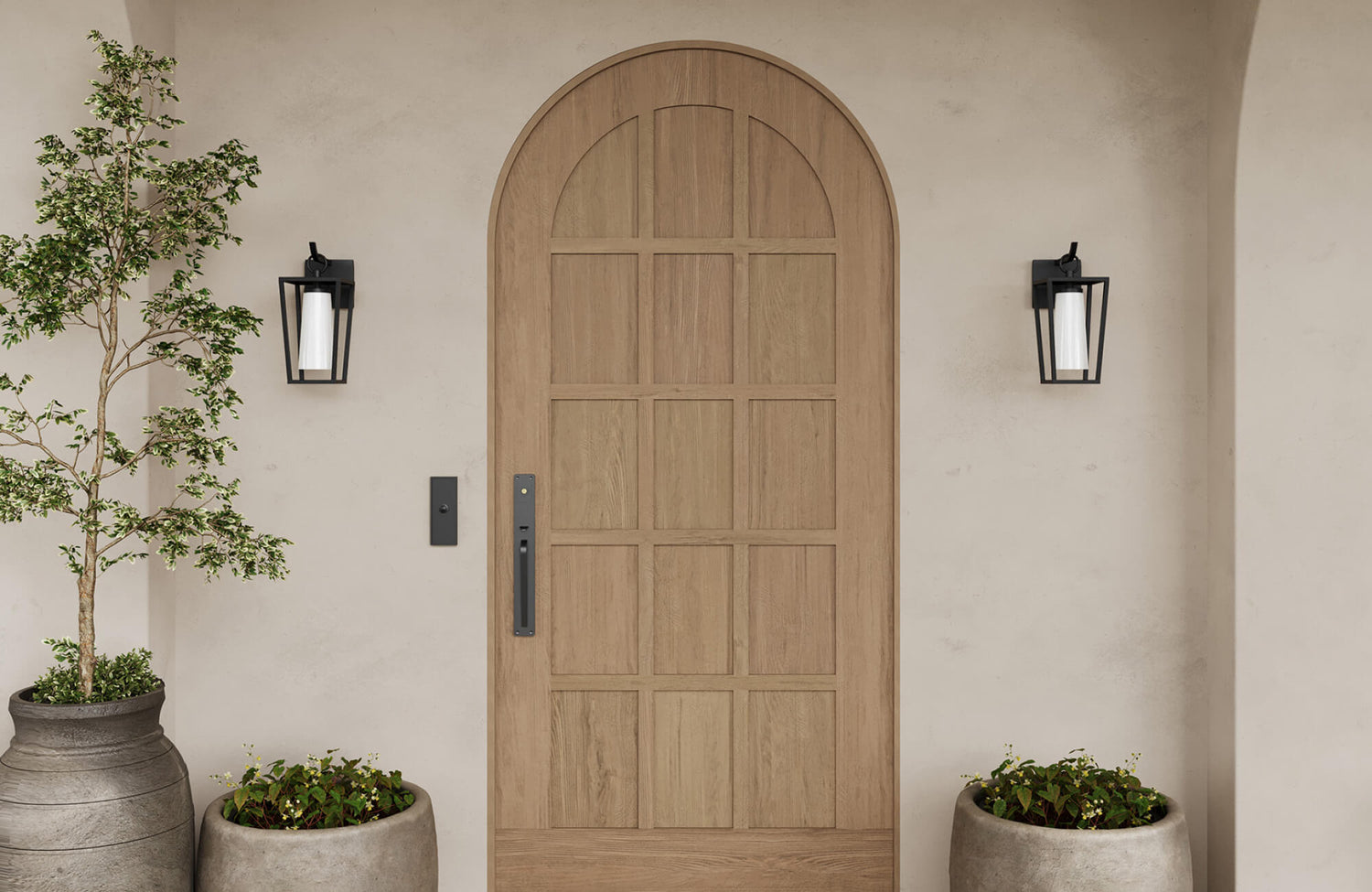
Wall lights that endure tend to share certain traits. Simple forms, balanced proportions, and restrained finishes age more gracefully than highly stylized designs. These qualities allow wall lights to remain relevant even as surrounding decor evolves, making it easier to introduce new materials or color palettes without revisiting the lighting. This idea is reflected in the photo featured above, where Edward Martin’s Wilder Exterior Wall Sconce in Textured Black draws on a curved, hook-like detail reminiscent of iron lanterns found in historic architecture, blending traditional reference with a form that still feels appropriate in contemporary settings.
Adapting Wall Lights As Styles Change
Another reason wall lights last is their adaptability. Changing a bulb temperature, updating a shade, or adjusting placement can shift the mood without replacing the fixture entirely. This flexibility makes them practical long-term choices rather than fixed statements. It also allows lighting to evolve gradually as tastes and interiors change.

Making Wall Lights Feel Fashionable In Your Home
Bringing design ideas into your own space requires a balance of restraint and clarity. The focus is often on making choices that feel confident and considered, rather than excessive.
Choosing The Right Scale And Placement
Wall lights should relate to the size of the wall and the furniture nearby. Mounting them too high or too low can disrupt balance, while thoughtful spacing creates rhythm. When placement feels intentional, the lights read as part of the architecture. This careful alignment helps ensure they enhance the space rather than draw unnecessary attention.
Matching Wall Lights To Interior Style
Different interiors call for different approaches. Clean-lined sconces suit modern rooms, while softer profiles complement traditional settings. Transitional spaces benefit from designs that bridge both worlds, ensuring the lighting does not feel out of place as styles mix. Paying attention to finish, shape, and scale helps the lighting feel intentional within the overall design.
This balance is evident in the photo featured above, where Edward Martin’s Jodie Wall Sconce in Antique Brass Iron complements both classic detailing and clean-lined cabinetry, allowing the lighting to feel cohesive within a space that blends traditional and contemporary elements.
Avoiding Overuse And Visual Clutter
More light does not always mean better design. A few well-placed wall lights often feel more current than a crowded arrangement. Restraint allows each fixture to contribute without overwhelming the room. This approach helps maintain clarity and ensures the lighting supports, rather than competes with, the overall space.
The Enduring Appeal Of Wall Lights
Wall lights are fashionable today because they fit naturally with the way modern interiors are designed and lived in. They support balanced lighting schemes, enhance the visual character of a space, and contribute to everyday comfort without dominating the design. When chosen and positioned with care, wall lights move beyond trends and become lasting elements that help interiors feel thoughtful, functional, and current over time.
If you would like guidance on selecting or placing wall lights for your space, our design services are available to help you make informed, well-considered decisions. Contact us to explore how thoughtful lighting can support your interior goals.