Choosing the right direction for your bathroom vanity lights can make a surprising difference in how your space looks and functions. Whether you're renovating or simply upgrading your fixtures, the orientation of your lights influences everything from daily routines to the overall mood of the room. This article will guide you through the key considerations that can help you determine whether upward- or downward-facing lights are the better choice for your setup.

The Role of Light Direction in a Bathroom
The way bathroom vanity lights are positioned impacts more than just brightness; it also shapes the mood, affects functionality, and influences overall visual comfort. Let’s explore how the direction of light can transform both the atmosphere and usability of your bathroom.
How Upward Light Behaves
When vanity lights are directed upward, the light first strikes the ceiling and then reflects gently throughout the room. As a result, it creates a soft, diffused glow that’s noticeably easy on the eyes. Rather than spotlighting your face, this indirect illumination fills the space with ambient warmth, ideal for general use or calming routines. The upward glow also smooths out sharp shadows and reduces the risk of harsh glare.
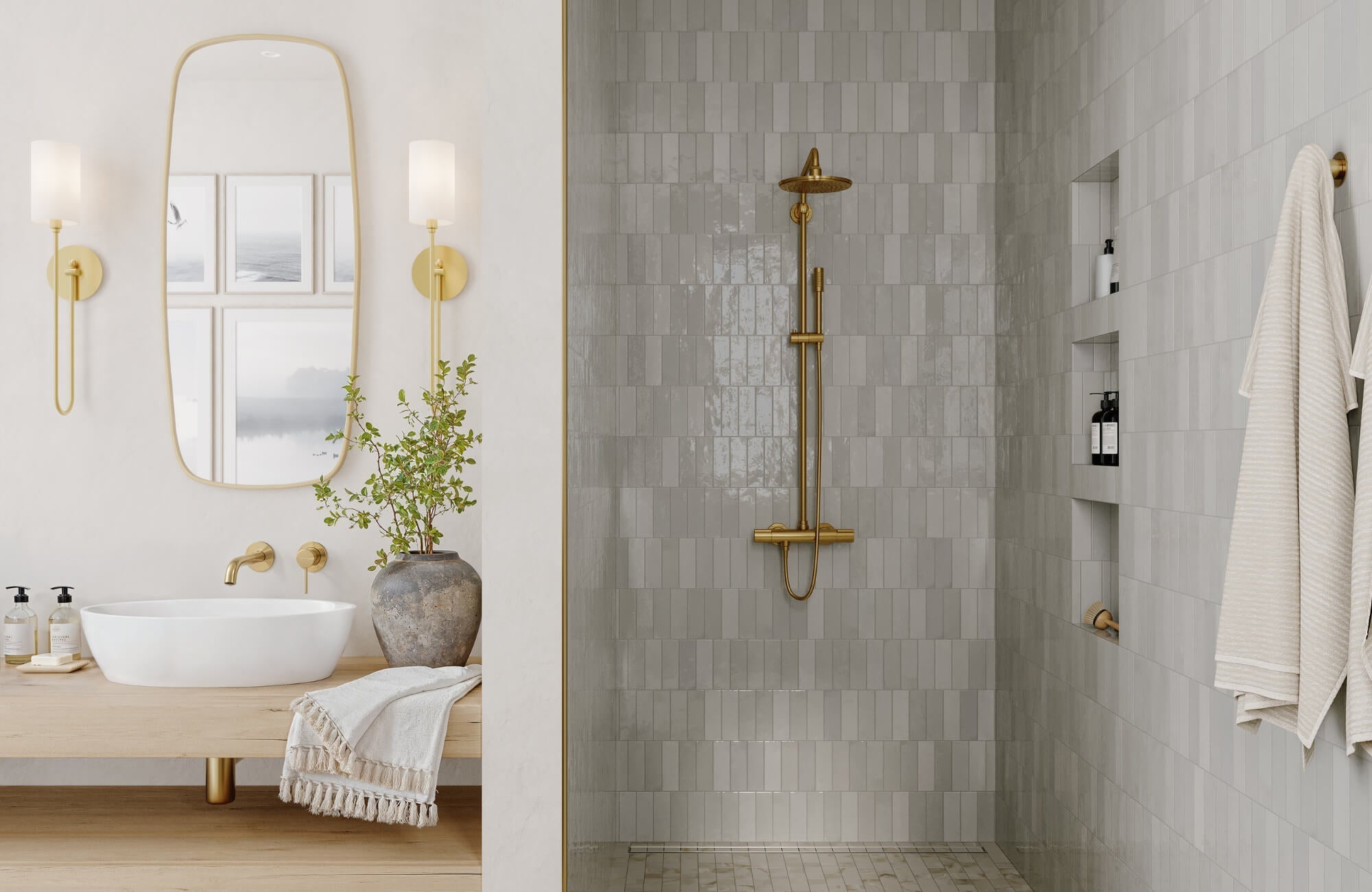
Notably, this setup performs best in bathrooms with semi-gloss or satin ceiling finishes, which enhance light reflection. For example, in the photo above, Edward Martin’s Geraldine Wall Sconce in Aged Brass beautifully demonstrates how upward lighting can elevate the space with elegance while maintaining a gentle ambiance. Its tall silhouette and softly frosted shade help distribute light upward in a way that feels refined yet relaxed. So, if you’re aiming for a welcoming, comfortable atmosphere, upward lighting also offers a dependable and stylish solution.
How Downward Light Performs
If you're aiming for focused, task-oriented illumination at the vanity, downward-facing lights are often the most effective choice. This orientation directs light precisely where it’s needed: across the countertop, onto your face in the mirror, and around the sink area. As a result, it’s especially well-suited for activities that require accuracy, such as applying makeup, grooming, or putting in contact lenses.
Moreover, downward fixtures offer concentrated illumination that’s especially helpful in bathrooms with little to no natural light. Since the light shines directly onto the areas you use most, such as the sink and mirror, it improves visibility without depending on reflected surfaces. This focused direction cuts through surrounding distractions and brings out sharper detail, making everyday grooming tasks feel easier and more precise.
Ceiling Height and Reflection Impact
Ceiling height also plays a subtle but important role in how upward lighting performs. In bathrooms with tall ceilings, the light from upward-facing fixtures may lose effectiveness as it travels further before reflecting into the space. Similarly, ceilings with matte or textured finishes absorb more light, softening the intended glow and limiting how well the light disperses across the room.
To get the most from upward-facing lights, it's also best to pair them with lower or standard-height ceilings finished in semi-gloss or satin paint. These conditions help maximize reflection and preserve the ambient quality that makes upward lighting so appealing. While downward lighting tends to work predictably regardless of ceiling type, the impact of upward fixtures can vary significantly depending on the surface they’re reflecting off.

Matching Light Direction With Your Bathroom Layout
The size and shape of your bathroom also affect how well your lighting works. Before choosing between upward or downward fixtures, it’s helpful to think about how your room’s layout affects the way light moves and fills the space.
Narrow vs Wide Bathrooms
In narrower bathrooms, shadows tend to gather in corners and along walls, making the space feel tighter than it is. That’s where downward-facing lights can make a noticeable difference. By casting focused light directly over the mirror and vanity, they help brighten key areas while reducing dark spots, which in turn makes the room feel more open and usable.
Conversely, in wider bathrooms where the space stretches beyond a central vanity, light needs to travel farther to create a balanced look. In these cases, upward-facing fixtures are often more effective. When paired with a reflective ceiling surface, they can also help spread light more evenly across the room, softening harsh edges and minimizing glare. This approach creates a cohesive, ambient glow that makes larger spaces feel warm and inviting.
Mirror and Vanity Placement
The size and placement of your mirror play a big role in determining which lighting direction will work best. If your mirror is mounted higher on the wall or stretches across a wide double vanity, downward-facing lights are usually the better option. They direct light exactly where it’s needed, across the full surface of the mirror, providing even, shadow-free illumination. This kind of balanced lighting not only improves visibility but also helps prevent distorted reflections, which is especially useful in shared spaces.
On the other hand, if your mirror is smaller or more decorative in shape, upward-facing fixtures can create a softer, more diffused look around it. This style of lighting gently frames the mirror without overwhelming it, which makes it a great fit for powder rooms or secondary bathrooms where ambiance matters just as much as function.
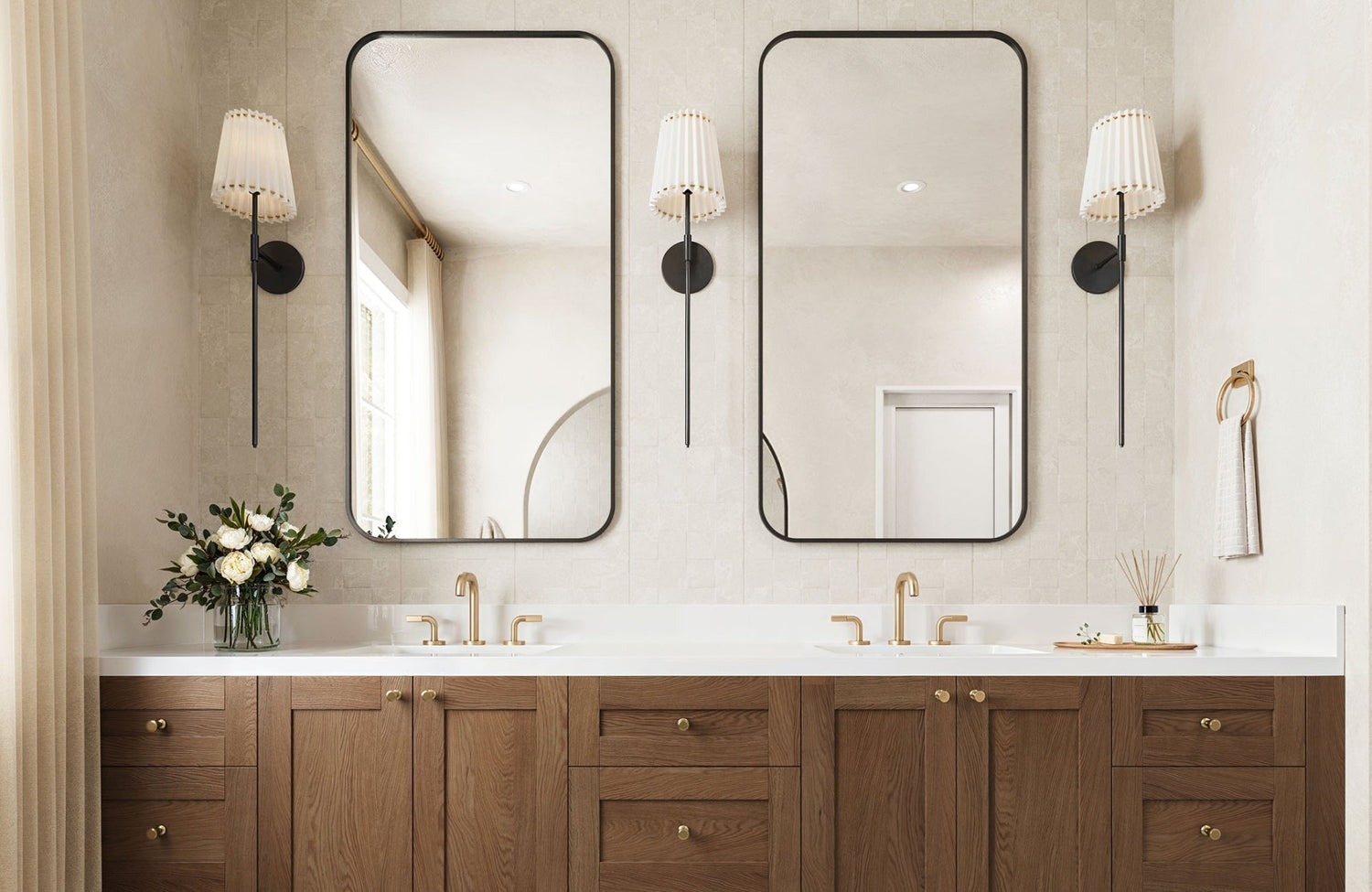
You can see this approach in action in the photo above, where Edward Martin’s Patty Wall Sconce in Aged Brass flanks each mirror with a graceful downward glow. The design not only complements the symmetry of the double vanity but also ensures both mirrors receive direct, flattering light. It’s a great example of how the right fixture, paired with thoughtful placement, can enhance both form and function.
Wall Color and Surface Reflection
It’s easy to overlook how much wall color influences your lighting, but it also plays a significant role in how well your fixtures perform. Light-colored walls, especially whites, creams, and pastels, tend to reflect light more efficiently, which enhances the soft, ambient glow created by upward-facing fixtures. In bathrooms with these lighter tones, upward lighting can also help the space feel more open, airy, and calming.
On the other side, darker walls absorb more light, which can diminish the overall brightness in the room. In those situations, downward-facing lights become especially valuable. They can provide targeted illumination directly to key areas such as the vanity and sink, compensating for the reduced reflectivity of deeper hues and textured surfaces. So, depending on your wall color, choosing the right light direction can either maximize brightness or bring balance to the space.

Functional Lighting vs Aesthetic Appeal
We understand that you want a bathroom that not only looks beautiful but also works seamlessly for your daily routine. Here, we’ll take a closer look at how the direction of your vanity lighting can influence both the functionality of your space and the overall mood it sets.
Prioritizing Grooming Tasks
If daily grooming is a regular part of your routine, having clear, focused lighting makes all the difference. Downward-facing fixtures provide the direct, controlled illumination needed to reveal true color and facial detail, which is especially helpful for tasks like applying makeup or styling your hair. Because the light is aimed precisely at the vanity, it reduces overhead shadows that can otherwise distort your reflection, so you’re not constantly shifting around just to find the right angle.
To add even more flexibility, many of our customers opt for dimmable downward lights that can switch from crisp brightness to a more relaxed evening glow. A great example is Edward Martin’s Gibson Shaded Wall Sconce in Aged Old Bronze, as featured in the photo above. Its refined design offers both form and function, casting targeted light downward while complementing the overall aesthetic of the vanity space. It’s a smart way to get professional-level lighting right where you need it, without compromising style.
Creating a Spa-Like Feel
If you’re aiming to transform your bathroom into a relaxing retreat, upward-facing fixtures are an excellent way to create that soothing atmosphere. By reflecting light off the ceiling, they provide a soft, indirect glow that gently fills the space without overwhelming it. It’s similar to ambient background music; subtle, comforting, and designed to enhance the experience without drawing too much attention.
For even more control, pairing this setup with a dimmer switch allows you to fine-tune the lighting to suit your mood, whether you're unwinding in a warm bath or easing into your nighttime routine. The overall effect is a space that feels relaxed and restorative, far from the bright, clinical lighting often associated with bathrooms.
Blending Both Worlds
For those looking to strike a balance between functionality and ambiance, dual-direction fixtures offer a thoughtful and stylish solution. These designs emit light both upward and downward, combining the focused illumination needed for tasks with the ambient glow that softens the overall space.
This blend allows you to enjoy practical lighting at the vanity while maintaining a warm, inviting feel throughout the room. It’s an especially appealing choice for shared or guest bathrooms, where lighting needs can shift depending on the time of day or who’s using the space. With this approach, you don’t have to choose between performance and comfort; you get both.

Fixture Style and Design Compatibility
While lighting performance is key, how a fixture looks is just as important. The right design should not only suit your bathroom’s overall style but also support the direction of light that best fits your needs. Here, we’ll take a closer look at how fixture style and orientation work together to achieve both form and function.
Traditional vs Modern Fixtures
Fixture design often gives you a strong hint about which direction the light should face. Traditional sconces with decorative arms, curved lines, and ornate finishes are usually intended to face upward, highlighting their vintage charm and adding character to a more classic setting. If you’re aiming for an elegant or timeless look, these upward-facing fixtures naturally enhance that aesthetic.
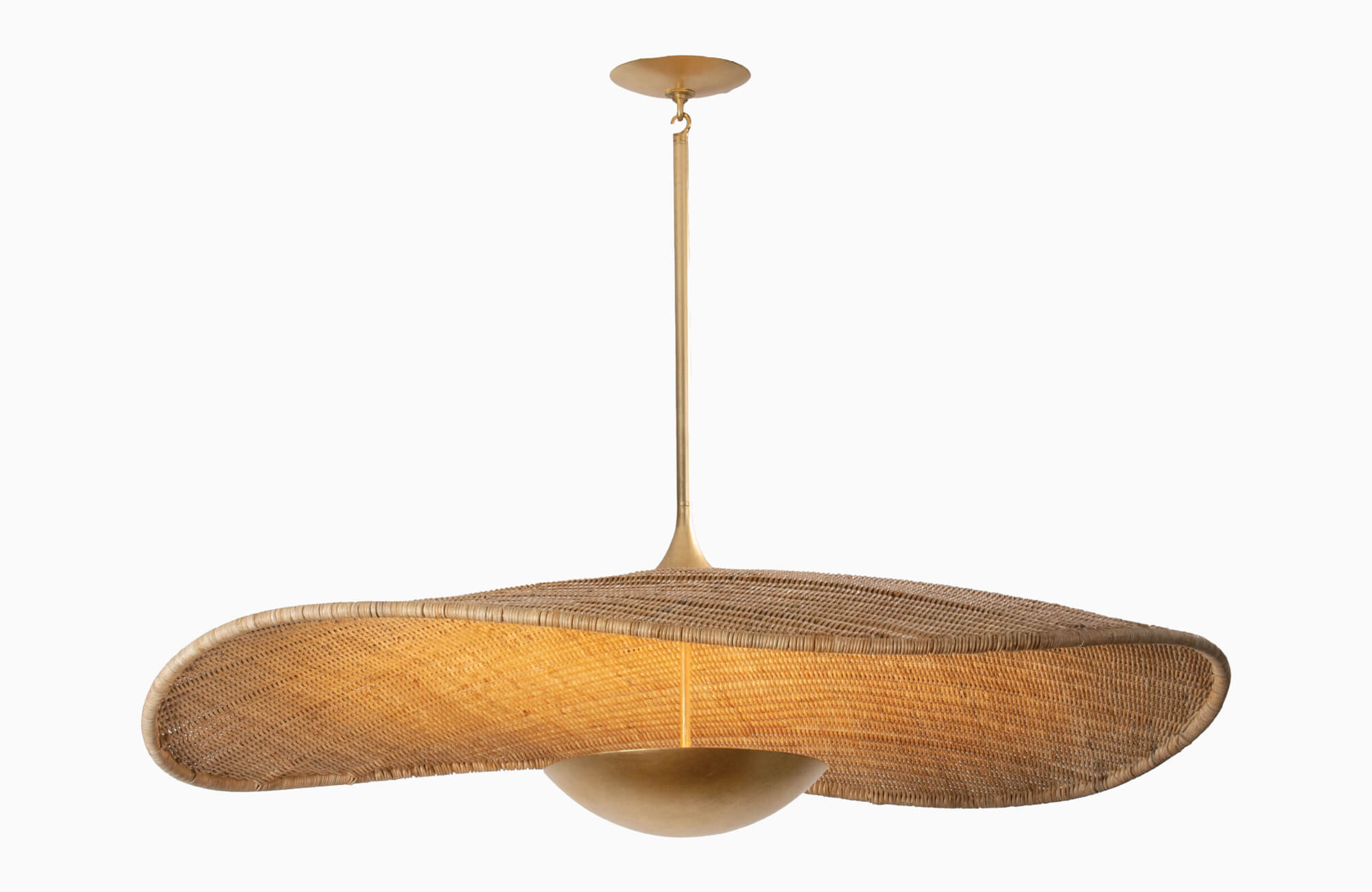
On the other hand, modern fixtures tend to embrace clean geometry and streamlined forms, often designed for downward lighting. This not only reinforces their minimalist style but also supports a more task-focused lighting approach, ideal for contemporary bathrooms where form follows function. For example, Edward Martin’s Alma Pendant in Ecru Marble Solid, as featured in the photo above, captures this modern sensibility beautifully. Its sculptural silhouette and natural stone finish bring subtle sophistication while casting light directly where it’s needed. When remodeling or upgrading, selecting a fixture like this helps ensure your lighting direction aligns seamlessly with your design vision.
Size and Scale Considerations
The size and scale of your light fixture can significantly influence which direction works best. Larger fixtures typically pair well with upward lighting, as their broader surface area helps spread light more evenly across the room. This kind of diffusion creates a softer, more balanced glow that fills the space without feeling overpowering.
In contrast, smaller fixtures, or those used in multiples, often work better when directed downward. Their compact design allows them to focus light more precisely, ideal for areas where task lighting is a priority. Ultimately, selecting the right scale for your vanity ensures that your lighting complements the space, providing the right balance between visibility and visual harmony.
Glass Shade Transparency
It’s easy to overlook the role of the glass shade, but its material and finish can have a noticeable impact on how your lighting behaves. Clear glass allows light to pass through without much diffusion, creating a more concentrated beam, ideal for downward-facing fixtures where task lighting is essential. It delivers brightness with precision, perfect for grooming or applying makeup.
On the other hand, frosted or opaque glass softens the light as it spreads, minimizing glare and creating a more relaxed atmosphere. This makes it especially well-suited for upward-facing fixtures, where the goal is to fill the room with a gentle, ambient glow. By paying attention to the transparency of your glass shades, you can better control the overall mood and functionality of your space.

Energy Efficiency and Maintenance Differences
It’s easy to get caught up in choosing lights based on style, but how they perform over time matters just as much. Energy efficiency and maintenance can quietly shape your day-to-day routine. So, let’s explore how the direction of your lighting can influence both.
Bulb Type and Wattage Needs
The direction your lights face can make a noticeable difference in energy use. Downward-facing fixtures focus light on a specific area, which often means they require higher-wattage bulbs, or more of them, to illuminate the vanity. Over time, this can lead to increased energy consumption, particularly in bathrooms where the lights are used frequently and for longer periods.
Upward-facing fixtures, on the other hand, can be more energy-efficient under the right conditions. When paired with semi-gloss or reflective ceilings, they can spread light more evenly while using less power, due to the bounce effect from the ceiling. Of course, the effectiveness of this setup depends on your room’s layout and surface finishes. Regardless of direction, choosing LED bulbs is one of the reliable ways to improve efficiency. Even so, fixture orientation still plays a key role in determining how much light and energy you’ll need.
Dust and Debris Accumulation
Maintenance is another area where light direction makes a difference. Upward-facing fixtures are more exposed, which means dust and debris tend to collect inside the open tops of the shades. As a result, they may require more frequent cleaning to maintain a visually appealing and efficiently functioning.
Downward-facing lights typically stay cleaner since dust doesn’t settle as easily into their enclosed designs. However, there’s a trade-off: if the fixture is mounted above a tall mirror or in a tight spot, changing a bulb or wiping the glass can be a bit more challenging. While downward lights are generally lower-maintenance, they may be slightly less convenient when access is needed.
LED Integration Options
If you're after a low-maintenance, energy-efficient lighting option, integrated LED fixtures are also worth considering. These modern designs feature built-in light sources made to last for years, offering excellent performance with minimal energy use. Many are tailored for either upward or downward orientation, so choosing one that matches your lighting direction helps ensure you get the most effective results.
Additionally, integrated LEDs eliminate the hassle of regular bulb changes and often come in sleek, enclosed designs that also help minimize dust buildup. Just make sure to review the fixture’s light output and direction before purchasing, so it fits both your functional needs and the overall design of your space.

Safety and Glare Management
Safety might not be the first thing that comes to mind when choosing lighting, but it plays a vital role, particularly where water, steam, and reflective surfaces are part of daily life. The direction your lights face can influence not only how safe your bathroom feels but also how comfortable and easy it is to use.
Avoiding Direct Eye Glare
One of the most common concerns with vanity lighting, especially downward-facing fixtures, is glare from exposed or poorly angled bulbs. When light shines directly into your eyes, it can be distracting and uncomfortable, making everyday routines less enjoyable. That’s why it’s important to choose fixtures with shaded designs or diffusers and position them at a height that keeps the bulbs out of your direct line of sight. This setup helps preserve visual comfort while still delivering the brightness you need at the mirror.
A great example of this approach is Edward Martin’s Wilma Wall Sconce in Aged Brass, as displayed in the photo above. Its gently curved silhouette and opal glass shade soften the light beautifully, offering clear illumination without any harsh glare. The fixture strikes a perfect balance between style and function, showing how the right design can enhance the look of your space and the comfort of your daily routine.
Reducing Shadow Zones
While upward-facing lights create a softer, more relaxed glow, they can sometimes leave shadows in less-than-ideal places, such as under your chin or along your jawline. These shadow zones can affect how accurately you see yourself in the mirror, making tasks like grooming or applying makeup more challenging.
To work around this, consider layering your lighting. Adding sconces on either side of the mirror or incorporating a backlit mirror can also help fill in those gaps without sacrificing the ambient feel. This approach ensures a flattering, even wash of light that supports both style and function.
Safer Navigation at Night
When using the bathroom vanity at night, the last thing you want is harsh lighting that jolts you awake. Soft, upward-facing illumination can provide just enough visibility for basic tasks without straining your eyes. Pairing this with motion-sensor vanity fixtures also adds a layer of convenience only when needed. This kind of lighting setup not only makes it easier to navigate and use the vanity at night but also helps preserve a calm, sleep-friendly atmosphere.
Choosing the Right Fit for Your Bathroom Vanity
Ultimately, the best lighting direction for your bathroom vanity depends on what matters most to you, whether it’s everyday function, visual comfort, or design cohesion. Upward-facing fixtures can help create a calm, ambient environment, while downward-facing options offer focused clarity for detail-oriented routines. If you want a little of both, dual-direction or layered lighting allows you to blend style with function in a way that adapts to your daily needs.
Every bathroom is different, and finding the right lighting is as much about the layout and finishes as it is about personal preference. If you’re unsure where to start or want a second opinion, we’re here to help. Feel free to contact us or book a complimentary design consultation, and we’ll work with you to find a lighting solution that looks great and feels effortless in your space!