Homeowners today are increasingly drawn to hardwood look tile as a flooring option that merges timeless beauty with impressive strength. While real hardwood continues to inspire design-loving homeowners, the practical demands of kitchens and bathrooms often call for materials capable of resisting moisture, stains, heat, and physical impact.
This is where porcelain wood-look tile distinguishes itself. By combining the organic warmth of wood aesthetics with the engineered performance of porcelain, it offers a flooring solution that suits families, design enthusiasts, and anyone seeking longevity without compromising style.
As you step into spaces where everyday life unfolds, from cooking and entertaining to bathing and simply rushing out the door, the question naturally arises: is hardwood look tile truly durable enough for environments that experience constant stress? The answer lies in understanding both the science behind porcelain and the lived experience of those who rely on it every day.

Understanding the Science of Porcelain Performance
Before diving into real-life scenarios, it helps to understand what makes porcelain such a strong contender for kitchens and bathrooms in the first place. The durability homeowners love isn’t accidental, it’s built into the material at a structural level. Exploring these core qualities lays the groundwork for everything that follows.
The Waterproof Nature of Porcelain vs Wood
Water is the single greatest threat to natural hardwood, especially in rooms where moisture is unavoidable. Wood absorbs liquid, swells, warps, and eventually loses the crisp lines and smooth texture that make it appealing in the first place. Porcelain, on the other hand, behaves in the opposite manner.
Made from ultra-refined clay fired at extremely high temperatures, it becomes a dense, non-porous material that resists water from the inside out. This structural density gives porcelain its inherent waterproof properties, allowing hardwood look tile to maintain stability even when water sits on the surface during long showers or after lively cooking sessions.
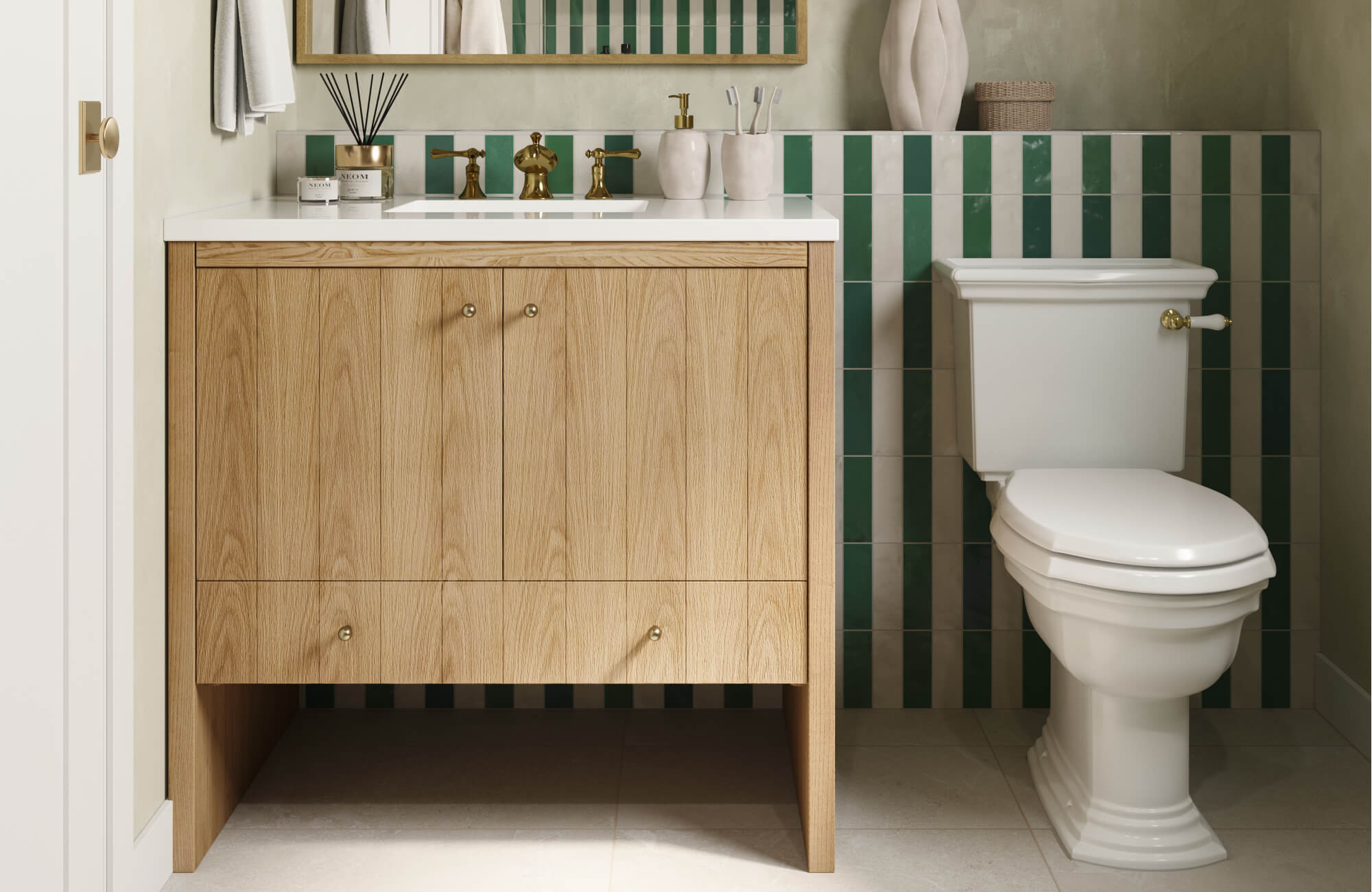
In the image above, the bathroom’s serene palette showcases how well moisture-resistant materials perform in wet environments, much like Edward Martin’s Jameson 12x36 Matte Ceramic Tile in Camel Deco. As a result, homeowners can enjoy the rich character of wood without worrying about splashes, steam, or long-term moisture exposure damaging the floor.
Decoding the PEI Rating for Hardness
Durability is more than a feeling underfoot, it can be measured through the Porcelain Enamel Institute (PEI) hardness rating. Tiles assigned a higher PEI rating are capable of withstanding heavier foot flow and abrasive wear. Hardwood look porcelain tile typically falls into the upper tiers of this scale, making it suitable for kitchens and bathrooms that see continuous movement.
While natural hardwood can dent from dropped objects or develop grooves after years of use, porcelain maintains a consistent surface integrity because its hardness is uniform throughout the tile body. This characteristic gives homeowners confidence that the flooring will maintain its aesthetic value even as daily life introduces unpredictability.
Chemical and Stain Resistance in the Kitchen
Kitchens challenge flooring more than any other room in the home. Spills range from acidic tomato sauces to oily splatters, and cleaning products often contain chemicals strong enough to break down organic materials like wood. Porcelain resists these threats effortlessly. Its surface does not absorb stains, and most mishaps wipe away without a trace.
Unlike hardwood, which can discolor when exposed to certain foods or require refinishing after chemical damage, porcelain holds up against everyday mishaps without demanding delicate care. This resilience allows homeowners to move freely in the kitchen, confident that splashes and spills will not require repair or refinishing later on.

Withstanding the Daily Chaos of Life
Once you understand the science behind porcelain’s strength, it becomes easier to appreciate how that science translates into everyday living. Kitchens and bathrooms aren’t just busy areas, they’re stages for spills, pets, and unpredictable moments. This section shows how porcelain holds up when real life gets messy.
The Pet Factor Claws and Accidents
Pets bring joy into a home, but they also add unpredictability. Claws clicking across the floor, zooming runs, and the occasional accident all test a surface’s durability. Hardwood often shows scratches quickly because its protective finish can wear down with friction. Porcelain hardwood look tile resists this kind of abrasion because the pattern is part of the tile itself rather than a veneer applied on top.
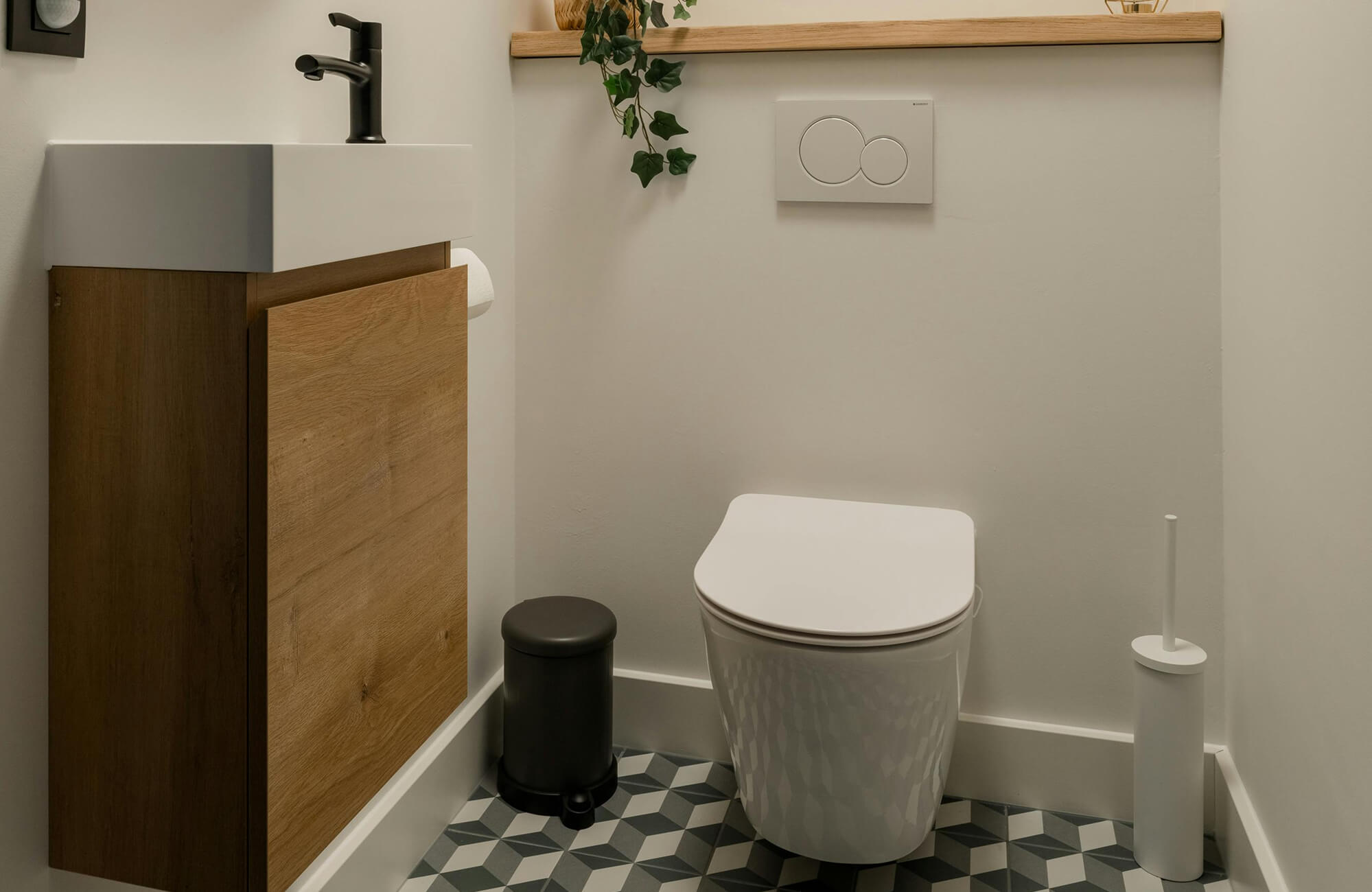
The kitchen flooring in the image above reflects the calm, durable aesthetic homeowners appreciate, qualities also found in Edward Martin’s Preston 8x48 Matte Porcelain Tile in White Oak.
Even active dogs and curious cats cannot scratch through a porcelain surface. And when life with pets includes inevitable spills or accidents, the waterproof nature of porcelain prevents staining or lingering odors from penetrating the material. This creates a comfortable environment for pet owners who want the warmth of wood without the high-maintenance demands that typically accompany it.
Surviving the Dropped Pan Test
Kitchens are spaces of hurried movement, and the loud clang of a pan slipping from someone’s hand is a familiar sound. When this happens on hardwood, dents and chipped corners often become part of the aftermath. Porcelain hardwood look tile, however, is engineered to resist impact far better. Its compressed structure absorbs force differently than wood, keeping the surface intact even when heavy cookware lands unexpectedly.
While no flooring is fully immune to extreme impact, porcelain’s density significantly reduces the likelihood of visible damage. This ability to withstand small accidents makes it a reliable partner in a busy kitchen.
Heat Resistance and Fire Safety
Heat exposure in kitchens and bathrooms can be subtle yet continual. Hair styling tools, steam from showers, and cookware placed momentarily on the floor all pose risks to traditional wood. Hardwood can discolor or even scorch when exposed to heat, but porcelain tile remains stable under high temperatures.
Its fire-resistant properties are an added benefit, giving homeowners peace of mind in spaces where hot appliances are part of the daily routine. This enhanced safety factor reinforces porcelain’s suitability for areas where both style and resilience are equally important.

Long Term Maintenance and Longevity
Durability in the moment is one thing, but the long-term picture matters just as much. After considering how porcelain performs under daily stress, it’s worth looking at how well it ages over the years. Here, the focus shifts to maintenance, upkeep, and the kind of longevity homeowners can truly rely on.
Saying Goodbye to Sanding and Refinishing
One of the most compelling advantages of hardwood look tile becomes evident over years of use. Hardwood floors age in ways that often require sanding, refinishing, and resealing to restore their appearance. These processes are time-consuming, costly, and disruptive. Porcelain eliminates these concerns entirely.
Because its color and pattern are integral to the tile rather than applied as a surface coating, there is nothing to sand down or reapply. Once installed, porcelain retains its original finish without fading or dulling. This predictability allows homeowners to plan for the long term without anticipating future refinishing appointments or temporary relocation during major floor maintenance.
The Reality of Grout Maintenance
While porcelain itself is remarkably low-maintenance, grout still plays a role in the overall upkeep of tile flooring. Fortunately, modern grout formulations offer improved stain resistance and durability. Homeowners can choose grout colors and compositions that blend seamlessly with the hardwood look, reducing the visibility of any discoloration over time.
Occasional cleaning is still necessary, but it remains far simpler than caring for aging hardwood. With proper sealing and routine upkeep, grout becomes a manageable element rather than a frequent concern, making the overall flooring system highly practical for everyday living.
Fade Resistance in Sunlit Rooms
Sun exposure poses a unique threat to natural wood floors. Over time, ultraviolet rays can lighten or darken hardwood depending on the species, leading to uneven coloration in rooms where sunlight moves across the floor throughout the day. Porcelain hardwood look tile offers a stable alternative.
Its pigments are resistant to fading even under persistent sunlight, ensuring consistent coloration across the entire room. Homeowners who love bright, airy interiors with large windows can enjoy beautiful, sunlit spaces without worrying about long-term discoloration. This lightfast quality reinforces porcelain’s appeal in both contemporary and traditional homes.

Aesthetic Versatility Meets Functional Strength
Once you see how porcelain performs both day-to-day and over time, its design advantages become even more compelling. The material doesn’t just endure, it elevates the look and feel of a home with surprising versatility. This next section brings together beauty and performance to show why porcelain stands out as a holistic flooring choice.
Seamless Flooring from Entry to Bathroom
One of the most celebrated features of hardwood look tile is its ability to provide continuity throughout the home. Natural hardwood often reacts differently depending on exposure to humidity, which makes it risky to install across kitchens, bathrooms, and mudrooms. Porcelain avoids these concerns entirely, allowing homeowners to maintain a seamless visual flow from entryways to hallways, kitchens, and bathrooms.
This continuity enhances a home’s architectural cohesion, making rooms feel more spacious and connected. Because porcelain performs uniformly across varying environments, design decisions can focus exclusively on style rather than limitations.
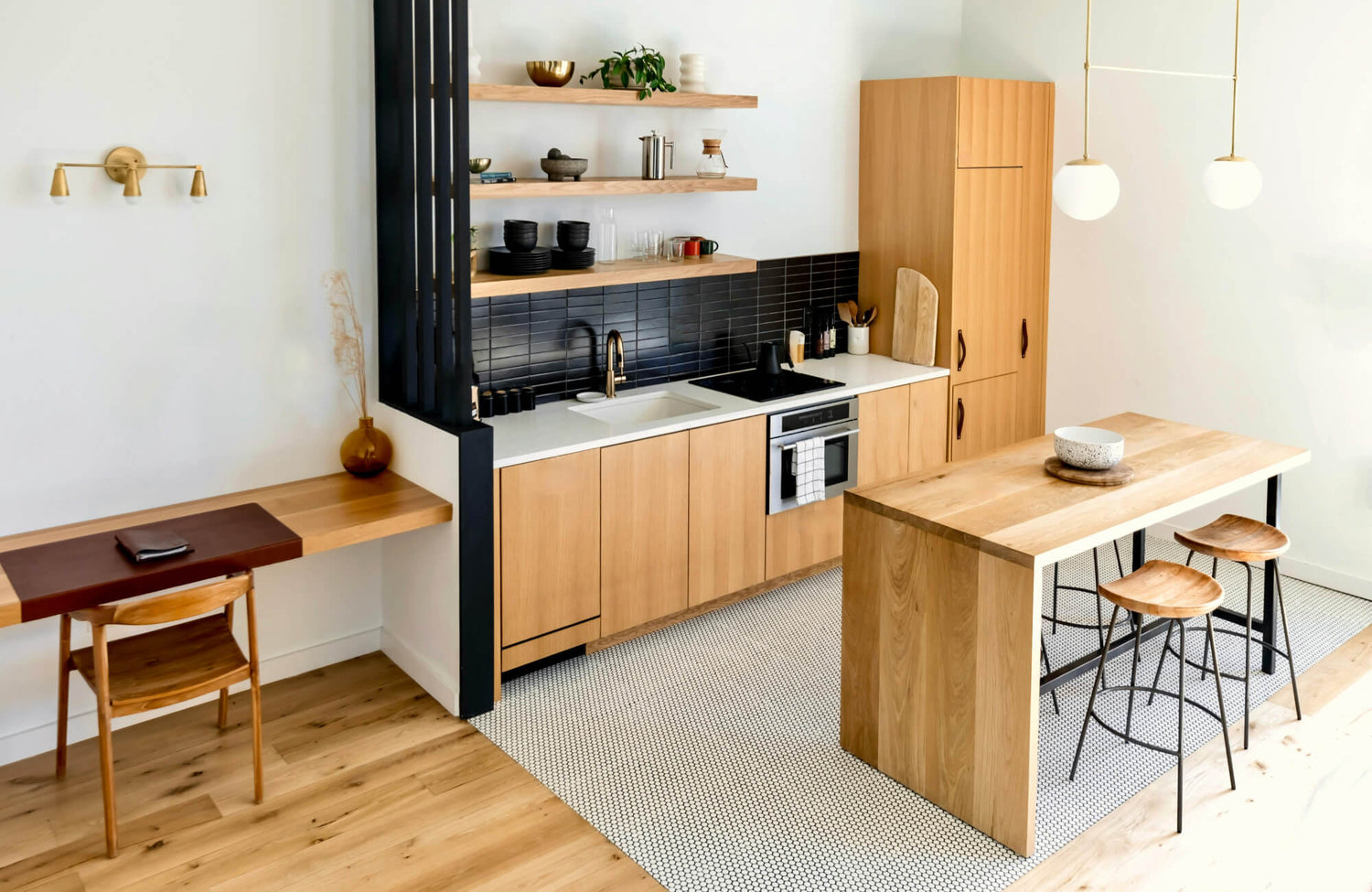
The airy bathroom shown in the image above highlights how a unified palette can flow effortlessly from one room to the next, a design approach made even easier with Edward Martin’s Preston 8x48 Matte Porcelain Tile in Birch.
The Added Comfort of Radiant Heating
Bathrooms benefit greatly from radiant heating systems, and porcelain tile pairs beautifully with these installations. Unlike hardwood, which can expand or contract with temperature changes, porcelain remains dimensionally stable. Homeowners who love the warmth of heated floors can enjoy this comfort without fear of damaging the material.
The combination of radiant heating with wood-inspired visuals creates rooms that feel inviting, luxurious, and highly functional. Whether stepping onto a warm floor on a winter morning or enjoying consistent heat distribution in a busy household, radiant-friendly porcelain elevates both comfort and performance.
Installation Patterns That Mimic Real Wood
Porcelain hardwood look tile offers exceptional design flexibility, and tools like the Edward Martin Augmented Reality (AR) Visualization Tool make it even easier to experiment with patterns in the image above before committing. Advances in digital printing create intricate grain patterns that mirror the variation found in natural wood.
Installers can lay tiles in ways that mimic traditional hardwood arrangements, from classic planks to herringbone or chevron designs. This versatility allows homeowners to achieve highly customized looks that suit their personal style, especially when paired with the option to order an Edward Martin tile sample to confirm the design in person.
And because porcelain remains dimensionally stable over time, these patterns maintain crisp alignment without the shifting or gapping sometimes seen in natural wood installations. The result is a refined aesthetic that stands the test of time.
The Ultimate Stress-Free Flooring Solution
Hardwood look tile represents a union of beauty and resilience, offering homeowners the warmth of wood with the unmatched durability of porcelain. In kitchens and bathrooms, spaces defined by moisture, activity, and continuous wear, this hybrid solution excels in every category.
From its waterproof structure and high hardness rating to its resistance to heat, stains, and fading, porcelain delivers reliable performance that simplifies life without sacrificing sophistication. The long-term convenience of minimal maintenance, combined with the freedom to create cohesive and stylish interiors, makes hardwood look tile a compelling answer to the demands of modern living.
For anyone seeking a flooring material capable of supporting both everyday routines and long-term design ambitions, porcelain hardwood look tile stands out as the ultimate stress-free solution.