
)
)
)
)
)
)
)
)
Is Ceramic Tile Good For Bathroom Floors?
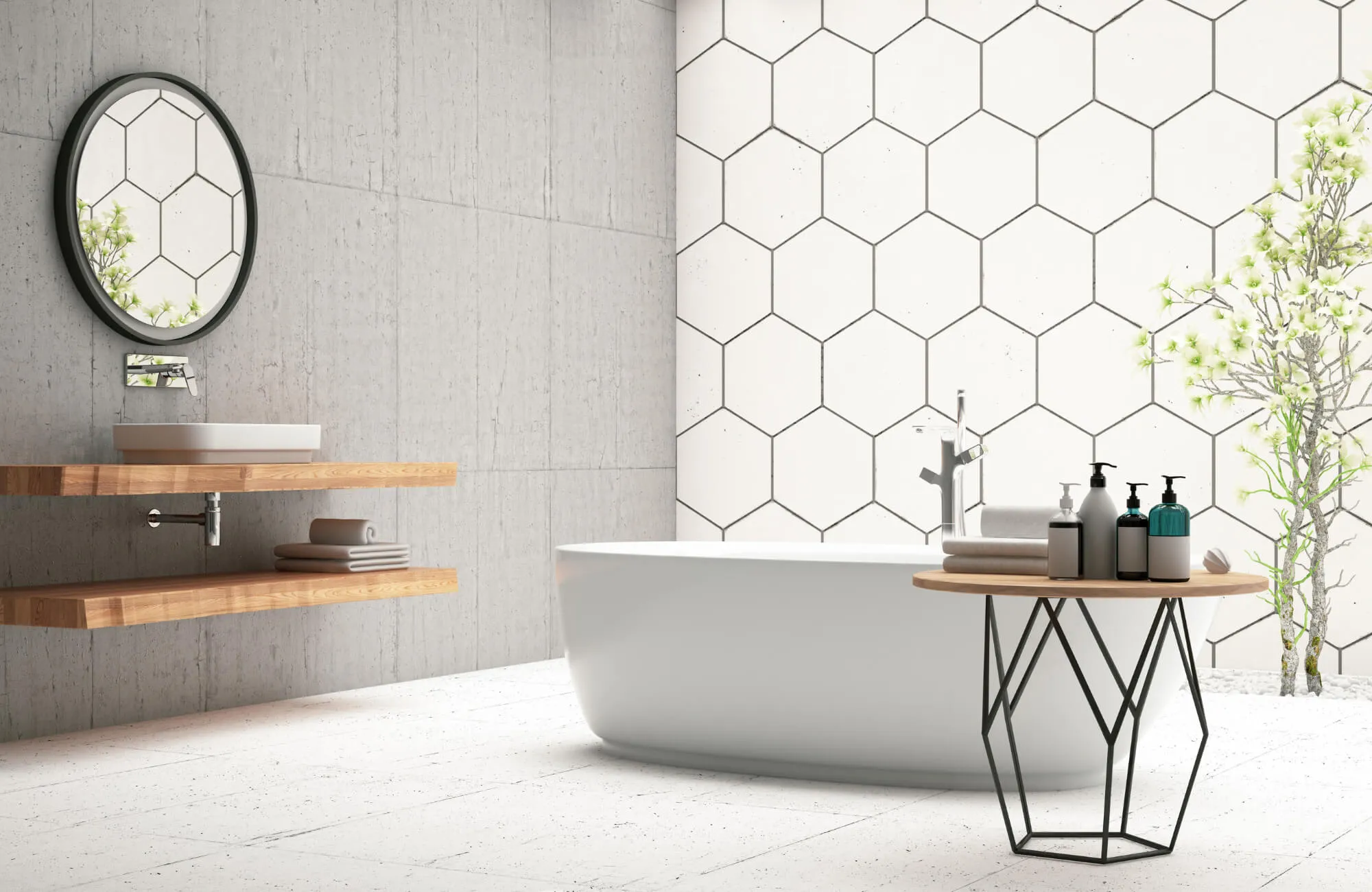
Choosing the right flooring for your bathroom means finding a surface that can handle daily moisture, last for years, and still look beautiful doing it. Ceramic tile checks all those boxes, making it a smart and reliable choice for large bathroom tiles in particular.
Whether you're designing a busy family bath or a peaceful retreat, ceramic tile delivers both performance and design flexibility. In this article, we’ll walk you through its key advantages, how it compares to other options, and what to consider before making it part of your next bathroom project.
The Enduring Appeal of Ceramic Tile
To understand why ceramic tile remains a staple in bathroom design, it helps to look beneath the surface, both literally and historically. From its engineered composition to its centuries-old legacy, ceramic tile has evolved into a material that blends time-tested craftsmanship with modern innovation.
Understanding Ceramic Tile Composition
At the material level, ceramic tile is made from natural clay blended with minerals like feldspar, quartz, and kaolin, then kiln-fired at temperatures up to 2,000°F. This process creates a dense, durable surface ideal for wet environments. In many cases, tiles are finished with a glaze that enhances color and texture while protecting against stains, scratches, and moisture.
Functionally, ceramic tiles are categorized as either glazed or unglazed. Glazed tiles, with their smooth, often glossy surface, suit most residential applications, while unglazed varieties offer increased slip resistance, making them ideal for commercial or busy areas. To further guide selection, hardness ratings from the PEI (Porcelain Enamel Institute) scale help determine a tile’s appropriateness based on expected wear. Additionally, ceramics’ low porosity and thermal stability make them especially well-suited for radiant floor heating systems.
Historical Presence and Modern Adaptations
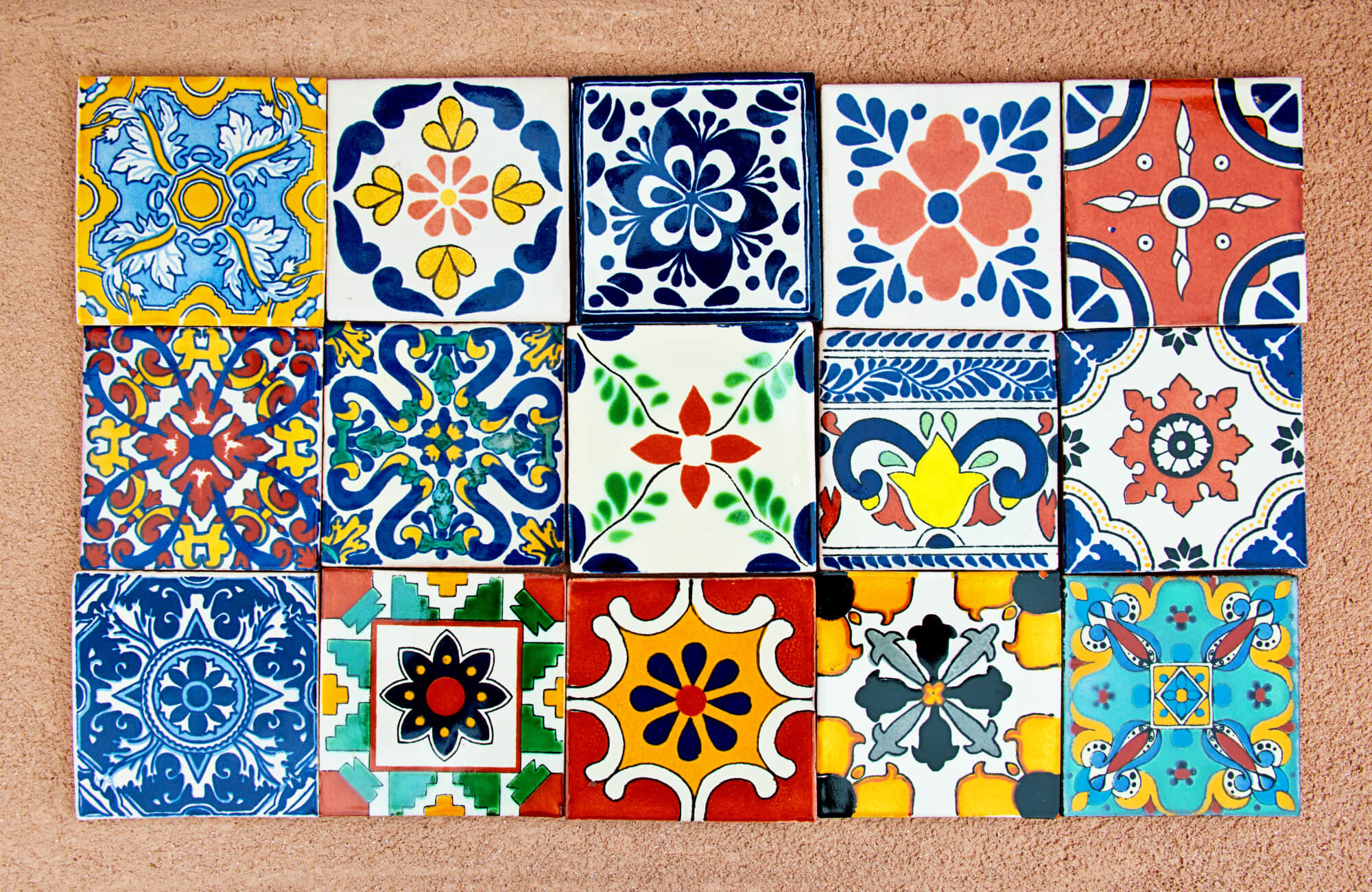
Historically speaking, ceramic tile’s legacy stretches back over 4,000 years to ancient Mesopotamian and Egyptian architecture, where it served both decorative and practical purposes. Over the centuries, Islamic artisans significantly advanced tile design, introducing the intricate geometric motifs still seen today in Spanish, Moroccan, and Ottoman aesthetics.
Fast forward to today, and ceramic tile continues to evolve through technological innovations like digital inkjet printing and precision engineering. These advancements allow manufacturers to produce ultra-realistic textures that convincingly mimic wood, stone, and concrete, while preserving ceramic’s inherent durability. Moreover, rectified edges now enable tighter grout joints and cleaner installations, aligning well with contemporary design preferences.
Key Advantages of Ceramic Tile for Bathrooms
When it comes to bathrooms, not all flooring is created equal, and ceramic tile brings more to the table than just good looks. From handling daily splashes to elevating design schemes, it proves its worth where performance and style matter most.
Superior Water Resistance and Durability
First and foremost, ceramic tile’s dense, kiln-fired construction makes it highly resistant to water infiltration, an essential quality for bathroom settings. Glazed varieties feature a vitrified surface that acts as a moisture barrier, helping prevent mold growth and long-term water damage in humid environments.
Beyond moisture resistance, ceramic also excels in durability. It resists abrasion, cracking, and thermal shock, making it a reliable choice for active zones. Many bathroom-rated options comply with ANSI A137.1 standards, which assess critical performance factors like strength and slip resistance. Additionally, ceramic’s UV stability ensures color retention in bathrooms exposed to natural light.
Ease of Maintenance and Hygiene
Equally important, ceramic tile offers exceptional ease of maintenance. Its non-porous surface naturally repels stains, bacteria, allergens, and odors, making it ideal for spaces that require frequent and thorough cleaning. Unlike porous alternatives, ceramic tolerates strong disinfectants without surface degradation.
On a practical level, maintenance routines are simple; regular sweeping or mopping with a pH-neutral cleaner is usually sufficient. For grout lines, occasional sealing and light scrubbing help prevent mildew buildup. This blend of low maintenance and long-term cleanliness is especially beneficial in shared bathrooms or healthcare-focused environments.
Aesthetic Versatility and Design Options
In addition to its function, ceramic tile provides a remarkably versatile design canvas. Thanks to high-definition inkjet printing and innovative surface treatments, ceramic can convincingly replicate premium materials like natural stone, wood, and concrete, offering the look of luxury without the upkeep.
Moreover, tiles come in a wide range of sizes, from small mosaics to expansive large-format planks, and finishes from polished to matte or textured. Rectified edges allow for tight grout lines, giving installations a clean, modern finish. With color options spanning soft neutrals to bold artisan hues, ceramic supports everything from minimalist spa-inspired spaces to expressive, patterned environments.
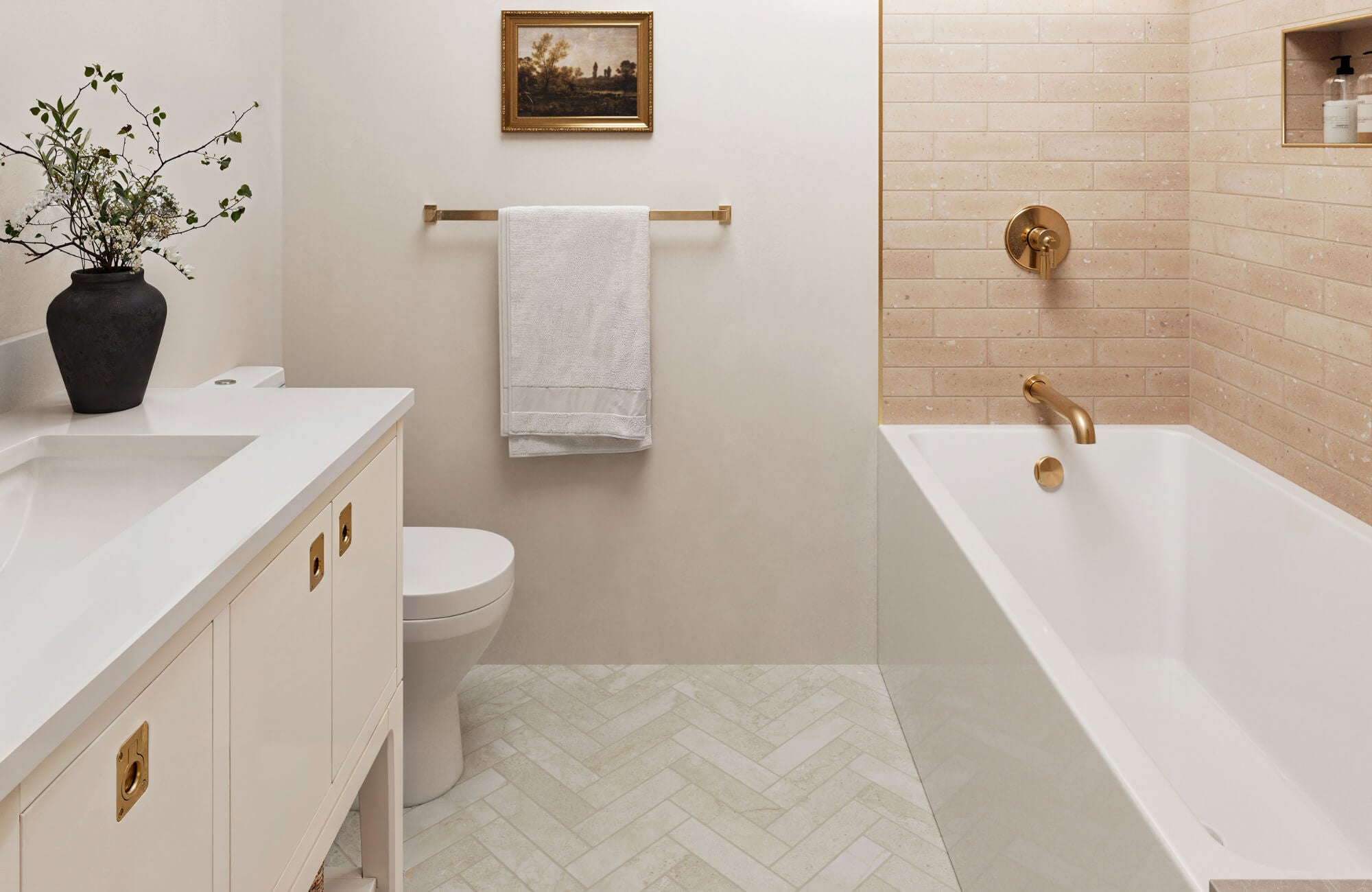
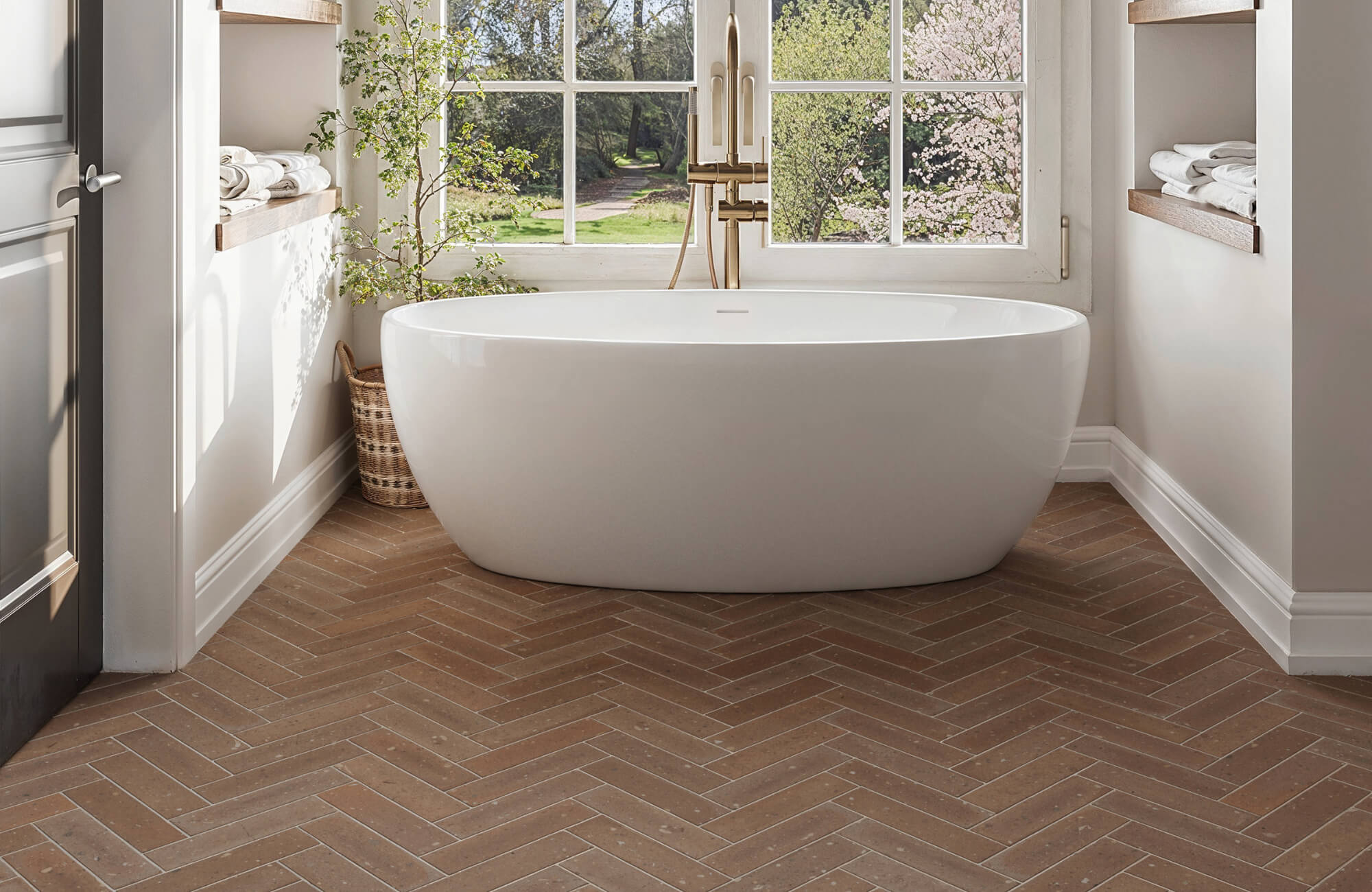
For instance, Edward Martin’s Marsden 3x10 Matte Ceramic Tile in Sand, as shown in the photo above, showcases the material’s potential. With its warm tone and subtle texture, it enhances natural light while complementing both traditional and contemporary styles, proving that ceramic tile can elevate bathroom aesthetics without compromising performance.
Potential Considerations When Choosing Ceramic Tile
While ceramic tile checks many boxes for bathroom flooring, it's equally important to consider how it feels and functions in everyday use. Factors like comfort, warmth, and safety can all influence whether it's the right fit for your space.
Hardness and Comfort Underfoot
To begin with, ceramic tile’s strength and rigidity contribute to its impressive durability, but those same qualities can impact comfort. Unlike softer flooring options such as vinyl or cork, ceramic lacks flexibility and cushioning, which may lead to fatigue during extended periods of standing, particularly during daily routines like grooming or bathing.
Furthermore, its hard surface increases the likelihood of breakage for dropped items like toiletries or small electronics. To mitigate these effects, many people incorporate padded bath mats, anti-fatigue rugs, or cushioned underlayment in areas with heavy use. For accessibility-focused bathrooms, pairing ceramic tile with ergonomic design features is also common. A great example is Edward Martin’s Marsden 3x10 Matte Ceramic Tile in Almond, as shown in the photo above, which adds visual warmth and a natural tone while delivering the structural integrity required for busy areas.
Temperature and Coldness
In addition to firmness, ceramic tile tends to feel cold underfoot, especially in cooler months. Its high thermal conductivity means it rapidly adjusts to room temperature, a potential downside for those who prefer a warmer surface.
However, this trait also makes ceramic tile ideal for radiant floor heating systems. Whether electric or hydronic, these systems offer consistent warmth and pair well with thermostats and insulation to enhance both comfort and energy efficiency.
To further simplify the decision-making process, Edward Martin’s Augmented Reality (AR) Visualization Tool allows users to preview tile options, such as those well-suited for heated floors, directly in their own bathroom space. This digital feature provides an immersive way to evaluate both design compatibility and functional potential before ordering samples.
Slip Resistance and Safety
Beyond comfort and temperature, safety is another key consideration in bathroom flooring. In wet areas, ceramic tile can become slippery, especially when finished with glossy or polished surfaces, which often have lower dynamic coefficient of friction (DCOF) ratings. To reduce fall risk, it's best to choose tiles that meet or exceed ANSI A326.3 slip resistance standards.
Fortunately, there are design solutions that enhance traction. Matte, textured, or structured finishes provide better grip, while smaller tile formats, such as 2x2 mosaics, increase grout lines and surface friction. In addition, installing features like grab bars or anti-slip mats can further improve safety, particularly in homes with young children or older adults. Ultimately, the right combination of surface finish, layout, and safety accessories ensures a bathroom that’s both functional and secure, without compromising on visual appeal.
Installation and Maintenance Best Practices
Getting the most out of ceramic tile goes beyond choosing the right style; it starts with proper installation and continues with smart, consistent care. With the right approach, your tile can stay beautiful and perform flawlessly for decades.
Professional Installation Considerations
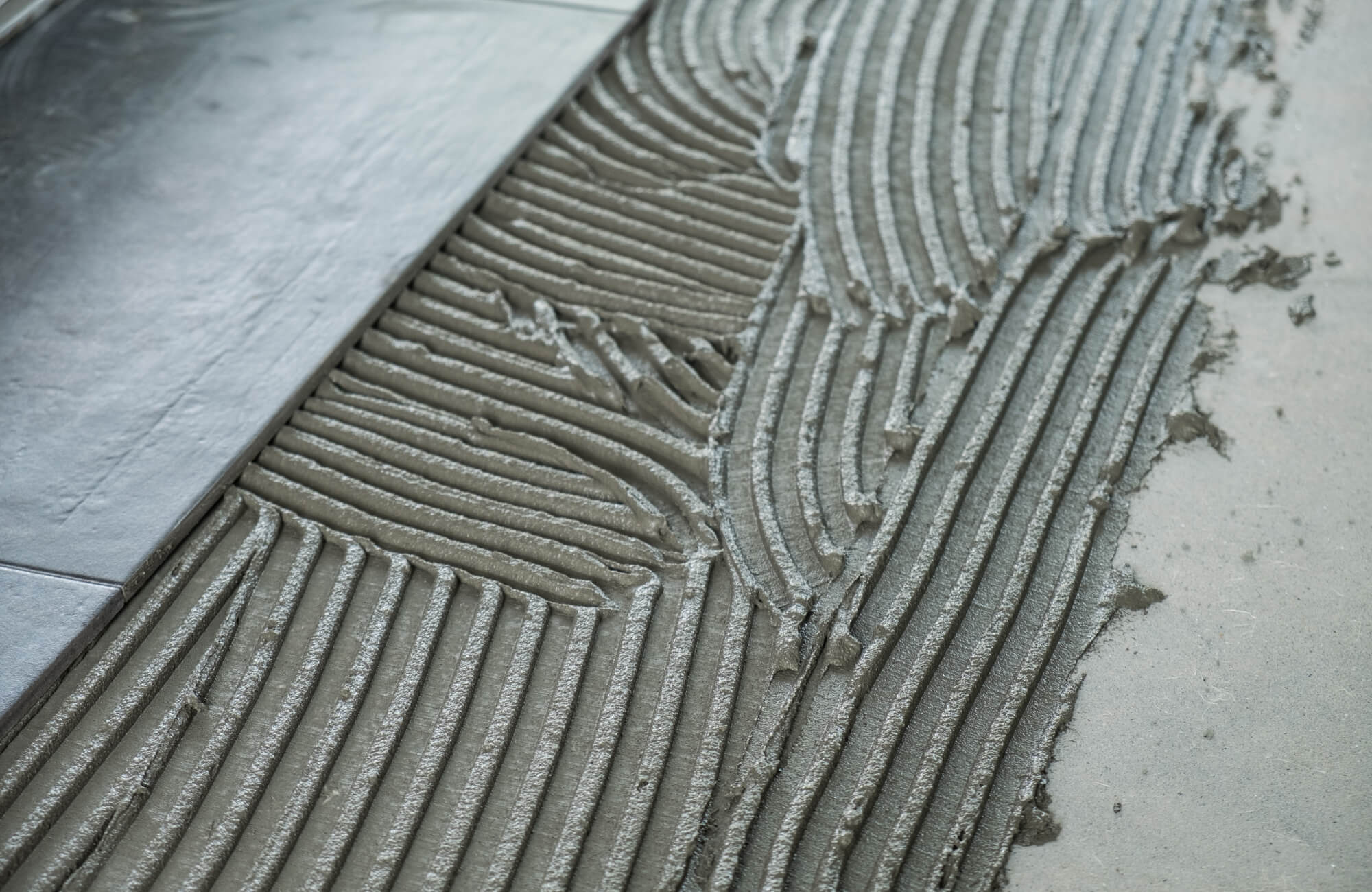
To begin with, successful ceramic tile installation requires a stable, moisture-resistant substrate. Common underlayment choices include cement backer board (CBU) and uncoupling membranes like Schluter®-DITRA, which help reduce cracking caused by minor subfloor movement.
Next, adhesive selection is essential to ensuring a secure, long-lasting bond. For bathrooms, a modified thin-set mortar compliant with ANSI A118.4 or A118.15 ensures strong bonding and moisture resistance. Additionally, selecting the right trowel size helps ensure at least 95% mortar coverage in wet areas, which is essential for long-term performance.
Equally important, grout selection influences both durability and maintenance needs. Sanded grout is ideal for wider joints, while unsanded grout suits narrower lines. For superior performance, many professionals now choose epoxy grout, which resists staining and doesn’t require sealing. However, when working with cementitious grout or unglazed tile, applying a penetrating sealer is necessary to block moisture and stains.
Furthermore, installers should follow TCNA (Tile Council of North America) guidelines for expansion joints, placing them every 8 to 12 feet or wherever tile meets different materials. Attention to detail in leveling, grout spacing, and finishing not only ensures durability but also enhances the overall visual quality of the installation. While experienced DIYers might be tempted to tackle the job, hiring a licensed professional is strongly recommended to ensure proper execution and compliance with building standards.
Routine Cleaning and Care
Once installed, ceramic tile is relatively low-maintenance, but consistent care is key to preserving its integrity and appearance. Regular sweeping or vacuuming removes grit that can wear down glazed surfaces, while damp mopping with a pH-neutral cleaner keeps tiles fresh without damaging their finish.
To avoid surface issues, stay away from acidic or oil-based products, which can leave residues or etch the tile, especially on matte or unglazed surfaces. A mild alkaline cleaner works well for removing soap scum and hard water stains. For deeper cleaning, steam cleaning is a safe and effective method, especially in moisture-prone bathrooms.
Grout, too, requires attention. Cementitious grout should be resealed every 1–2 years to maintain its water resistance. For stubborn buildup, use an oxygenated bleach solution and a soft-bristle brush, abrasive tools can erode grout lines. While epoxy grout is more forgiving, it still benefits from routine cleaning to prevent buildup and maintain a clean appearance.
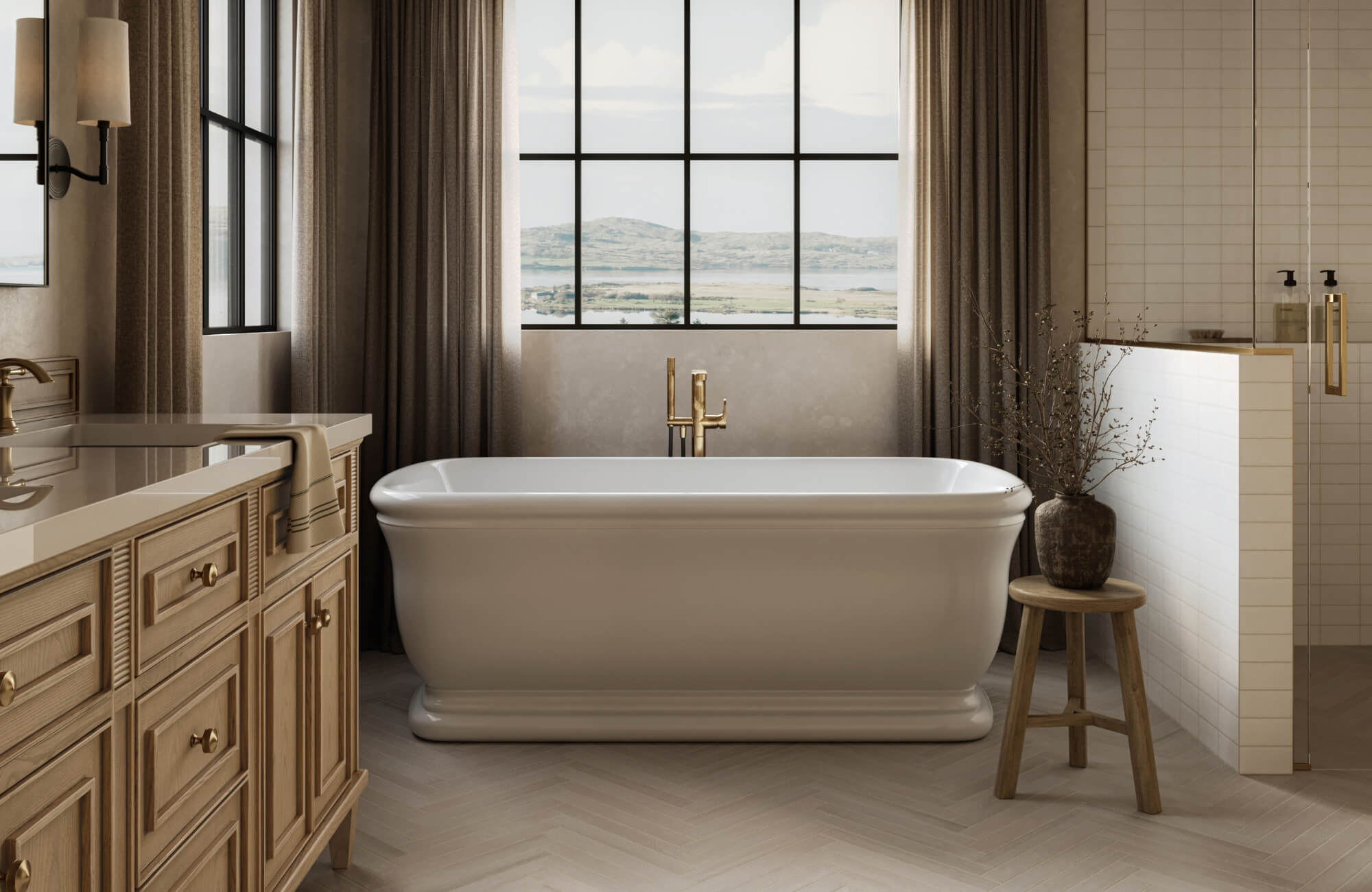
Finally, stay vigilant for early warning signs such as water pooling, grout cracking, or shifting tiles. Addressing these issues promptly can help avoid costly repairs down the road. A great example of durable, low-maintenance tile is Edward Martin’s Marsden 3x10 Matte Ceramic Tile in Bark, which handles everyday moisture and cleaning with ease. Its matte finish adds slip resistance and disguises smudges, proving that performance and style can go hand-in-hand in a busy bathroom setting.
Cost Analysis and Value Proposition
Cost is always a key factor in any renovation decision, but with ceramic tile, it’s not just about the price tag; it’s about long-term payoff. By weighing both upfront expenses and lasting value, you can better understand how ceramic holds up as a smart investment.
Initial Purchase and Installation Costs
To start, ceramic tile is among the most cost-effective hard flooring materials, especially when compared to natural stone or engineered hardwood. Material costs typically range from $1.50 to $5.00 per square foot, with premium designs reaching up to $10. Notably, glazed ceramic tends to be more affordable than porcelain due to differences in composition, density, and manufacturing complexity.
Beyond materials, installation costs generally add $4 to $10 per square foot, depending on variables like labor rates, layout complexity, and site conditions. In bathroom environments, additional elements such as waterproof membranes or radiant heating systems may be required, raising the overall project cost. It’s also essential to budget for supplementary materials like thin-set mortar, grout, sealers, and underlayment to ensure a successful and long-lasting installation.
Even so, ceramic tile remains more economical to install than high-end alternatives like marble or terrazzo. For those looking for porcelain’s enhanced performance, Edward Martin’s Catalina 2x16 Matte Porcelain Tile in Mushroom, as illustrated in the image above, offers a refined and durable option. Its elongated profile and soft, neutral tone evoke a calm, high-end aesthetic, illustrating how a slightly higher upfront cost can result in long-term design satisfaction and practical durability.
Long-Term Value and ROI
Looking beyond the initial investment, ceramic tile’s long lifespan, often 20 to 50 years, makes it a high-value choice. Its resistance to water, stains, and wear reduces the likelihood of replacement, unlike more fragile materials such as vinyl or laminate.
Moreover, maintenance costs remain minimal over time. Routine cleaning involves only basic tools and products, and grout care is typically manageable without professional intervention. In comparison, other flooring types may require regular refinishing, deep cleaning, or eventual replacement, expenses that ceramic tile helps you avoid.
From a resale standpoint, ceramic tile enhances property value. Tiled bathrooms are often viewed as indicators of quality construction and thoughtful design. According to cost-vs-value reports, bathroom remodels featuring ceramic tile often recoup 60% to 70% of their cost, a solid return for those planning ahead. In addition, ceramic’s compatibility with radiant heating systems and its eco-friendly credentials, such as fire resistance and low-VOC emissions, further boost its appeal in energy-efficient and environmentally conscious homes.
Comparing Ceramic Tile to Other Bathroom Flooring Options
With so many flooring options on the market, it’s easy to wonder how ceramic tile stacks up against other popular choices. To make the best decision for your bathroom, it’s helpful to see how it compares in performance, maintenance, and overall value.
Ceramic Tile vs. Porcelain Tile
To begin, while both ceramic and porcelain tiles are made from clay and offer strong durability, porcelain is fired at higher temperatures and made with more refined materials. This results in a denser, harder tile with a lower water absorption rate (<0.5%), making it especially well-suited for high-moisture areas like showers and outdoor installations.
In contrast, ceramic is slightly more porous and easier to cut, which makes it a practical choice for indoor residential flooring and wall applications. Its ease of installation and lower cost also make it ideal for DIY projects or budget-conscious renovations.
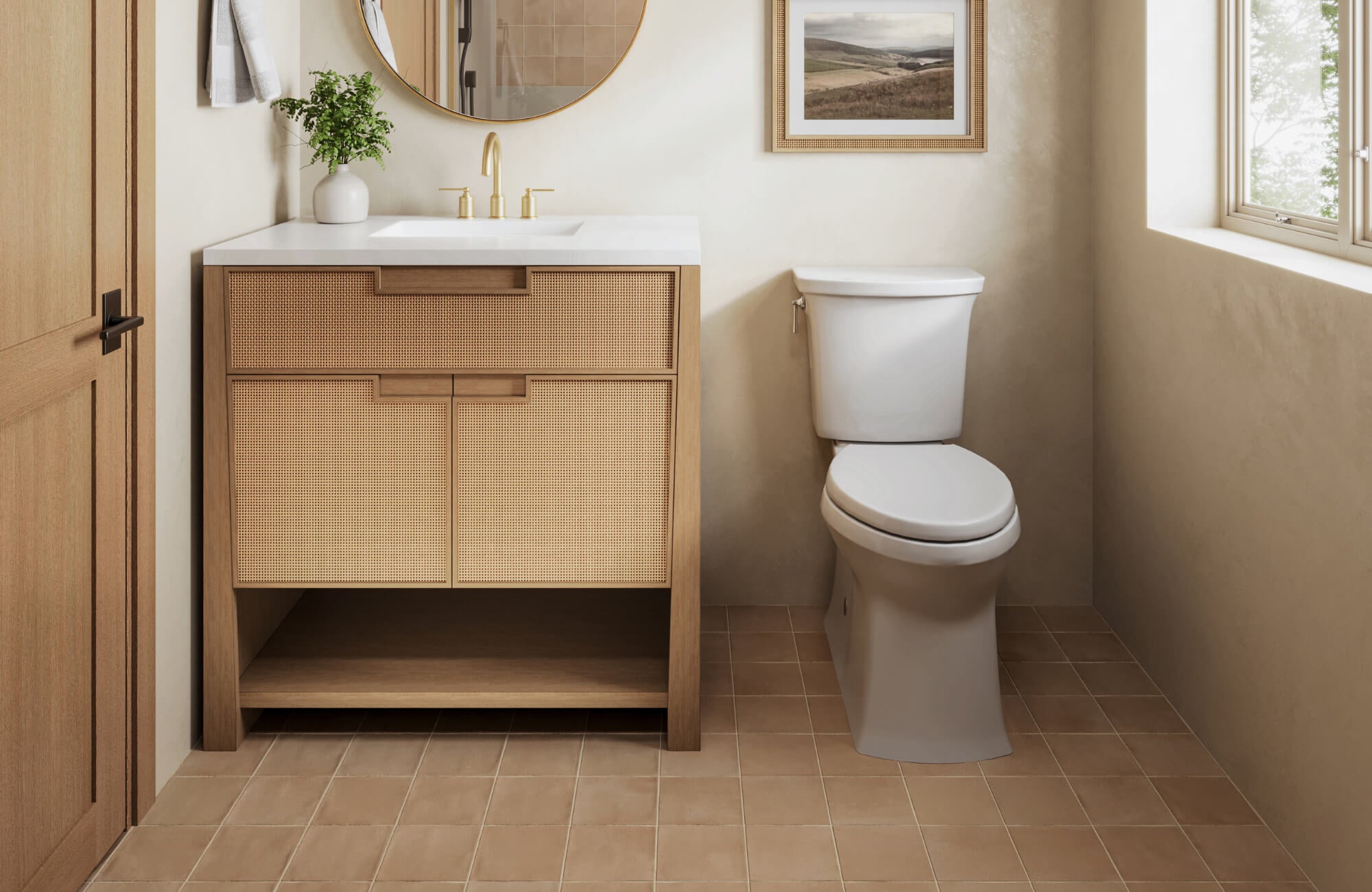
Visually, both materials offer stunning, high-end looks thanks to digital printing technologies and a wide variety of finishes. However, porcelain’s through-body color can help conceal chips, giving it a slight edge in longevity. For instance, Edward Martin’s Karina 5.5x5.5 Matte Porcelain Tile in Cotto, as shown in the photo above, blends artisanal character with performance, making it a top pick for compact bathrooms where texture and tone matter.
Ceramic Tile vs. Vinyl Flooring
Moving on, vinyl flooring, including luxury vinyl tile (LVT) and sheet vinyl, is a popular choice due to its affordability and comfort. It mimics the appearance of wood, stone, or ceramic while offering a softer, warmer feel underfoot, features appreciated in homes that prioritize comfort and quick installation.
However, vinyl is more prone to scratches, dents, and fading, particularly in heavily used bathrooms. Even though it’s waterproof, poor subfloor prep or seam gaps can allow moisture infiltration, leading to potential damage. Vinyl is also less resistant to heat and not as environmentally friendly due to its PVC composition.
By comparison, ceramic tile offers superior durability, thermal stability, and fire resistance. For those seeking a long-term solution that enhances both functionality and home value, ceramic remains the more resilient and eco-conscious option.
Ceramic Tile vs. Natural Stone
Finally, natural stone, such as marble, granite, travertine, and slate, delivers unparalleled aesthetic richness and uniqueness. However, it comes with significant trade-offs. Highly porous by nature, stone must be sealed frequently to prevent staining, water damage, and etching from acidic substances, especially in bathroom environments.
Moreover, stone’s weight and brittleness add to installation complexity and cost. Reinforced subfloors and specialized tools are typically required, increasing labor demands and overall expense.
On the other hand, ceramic tile offers a more practical and affordable alternative while still achieving high-end visual impact. It does not require sealing, is easier to maintain, and is available in a vast array of accessible styles, making it a smart, low-maintenance solution for everyday luxury.
A Smart Surface for Superior Bathrooms
Hence, ceramic tile earns its place in modern bathrooms with a smart balance of durability, moisture resistance, and design flexibility. Engineered for long-term performance and compatible with advanced features like radiant heating, it brings both practicality and polish to any space.
As you begin planning, think beyond passing trends and focus on materials that offer lasting value. At Edward Martin, we’re here to help you choose flooring that delivers not only style and strength but also long-term peace of mind, every step of the way.
Follow us on Instagram
@EDWARD.MARTIN
)
)
)
)
)
)
)
)
)
)
)
)
)
)
)
)