Minimalist and Scandinavian interiors rely on purity of form, intentional restraint, and a curated sense of calm. Within these styles, every material must serve a purpose, both visually and functionally, which is why even the most elegant natural stones are often approached with hesitation. Calacatta marble, celebrated for its dramatic veining and unmistakable luxury, may seem at first glance too expressive for the quiet simplicity these design philosophies demand. Yet the discussion is more nuanced.
When thoughtfully selected and strategically applied, Calacatta marble tile, or its porcelain interpretations, can harmonize beautifully within minimalist and Scandinavian environments. The key lies in understanding how aesthetic values, material performance, and installation techniques work together to create spaces rooted in serenity, intentionality, and visual coherence.

The Role of Natural Stone Aesthetics in Minimalist Design
Minimalist spaces rely on subtlety and restraint, which is why natural stone becomes so valuable when used with intention. Its organic variation brings warmth and depth without disrupting the clean simplicity homeowners crave. Calacatta marble, in particular, adds a quiet sense of movement that complements rather than competes with minimalist design.
Adding Organic Warmth to Sterile Spaces
Minimalism often leans toward stripped-down surfaces, straight lines, and monochromatic palettes, a combination that can subtly drift into clinical territory when overdone. Natural stone interrupts that sterility in a gentle way, adding character without clutter. Calacatta marble offers warmth not through color but through the depth of its veining, which reads as a natural gesture rather than ornamentation. Its soft white field and elegant gray or gold movement introduce organic variation that complements minimalist restraint instead of overpowering it. The visual temperature shifts slightly toward comfort, helping a pared-back interior feel less like an art gallery and more like a livable, breathing home. This interplay between visually quiet architecture and expressive natural veining strikes a balance that feels grounded, timeless, and undeniably refined.
The Concept of Texture as Decor
In minimalist spaces where decor is intentionally sparse, materials themselves must carry the burden of visual interest. Rather than filling shelves or adding extraneous accessories, designers rely on surface depth, tactile nuance, and subtle shifts in natural patterning. Calacatta marble fulfills this need by providing texture that becomes its own form of restrained decoration. Because its veining is inherent rather than applied, it never feels busy or contrived when used with control. The movement in the stone becomes a soft layer of design, an understated visual rhythm that keeps the eye engaged without competing with architectural simplicity. This turns the tile into a functional backdrop that enriches the environment, reinforcing the minimalist principle that beauty should come from thoughtful essentials rather than unnecessary embellishment.
Breaking the Grid with Fluid Lines
Minimalist design frequently relies on geometry, clean grids, linear edges, and predictable alignment. While this is central to the philosophy, too much rigidity can flatten a space, leaving it visually static. The fluid, almost calligraphic veining found in Calacatta marble introduces a contrasting element that relaxes the strictness of the grid. Instead of a monotonous expanse of straight lines, the marble’s organic flow creates gentle movement that softens the architectural framework. This contrast is particularly effective on large surfaces such as walls or floors, where the marble’s sweeping lines form a natural counterpoint to rectilinear furniture and framing. The result is a space that remains disciplined and minimal, yet feels alive and dynamic, proving that even within strict design rules, nature’s irregularities can bring harmony.

Why Porcelain Is the Superior Choice for the Scandi Lifestyle
As beautiful as natural stone can be, its maintenance needs often compete with the practicality that minimalist and Scandinavian homes depend on. This is where porcelain steps in, offering the same visual elegance with a level of durability and consistency that better aligns with everyday living. It bridges the gap between refined aesthetics and functional ease, which is at the heart of Scandinavian design.
The Scandinavian Ethos of Functionality
Scandinavian design champions practicality, durability, and honest materials that withstand everyday life. While natural Calacatta marble carries unparalleled beauty, it demands a level of care that does not naturally align with the ease-driven Scandinavian lifestyle. Porcelain tile inspired by Calacatta marble offers the appearance of authentic stone while delivering the resilience required for homes busy with family activity, pets, or fluctuating temperatures. This low-maintenance performance supports daily routines without the worry of etching, staining, or constant sealing. For homeowners who value both Scandinavian warmth and minimalist simplicity, porcelain reflects a thoughtful compromise, pairing the elegance of marble with the functionality that defines the Nordic approach to living well.
Achieving the Coveted Matte Finish
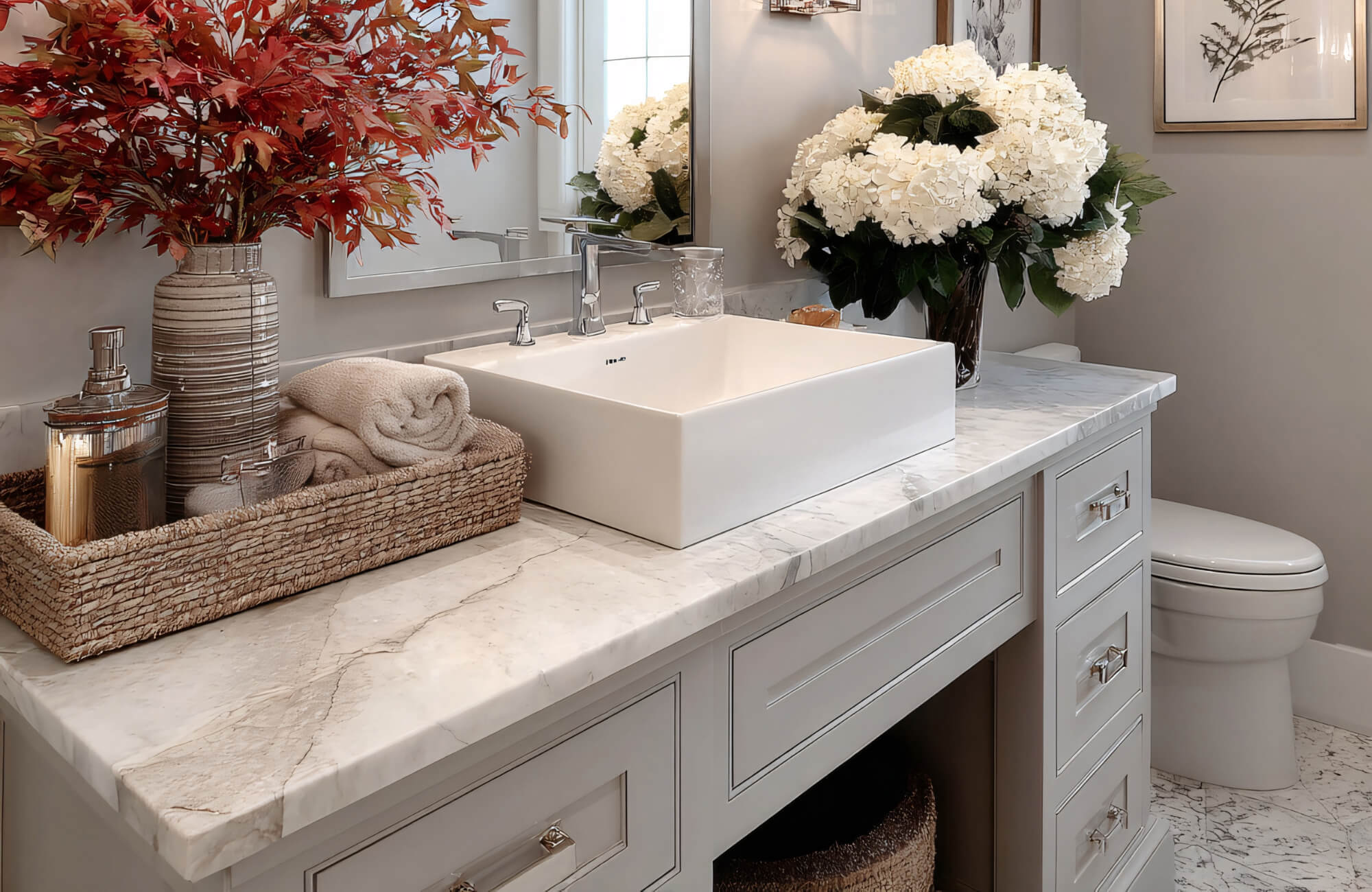
Scandinavian interiors thrive on diffused light, natural textures, and finishes that feel soft to the touch. The matte surface often associated with porcelain tile captures this softness better than the traditional high polish of natural marble, and incorporating Edward Martin’s Aniston 24x48 Matte Porcelain Tile in Calacatta Viola, as seen in the image above, demonstrates how this finish gently scatters light to create a quiet, enveloping atmosphere. This aligns seamlessly with Scandinavian sensibilities, where materials are chosen for both visual and sensory comfort. Matte porcelain also reduces visible smudging and glare, reinforcing the calm, practical ambiance that defines the style. It offers the refined appearance of marble veining while ensuring the finish remains understated enough to blend into minimalist surroundings.
Curated Consistency versus Natural Chaos
While natural marble is profoundly beautiful, it also carries unpredictability. Color shifts, vein patterns, and tonal variations differ from slab to slab, which can enhance a traditional or eclectic interior but may disrupt the uniformity essential to Scandinavian and minimalist design. Porcelain provides a level of consistency that supports intentional composition. Each tile repeats a controlled pattern, ensuring a harmonious visual field with minimal surprises. This curated predictability makes it easier to achieve clean lines, uninterrupted surfaces, and balanced proportions. In environments where the goal is serenity and symmetry, porcelain becomes a practical solution that ensures design intent remains intact from planning through installation.

Installation Strategies for a Seamless Look
Once the right material is chosen, the way it’s installed becomes just as important in achieving the clean, calming atmosphere both minimalist and Scandi interiors are known for. Porcelain's versatility makes it ideal for creating uninterrupted surfaces that support this aesthetic. Thoughtful installation choices ensure the material performs to its full visual potential.
The Power of Large Format Tiles
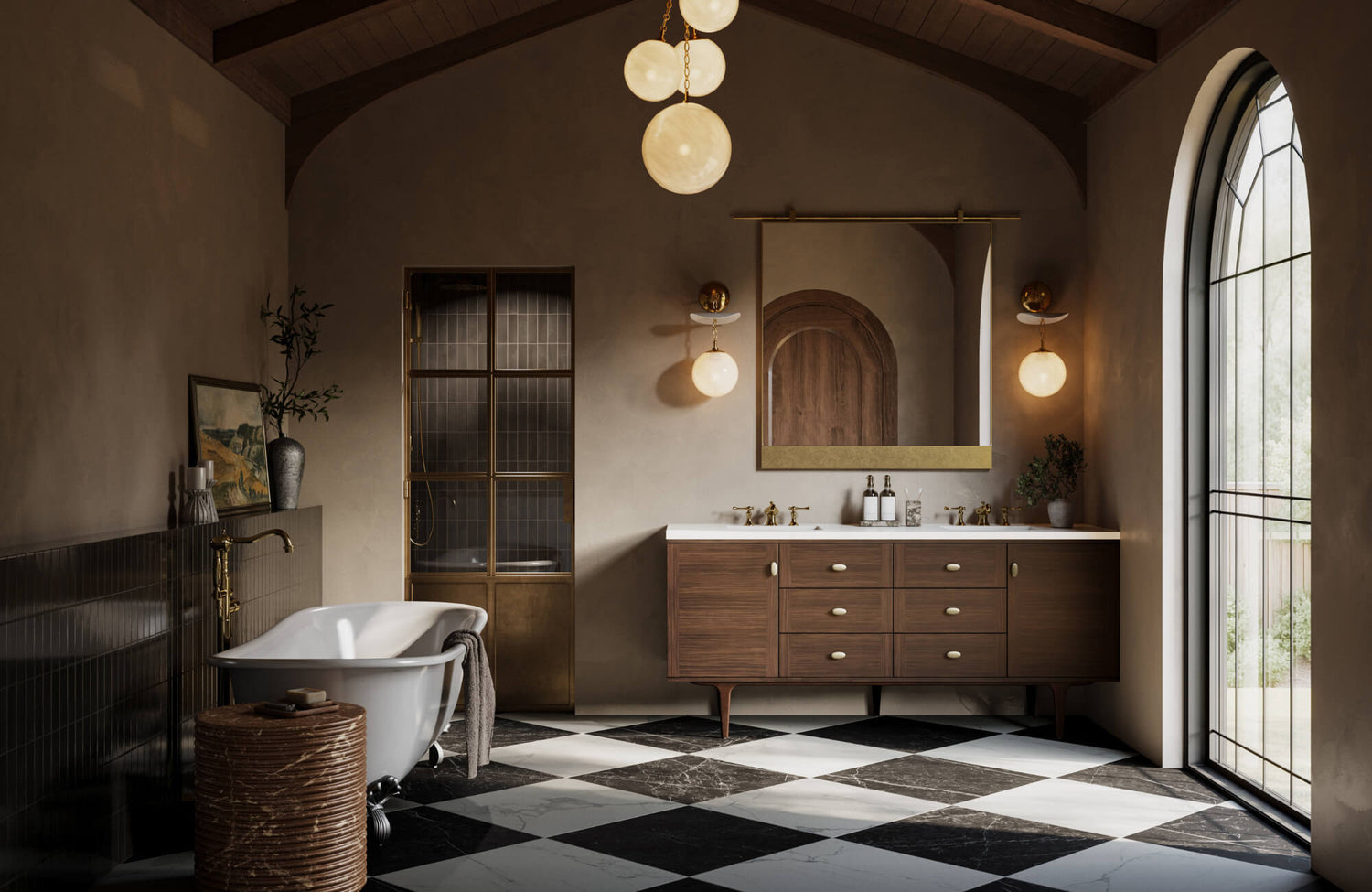
A minimalist or Scandinavian room thrives when surfaces appear uninterrupted, smooth, and expansive. Large format tiles contribute significantly to this effect by reducing the number of visible seams, and the checkerboard layout in the image above highlights how Edward Martin’s Leona 24x24 Checkerboard Matte Porcelain Tile in Amani Bronze and Nero Marquina amplifies this sense of openness. When Calacatta-look porcelain is used in oversized dimensions, the dramatic veining has room to breathe, appearing more like continuous stone than a patchwork of smaller pieces. This enhances the luxurious feel without veering into excess, preserving the simplicity and clarity that the style demands. Large format installation creates a canvas that amplifies the beauty of the material while keeping visual noise to a minimum, helping the room feel calmer, cleaner, and more architectural. The scale itself becomes a design statement, reinforcing the idea that minimalism is not about deprivation but about thoughtful emphasis.
Minimizing Grout for a Monolithic Surface
Grout lines, while essential from a technical standpoint, can disrupt the polished serenity of a minimalist space if not handled with intention. Narrow joints in a color closely matched to the tile create the illusion of a continuous plane, allowing the veining and surface texture to remain the focal point. This monolithic appearance complements both Scandinavian and minimalist environments by eliminating unnecessary visual segmentation. Whether used on a floor, wall, or shower enclosure, this approach draws attention to the overall architectural form rather than the grid of installation. It strengthens the sense of cohesion and elevates the space into something that feels more designed, more seamless, and more aligned with contemporary aesthetics.
Pattern Matching and Flow
Because marble-inspired tiles carry directional veining, alignment strongly affects the sense of intention within the space. When installers carefully orient the pattern to flow naturally, the result mimics the artistry of continuous stone slabs. This creates a sense of movement that feels deliberate rather than chaotic, supporting minimalist ideals of harmony and visual clarity. Poor alignment, by contrast, introduces tension and distraction, working against the calm that these design styles aim to achieve. Thoughtful pattern matching ensures that the special qualities of Calacatta, its fluidity, elegance, and softness, are preserved across every surface. The space becomes unified, and the material reads as a cohesive design gesture rather than an assembly of individual tiles.

Best Applications in the Modern Home
With the right installation, Calacatta-look porcelain becomes adaptable to nearly every room in a contemporary home. Each space benefits differently from its beauty and performance, extending the design continuity established in earlier sections. These applications show how the material supports both style and practicality in real, lived-in environments.
The Spa-Inspired Minimalist Bathroom
Bathrooms rooted in minimalist or Scandinavian principles depend on clarity, balance, and a tranquil atmosphere reminiscent of spa environments. Calacatta-look porcelain, especially in large format panels, transforms the bathroom into a serene retreat, and Edward Martin’s Aniston 24x48 Polished Porcelain Tile in Calacatta Viola, shown in the image above, demonstrates how soft veining and polished surfaces can envelop the space with understated warmth. Its water resistance and ease of maintenance make it ideal for showers, tub surrounds, and wet rooms, where moisture exposure is constant. The subtle drama of the marble pattern enhances the feeling of luxury while maintaining an overall sense of calm. When paired with pale wood, brushed nickel fixtures, and diffused natural lighting, the material fosters a quiet elegance that supports relaxation and daily ritual. It elevates the bathroom without disrupting the disciplined simplicity that defines minimalist design.
A Kitchen Backsplash That Can Handle Heat
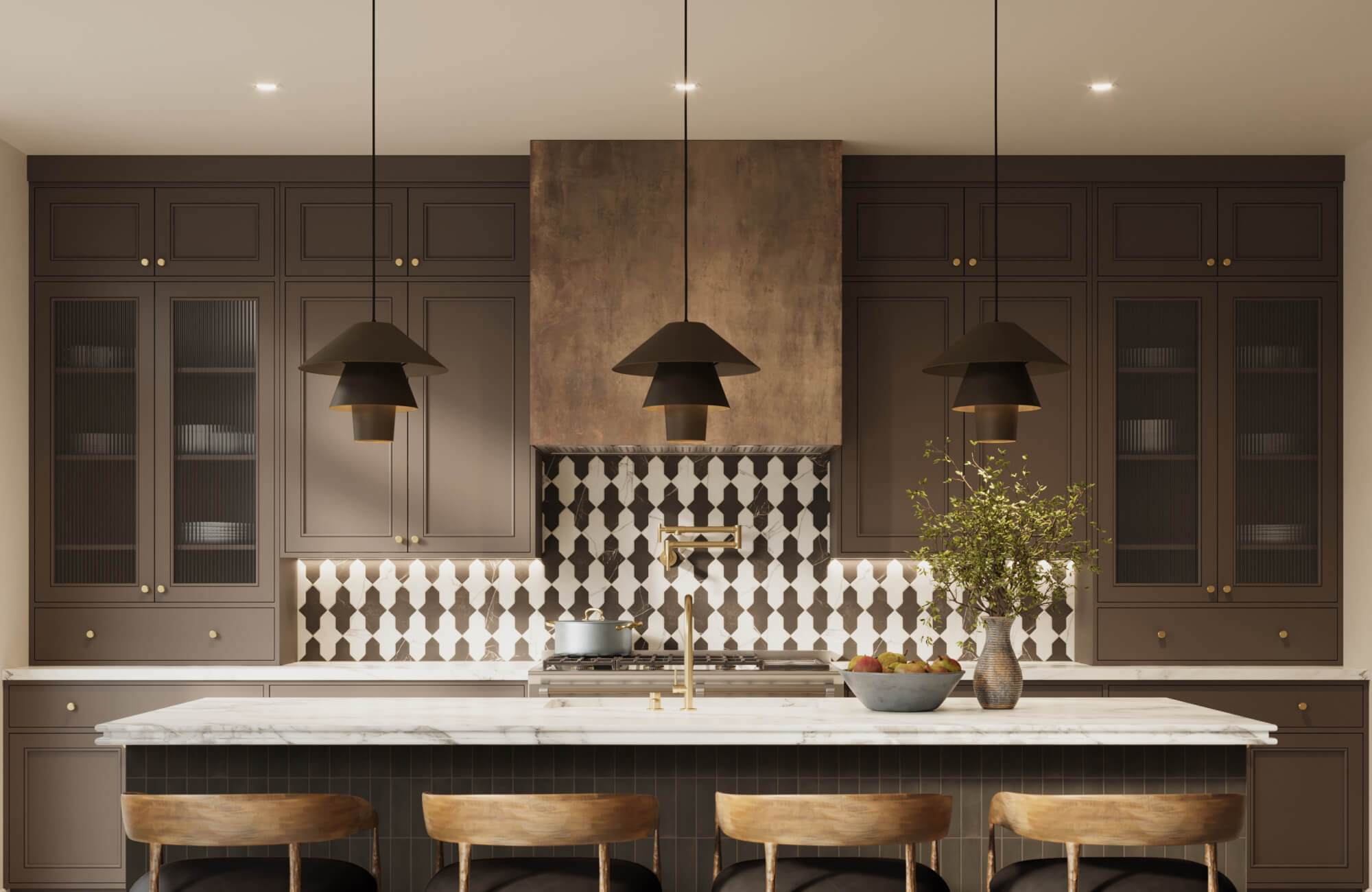
Kitchen backsplashes in Scandinavian and minimalist homes are typically unadorned, yet they must withstand heavy use. Porcelain tile modeled after Calacatta marble merges beauty with resilience in a way that feels perfectly suited to the heart of the home. The surface endures splatter, steam, and high temperatures without the vulnerability associated with natural stone, and tools like Edward Martin’s AR Visualization Tool feature make it easy to preview these porcelain options directly within the space before committing. This allows homeowners to enjoy the luxurious appearance of marble veining while maintaining the ease of cleaning essential to functional kitchen design, with the added ability to order an Edward Martin tile sample afterward to confirm texture and tone in person. The backsplash becomes a focal point that enhances the architecture of the space, introducing soft movement against flat cabinetry and streamlined hardware. It offers visual depth without overwhelming the kitchen's simplicity, ensuring that both practicality and aesthetics work in harmony.
Busy Entryways with High Style
Entryways withstand constant wear, making material choice critical in maintaining both function and appearance. Porcelain’s durability and resistance to scratching or staining make it an exceptional candidate for busy corridors, especially those exposed to dirt, grit, and fluctuating weather. When rendered in a Calacatta-inspired pattern, the tile delivers a refined first impression without sacrificing performance. The veining adds sophistication to what can otherwise become a purely utilitarian area, while the hard-wearing nature of porcelain supports long-term everyday use. This combination aligns effortlessly with Scandinavian ideals, where beauty and functionality coexist. The entryway becomes a welcoming threshold that sets the tone for the rest of the home, clean, elegant, and intentionally composed.
Luxury Without the Excess
Minimalist and Scandinavian design philosophies celebrate harmony, restraint, and purposeful living. Calacatta marble, whether authentic or reimagined through advanced porcelain technology, can enrich these spaces when chosen and applied with sensitivity. Natural stone offers organic warmth and visual movement that soften rigid geometry, while porcelain presents a practical alternative that supports daily life without compromising aesthetics.
Through thoughtful installation strategies, the material becomes a seamless extension of the architecture, unifying rooms, elevating surfaces, and reinforcing the clarity that these styles demand. Ultimately, Calacatta marble tile is indeed appropriate for minimalist and Scandinavian homes when used with intention. It delivers quiet luxury, measured elegance, and timeless beauty, proving that minimalism does not reject refinement but rather seeks to express it in its most distilled and thoughtful form.