In a modern living area, rugs are central to shaping both comfort and visual cohesion. They anchor seating arrangements, soften architectural lines, and introduce texture into spaces often defined by clean silhouettes and restrained palettes. For those who value quality and aesthetics, the choice frequently comes down to wool rugs versus synthetic rugs. Each option brings distinct advantages that suit different lifestyles, design goals, and performance expectations.
Rather than positioning one fiber as inherently superior, the more useful question is how wool and synthetic rugs perform across key criteria that matter in contemporary homes. Structural durability, visual impact, maintenance requirements, health considerations, and environmental factors all influence how well a rug supports modern living. By examining these elements side by side, it becomes easier to determine which material aligns best with the way a living room is used and the atmosphere it is meant to create.

The Structural Integrity and Longevity of Rug Fibers
Before considering style or surface appeal, it is important to understand how different rug fibers perform at a foundational level. Construction, resilience, and expected lifespan all influence how well a rug supports the demands of a modern living area.
The Natural Resilience of Wool Fibers
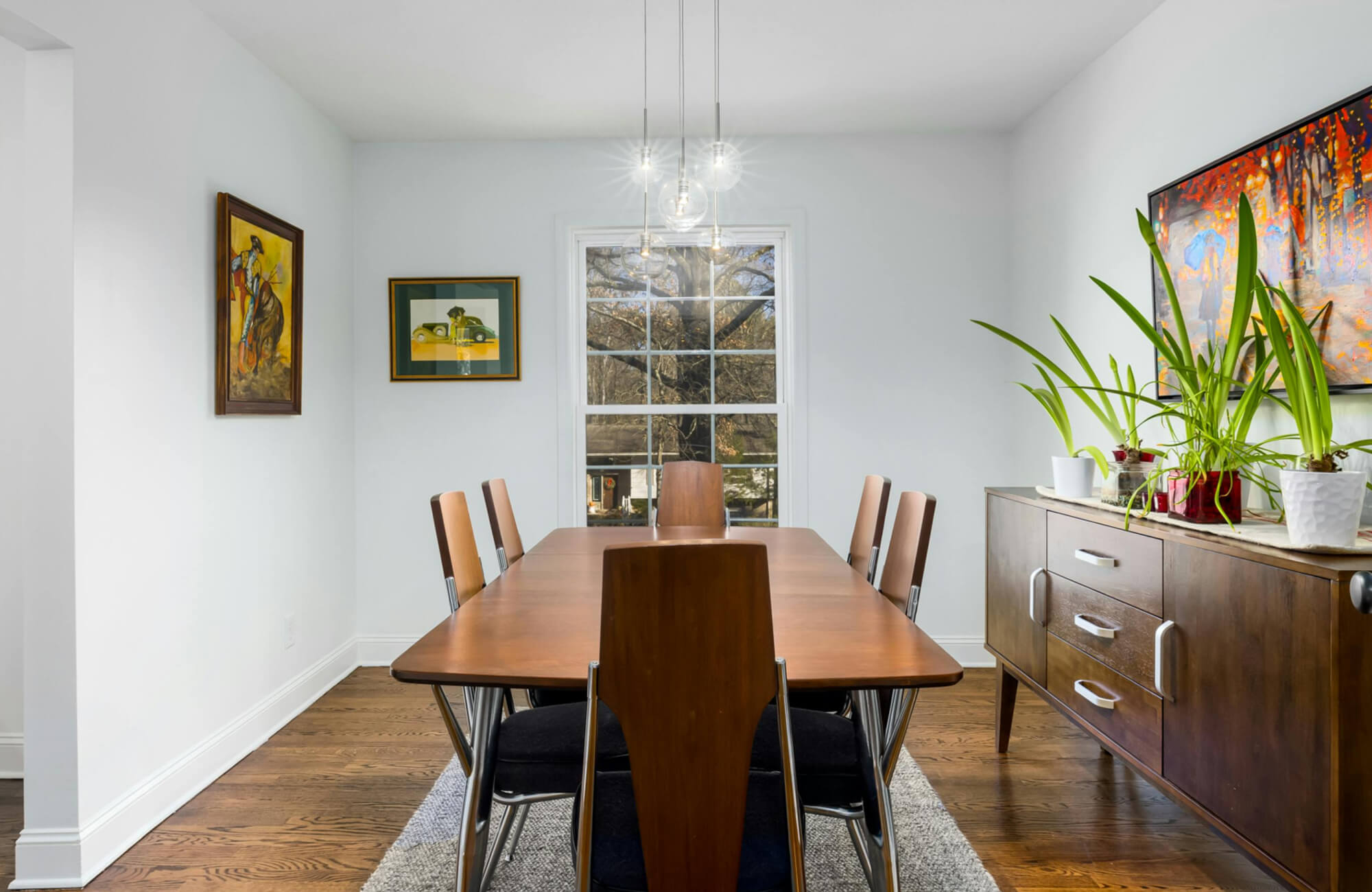
Wool has long been valued for its ability to combine softness with strength, making it a reliable choice for living areas that balance comfort and daily use. Each wool fiber contains a natural crimp that gives it elasticity, allowing the rug to compress under weight and then recover its shape. This inherent resilience is clearly visible in Edward Martin’s Mallory Rug in Forest in the image above, where the dense wool pile and tightly constructed edge highlight the rug’s ability to retain structure and thickness over time.
This elasticity also contributes to wool’s ability to resist visible wear patterns. Rather than breaking down quickly, the fibers bend and flex, preserving pile height and surface texture. For those who want a rug to function as a long-term design element, wool’s structural behavior supports a sense of permanence and stability within the space.
The Engineering of Modern Synthetic Polymers
Synthetic rugs rely on engineered fibers such as polypropylene, polyester, or nylon, each designed to meet specific performance needs. Advances in manufacturing have significantly improved the durability and feel of these materials, allowing synthetic rugs to perform well in modern living areas with varied levels of activity. Many are constructed to resist abrasion and crushing, particularly in low-pile or tightly woven designs.
Unlike natural fibers, synthetic materials offer consistency from fiber to fiber, which can be advantageous in spaces that demand uniform performance. In households with active children, or pets, this predictable durability can make synthetic rugs a practical and dependable choice. Rather than mimicking wool exactly, modern synthetics provide their own form of strength through controlled engineering.
Comparative Life Cycles and Replacement Timelines
When considering longevity, wool and synthetic rugs follow different life cycle patterns. Wool rugs are often chosen with long-term use in mind, as their fibers can endure years of wear when properly cared for. Many homeowners appreciate how wool rugs age gradually, maintaining functionality while subtly evolving in appearance.
Synthetic rugs, on the other hand, are frequently selected for flexibility. They are well suited for those who anticipate changing layouts, evolving design preferences, or periodic updates. While some synthetic rugs are designed for extended use, others are intentionally positioned as accessible, versatile options that can be replaced without significant investment. In modern living areas where adaptability is valued, this shorter replacement timeline can be an advantage rather than a drawback.

Aesthetic Impact and Color Retention in Modern Design
With performance established, attention naturally shifts to how a rug contributes visually to the space. Fiber type strongly influences texture, color expression, and how the rug interacts with light within a modern interior.
Sophisticated Texture and Light Absorption of Wool
Wool rugs are often associated with a refined, tactile quality that complements modern interiors. Their fibers absorb light rather than reflect it, creating a soft, grounded presence that works well alongside natural materials such as wood, stone, and linen. This matte finish contributes to a sense of warmth without distracting from clean architectural lines.
Color in wool rugs tends to appear layered and nuanced, with dyes penetrating deeply into the fiber. In contemporary living rooms that rely on neutral palettes or subtle tonal variation, this depth adds visual interest while maintaining a cohesive, understated look.
Vibrancy and Sheen in Synthetic Alternatives
Synthetic rugs excel in delivering clarity and vibrancy of color, especially in designs that rely on contrast and definition. Because pigments are often integrated during fiber production, synthetic rugs can achieve crisp patterns and consistent coloration across the surface. This is evident in Edward Martin’s Haverford Rug in Platinum / Bronze in the image above, where the subtle interplay of warm and cool tones adds visual interest while still reading as neutral within the room.
Many synthetic fibers also reflect light in a way that gives the rug a soft, controlled sheen. In modern living areas with expansive windows and clean-lined furniture, this light-catching quality helps brighten the space and define seating zones without competing with surrounding materials. The result is a rug that feels polished yet approachable, well suited to contemporary interiors that favor balance over boldness.
Maintaining Design Integrity Against Sun Damage
Sunlight is a defining feature in many modern homes, particularly those with large windows or open floor plans. Wool fibers naturally handle light exposure well, with gradual and relatively even color changes over time. This makes wool rugs a strong option for living areas where consistent appearance is a priority.
Synthetic rugs vary in their response to sunlight, but many are engineered with UV-resistant properties that help preserve color intensity. In bright living rooms, especially those designed for daytime use, high-quality synthetic rugs can maintain their vibrancy and resist fading when properly selected for the environment.

Maintenance Realities and Stain Resistance Performance
As living rooms are designed for everyday use, maintenance becomes a practical extension of design choice. How a rug responds to spills, cleaning, and ongoing care directly affects its ability to maintain both function and appearance over time.
The Protective Lanolin Barrier in Wool
Wool fibers contain lanolin, a natural substance that helps repel liquids and slow absorption. This characteristic gives you valuable time to address spills before they set, supporting everyday living without constant concern. In a modern living area used for entertaining or relaxation, this built-in protection contributes to peace of mind.
Wool’s ability to hold dirt within the fiber also helps the rug maintain a clean appearance between maintenance sessions. Rather than immediately showing surface debris, wool rugs often look composed and polished even in active households.
Non Porous Nature of Synthetic Surfaces
Synthetic rugs offer a different maintenance advantage through their non-porous fibers. Liquids typically sit on the surface rather than penetrating the material, making many spills easy to clean with minimal effort. This quality makes synthetic rugs especially appealing for families, pet owners, or homes where practicality is a top priority.
Because dirt and residue remain on the surface, regular cleaning helps synthetic rugs retain their appearance. In modern living areas that emphasize ease and efficiency, this straightforward care routine aligns well with busy lifestyles.
Long Term Cleaning and Professional Care Requirements
Wool rugs benefit from consistent vacuuming and periodic professional cleaning to preserve fiber integrity and appearance. While this represents an ongoing commitment, it also supports the rug’s longevity and helps it remain a central design feature over time.
Synthetic rugs typically require less specialized care and can often be cleaned using standard household methods. This accessibility allows you to maintain a fresh, well-kept living area without professional services, making synthetic options particularly attractive for those seeking low-maintenance solutions.

Health Benefits and Environmental Considerations
Beyond durability and upkeep, material selection also carries implications for comfort, safety, and environmental responsibility. Evaluating these factors helps create a living space that supports both well-being and long-term design values.
Indoor Air Quality and Allergen Trapping
Wool rugs contribute positively to indoor air quality by trapping airborne particles within their fibers. These particles are then removed through routine vacuuming, helping reduce circulation of dust and allergens in the living space. For those who prioritize comfort and wellness, this natural filtration enhances the indoor environment, a benefit that feels especially relevant in a calm, neutral setting like the one shown with Edward Martin’s Lafferty Rug in Dove in the image above.
The rug’s soft, low-contrast pattern and light tonal palette create a relaxed foundation that works easily with wood furniture and neutral upholstery. Synthetic rugs can also support a healthy living area when maintained properly, as their smooth fibers allow allergens to be removed efficiently during cleaning. In open, modern living rooms designed for everyday use, both materials can contribute to a space that feels fresh, comfortable, and thoughtfully finished.
Fire Safety and Flame Retardant Properties
Wool is naturally flame resistant, requiring higher temperatures to ignite and tending to char rather than melt. This inherent property adds an extra layer of safety in living areas where electrical equipment, fireplaces, or candles may be present.
Many synthetic rugs are manufactured with flame-retardant treatments that improve their performance in fire-related scenarios. When selected thoughtfully, these rugs can meet safety standards while offering the design flexibility that synthetic materials provide.
Sustainability and Biodegradability Factors
From a sustainability perspective, wool is a renewable resource that biodegrades at the end of its life cycle. This makes wool rugs appealing to those who value natural materials and environmentally responsible design choices, especially in spaces planned with longevity in mind.
Synthetic rugs, while derived from man-made materials, have made strides in sustainability through recycling initiatives and improved manufacturing efficiency. Their durability and affordability can also reduce waste by supporting reuse in different spaces over time. When navigating these considerations, Edward Martin’s design consultation provides expert insight tailored to individual project needs, and additional guidance is always available by contacting Edward Martin for support with rug, tile, or furniture selections.
Determining the Best Value for Your Modern Living Room
Selecting between a wool or synthetic rug for a modern living area is less about identifying a universal winner and more about matching material to lifestyle and design intent. Wool rugs offer natural resilience, tactile richness, and long-term presence that suit homeowners seeking enduring elegance and comfort. Synthetic rugs provide versatility, vibrant design options, and ease of care that align with dynamic households and evolving interiors.
Both materials can perform beautifully in modern living rooms when chosen thoughtfully. By considering how the space is used, how often it may change, and which qualities matter most, homeowners can confidently select a rug that enhances both the function and aesthetic of their living area for years to come.