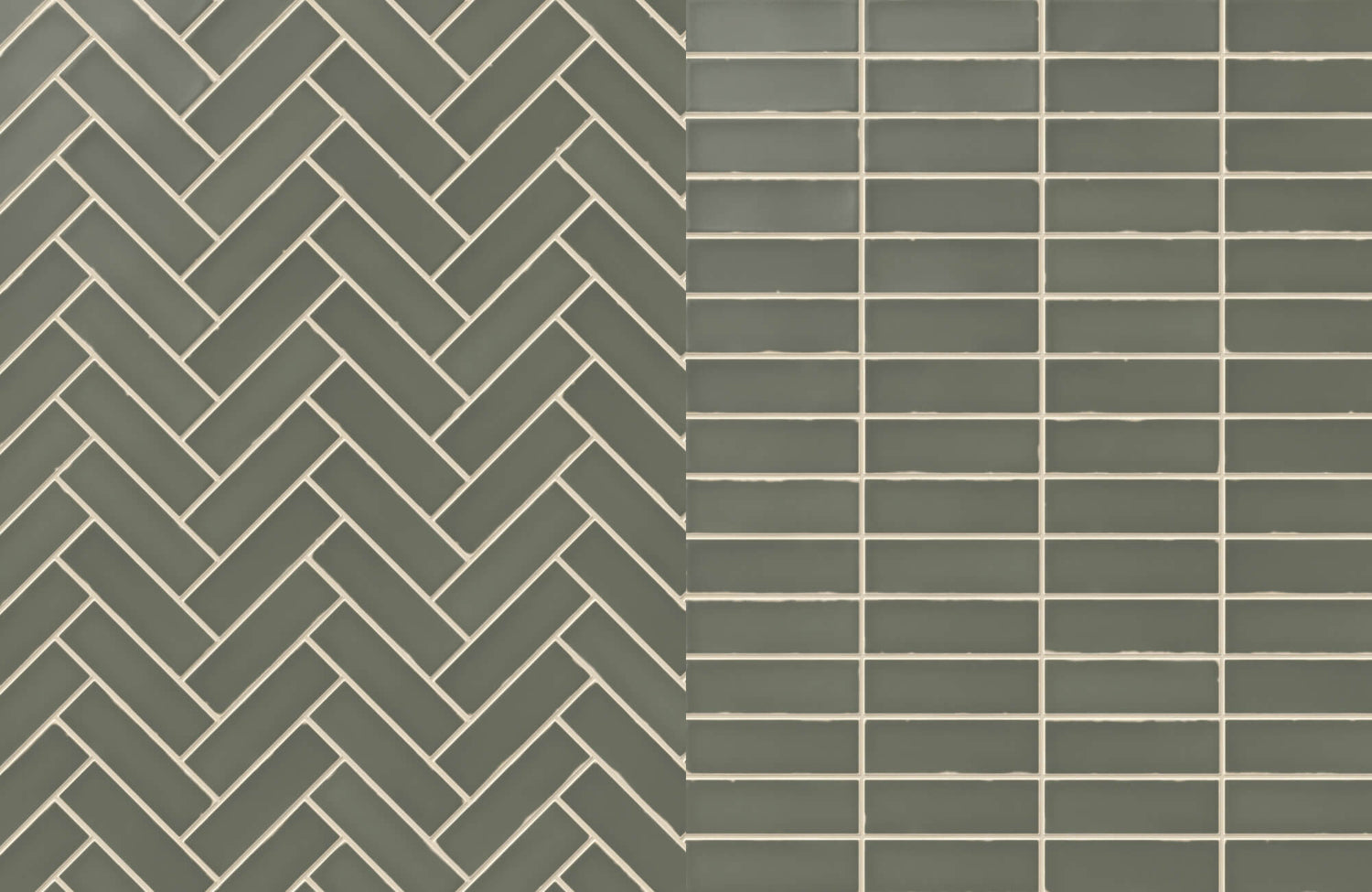
Choosing a tile layout is more than just aesthetics. It also affects cost, efficiency, and the long-term value of your space. Among the many options, straight lay and herringbone stand out for their distinct styles and the very different demands they place on materials and labor.
Whether you’re planning for a bathroom, kitchen, or living area, layout choice can transform how the room feels and functions. Straight lay is clean, simple, and budget-friendly, while herringbone is bold, intricate, and admired for its elegance. The question, then, is not only whether herringbone is more expensive, but also whether the added investment is worthwhile for your goals. By exploring factors such as installation complexity, waste, craftsmanship, and design longevity, you can make an informed choice that balances style with practicality.

Aesthetic Value and Timeless Appeal
The choice of tile pattern influences not just the look of your space but also how it’s perceived in terms of sophistication, character, and long-term value. Whether you choose straight lay or herringbone, the visual outcome speaks volumes about the style and atmosphere you want to create.
Aesthetic Simplicity of Straight Lay
A straight lay pattern delivers a clean and orderly appearance by arranging tiles in neat, parallel rows. This creates a sense of openness, allowing the eye to travel smoothly across the surface without interruption. Because of its uniformity, straight lay complements a variety of design styles, from contemporary, minimalism, to traditional settings, without overwhelming other features in the room.
Moreover, its subtle elegance works particularly well when you want other design elements, such as furniture, artwork, or architectural details, to take center stage. Straight lay becomes the quiet backdrop that supports, rather than competes with, your overall vision. This versatility also ensures that the pattern not only looks timeless today but will continue to feel relevant as design trends evolve, making it a dependable choice for both small and expansive spaces.
Prestige of Herringbone
The herringbone pattern immediately commands attention. Its signature “V” shape interlocks tiles in a way that creates movement and rhythm across the floor or wall. This dynamic effect introduces depth and visual interest, transforming even simple materials into a statement of design sophistication. With roots in classic European architecture, herringbone also carries a sense of heritage and prestige that resonates the moment you step into the room.
Because of its intricate layout, the herringbone pattern is often associated with high-end interiors where character and uniqueness are key. It pairs especially well with eclectic spaces that embrace layered textures, modern classic designs that value heritage with a contemporary twist, and luxury transitional interiors where bold focal points are balanced with timeless finishes.
A perfect example is our Maisie 2.5x16 Glossy Ceramic Tile in Ocean, shown above in a striking shower installation. This zellige-inspired tile, with its glossy ocean-blue finish, highlights the directional flow of the herringbone pattern, adding depth and elegance to the space. When used in bathrooms or feature walls, this combination elevates the atmosphere, turning a simple surface into a sophisticated focal point.
Influence on Property Value
Your decision between straight lay and herringbone can shape how others perceive the value of your property. A herringbone pattern installation often feels bespoke, which can set your home or commercial space apart in a competitive market. Buyers who prioritize style and exclusivity may see this as a premium feature that enhances the property’s overall appeal.
On the other hand, the straightforward nature of straight lay has its own advantages. Its wide acceptance, easy maintenance, and adaptability make it attractive to a broader audience. This means that while herringbone may add distinction and luxury, straight lay offers reassurance and universality. In both cases, the choice of pattern has the potential to influence resale value, so aligning your selection with your long-term goals ensures that the investment supports not only your present design vision but also your future returns.

Installation Complexity and Cost Factors
Pattern complexity directly influences installation costs because it determines how much time, skill, and labor are required. The difference between a straightforward grid and a detailed herringbone layout is not just aesthetic—it translates directly into the overall project budget.
Straight Lay
The straight lay process is the most efficient and accessible option. Tiles are placed in simple rows and columns, creating a clean grid that requires minimal adjustments. Because the alignment is direct, installers spend less time on layout planning, which reduces both labor hours and the likelihood of costly mistakes.
This efficiency also makes straight lay a practical choice if you are working with larger spaces or a tighter budget. The process demands fewer cuts, wastes less material, and allows installers to progress quickly without compromising quality. Design-wise, straight lay shines when paired with tiles that carry their own subtle character. Our Juliet 2.5x10 Matte Porcelain Tile in Pearl, as seen in the photo above, demonstrates this beautifully. Its soft pearl finish and elongated shape create quiet elegance, while the grid layout provides balance and simplicity. Although many attempt this pattern themselves, professional installers can ensure proper preparation, alignment, and finishing—especially important in bathrooms, kitchens, and busy areas where mistakes are costly to fix.
Herringbone
Herringbone, by contrast, is significantly more complex. Each tile must be placed at a precise angle, often 45 or 90 degrees, and aligned perfectly to maintain the repeating pattern. This requires detailed planning before installation even begins, including dry-laying sections and marking guidelines to ensure the design remains symmetrical across the space.
The added precision extends to perimeter work as well, since edges rarely fit neatly without custom cuts. These intricate adjustments take time, and even professional installers must work carefully to prevent misalignment. The extra planning and labor make the herringbone pattern not only more time-consuming but also more expensive, as installers typically charge higher rates for specialized patterns that demand greater skill.
How Precision Affects Time and Cost
The precision required for the herringbone pattern directly impacts the project timeline and final bill. Even minor mistakes are immediately noticeable because the repeating pattern highlights misalignment. Correcting these issues often involves removing and re-laying tiles, which adds both labor hours and material waste.
To avoid such errors, installers usually spend additional time double-checking measurements, adjusting tile placement, and ensuring angles remain consistent throughout the installation. This extra effort translates into higher labor costs compared to a straight lay project. Although the end result can be stunning, you should be prepared for the fact that herringbone requires not only a larger budget but also greater patience during installation.

Labor Expertise and Risk Management
Straight lay is one of the most accessible installation methods because tiles are aligned in simple, parallel rows that require little measuring or adjustment. Most installers can complete this layout quickly and with minimal risk of error, which means you have a wide pool of professionals to choose from and generally more competitive pricing. Even if you were to attempt the project yourself, mistakes are less noticeable in a straight lay grid, making it a lower-risk option in terms of both quality and cost.
The herringbone pattern, on the other hand, demands a much higher level of skill. Each tile must be placed at precise angles with perfect spacing to maintain the flow of the pattern, which requires mathematical precision and experience with complex layouts. Not every installer can deliver this level of craftsmanship, so you will often pay a premium for professionals who specialize in patterned designs. Our Marsden 3x10 Matte Ceramic Tile in Almond, displayed in the bathroom setting above, illustrates how this extra effort pays off—the warm cream tones and matte finish take on new depth when arranged in a herringbone layout, transforming the floor into a design feature..
The risk of poor execution is also far greater with herringbone. Unlike straight lay, where small mistakes can blend in, even minor misalignments in herringbone are immediately obvious and can compromise the durability of the installation. Fixing these errors often involves tearing out sections of the floor or wall, wasting both material and time. This is why investing in a professional installer from the start is usually more cost-effective, ensuring the project is done right the first time without added stress or hidden costs.

Scale, Room Size, and Layout Challenges
Pattern choice interacts directly with the scale of the room and the layout of your space. The way a pattern behaves in a small bathroom is entirely different from how it looks and functions in a wide-open living area or a narrow hallway.
Small Rooms and Visual Impact
In compact rooms, a herringbone pattern can create the illusion of greater depth and movement, helping the space feel larger than it really is. The angled design draws the eye across the room diagonally rather than just front to back, which introduces a sense of openness. Tiles like our Catalina 2x16 Matte Porcelain Tile in Mushroom highlight this effect beautifully, as featured in the photo above. Their elongated shape enhances the stretching quality of herringbone, while the warm mix of grey and beige tones adds softness and refinement to smaller spaces.
That visual advantage also comes with practical trade-offs. Tight quarters require more perimeter cuts, as tiles rarely fit perfectly against the walls without trimming. This increases the time installers spend on detailed adjustments, making the project more labor-intensive per square foot than in a larger area. In comparison, straight lay minimizes these issues, as it aligns more naturally with the boundaries of small spaces and involves fewer complex cuts.
Large Rooms and Labor Scaling
Large, open rooms present a different set of challenges. Straight lay is particularly efficient in these settings, as installers can maintain a fast rhythm with minimal adjustments. Once the grid is established, the pattern repeats seamlessly, making it one of the most cost-effective options for big spaces.
The herringbone pattern, however, scales in complexity as the room size increases. The pattern must remain perfectly aligned across the entire surface, which magnifies the difficulty of maintaining symmetry. Even small errors become obvious over a larger expanse, forcing installers to slow down and double-check their work repeatedly. This extended timeline and higher precision requirement translate directly into additional labor costs.
Transitional Areas and Detail Work
Transitions, such as hallways, angled corners, or thresholds between rooms, often present the greatest challenges for patterned installations. In these areas, the continuity of the design becomes crucial, especially for herringbone. Installers must plan carefully so that the pattern flows naturally from one space to another without awkward breaks or misalignments.
Achieving this seamless effect usually involves custom cuts and meticulous planning, which adds to both the time and expense of the project. Straight lay, while not without its own adjustments, is far easier to continue through transitional areas. Its linear form allows edges to be squared off quickly, keeping costs lower. By contrast, herringbone’s visual rhythm demands precision at every turn, making these small but detailed spaces disproportionately labor-intensive.

Long Term Maintenance
One of the main advantages of straight lay is how easy it is to maintain over time. If a tile cracks or becomes stained, it can usually be replaced without disturbing the rest of the layout. The uniform grid also makes repairs straightforward, which is especially valuable in busy spaces like kitchens, hallways, or entryways. This simplicity keeps long-term costs predictable and makes straight lay a dependable choice for anyone prioritizing durability and low maintenance.
Herringbone, by contrast, poses greater challenges when repairs are needed. Because the tiles interlock at angles, removing one often requires lifting and resetting multiple pieces to preserve the integrity of the pattern. Even small fixes can be time-consuming and expensive, since misaligned replacements disrupt the design’s symmetry. Although the initial impression of a herringbone pattern is striking, you should be prepared for higher long-term maintenance costs if damage occurs.
Which Pattern Offers the Best Value?
The best value comes from aligning your priorities with what each pattern offers. Straight lay provides affordability, efficiency, and a timeless look that works in nearly any setting, making it ideal if you want to manage costs while keeping maintenance simple. Herringbone, on the other hand, requires more material and expert labor, but it rewards you with craftsmanship, sophistication, and the potential to enhance resale value. Ultimately, straight lay gives you practical dependability, while herringbone offers an enduring statement of design prestige.
To help you decide which option best fits your space, we offer design services where experts guide you through tile and pattern choices and their long-term impact. You can even explore how each tile will look in your own space with our augmented reality (AR) tool, allowing you to visualize tiles and patterns in real time. Together, these resources make it easier to balance style and value while giving you the confidence that your choice will complement both your design goals and budget.