Designing or renovating a master bathroom often involves balancing everyday comfort with long-term value. Few decisions illustrate this tension more clearly than choosing between a single sink vanity and a double sink vanity. At first glance, a double vanity can feel like a luxury upgrade, visually impressive, undeniably convenient, and often associated with high-end primary suites. At the same time, it carries a higher upfront cost, demands more space, and introduces additional design considerations that are easy to underestimate.
For those who care about both function and aesthetics, the real question is not whether a double sink vanity looks appealing, but whether it genuinely earns its place in the master bath. The answer depends on how it affects daily routines, resale expectations, square footage, and the often-overlooked hidden costs tied to installation and accessories. Understanding these factors holistically can help determine whether the investment enhances everyday living or simply inflates the renovation budget.

Evaluating The Impact On Your Daily Routine
A master bathroom is one of the most frequently used spaces in a home, and its layout directly influences how smoothly mornings and evenings unfold. The sink area, in particular, becomes a focal point during peak hours, making it an ideal place to assess whether doubling up delivers meaningful benefits.
The End Of The Morning Time Crunch
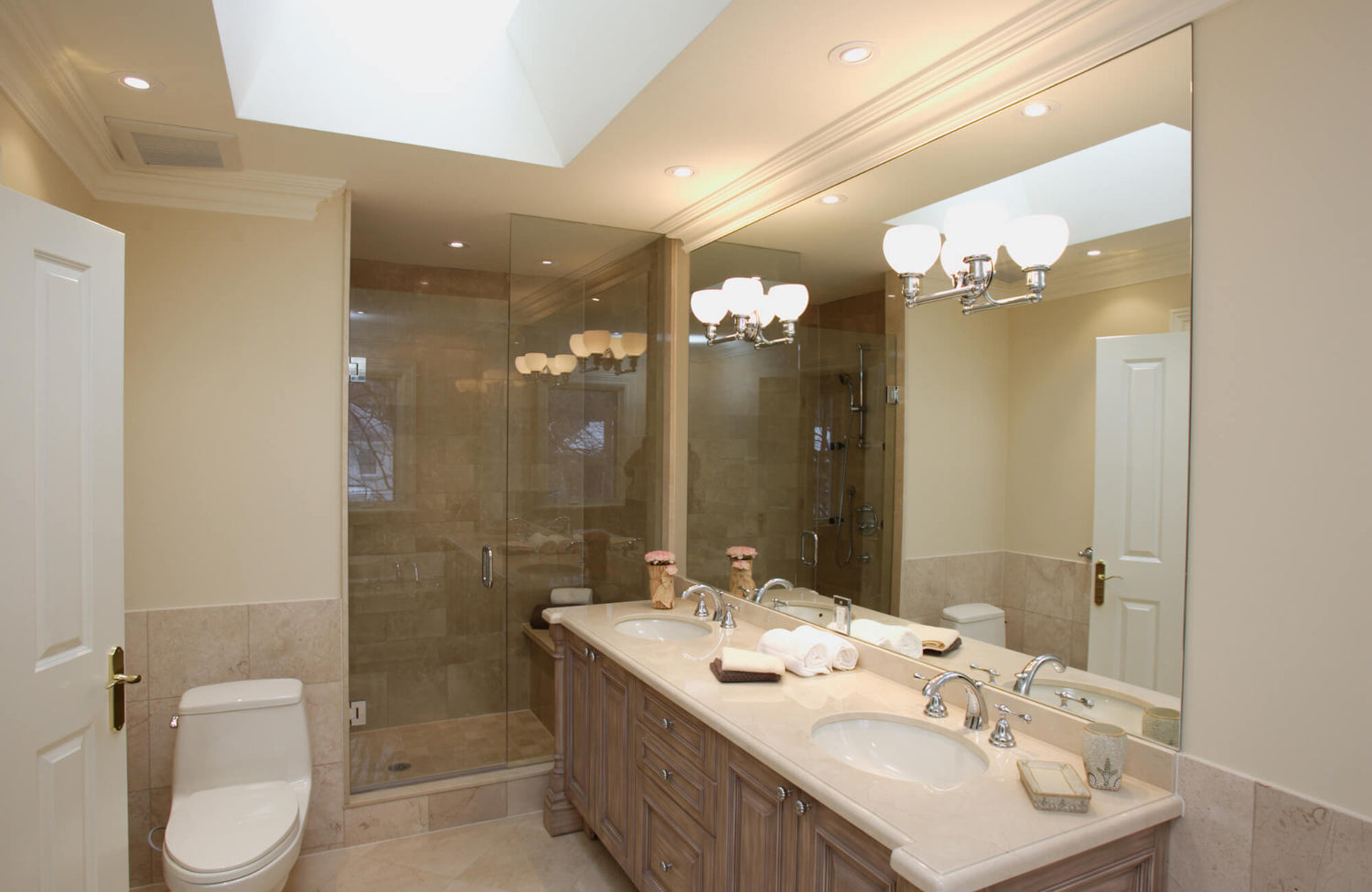
For couples who get ready at the same time, a double sink vanity can dramatically reduce friction. Two sinks allow simultaneous use for brushing teeth, washing faces, shaving, or applying skincare without negotiating turns or hovering impatiently nearby. A well-proportioned option like Edward Martin’s Sasha 60" Double Vanity in Carbon Oak with 3 cm White Zeus Quartz Top, shown in the image above, illustrates how dual sinks can be integrated without overwhelming the space. This seemingly small upgrade often translates into calmer mornings and fewer compromises, especially in households with structured schedules or early workdays.
The psychological benefit is just as important as the practical one. Having space to move independently helps the bathroom feel less crowded and more intentional. Over time, that ease becomes part of the home’s daily rhythm, reinforcing the perception that the master bath functions as a retreat rather than a bottleneck.
Creating Dedicated Personal Zones
Beyond convenience, double sink vanities naturally lend themselves to personalization. Each person can maintain their own countertop space, storage preferences, and grooming setup without constantly reorganizing. One side may prioritize makeup and skincare, while the other focuses on shaving tools or minimal essentials. This separation reduces clutter and creates a sense of ownership within a shared space.
From a design perspective, dedicated zones can also support symmetry and balance, which many homeowners associate with upscale bathrooms. Matching sinks, mirrors, and lighting create a composed look that aligns with the expectations of a primary suite. When thoughtfully designed, the vanity becomes a central architectural feature rather than a purely utilitarian fixture.
When A Single Sink Might Actually Be Better
Despite the advantages, a double sink is not universally beneficial. For homeowners who do not share the bathroom simultaneously, the second sink may see limited use. In such cases, the additional plumbing and reduced counter or storage space can feel unnecessary. A well-designed single sink vanity with generous counter space can offer more flexibility for grooming tools, décor, or even seating space for getting ready.
Single sinks also allow for larger, uninterrupted countertops, which can be especially appealing in contemporary or spa-inspired designs. Homeowners who value expansive surfaces over duplication may find that one sink better supports their lifestyle, particularly if the bathroom functions more as a personal sanctuary than a shared workspace.

Analyzing The Return On Investment And Resale Value
Beyond daily use, many homeowners consider how design choices affect resale value. Master bathrooms are closely scrutinized by buyers, and the presence or absence of a double vanity can influence perceptions of quality and completeness.
Meeting Market Expectations For Master Suites
In many housing markets, especially in mid-range to high-end homes, buyers increasingly expect double sink vanities in master bathrooms. The feature has become synonymous with a well-appointed primary suite, signaling convenience, modernity, and thoughtful planning. Homes that lack a double vanity may still sell, but they can feel slightly dated or incomplete when compared to competing listings.
That said, expectations vary by region, home size, and price point. In urban condos or smaller suburban homes, buyers may prioritize efficient layouts over dual sinks. Understanding local market norms is essential before assuming that a double vanity automatically boosts resale appeal.
The Cost Difference Breakdown
The price gap between single and double sink vanities extends beyond the cabinet itself. A double vanity typically requires two sinks, two faucets, additional plumbing connections, and often a wider countertop. These costs add up quickly, especially when selecting higher-end materials or designer fixtures.
Installation labor also tends to be higher, particularly if the bathroom was not originally designed to accommodate two sinks. For those working within a tight renovation budget, this difference can redirect funds away from other impactful upgrades such as tile, lighting, or shower improvements.
Long Term Value Versus Upfront Expense
When evaluating return on investment, it is helpful to separate emotional value from financial return. A double sink vanity may not always recoup its full cost at resale, but it can significantly enhance daily satisfaction. Designs such as Edward Martin’s Josephine 60" Double Vanity in Satin Drifted Black Veneer with Carrara Marble Top demonstrate how material quality and timeless finishes can elevate perceived value, even when the return is measured more in livability than pure dollars.
Conversely, if the renovation is primarily aimed at preparing a home for sale, it may be wiser to assess whether the added cost aligns with buyer expectations in that specific market. In some cases, a beautifully designed single vanity paired with premium finishes can feel more compelling than a cramped or poorly executed double sink setup.

The Reality Of Square Footage Requirements
Space is one of the most decisive factors in the double sink debate. Even when the budget allows for it, the physical dimensions of the bathroom can make or break the practicality of a double vanity.
The Sixty Inch Minimum Width Rule
As a general guideline, a double sink vanity typically requires a minimum width of around sixty inches to function comfortably. This allows adequate space for each sink, sufficient countertop area, and proper clearance between fixtures. Larger-scale designs, such as Edward Martin’s Demi 72" Double Vanity in Mid-Century Walnut with 3 cm White Zeus Quartz Top, show how additional width can enhance both usability and visual balance rather than simply adding a second basin.
In larger bathrooms, this width often fits naturally into the layout. In smaller master baths, however, accommodating a double vanity may require sacrificing other elements such as linen storage, shower size, or walking clearance. These trade-offs should be evaluated carefully, as they can affect the overall usability of the space.
Sacrificing Counter Space For Plumbing
While a double vanity increases the number of sinks, it does not always increase usable counter space. In fact, the additional basin and plumbing can reduce continuous surface area, leaving less room for daily essentials. This can be particularly noticeable in designs where sinks are centered rather than offset.
Homeowners who rely heavily on countertop space for grooming routines may find that a single sink with extended counter space better supports their needs. The visual appeal of two sinks should not overshadow the practical reality of how the surface will be used day to day.
Drawer Storage Versus Under Sink Cabinets
Storage configuration changes significantly with the addition of a second sink. Double vanities often replace full-width drawers with under-sink cabinets, which can be less efficient for organizing smaller items. Plumbing obstructions further limit usable storage, making it harder to maintain a clutter-free environment.
Some higher-end vanity designs address this issue with clever drawer systems and offset plumbing, but these solutions tend to come at a premium. Weighing the value of storage accessibility against the appeal of dual sinks is essential, especially for homeowners with extensive toiletries or shared storage needs.

Uncovering The Hidden Costs Of Conversion
When a bathroom renovation involves converting from a single sink to a double sink vanity, the visible cost of the vanity itself is only part of the equation. Several secondary expenses can significantly impact the final budget.
Converting From Single To Double Plumbing
Adding a second sink often requires reworking existing plumbing lines. This may involve opening walls or floors to reroute water supply and drainage, increasing both labor costs and project timelines. In older homes, plumbing upgrades may also be necessary to meet current building codes.
These changes can introduce unexpected complications, particularly if the bathroom is located above finished spaces. Homeowners should factor in contingency costs to account for potential repairs or modifications uncovered during the process.
The Cost Of Extra Faucets And Hardware
Every additional sink requires its own faucet, drain assembly, and shut-off valves. When selecting quality fixtures that match the overall design aesthetic, these costs can escalate quickly. Matching finishes across faucets, cabinet hardware, and accessories is essential for a cohesive look, further increasing material expenses.
While it may be tempting to cut costs on secondary fixtures, doing so can undermine the perceived quality of the finished space. Consistency in materials and finishes strongly influences how polished the bathroom feels.
Mirror And Lighting Multipliers
Double sink vanities often necessitate two mirrors or one large custom mirror, along with additional lighting fixtures to ensure proper illumination for each user. Task lighting becomes especially important to avoid shadows and uneven light distribution, particularly in shared spaces. The pairing of Edward Martin’s Bridgette 60" Double Vanity in Bright White with 3 cm White Zeus Quartz Top, complemented by the Posey Wall Sconce in Aged Brass and the Esmeralda Round Mirror in Polished Brass, highlights how coordinated lighting and reflective surfaces can enhance both function and design.
Upgrading lighting and mirrors can elevate ambiance while supporting daily routines, but it also adds to the overall project cost. Electrical work, fixture installation, and design coordination should be considered early to avoid last-minute compromises that detract from the finished space.
Finding The Balance Between Cost And Comfort
Deciding whether a double sink vanity is worth the extra cost ultimately comes down to balance. For some homeowners, the daily convenience, personalization, and perceived luxury justify the investment, especially in larger master baths designed for shared use. For others, the space constraints, added expenses, and potential storage trade-offs make a single sink the more thoughtful choice.
For added confidence, Edward Martin’s design consultation service can provide personalized recommendations tailored to your layout, style preferences, and project goals, helping refine choices from vanities to complementary tile, rug, or furniture selections. Whether that decision leads to a double sink vanity or a refined single sink setup, the goal remains the same: creating a master bath that supports comfort, efficiency, and long-term satisfaction without unnecessary compromise. If questions arise along the way, you can always contact Edward Martin for expert guidance and product support to ensure each detail aligns with the overall vision.