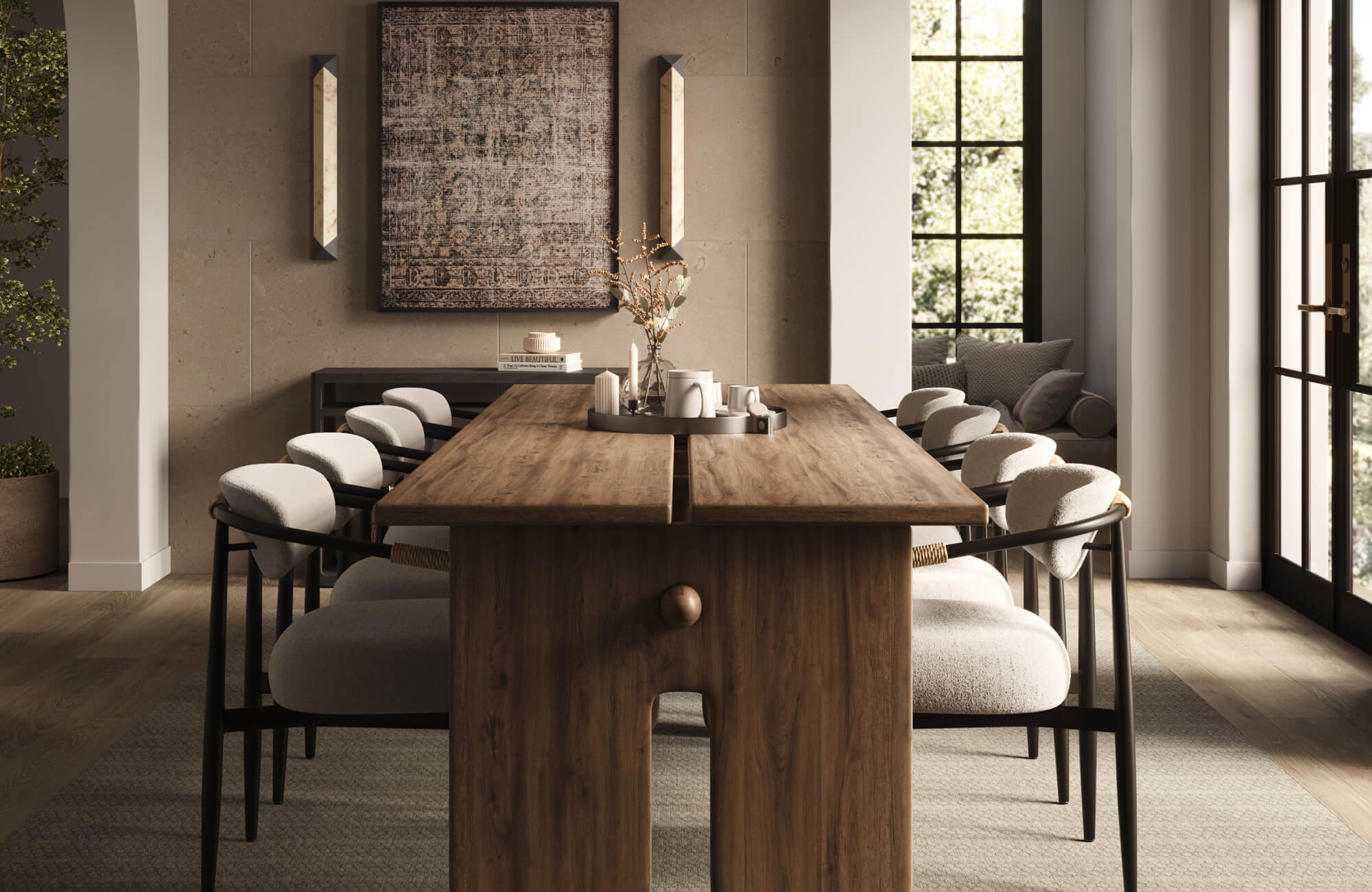
A dining room mirror has the quiet power to transform a space, shaping how light moves, how scale is perceived, and how elegance is expressed. In today’s interiors, mirrors are no longer confined to formal tradition but are reimagined through modern proportions, refined materials, and intentional placement. They now serve as architectural tools that enhance spatial efficiency while elevating the overall dining experience. From enhancing natural light to reinforcing architectural balance, a well-chosen dining room mirror contributes both beauty and performance. As dining spaces evolve to be more multifunctional and design-driven, mirrors continue to offer both aesthetic impact and practical value. Understanding its role reveals why dining room mirrors continue to be a sophisticated and functional design choice.

Design Relevance of Dining Room Mirrors in Contemporary Interiors
Dining room mirrors remain visually relevant because their design language has evolved alongside modern architecture and interior styling. Rather than acting as ornamental statements, they now function as integrated design elements that reinforce balance, proportion, and cohesion.
Modern vs. Traditional Dining Room Mirror Aesthetics
Traditional dining room mirrors emphasized ornate frames, decorative beveling, and classical symmetry, often serving as dominant focal points within formal spaces. In contrast, modern dining room mirror design prioritizes refined proportions, slim profiles, and understated detailing that allow the mirror to complement rather than command attention. This shift mirrors broader interior trends that favor visual restraint and architectural clarity over ornamentation. Materials and finishes are also intentionally selected to echo lighting fixtures, furniture bases, or cabinetry hardware, creating a layered yet cohesive look. This evolution explains why dining room mirrors continue to feel relevant and current.
Compatibility with Popular Interior Design Styles
Dining room mirrors integrate seamlessly with a wide range of interior design styles, including modern farmhouse, Scandinavian, mid-century modern, and contemporary luxury spaces. Edward Martin’s Esmeralda Round Mirror in Polished Brass exemplifies this versatility, as displayed in the picture above, where its softly rounded silhouette and warm metallic finish complement rich wood tones and textured wall treatments. The polished brass frame introduces a refined accent that aligns effortlessly with warm lighting, dark cabinetry, and natural materials. Its circular form also softens linear furniture and architectural edges, making it particularly effective in modern and transitional dining interiors. Rather than overpowering the space, the mirror enhances cohesion by echoing other metallic details in the room. This adaptability demonstrates how a thoughtfully selected mirror can reinforce style while maintaining timeless appeal.
Role in Creating Visual Balance and Symmetry
Mirrors play a critical role in establishing visual balance within dining rooms, particularly those anchored by substantial furniture pieces. Positioned above a sideboard or credenza, a mirror stabilizes the wall composition and reinforces horizontal alignment. This anchoring effect also distributes visual weight evenly across the space, preventing the room from feeling top- or bottom-heavy. In asymmetrical layouts, mirrors can subtly restore equilibrium without enforcing strict symmetry. Their reflective surface adds dimensional depth without introducing physical clutter. This balance-driven function makes mirrors essential in both formal and casual dining environments.

Spatial and Optical Benefits That Sustain Popularity
Dining room mirrors remain in demand because they deliver tangible performance benefits that extend beyond visual appeal. Their ability to enhance light distribution and spatial perception aligns closely with modern space-planning needs.
Light Amplification and Reflectance Performance
Dining room mirrors significantly enhance ambient illumination by reflecting both natural and artificial light throughout the space. This reflective behavior increases perceived brightness without requiring additional fixtures, supporting energy-efficient interior design strategies. When placed opposite or adjacent to windows, mirrors pull daylight deeper into the dining area, reducing reliance on overhead lighting during daytime hours. Reflections from chandeliers, pendant lights, or wall sconces also help distribute light evenly across surfaces. This balanced illumination reduces harsh shadows and improves visual comfort. Over time, optimized lighting performance enhances the overall dining experience and functionality.
Visual Expansion and Depth Enhancement
Mirrors create the illusion of additional square footage by visually extending wall planes and deepening sightlines within the dining room. This effect is particularly valuable in narrow dining rooms, apartments, or homes with limited square footage. By reflecting adjacent rooms, architectural details, or outdoor views, mirrors visually connect spaces within open-concept layouts. This connection enhances flow and reduces the sense of enclosure. The dining area feels more expansive, open, and inviting. Such perceptual depth continues to be one of the most compelling reasons mirrors remain in style.
Perceived Ceiling Height and Proportional Control
Mirror orientation plays a strategic role in shaping how proportions are perceived within a dining space. For instance, vertically oriented mirrors draw the eye upward, subtly increasing perceived ceiling height and reducing visual compression. This technique is also especially effective in dining rooms with standard or lower ceilings. Horizontally oriented mirrors, on the other hand, emphasize width and reinforce lateral balance. Designers often use mirrors to correct architectural imbalances without structural changes. This proportional control enhances comfort and spatial harmony.

Material Innovation and Frame Design Trends
Advancements in materials and fabrication have elevated dining room mirrors into refined architectural features. These innovations directly influence both durability and contemporary appeal.
Contemporary Frame Materials and Durability
Modern dining room mirrors commonly feature frames crafted from powder-coated steel, brushed brass, solid hardwood, or engineered composites, all chosen for their structural integrity and longevity. As shown in the photo above, the Shirley Large Mirror in Antique Brass Iron reflects this material-forward approach through its iron construction, which provides exceptional durability while maintaining a refined, design-driven presence. Its antique brass finish also adds depth and warmth, offering a more nuanced alternative to high-polish metals while still coordinating seamlessly with contemporary lighting and hardware. Moreover, the substantial iron frame lends architectural weight, making it especially suitable for larger dining rooms or expansive wall planes where scale and presence matter. At the same time, its clean-lined profile prevents the mirror from feeling heavy or overly traditional. This balance of strength, finish, and proportion demonstrates how modern frame materials elevate both performance and aesthetic longevity.
Trending Finishes and Surface Treatments
Finish selection plays a critical role in ensuring a dining room mirror feels current rather than dated. Contemporary spaces often favor finishes such as matte black, satin brass, antique bronze, and natural wood tones, which pair easily with today’s lighting fixtures, cabinetry hardware, and furniture accents. Low-sheen surfaces also help reduce glare while creating a calmer, more controlled visual environment, while subtle patina introduces depth and character without veering into a distressed or overly rustic look. Together, these thoughtful surface treatments support material cohesion and contribute to lasting visual appeal.
Glass Quality and Fabrication Techniques
Advancements in glass technology have significantly improved mirror clarity, precision, and long-term performance. High-quality glass reduces distortion, which is especially important for large-format dining room mirrors. Precision cutting also creates clean lines and accurate proportions that align seamlessly with surrounding architectural elements. Moreover, refined edge polishing and restrained beveling add subtle sophistication without introducing unnecessary ornamentation. These fabrication improvements are particularly essential for frameless and thin-profile mirrors, where material quality is fully on display. Together, superior glass and precise fabrication strengthen the mirror’s architectural presence and visual refinement.

Strategic Placement and Proportion in Dining Rooms
The success of a dining room mirror depends on thoughtful consideration of scale, placement, and alignment. These technical factors determine whether the mirror enhances or disrupts the overall design.
Relationship to Dining Furniture and Wall Space
Dining room mirrors should align proportionally with surrounding furniture, such as sideboards, buffets, or dining tables, to create visual continuity along the wall. When the mirror’s width relates directly to the piece below, it feels grounded rather than visually detached. Scale then becomes the defining factor: oversized mirrors anchor expansive wall surfaces, while smaller mirrors rely on architectural context like paneling or trim to feel intentional. Allowing adequate negative space around the mirror also prevents the wall from feeling crowded, particularly in compact dining rooms. Thoughtful proportioning keeps the mirror cohesive, balanced, and well integrated within the space.
Mounting Height and Sightline Management
Mounting height directly affects how a dining room mirror is perceived and experienced during everyday use. Proper placement avoids awkward reflections of ceilings, vents, or upper cabinetry that can disrupt visual flow. Designers typically align mirrors with eye level when standing or reference architectural datum lines such as chair rails and millwork. This alignment also helps create continuity across wall elements and enhances spatial order. In addition, consistent sightlines improve comfort for both seated diners and standing occupants. Thoughtful height placement contributes to a refined, professionally designed finish.
Reflection Control and Visual Clarity
Effective mirror placement considers not just the wall, but what the mirror reflects within the dining space. Ideally, it captures light sources, artwork, greenery, or architectural details that enhance the room’s character. At the same time, poorly positioned mirrors can amplify clutter, busy areas, or harsh glare. Designers also often adjust angles or reposition mirrors slightly to manage reflections, creating depth while maintaining calm and visual clarity. Thoughtful reflection control ensures the mirror elevates the dining room experience, preserving elegance and harmony.

Dining Room Mirrors in Emerging Design Directions
As dining rooms evolve toward flexible, lifestyle-driven spaces, mirrors continue to adapt seamlessly. Their versatility allows them to remain relevant across both current and emerging interior design trends.
Organic Shapes and Softened Geometry
Curved, arched, and irregular mirrors reflect the growing influence of organic modern design and biophilic interiors. These softened forms counterbalance rigid architectural lines and rectilinear dining furniture. At the same time, rounded geometry introduces fluidity and visual warmth, creating a more relaxed yet refined atmosphere. This approach works particularly well in dining rooms that emphasize natural light and tactile materials. Organic shapes also help soften acoustics by visually breaking up hard surfaces. Their increasing popularity underscores the contemporary appeal of dining room mirrors.
Integration into Open-Concept Dining Areas
In open-plan dining rooms, mirrors help enhance visual connectivity between adjacent spaces. By reflecting living or kitchen areas, they reinforce spatial continuity and reduce visual fragmentation, creating a cohesive interior narrative across shared zones. This sense of openness also supports better circulation and encourages social interaction during gatherings. Additionally, mirrors can balance large, uninterrupted wall expanses often found in open-concept layouts. Their integrative role remains a key element in contemporary residential design.
Long-Term Value and Design Longevity
Dining room mirrors offer enduring value due to their functional versatility and stylistic neutrality. Their benefits extend well beyond short-term design trends, making them a dependable design investment. Balanced proportions and neutral finishes also allow mirrors to adapt as décor, furniture, or lighting evolves. They can be repositioned or reframed to suit future updates without losing relevance. This adaptability supports sustainable design practices by reducing the need for frequent replacements. Their sustained utility confirms dining room mirrors remain firmly in style.
Timeless Appeal of Dining Room Mirrors
A dining room mirror continues to be a refined design element that seamlessly blends beauty with function. Its ability to enhance light, expand spatial perception, and reinforce architectural balance ensures lasting relevance. Through thoughtful material selection and strategic placement, mirrors integrate effortlessly into modern dining room design. Their adaptability allows them to evolve alongside changing interior trends. Beyond aesthetics, dining room mirrors contribute to spatial efficiency and visual harmony, making them a practical solution for both compact and expansive interiors. When executed with intention, they elevate the dining environment by adding depth, sophistication, and architectural clarity.
At Edward Martin, our design experts help translate these principles into beautifully curated dining spaces tailored to your home. From selecting the ideal mirror style to coordinating materials, finishes, and layout, our team ensures every detail works in harmony with your overall design vision. Contact us today to explore personalized design services and create a dining room that feels both timeless and thoughtfully refined!