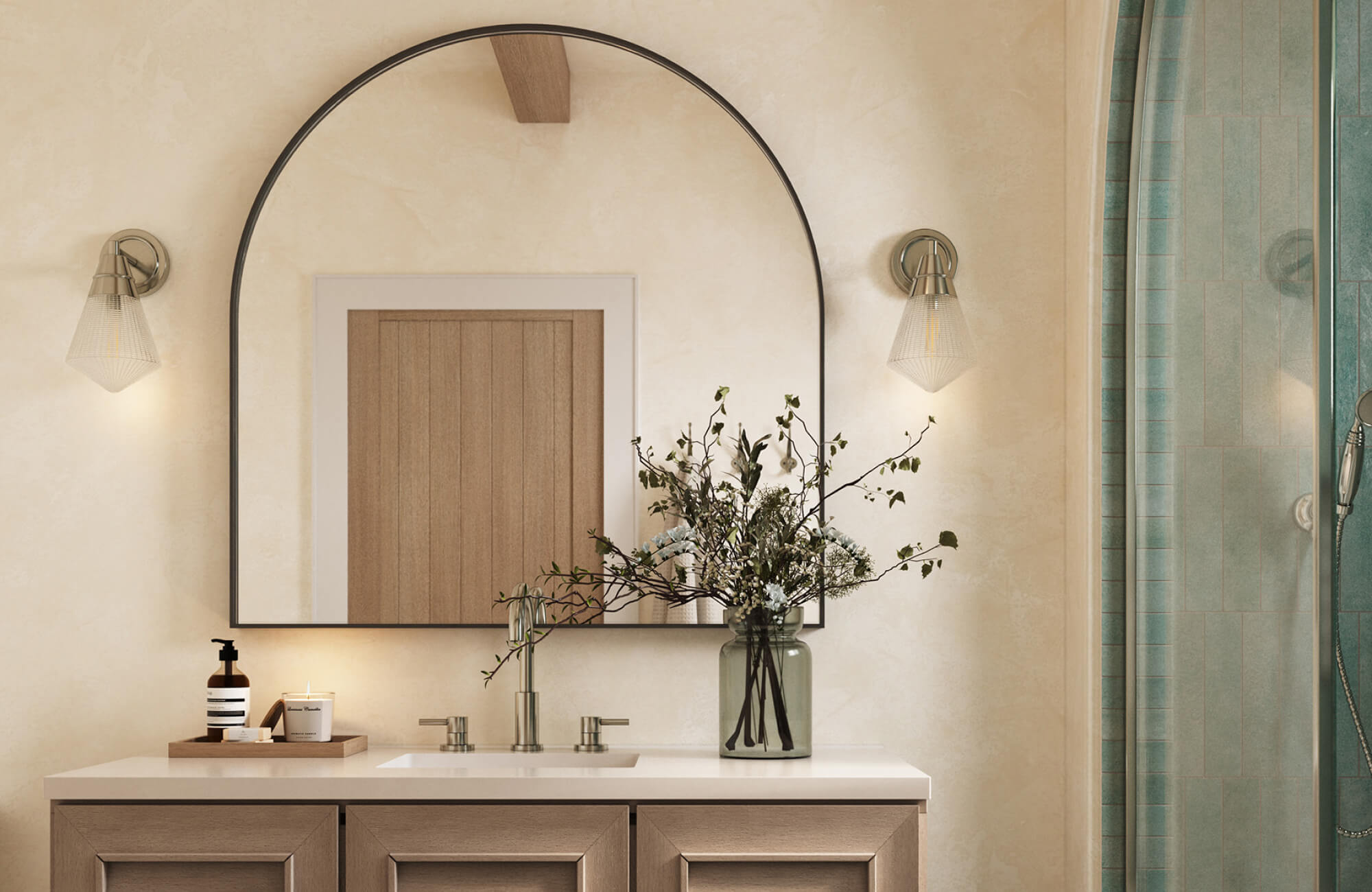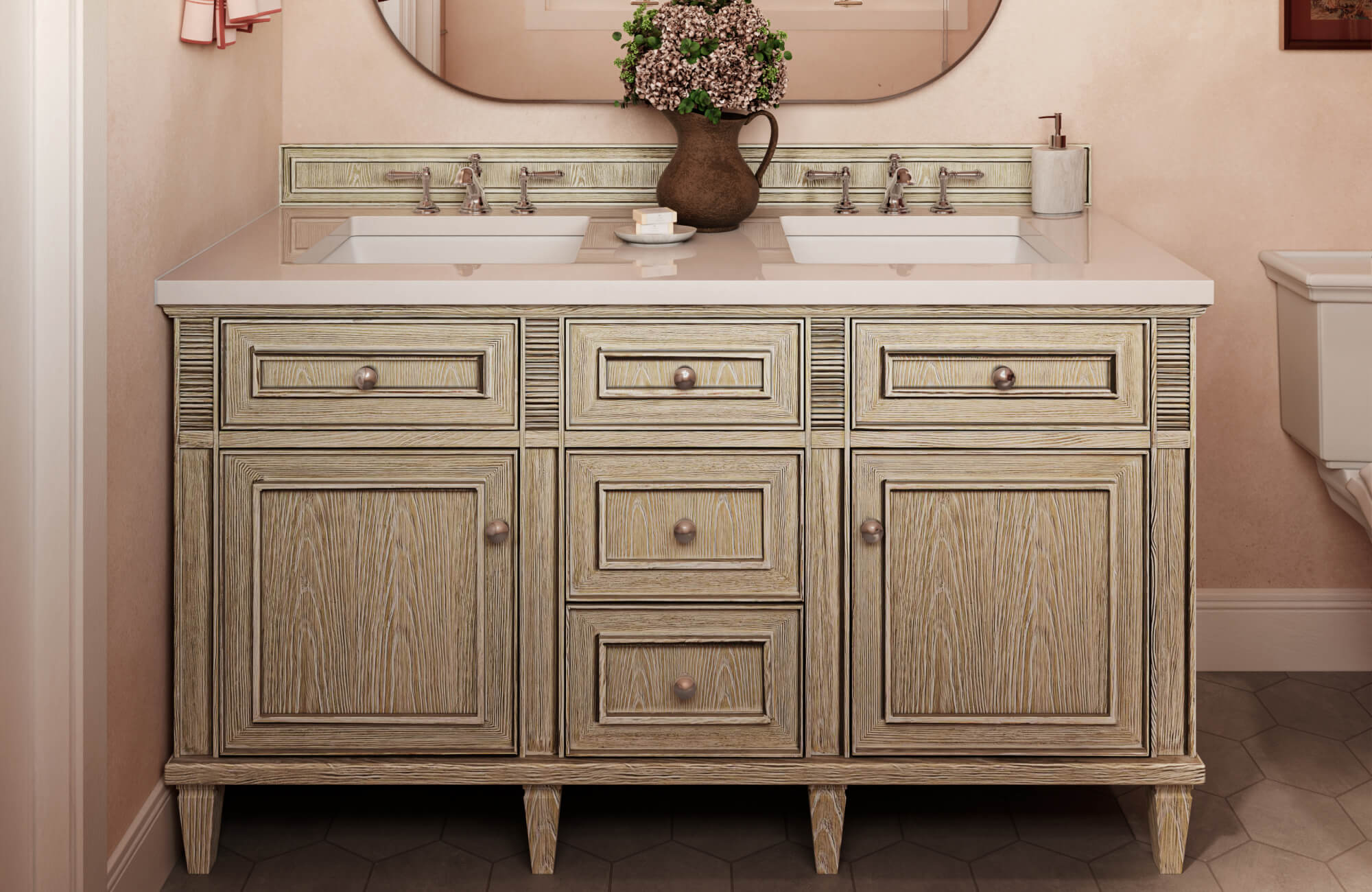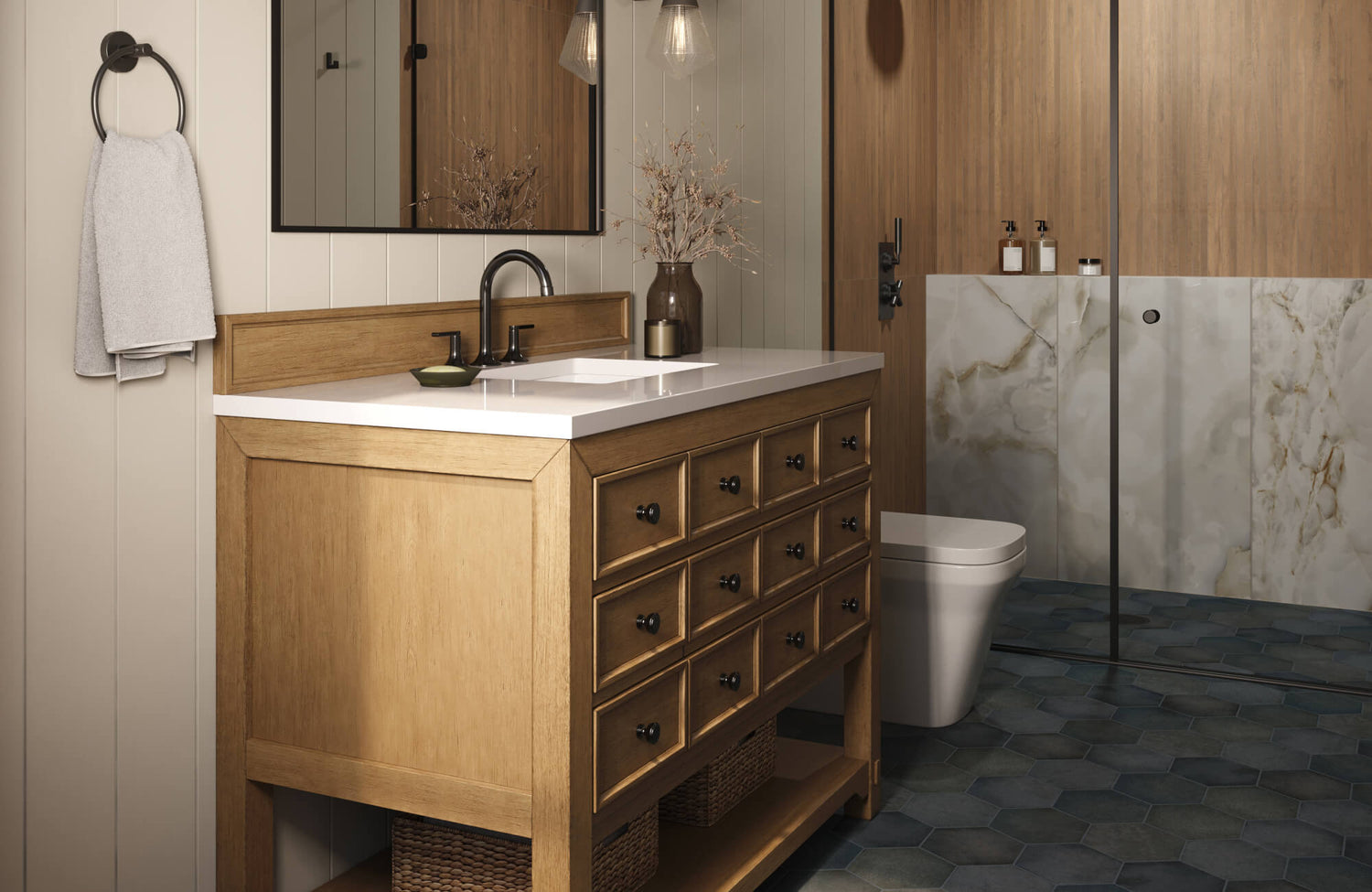
In the refined world of bathroom design, proportion is as influential as material or finish, shaping how a space feels long before it is used. A 48 inch vanity, often admired for its generous surface area and storage potential, sits at a delicate intersection between luxury and spatial restraint when introduced into a small bathroom. Whether it enhances elegance or disrupts flow depends on thoughtful planning, ergonomic precision, and visual balance. From floating installations to dark statement finishes, design choices dramatically affect how this vanity size performs in compact environments. Exploring these nuances reveals when a 48 inch vanity becomes a seamless extension of the space rather than an overwhelming presence.

Spatial Definitions and Dimensional Thresholds
Small bathrooms function within narrow dimensional margins, where every inch influences circulation and usability. Understanding how a 48 inch vanity occupies wall space and interacts with required clearances is essential before considering style or configuration.
Bathroom Size Classifications and Wall Utilization
Small bathrooms typically range from 25 to 40 square feet, which naturally restricts how fixtures can be distributed without creating congestion. Within these dimensions, a 48 inch single vanity often spans a large portion of one wall, making its proportional relationship to wall length more important than the room’s total square footage. When the vanity aligns with a longer uninterrupted wall, it also establishes a strong horizontal presence without visually overpowering the space. This alignment allows the eye to move smoothly across the room, reducing the sense of compression often associated with compact bathrooms. As a result, the vanity feels integrated rather than imposed. Proper wall utilization, therefore, transforms width into a controlled design element rather than an excess.
Fixture Clearances and Building Code Requirements
Fixture clearances play a critical role in determining whether a 48 inch vanity can function comfortably within a small bathroom. Most residential building codes require a minimum of 21 inches of clear floor space in front of the vanity, along with at least 15 inches from the fixture centerline to any adjacent wall or obstruction. Introducing a wider vanity does not eliminate these requirements; instead, all clearances must be preserved to maintain both comfort and code compliance. When a vanity encroaches on circulation zones, the bathroom can quickly feel tight and inefficient. In many cases, reduced-depth cabinetry also offers a practical solution, allowing the vanity to retain its width while protecting essential clearances. This approach ensures that spatial compliance and everyday usability work together rather than against each other.
Door Swing, Circulation, and Spatial Flow
Door swing is often underestimated, yet it plays a defining role in how comfortably a wider vanity performs. For instance, inward-swinging doors can intersect with the vanity edge, compressing circulation and disrupting movement. By contrast, pocket doors or outward-swinging doors immediately restore spatial fluidity. This uninterrupted flow also allows the vanity to coexist harmoniously with surrounding fixtures. Over time, consistent ease of movement significantly improves the bathroom’s usability. Circulation, rather than size alone, often determines whether the vanity feels too large.

Ergonomics and Daily Functional Performance
Beyond spatial fit, a vanity must support intuitive and comfortable daily routines. Ergonomic performance determines whether a 48 inch vanity enhances functionality or introduces subtle friction into everyday use.
Countertop Depth and User Reach
While width establishes the visual presence of a vanity, depth ultimately defines how comfortably it performs during daily use. Standard depths of 21 to 22 inches can feel restrictive in small bathrooms, particularly when standing clearance becomes limited. By reducing depth to 18 or 20 inches, the vanity allows users to maintain a more natural posture while accessing the sink and storage. This adjustment also improves reach zones and reduces unnecessary leaning or crowding. Over time, better ergonomics translate into less physical strain during grooming tasks. As a result, depth refinement often determines whether a wider vanity feels comfortable or cumbersome.
Sink Configuration and Work Surface Efficiency
Sink configuration significantly influences how efficiently a vanity supports daily routines. A 48 inch double vanity may initially appear functional, yet in compact bathrooms, it often divides the countertop in ways that limit usable workspace. In contrast, a single-basin layout preserves a continuous surface, allowing grooming tools and personal items to be arranged with greater flexibility. This uninterrupted workspace encourages organization and reduces visual clutter. Movement along the countertop also feels more fluid, particularly during shared use. In small bathrooms, practical efficiency consistently outweighs symmetrical appeal.
Multi-User Use and Functional Zoning
When a small bathroom serves multiple users, thoughtful zoning becomes essential for maintaining both comfort and efficiency. A 48 inch single vanity offers sufficient width to separate personal items, reducing overlap and supporting smoother transitions between users. By clearly defining areas for the sink, preparation, and storage, congestion during peak routines is minimized. This level of organization allows daily tasks to proceed with fewer interruptions and delays. Over time, consistent zoning contributes to a calmer, more predictable user experience, with overall ergonomic success depending on how effectively these functional areas are established.

Layout Strategy and Design Integration
A 48 inch vanity performs best when integrated into a cohesive layout strategy rather than treated as a standalone element. Thoughtful alignment ensures the vanity supports spatial balance instead of competing with other fixtures.
Wall Selection and Visual Balance
Selecting the appropriate wall for a 48 inch vanity plays a key role in establishing visual balance within a small bathroom. Placing the vanity along the longest uninterrupted wall allows it to anchor the space without visually shortening the room. This positioning also promotes a natural horizontal flow, guiding the eye across the bathroom rather than stopping abruptly at the vanity’s edges. When carefully centered, the vanity creates a stable visual datum that aligns mirrors, lighting, and upper storage into a cohesive composition. Together, these coordinated elements reinforce a sense of order and proportional harmony throughout the space. As a result, the bathroom feels intentional, composed, and visually balanced.
Floating Vanities and Perceived Space
A 48 inch floating vanity significantly reshapes spatial perception by lifting the cabinet mass off the floor, allowing sightlines to extend uninterrupted across the room. This visual openness reduces the perceived density of the vanity, making even wider designs feel lighter and more refined within compact bathrooms. Edward Martin’s Royce 48" Single Vanity in Chestnut with 3 cm White Zeus Quartz Top exemplifies this effect, as its wall-mounted construction exposes the flooring beneath while maintaining substantial storage above.
As displayed in the picture above, the open lower shelf reinforces depth and shadow play, enhancing dimensional contrast without crowding the space. The warm dark-brown finish also introduces richness, while the crisp White Zeus quartz-based top visually anchors the vanity with a clean, streamlined surface that reflects light. Together, these elements demonstrate how a thoughtfully designed floating vanity can balance generous scale with an airy, sophisticated presence perfectly suited for small bathroom layouts.
Plumbing Alignment and Construction Efficiency
Effective layout strategies often prioritize alignment with existing plumbing infrastructure to maintain construction efficiency. Positioning the vanity along a shared wet wall minimizes the need for extensive demolition while preserving the integrity of the wall cavity. A 48 inch vanity typically aligns well with standard plumbing offsets, allowing for a clean installation with minimal modification. This approach not only helps control renovation costs but also simplifies future maintenance. When construction logistics support the design intent, the renovation process becomes smoother and more predictable. Thoughtful, practical planning ensures the vanity’s scale enhances the bathroom rather than complicating it.

Storage Density and Visual Weight
One of the strongest advantages of a 48 inch vanity is its storage capacity, especially in small bathrooms with limited alternatives. However, maximizing storage must be balanced with visual restraint to maintain openness.
Internal Storage Configuration
A wider vanity naturally offers increased internal volume, which becomes especially valuable in small bathrooms where storage opportunities are often limited. This capacity is most effective when it is carefully organized to support both visibility and accessibility, rather than simply maximizing cubic space. As shown in the photo above, our Josephine 48" Single Vanity in Satin Drifted Black Veneer with Carrara Marble Top illustrates this balance through its thoughtfully arranged interior shelving. The open cabinet design and adjustable shelves also accommodate plumbing while preserving usable storage zones for folded linens, baskets, or daily essentials. By distributing storage vertically instead of relying solely on drawers, the vanity maintains flexibility without sacrificing structure. This approach demonstrates how a well-designed 48 inch vanity can deliver substantial storage while remaining orderly, efficient, and visually composed.
Cabinet Profile, Finish, and Hardware
The visual weight of a vanity is shaped not only by its size but also by the refinement of its detailing and finish. Slim cabinet profiles and flat-panel doors minimize shadow lines that would otherwise add unnecessary bulk to the composition. A 48 inch black vanity, for example, can be successfully integrated into a small bathroom when paired with matte finishes and understated hardware that avoid excessive contrast. Thoughtful lighting further softens darker tones, preventing the cabinetry from visually compressing the space. When these elements are carefully coordinated, darker finishes feel intentional and grounded rather than heavy. Design restraint ultimately allows bold choices to remain elegant and balanced.
Countertop Materials and Edge Treatments
Countertop selection plays a subtle yet influential role in how substantial a 48 inch vanity appears within a small bathroom. Thin-profile quartz or solid-surface countertops maintain a streamlined silhouette that complements compact layouts without adding visual mass. In contrast, heavy overhangs and ornate edge treatments tend to amplify bulk and disrupt proportion. Clean, squared edges also reinforce modern lines and contribute to a sense of precision and efficiency. Maintaining material continuity between the countertop and backsplash further enhances cohesion, allowing surfaces to read as a unified plane. These nuanced material decisions collectively influence whether the vanity feels refined or overpowering.

Suitability Scenarios and Design Limitations
Not every small bathroom benefits equally from a 48 inch vanity, as spatial performance varies significantly depending on architectural proportions and functional demands. Suitability depends on layout geometry, circulation patterns, and long-term functional priorities.
Bathrooms Where a 48 Inch Vanity Performs Well
Long, narrow bathrooms and moderately sized primary baths are especially well-suited for a 48 inch vanity, as their linear layouts naturally accommodate wider cabinetry without disrupting circulation. In these settings, a vanity like the Rosalie 48" Single Vanity in Amber Birch with 3 cm White Zeus Quartz Top demonstrates how generous width can enhance both storage and visual warmth.
As featured in the photo above, the balanced drawer configuration distributes storage evenly across the cabinet, supporting daily routines without creating clutter. The open lower shelf further reinforces functionality by offering accessible storage for baskets or linens while maintaining visual lightness. The yellow-orange finish also introduces a soft, organic warmth that complements compact spaces without overwhelming them. In these ideal scenarios, a thoughtfully designed 48 inch vanity becomes an organizing anchor that elevates comfort, efficiency, and overall spatial harmony.
Situations Where a Smaller Vanity Is Preferable
Ultra-compact powder rooms and tightly enclosed bathrooms present a different set of spatial priorities that often limit the practicality of a 48 inch vanity. Short wall lengths, tight turning radii, and inward-swinging doors can cause wider vanities to dominate the space both visually and functionally. In these environments, the vanity may restrict circulation, reduce comfort, and create a sense of imbalance. Smaller vanities also preserve proportional harmony by allowing negative space to play a more active role in the design. This openness supports smoother movement and a more relaxed visual experience. In such cases, downsizing leads to better spatial performance and long-term usability.
Professional Evaluation and Final Decision-Making
Choosing a 48 inch vanity isn’t just about whether it looks good in a bathroom. Designers begin by looking at the space as a whole, using scaled floor plans and circulation studies to understand how the vanity will actually function in daily life. They also consider plumbing placement, door swing, lighting, and storage needs together, because each of these elements affects the others. A properly sized vanity should support the room’s purpose and make everyday routines feel effortless. When the layout is evaluated as a complete system, potential issues become obvious before anything is installed. That’s why professional planning is essential: it helps ensure the final choice is both beautiful and practical for years to come.
A Balanced Perspective on Vanity Scale and Small Bathroom Design
A 48 inch vanity is not inherently too large for a small bathroom, yet its success depends on how intelligently it is integrated into the overall design. When paired with reduced depth, thoughtful layout planning, and ergonomic consideration, this size can deliver both luxury and efficiency. Options such as a 48 inch floating vanity further enhance openness, while careful finish selection allows even a 48 inch black vanity to feel refined rather than overpowering. Whether choosing a 48 inch single vanity or exploring a double vanity, proportion and function must guide every decision. With professional planning and a holistic approach, a 48 inch vanity can elevate a small bathroom into a space that feels composed, comfortable, and enduringly elegant.
For homeowners seeking expert guidance, Edward Martin’s design services offer tailored solutions that transform spatial challenges into refined results—contact us today to begin shaping a bathroom that balances function, proportion, and enduring style!