Arched mirrors have a way of instantly transforming a space, bringing in light, height, and a touch of architectural elegance. Their curved silhouette guides the eye upward, making ceilings feel taller, while their reflective surface brightens rooms and softens harsh lines. In this blog, we’ll explore why arched mirrors work so well, where to place them for the best effect, and how to style them as timeless design features.

Why Arched Mirrors Work in Interior Design
Arched mirrors hold a unique place in interior design because they combine function with form in a way few other décor pieces can. They alter perception, guide light, and introduce softness, making them versatile tools for transforming how a space feels.
Creating the Illusion of Height
One of the most notable effects of an arched mirror is how it draws the eye upward, creating the sense of taller walls and more expansive ceilings. The gentle curve at the top directs visual lines vertically, making even modest rooms feel grander. This architectural influence is especially useful in spaces that lack natural height, such as apartments or low-ceiling homes. By visually extending the room, arched mirrors shift proportions in a subtle but impactful way. They become design tools that make a space feel larger without structural changes.
Amplifying Natural and Artificial Light
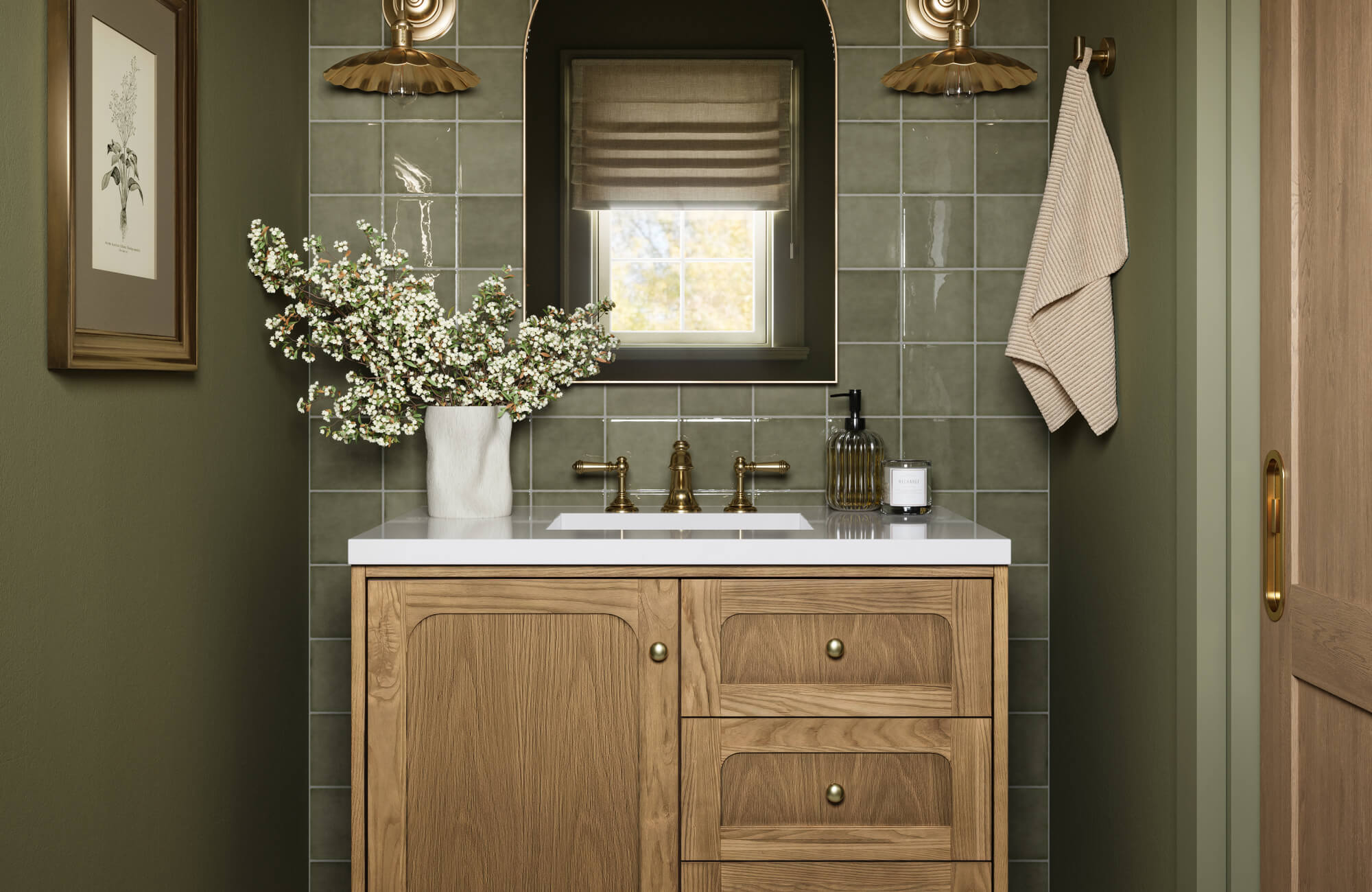
Arched mirrors, as you can see above with our Esmeralda Small Mirror in Polished Brass, also excel at working with light to brighten interiors. Their wide reflective surface catches sunlight during the day and bounces it deeper into a room, reducing dark corners. At night, they enhance the glow of lamps and overhead fixtures, creating a layered lighting effect. This makes them effective for both open-plan spaces and compact rooms that benefit from added brightness. By amplifying light, they help create an atmosphere that feels open, airy, and welcoming.
Softening Harsh Lines With Curves
Modern interiors often rely on clean, straight lines that can feel rigid without softer elements to balance them. Arched mirrors introduce gentle curves that break up these angles, adding warmth and approachability to the overall design. The rounded top naturally softens the visual weight of sharp-edged furniture, cabinetry, or architectural features. This balance makes a room feel less severe and more harmonious. In both minimalist and traditional settings, the curve of an arched mirror provides a subtle, calming counterpoint to harder lines.

Best Placement Ideas for Arched Mirrors
Where you position an arched mirror makes all the difference in how it transforms a space. The right spot can emphasize proportions, improve flow, and bring new energy into a room. Below are some of the most effective placement ideas that show how versatile arched mirrors can be.
Above a Console or Sideboard
Placing an arched mirror above a console or sideboard instantly adds height and creates a polished focal point in entryways or dining rooms. The upward curve draws attention to the vignette below, making the furniture feel more substantial and grounded. It also reflects surrounding details like lamps, greenery, or table décor, which helps elevate the entire display. This placement balances practicality with design impact, offering both style and a sense of openness. It’s a classic location that highlights the mirror’s ability to anchor a wall.
Behind a Sofa or Bed
Positioning an arched mirror behind a sofa or bed adds architectural presence to large furniture pieces. The mirror visually extends the height of the headboard or sofa back, giving the room a more vertical flow. It also reflects surrounding textures and colors, tying together bedding, upholstery, or accent pillows into a cohesive backdrop. For bedrooms in particular, this setup adds drama without overwhelming the space. Behind a sofa, it helps define the living area and create visual depth in open layouts.
In Narrow Hallways or Entryways
Hallways and entryways often feel cramped, but an arched mirror can change that by adding depth and movement. Its reflective surface creates the impression of extended space, making tight corridors feel wider and more inviting. The curved top also softens the linear nature of hallways, easing the visual monotony of long walls. This placement not only improves spatial perception but also ensures that these transitional areas are considered in the overall design. This results in a more open and welcoming first impression.
Above a Fireplace or Mantel
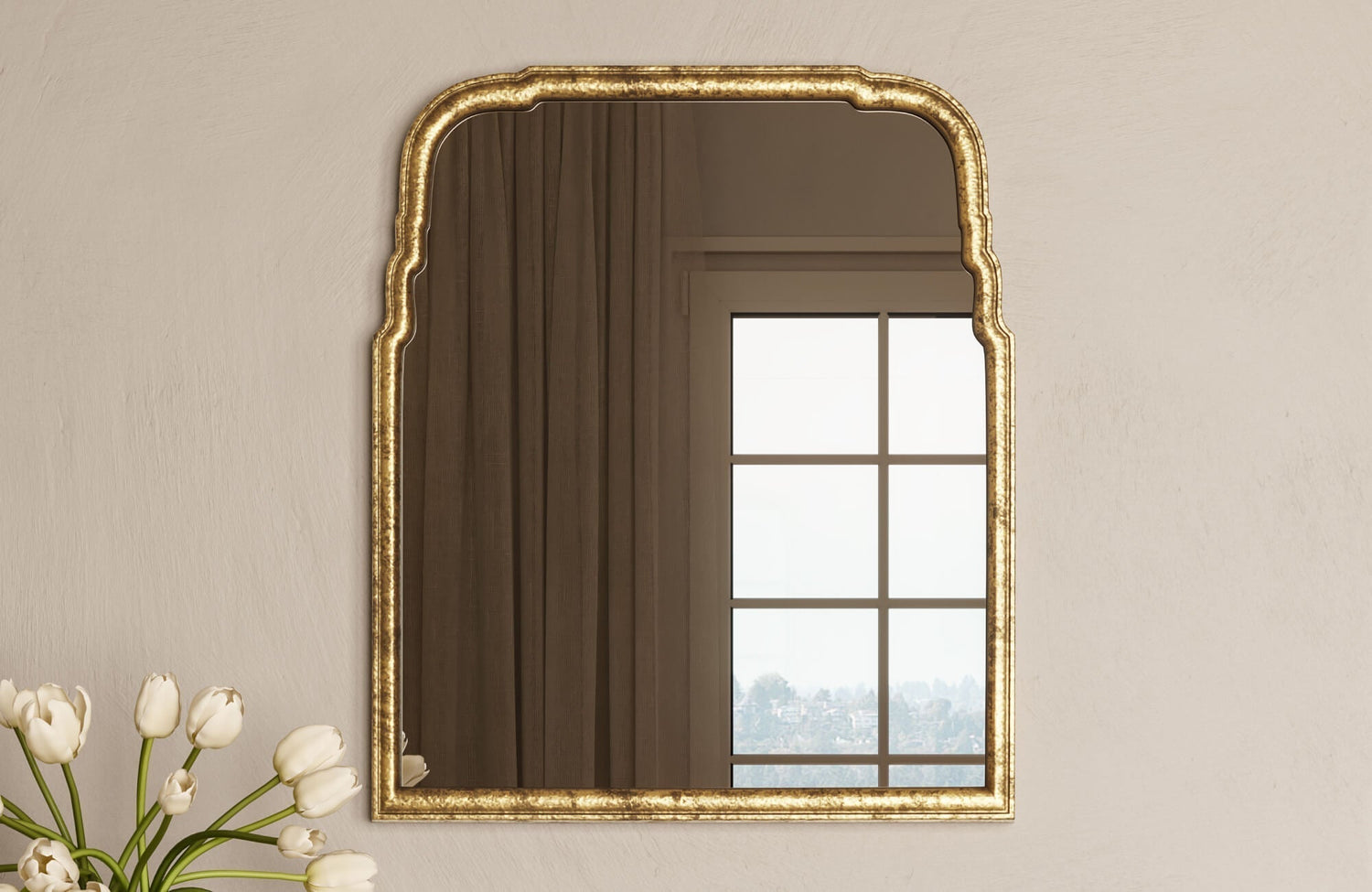
An arched mirror above a fireplace or mantel, like our Raelynn Mantel Mirror in Polished Brass above, creates a striking focal point that naturally draws the eye upward. The curve enhances the vertical line of the chimney breast, giving the fireplace more presence within the room. It also reflects both light and movement, helping the hearth feel more integrated into daily life. This placement can transform the fireplace wall into a balanced mix of architectural and decorative elements. In both modern and traditional homes, it’s a timeless way to frame the heart of the living space.

Styling Arched Mirrors for Maximum Impact
Styling choices can determine whether an arched mirror becomes a striking centerpiece or a subtle accent. From frame materials to how it’s paired with other décor, the details shape the overall impression. Below are ways to style arched mirrors so they enhance your interior design.
Choosing the Right Frame (Metal, Wood, Minimalist)
The frame of an arched mirror sets the tone for its impact in a room. Metal frames, for instance, give off a sleek and modern vibe, while wood frames introduce warmth and a natural touch. Minimalist frameless options allow the mirror’s shape to speak for itself, blending seamlessly into clean, contemporary spaces. Each choice guides how the mirror interacts with surrounding furniture and décor.
Frames can also be used to echo other elements in the room for cohesion. A brushed brass frame might tie into light fixtures, while a whitewashed wood frame connects to rustic or coastal interiors. Choosing carefully ensures the mirror feels like part of the larger design story rather than an isolated accent. This kind of harmony elevates the entire space, making the mirror a polished design feature.
Pairing With Lighting Fixtures
Arched mirrors styled with nearby lighting create layers of interest that feel intentional. Placing sconces on either side highlights the curve of the mirror and frames it beautifully. Pendant lights above or a table lamp nearby can also cast a warm glow that enhances the mirror’s reflective surface. Together, they create a sense of balance and sophistication.
Lighting also allows you to adjust the mood of the space around the mirror. For example, soft ambient lighting can make the setup feel cozy, while brighter, directional lighting emphasizes drama and detail. By pairing light with reflection, the mirror shifts from a passive element to an active design feature. This approach blends utility with style in a seamless way.
Mixing With Artwork or Gallery Walls
Integrating an arched mirror into a gallery wall creates contrast that adds depth and variety. The curved outline breaks up the uniformity of framed artwork, keeping the display dynamic. It can act as a focal point among prints and photos, reflecting parts of the collection while standing out on its own. This combination gives the wall character without feeling cluttered.
Arched mirrors also work well as a companion piece to large-scale artwork. Pairing a mirror with one or two bold art prints creates balance between reflection and imagery. The mix introduces dimension, making the wall feel layered and thoughtfully composed. In this way, mirrors become part of the art display instead of just décor on the side.

Arched Mirrors in Different Room Settings
Arched mirrors adapt easily to a variety of spaces, bringing unique advantages to each. Whether the goal is to create a sense of openness, add elegance, or highlight focal points, their versatility makes them a valuable design element. Below are examples of how they work in different room settings.
Living Rooms and Open Spaces
In living rooms and open layouts, arched mirrors help anchor large walls while keeping the space bright and inviting. Their reflective surface enhances natural light, which is especially useful in expansive areas that might otherwise feel flat or underwhelming. Placed above a sideboard or behind a sofa, they add vertical balance to broad, horizontal furniture. The curve also introduces softness into rooms dominated by straight architectural lines, creating a more approachable atmosphere. For example, a tall arched mirror in an open-plan space can make the room feel both cohesive and visually dynamic.
Bedrooms and Dressing Areas
Arched mirrors in bedrooms or dressing spaces add both style and functionality. Positioned near wardrobes or dressers, they serve as elegant full-length options while also elevating the room’s design. The curve complements softer textiles like bedding or curtains, tying together the atmosphere with a calming effect. They also make smaller bedrooms appear more spacious by reflecting light and depth in subtle ways. As a result, these mirrors are a natural choice for personal areas where comfort and practicality matter equally.
Bathrooms and Vanity Walls
In bathrooms, arched mirrors are especially impactful when placed above vanities, as seen above with our Esmeralda Wide Mirror in Polished Brass. Their shape softens the often rigid geometry of tiles, cabinetry, and counters, creating a balanced look. The arch draws attention upward, making ceilings feel taller even in compact bathrooms. Reflected light from sconces or overhead fixtures further enhances brightness, which is both practical and inviting. For instance, an arched mirror above a vanity can transform an everyday wall into a striking yet functional centerpiece.
Dining Rooms or Small Apartments
Dining rooms and smaller apartments benefit greatly from the depth that arched mirrors provide. When placed opposite a dining table or window, they reflect light and extend the sense of space. This makes compact rooms feel less confined and more inviting for gatherings or daily use. The arched shape also adds an elegant note, elevating even simple layouts with a touch of sophistication. In small apartments, especially, they work as design tools that maximize space while adding refined character.

Practical Tips for Choosing the Right Arched Mirror
Beyond style, choosing the right arched mirror comes down to practical details that ensure it feels integrated into the space. Factors like size, proportion, and safety all play a role in how well the mirror performs day to day. Below are some key considerations to guide a confident decision.
Size and Scale in Relation to the Room
The size of your arched mirror should complement the dimensions of the room rather than overwhelm it. A large mirror works beautifully in spacious areas where it can make a bold statement, while smaller rooms often benefit from more modest designs. For example, a tall mirror can elongate a wall in a living room, but in a compact hallway, a slimmer version feels more balanced. Scale is also important to avoid creating an unintentional sense of clutter or imbalance. Choosing the right size ensures the mirror enhances the room without dominating it.
Proportion to Furniture and Ceilings
Arched mirrors look their best when aligned proportionally with surrounding furniture and architectural features. For instance, a mirror placed above a console should not extend too far beyond the width of the table, as this disrupts balance. High ceilings may call for taller mirrors that accentuate vertical space, while standard ceilings often pair better with medium heights. Considering the relationship between the mirror and nearby furniture makes the design feel intentional rather than random. This proportional harmony ensures the mirror elevates the room while fitting seamlessly with its context.
Safety and Installation Considerations
Safety and installation are just as crucial as appearance when selecting an arched mirror. Larger mirrors often require secure wall anchoring, especially in busy areas like hallways or living rooms. It’s also important to check the weight of the mirror to ensure the wall and mounting hardware can support it safely. In bathrooms or bedrooms, tempered glass or safety film can add an extra layer of protection. By addressing installation and safety upfront, you create a mirror setup that is both stylish and dependable.
Bringing Height and Light Into Your Home
Few design elements balance beauty and function as effortlessly as an arched mirror. By drawing the eye upward, reflecting natural and artificial light, and softening sharp lines, these mirrors bring dimension and warmth to any room. Whether used to anchor a fireplace wall, brighten a hallway, or frame a bathroom vanity, they adapt to different settings with ease. Their timeless appeal lies in the way they subtly transform a space without overwhelming it.
If you’re unsure how to incorporate an arched mirror into your design, our Edward Martin design consultation can help you find the perfect solution. We’ll guide you through choosing the right size, placement, and style so your mirror not only fits the room but also enhances it beautifully. With thoughtful planning, you can use arched mirrors and other timeless design details to bring lasting light, height, and harmony into your home.