



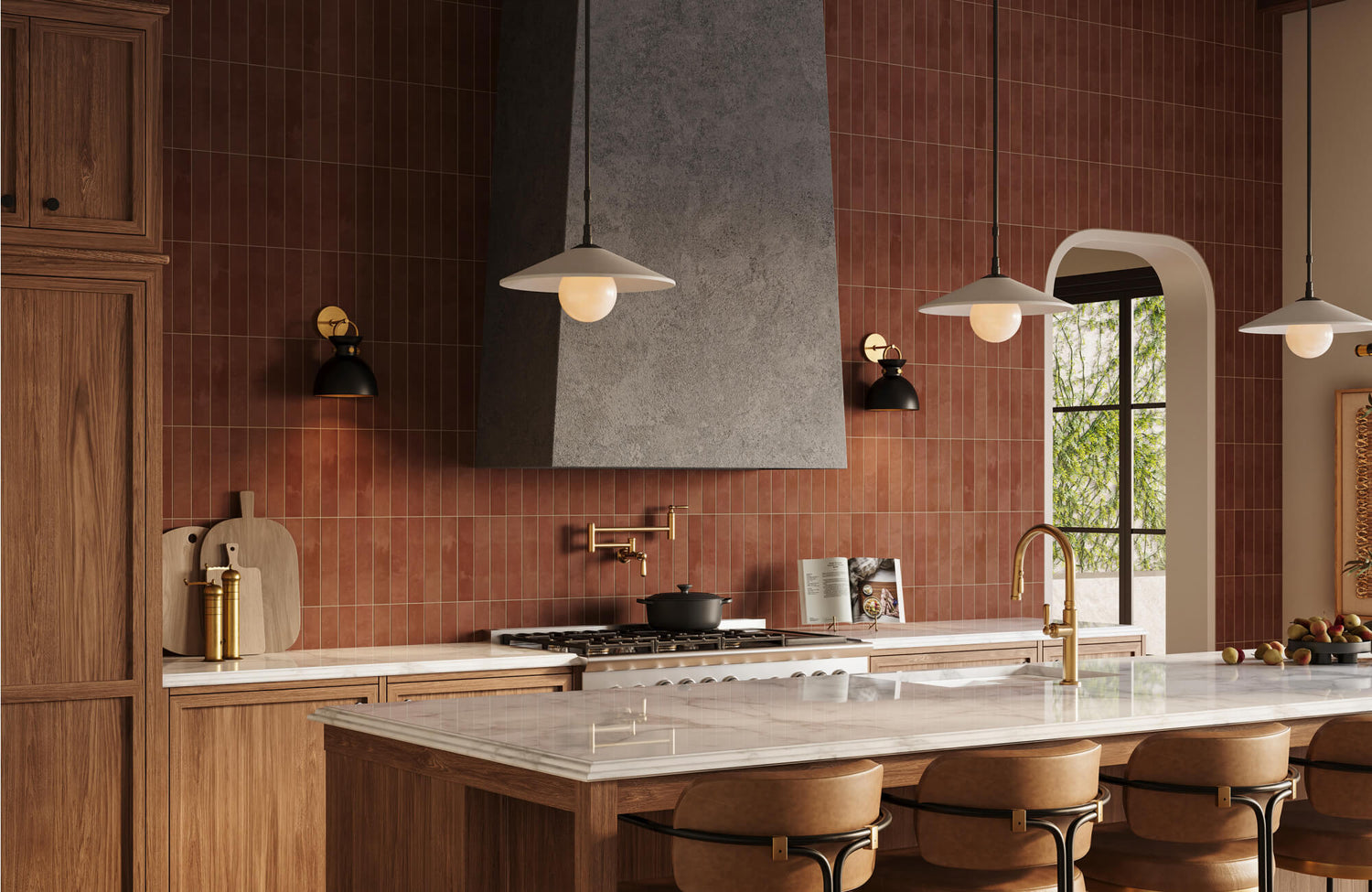
Earth toned subway tiles bring warmth, and depth to rustic interiors, blending natural hues with classic design. Their versatility allows them to enhance a variety of rustic aesthetics, from farmhouse-inspired kitchens to lodge-style bathrooms. With finishes ranging from matte to handcrafted textures, these tiles offer a balance of durability and character.
Styling earth toned subway tiles effectively requires a thoughtful approach to color coordination, layout patterns, and complementary materials. The right grout selection, fixture pairings, and surrounding elements can also elevate their rustic charm, ensuring a cohesive space. Whether used as a backsplash, feature wall, or fireplace surround, these tiles provide a foundation for having an authentic rustic home with enduring appeal.

The Appeal Of Earth Tones For Rustic Design
Earth tones offer a natural, grounded aesthetic that evokes comfort. To fully appreciate their impact, it is important to explore their historical significance, color psychology, adaptability to rustic settings, and how they interact with light and texture.
Historical And Cultural Significance
Earth tones have long been associated with traditional architecture, where natural materials such as clay, stone, and wood dictated the color palette. Rustic design, which draws inspiration from rural homes, cabins, and farmhouses, has historically relied on warm, organic hues that reflect the surrounding landscape.
The use of earth tones in subway tiles aligns with this tradition, ensuring authenticity in rustic interiors. From terracotta-inspired browns to weathered greys, these hues echo the materials used in early rustic structures, reinforcing a connection to nature.
Various cultures have also embraced earth toned aesthetics in their architecture and interior design. Southwestern adobe homes, for example, incorporate deep reds and ochres, while European countryside cottages favor soft browns and warm creams. These color choices are rooted in the availability of natural pigments and materials, shaping the rustic design principles we see today.
The Psychology Of Earth Tones
Earth tones evoke warmth and stability, making them ideal for rustic homes designed to feel inviting and cozy. These shades have a grounding effect, reducing visual harshness and fostering a sense of relaxation. When applied to subway tiles, these colors soften hard surfaces, making spaces feel more welcoming.
Rustic design also emphasizes harmony with the natural world, and earth tones reinforce this connection by mimicking the hues found in soil, stone, and aged wood. This organic quality makes interiors feel more balanced and integrated with outdoor surroundings. Using subway tiles in earthy shades allows you to introduce a natural element into your spaces, complementing other rustic materials like reclaimed wood beams, stone countertops, or wrought iron fixtures.
Unlike trendy color schemes that may feel outdated over time, earth tones have a lasting appeal due to their neutrality and adaptability. Their muted, organic quality allows them to blend with evolving trends, ensuring that the space remains visually appealing for years without frequent updates.
The Role Of Light
Earth tones interact uniquely with different lighting conditions, appearing richer and warmer in natural sunlight while taking on a more muted tone under artificial lighting. The direction and intensity of light sources can enhance or subdue certain hues, affecting the overall ambiance. When selecting earth toned subway tiles, it’s also important to consider the room’s lighting to ensure the colors achieve the desired effect. North-facing rooms may benefit from warmer hues, while south-facing spaces can accommodate a broader range of tones.

Choosing The Right Earth Toned Subway Tiles
Selecting the perfect earth-toned subway tiles for a rustic home goes beyond simply choosing a color. Elements like material, finish, size, and pattern variations all play a role in achieving a well-balanced aesthetic that complements the surrounding design.
Understanding Earth Tones In Tile Selection - H3
Earth tones have a broad spectrum, ranging from warm hues like terracotta, sand, and caramel to cooler shades such as slate, taupe, and olive. The distinction between warm and cool earth tones affects how a space feels and interacts with lighting. Choosing between warm and cool earth tones also ensures that the subway tiles enhance the overall ambiance rather than clash with existing materials.
| Warm Earth Tones | Cool Earth Tones |
|---|---|
| These shades create a cozy atmosphere, ideal for farmhouse or lodge-style rustic interiors. They pair well with wood elements and traditional decor. | Muted shades like gray-brown or moss green lend a more sophisticated rustic appeal. They complement stone surfaces and industrial-inspired elements. |
Undertones, on the other hand, refer to the subtle hues beneath the primary tile color, influencing how it appears under different lighting conditions. For example, beige tiles may have pink, yellow, or gray undertones, which can affect how they interact with cabinetry and flooring. Recognizing these undertones helps prevent color mismatches and ensures a cohesive design. Testing tile samples in the actual space under both natural and artificial light is the best way to confirm they complement other rustic design elements.
Exploring Material Options
Having the right tile material is essential for balancing durability with aesthetics in a rustic space. Different materials offer unique textures, finishes, and performance qualities that influence both the visual impact and longevity.
Ceramic vs. Porcelain
Ceramic and porcelain subway tiles differ in composition and performance, impacting their suitability for various rustic applications. First, ceramic subway tiles are made from natural clay and fired at lower temperatures, they are slightly more porous, making them a great choice for walls and low-use areas. Their handcrafted appeal also aligns well with rustic aesthetics.
Porcelain subway tiles, on the other hand, are denser and more moisture-resistant due to their high-temperature firing process. They are ideal for busy areas such as kitchen backsplash and bathroom walls, offering enhanced durability while maintaining an earthy, organic look.
As shown in the photo above, Edward Martin’s Graham 3x6 Glossy Ceramic Tile in Clay is a perfect example of how earthy subway tiles can elevate a bathroom. Its rich clay hue brings a grounded, nature-inspired feel, while the glossy finish subtly reflects light, adding dimension to the space. When paired with brass fixtures and light wood cabinetry, this tile blends into a modern rustic setting, proving that even glossy subway tiles can enhance the organic appeal of a bathroom.
For a more dramatic take on subway tiles, Edward Martin’s Harley 3x12 Polished Porcelain Tile in Graphite provides a deep, moody contrast. Its polished finish adds a refined touch, while the elongated format enhances visual depth, making it an excellent choice for statement backsplashes, shower walls, or feature areas.
Natural Stone
For those seeking a truly natural look, subway tiles made from natural stone such as travertine, limestone, or slate provide unparalleled texture and depth. Travertine features natural pits and veins, adding a weathered, rustic feel. Limestone, on the other hand, offers a smooth, matte finish with subtle variations for understated elegance. Meanwhile, slate provides a rugged, textured surface with deep, earthy tones. Remember, stone subway tiles also require sealing to prevent moisture absorption and staining.
Finishes and Textures
The finish of subway tiles impacts their rustic contribution, influencing texture, light reflection, and overall ambiance. Selecting the right finish ensures the tiles complement natural materials while enhancing the warmth and authenticity of the space.
Matte vs. Glossy Finishes
The choice of finish helps in how tiles enhance the rustic aesthetic. A matte finish minimizes glare, highlights texture, and creates a natural, understated look. In contrast, a glossy finish reflects light, adding brightness but can feel too modern for rustic spaces.
Handcrafted and Textured Finishes
Rustic interiors benefit from subway tiles with artisanal characteristics, such as uneven edges, surface irregularities, or a weathered patina. Handmade look tiles can enhance authenticity and create a sense of history in the design. Choosing handcrafted or slightly distressed finishes also enhances the organic charm of rustic homes, making them feel lived-in.
Tile Sizes and Patterns
Tile size and layout patterns define the character of a rustic space. Choosing the right proportions and arrangement ensures that earth toned subway tiles enhance the overall aesthetic while maintaining a balanced design.
Standard vs. Oversized Subway Tiles
Traditional subway tiles typically measure 3”x6”, offering a classic appeal that is perfect for rustic kitchens and bathrooms. Larger sizes, such as 4”x8” or 4”x12”, introduce a contemporary twist while maintaining the familiar subway tile aesthetic. Oversized subway tiles, on the other hand, create a bolder look with fewer grout lines, resulting in a more modern appearance.
Pattern Variations
Different tile layouts can also reinforce the rustic aesthetic. For instance, brick bond (traditional offset), also has a classic, slightly irregular alignment that enhances the handmade appeal. Herringbone or chevron, on the other hand, adds visual interest without compromising the organic, rustic feel. Meanwhile, vertical stacking is a modern take that can still work in rustic spaces when paired with natural materials.
Grout Color And Application
Grout color and application helps in the overall appearance of earth-toned subway tiles, influencing contrast, texture, and cohesion. Choosing the right grout enhances the rustic aesthetic, either by highlighting individual tiles or creating a natural flow.
Contrasting vs. Blended Grout
The choice between contrasting and blended grout significantly impacts the final look of a subway tile installation. Contrasting grout, such as dark-toned options, accentuates the shape and layout of each tile, adding depth and emphasizing texture. This approach is ideal for achieving a vintage-inspired rustic feel. In contrast, blended or color-matched grout offers a more seamless and understated look, allowing the tiles to take center stage while maintaining a more natural aesthetic.
Textured and Recessed Grout
Rustic designs also often benefit from recessed grout lines, which mimic the appearance of aged, hand-laid tiles. Textured grout further enhances this timeworn aesthetic, adding character and depth to the surface. Meanwhile, a recessed or rough grout application reinforces the rustic charm of the space, lending an authentic, well-worn appeal to the overall design.

Designing With Earth Toned Subway Tiles
Earth toned subway tiles offer a timeless foundation for rustic interiors, blending natural hues with structured tile layouts to create an inviting ambiance. Whether used as a backsplash, an accent wall, or a fireplace surround, these tiles bring depth, texture, and a grounded aesthetic to any space.
Kitchens
The kitchen is one of the most impactful spaces for earth toned subway tiles, where they provide a durable yet appealing surface that complements natural materials like wood cabinetry and stone countertops. As a backsplash, they provide protection against moisture and spills while contributing to a cozy, inviting atmosphere, making them a natural choice for those exploring rustic kitchen backsplash ideas.
Lighter beige and taupe subway tiles also create an open, airy feel, while deeper brown or rust tones introduce richness and contrast. Extending these from the countertop to the ceiling behind open shelving further amplifies their rustic appeal, creating a textured backdrop that enhances the visual depth of the space. Additionally, cladding the base of a kitchen island with these tiles adds dimension and reinforces the earthy aesthetic while protecting against scuffs and wear in busy areas.
For a bold and refined approach, Edward Martin’s Jaden 2.5x16 Glossy Ceramic Tile in Ink brings a dramatic contrast to warm wood tones and neutral finishes. Whether used for a striking backsplash or to frame an architectural feature like a range alcove, our Jaden tile infuses the kitchen with a sophisticated yet organic feel.
Bathrooms
When exploring earth tone bathroom tile ideas, subway tiles offer a balanced approach that blends natural hues with the structured elegance of classic layouts. In showers and bathtub surrounds, a vertical stack or herringbone pattern enhances height and dimension, maintaining a soft, organic aesthetic.
For added depth and visual interest, a feature wall behind the vanity or freestanding tub also serves as a striking focal point, drawing attention without overwhelming the space. Although subway tiles are traditionally used on walls, incorporating them into shower floors or as decorative border inlays ties the design together. However, it's important to ensure that floor-rated subway tiles with a suitable slip-resistant finish are used for shower floors to maintain safety and functionality.
As shown in the photo above, Edward Martin’s Mikayla 2.5x5 Glossy Ceramic Tile in Espresso introduces a dramatic element to bathrooms. Its deep brown hue creates a bold contrast against lighter flooring and fixtures, while the glossy finish subtly reflects light, enhancing depth and richness. The smaller format of these tiles also adds texture and movement. Earth tone shower tile ideas often highlight this approach, making these tiles ideal for statement shower walls or intimate accent areas.
Living Spaces
Subway tiles are not limited to kitchens and bathrooms; they can also be used in living areas to introduce depth and rustic charm. Around fireplaces, they provide a heat-resistant surround that enhances the cozy ambiance, blending with wood mantels or stone hearths.
In entryways and mudrooms, subway tiles serve a practical purpose, protecting lower wall sections from scuffs and dirt while maintaining a textured aesthetic. For a more decorative approach, a tiled accent wall in a dining or living room creates a subtle yet striking focal point, adding dimension without overwhelming the space—an approach often seen in rustic dining room ideas.
For a bold yet understated look, consider having Edward Martin’s Colby 2x10 Glossy Porcelain Subway Tile in Smoke. Its smoky blend of taupe, charcoal, and muted brown tones introduces a moody contrast against wood and natural stone, while the glossy finish reflects light to enhance depth and subtle variation across each tile. This nuanced surface brings a refined edge to spaces like dining rooms, creating a grounded yet polished focal point, or can be used as a feature wall to add visual richness without overwhelming the room.
Outdoor Shower Walls
Outdoor shower walls offer a unique opportunity to extend the warmth and versatility of earth toned subway tiles into exterior settings. These tiles, specifically porcelain, provide a durable, moisture-resistant surface that complements natural surroundings such as wood decking, stone pathways, and lush landscaping. Outdoor shower wall ideas often center on this seamless integration, where grounded tones create a spa-like retreat that feels both functional and visually calming.
Lighter sand and beige tones can brighten open-air spaces, while deeper browns and clay hues introduce contrast and depth against greenery and natural materials. Installing subway tiles in vertical stacks or staggered layouts further enhances the sense of height and openness, while full-height applications create a more immersive and cohesive backdrop. Additionally, using these tiles to frame niches or built-in ledges adds both practicality and subtle visual interest.
A tile like Edward Martin’s Natasha 2x6 Matte Porcelain Tile in Amber Grey offers a grounded, versatile finish well-suited for outdoor shower walls. Its blend of warm grey and earthy undertones complements surrounding materials such as stone and wood, while the matte surface diffuses light for a soft, organic look. Ideal for full shower walls or subtle accent applications, this tile helps create a cohesive and calming outdoor retreat that blends seamlessly with its surroundings.

Pairing Earth Toned Subway Tiles With Complementary Materials
Pairing earth toned subway tiles with complementary materials enhances their warmth, texture, and impact in rustic interiors. Thoughtfully combining wood, metal, and natural stone creates a layered aesthetic that reinforces the organic appeal of these tiles.
Wood
Wood and earth toned subway tiles share an organic connection, making them a perfect pairing for rustic interiors. Reclaimed wood accents, such as aged shelves or cabinets, introduce a timeworn authenticity that contrasts with the structured look of subway tiles.
Butcher block countertops further enhance this warmth, with rich wood tones complementing the soft undertones of beige and brown tiles for a harmonious aesthetic. Similarly, exposed wooden beams and hardwood flooring reinforce the rustic appeal, integrating the warmth of natural materials with the subway tiles.
As shown in the photo above, Edward Martin’s Ellie 2.5x8 Matte Ceramic Tile in Tan exemplifies how wood elements and earth toned subway tiles can work together. The soft tan hue of the tile enhances the warmth of natural wood cabinetry, while the matte finish ensures a subtle, organic texture that blends seamlessly into a rustic setting. The elongated tile format also introduces gentle vertical movement, complementing the grain of wooden surfaces and creating a visually cohesive design that feels both structured and natural.
To ensure the combination of wood and earth toned subway tiles, our Augmented Reality (AR) Visualization Tool allows you to preview different tile options in real-time. Simply browse the collection and select a tile that complements your rustic space, then tap the "View in Your Space" button to see how it pairs with your existing wood features. This tool overlays your chosen design onto your home, helping you refine your selection before making a final decision. Once you've found the perfect match, ordering a sample lets you experience the texture and color firsthand, ensuring a seamless integration of tile and wood for a beautifully balanced rustic interior.
Metal
Incorporating metal accents with earth toned subway tiles adds contrast and depth, lending a refined yet rugged appeal. Wrought iron fixtures, such as black metal lighting, cabinet hardware, and shelving brackets, create a bold visual contrast that enhances the richness of warm toned tiles.
Copper and brass finishes further elevate the design, with warm metallic sheen complementing the rich tones of terracotta and beige subway tiles while adding a touch of sophistication. For a more rugged, industrial-inspired look, galvanized steel elements, including weathered tin panels or exposed ductwork, pair well with cooler toned earth hues, reinforcing a modern rustic aesthetic with textural complexity.
Natural Stone
Natural stone surfaces elevate the raw, earthy quality of subway tiles, adding both durability and organic texture. These provide a striking yet complementary contrast to earth toned subway tile backsplashes, balancing structure with natural variation.
Around fireplaces, stacked stone mantels also enhance the layered, tactile appeal of the design, seamlessly integrating with subway tiles for a cohesive rustic aesthetic. Meanwhile, slate flooring pairs well with cooler toned earth subway tiles, reinforcing a grounded, nature-inspired ambiance that ties the space together.
A strong example is Edward Martin’s Mariel 1x12 Glossy Porcelain Tile in Sand, which offers a warm, earth-toned look inspired by natural sand and sun-washed stone. Its soft beige hue introduces subtle variation that enhances organic designs without overpowering surrounding materials. The elongated format also adds a sense of movement and direction, while the glossy finish reflects light to bring depth and brightness to the surface, making it a refined complement to stone fireplace surrounds, textured walls, or neutral flooring palettes.

Decor And Accessories To Enhance Rustic Subway Tile Designs
Earth toned subway tiles establish a strong foundation for rustic interiors, but the right decor and accessories bring the design to life. Thoughtfully selected textiles, lighting, and hardware enhance the natural beauty of these tiles, reinforcing the warmth and depth characteristic of rustic homes.
Linen And Cotton Curtains
Natural textile elements soften the structured presence of subway tiles, creating a balanced aesthetic. Sheer linen curtains also allow natural light to filter through, subtly enhancing the warm tones of the tiles while maintaining an organic, airy feel.
Muted cotton drapes in earth tones such as beige, terracotta, or soft gray can also provide gentle contrast against tiled walls, adding depth without overwhelming the space. For a more textured approach, burlap or canvas accents introduce raw, rustic charm, further complementing the clean lines of subway tiles with their natural, unrefined appeal.
Layered Rugs
Layering rugs adds warmth and texture to rustic interiors, especially in kitchens and living spaces where subway tiles provide a structured backdrop. Natural fiber rugs, such as jute or sisal, reinforce an organic, earthy aesthetic while offering durability that withstands daily use.
For a more decorative touch, patterned vintage rugs, particularly Persian or tribal-inspired designs, introduce timeworn textures that complement the warmth of earth toned subway tiles. In kitchens, wool runners provide both comfort underfoot and visual warmth, softening the hard surfaces of tiled floors while blending function with rustic charm.
Selecting the right rug to complement your earth toned subway tiles can feel overwhelming, but Edward Martin’s design consultation service simplifies the process. We provide professional insight on pairing textures, patterns, and colors that enhance your space. With our expert direction, you can confidently integrate layered rugs that elevate the warmth and depth of your rustic subway tile design.
Greenery And Natural Decor
Incorporating greenery and natural décor elements softens the structured lines of subway tiles. Hanging dried herbs above tiled backsplashes introduces an old-world farmhouse charm, blending function with nostalgic appeal.
Potted olive or fig trees, with their muted green hues, also complement earthy subway tile colors, creating an organic aesthetic. Meanwhile, woven baskets and wooden bowls add both texture and practicality, offering stylish storage solutions that enhance the natural ambiance of the space.
As shown in the photo above, Edward Martin’s Juliet 2.5x10 Matte Porcelain Tile in Iron provides a striking foundation for incorporating natural elements. Its cool, smoky gray tone introduces a modern, grounded contrast to the warmth of wood beams, light paneling, and organic décor. Paired with greenery, this tile enhances the balance between natural softness and structured design, allowing plants, woven textures, and neutral accents to stand out while maintaining a cohesive, earth-inspired atmosphere.
Bringing Warmth to Rustic Interiors with Earth Toned Subway Tiles
Earth toned subway tiles are a perfect blend of structure and organic charm. Their versatility allows them to integrate into kitchens, bathrooms, and living spaces. But remember, the key to achieving a cohesive design lies in selecting the right tile material, finish, and layout while complementing them with natural elements such as wood, stone, and vintage metal accents.
Thoughtfully chosen grout colors, fixture pairings, and layered textiles further enhance the aesthetic, ensuring a well-curated space. For expert guidance on selecting the perfect subway tiles for your rustic home, explore Edward Martin’s subway tile collections. Let quality products transform your space with warmth, depth, and lasting elegance!


