
)
)
)
)
)
)
)
)
How To Refresh An Old Fireplace And Give It An Updated Look
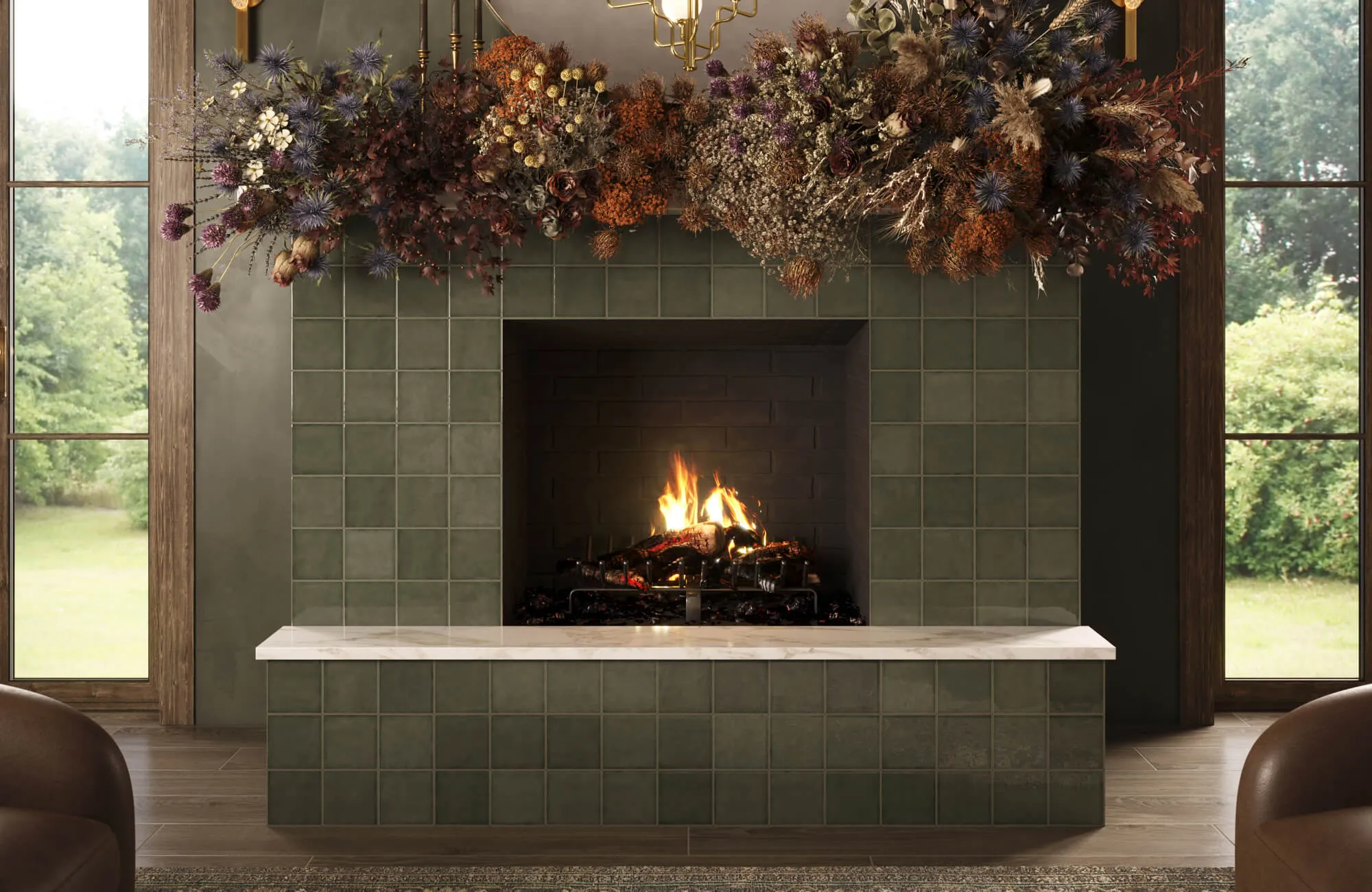
A fireplace refresh is one of the most impactful upgrades you can make, and when done thoughtfully, it transforms your entire living space with a level of refinement that feels curated rather than cosmetic. Many older fireplaces carry visual weight, outdated finishes, or proportions that no longer suit today’s interiors. In this guide, we’ll walk you through the key principles, styling decisions, and updated materials like porcelain and other modern surfaces that help give an aging fireplace a more elevated, contemporary look.
Why Updating Your Fireplace Makes Such a Big Difference
A refreshed fireplace instantly changes the overall mood of a room because it sits at the visual center of most living spaces. Even small updates, like new materials or a lighter color palette, can make the entire area feel brighter and more intentional. When the fireplace looks current, the surrounding furniture and décor tend to feel more cohesive, too, even if nothing else has changed. These subtle shifts often create a renewed sense of balance that feels like a meaningful update without committing to a full renovation.
As you start noticing how much the fireplace influences the room, it becomes easier to tell when a refresh is needed. Outdated finishes, worn materials, or a style that no longer matches the rest of your home are all signs that the room could benefit from a change. Older fireplaces sometimes carry heavy colors or visual weight that work against modern layouts and lighter design moods. Updating the surface, color, or overall look brings the space back into harmony and helps everything around it feel intentionally coordinated.
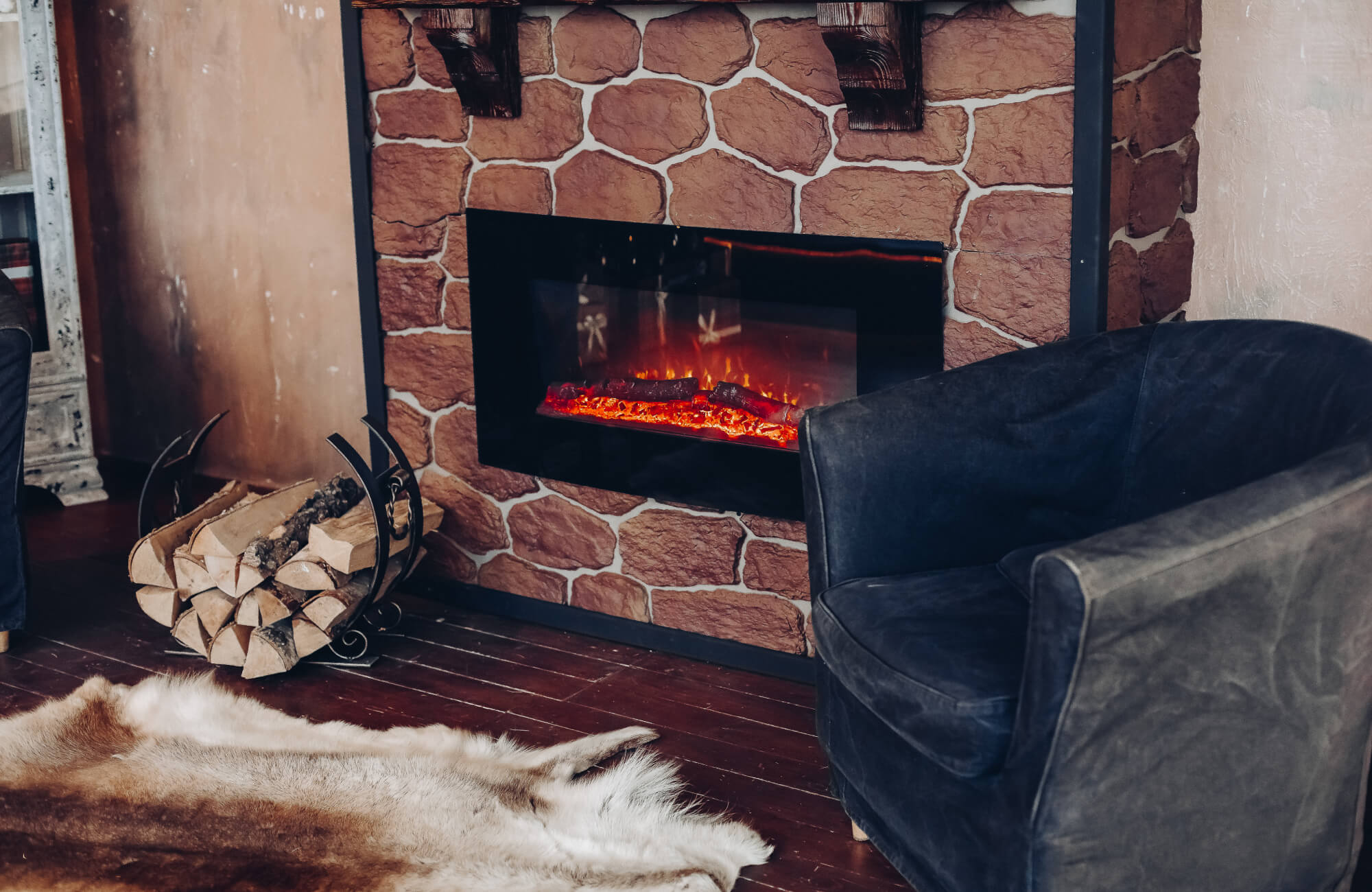
What to Check Before You Start Any Fireplace Makeover
Before refreshing your fireplace, it helps to understand which parts are safe to update and which areas may need extra attention. A quick look at the structure, condition, and existing materials gives you a clearer picture of what is possible without major renovation.
Looking at the Structure and Safety Basics
A good first step is checking whether the fireplace is structurally sound, especially if it is older or has not been used in a long time. Look for cracks, loose bricks, damaged tile, or heat marks around the firebox. Even if you do not use the fireplace for burning, these details affect how well new materials will sit on top. It also helps to check the surrounding wall for stability because this is where most cosmetic updates happen. A simple inspection gives you confidence that your refresh is being built on a safe foundation.
Noticing Outdated Details You Can Easily Update
Many older fireplaces have design features that instantly date the room, such as bulky mantels, glossy tile, dark grout, or heavy trim. These elements are often the easiest to improve because they do not require altering the firebox or the structure. Swapping tile, repainting the surround, or replacing the mantel can completely shift the atmosphere. Even small updates like lighter finishes or new hardware can make a big difference. Focusing on these easy upgrades helps you get the most visual impact without committing to major work.
Knowing What Needs a Pro vs. a Simple Refresh
Some changes, such as painting the mantel or updating the tile, are very doable for most homeowners, while others require a trained professional. For example, converting from wood burning to electric or gas involves proper handling to keep everything safe. Cracked masonry or structural damage should also be checked before cosmetic changes begin. Understanding where to draw the line between DIY and professional work helps you avoid avoidable issues. This approach keeps your project smooth and ensures the final result looks intentional and well finished.
Materials That Instantly Modernize an Old Fireplace
The materials you choose play a huge role in how fresh, refined, or dramatic your updated fireplace will feel. Each option brings its own level of texture, personality, and long-term performance, which makes the right choice just as important as the design itself. Below, we’ll go over how different materials transform an outdated fireplace and what to keep in mind for each one.
Natural Stone for a Classic Upgrade
Natural stone creates a timeless, upscale look that instantly adds weight and sophistication to the room. Its organic veining and color variation make every installation feel unique, which is why it remains a favorite in both traditional and modern homes. Stone also stays visually appealing as it ages, giving the fireplace a grounded and permanent feel. The main tradeoff is that it typically requires more sealing and long-term care, especially in lighter or more porous varieties. This added maintenance is important to consider if you want a classic look without ongoing upkeep.
Porcelain Tile for a Clean, Low-Maintenance Look
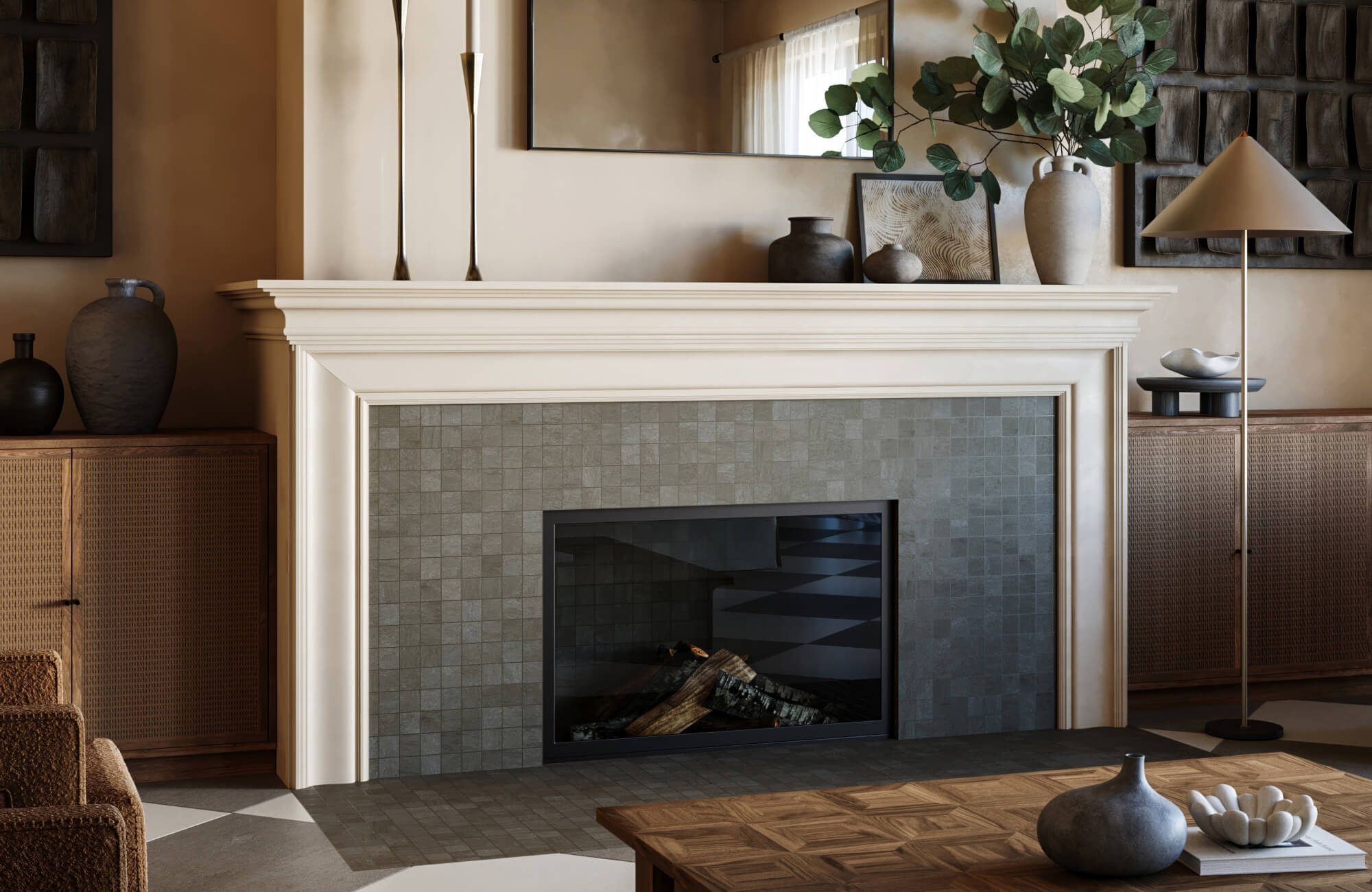
Porcelain tile offers the modern fireplace a sleek, consistent finish that stays beautiful with very little effort. It resists stains, heat, and everyday wear more effectively than most natural materials, making it ideal for homeowners who want style without the maintenance. Modern printing technology also allows porcelain to mimic stone, concrete, or textured finishes with impressive realism. It performs well in both high-use and decorative settings, giving you flexibility in nearly any fireplace update.
A great example of this low-maintenance, modern look is our Brody 2x2 Matte Porcelain Mosaic Tile in Dark Grey, shown above. Its sunwashed gray tones and subtly textured surface create an organic, stone-inspired feel that blends beautifully into contemporary or nature-driven interiors. The mesh-mounted squares keep the finish consistent while adding a quiet layer of depth.
Ceramic Tile for a Decorative Touch
Ceramic tile brings personality to a fireplace through patterns, color, and handcrafted detail. It is great for homeowners who want to introduce a bit of charm or a custom design element without overwhelming the space. Ceramic also works well in small accents or full surrounds, giving you creative flexibility. The one drawback is that it is not as durable as porcelain and may show wear sooner in high-heat or busy areas. Still, when used thoughtfully, ceramic tile offers a stylish and budget-friendly way to refresh an outdated fireplace.
Brick for Rustic or Traditional Character
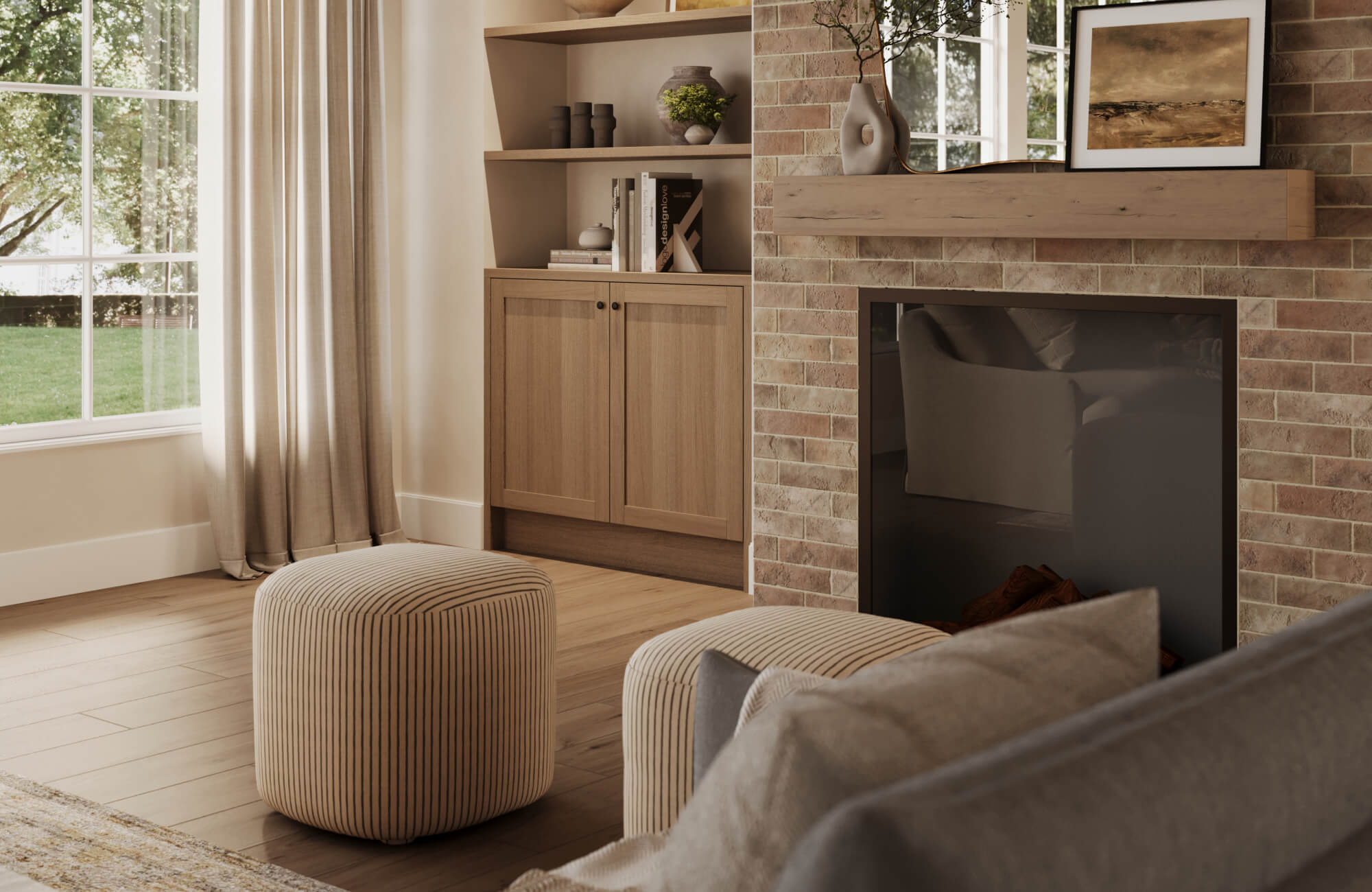
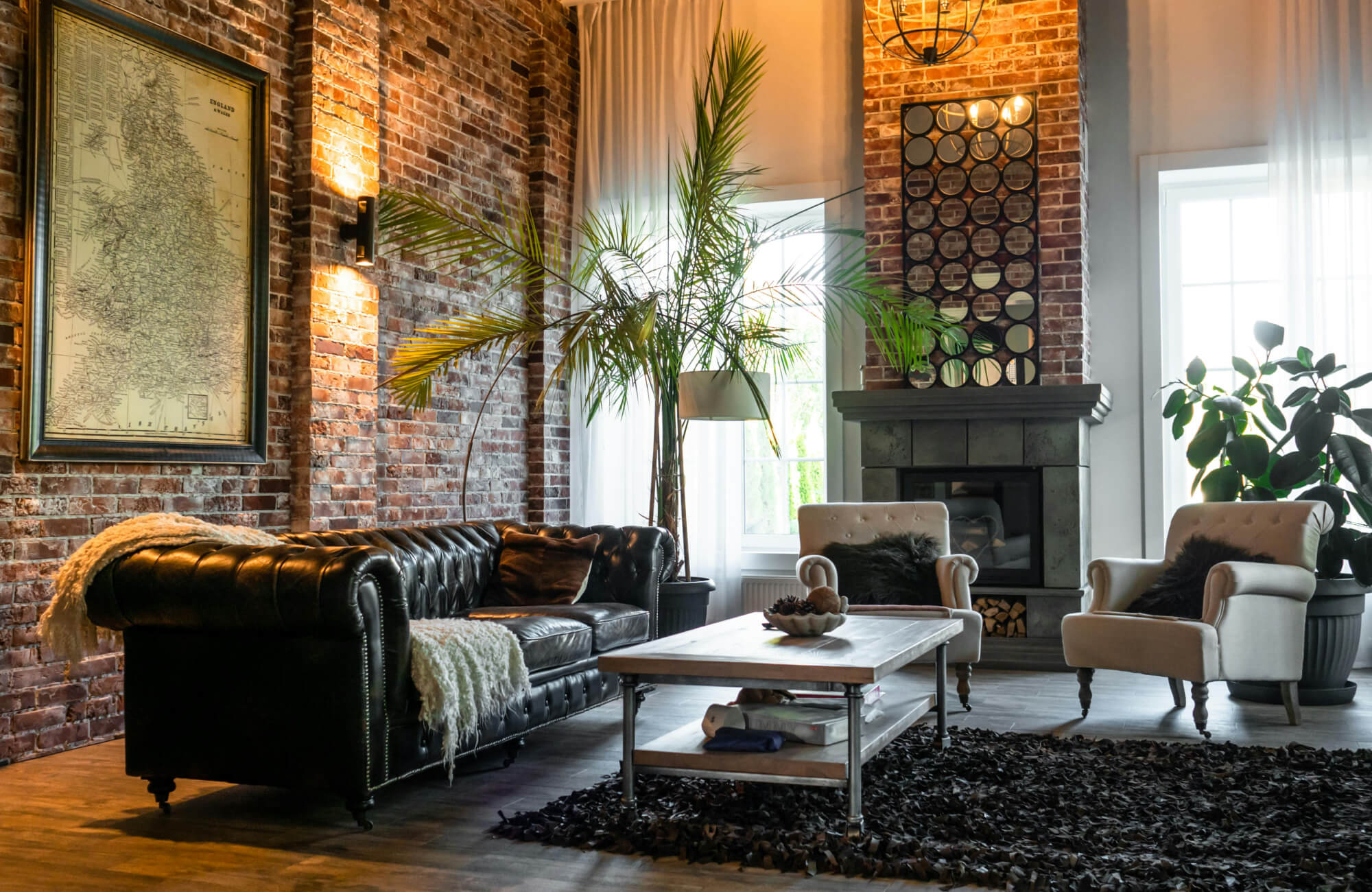
Brick adds warmth and texture to a fireplace, creating a cozy, lived-in feel that suits rustic, farmhouse, or classic interior styles. Its natural variation helps disguise minor scuffs or aging, which makes it visually forgiving over time. Brick is also versatile in tone, allowing you to keep the natural color or paint it for a cleaner, updated look. Its limitation is weight and porosity, which can make it harder to update later or more prone to absorbing soot and stains if not sealed. Even so, brick remains a beloved option when you want a fireplace with depth and character.
Smooth Plaster or Concrete for a Modern Feel
Smooth plaster or concrete creates a streamlined, minimalist look that works beautifully in contemporary spaces. These materials allow the fireplace to blend seamlessly into the architecture, making the entire wall feel modern and cohesive. They also pair well with large-format tile, wood accents, or metal details if you want a layered but clean aesthetic. The downside is that both plaster and concrete can show hairline imperfections over time and may require touch-ups to stay crisp. For homeowners leaning toward a gallery-style modern fireplace, this material choice delivers bold simplicity with a few long-term considerations.
Simple Design Moves That Completely Change the Look
You don’t need a full rebuild to make an old fireplace feel new again. Small visual changes can dramatically shift the mood of the space, especially when you focus on materials, balance, and proportion. Below, we’ll go over simple upgrades that create the biggest impact without requiring major construction.
Updating the Surround With Fresh Materials
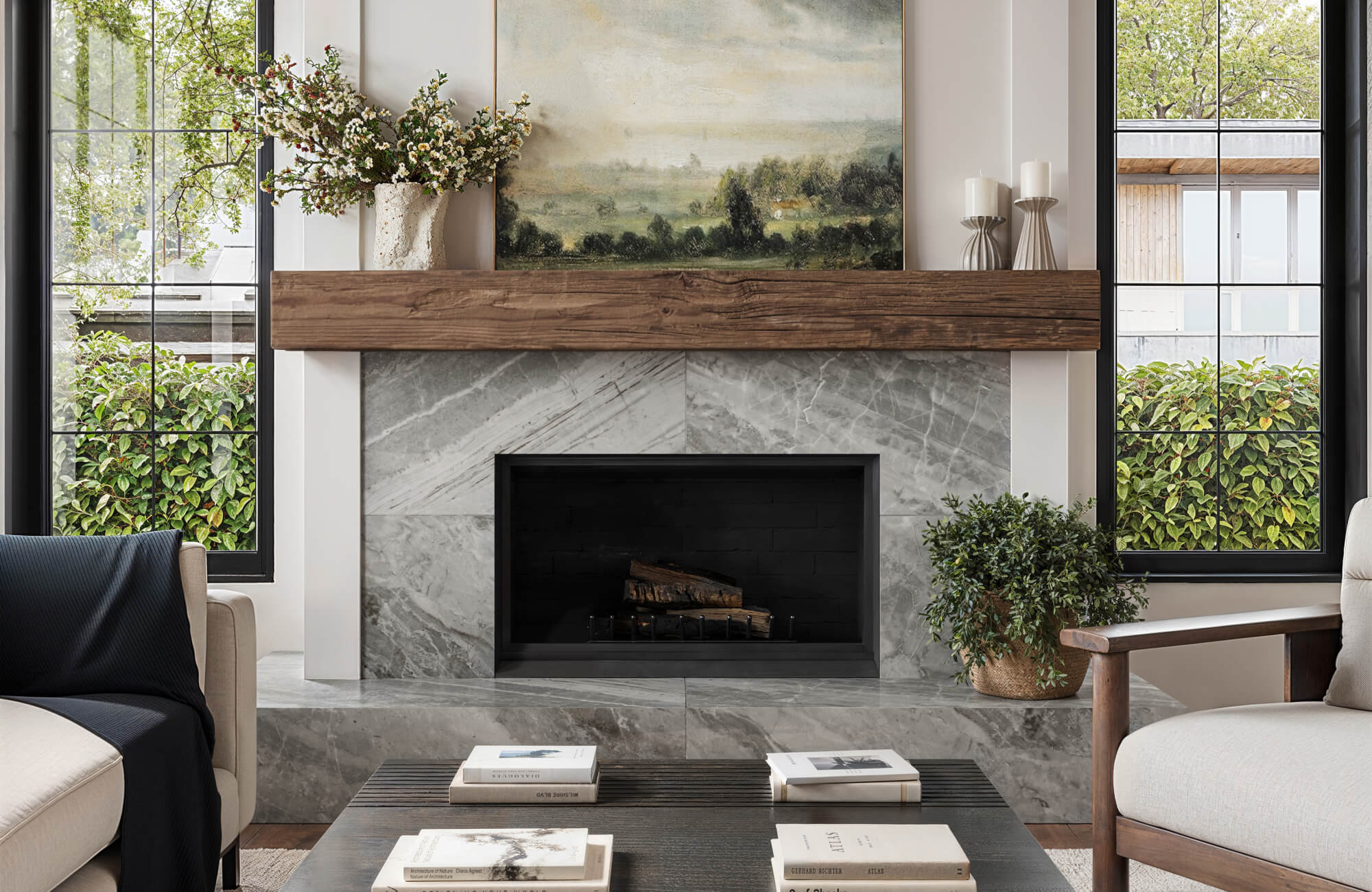
Changing the surround is one of the fastest ways to redefine your fireplace, since the surface area plays a major role in what the eye notices first. Swapping in stone-look porcelain, natural stone, brick, or smooth plaster instantly changes the style and gives the whole room a more current feel. This move also allows you to update color, texture, and pattern in one step, which makes it a high-impact option for any interior. Even a subtle material shift can brighten the space or make it feel more grounded and warm.
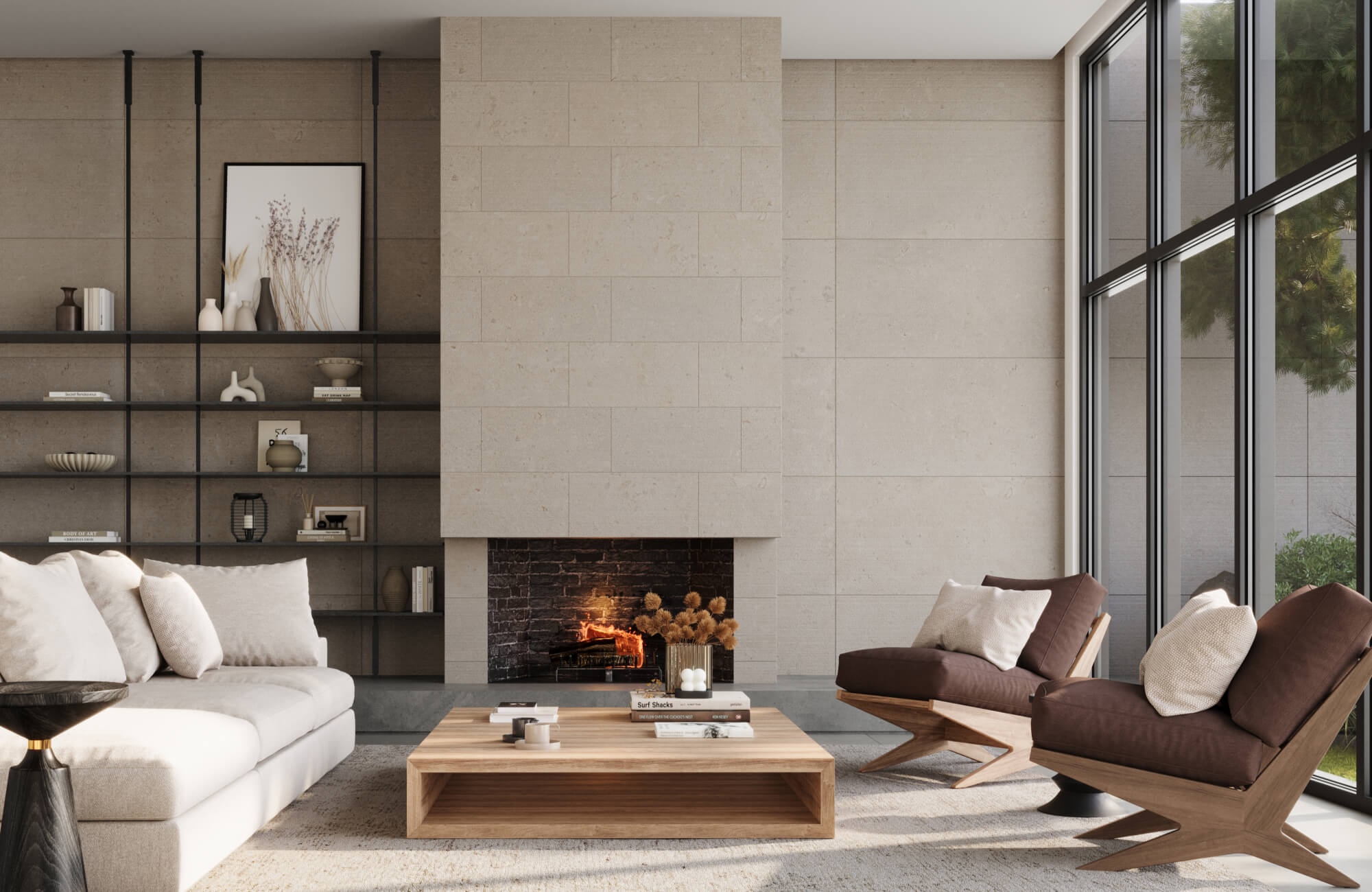
A great example of how much impact a material swap can make is our Blair 24x48 Polished Porcelain Tile in Oniciata Grey above. The large-scale format immediately gives the fireplace a more modern, sculptural feel, and the marble-inspired veining adds just enough movement to feel refined without being busy. The polished surface reflects light beautifully, so the whole area feels brighter and more open, as shown above.
Switching Up the Mantel for Better Balance
A mantel influences both the proportions and personality of your fireplace, so adjusting it can completely shift how the feature fits within the room. A slimmer, more modern mantel can make the space feel clean and open, while a thicker wood beam creates warmth and a rustic touch. This change also helps address scale issues, especially in rooms where the fireplace feels too wide or too narrow. Even small tweaks, like changing the material or color, can bring the entire wall into better balance. For a quick refresh that shapes the overall aesthetic, updating the mantel is one of the most effective moves.
Painting or Recoloring for a Quick Transformation
A fresh coat of paint can make an outdated fireplace look intentional and new, especially when the existing material feels dark or visually heavy. Lighter tones can brighten the room and soften the architecture, while deeper colors create a bold focal point. This approach works particularly well for brick or plaster surfaces that need a more modern look. Recoloring the surround also lets you tie the fireplace into your room’s larger palette for a more cohesive feel. When you want a simple, affordable change with immediate results, paint remains the easiest transformation tool.
Extending Upward for More Vertical Impact
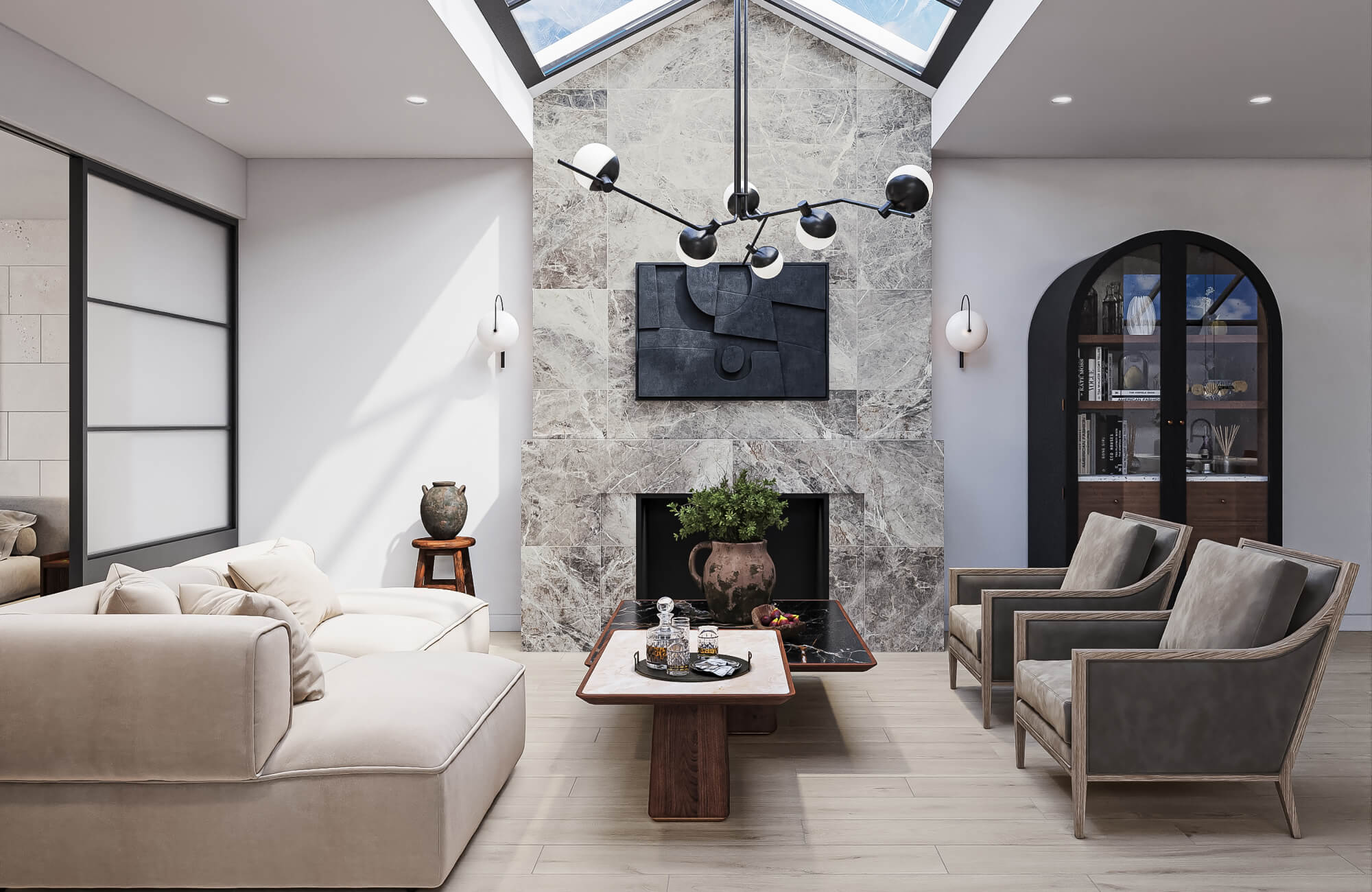
Extending your fireplace design upward draws the eye higher and makes the entire room feel taller and more dramatic. This can mean adding tile to the ceiling line, carrying plaster upward, or introducing a vertical panel that elongates the feature. The added height creates a stronger architectural presence, which is especially helpful in living rooms with high ceilings or large walls. This move also anchors the fireplace as a true focal point rather than just a lower-level feature. When your space feels flat or disproportionate, extending upward delivers immediate visual impact with a clean, modern effect.
Choosing a Fireplace Style That Fits Your Home’s Theme
Your fireplace should feel like a natural extension of your home, not a separate decorative moment competing for attention. Understanding your space’s existing architecture, colors, and layout makes it easier to choose a style that feels intentional and balanced. Here, we’ll go over how different design directions can help your fireplace blend in or stand out in a way that supports your home’s overall personality.
Modern and Minimal
A modern and minimal fireplace focuses on clean lines, smooth surfaces, and a refined color palette that keeps the space feeling calm and uncluttered. This style works well in open layouts where simplicity helps maintain visual flow. Matte finishes, linear proportions, and subtle textures often create the most impact without overwhelming the room. For example, a sleek surround paired with a floating mantel can reinforce the airy feel of contemporary interiors. When your goal is a crisp, understated look, a minimal approach delivers a polished and effortless aesthetic.
Traditional and Warm
A traditional fireplace leans into classic details and timeless materials that make a room feel grounded and welcoming. Warm tones, gentle textures, and familiar silhouettes help the feature blend naturally with molding, wood details, or vintage-inspired décor. Brick, carved mantels, or stone surrounds add character without feeling outdated when paired with balanced proportions. This style also brings a sense of comfort, making it ideal for living rooms or family spaces where coziness matters. If you want a fireplace that feels rooted in tradition, this direction offers lasting appeal.
Rustic, Coastal, or Natural-Inspired Looks
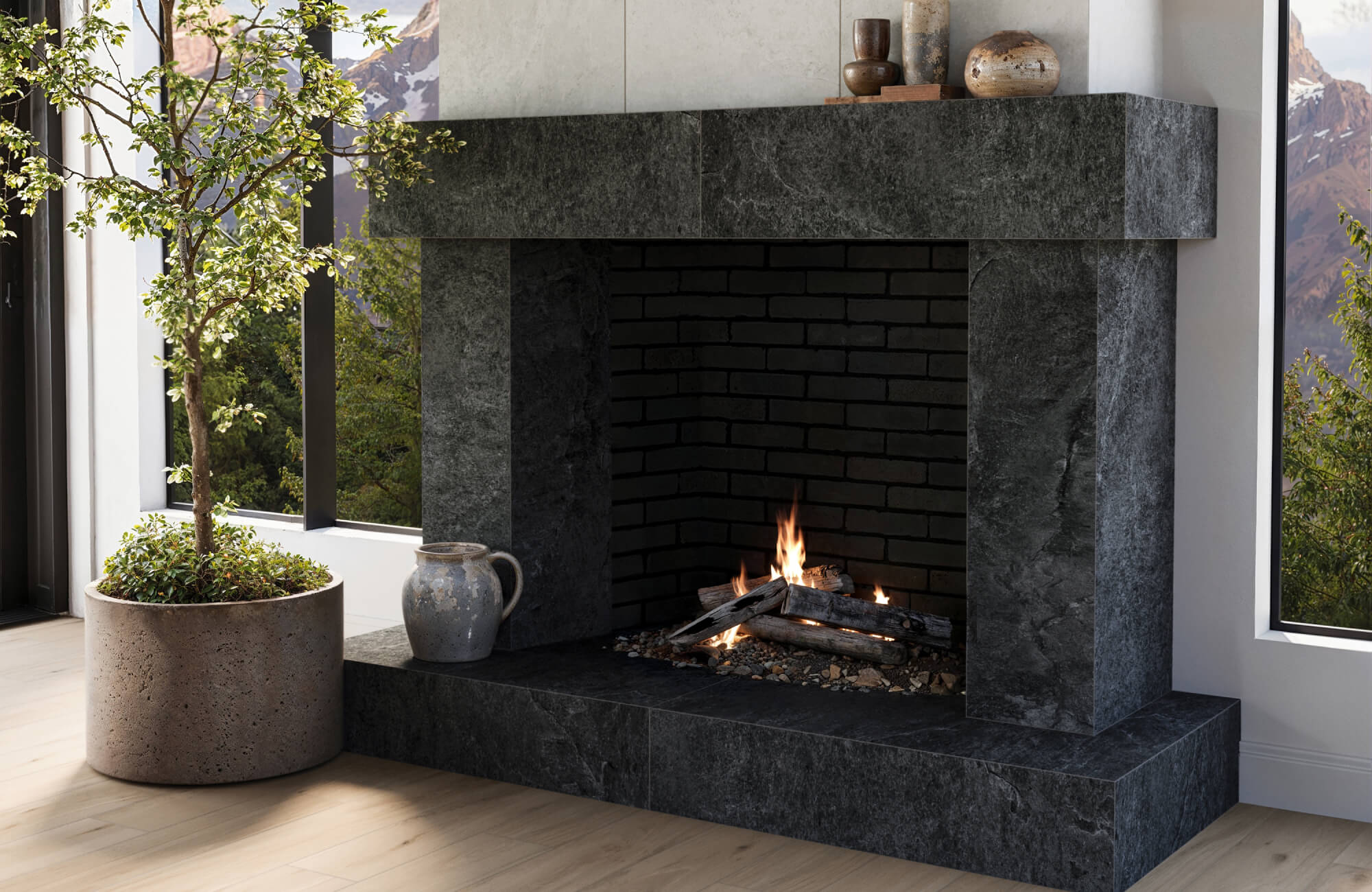
A nature-driven fireplace style creates a relaxed, organic atmosphere that pairs beautifully with soft neutrals and airy layouts. Rough-textured stone, weathered finishes, or sandy palettes help bring the calmness of outdoor scenery indoors. This approach works especially well in homes with coastal, farmhouse, or rustic themes where natural elements tie the look together. Even small details, like a reclaimed wood mantel or textured tile, can reinforce the grounded, easygoing feel. When you want a fireplace that blends warmth, simplicity, and natural texture, this style delivers a soothing and approachable aesthetic.
A great example of a material that brings this look to life is our Dawson 24x48 Matte Porcelain Tile in Charcoal above. Its quartzite-inspired veining and earthy matte glaze give the fireplace a grounded, nature-forward presence that feels both modern and organic. The large-scale format adds a clean, architectural feel, while the weathered black tone offers a rich backdrop that works beautifully with greenery, wood accents, and soft coastal neutrals.
Choosing Furniture That Works With Your Updated Fireplace
The right furniture helps your updated fireplace feel intentional and connected to the rest of the room. Whether your space leans casual, modern, or classic, your seating and dining pieces should support the mood your new fireplace creates. Below, we’ll go over how different furniture choices can complement the updated design and bring the whole room together in a natural, well-balanced way.
Counter Stools for Connected Kitchen–Living Areas
Counter stools play a big role in open layouts because they help visually link the kitchen and living room, especially when the fireplace sits in between. Choosing stools with materials that echo your fireplace even subtly makes the whole space feel more intentional. Warm wood tones can soften a stone surround while metal accents pair nicely with cleaner, modern designs. These small details help both spaces feel like they belong together.
Stools also contribute to how people use the space every day. Comfortable seats make it easier for guests to linger near the kitchen while still enjoying the warmth of the fireplace. It also encourages casual conversations in homes where everyone tends to gather around the island. With the right stools, the fireplace feels naturally woven into the overall flow of the home.
Dining Chairs That Complement the New Look
Dining chairs, such as our Gideon Dining Chair in Brown, help reinforce the style you introduced with your fireplace update. Upholstered chairs bring softness that balances stronger materials like stone, while wood or metal versions highlight a more modern or rustic look. Instead of matching colors exactly, coordinating textures or tones creates a more natural sense of harmony. These choices help the room feel intentional without looking overly staged.
They also influence the mood of the dining area, especially when it sits close to the fireplace. Curved silhouettes can warm up a more linear surround, while structured chairs bring sharper definition to a softer fireplace style. These subtle contrasts make the space feel more dynamic. When your chairs work with the fireplace instead of competing with it, the whole room feels calmer and more connected.
Dining Tables That Balance the Room
A well-chosen dining table helps the fireplace feel grounded rather than overpowering. Wood tables naturally complement stone or porcelain surrounds, bringing warmth and balance to the space. Glass tables work beautifully in modern rooms because they keep sightlines open and allow the fireplace to stay the focal point. Choosing the right scale is just as important since a table that feels too heavy or too delicate can disrupt the room’s flow.
The table also influences how the entire layout feels when viewed from the living area. Rectangular tables echo clean lines and modern updates, while round styles soften a strong architectural fireplace. Both approaches can work, depending on the mood you want to create. When your table supports the style of your fireplace, the whole room feels thoughtfully composed.
Accent Chairs That Create a Cozy Seating Zone
Accent chairs help frame the fireplace as a place where people naturally want to gather. Soft fabrics like boucle or linen introduce comfort next to strong materials, while leather chairs add richness that pairs well with contemporary finishes. These combinations create a welcoming environment that draws people toward the fireplace. Even subtle details in color or upholstery can reinforce your new design direction.
Accent chairs also offer flexibility, which makes them easy to adjust as your home evolves. A pair of chairs angled toward the fireplace creates a natural conversation area without needing a full redesign. They help define the space in a gentle, approachable way. With the right placement, your fireplace feels like a living part of the room rather than a fixed structure.
Sofas That Anchor the Conversation Area
A sofa shapes how you experience your fireplace, so its style and silhouette influence the entire room. Modern, low-profile designs pair well with clean-lined fireplaces, while plush or rolled-arm sofas complement more traditional updates. Color plays a meaningful role, too, since soft neutrals keep the focus on the fireplace and richer tones help anchor larger spaces. When these elements work together, they create an easy, comfortable rhythm between the seating area and the fire feature.
Lighting Ideas That Help Your Fireplace Stand Out
Lighting plays a major role in how your updated fireplace looks and feels, especially when you want to highlight new textures, colors, or materials. The right fixtures create depth, warmth, and visual balance, helping the fireplace become an intentional focal point rather than just another feature in the room.
Pendants That Bring Warm, Focused Light
Pendants work beautifully when you want to pull gentle attention toward the fireplace without overwhelming the space. Their downward glow highlights stone, tile, or plaster textures, adding dimension and warmth. For instance, placing two smaller pendants nearby can frame the fireplace in a soft, flattering way. Pendant shapes and finishes also contribute to the room’s mood, whether you prefer something modern or more organic. With the right placement, pendants make the fireplace feel intentional and inviting.
Chandeliers That Anchor the Space
A chandelier, such as our Clement Chandelier In Aged Brass, helps ground the entire room, especially in living and dining spaces where the fireplace is a major visual element. The fixture’s size and shape guide the eye upward, balancing any strong lines or bold materials used in the fireplace design. A warm-toned chandelier can soften modern finishes, while a clean, geometric one enhances minimalist styles. For example, a chandelier centered on the fireplace creates a cohesive focal point that ties the whole room together. This approach helps the fireplace feel integrated into the broader layout.
Linear Lighting for a Clean, Modern Feel
Linear lighting adds sleek, directional illumination that works especially well with modern or minimal fireplace designs. It helps emphasize horizontal or vertical lines, depending on how your fireplace is styled. These fixtures create a subtle wash of light that enhances texture without adding clutter. For instance, a slim linear fixture above or near the fireplace can make the entire wall feel more polished and architectural. This type of lighting supports a clean, contemporary look while keeping the focus on the materials.
Flush Mounts for Low or Cozy Ceilings
Flush mounts are great for smaller or lower-ceilinged spaces where you still want the fireplace to feel highlighted and intentional. Their soft, diffused light helps create a warm atmosphere without overwhelming the room. They also pair well with darker materials and deeper tones because they brighten the area evenly. For example, a simple flush mount can make a heavy stone surround feel lighter and more welcoming. It’s a subtle upgrade that still makes a noticeable impact.
Sconces That Add Depth and Soft Side Lighting
Sconces bring gentle, directional lighting that adds dimension around the fireplace without taking up floor or table space. They’re especially helpful when you want to highlight texture or create a cozy, layered glow. For instance, installing a pair symmetrically can frame the fireplace beautifully and support a more refined look. Sconce styles range from modern to traditional, making it easy to match your updated design. With the right placement, they add just enough warmth to make the fireplace feel like a true centerpiece.
Picture Lights for Highlighting Materials and Art
Picture lights work well when you want to highlight artwork above the fireplace or simply draw attention to the materials themselves. Their focused beam creates a gentle spotlight effect that enhances color variation and texture. This makes them a great choice for stone, porcelain, or decorative tile surfaces. For example, a picture light can emphasize the movement in veining or the depth of a textured finish. It’s a small addition that makes your refreshed fireplace feel elevated and thoughtfully styled.
Rugs That Pull the Whole Fireplace Area Together
A good rug can completely change how your fireplace area feels, especially when you want the space to feel warm, grounded, and inviting. The right texture and style help frame the seating zone and make everything around the fireplace feel more intentional.
Choosing the Right Rug Category for Your Room
Rug categories influence the overall feel of your space, so starting here helps you set the right tone. Area rugs work well when you want to define a full seating zone and naturally pull attention toward the fireplace. Runners are great for longer rooms, too, because they guide the eye and make the pathway toward the hearth feel more purposeful. Oversized rugs can help the space feel more unified by giving all the furniture one shared surface.
Once you think about how the room works day to day, choosing a category becomes much easier. For example, placing just the front legs of your seating on an area rug instantly frames the fireplace and makes the layout feel more grounded. Smaller accent rugs can be useful in relaxed settings where layering adds softness and charm. When the rug category supports how you actually live in the room, the whole space feels more natural and comfortable.
Styles That Fit Modern, Transitional, or Traditional Spaces
Rug style plays a huge part in shaping the personality of your fireplace area. Modern rooms usually shine with simple patterns or soft textures that keep the focus on clean lines and open space. Transitional interiors often look best with subtle geometrics or tonal patterns that blend older details with updated finishes. Traditional spaces, on the other hand, tend to feel complete with classic motifs that bring richness and warmth.
Matching your rug style to your fireplace makes everything feel more cohesive. For example, if your fireplace has a sleek, contemporary look, a calm and structured rug helps reinforce that feeling. If your surround has stone, molding, or older architectural details, a traditional rug can echo those elements beautifully. When style and fireplace design work in harmony, the whole room feels more intentional and more inviting.
Materials That Affect Texture and Comfort
Rug material changes how the fireplace area feels underfoot, so it is worth thinking about what you want the space to feel like. Wool, such as our Sweeney Rug in Mushroom, brings natural softness and strong durability, which is perfect for rooms where you gather often. Polypropylene and polyester are great choices for homes that want easy cleaning without giving up comfort. Cotton blends and other mixed fibers offer a lightweight, casual feel that works well in relaxed, everyday spaces.
Thinking about your lifestyle helps narrow things down quickly. Wool feels luxurious and warm near a fireplace, which makes it ideal for rooms centered around comfort and conversation. Polypropylene holds up better in busy homes, especially where spills or pet messes are more likely. Choosing the right material ensures your fireplace area feels inviting without introducing more maintenance than you want.
Construction Types That Change Feel and Durability
How a rug is constructed can influence texture, durability, and the overall character of the space. Hand-knotted and hand-woven rugs bring artistry and long-lasting quality, giving your fireplace area a sense of depth and craftsmanship. Hand-loomed rugs create gentle texture and soft variation that work beautifully in modern and transitional rooms. Power-loomed and hooked rugs provide more accessible options that still offer plenty of style choices.
It helps to think about how the room is used before choosing a construction type. A hand-knotted rug works well when your fireplace is a true focal point, and you want the surrounding pieces to feel special and substantial. Power-loomed rugs are great for homes that refresh décor often or need something easier to maintain. When the construction supports your lifestyle, the fireplace area feels balanced, durable, and intentionally designed.
Tying Your Updated Fireplace Into the Rest of Your Home
Bringing an old fireplace up to date is really about giving the whole room a fresh starting point. Once the surroundings, materials, and styling feel intentional, everything around it begins to look more pulled together, from the furniture layout to the lighting and rug choices. Even simple changes in texture, color, and proportion can shift the space from “something you work around” to “the feature you design around.” When the fireplace feels aligned with your style and how you actually live, the rest of the room becomes much easier to decorate and enjoy.
If you’re not sure which material, finish, or layout will work best in your home, this is where a design consultation can make the process feel less overwhelming and more exciting. Our designer can help you pair the right fireplace look with the right sofas, chairs, lighting, and rugs, so everything feels cohesive instead of pieced together. If you’re ready to turn your outdated fireplace into a true focal point, booking a design consultation is a simple way to get personalized ideas tailored to your space.
Follow us on Instagram
@EDWARD.MARTIN
)
)
)
)
)
)
)
)
)
)
)
)
)
)
)
)