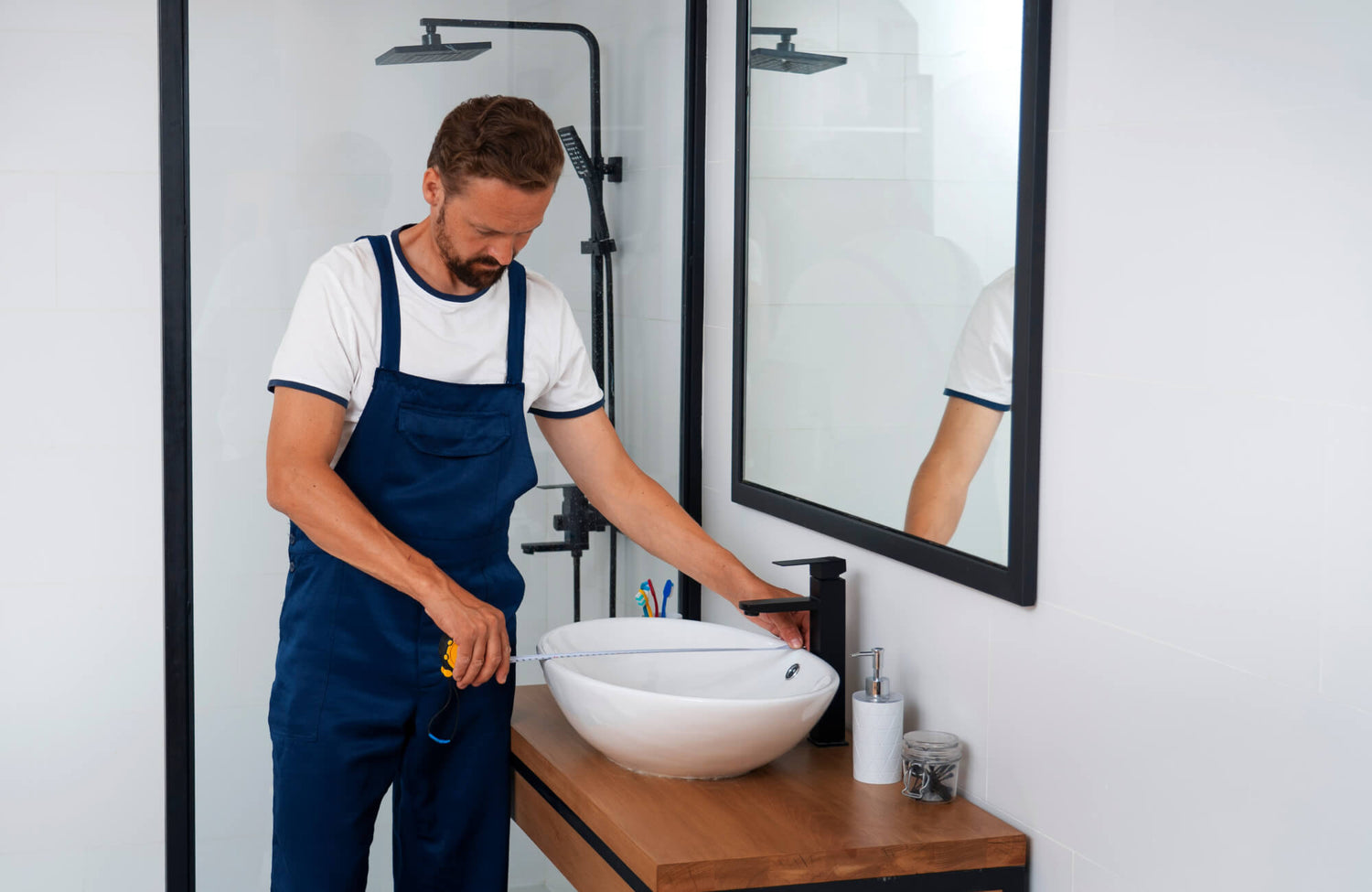
Installing a wall-mounted sink vanity adds a clean, modern touch to any bathroom, but achieving that look requires preparation and careful execution. Since a floating vanity depends entirely on the wall for support, every measurement, bracket placement, and plumbing connection plays a crucial role. In this guide, we’ll walk through the key steps, from confirming wall strength to securing the final mount, so you can approach the project with clarity and confidence.

What You Need Before Installing a Wall-Mounted Vanity
Before you start mounting anything, it’s important to make sure your wall can properly support the vanity’s weight and that all plumbing and electrical connections are positioned where they need to be. Preparing these elements ahead of time prevents delays once installation begins and helps you avoid costly adjustments later. Here, we’ll go over the essential checks and tools you need to have in place before moving on to the actual mounting process.
Checking Wall Load-Bearing Strength
A wall-mounted vanity relies entirely on the wall for support, which means confirming its load-bearing capacity should be your first priority. Drywall alone won’t be enough, so you’ll need to ensure the vanity can be anchored directly into studs or reinforced blocking. Heavier vanities, especially those with stone tops, require walls that can support significant weight over time. If you’re unsure about structural integrity, a quick consultation with a contractor can save you from future issues. Proper weight support prevents sagging, loose hardware, and long-term wall damage.
Locating and Marking Studs
Stud placement determines where your vanity and mounting brackets can safely attach, making accurate stud detection essential. A stud finder helps you mark exact locations so you can plan screw placement and ensure balanced support. Most vanities will need to anchor into at least two studs to stay level and secure. Once located, mark stud positions clearly and double-check them before drilling. Proper stud alignment ensures the vanity won’t shift or tilt once it’s loaded with daily essentials.
Required Tools & Hardware
Before installation begins, gather all the tools you’ll need to avoid interruptions mid-project. Typical essentials include a drill, level, tape measure, stud finder, screws designed for heavy loads, and any mounting brackets supplied by the manufacturer. Some vanities may also require toggle bolts or additional reinforcements depending on their weight. Having everything on hand ensures smoother progress and helps you mount the vanity with precision. A fully prepared toolkit also reduces the risk of installation mistakes caused by rushing or improvisation.
Plumbing Line Requirements
A wall-mounted vanity must align with your existing plumbing, so it’s crucial to confirm that the water supply lines and drain are at the correct height and spacing. Any misalignment can lead to visible gaps, awkward pipe adjustments, or the need for re-routing. Make sure the rough-in plumbing sits high enough to accommodate the open space beneath the vanity. Checking this early allows you to make adjustments before the vanity is installed. Proper plumbing placement ensures a cleaner look and fewer complications during hookup.
Electrical & GFCI Clearance
If your vanity area includes outlets, lighting, or mirrors with built-in features, confirm that electrical wiring meets code requirements and sits clear of your mounting zones. GFCI outlets are typically required in bathroom settings, so make sure existing outlets comply and won’t interfere with the installation height of the vanity. You’ll also want to avoid placing screws or brackets anywhere near concealed wiring behind the wall. Adjustments at this stage prevent electrical hazards and keep your installation fully compliant. Taking a moment to review wiring adds an extra layer of safety and avoids surprises once the vanity is mounted.

Step-by-Step Guide to Installing a Wall-Mounted Sink Vanity
Installing a wall-mounted vanity, such as our Royce 72" Double Vanity in Chestnut with 3 cm White Zeus Quartz Top above, requires precision, the right tools, and a clear sequence of steps to make sure everything stays secure and properly aligned. While these instructions cover the general process, certain homes may have unique plumbing, electrical, or structural conditions that require professional assessment.
Marking the Proper Mounting Height
The first step is determining the exact height where your vanity will sit, which typically ranges around 32 to 36 inches, depending on comfort and local standards. Use a level to draw a crisp horizontal line that marks the top or center point recommended by the manufacturer. This line becomes your reference for bracket placement and ensures the vanity sits evenly once installed. Double-check measurements before moving forward, especially if the vanity has integrated sinks or a thicker countertop. Clear, accurate markings now prevent alignment issues later.
Pre-Drilling & Securing the Mounting Bracket
Once the height is marked, it’s time to pre-drill the holes for your mounting bracket, lining them up with the wall studs you identified earlier. Pre-drilling helps prevent splitting and ensures the screws anchor cleanly into the studs. After the pilot holes are ready, attach the mounting bracket firmly using heavy-duty screws designed for weight support. Confirm the bracket is level and sits tightly against the wall with no gaps. A secure bracket forms the backbone of the installation, so take your time getting this step right.
Hanging the Vanity Body
After the bracket is secure, lift the vanity onto the mounting hardware according to the manufacturer’s system—some slide into place, while others rest on hooks or rails. Make sure the vanity locks in and sits flush against the wall without rocking or shifting. Check for levelness again, as adjustments are easiest at this stage before plumbing or countertops are added. If the vanity has additional anchor points, secure them now to prevent movement. Once properly mounted, the vanity should feel stable and well-balanced.
Connecting Plumbing (Drain + Supply Lines)
With the vanity body in place, you can begin reconnecting the plumbing. Start with the drain assembly, ensuring it aligns cleanly with the P-trap without forcing any angles. Attach the hot and cold supply lines, checking for tight but not over-tightened connections. Turn the water on briefly to test for drips or leaks before sealing anything permanently. Proper alignment and secure fittings help avoid future plumbing issues. Taking your time here ensures smooth daily function and prevents moisture damage.
Attaching the Sink or Countertop
If your vanity requires the sink or countertop to be installed separately, position it carefully on top of the vanity body. Apply the recommended adhesive or mounting clips to secure it, following the manufacturer’s instructions closely. Ensure the sink aligns with the faucet holes, drain opening, and the edges of the vanity. Once positioned, apply gentle pressure to bond the surface fully. Remember that proper placement here contributes to both stability and a seamless finished look.
Leveling, Sealing & Final Adjustments
Before wrapping up, use a level to confirm the vanity and countertop are perfectly even from all angles. Apply silicone caulk along the back edge where the vanity meets the wall to prevent water from seeping behind it. Check that all drawers, doors, or shelves open smoothly without rubbing or misalignment. Re-test the plumbing connections to ensure there are no slow leaks. These finishing touches help the vanity perform reliably and maintain a polished appearance over time.

How Vanity Size Affects Installation
The width of a wall-mounted vanity influences everything from how much weight the wall needs to support to how precisely the plumbing must line up. Below, we’ll go over how each common vanity size affects installation so you can plan safely and confidently.
20"–24" Vanities
Smaller vanities in the 20–24 inch range are lightweight and generally easy to mount, requiring minimal structural support. Their compact footprint makes them ideal for tight spaces where plumbing adjustments are limited. Because of their lower weight, a single-stud anchoring point is often sufficient as long as the bracket is properly secured. Even so, checking for levelness and stable mounting is essential to ensure long-term reliability.
30" Vanities
A 30-inch vanity works well in compact bathrooms but demands careful attention to centered plumbing alignment. Since the width is modest, even slight misalignment can impact how cleanly the drain and supply lines connect. These vanities often require at least one stud and a reinforced mounting bracket to hold the added weight. Proper measurements ensure the vanity sits evenly without stressing the plumbing.
36" Vanities
At 36 inches, a standard single-sink vanity, like our Royce 36" Single Vanity in Chestnut with 3 cm White Zeus Quartz Top above, introduces more weight and requires stronger bracket support. Mounting height becomes especially important to ensure both comfort and plumbing accessibility. Most installations need at least two studs to secure the frame safely. With the added width, confirming that the wall can support the load is key to a stable setup.
42" Vanities
A 42-inch vanity sits at the wider end of single-sink options and often needs dual-stud anchoring. The increased width spreads the load across a larger surface, requiring the mounting bracket to be firmly supported across the wall. Plumbing alignment must be checked carefully since the sink may no longer sit directly at the center of the vanity. Strong, even mounting prevents sagging or stress over time.
48" Vanities
A 48-inch vanity is noticeably heavier and may require added wall reinforcement depending on the wall type. Because of its size, it typically needs two or more studs to support the weight evenly. Plumbing alignment becomes more complex as the sink may not be centered within the vanity. Proper bracket installation ensures the vanity remains level and securely anchored.
54" Vanities
At 54 inches, this transitional size usually requires multiple brackets or a combination of studs and cross-supports. The weight distribution demands careful placement across the wall to maintain balance. Plumbing may need minor repositioning depending on the sink placement and drain height. Adequate support helps prevent long-term stress on both the bracket and wall.
60" Vanities
A 60-inch vanity is a common double-sink size, making precise plumbing alignment essential for both drains and supply lines. The added width requires anchoring into several studs to distribute the weight evenly. Extra care is needed to ensure both sides of the vanity sit level and properly supported. This size often demands a sturdier bracket system to accommodate the increased load.
72" Vanities
At 72 inches, large double-sink vanities require a high level of structural support and must anchor into multiple studs. Their substantial weight makes verifying wall load capacity a crucial step before installation. Plumbing alignment becomes more complex since two sets of lines must match the vanity’s layout. Properly distributing the load across the wall ensures long-term stability and safe use.
For homeowners who prefer to skip wall reinforcement or want an easier installation process, we also offer a full range of freestanding vanity options. These styles provide the same polished look without relying on studs, brackets, or structural upgrades. They’re a great choice for bathrooms where you want flexibility, quicker setup, and long-term convenience without the added mounting requirements.

How to Ensure Proper Support for Heavy Vanities
Heavier wall-mounted vanities require more than standard studs to stay secure, especially when they include stone tops or dual-sink configurations. Reinforcement, proper brackets, and accurate weight checks all play a major role in long-term stability.
Metal Support Brackets
Metal support brackets add crucial strength for heavier vanities and help distribute weight more evenly across the wall. They reduce pressure on a single mounting point, which is especially important when the vanity holds a solid-surface or stone top. These brackets typically install directly into studs, ensuring the load transfers safely through the wall. Choosing brackets rated for the vanity’s full weight prevents sagging or long-term structural stress. Proper placement and secure fastening are key to achieving a stable installation.
Wall Blocking & Reinforcement
Wall blocking gives your vanity a stronger anchoring surface by adding wood reinforcement behind the drywall. This method is ideal when studs don’t line up with your vanity’s mounting points or when the unit is wider than standard spacing. Blocking distributes the load more evenly and provides solid support across the entire width of the vanity. It’s especially recommended for heavier models that may strain drywall or weak framing. Installing reinforcement before mounting ensures a reliable and long-lasting hold.
Weight Ratings & Manufacturer Specs
Manufacturer weight ratings serve as a critical guide for safe installation, outlining the maximum load the vanity and mounting hardware can handle. These specs help determine whether additional brackets, blocking, or reinforcements are needed. Ignoring weight limits can lead to unstable installation, sagging, or structural failure over time. Always check whether ratings factor in the countertop weight, as some specs list cabinet-only measurements. Using the correct hardware and following manufacturer guidance ensures a compliant and safe setup.
Adjusting for Stone or Solid-Surface Tops
Stone, quartz, and other solid-surface tops add significant weight, often doubling the load on the wall. Because of this, installations require stronger brackets, additional studs, or reinforced blocking to support the extra mass. It’s important to confirm the total combined weight of the vanity and countertop before selecting mounting hardware. Heavy tops also demand precise leveling to prevent stress cracks or uneven pressure over time. Planning for the added weight upfront ensures long-term stability and prevents structural damage.

Plumbing Considerations for Wall-Mounted Installations
Proper plumbing alignment is essential for a wall-mounted vanity to function correctly and attach securely to the wall. Drain height, supply-line spacing, and clearance for hardware all affect whether the installation goes smoothly or leads to costly adjustments later.
Correct Drain Rough-In Height
The drain rough-in height determines whether the P-trap and tailpiece will fit comfortably inside the vanity without crowding the interior. Wall-mounted vanities often require a slightly higher drain position than floor-mounted units to avoid visible pipework. Ensuring the drain lines sit within the recommended height range prevents awkward angles or strained connections. A properly placed drain line also supports easier future maintenance. Double-checking these measurements before installation saves time and reduces the chance of reworking plumbing later.
P-Trap Clearance & Accessibility
Adequate P-trap clearance ensures the trap fits within the vanity cavity without hitting drawers, internal braces, or the back panel. Having enough room also makes future cleaning or replacement far easier. Since wall-mounted vanities sit at a higher elevation, the P-trap must align well with both the drain and the sink basin for proper flow. Poor clearance can cause misalignment or unnecessary strain on the plumbing connections. Ensuring easy access helps prevent long-term issues and keeps maintenance straightforward.
Hot/Cold Supply Line Spacing
Correct spacing between hot and cold supply lines prevents kinks, cross-interference, and tight bends once the vanity is mounted. Wall-mounted units often require lines to be centered and set at a specific height to ensure the faucet connections sit comfortably within the cabinet. Proper spacing also helps maintain safe separation between hot lines and internal components. Clear alignment reduces installation time and minimizes risks of leaks from overly stressed fittings. Verifying these measurements ahead of time ensures a clean and functional plumbing layout.
Avoiding Pipe Interference With Mounting Hardware
Plumbing lines must be placed where they won’t block mounting brackets, screws, or reinforcement boards. If pipes sit too close to the mounting area, the hardware may not seat correctly or could place pressure on the plumbing. Adjusting placement before installation helps avoid drilling into or stressing pipes. Ensuring clear separation allows the vanity to mount flush against the wall without obstruction. Taking time to verify this alignment prevents costly repairs and ensures a smoother, safer installation process.

Final Safety Checks Before Use
Before putting your wall-mounted vanity into everyday use, it’s important to confirm that everything is stable, secure, and functioning properly. A few final tests ensure the installation can handle daily weight, moisture exposure, and plumbing pressure without issues.
Weight Test & Stability Check
A stability check helps confirm the vanity is fully secure and evenly supported by its brackets and wall anchors. Applying gentle downward pressure on the edges and center can reveal any movement that needs tightening. The goal is to ensure the unit holds firm without flexing or shifting under normal use. This quick test helps prevent early wear on the mounting hardware. Ensuring maximum stability now reduces the risk of future loosening or structural strain.
Sealant & Splash Zone Review
Sealant around the sink, backsplash, and wall junctions helps keep moisture from seeping into gaps over time. Inspecting these areas ensures the caulk is smooth, continuous, and fully adhered. This also helps prevent water intrusion in the splash zone, especially near the faucet. A proper seal reduces the risk of hidden water damage inside the wall or vanity cavity. Reviewing these areas before everyday use adds an important layer of protection against long-term issues.
Plumbing Tightness & Leak Inspection
Checking all plumbing connections ensures the supply lines, drain assembly, and P-trap are fully tightened and properly aligned. Running water at both low and high pressure helps identify small leaks around joints or seals. Inspecting beneath the vanity with a light makes it easier to see drip points before they turn into bigger problems. Confirming these details ensures safe and reliable performance from day one. A leak-free system also prevents moisture buildup that could damage the vanity or wall.
Drawer/Door Alignment
Proper door and drawer alignment ensures smooth use and prevents long-term strain on the hinges or slides. A quick check helps identify if anything shifted slightly during mounting or plumbing adjustments. Aligning the doors or tightening hinge screws can restore even spacing and smooth operation. Ensuring correct alignment also keeps the vanity looking professional and well-fitted. This final touch guarantees that both function and finish meet the expected quality before daily use.

Maintenance Tips for Wall-Mounted Vanities
Keeping a wall-mounted vanity in good condition comes down to routine checks that protect its support system and prevent long-term wear. Regular inspections help you catch early signs of sagging, moisture exposure, or hardware loosening before they become real issues.
Inspecting Wall Anchors Periodically
Checking the wall anchors every few months helps ensure the vanity remains securely supported. A quick visual inspection can reveal signs of loosening, shifting, or stress on the mounting points. Lightly applying pressure to the vanity can also help identify small movements that require tightening. Keeping the anchors stable helps prevent long-term sagging or structural strain. Consistent monitoring provides peace of mind that the installation remains strong.
Preventing Water Damage
Moisture is one of the biggest threats to wall-mounted vanities, especially around sinks and splash zones. Regularly checking for water trails, dampness, or swelling around seams helps catch early signs of intrusion. Ensuring caulked areas remain sealed prevents moisture from entering gaps and affecting the wall or vanity frame. Good water management also keeps the mounting hardware from rusting or weakening. Staying ahead of moisture issues significantly prolongs the vanity’s lifespan.
Tightening Screws & Brackets
Over time, minor shifts in the wall or daily use can cause screws and brackets to loosen slightly. A periodic tightening of the main mounting points ensures the vanity stays firmly in place. This also helps maintain alignment, keeping drawers and doors operating smoothly. Addressing small hardware adjustments early prevents excessive stress on the structure. Regular tightening supports long-term stability and prevents avoidable sagging.
Monitoring for Sink or Counter Shifts
Watching for subtle changes around the sink or countertop helps prevent alignment problems from growing. Small gaps, uneven edges, or shifting seams can indicate that the vanity needs support adjustments. Identifying these early allows you to correct the issue before it affects plumbing connections or mounting stability. A stable sink surface ensures water flows properly and the vanity remains level. Maintaining this alignment keeps the entire setup functioning safely and reliably.
Bringing Your Wall-Mounted Vanity Project Together
Installing a wall-mounted vanity becomes much easier when you understand how support, plumbing alignment, and proper mounting all work together. With the right preparation and careful attention to each step, your vanity not only stays secure but also delivers a clean, modern look that elevates your entire bathroom. Taking time to confirm wall strength, check measurements, and secure accurate leveling ensures long-term performance and prevents the most common installation issues.
As you finalize your setup, remember that every bathroom has its own challenges, from wall structure to plumbing layout, which is why a thoughtful design approach makes all the difference. If you’re planning a full refresh or want professional guidance in choosing the right materials, layout, or fixtures, our team is here to help. Book a personalized design consultation today and create a bathroom that’s both beautiful and built to last.