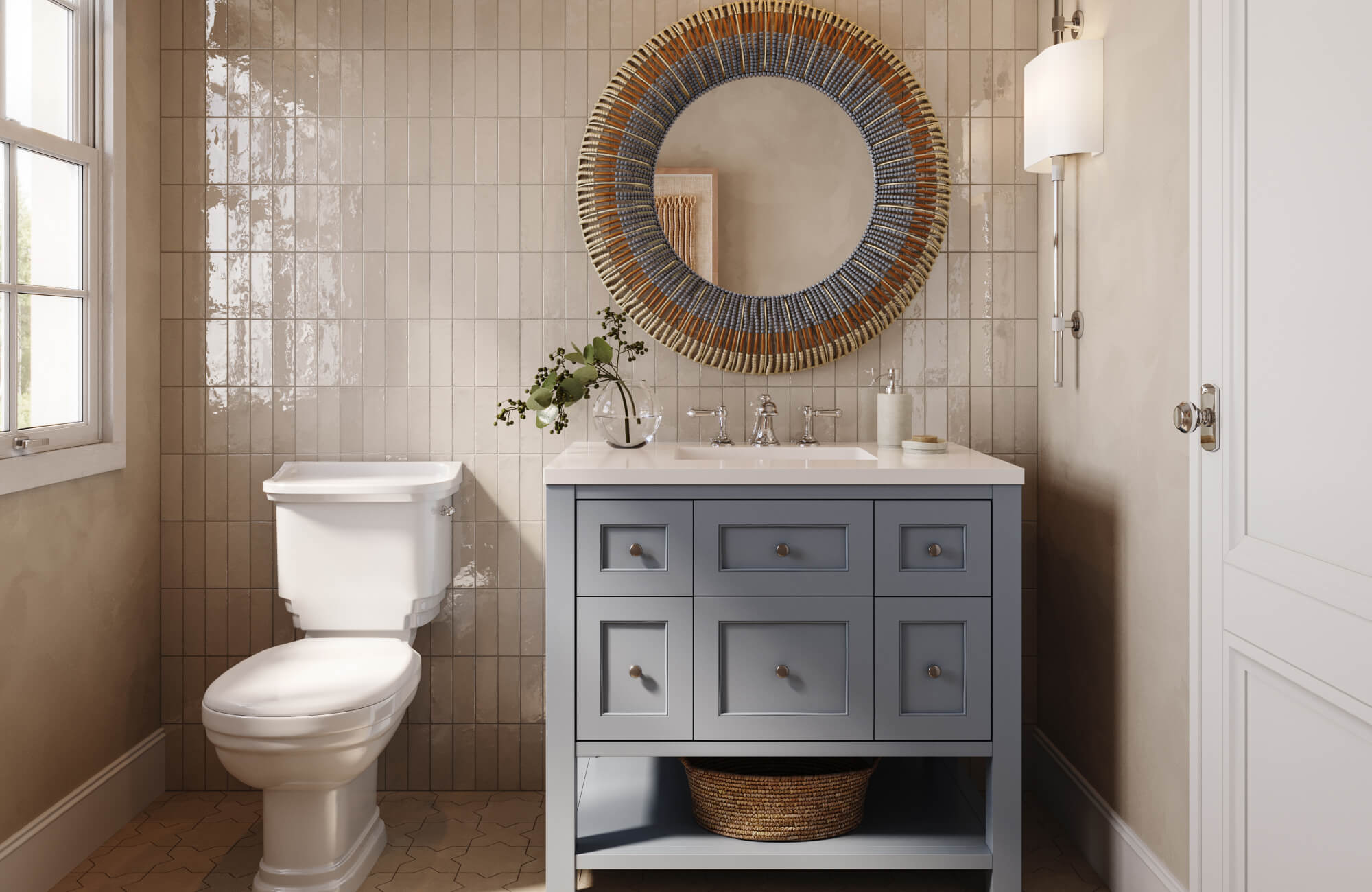
Shower tile decisions tend to carry more weight than most people expect, especially during a bathroom remodel. Because the shower takes up so much visual space, its tile choices often shape how the rest of the room comes together. From layout and scale to finish and surrounding elements, those early decisions influence far more than just the shower walls. In this guide, we’ll walk through how to plan shower tile designs before construction begins, so each choice feels intentional, connected, and easy to build around as the remodel moves forward.

Why the Shower Tile Should Lead the Bathroom Design
The shower usually occupies the largest and most visually prominent surface in a bathroom, which is why it naturally sets the tone for the entire space. Before narrowing in on specific finishes or details, it helps to look at the shower tile in terms of scale, coverage, and overall presence.
Why Shower Tile Often Leads the Bathroom Design
Shower tile tends to guide the bathroom design because it covers a large, uninterrupted surface that immediately catches the eye. Unlike smaller elements, it introduces color, texture, and mood all at once, setting expectations for the rest of the space. Since the shower is often the focal point, its tile choice carries more visual influence than many other materials. For instance, a bold tile can establish a strong, expressive tone, while a softer option creates a calmer atmosphere. Beginning with this decision brings clarity, because the overall direction becomes easier to understand. From there, other choices can fall into place without competing for attention.
As shown above, our Jaxson 4x21 Glossy Ceramic Tile in Cloud illustrates how a longer, leaner tile format can immediately establish the shower as the visual anchor of the bathroom. Its extended proportions create a continuous, streamlined surface that helps the space feel taller and more open at first glance. The crisp white tone and light-reflective glossy finish further reinforce that sense of openness, allowing the shower to lead the design without feeling heavy. This kind of clarity makes it easier for surrounding elements to fall into place around the tile rather than compete with it.
How Tile Coverage and Placement Affect Visual Balance
Tile coverage and placement shape how balanced the bathroom feels from the moment you step inside. Full-height tile usually reads as more impactful, while partial coverage introduces a lighter, more relaxed feel. Where the tile begins and ends also affects how the eye travels through the space. For example, extending tile continuously across shower walls can make the room feel more cohesive and grounded. Thoughtful placement helps prevent the shower from feeling visually heavy. Considering these decisions early keeps the shower in proportion with the rest of the bathroom.
When the Shower Should Feel Bold vs Subtle
Not every bathroom calls for a bold shower moment, which is why it helps to decide early how expressive the tile should be. In larger spaces, a more dramatic tile can anchor the room and bring in personality without feeling overpowering. Smaller bathrooms, on the other hand, often benefit from subtler tile choices that keep the space feeling open and calm. What matters most is understanding how much visual presence the shower can comfortably carry. For example, a bold tile tends to work best when the surrounding surfaces are able to support it. Making this decision upfront helps the design feel balanced and well considered.

Choosing Tile Styles That Fit the Bathroom’s Overall Direction
Shower tile style has a big influence on how the bathroom comes together, which is why it helps to think about the overall direction early on. Rather than chasing trends, it’s more useful to focus on mood, surface character, and how the tile will feel over time. Below, we’ll walk through how aligning tile style with the bathroom’s vision creates consistency and keeps the design feeling cohesive.
Matching Shower Tile Style to the Bathroom’s Mood
Every bathroom carries a certain mood, whether it feels calm and spa-like or more bold and expressive. Because the shower takes up so much visual space, its tile choice plays a major role in reinforcing that feeling. Softer tones and understated surfaces often support a relaxed, quieter atmosphere. At the same time, tiles with more texture or tonal variation can introduce energy without taking over the room. What matters most is choosing a tile that feels in step with the overall intention. When that mood is clear, tile decisions tend to feel more natural and confident.
Seen here in a rich olive tone, our Mikayla 5x5 Glossy Ceramic Tile in Olive above shows how a handcrafted-style tile can set a clear mood without overwhelming the space. Its soft sheen and natural variation bring warmth and depth, reinforcing a relaxed, lived-in atmosphere rather than a sharp or overly modern one. The square format keeps the look grounded and familiar, which helps the color feel intentional instead of bold for its own sake. When the shower tile carries this kind of character, it naturally guides the rest of the bathroom’s design direction.
Clean, Minimal Looks vs More Expressive Tile Choices
Clean, minimal tile styles are often a strong choice when the goal is a bathroom that feels timeless and uncluttered. These tiles create a sense of openness and refinement, allowing the space to feel calm without relying on decorative detail. Because they don’t demand attention, they tend to age well and adapt easily as styles shift over time. Minimal tiles also make it easier for other elements to breathe, which can be especially helpful in smaller bathrooms. This approach often feels comfortable and familiar, even years after installation. When simplicity leads, the bathroom usually feels more balanced and easy to live with.
More expressive tile choices can bring personality and depth into the bathroom, but they work best when used with intention. These tiles often introduce texture, variation, or movement that naturally draws the eye. Because of that, they benefit from being treated as a focal point rather than just another surface. For example, an expressive tile feels more grounded when the rest of the bathroom stays visually calm and supportive. Deciding early whether the shower should quietly blend in or stand out helps guide these choices. Making that distinction upfront keeps the design feeling confident and well considered instead of visually mixed.
How Tile Finish Shapes the Feel of the Space
Tile finish quietly shapes how the shower feels once the space starts to come together, often in ways that aren’t immediately obvious. In many cases, it carries just as much influence as color, because it affects how light and surface interact throughout the day. Matte finishes, for instance, tend to read softer and more relaxed, which naturally supports a calm, grounded atmosphere. Glossier surfaces, on the other hand, reflect more light and bring in a cleaner, more polished feel. That shift in finish subtly changes how the tile settles into the room’s overall mood. Choosing the finish with intention early on helps keep the bathroom’s design direction clear and consistent.
Avoiding Style Conflicts Early in Planning
Style conflicts often appear when tile choices are made in isolation, without stepping back to look at the overall design. Even when individual elements feel strong on their own, combining opposing styles can make the bathroom feel unsettled. For example, a highly decorative tile may clash in a space that’s otherwise clean and minimal. Thinking about style alignment early helps keep everything moving in the same direction. It also makes the planning process feel more focused and less reactive. When the styles feel aligned from the start, the bathroom comes together more naturally.

Planning Shower Tile Layout and Scale Before Installation
Shower tile layout and scale shape how the space feels long before any construction begins, which is why these decisions are best made early. Thinking through proportion and visual flow ahead of time helps prevent layouts that feel cramped or overly busy once everything is installed. In this section below, we’ll look at how tile size and layout choices influence the way the shower feels within the larger bathroom.
How Tile Size Affects Shower Proportions
Tile size has a noticeable effect on how spacious or compact a shower appears at first glance. Larger tiles often create a more open feel because there are fewer visual interruptions across the surface. Smaller tiles introduce more lines and detail, which can make the space feel more active. That doesn’t mean small tiles are off the table, but they work best when the scale feels intentional. For instance, a compact shower may benefit from tiles that visually extend the space instead of breaking it up. Thinking about proportion early helps the shower feel balanced and comfortable to use.
As shown above, our Dax 6x24 Matte Porcelain Tile in Rust is a strong example of how scale can visually stretch a shower and make it feel more expansive. Its elongated format reduces visual breaks across the wall, which helps the space read as calmer and more continuous rather than segmented. The matte, concrete-inspired surface keeps the bold color grounded, so the tile feels architectural instead of overwhelming. When larger-format tiles like this are planned early, they support proportion and flow before installation ever begins.
Vertical vs Horizontal Layouts in Shower Design
The direction of a tile layout has a subtle but noticeable effect on how the shower is experienced. Vertical layouts naturally guide the eye upward, which can help the space feel taller and more open. Horizontal layouts, on the other hand, tend to stretch the space visually and create a calmer, more grounded feel. Choosing between the two usually depends on what the shower needs most in terms of balance and proportion. For example, a narrow shower often feels more relaxed when the layout emphasizes horizontal movement. Deciding on layout direction early helps the overall design flow feel more intuitive and cohesive.
Keeping Tile Layouts Visually Calm
A visually calm tile layout helps the shower feel more relaxed and easier to take in. When the layout stays simple and consistent, the eye can move across the surface without getting pulled in too many directions. This approach works especially well when the tile itself already has texture or tonal variation. For instance, a restrained layout allows expressive tile to feel intentional rather than overwhelming. Over time, calmer layouts also tend to feel more timeless. Keeping the layout uncomplicated helps the shower feel purposeful instead of visually busy.
Why Overly Complex Patterns Can Be Limiting
Overly complex tile patterns can feel exciting at first, especially when you’re envisioning the finished space. Over time, though, those patterns often become more restrictive as the bathroom evolves. When a layout demands constant attention, it leaves less room for subtle shifts or adjustments elsewhere in the design. This can make the shower feel visually locked in rather than adaptable. For example, bold patterns may dominate the space in ways that are hard to soften later on. Choosing simpler patterns early helps keep the shower flexible, comfortable, and easy to live with as tastes change.

Coordinating Shower Tile With Vanities and Mirrors
Shower tile doesn’t exist in isolation, which makes it important to think about how it visually connects with vanities and mirrors throughout the bathroom. Because these elements share the same sightlines, their materials, scale, and finishes naturally interact with one another. Below, we’ll look at how to create balance and visual continuity between the shower, vanity, and mirror so each element feels intentional without competing for attention.
How Vanity Finishes Influence Shower Tile Choices
Vanity finishes quietly shape how the shower tile is read within the space. Since vanities often sit across from or next to the shower, their material and color can either support the tile or create visual tension. Warm wood finishes, for instance, tend to soften ceramic or stone surfaces, while painted or lacquered vanities often sharpen contrast. This relationship influences whether the shower feels integrated or slightly separate from the rest of the bathroom. Thinking about vanity finishes early helps keep the tile choice grounded within the broader material palette. When these elements feel aligned, the bathroom comes together more naturally.
Using Shower Tile to Frame the Vanity Area
Shower tile can also play a subtle role in framing the vanity area, especially in bathrooms with more open layouts. When tile extends within the same visual plane, it helps guide the eye and establish a sense of structure. This framing doesn’t need to be literal, but it should feel considered and intentional. For example, a continuous tile surface can anchor the vanity visually without overpowering it. The goal is to let the tile support the vanity’s presence rather than compete with it. That thoughtful connection helps the bathroom feel more balanced and organized.
Balancing Tile Presence With Mirror Size and Shape
Mirror size and shape play a bigger role in how shower tile is perceived than many people realize. Larger mirrors tend to amplify the surfaces around them, which can make the tile feel more dominant than expected. Smaller or more sculptural mirrors, by contrast, introduce visual pauses that help break up wide tiled areas. This balance matters because mirrors reflect both light and material, shaping how the room is experienced overall. For instance, an oversized mirror often pairs best with a more restrained tile nearby. Paying attention to these proportions helps the space feel comfortable and visually balanced rather than crowded.
Avoiding Visual Overcrowding Between Surfaces
Visual overcrowding tends to show up when multiple surfaces try to draw attention at the same time. In bathrooms, this often happens when shower tile, vanity finishes, and mirror shapes all compete within the same view. Letting one element stay quieter gives the others more room to read clearly. For example, if the shower tile carries texture or variation, simpler vanity and mirror profiles usually feel more supportive. Thinking through these relationships early helps the space feel calmer and more composed. A balanced approach allows each surface to contribute without overwhelming the room.
As seen above, our Jaden 2.5x16 Glossy Ceramic Tile in Hunter works in quiet harmony with the warm wood tones of our Sasha 60" Double Vanity in Mid Century Walnut with 3 cm White Zeus Quartz Top, and the softly curved Shirley Large Mirror in Antique Brass Iron. The tile’s elongated format and shifting green glaze create a rich backdrop that lets the vanity’s fluted detailing and the mirror’s sculptural shape stand out without feeling crowded. Instead of competing, each element supports the next, creating a layered composition that feels balanced and intentional. This kind of coordination helps the bathroom read as cohesive, even when bold materials are involved.

Accounting for Lighting Fixtures When Selecting Shower Tile
Lighting has a bigger impact on shower tile than many people expect, because it changes how surfaces look from morning to night. Tile that feels perfect under showroom lighting can read very differently once it’s in your bathroom.
How Light Changes the Look of Tile Surfaces
Light has a way of bringing out details that aren’t always obvious at first. As natural light shifts during the day, it can highlight texture, soften color, or reveal subtle variation in the tile surface. In the evening, artificial lighting often changes that read, sometimes making the tile feel deeper or more expressive. This is why a tile that looks calm in daylight can feel more pronounced at night. Paying attention to these shifts helps set realistic expectations early on. It also makes the final tile choice feel more grounded in how the space is actually used.
Reflective vs Soft Finishes Under Bathroom Lighting
Reflective and softer finishes interact with bathroom lighting in very different ways, which makes this an important choice to think through. Reflective surfaces tend to bounce light around, helping the shower feel brighter and more open. Softer finishes absorb light instead, creating a quieter, more relaxed atmosphere. Neither approach is inherently better, but each supports a different mood. For example, a reflective tile may feel lively during the day, while a softer finish often feels more calming at night. Choosing with lighting in mind helps the shower feel comfortable and consistent from morning through evening.
Avoiding Surprises Once Fixtures Are Installed
Lighting surprises often happen when tile is chosen without considering how it will react once fixtures are installed. Shadows may fall in unexpected ways, and highlights can become more noticeable across different areas of the shower. These shifts can change how texture or surface variation reads on the walls. Thinking ahead helps prevent moments where the tile feels suddenly too busy or, on the other hand, flatter than expected. Planning for this early helps the finished space feel calm, consistent, and easy to live with.

Planning Rugs and Floor Elements Around Shower Tile
Shower tile may feel like a vertical decision, but it has a strong influence on how the bathroom floor and rugs are experienced. Because these surfaces share the same visual field, they need to work together in a way that feels natural and comfortable.
How Shower Tile Sets the Tone for Bathroom Floors
Shower tile often sets the visual tone that the rest of the bathroom follows, including the floor. Its color, surface character, and overall presence influence whether the floor feels calm and grounded or slightly more expressive. For instance, a bold shower tile usually works best when the floor stays quieter, so the space doesn’t start to feel visually busy. A more understated tile choice, on the other hand, can give the floor room to carry a bit more interest without overpowering the room. Looking at the shower tile as the starting point helps the floor feel connected rather than separate. That connection helps the bathroom come together in a more cohesive, considered way.
Balancing Tile Patterns With Rugs
Rugs naturally introduce softness and movement into a bathroom, which means they interact closely with nearby tile patterns. When shower tile includes variation or pattern, rugs often feel most comfortable when they provide contrast instead of competing for attention. This doesn’t mean rugs need to fade into the background, but their presence should feel supportive. For example, a patterned rug can feel more grounded when it sits alongside a simpler tile surface. Thinking about how these elements overlap visually helps keep sightlines clear and the space feeling open. That balance makes the bathroom more comfortable and easier to live with.
Using Rugs to Soften Tile-Heavy Spaces
Bathrooms with a lot of tile can sometimes feel visually hard, even when the design itself is well thought out. Rugs help soften those surfaces and introduce a more relaxed, lived-in feel. They bring in warmth and comfort without changing the underlying materials or disrupting the overall design. For instance, placing a rug in an area dominated by tile can help balance the room’s visual weight. That added softness makes the bathroom feel more welcoming in everyday use. Rugs act as a gentle visual pause that supports the shower tile rather than pulling attention away from it.
Creating Visual Flow From Shower to Floor
Visual flow between the shower and the floor helps the bathroom feel connected rather than divided into sections. When transitions feel smooth, the eye moves naturally from one surface to the next without feeling interrupted. This connection can be supported through shared tones, balanced contrast, or complementary surface character. For example, echoing subtle details from the shower tile in the floor or rug helps tie the space together. Thinking about this relationship early helps avoid harsh visual breaks between surfaces.

Final Checks Before Locking in Your Shower Tile Design
Once the main decisions are in place, it’s helpful to pause and look at the shower tile within the full scope of the remodel. This moment isn’t about second-guessing your choices, but about making sure everything still feels aligned and comfortable together. Below, we’ll walk through how to step back and review the design as a whole before moving forward with confidence.
Reviewing Tile Choices in the Full Bathroom Context
At this stage, it helps to look at the shower tile as part of the entire bathroom rather than focusing on it in isolation. Seeing it alongside floors, walls, and other surfaces often brings clarity about whether it still feels like the right choice. Sometimes a tile that felt perfect on its own reads a bit differently once the surrounding elements come into view. This is also a good time to check whether the tile still supports the overall mood you had in mind. If it feels consistent with that direction, that’s usually a reassuring sign. Taking this broader view helps the design feel more settled and cohesive.
Confirming Balance Between All Surfaces
Balance becomes easier to assess when you think about how each surface shares visual attention within the space. The shower tile should feel connected to what’s around it, without taking over the room. Looking at how it interacts with nearby materials helps reveal whether any element feels too dominant. For instance, if the shower carries a strong visual presence, the surrounding surfaces should feel supportive and calm. This kind of check helps the bathroom feel intentional rather than visually tense. When the balance feels right, the space naturally feels more comfortable to live in.
Avoiding Last-Minute Design Regrets
Many design regrets happen when this reflection stage is rushed. Giving yourself time to sit with the plan helps bring attention to anything that feels uncertain or unfinished. This doesn’t mean second-guessing every decision, but simply noticing when something feels slightly off. For example, if you keep coming back to one detail in your mind, it may be worth revisiting before moving forward. Listening to that instinct early often prevents frustration later. Feeling settled with the overall plan usually matters more than chasing perfection.
Knowing When the Plan Feels Right
A well-planned shower tile design tends to feel clear rather than complicated. When the choices work together, and nothing feels forced, confidence starts to come naturally. At that point, you’re no longer adjusting decisions to make them fit, because they already feel aligned. This is often when the design shifts from feeling theoretical to feeling real. If the plan feels comfortable and cohesive, that’s usually the sign you’re ready to move ahead. That sense of ease is what allows the remodel to move forward smoothly.
Turning Shower Tile Planning Into Confident Decisions
Planning shower tile before a bathroom remodel is less about locking in a single look and more about creating clarity early on. When tile decisions are made with scale, layout, lighting, and surrounding elements in mind, the rest of the space has room to come together smoothly. Each choice builds on the last, which helps the bathroom feel intentional rather than pieced together. That kind of upfront planning often makes the entire remodel feel more manageable and less overwhelming.
If you want a second set of eyes before moving forward, our design consultation is there to help bring everything into focus. We’ll walk through your ideas, look at how the shower tile fits into the full bathroom plan, and help refine details that still feel uncertain. Sometimes a short conversation is all it takes to confirm direction and move ahead with confidence. Having that support can make the planning process feel clearer, calmer, and much more enjoyable.