Natural light can completely change how a space feels, but getting it to travel where you want it is not always as simple as adding another window. That’s where mirrors come in, especially large floor mirrors that can redirect daylight in smart, subtle ways. When placed thoughtfully, they help brighten darker areas, soften shadows, and make rooms feel more open without relying on extra lighting. In this blog, we’ll walk through how to place a large floor mirror to reflect natural light more effectively, when a hanging mirror might work better, and the common placement mistakes to avoid so your space feels brighter and more balanced overall.

Why Mirror Placement Matters More Than Mirror Size
When it comes to reflecting natural light, where a mirror sits often matters more than how large it is. Light follows specific paths based on window direction, time of day, and surrounding surfaces, and mirrors simply respond to those conditions. A well-placed mirror can brighten a room naturally, while a larger mirror in the wrong spot may do very little at all.
How Mirrors Redirect Natural Light Rather Than Create It
Mirrors do not generate light on their own, but instead redirect the light already present in a space. When positioned thoughtfully, they can bounce daylight deeper into a room, reaching areas that windows alone cannot illuminate. This redirection works best when the mirror faces or sits adjacent to a natural light source rather than being placed randomly. As light reflects off the mirror, it spreads more evenly, softening shadows and brightening darker corners. Over time, this creates a more balanced and comfortable atmosphere. The mirror becomes a quiet tool for managing light rather than a decorative feature, trying to do all the work.
Why A Larger Mirror Cannot Fix Poor Placement
A larger mirror may seem like an easy solution, but size alone cannot overcome poor positioning. If a mirror is placed where little natural light reaches, it will simply reflect what is already there, which may not be much. In some cases, an oversized mirror can even emphasize glare or dark zones instead of improving brightness. Placement determines what the mirror sees and reflects, not its dimensions. This is why a smaller mirror placed correctly can often outperform a much larger one. Light awareness, not scale, is what ultimately makes the difference.
How Daylight Moves Through A Room Over Time
Natural light is constantly shifting throughout the day, changing both direction and intensity. Morning light may enter from one angle, while afternoon light moves across the room in a completely different way. Mirror placement that accounts for these shifts tends to feel more effective and consistent. By observing how light travels through the space at different times, it becomes easier to position a mirror where it can work with those changes. This approach helps the room stay bright longer without relying on artificial lighting. Over time, the mirror feels like it belongs naturally within the rhythm of the space.

Placing Large Floor Mirrors Near Windows For Maximum Light
Placing a large floor mirror near a window is one of the most effective ways to reflect natural light deeper into a room. The key is working with the direction and intensity of daylight rather than overpowering it. When positioned thoughtfully, a mirror can brighten the space without introducing harsh glare or visual discomfort.
Positioning A Mirror Directly Across From A Window
Placing a mirror directly across from a window allows it to capture the strongest available daylight and reflect it back into the room. This setup works especially well in spaces where light enters cleanly without heavy obstruction from trees or nearby buildings. As the light hits the mirror, it spreads outward, helping illuminate areas that might otherwise stay dim. Over time, this placement can make a room feel brighter and more evenly lit throughout the day. However, it is important to consider the angle of the incoming light to avoid direct glare. When balanced correctly, the mirror acts like an extension of the window rather than a competing surface.
Angling A Floor Mirror Beside A Window For Softer Reflection
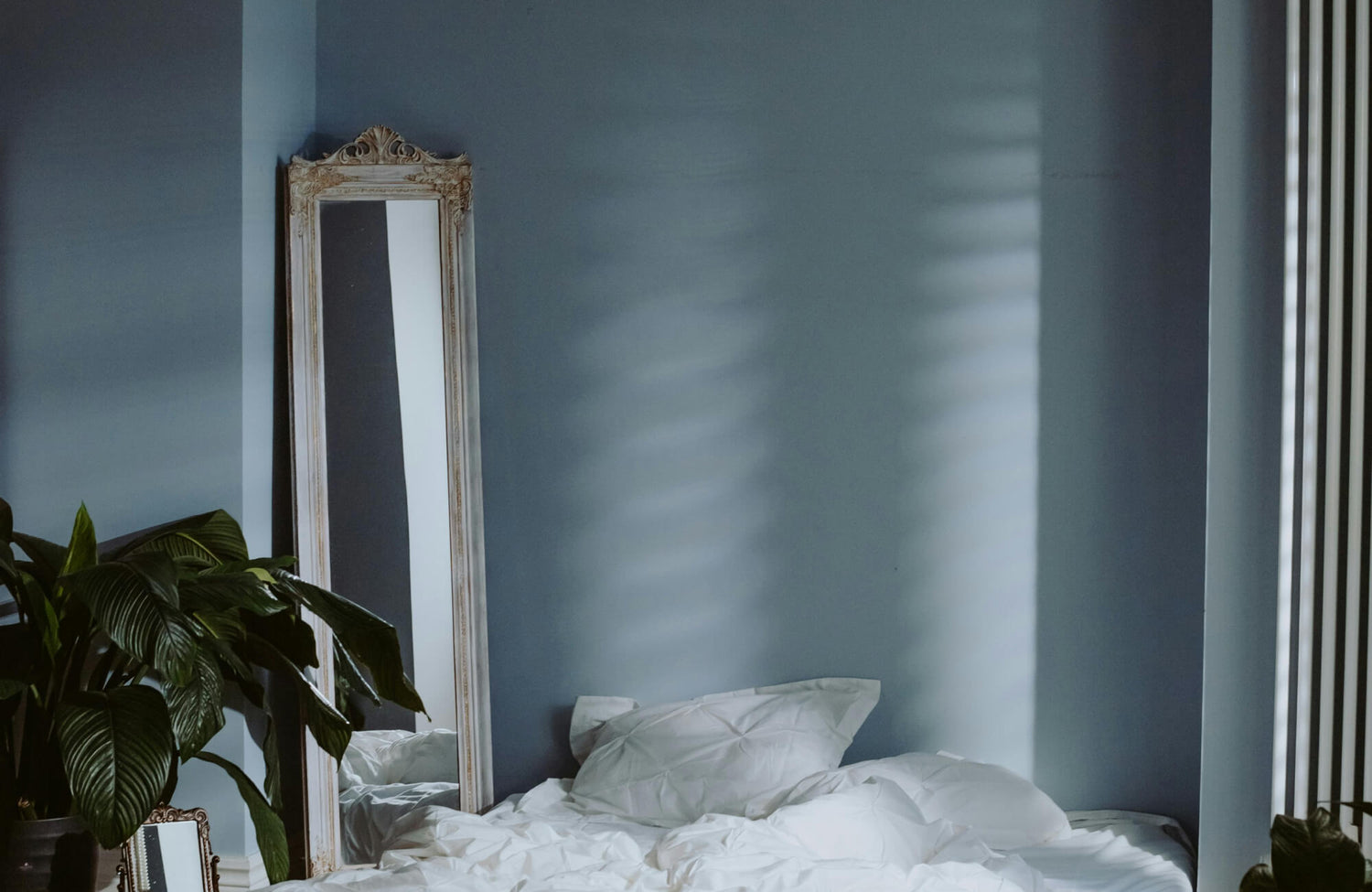
Angling a floor mirror, like our Sorellia Floor Mirror in Natural, slightly beside a window, creates a softer, more diffused reflection of daylight. Instead of bouncing light straight back, the mirror redirects it across walls and into deeper parts of the room. This approach is especially useful in rooms where direct sunlight feels too intense at certain times of day. By adjusting the angle, the reflected light becomes more gentle and comfortable. It also helps reduce sharp contrasts between bright and shaded areas. Over time, this placement supports a more relaxed and balanced light quality.
How Window Height And Sill Placement Affect Reflection
Window height often has a bigger impact on mirror placement than people initially realize. Taller windows tend to send light deeper into the room, which gives mirrors more daylight to reflect and spread. With lower windows, light usually stays closer to the floor, which can change how effectively a floor mirror picks it up. The sill height also matters, since it influences where the brightest light falls as the sun moves throughout the day. Paying attention to these details makes it easier to place a mirror with intention rather than guesswork. When a mirror lines up with the strongest light path, the reflection feels more natural and noticeably more effective.
Managing Glare In South- And West-Facing Rooms
South- and west-facing rooms tend to get the strongest sunlight, which is great for brightness but can quickly turn into glare if mirrors are placed without much thought. Instead of positioning a mirror directly in line with the window, it usually works better to angle it slightly or place it just off to the side. This helps soften the reflection so the light spreads more gently through the room. Sheer curtains or nearby furnishings can also play a helpful role by diffusing that intense sunlight before it hits the mirror. When these elements work together, the light feels warmer and easier on the eyes. The room still benefits from added brightness, just without the harsh shine.

Using Floor Mirrors To Brighten Dark Corners And Narrow Spaces
Not every room benefits from direct sunlight, but that does not mean it has to feel dim or closed in. Floor mirrors can help redirect available daylight into areas that sit farther from windows or receive uneven light. When used thoughtfully, they make darker zones feel more connected to the brighter parts of the home.
Pulling Daylight Into Interior Rooms And Hallways
Interior rooms and hallways often feel cut off from natural light simply because they sit farther from exterior windows. Placing a floor mirror where it can catch light from an adjacent room helps bridge that gap. Rather than relying solely on artificial lighting, the mirror draws daylight inward and gently spreads it through the space. As a result, these in-between areas feel more welcoming and less enclosed. Over time, that reflected light helps transitional spaces feel lived-in rather than purely functional. The overall flow between brighter rooms and darker ones becomes noticeably smoother.
Making Narrow Spaces Feel Wider With Reflection
Narrow spaces tend to highlight shadows and tight sightlines, especially when light enters from only one direction. A floor mirror helps soften that effect by carrying light across the width of the space instead of letting it stop short. This gives the eye more room to move, which naturally makes the area feel wider. Even when daylight is limited, reflection helps distribute it more evenly. The space starts to feel less like a corridor and more like part of the room itself. Over time, that small shift makes narrow areas more comfortable to move through and spend time in.
Using Mirrors To Balance Uneven Light Distribution
Some rooms naturally receive light unevenly, with one side staying bright while another lingers in shadow. A well-placed floor mirror can help even things out by redirecting light toward those darker areas. Instead of allowing one corner to visually dominate the room, the mirror spreads brightness more evenly across the space. This softens contrast and helps the room feel calmer and more intentional. As the light becomes more balanced, furniture, textures, and finishes are easier to see and appreciate. The space starts to feel cohesive without relying on extra lighting.
Avoiding Flat Reflections That Do Not Add Depth
A mirror placed flat against the wall can sometimes end up doing very little, especially in darker areas of the room. If it is only reflecting a blank wall or a shadowed surface, it is not really helping the space feel brighter or deeper. This is where a bit of intention makes all the difference. Floor mirrors tend to work best when they reflect light, movement, or an open view rather than something static. Taking a moment to consider what the mirror is actually capturing helps ensure it adds value. When reflections are purposeful, the room feels both brighter and more dimensional.

Height, Tilt, And Distance: Fine-Tuning Mirror Placement
Once the general location is right, small placement adjustments make a surprisingly big difference. Height, tilt, and distance all affect how light moves through the room and how natural the reflection feels. Fine-tuning these details helps a floor mirror work with the space rather than just sit in it.
Floor Placement Versus A Slight Wall Lean
A floor mirror sitting perfectly upright reflects light very differently from one with a gentle lean. When it is placed flat against the wall, it often captures a narrower slice of daylight. By leaning the mirror slightly, it can pick up more light from nearby windows and spread it upward and outward. This creates a softer, more natural reflection instead of a sharp bounce. The slight angle also adds visual depth, helping the mirror feel less rigid in the space. Over time, that small adjustment can make the room feel more relaxed and noticeably more open.
How Mirror Tilt Changes Light Bounce And Depth
Even subtle changes in tilt can shift how light moves through a room, as highlighted before. A slight upward tilt helps lift light onto walls and ceilings, which instantly makes the space feel brighter and airier. Tilting downward, however, tends to keep light closer to the floor, which can feel heavier, especially in smaller rooms. The key is finding a balance that encourages light to travel without creating glare. Tilt also influences depth, since angled reflections feel more layered and dynamic. When handled thoughtfully, mirror tilt improves both brightness and the overall sense of flow in the room.
Ideal Distance From Windows And Adjacent Walls
Distance plays a bigger role in mirror placement than it might seem at first. When a mirror sits too close to a window, the reflection can feel harsh or overly intense. Move it too far away, and it may miss the strongest daylight altogether. Placing the mirror a short distance from the window usually helps it catch light while keeping the reflection softer and more comfortable. Spacing from adjacent walls matters as well, since crowding can limit how far light is able to travel. With the right balance, the mirror extends daylight deeper into the room without feeling forced.

When A Hanging Mirror Works Better Than A Floor Mirror
Floor mirrors offer flexibility, but there are times when a hanging mirror simply works better. Wall-mounted mirrors are especially helpful when floor space is limited or when the layout calls for a more fixed reflection point. Instead of being repositioned throughout the day, a hanging mirror provides consistent light bounce that supports the room’s overall flow.
Hanging Mirrors In Tight Or Busy Areas
In tight or busy areas, floor mirrors can quickly become obstacles rather than helpful design elements. Hanging a mirror keeps walkways clear while still allowing natural light to reflect and move through the space. This is especially useful in hallways, entryways, and transitional zones where people pass through frequently. Because the mirror stays fixed on the wall, the reflection remains consistent throughout the day. It also removes the need to adjust placement to accommodate movement or furniture shifts. This results in a brighter light without interrupting how the space functions.
Using Wall-Mounted Mirrors Above Furniture
Placing a mirror above furniture is an easy way to reflect light without giving up valuable floor space. When mounted over a console, dresser, or sideboard, the mirror sits at a height that pushes daylight outward into the room rather than directing it toward the floor. This creates a more even and comfortable spread of light, especially in living rooms and bedrooms. The furniture below also helps visually ground the mirror, making the placement feel intentional. Instead of feeling added on, the mirror becomes part of the layout. Together, the two elements support both brightness and everyday function.
How Hanging Mirrors Affects Vertical Light Spread
Hanging mirrors interact with light a little differently simply because of where they sit on the wall. When positioned higher, they tend to bounce light outward and upward, which can subtly lift the feel of the ceiling. This is especially helpful in rooms with lower ceilings or limited daylight, where light can otherwise feel compressed. Rather than pooling brightness in one spot, the reflection spreads more evenly through the room. That extra lift can make the space feel airier without adding new fixtures. Over time, this upward movement of light quietly changes how open the room feels.
Choosing Hanging Mirrors For Rooms With Limited Floor Space
When floor space is limited, hanging mirrors offers an easy way to bring in more light without adding obstacles. Using wall space instead helps the room feel more open and easier to move through, which matters even more in smaller layouts. This works especially well in bedrooms, bathrooms, or apartments where every inch needs to pull its weight. Because the mirror stays off the floor, light can bounce freely without competing with furniture or walkways. The reflection still brightens the space, just in a quieter, more efficient way. As a result, the room feels lighter and more intentional rather than crowded.
Exploring Mirror Shapes To Influence Light And Flow
Mirror shape may seem like a small detail, but it quietly affects how light moves through a room. Rounded or arched mirrors tend to soften reflections, helping light spread more gently across walls and ceilings. Rectangular mirrors feel more directional, guiding light in a cleaner, more structured way that suits orderly layouts. Choosing a shape that complements the room’s proportions helps the reflection feel intentional rather than accidental. Shapes also influence how the eye travels, subtly reinforcing height, width, or balance. When the shape is thoughtfully chosen, the mirror supports both light and flow without ever demanding attention.
A good example of how shape influences light is our Esmeralda Wide Mirror in Polished Brass, shown above. Its soft, arched silhouette gently lifts the eye, helping light move upward and outward rather than feeling boxed in. The slender frame keeps the reflection feeling open, which works especially well above vanities or larger furniture pieces. In modern spaces, that curve quietly softens straight lines without pulling focus away from the rest of the room.

Common Mirror Placement Mistakes That Reduce Natural Light
Even the right mirror can work against you if it is placed without considering how light actually moves through the room. Small placement missteps often limit reflection, create uneven brightness, or interrupt visual flow without being obvious at first. Knowing what to avoid helps mirrors support natural light instead of quietly diminishing it.
Reflecting Dark Walls Or Heavy Furniture
One easy mistake is placing a mirror where it mainly reflects dark walls, bulky furniture, or deeply shadowed areas. Instead of amplifying light, the mirror ends up repeating what already absorbs it. When that happens, the room can feel heavier rather than brighter, even with a large mirror in place. Size alone does not solve the problem if the reflection itself lacks light. Over time, this kind of placement can make a space feel flatter and more closed in. Simply paying attention to what the mirror actually faces often leads to a noticeable improvement.
Blocking Light Paths With Poor Positioning
Mirrors are most effective when they sit within the natural path of daylight, not when they are pushed off to the side or tucked behind obstacles. If a mirror is placed behind tall furniture, near door swings, or too far from a light source, it may never catch usable light at all. In those situations, the mirror is technically there but does very little to brighten the room. The light gets blocked before it has a chance to travel and reflect outward. This often happens when placement is guided by symmetry instead of light direction. A small adjustment is usually all it takes to bring the mirror back into the light’s path.
Overusing Mirrors Without A Clear Lighting Goal
It can be tempting to add multiple mirrors in the hope that more reflection automatically means more light. In practice, too many mirrors without a clear purpose can dilute their impact. Reflections start to feel scattered, and instead of guiding light, the mirrors begin to compete with one another. This often leaves the room feeling visually restless rather than brighter or more balanced. Mirrors tend to work best when each one has a specific role in directing light where it is needed. In most cases, fewer mirrors placed with intention do far more than several added without a plan.
Making Mirror Placement Work for Your Space Over Time
Placing a large floor mirror effectively is really about understanding how light already behaves in your home and working with it instead of against it. Small adjustments in placement, angle, and distance often make a bigger difference than mirror size alone. When mirrors are positioned with intention, they extend daylight, soften shadows, and help rooms feel more open and balanced throughout the day. Over time, that thoughtful placement creates spaces that feel brighter without relying more heavily on artificial lighting.
If you’re planning to update a space or want to get more out of the natural light you already have, a design consultation can help bring everything together. Factors like window orientation, room layout, ceiling height, and furniture placement all influence how mirrors perform long-term. Our design consultation helps you make confident decisions that align light, layout, and everyday living needs. With the right guidance, mirrors become more than décor—they become tools that quietly support how your home feels and functions.