



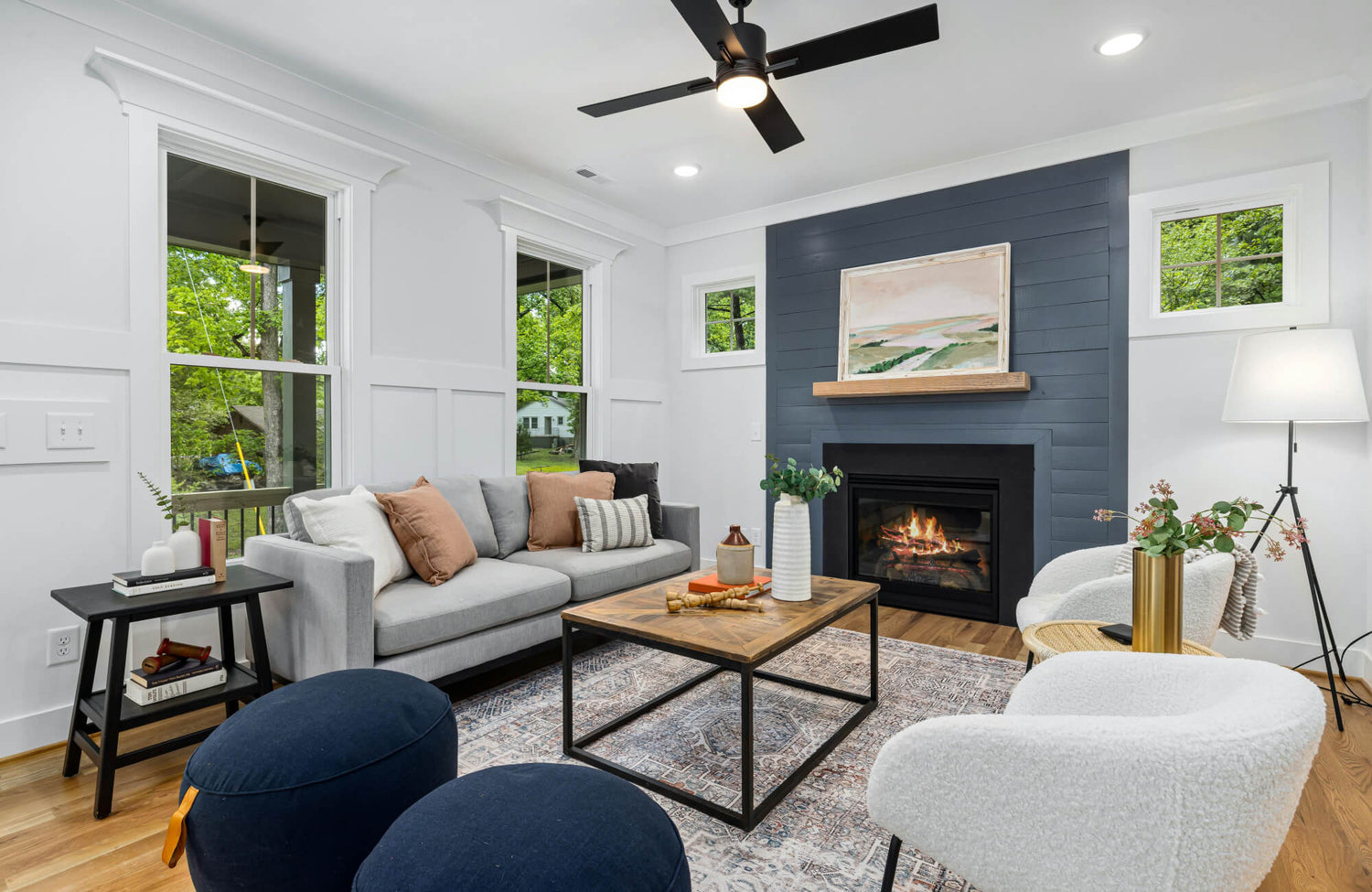
Mixing and matching throw pillows may seem simple at first, yet it often feels confusing when you try to make everything look cohesive. With a clear approach, you can transform even a basic seating area into a space that feels balanced and visually intentional. Instead of relying on guesswork, you can learn how to combine colors, patterns, textures, and shapes in a way that works naturally together. This guide walks you through each step, helping you understand not just what to choose, but why those choices matter. By the end, you can make decisions confidently and create a pillow arrangement that enhances comfort while elevating the overall look of your space.

Build a Cohesive Color Foundation
Before introducing patterns or textures, it’s important to establish a clear color direction to guide your choices. A well-defined palette keeps your arrangement visually cohesive and ensures that each element works together rather than feeling disconnected.
Pull Colors From the Room
Start by observing the elements already present in your space, as they naturally guide your color choices. Look at your sofa, rug, curtains, or even the tones found in your outdoor surroundings for inspiration. In the photo above, Edward Martin’s Haverford Rug in Platinum / Bronze grounds the space with warm neutrals and subtle tonal variation, offering a clear palette for selecting pillows. These existing features often contain nuanced color shifts that can be echoed in your pillow selection for a more connected look. When you draw from what is already there, your pillows feel integrated rather than added as an afterthought. This approach creates a sense of continuity that makes the overall space feel more intentional and cohesive.
Define a Core and Accent Mix
After identifying your main colors, refine them into a focused palette that is easy to work with. Select two or three core tones that will anchor your arrangement and establish consistency. Then, introduce one or two accent shades to add contrast and visual interest without overwhelming the space. This balance allows you to explore different combinations while maintaining a clear direction. As a result, your pillow arrangement feels curated rather than overly busy or random.
Control Contrast Levels
Once your palette is set, consider how much contrast you want to introduce. A low-contrast mix, where colors are closely related, creates a calm and unified look that feels easy on the eyes. On the other hand, higher contrast combinations can energize the space and draw attention to the arrangement. The key is to stay consistent with your chosen level of contrast so the design feels deliberate. By controlling this aspect, you avoid a mix that feels scattered or visually unbalanced.
Use Neutrals as Anchors
To maintain visual balance, incorporate neutral tones throughout your pillow selection. Colors like beige, gray, or soft white help break up stronger hues and prevent the arrangement from feeling overwhelming. A piece like our Merelle 22" x 22" Down Pillow in Ivory works especially well in this role, offering a soft, versatile base that blends seamlessly with a range of styles. These shades can create subtle pauses that allow the eye to move comfortably across the composition. They further help unify different patterns and textures without drawing too much attention, keeping the overall look cohesive and well-balanced.

Combine Patterns Without Visual Clutter
Once your color palette is established, patterns can introduce personality and visual interest to your arrangement. A thoughtful approach ensures each design complements the others, creating a layered look that feels cohesive rather than overwhelming.
Vary Pattern Scale
Start by incorporating patterns in different sizes to create a sense of hierarchy. Large-scale designs naturally draw attention and can serve as focal points, while smaller patterns add subtle detail. This variation prevents visual competition and helps each pillow maintain its own presence. When all patterns are similar in size, the arrangement can feel flat and less dynamic. By adjusting the scale, you create depth and a more engaging visual flow.
Blend Different Pattern Styles
Rather than limiting yourself to a single pattern type, mix contrasting styles to add dimension. Pairing geometric designs with organic or abstract motifs introduces variety and keeps the arrangement from feeling repetitive. This contrast allows each pattern to contribute something unique to the overall look. At the same time, maintaining a connection through color ensures the mix remains cohesive. With this balance, your pillows feel thoughtfully combined rather than randomly selected.
Keep a Shared Color Thread
Even when combining different patterns, cohesion depends on maintaining consistent color throughout your selection. Each pillow should include at least one tone from your established palette to create a clear visual connection. This shared element helps unify varied designs without making them feel repetitive. It also allows you to introduce contrast while still maintaining overall harmony. When color is used consistently, the entire arrangement feels balanced and intentional.
Limit Competing Designs
While variety adds interest, introducing too many bold patterns at once can make the arrangement feel cluttered. It’s important to select a few standout designs and let them naturally take focus. Pair these with simpler or more understated patterns to create balance and visual breathing room. This contrast helps prevent the overall look from becoming overwhelming. By limiting competing elements, your pillow arrangement feels more intentional and well-composed.

Introduce Texture for Depth and Dimension
Once color and pattern are established, texture introduces a layer of interest that brings the arrangement to life. It adds a tactile element that enhances both comfort and visual depth, making the overall look feel more complete and inviting.
Mix Fabric Finishes
Combining different fabric finishes introduces subtle contrast that enhances the overall arrangement. Pair materials like cotton, velvet, or woven fabrics to create variation without relying solely on color or pattern. Each finish reflects light differently, adding depth and visual interest. This mix prevents the pillows from appearing flat or uniform. When thoughtfully combined, these finishes contribute to a more layered and refined look.
Add Tactile Interest
Incorporating tactile details can elevate your pillow arrangement beyond its visual appeal. Elements such as embroidery, tufting, or raised weaves add dimension that invites closer attention. These details create subtle highlights and shadows, making each pillow feel more dynamic. They further enhance the sensory experience, especially in spaces designed for relaxation. By adding tactile features, you create a richer and more engaging composition.
Balance Visual Weight
Textures naturally vary in how much attention they draw, so it’s important to distribute them evenly. Heavier or more textured fabrics can feel visually dominant if grouped in one area. By spreading them across the arrangement, you maintain a sense of balance and stability. This approach ensures that no single section feels overly dense or distracting. As a result, the overall composition remains cohesive and visually comfortable.
Align Texture With Room Style
Texture choices should reflect the overall character of your space. In more relaxed settings, breathable and durable fabrics help create a comfortable and practical atmosphere. In contrast, refined materials can enhance a more structured or formal environment. Aligning texture with the setting helps the pillows feel like a natural extension of the space. This consistency supports the overall design and keeps the arrangement visually harmonious.

Use Shape and Size to Create Visual Structure
Aside from color and texture, the form of your pillows also plays an important role in shaping the overall look. Thoughtful variation in shape and size helps establish structure while guiding how the arrangement is visually perceived.
Start With Standard Sizes
Square pillows provide a dependable starting point for any arrangement. Their familiar shape creates a sense of consistency that helps anchor the overall look. By beginning with standard sizes, you establish a clear structure that makes layering other pillows more manageable. In the photo featured above, Edward Martin’s Brielle 18'' x 18'' Down Pillow in Natural / Mustard illustrates how a classic square form can ground the arrangement while subtly introducing color. This foundation also makes it easier to experiment with additional elements without losing balance, resulting in a setup that feels organized from the start.
Introduce Accent Shapes
To break away from uniformity, incorporate a few accent shapes into your selection. Rectangular or round pillows can add variation while drawing subtle attention within the arrangement. In the photo featured above, Edward Martin’s Merelle 13" x 21" Down Pillow in Terracotta demonstrates how a rectangular form introduces contrast against standard square pillows. This added shape creates a more dynamic composition without disrupting the overall balance. When used sparingly, these accents enhance the design while maintaining a cohesive and well-structured look.
Scale to Furniture Proportion
Choosing the right pillow size in relation to your furniture is essential for balance. Larger sofas or outdoor sectionals can support bigger pillows without feeling crowded, while smaller chairs benefit from more compact options. Paying attention to proportion ensures that the pillows complement rather than overpower the seating. It also helps maintain comfort and usability. When scale is considered carefully, the arrangement feels both practical and visually appropriate.
Keep Variation Controlled
While mixing shapes and sizes adds interest, too much variation can disrupt the overall harmony. Limiting your selection to a few complementary forms keeps the arrangement visually cohesive. This restraint allows each piece to contribute without competing for attention. It also makes the overall design easier to manage and adjust over time. With a controlled approach, your pillow arrangement remains balanced and intentional.

Arrange Pillows for a Polished Finish
Once you’ve selected your pillows, the final step is arranging them in a way that feels intentional and cohesive. Thoughtful placement ensures each element works together visually, bringing the entire composition into balance.
Build From Back to Front
Start by placing the largest pillows at the back to establish a strong visual base. Then layer smaller pillows in front to create depth and dimension. This arrangement allows each pillow to remain visible without being hidden behind others. It also helps guide the eye naturally from back to front. When layered properly, the overall setup feels structured yet inviting.
Choose a Styling Approach
Before arranging, decide on the overall look you want to achieve. A symmetrical layout creates a sense of order and works well in more structured settings. In contrast, an asymmetrical arrangement feels more relaxed and suited to casual spaces. Your choice should reflect how you want the area to feel and function. Keeping this approach consistent helps maintain a cohesive appearance.
Use Grouping Intentionally
The number of pillows you use plays a key role in the final look. Even-numbered groupings tend to feel more formal and balanced. Odd-numbered arrangements, on the other hand, create a more natural and effortless appearance. Being intentional with grouping helps control the visual rhythm of the space. This subtle detail can significantly influence how polished the arrangement feels.
Adjust Per Furniture Type
Each piece of furniture requires a slightly different approach to arrangement. Sofas and sectionals can accommodate layered groupings that add depth and comfort. In contrast, a single chair benefits from a simpler setup with one or two pillows. Adjusting your arrangement based on the furniture ensures both comfort and visual balance. This flexibility allows your styling to feel tailored rather than one-size-fits-all.

Refresh and Maintain Your Pillow Styling Over Time
As your preferences and surroundings evolve, your pillow arrangement should adapt to reflect those changes. With a thoughtful approach, you can refresh your setup over time without needing to start from scratch.
Swap Covers Efficiently
Using removable covers is one of the simplest ways to update your pillow arrangement without replacing the entire piece. This approach allows you to refresh the look while keeping your existing inserts, making it both practical and cost-effective. It also makes it easier to experiment with new colors, patterns, or textures over time. Changing covers requires minimal effort, which encourages more frequent updates. As a result, your space can evolve without requiring a complete redesign.
Rotate Colors Periodically
Switching out accent colors is an effective way to keep your space feeling current. You can adjust tones to reflect seasonal changes, shifts in lighting, or evolving personal preferences. Even subtle changes, such as introducing a deeper shade or a lighter variation, can alter the overall mood. This approach allows you to refresh your arrangement without making drastic changes. Over time, rotating colors helps introduce subtle variety while keeping the overall look consistent.
Update for Occasion or Mood
Your pillow arrangement can also adapt to how your space is being used. A more relaxed setup may work well for everyday comfort, while a more refined arrangement can enhance special gatherings. Making small adjustments, such as repositioning or swapping a few pillows, can shift the overall tone. This flexibility allows your space to feel appropriate for different situations. By adjusting based on occasion or mood, your arrangement remains both functional and visually relevant.
Store and Care Properly
Proper storage plays an important role in maintaining the quality of your pillow covers and inserts. Keeping unused pieces clean and neatly stored helps preserve their appearance over time. It also ensures they are ready to use whenever you decide to refresh your setup. Using breathable storage solutions can help prevent damage or wear. With consistent care, your pillows remain in good condition and continue to support future styling changes.
Creating a Balanced Pillow Mix
To mix and match throw pillows successfully, you need to approach the process with a clear sense of direction and balance. By thoughtfully combining color, pattern, texture, shape, and arrangement, you can create a look that feels cohesive rather than random. Each element should support the others, allowing variety without losing harmony. As you refine your choices over time, small adjustments can keep your setup feeling fresh and relevant. If you need additional guidance, reaching out for design support can help you make more confident choices tailored to your space.


